
Chapter 24 Air Pollution Stationary and Mobile Sources
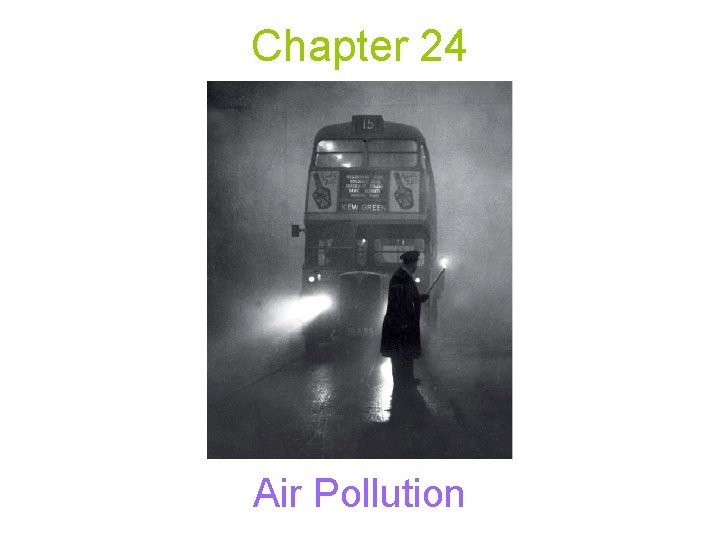
Chapter 24 Air Pollution
Stationary and Mobile Sources of Air Pollution • Two Sources of Air Pollution 1. Stationary Sources: have a relatively fixed location • Point Sources – pollution from 1 or more sites • Fugitive Sources – exposed to wind • Area Sources – well defined areas 2. Mobile Sources: move from place to place while emitting pollutants • Ex) Airplanes, cars, etc. – SARS
General Effects of Air Pollution • Visual quality of the environment – Ex: Damage to leaf tissue, reproduction • • Vegetation, Animals, Soil Water Quality Natural and Artificial Structures Human Heath – Respiratory issues among others • Toxic poisoning, cancer, birth defects, eye irritation, lower immune system, heart disease, asthma, etc.
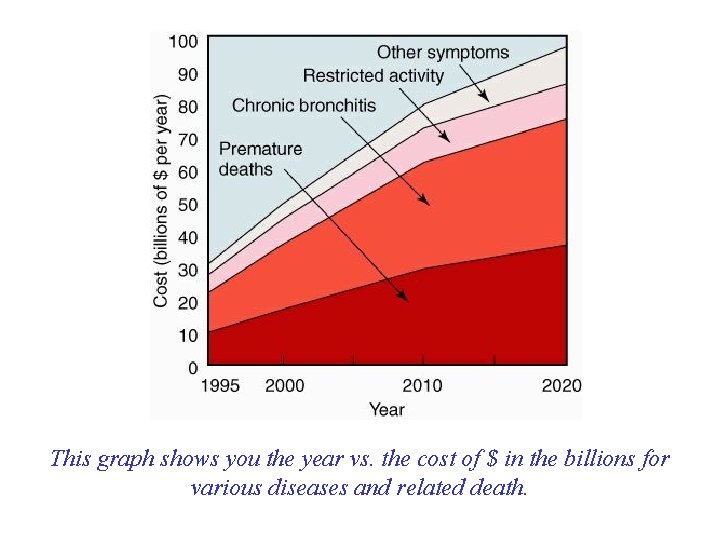
This graph shows you the year vs. the cost of $ in the billions for various diseases and related death.
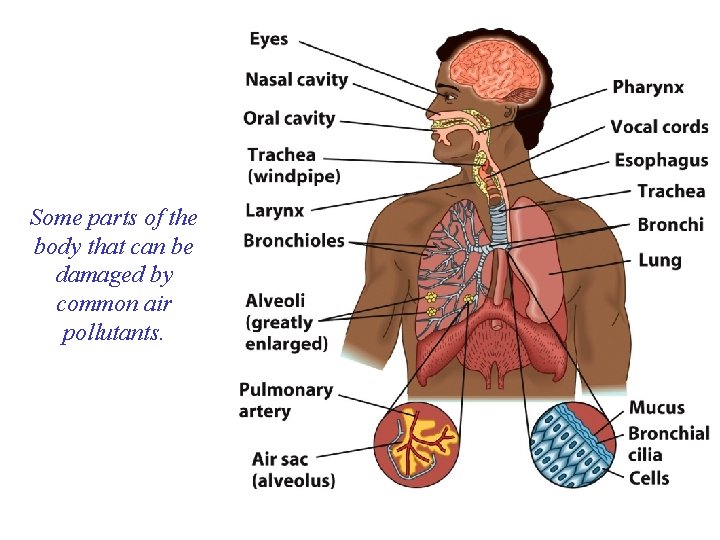
Some parts of the body that can be damaged by common air pollutants.
Primary and Secondary Pollutants, Natural and Human • Primary Pollutants – Those emitted directly into the air – Hydrocarbons, particulates, CO, NOx • Secondary Pollutants – Produced through reactions between primary pollutants and normal atmospheric compounds – Ozone
Major Air Pollutants • • • Pg. 528 to end of chapter. Sulfur Dioxide (acid rain) – industrial & refining Nitrogen Oxide – burning fossil fuels Carbon Monoxide – fires, cars, furnaces Ozone and Other Photochemical Oxidants – cars, fossil fuel burning Volatile Organic Compounds - solvents Particulate Matter – burning fossil fuels Hydrogen Sulfide – smelting (and natural) Hydrogen Fluoride – burning coal, making aluminum Lead – burning gasoline (not in US)
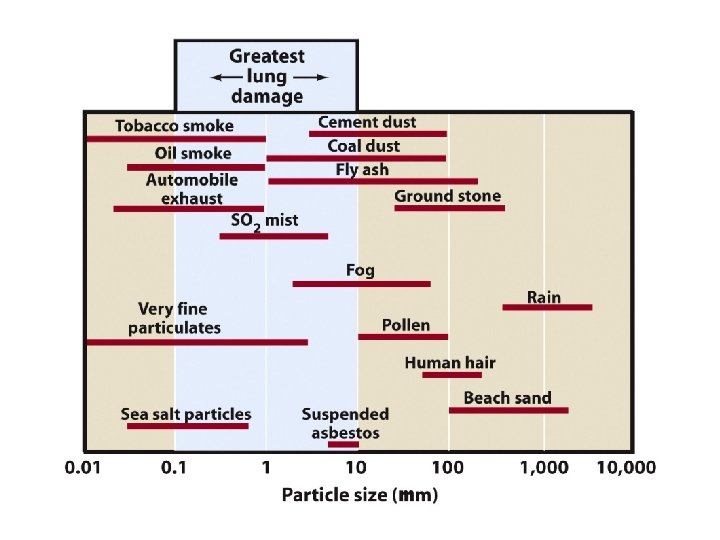
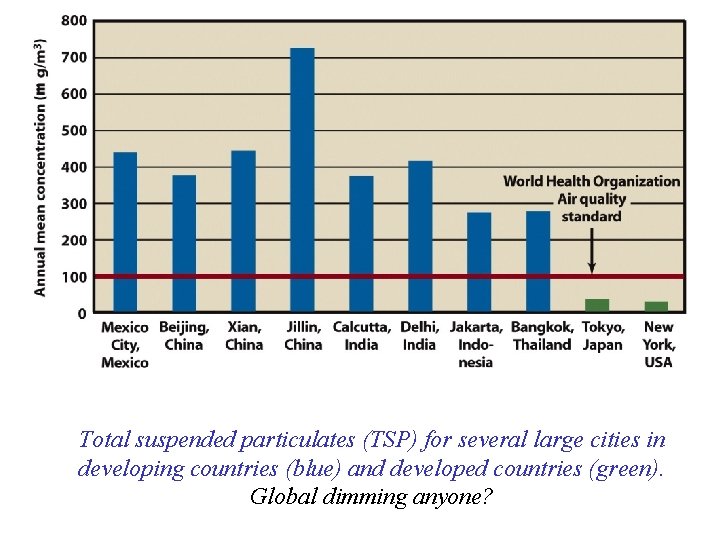
Total suspended particulates (TSP) for several large cities in developing countries (blue) and developed countries (green). Global dimming anyone?
Any Questions?
Chapter 24 Air Pollution Part #2
Urban Air Pollution • Potential for Air Pollution Determined by: – – Rate of emission Downwind distance Average wind speed Elevation Concentration of pollution in the air is directly related to these 2 factors. • Atmospheric Inversion: – Occurs when warmer air is found above cooler air and it poses a particular problem when there is a stagnant air mass • Traps Pollution
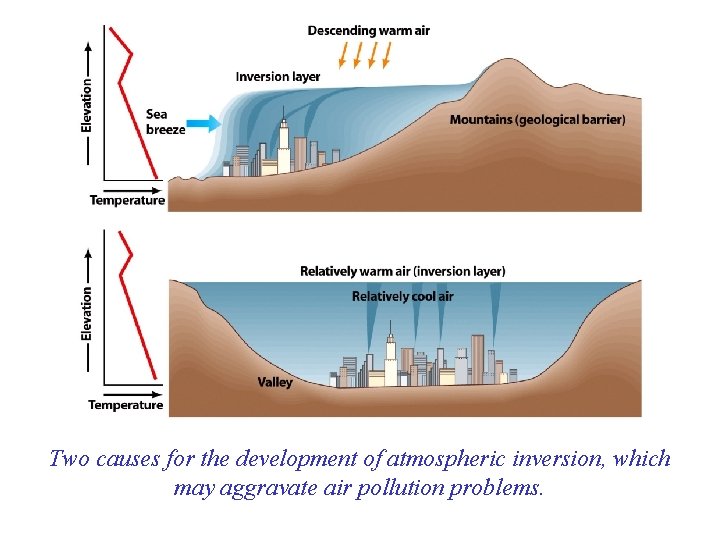
Two causes for the development of atmospheric inversion, which may aggravate air pollution problems.
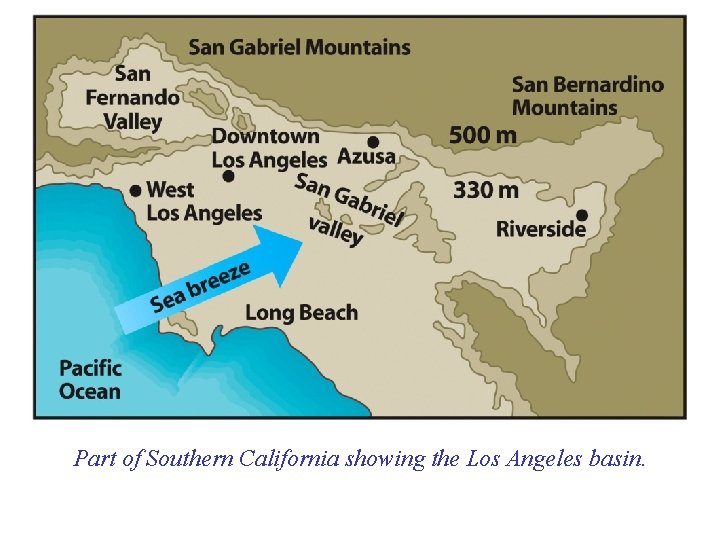
Part of Southern California showing the Los Angeles basin.
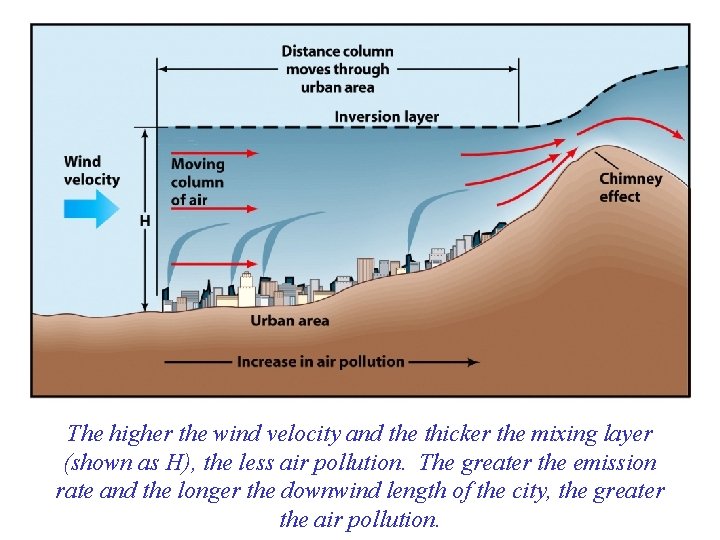
The higher the wind velocity and the thicker the mixing layer (shown as H), the less air pollution. The greater the emission rate and the longer the downwind length of the city, the greater the air pollution.
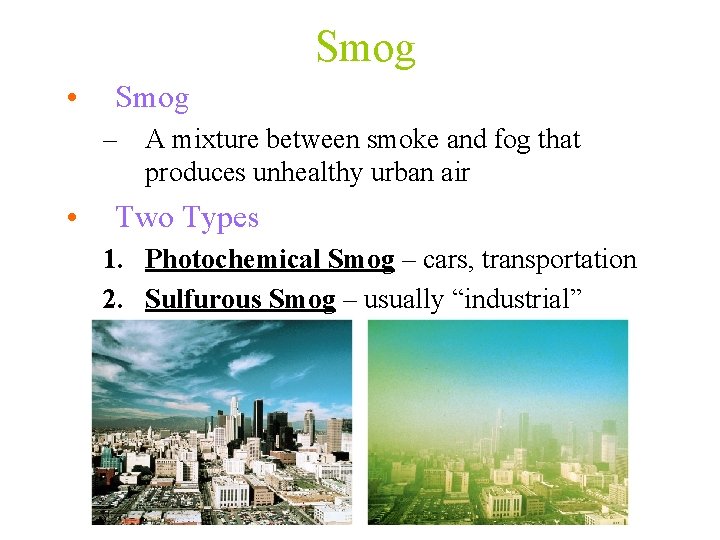
Smog • Smog – A mixture between smoke and fog that produces unhealthy urban air • Two Types 1. Photochemical Smog – cars, transportation 2. Sulfurous Smog – usually “industrial”
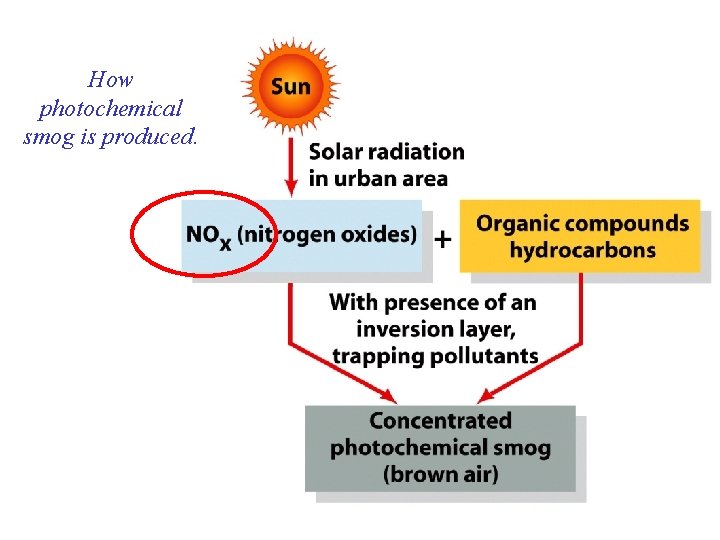
How photochemical smog is produced.
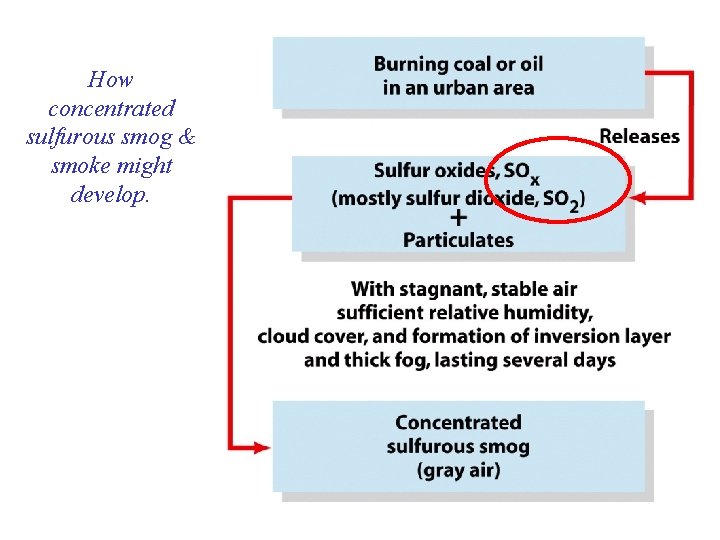
How concentrated sulfurous smog & smoke might develop.
Pollution Control • Particulates – We must devise some methods for control! – Very harmful if PM has a diameter of 10 microns or less! • Automobiles • Sulfur Dioxide (produced from burning coal) – Coal Gasification: converts coal to gas to remove sulfur – Scrubbing: gas desulfurization
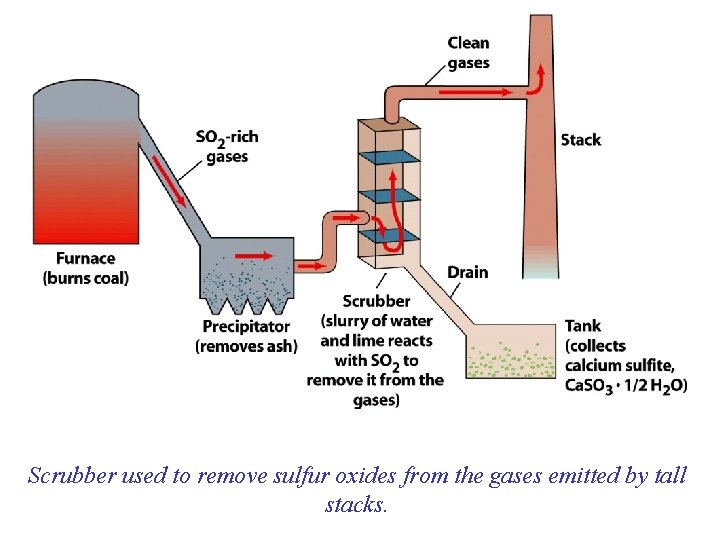
Scrubber used to remove sulfur oxides from the gases emitted by tall stacks.
Air Pollution: Legislation and Standards • Clean Air Act Amendments of 1990 – Comprehensive regulations enacted by U. S congress that address acid rain, toxic emissions, ozone depletion and automobile exhaust • Air Quality Standards – Attempt to control air pollution • Tougher Standards for PM 2. 5 and Ozone • Air Quality Index
Any Questions?
- Slides: 23