
Chapter 22 Fatty Acid Metabolism Chem 454 Biochemistry
Chapter 22. Fatty Acid Metabolism Chem 454: Biochemistry II University of Wisconsin-Eau Claire
Introduction Fatty acids play several important roles: Building blocks for phospholipids and glycolipids Target proteins to membranes High energy source of fuel Fatty acid derivatives are used as hormones and intracellular messengers 2
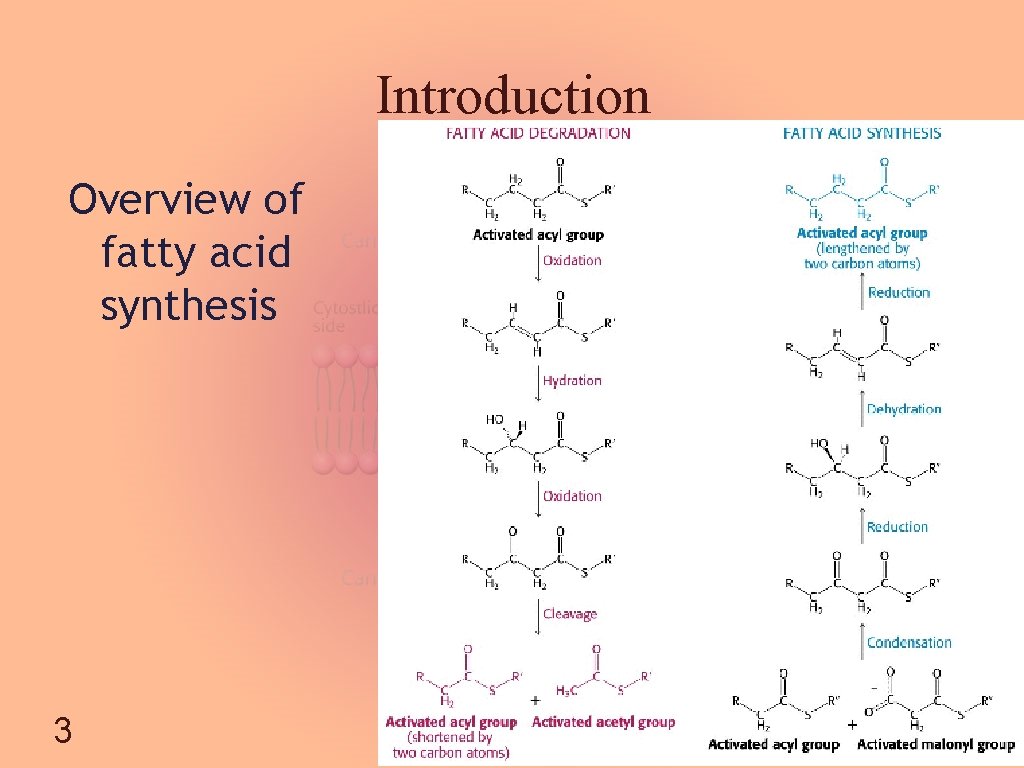
Introduction Overview of fatty acid synthesis 3
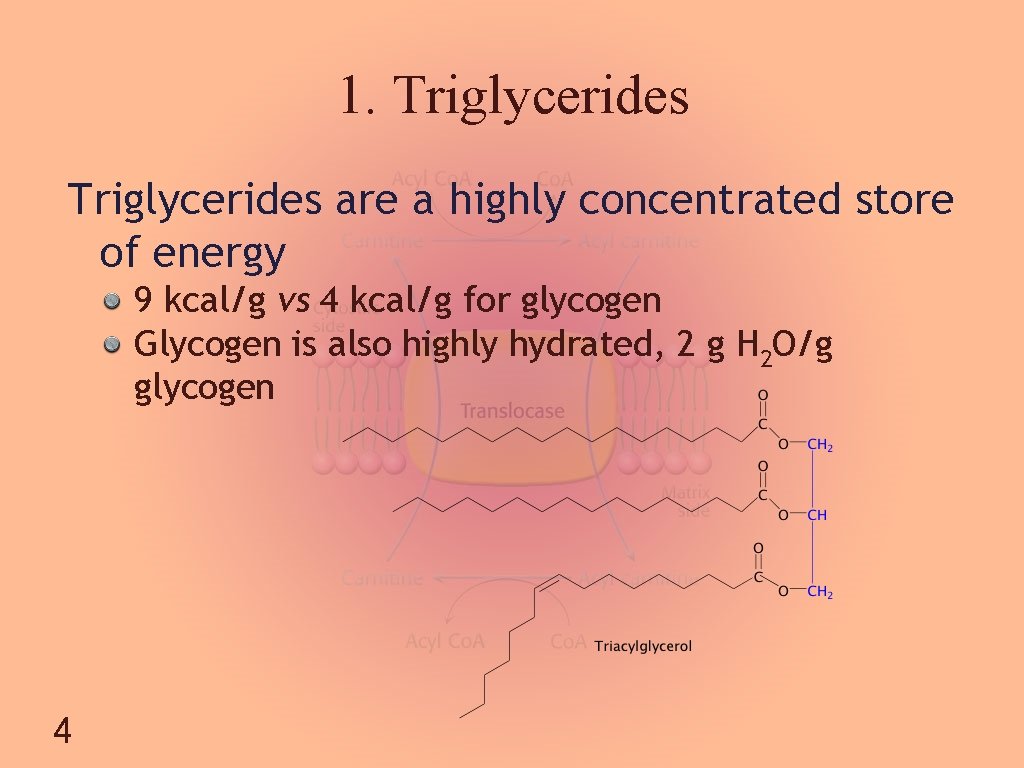
1. Triglycerides are a highly concentrated store of energy 9 kcal/g vs 4 kcal/g for glycogen Glycogen is also highly hydrated, 2 g H 2 O/g glycogen 4
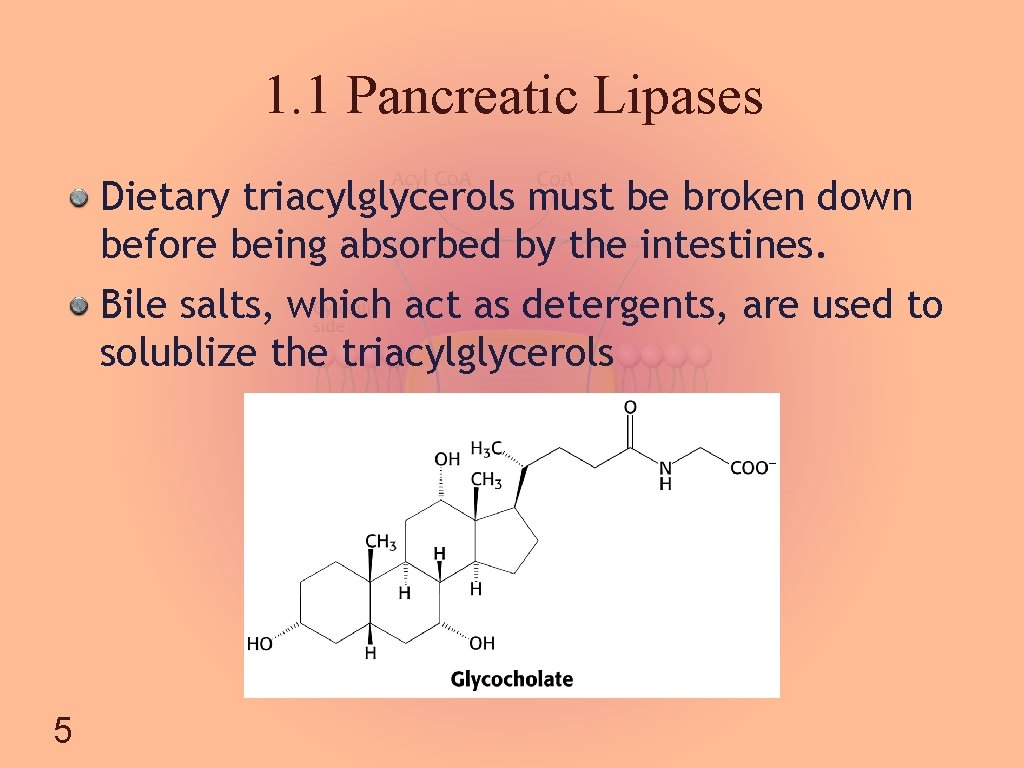
1. 1 Pancreatic Lipases Dietary triacylglycerols must be broken down before being absorbed by the intestines. Bile salts, which act as detergents, are used to solublize the triacylglycerols 5
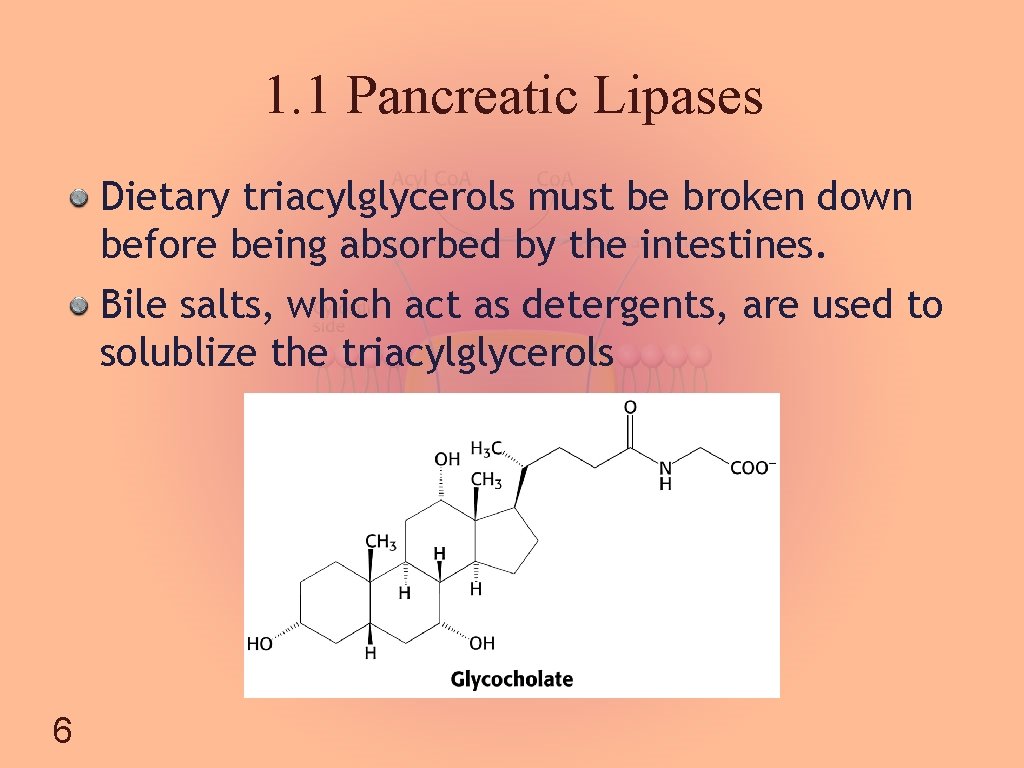
1. 1 Pancreatic Lipases Dietary triacylglycerols must be broken down before being absorbed by the intestines. Bile salts, which act as detergents, are used to solublize the triacylglycerols 6
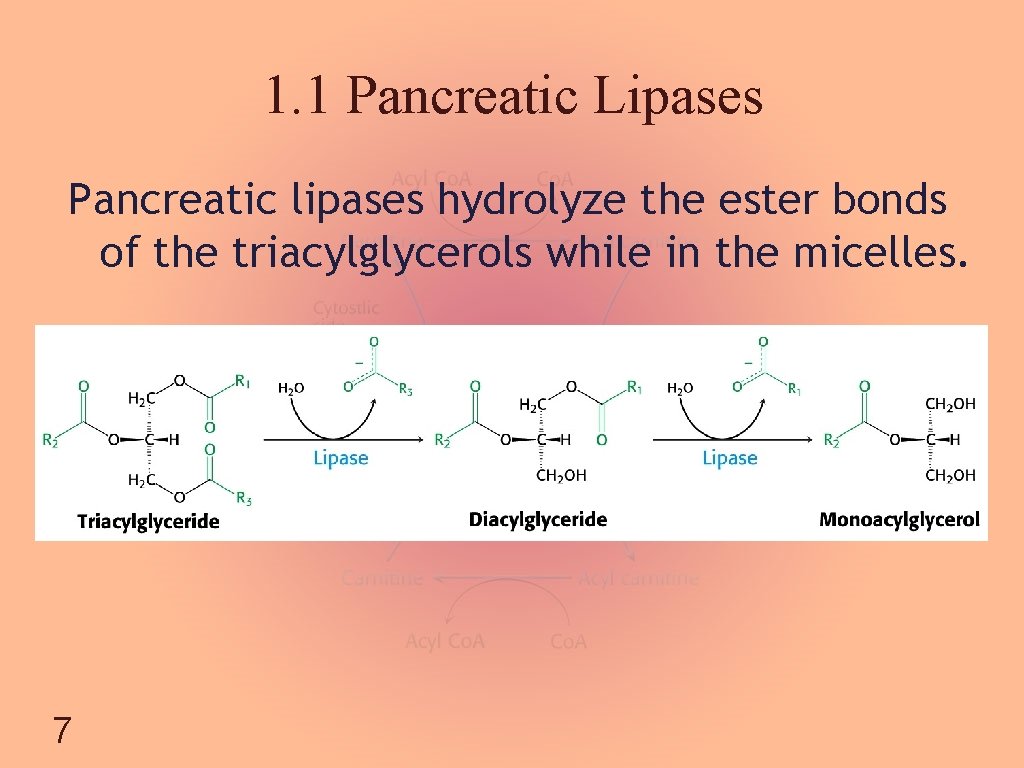
1. 1 Pancreatic Lipases Pancreatic lipases hydrolyze the ester bonds of the triacylglycerols while in the micelles. 7
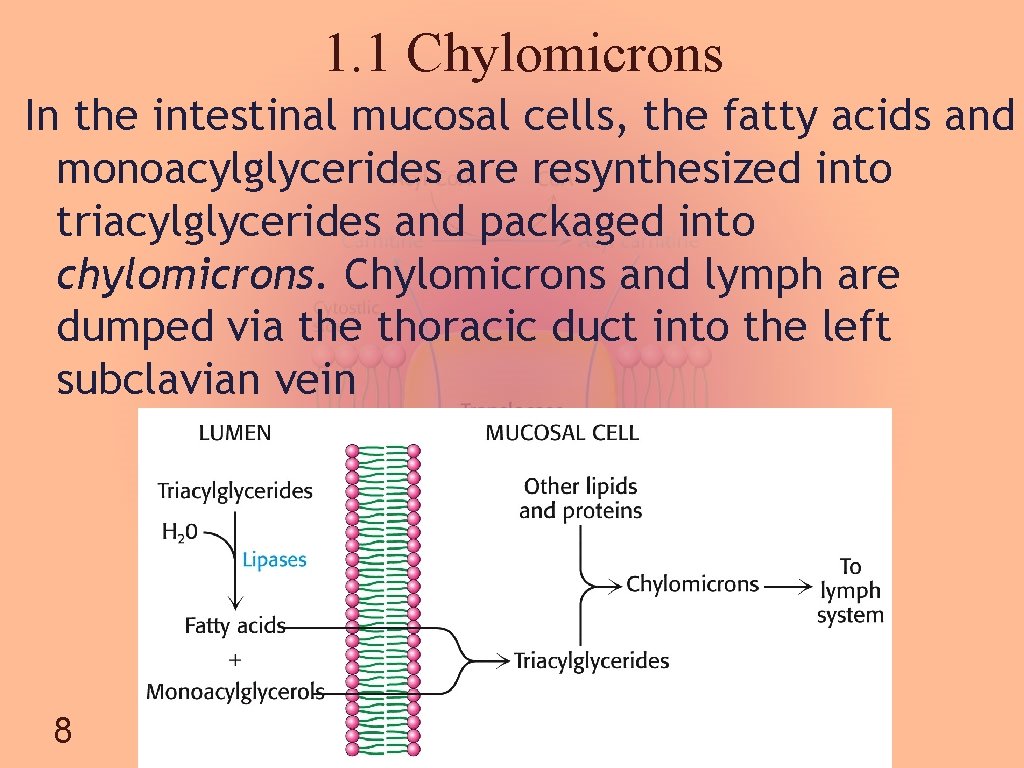
1. 1 Chylomicrons In the intestinal mucosal cells, the fatty acids and monoacylglycerides are resynthesized into triacylglycerides and packaged into chylomicrons. Chylomicrons and lymph are dumped via the thoracic duct into the left subclavian vein 8
1. 1 Chylomicrons and lymph are dumped via the thoracic duct into the left subclavian vein. Want to know more about lymphatic system? Try here: http: //owensboro. kctcs. edu/gcaplan/anat 2/notes /Notes 7%20 Lymphatic%20 Anatomy. htm 9
2. Utilization of Fatty Acids as Fuel Three stages of processing Triglycerols are degraded to fatty acids and glycerol in the adipose tissue and transported to other tissues. Fatty acids are activated and transported into the mitochondria. Fatty acids are broken down into two-carbon acetyl –Co. A units and fed into the citric acid cycle. 10
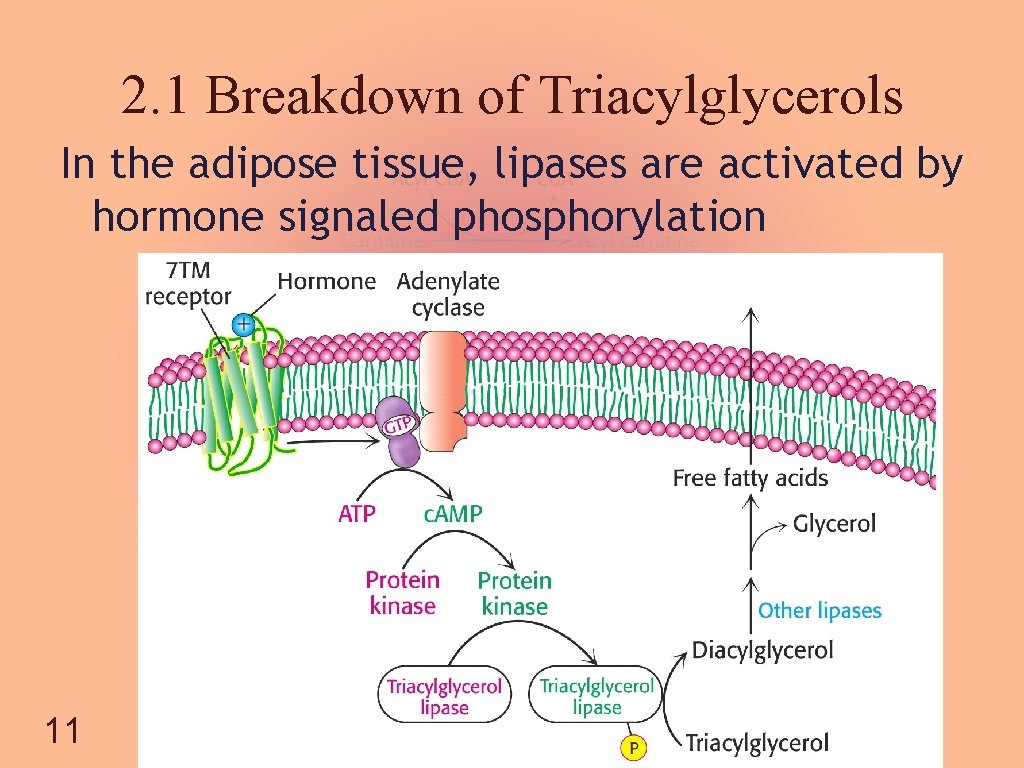
2. 1 Breakdown of Triacylglycerols In the adipose tissue, lipases are activated by hormone signaled phosphorylation 11
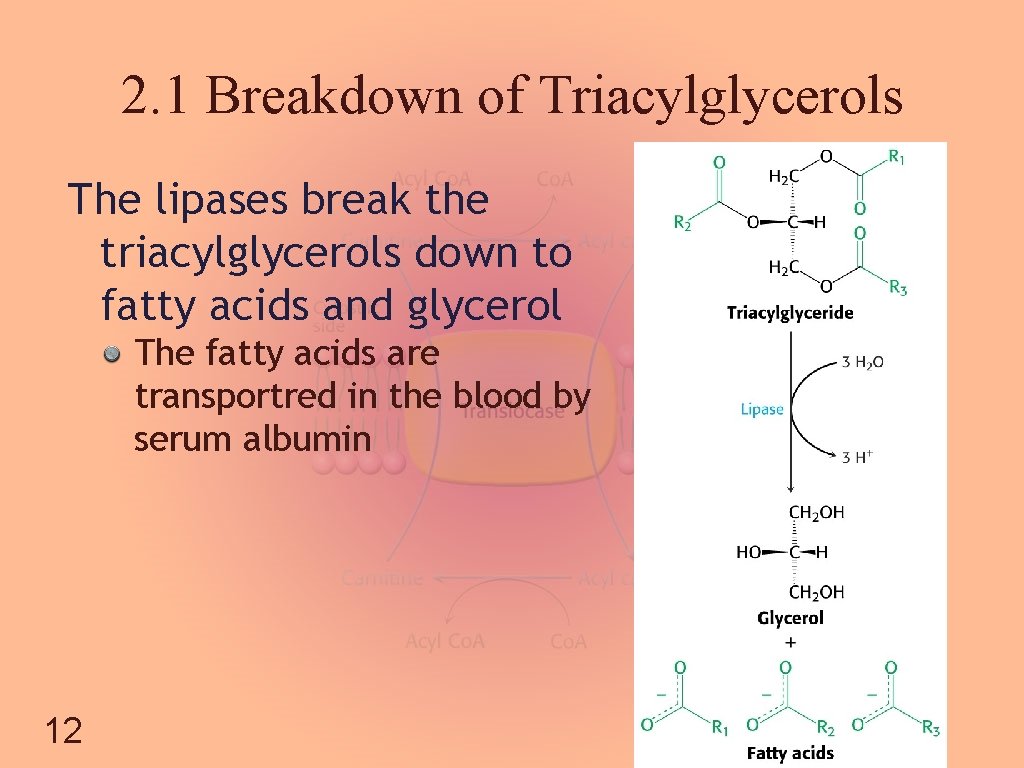
2. 1 Breakdown of Triacylglycerols The lipases break the triacylglycerols down to fatty acids and glycerol The fatty acids are transportred in the blood by serum albumin 12
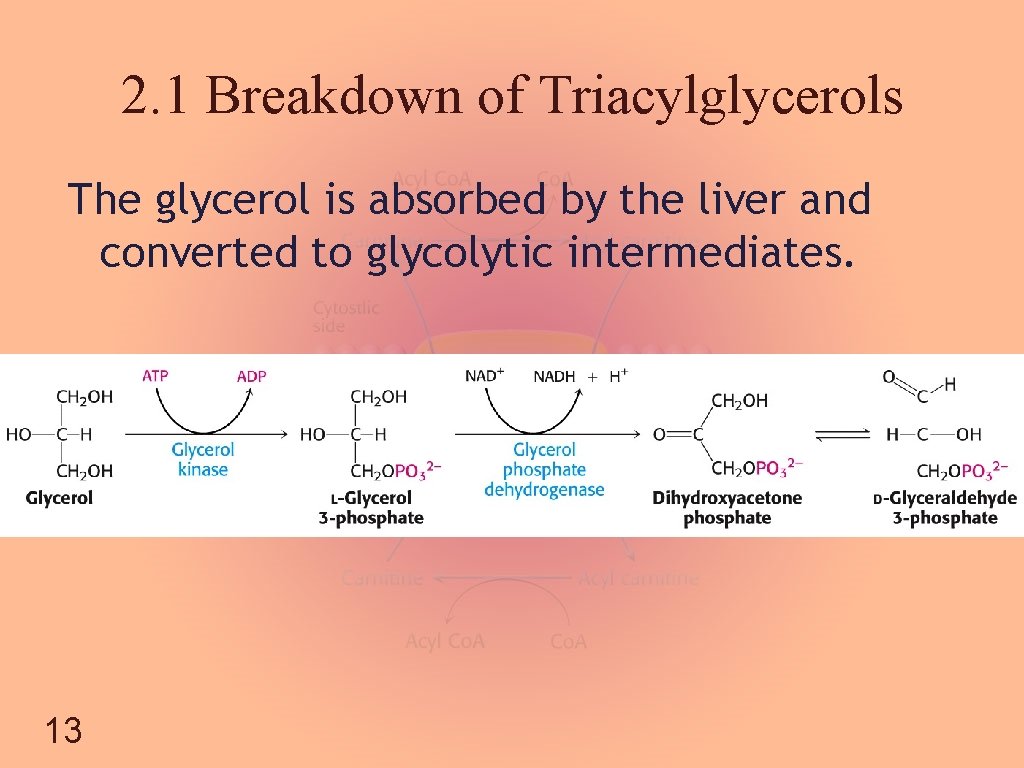
2. 1 Breakdown of Triacylglycerols The glycerol is absorbed by the liver and converted to glycolytic intermediates. 13
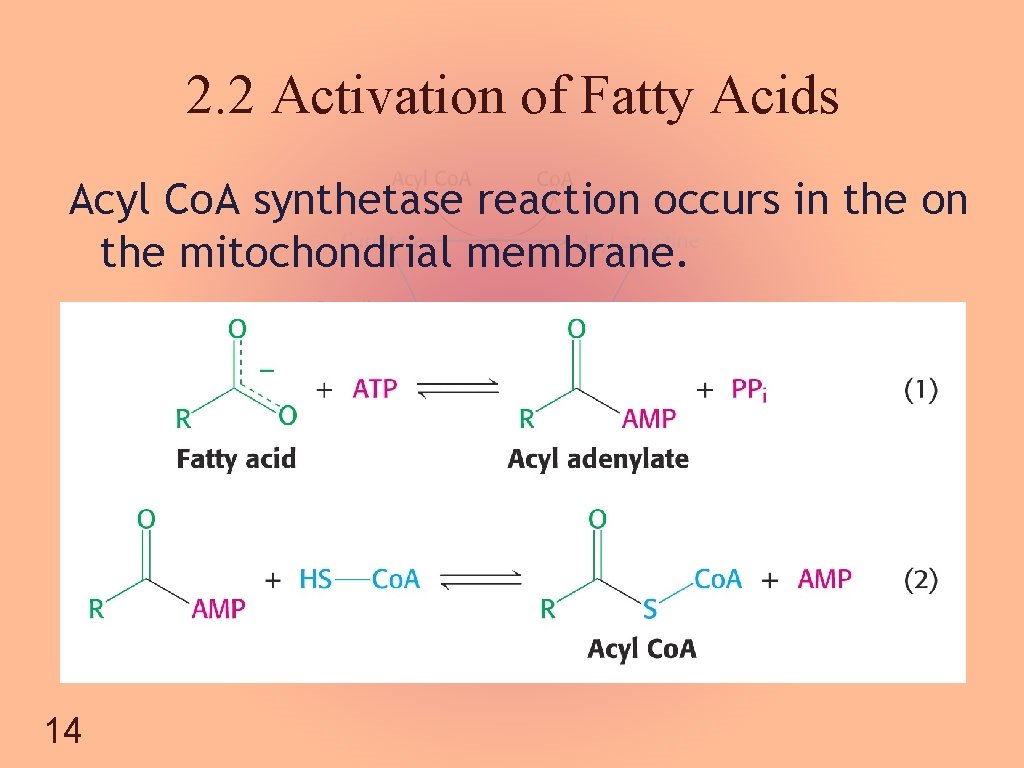
2. 2 Activation of Fatty Acids Acyl Co. A synthetase reaction occurs in the on the mitochondrial membrane. 14
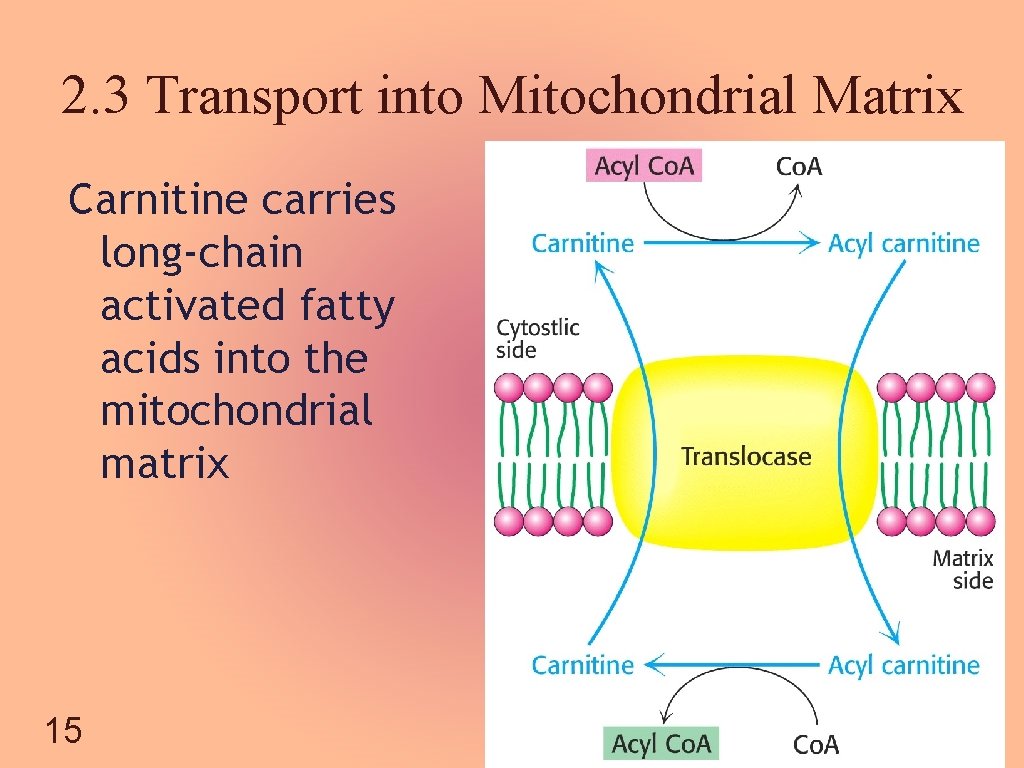
2. 3 Transport into Mitochondrial Matrix Carnitine carries long-chain activated fatty acids into the mitochondrial matrix 15
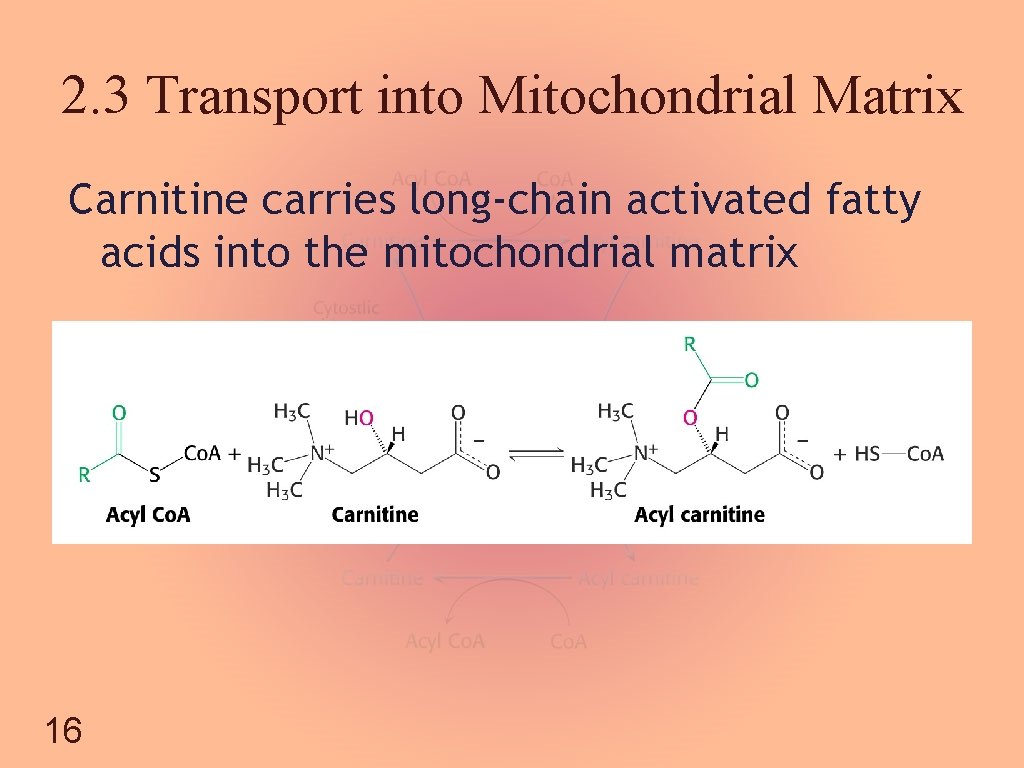
2. 3 Transport into Mitochondrial Matrix Carnitine carries long-chain activated fatty acids into the mitochondrial matrix 16
2. 3 Transport into Mitochondrial Matrix A Miracle? ? ? 17
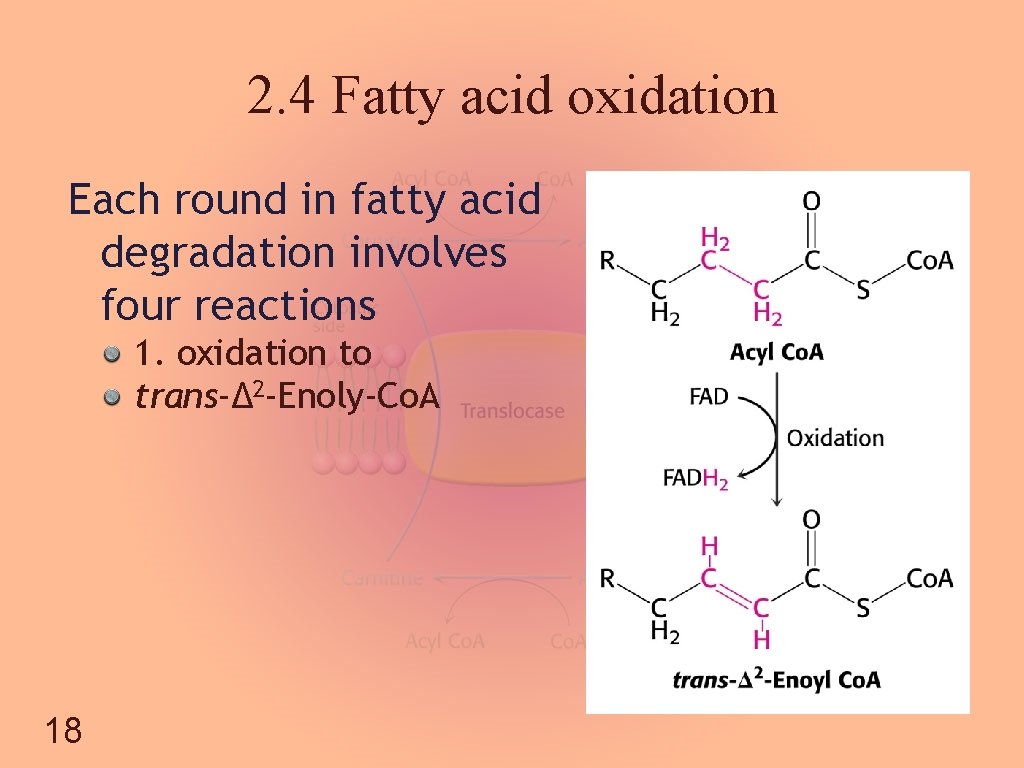
2. 4 Fatty acid oxidation Each round in fatty acid degradation involves four reactions 1. oxidation to trans-∆2 -Enoly-Co. A 18
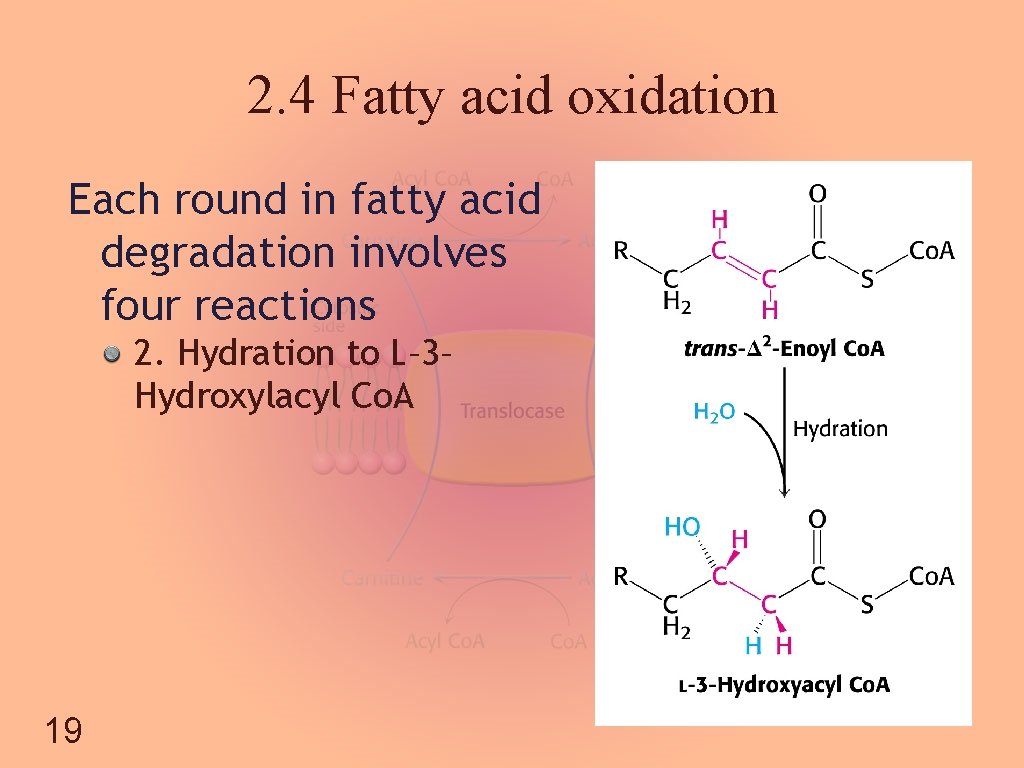
2. 4 Fatty acid oxidation Each round in fatty acid degradation involves four reactions 2. Hydration to L– 3– Hydroxylacyl Co. A 19
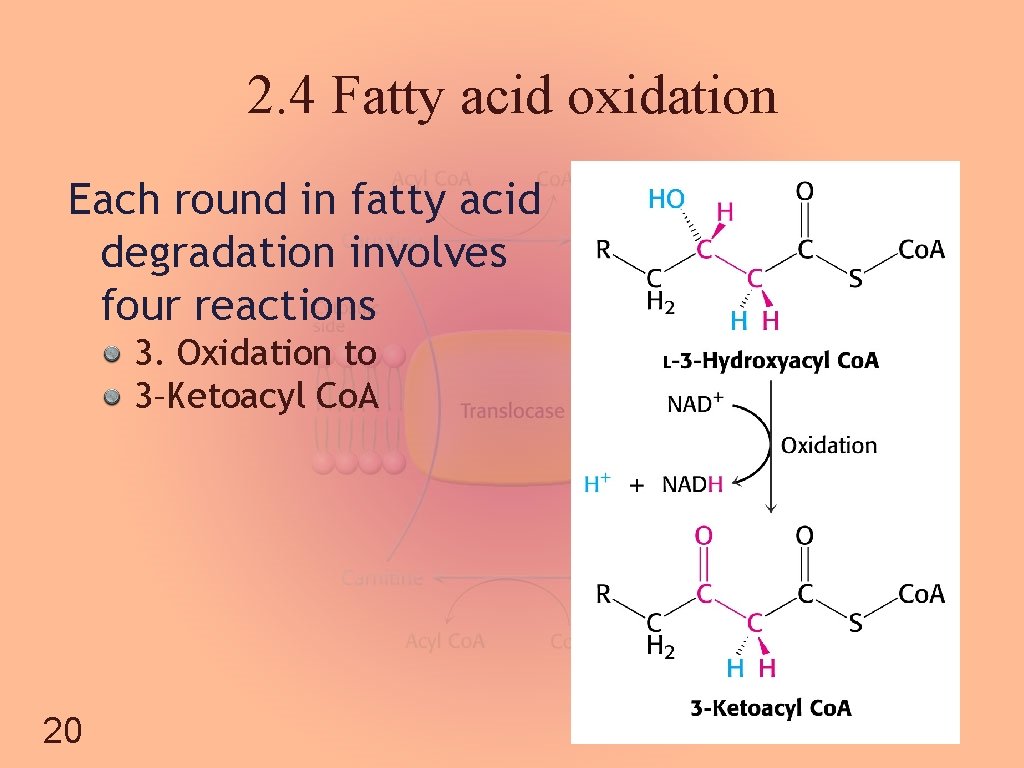
2. 4 Fatty acid oxidation Each round in fatty acid degradation involves four reactions 3. Oxidation to 3–Ketoacyl Co. A 20
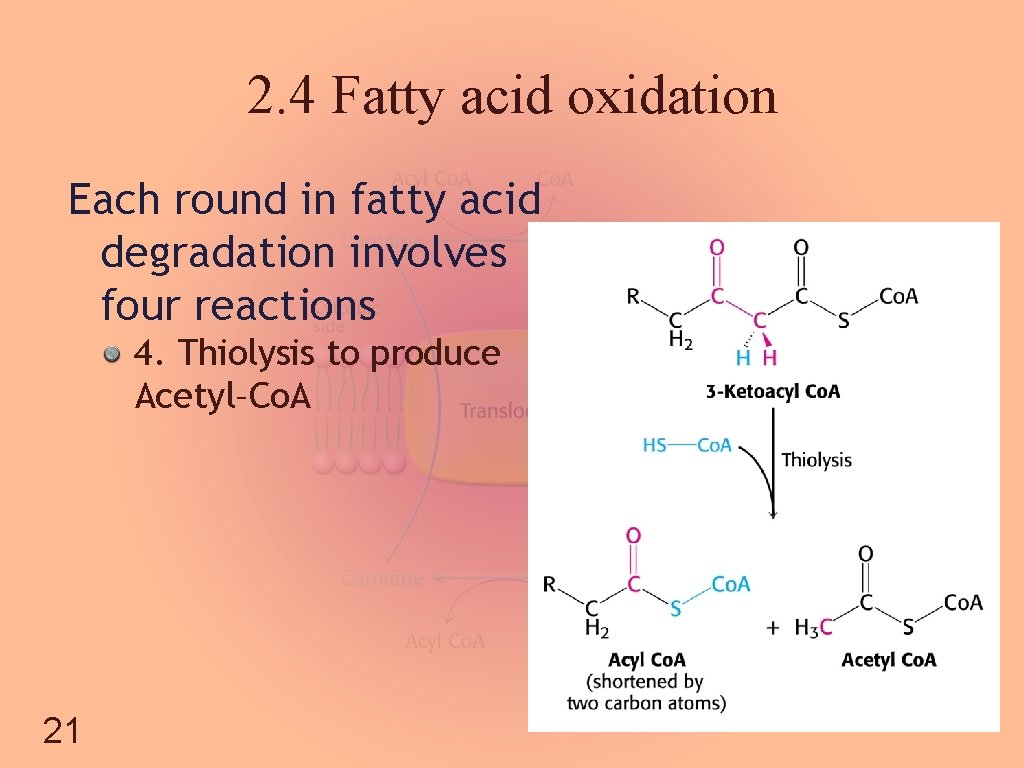
2. 4 Fatty acid oxidation Each round in fatty acid degradation involves four reactions 4. Thiolysis to produce Acetyl–Co. A 21
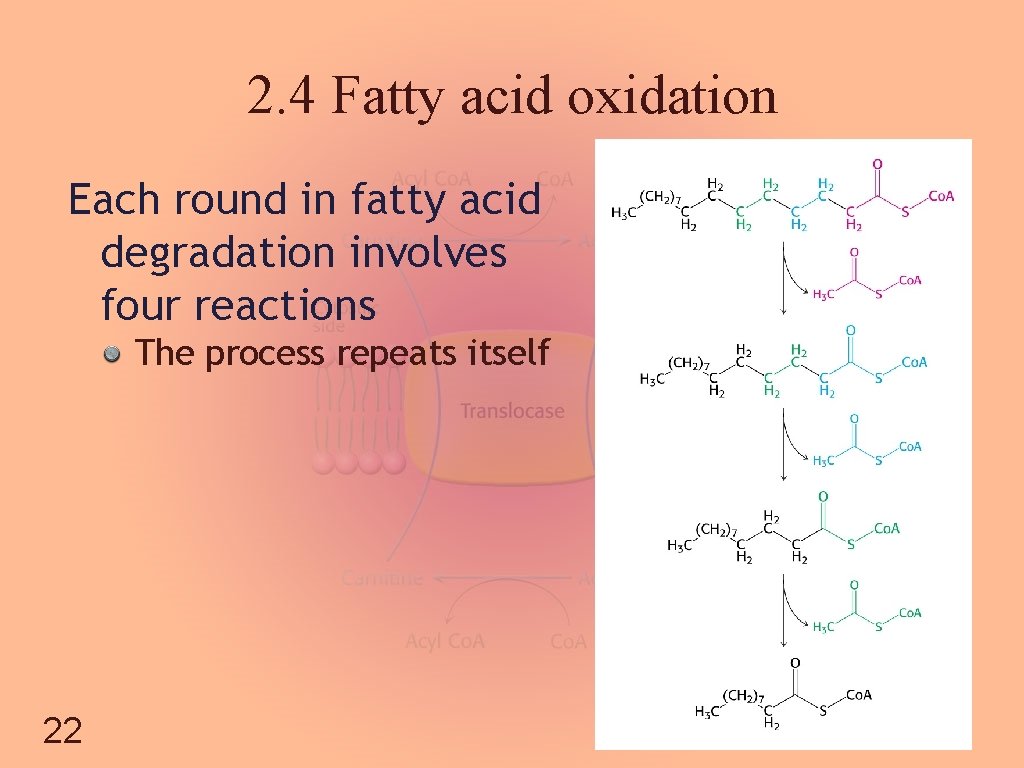
2. 4 Fatty acid oxidation Each round in fatty acid degradation involves four reactions The process repeats itself 22
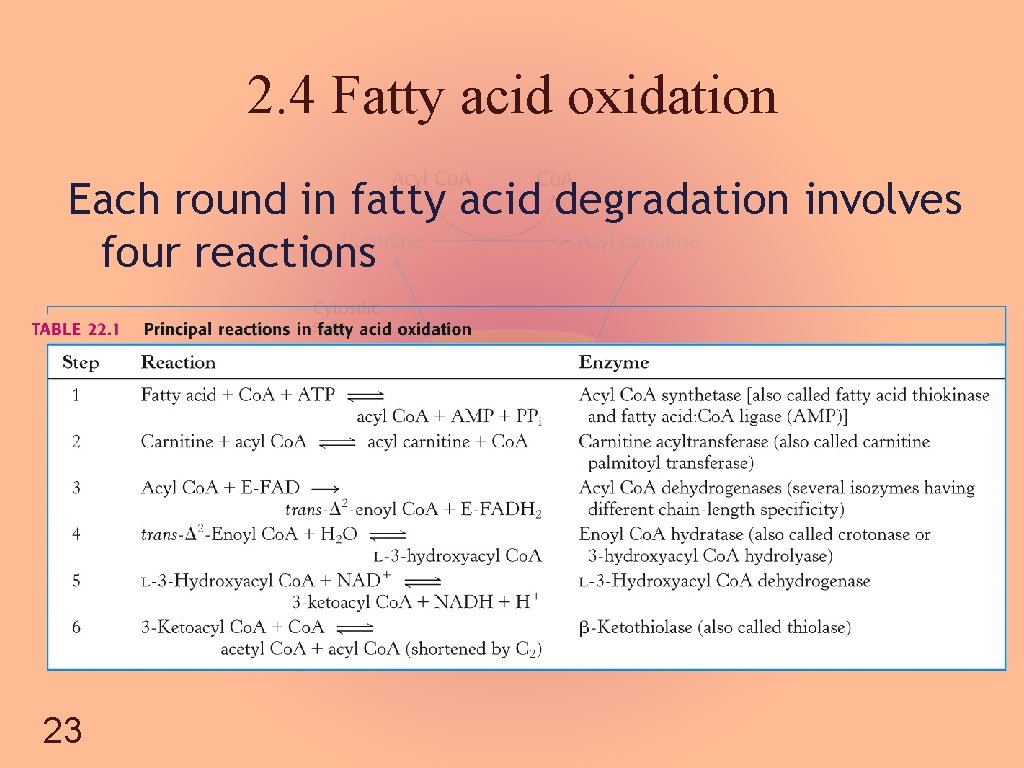
2. 4 Fatty acid oxidation Each round in fatty acid degradation involves four reactions 23
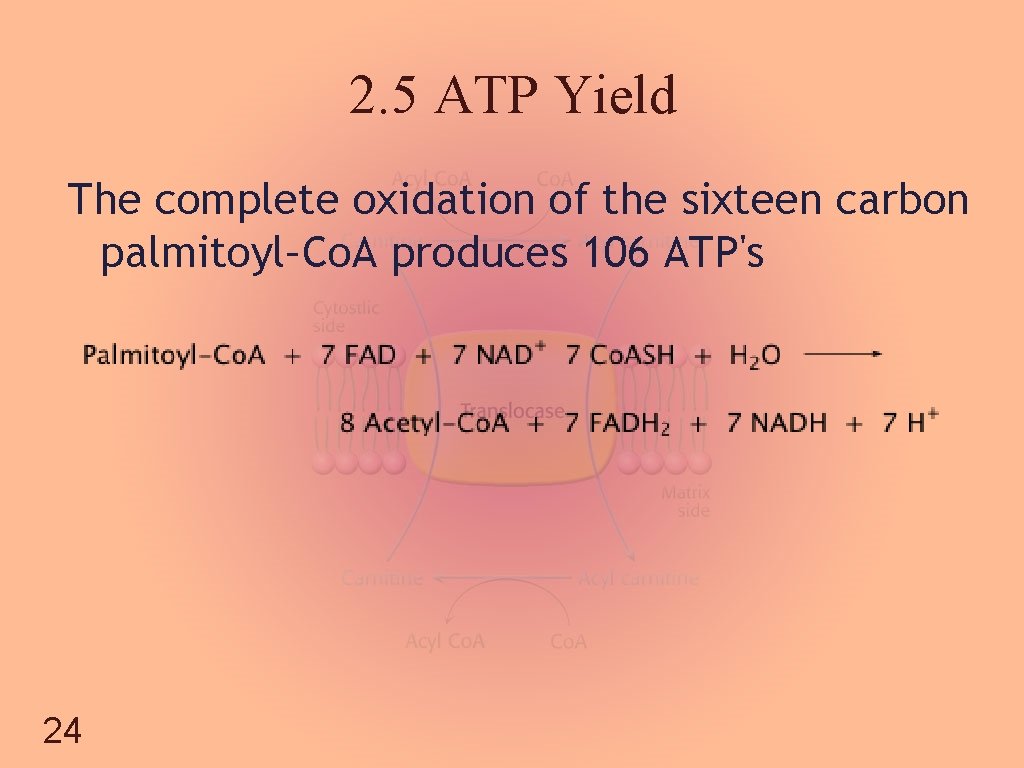
2. 5 ATP Yield The complete oxidation of the sixteen carbon palmitoyl–Co. A produces 106 ATP's 24
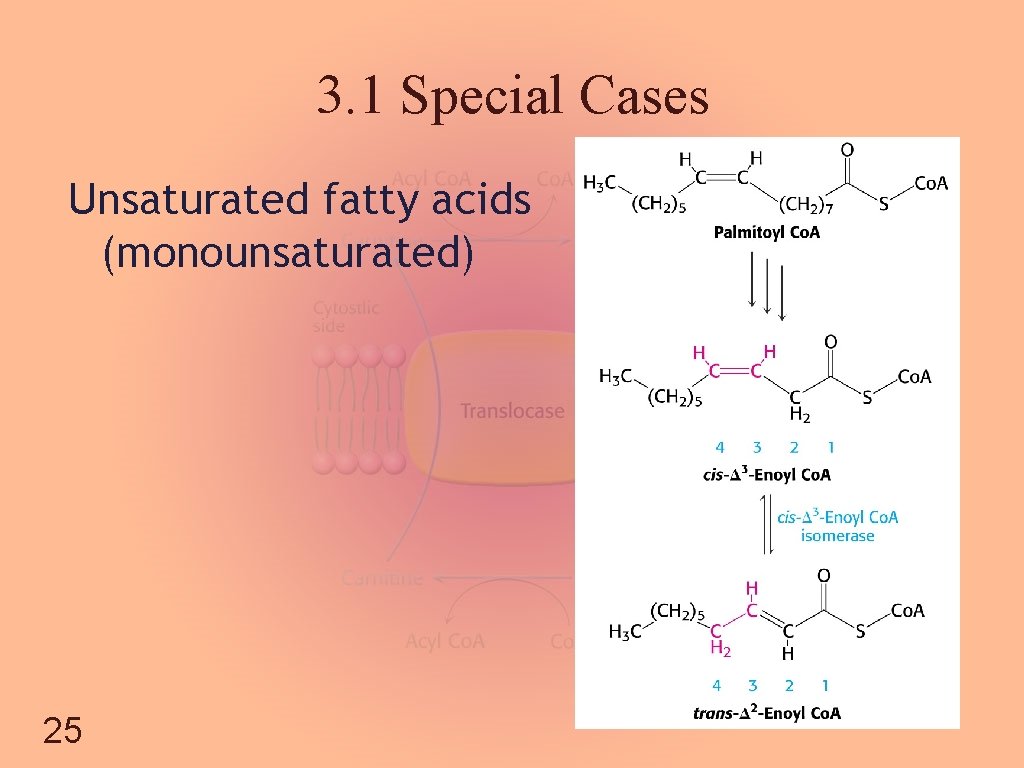
3. 1 Special Cases Unsaturated fatty acids (monounsaturated) 25
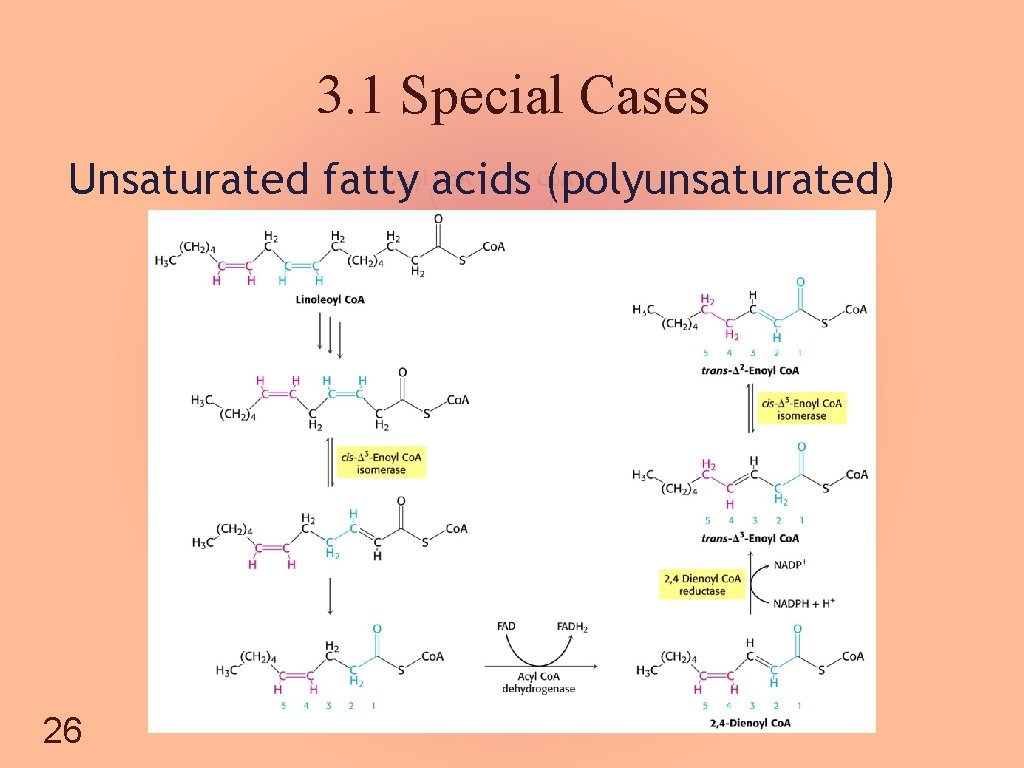
3. 1 Special Cases Unsaturated fatty acids (polyunsaturated) 26
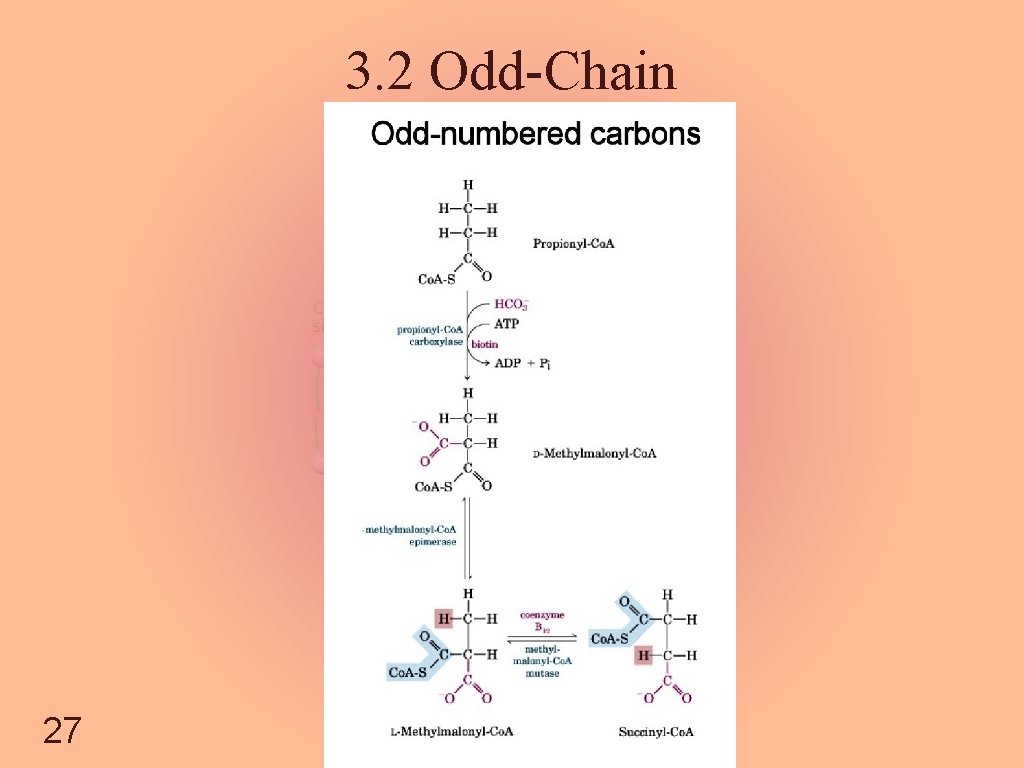
3. 2 Odd-Chain 27
3. 4 Peroxisomes (skip) 28
3. 5 Ketone Bodies Use of fatty acids in the citric acid cycle requires carbohydrates for the production of oxaloacetate. During starvation or diabetes, OAA is used to make glucose Fatty acids are then used to make ketone bodies (acetoacetate and D– 3–hydroxybutarate) 29
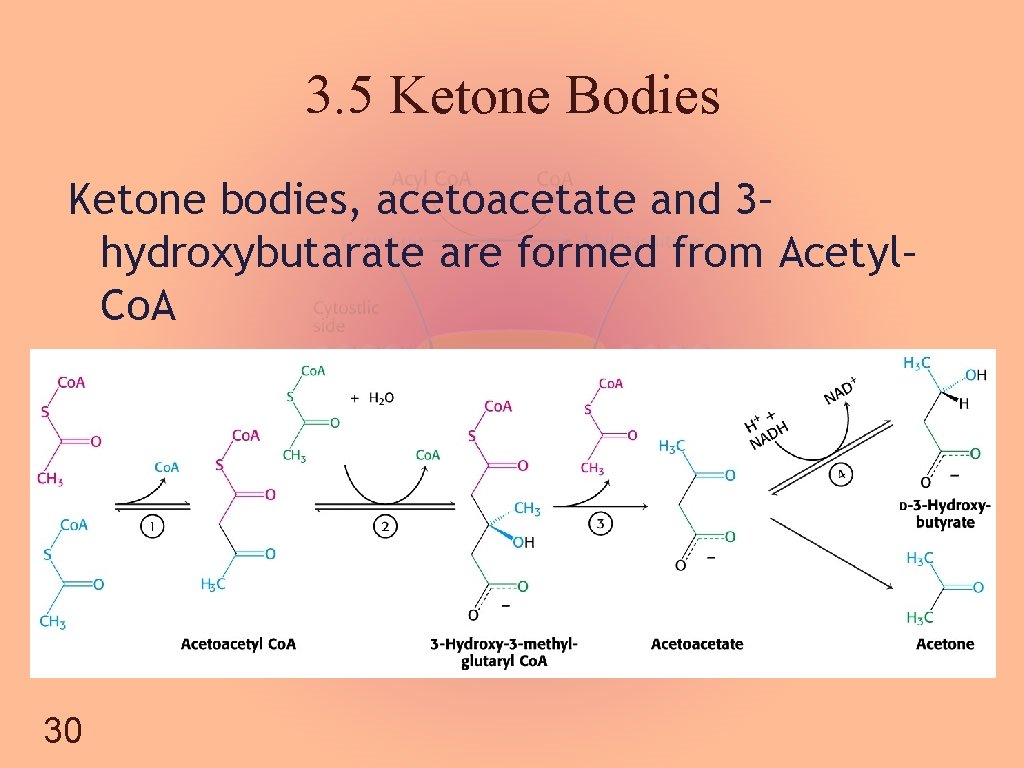
3. 5 Ketone Bodies Ketone bodies, acetoacetate and 3– hydroxybutarate are formed from Acetyl– Co. A 30
3. 6 Ketone Bodies as a Fuel Source The liver is the major source of ketone bodies. It is transported in the blood to other tissues Acetoacetate in the tissues Acetoacetate is first activated to acetoacetate by transferring the Co. ASH from succinyl–Co. A. It is then split into two Acetyl–Co. A by a thiolase reaction 31
3. 7 Fatty Acids Cannot be Used to Synthesize Glucose Even though the citric acid cycle intermediate oxaloacetate can be used to synthesize glucose, Acetyl–Co. A cannot be used to synthesize oxaloacetate. The two carbons that enter the citric acid cycle as Acetyl–Co. A leave as CO 2. 32
4. Fatty Acid Synthesis. Fatty acid are synthesized and degraded by different pathways. Synthesis takes place in the cytosol. Intermediates are attached to the acyl carrier protein (ACP). In higher organisms, the active sites for the synthesis reactions are all on the same polypeptide. The activated donor in the synthesis is malonyl–ACP. Fatty acid reduction uses NADPH + H+. Elongation stops at C 16 (palmitic acid) 33
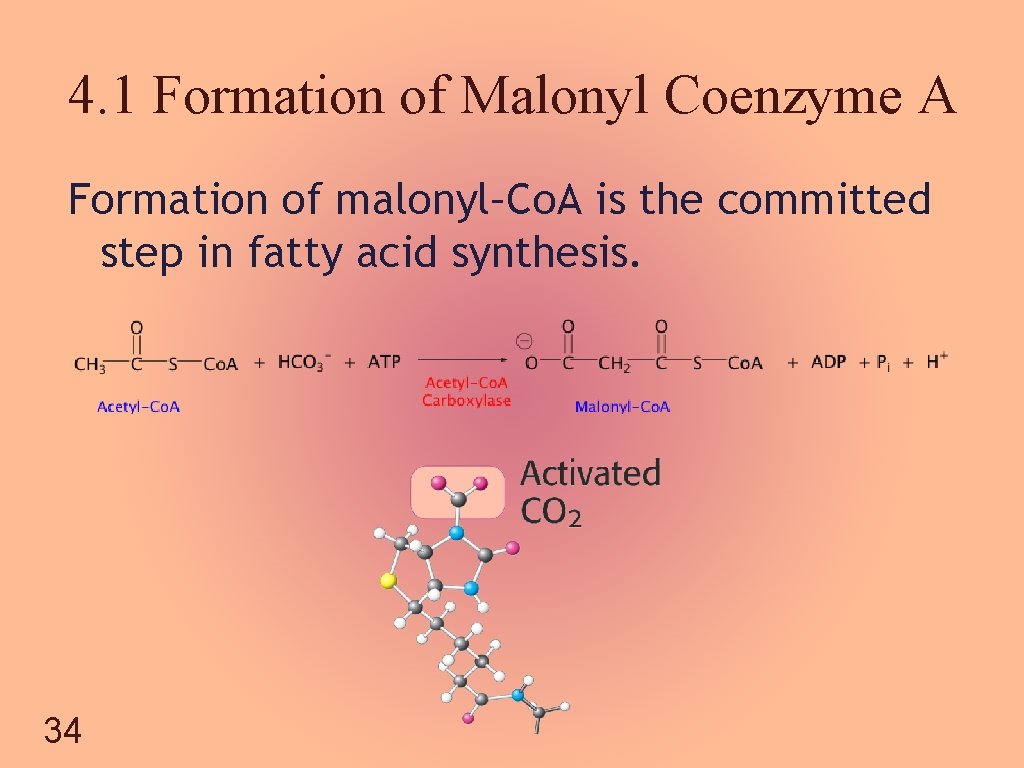
4. 1 Formation of Malonyl Coenzyme A Formation of malonyl–Co. A is the committed step in fatty acid synthesis. 34
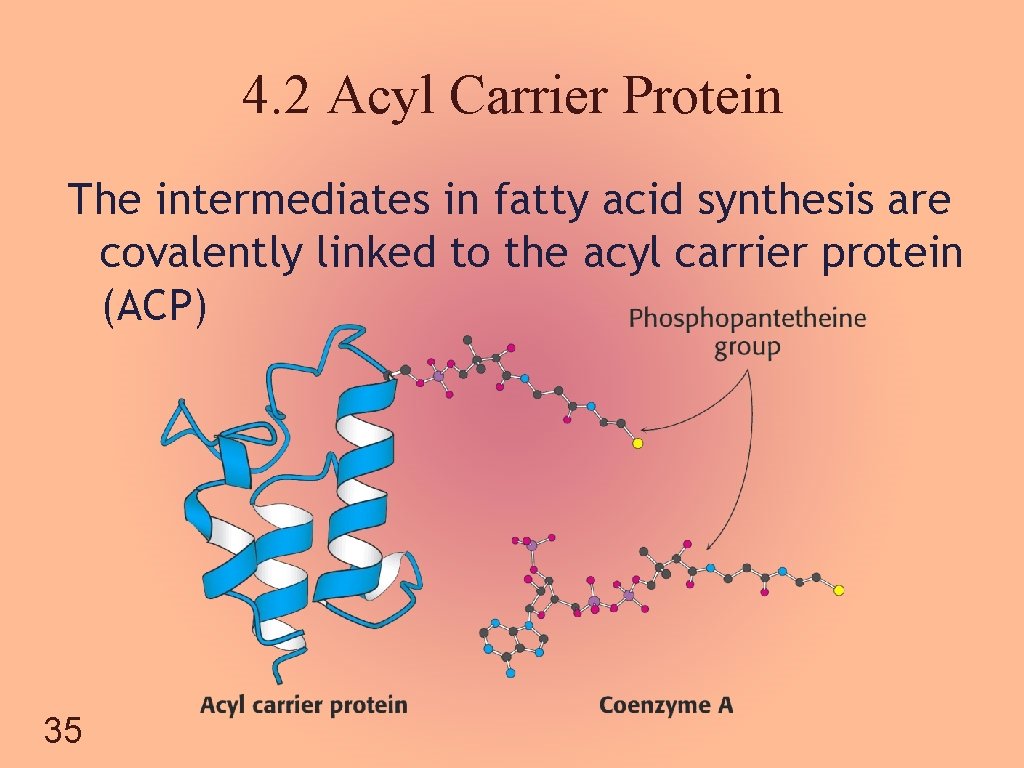
4. 2 Acyl Carrier Protein The intermediates in fatty acid synthesis are covalently linked to the acyl carrier protein (ACP) 35
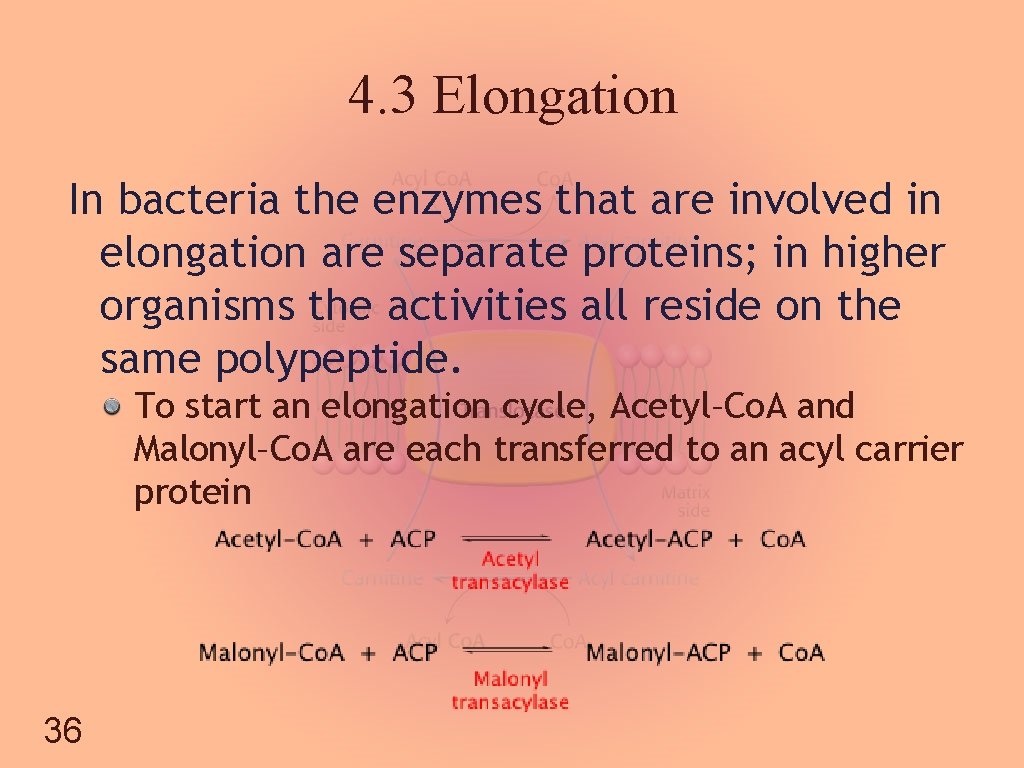
4. 3 Elongation In bacteria the enzymes that are involved in elongation are separate proteins; in higher organisms the activities all reside on the same polypeptide. To start an elongation cycle, Acetyl–Co. A and Malonyl–Co. A are each transferred to an acyl carrier protein 36
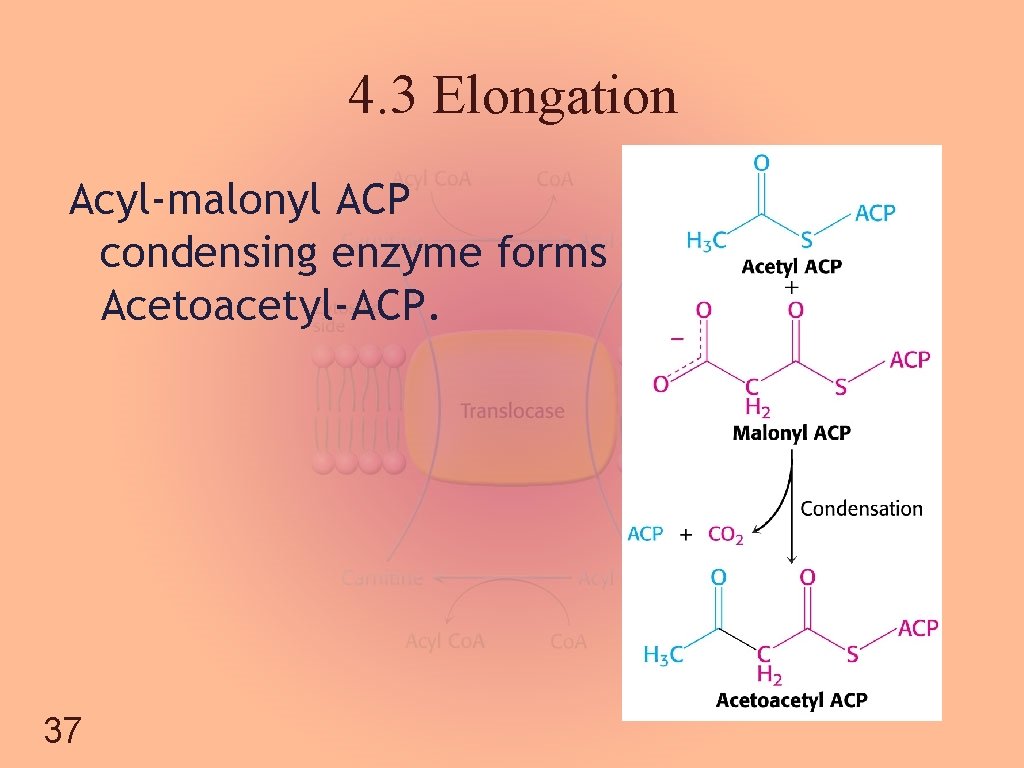
4. 3 Elongation Acyl-malonyl ACP condensing enzyme forms Acetoacetyl-ACP. 37
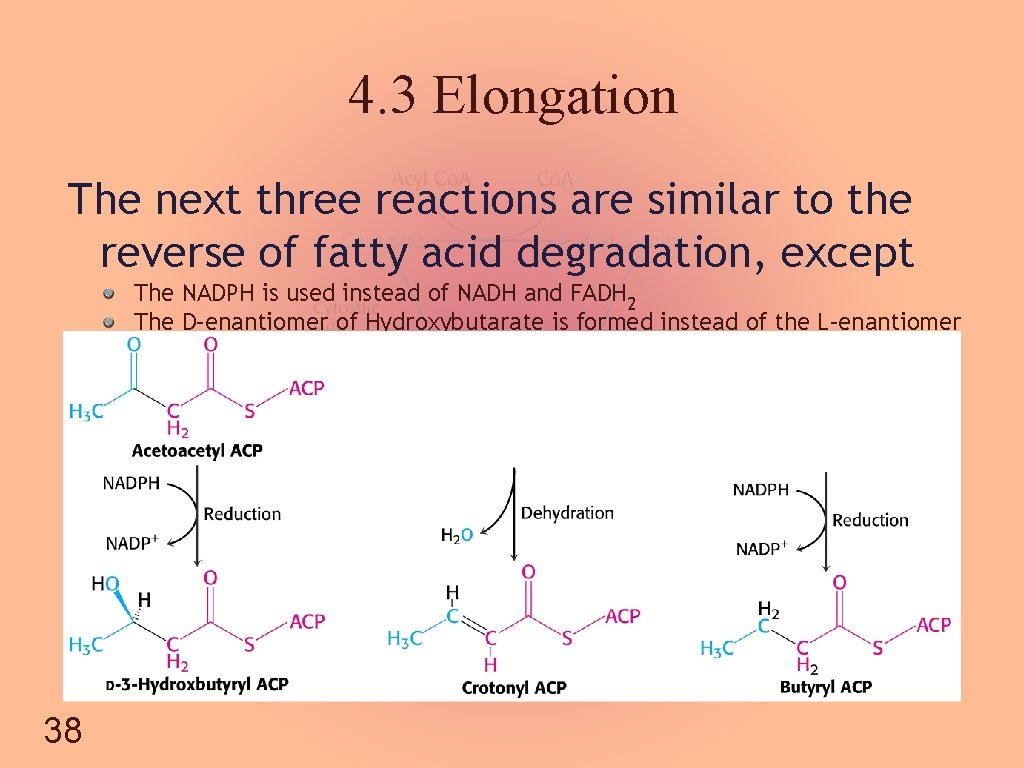
4. 3 Elongation The next three reactions are similar to the reverse of fatty acid degradation, except The NADPH is used instead of NADH and FADH 2 The D–enantiomer of Hydroxybutarate is formed instead of the L–enantiomer 38
4. 3 Elongation The elongation cycle is repeated six more times, using malonyl–Co. A each time, to produce palmityl–ACP. A thioesterase then cleaves the palmityl–Co. A from the ACP. 39
4. 4 Multifunctional Fatty Acid Synthase Domain 1 Substrate entry (AT & MT) and condensation unit (CE) Domain 2 Reduction unit (DH, ER & KR) Domain 3 Palmitate release unit (TE) 40
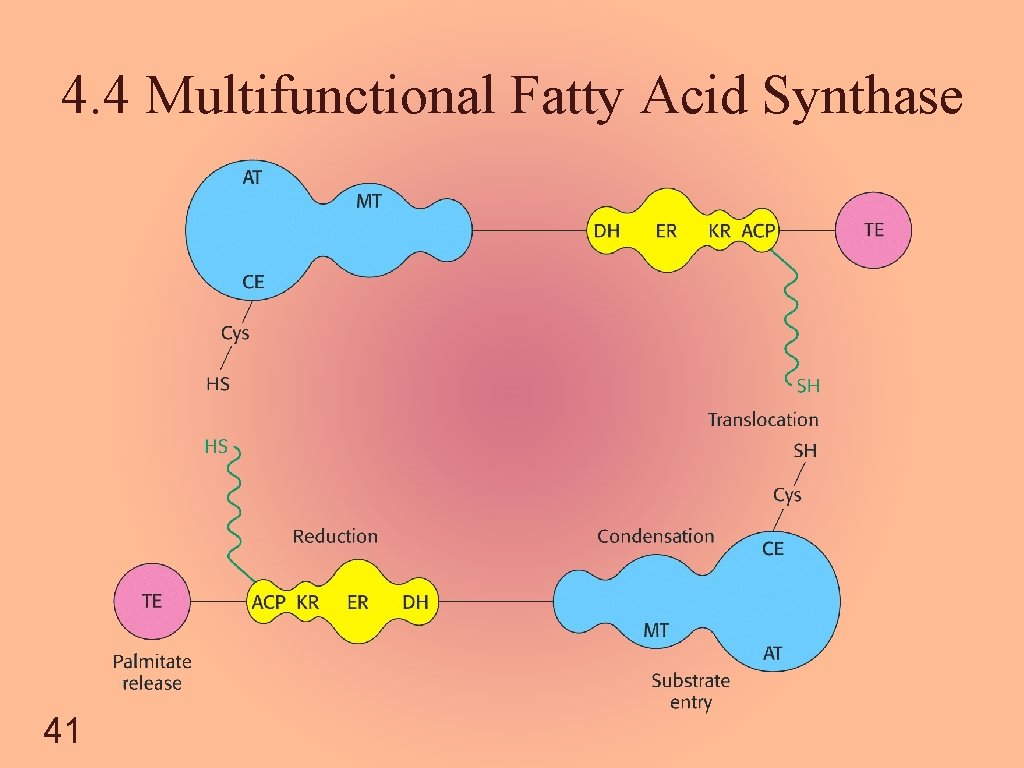
4. 4 Multifunctional Fatty Acid Synthase 41
42 4. 4 Multifunctional Fatty Acid Synthase A NEW STRUCTURE
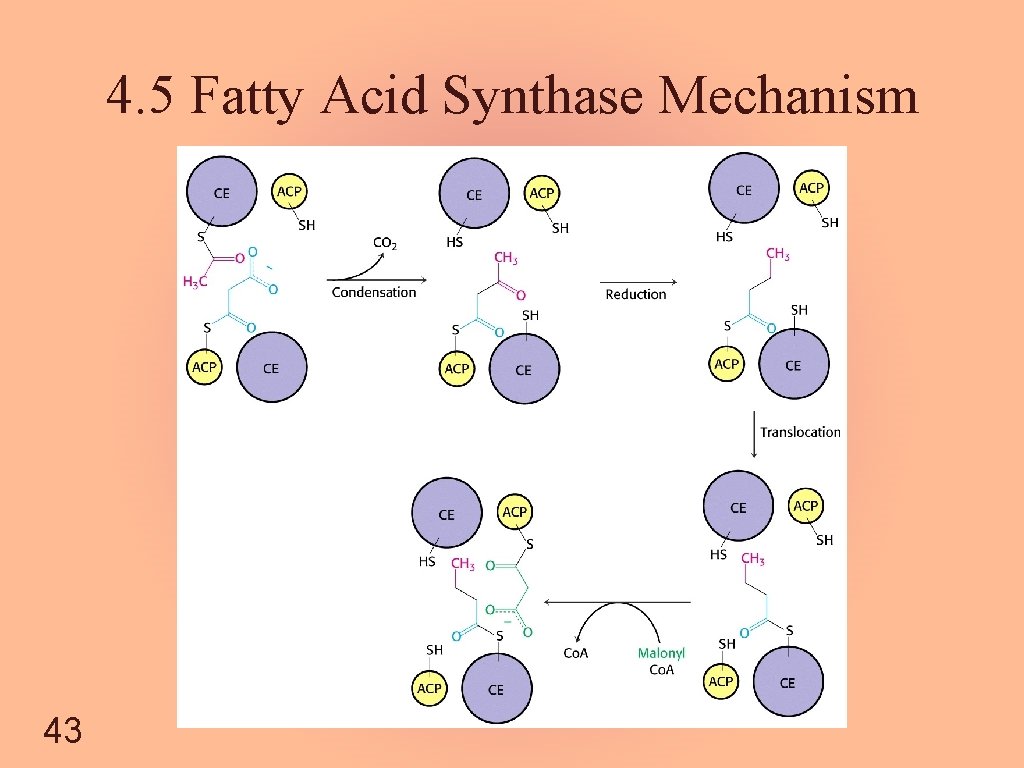
4. 5 Fatty Acid Synthase Mechanism 43
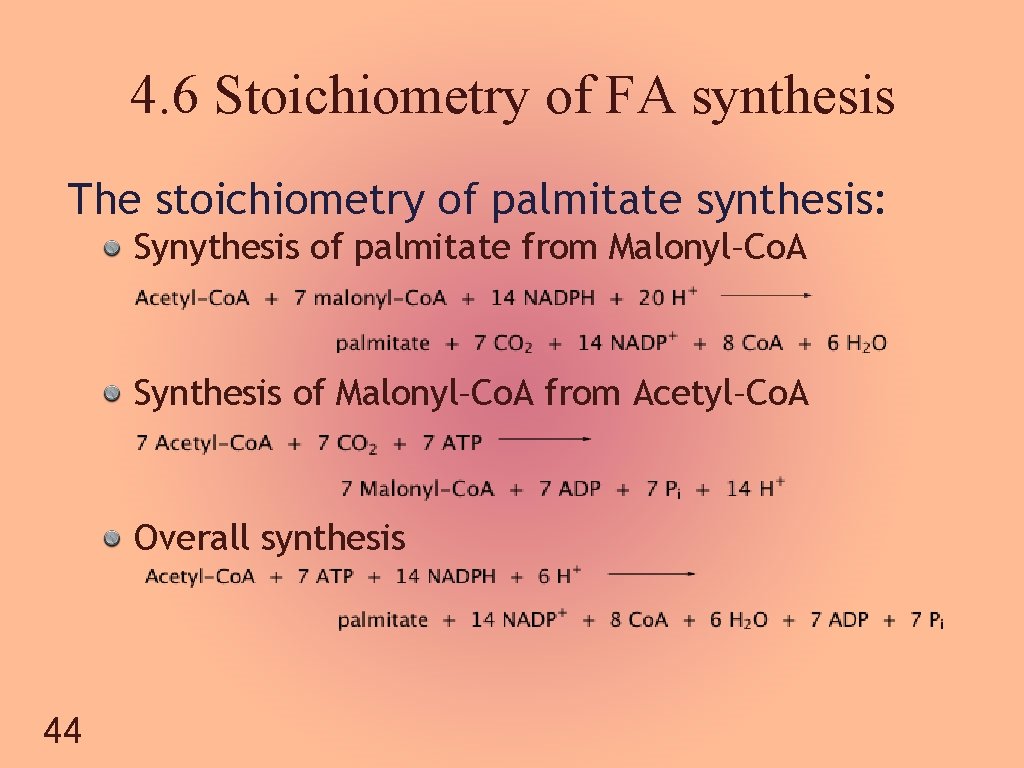
4. 6 Stoichiometry of FA synthesis The stoichiometry of palmitate synthesis: Synythesis of palmitate from Malonyl–Co. A Synthesis of Malonyl–Co. A from Acetyl–Co. A Overall synthesis 44
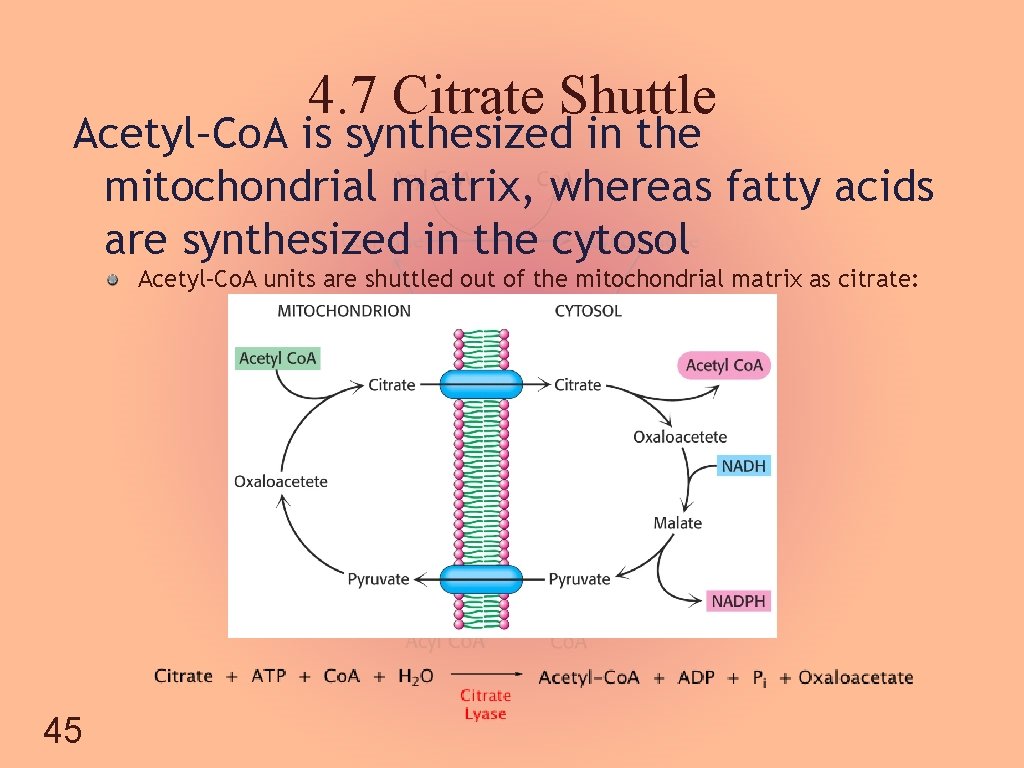
4. 7 Citrate Shuttle Acetyl–Co. A is synthesized in the mitochondrial matrix, whereas fatty acids are synthesized in the cytosol Acetyl–Co. A units are shuttled out of the mitochondrial matrix as citrate: 45
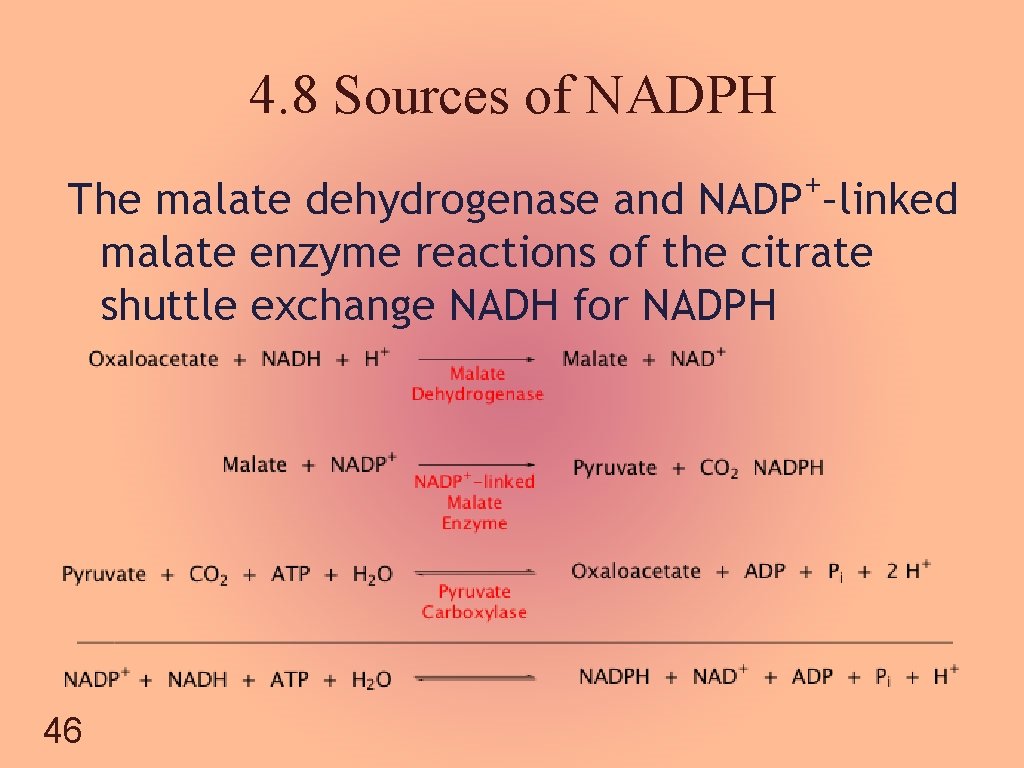
4. 8 Sources of NADPH + NADP –linked The malate dehydrogenase and malate enzyme reactions of the citrate shuttle exchange NADH for NADPH 46
4. 9 Fatty Acid Synthase Inhibitors (skip) 47
4. 10 Variations on a Theme (skip) 48
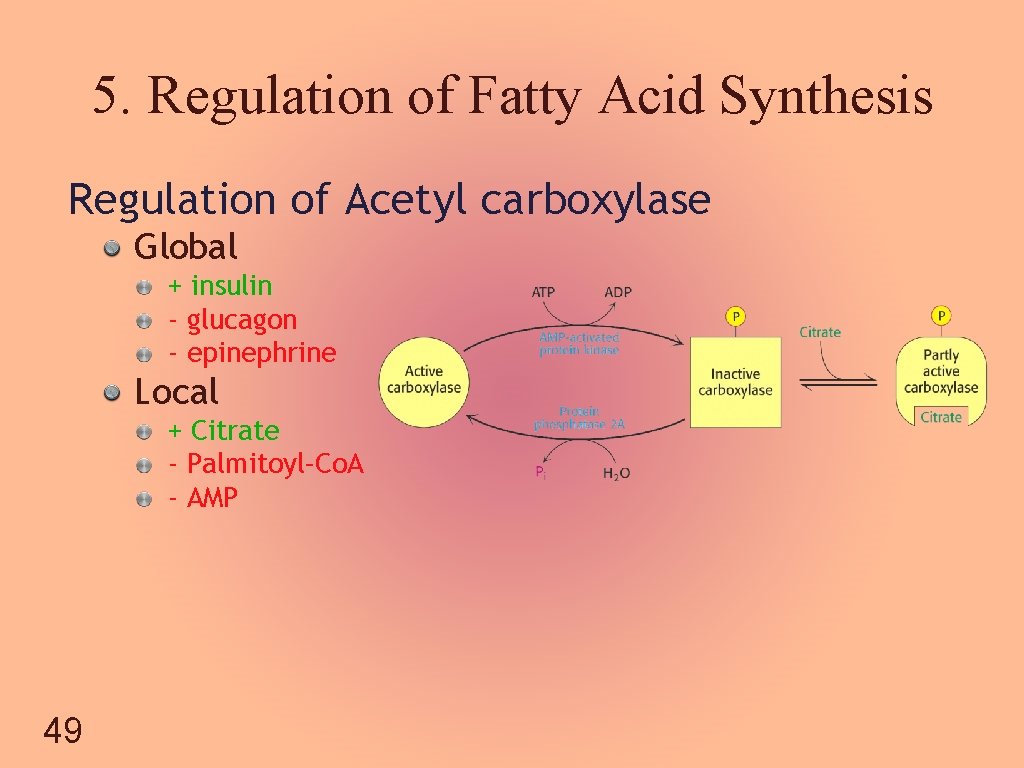
5. Regulation of Fatty Acid Synthesis Regulation of Acetyl carboxylase Global + insulin - glucagon - epinephrine Local + Citrate - Palmitoyl–Co. A - AMP 49
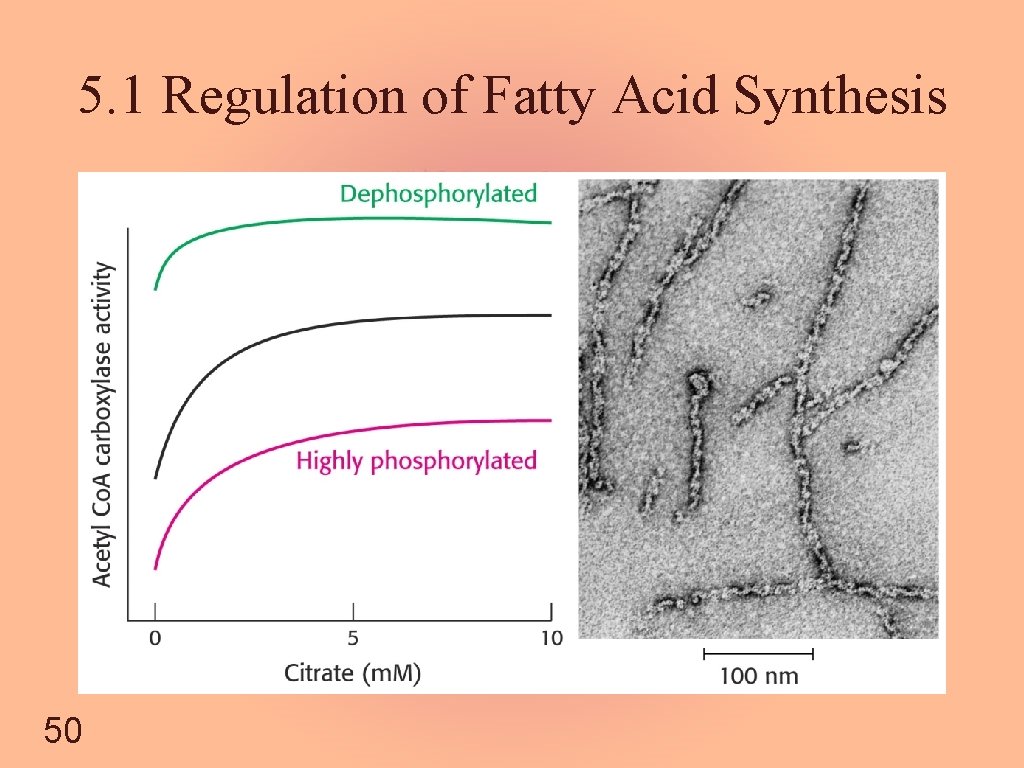
5. 1 Regulation of Fatty Acid Synthesis 50
6. Elongation and Unsaturation Endoplasmic reticulum systems introduce double bonds into long chain acyl–Co. A's Reaction combines both NADH and the acyl–Co. A's to reduce O 2 to H 2 O. 51
6. 1 Elongation and Unsaturation Elongation and unsaturation convert palmitoyl–Co. A to other fatty acids. Reactions occur on the cytosolic face of the endoplasmic reticulum. Malonyl–Co. A is the donor in elongation reactions 52
6. 2 Eicosanoid Hormones Eicosanoid horomones are synthesized from arachadonic acid (20: 4). Prostaglandins 20 -carbon fatty acid containing 5 -carbon ring Prostacyclins Thromboxanes Leukotrienes contain three conjugated double bonds 53
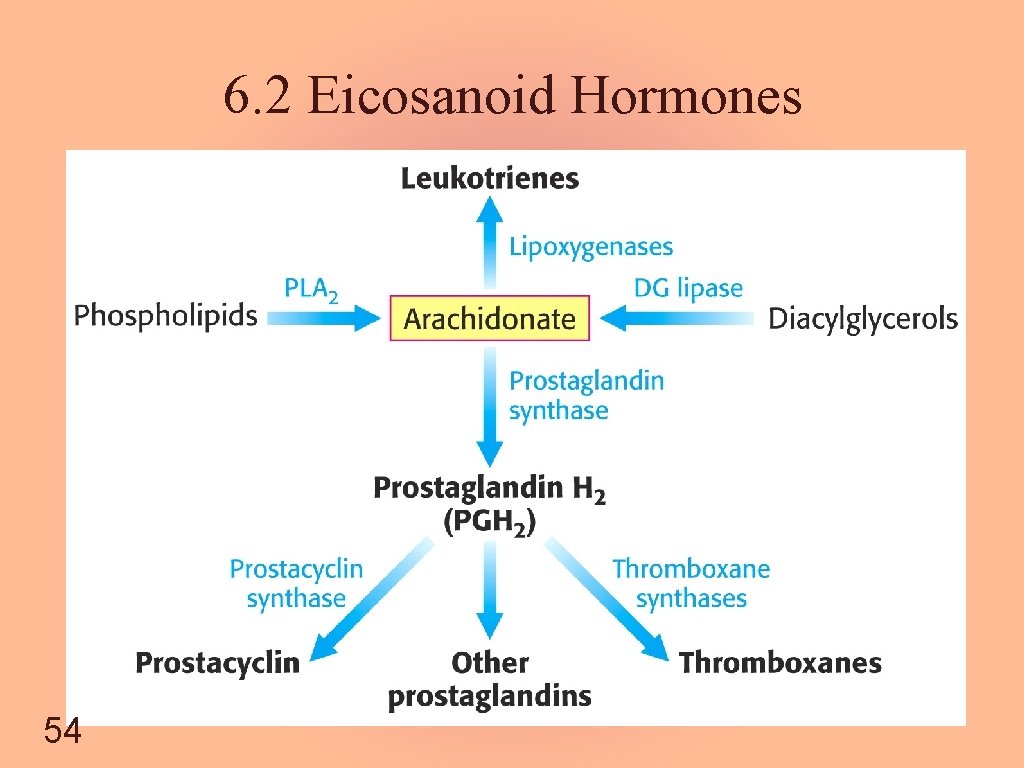
6. 2 Eicosanoid Hormones 54
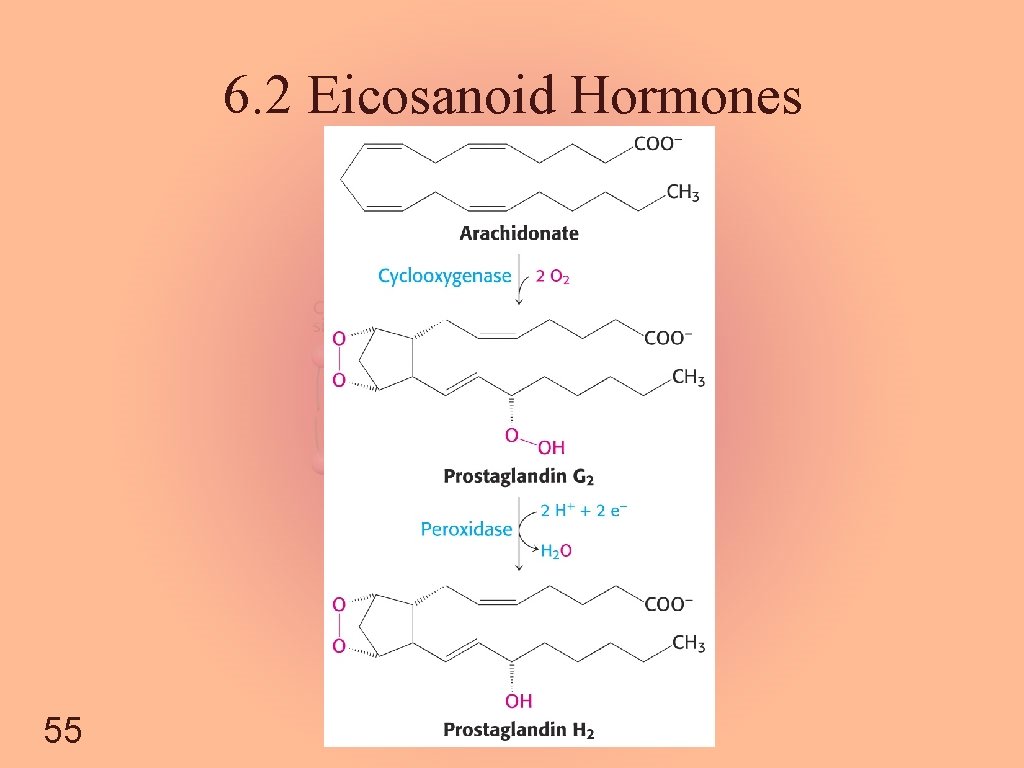
6. 2 Eicosanoid Hormones 55
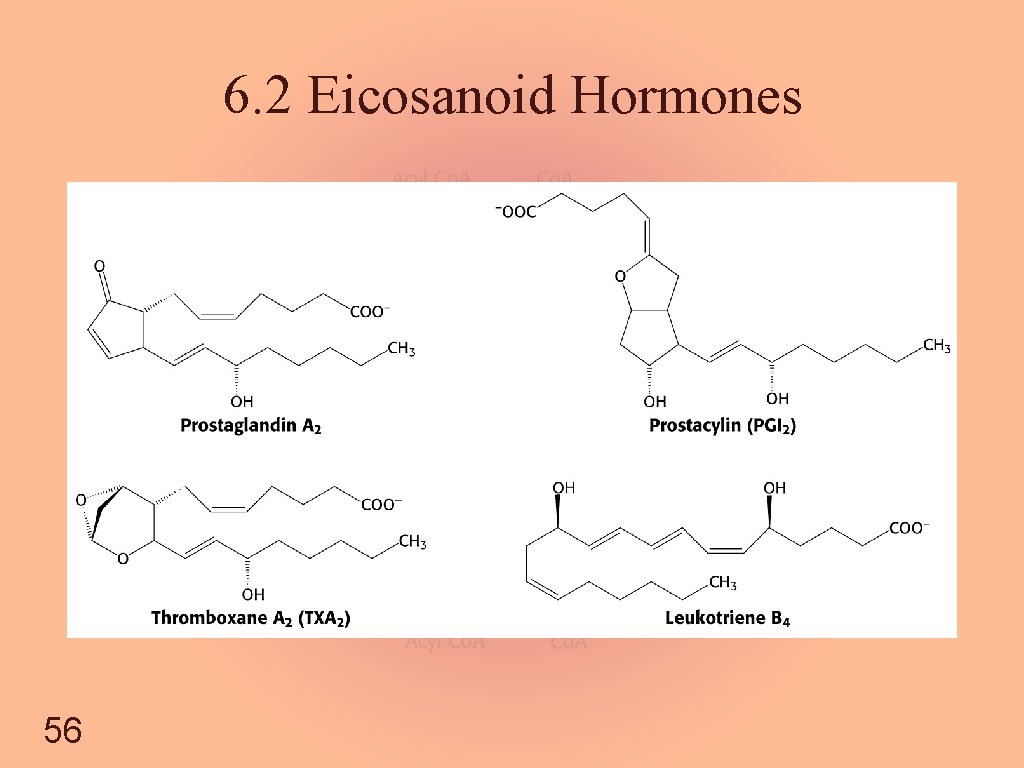
6. 2 Eicosanoid Hormones 56
- Slides: 56