
Chapter 21 Immune System 1 INTRODUCTION The immune

- Slides: 50
Chapter 21: Immune System 1
INTRODUCTION • The immune system protects against assaults on the body – External assaults include microorganisms: protozoans, bacteria, and viruses – Internal assaults: abnormal cells reproduce and form tumors that may become cancerous and spread 2
ORGANIZATION OF THE IMMUNE SYSTEM • The immune system is continually at work patrolling and protecting the body • Identification of cells and other particles – Antigens are unique molecules that mark cells – Self-markers: molecules on the surface of cells that are unique to an individual, thus identifying the cell as “self” to the immune system – Non–self-markers: molecules on the surface of foreign or abnormal cells or particles that identify the particle as “non-self” to the immune system – Self-tolerance: the ability of the immune system to attack abnormal or foreign cells but spare normal cells 3
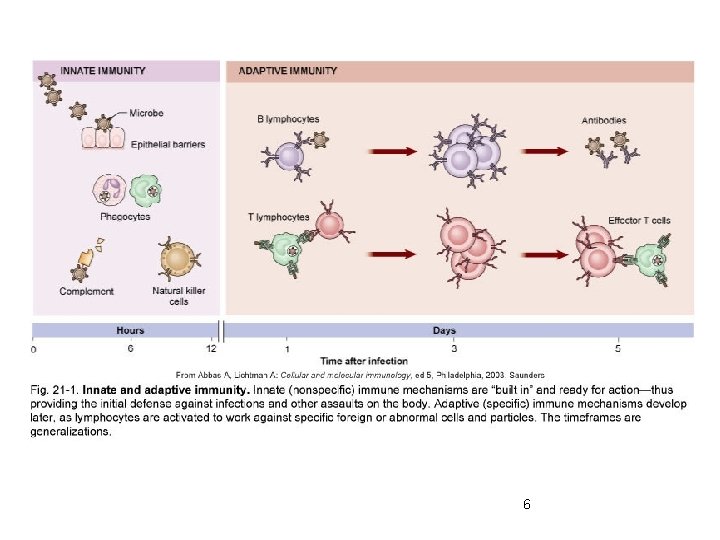
ORGANIZATION OF THE IMMUNE SYSTEM (cont. ) • Two major categories of immune mechanisms: (Figure 21 -1; Table 21 -1) 1. Innate immunity – In place before the person has been exposed to the harmful substance – provides a general, nonspecific defense against anything that is not “self” – Epithelial barrier cells, phagocytes (neutrophils, macrophages, dendritic cells), and natural killer (NK) cells 2. Adaptive immunity - acts as a specific defense against specific threatening agents - T and B lymphocytes 4
ORGANIZATION OF THE IMMUNE SYSTEM (cont. ) • Cytokines: any of several kinds of chemicals released by cells to promote innate and adaptive immune responses (e. g. , interleukin, interferon, leukotriene) • Other chemicals (e. g. , complement, other enzymes, histamine) also play regulatory roles in immunity 5
6
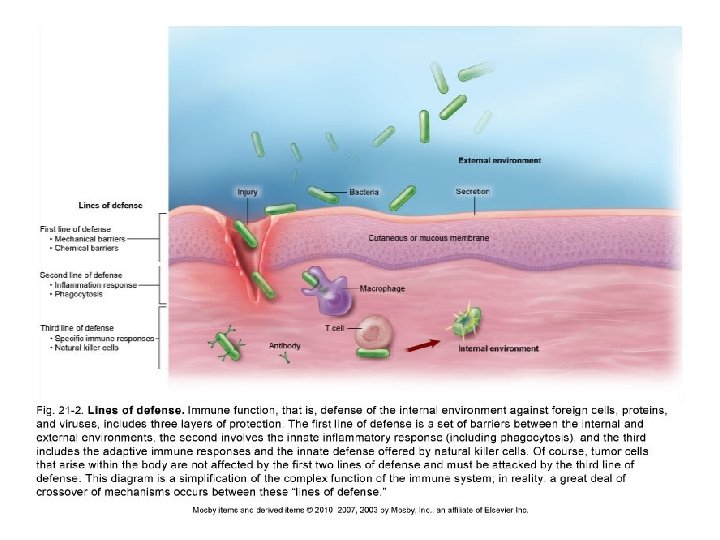
INNATE IMMUNITY • Species resistance: genetic characteristics of an organism or species that defend against pathogens (Table 21 -2) – Ex. The human species is resistant against disease factors that spread easily among plants • Mechanical and chemical barriers: first line of defense (Figure 21 -2) – Internal environment of the body is protected by a barrier composed of the skin and mucous membranes – Skin and mucous membranes provide additional immune mechanisms: sebum, mucus, enzymes, and hydrochloric acid in the stomach 7
8
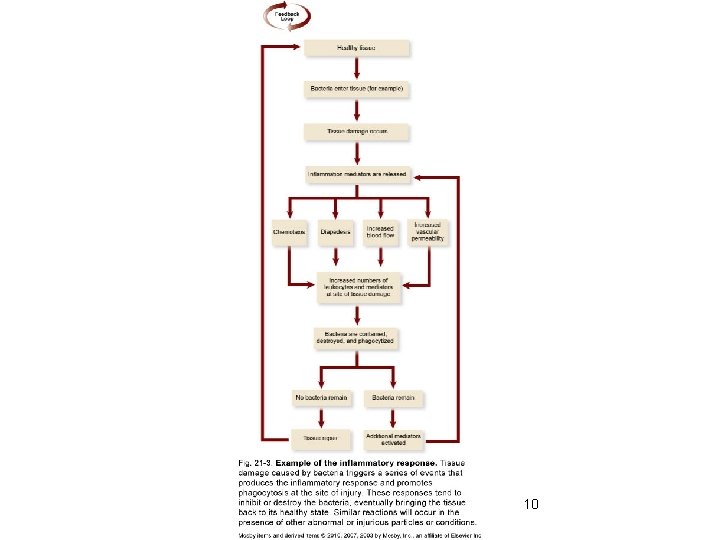
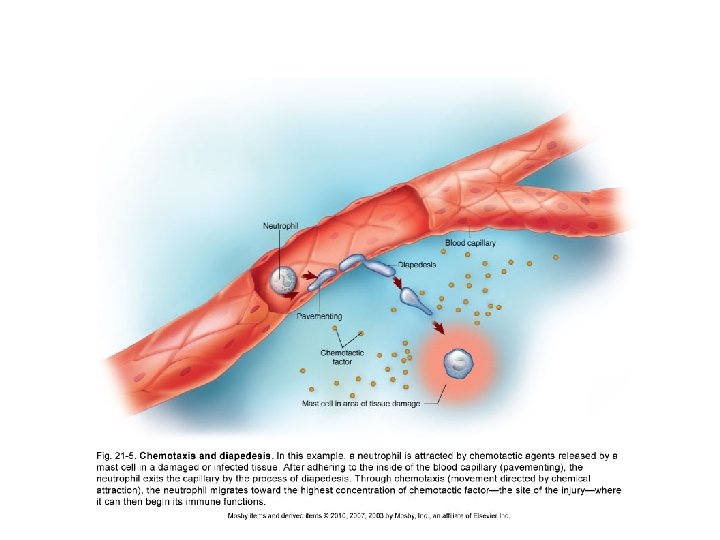
INNATE IMMUNITY (cont. ) • Inflammation and fever: second line of defense (Figure 21 -3) – Inflammatory response: tissue damage elicits responses to counteract injury and promote normalcy • Tissue damage causes release of Inflammation mediators (histamine, kinins, prostaglandins, ILK, mast cells) • Chemotactic factors: substances that attract white blood cells to the area in a process called chemotaxis • Produce the characteristic signs of inflammation: heat, redness, pain, and swelling 9
10
INNATE IMMUNITY (cont. ) – Fever: abnormally high temperature triggered by inflammation mediators • Triggered in systemic inflammatory response syndrome and events such as viral infections, tumors, allergies • Pyrogen molecules are released from damaged tissues and promote prostaglandin (PG) production; PGs then reset the hypothalamic “thermostat” to a higher temperature • aspirin and other COX inhibitors interfere with PG production • Fever is believed to increase immune function and inhibit pathogens 11
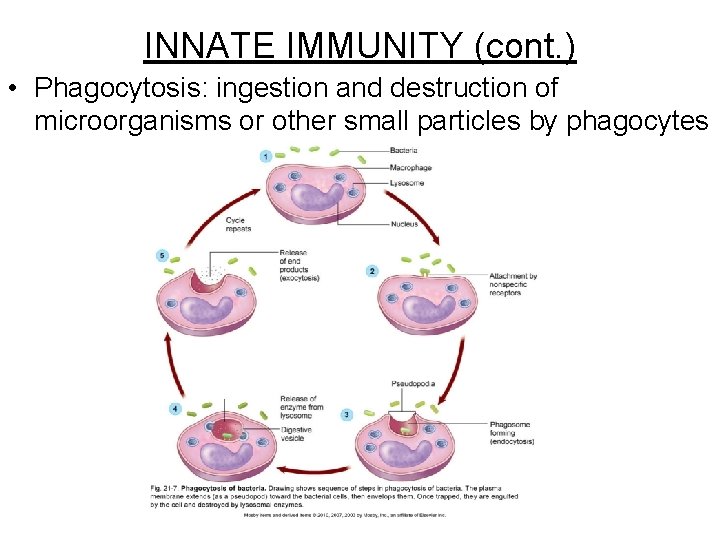
INNATE IMMUNITY (cont. ) • Phagocytosis: ingestion and destruction of microorganisms or other small particles by phagocytes 12
Phagocytosis in Adaptive Immunity – Phagocyte become antigen-presenting cells (APC): • phagocytes ingest foreign particles • isolate protein segments (peptides)and display them as antigens on their surface • triggers an immune response when recognized by a specific (adaptive) immune cell 13
14
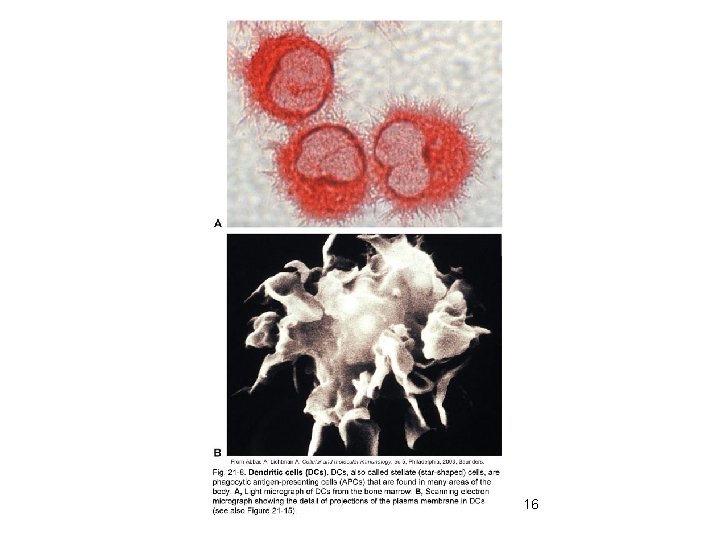
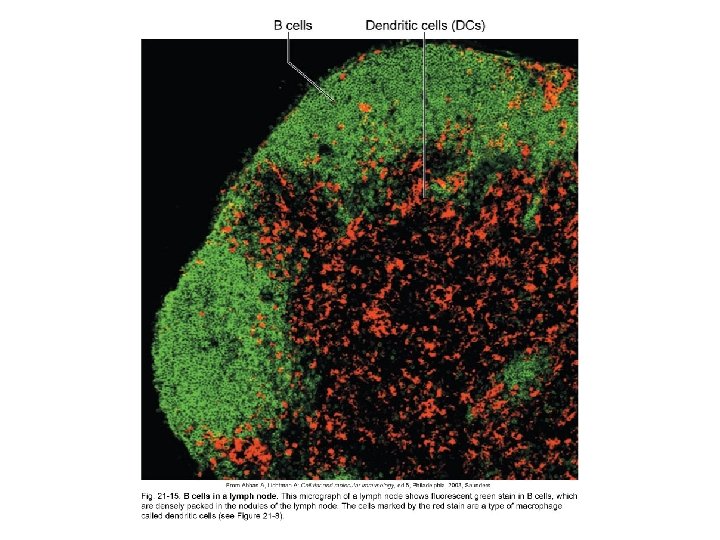
INNATE IMMUNITY (cont. ) – Neutrophil: most numerous phagocyte; usually first to arrive at site of injury; migrates out of bloodstream during diapedesis; forms pus – Phagocytes (Table 21 -3) • Macrophage: large phagocytic monocytes, APC’s • Dendritic cell: type of phagocytic APC’s with long branches or extensions, found in areas exposed to environment • 10 -15% of all cells in any organ are phagocytic cells 15
16
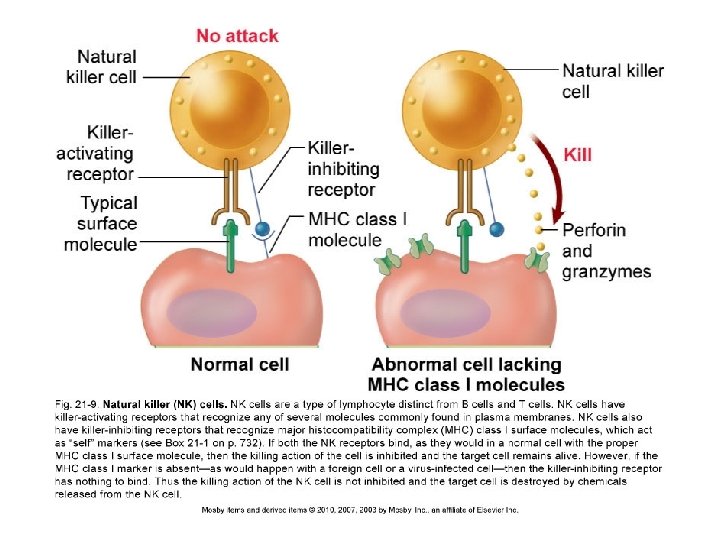
INNATE IMMUNITY (cont. ) • Natural killer (NK) cells: lymphocytes that kill tumor cells and cells infected by viruses (Figure 21 -9) – 2 receptors, killer activating and killer inhibiting receptors – Killer activating receptor binds to the cell – target cell is killed if killer-inhibiting receptor on NK cell does not bind to a proper major histocompatibility complex (MHC) surface protein – Method of killing cells: triggers apoptosis that progresses to lysing cells by damaging plasma membranes • Interferon: protein synthesized and released into circulation by certain cells if invaded by viruses to signal other nearby cells to enter a protective antiviral state 17
18
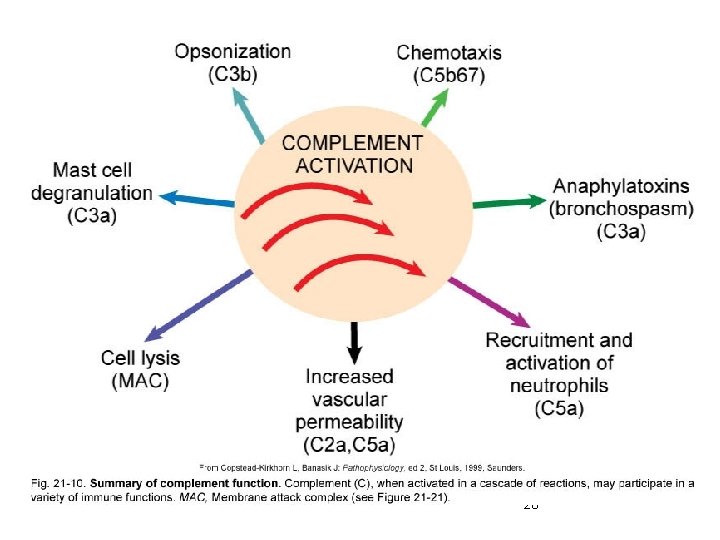
INNATE IMMUNITY (cont. ) • Complement: group of enzymes that produce a cascade of reactions resulting in a variety of immune responses (Figure 21 -10) – Lyse cells when activated by either adaptive or innate mechanisms – Opsonization: mark cells for destruction by phagocytes – Promotes inflammatory response • Toll-like receptors: pattern recognition receptors in the membranes of host cells; when triggered, stimulate many different kinds of innate immune responses 19
20
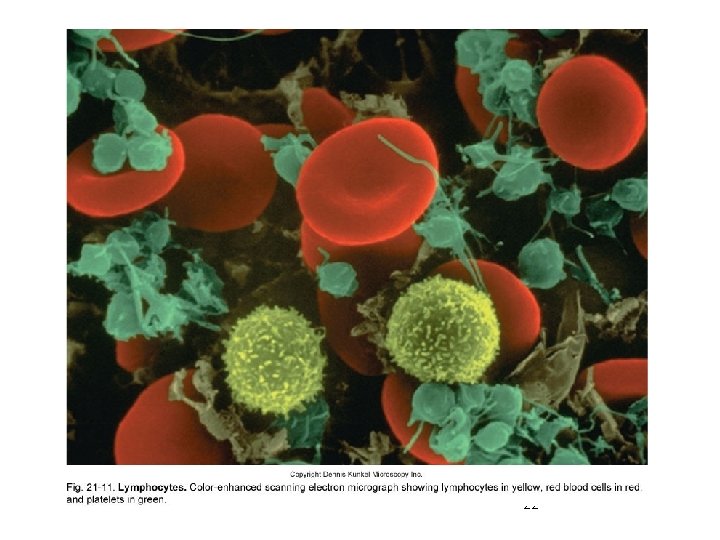
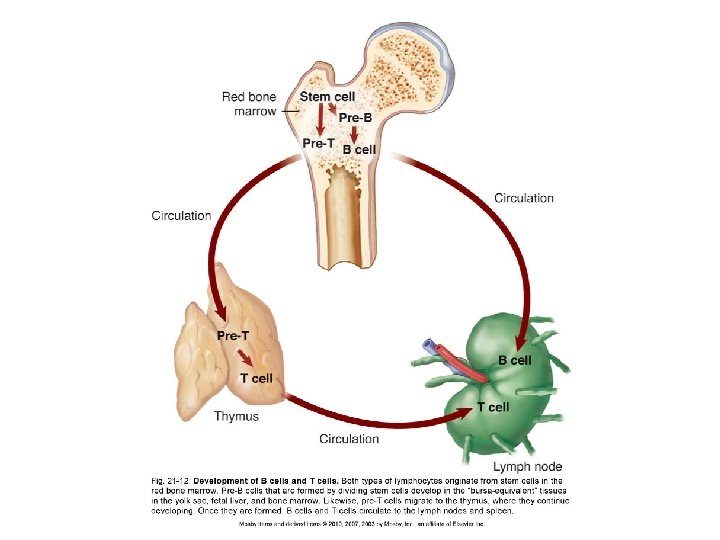
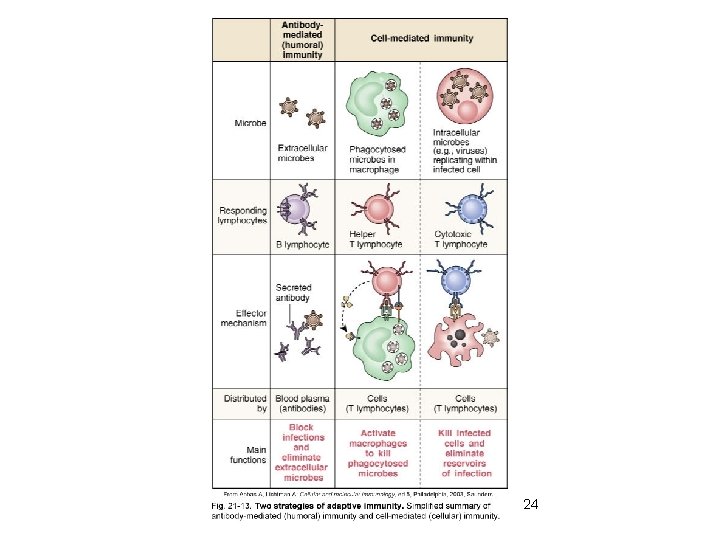
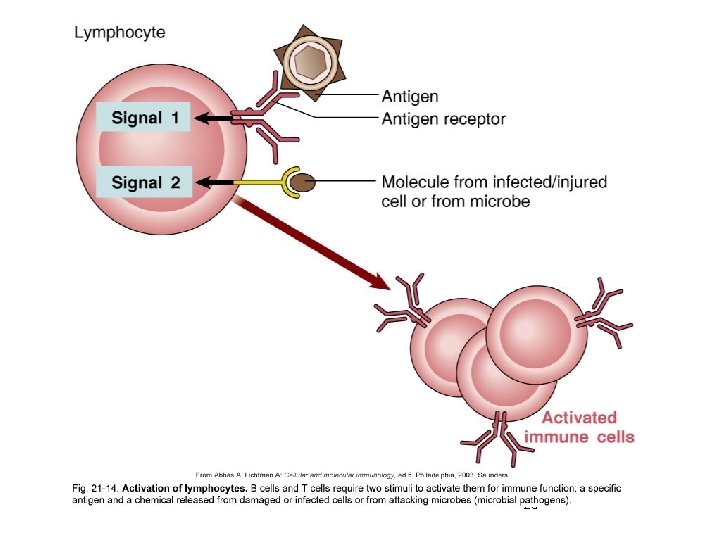
OVERVIEW OF ADAPTIVE IMMUNITY • Adaptive immunity is part of the third line of defense • Attacks specific agents • 2 types of lymphocytes: B lymphocytes (B cells) and T lymphocytes (T cells) – B cells do not attack antigens themselves, but produce antibodies; antibody mediated or humoral immunity – T cells attack pathogens directly; cell mediated or cellular immunity • Subsets of lymphocytes are defined by the CD surface markers that the cells carry (e. g. , CD 4 and CD 8 cells) • Activation of lymphocytes requires two stimuli: a specific antigen and activating chemicals (Figure 21 -14) • Lymphocytes flow through the bloodstream, become distributed in tissues, and return to the bloodstream in a continuous recirculation 21
22
23
24
25
26
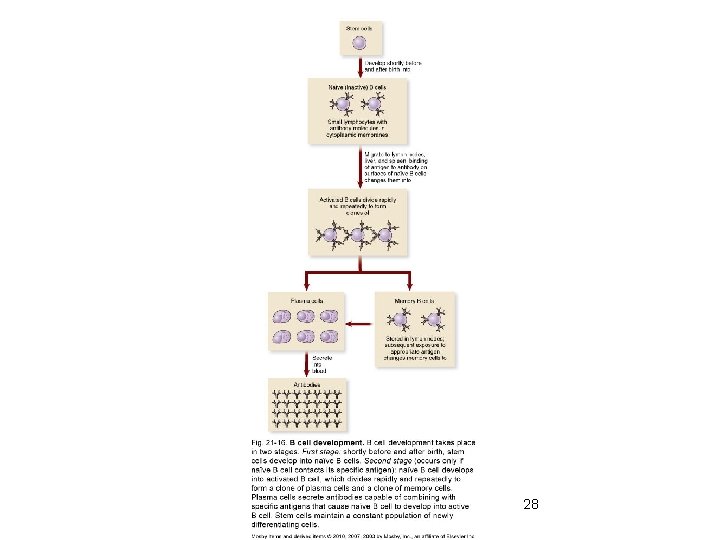
B CELLS AND ANTIBODY-MEDIATED IMMUNITY • B cells develop in two stages – Pre–B cells have gone through the first phase of development after an infant is a few months old; now known as naïve B cells – The second stage occurs in lymph nodes and spleen—a naive B cell is activated when it binds to its specific antigen – The B cell undergoes stages of rapid mitosis which produces 2 types of cells: 1. effector B or plasma cells -secrete antibodies 2. memory B cells - able to respond if come in contact with the same antigen - produce more plasma and memory cells 27
28
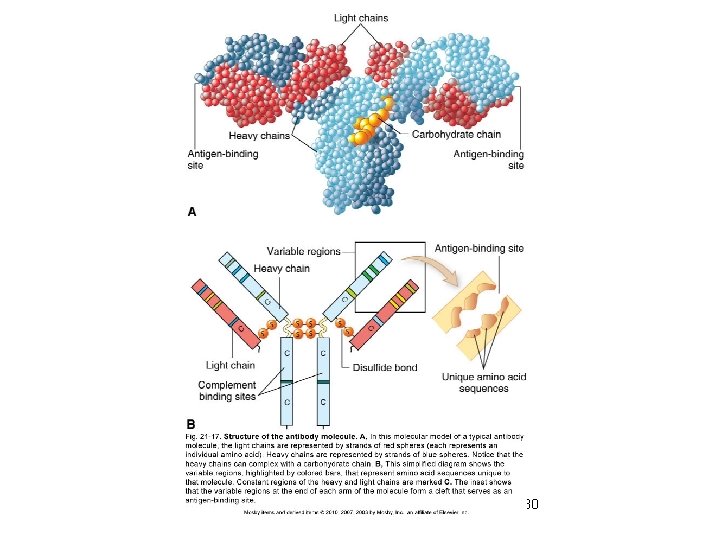
B CELLS AND ANTIBODY-MEDIATED IMMUNITY • Antibodies: proteins (immunoglobulins) secreted by activated B cell (Figure 21 -16) • Structure of antibody molecules: an antibody molecule consists of two heavy and two light polypeptide chains; each molecule has two antigen-binding sites and two complement-binding sites (Figure 21 -17) 29
30
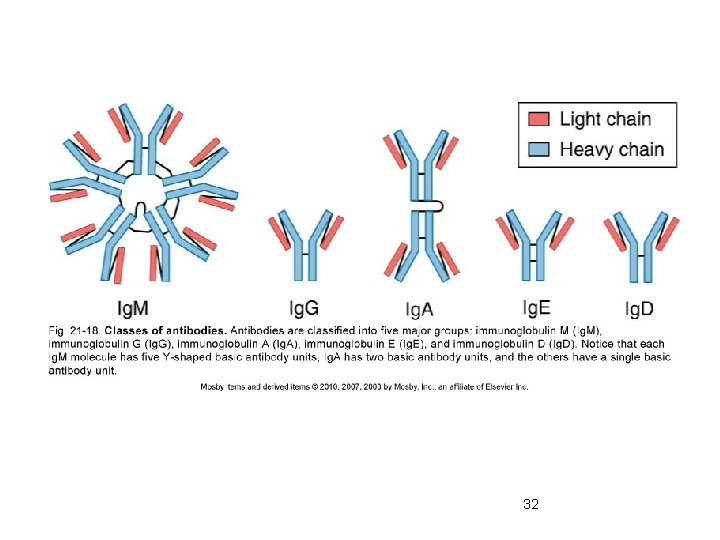
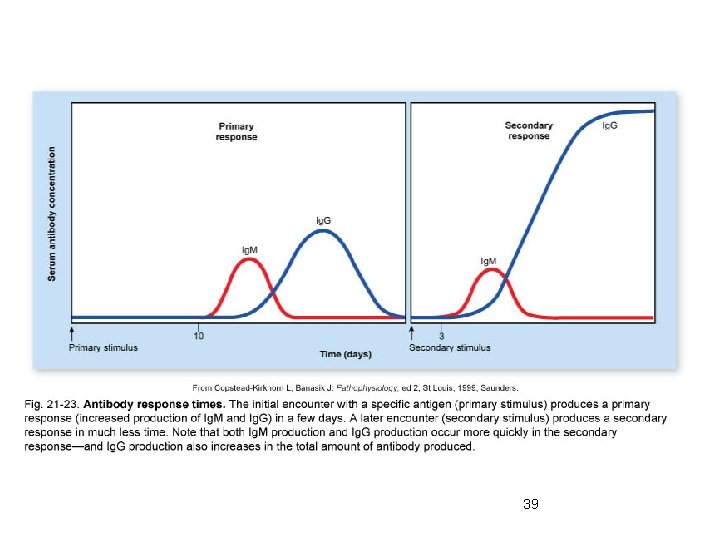
B CELLS AND ANTIBODY-MEDIATED IMMUNITY (cont. ) • Diversity of antibodies: infants are born with different clones of B cells in bone marrow, lymph nodes, and spleen; cells of the clone synthesize a specific antibody with a sequence of amino acids in its variable region that differs from the sequence synthesized by other clones • Five classes of antibodies: immunoglobulins M, G, A, E, and D (Figure 21 -18) – Ig. M: antibody that naive B cells synthesize and insert into their own plasma membranes; the predominant class produced after initial contact with an antigen – Ig. G: makes up 75% of antibodies in the blood; predominant antibody of the secondary antibody response; can cross the placenta to impart natural passive immunity – Ig. A: major class of antibody in mucous membranes, in saliva and tears – Ig. E: small amount; produces harmful effects such as allergies – Ig. D: small amount in blood; precise function unknown 31
32
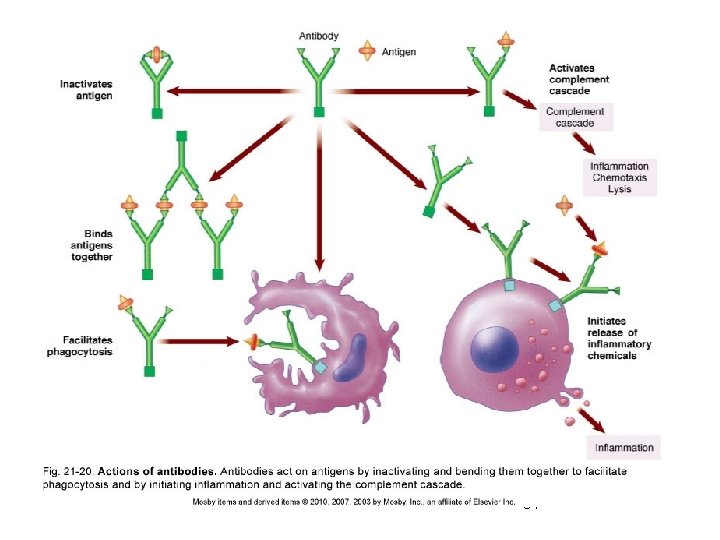
B CELLS AND ANTIBODY-MEDIATED IMMUNITY (cont. ) • Antibody molecules produce antibody-mediated immunity (humoral immunity) within plasma • Antibodies determine self from nonself by binding to antigens(Figure 21 -19) – Antigen-antibody complex that may have several effects (Figure 21 -20) • Transforms toxins into harmless substances • Agglutinates antigens to be phagocytized • Alters shape of the antibody to expose complement binding sites 33
34
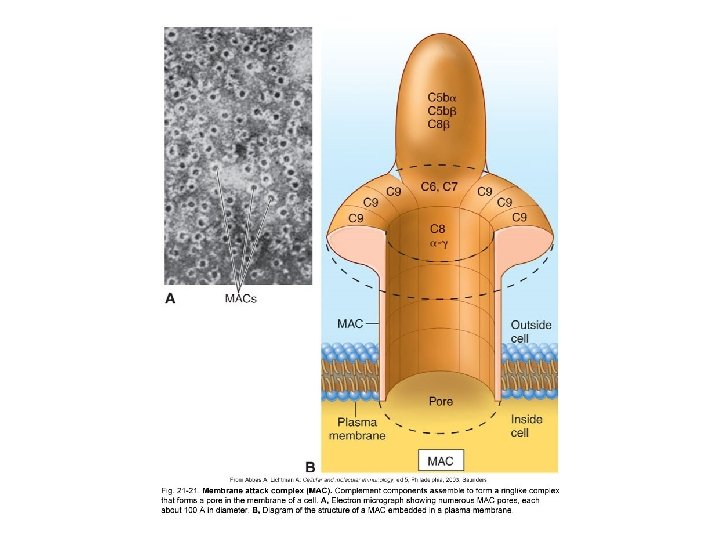
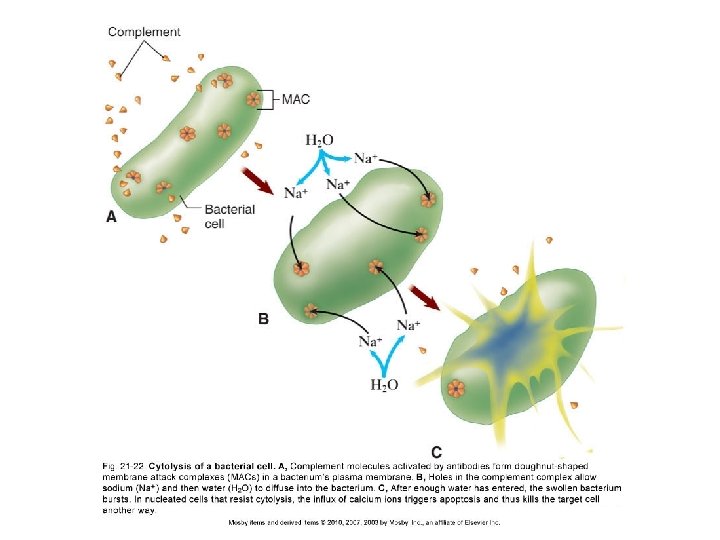
B CELLS AND ANTIBODY-MEDIATED IMMUNITY (cont. ) • Complement: a component of blood plasma consisting of several protein compounds – Complement binds to the exposed site on the antibody – A cascade of enzyme activation occurs – Membrane attack complexes (MAC) form • Drills a hole in the invader’s plasma membrane • Water rushes in causing the cell to burst = cytolysis – Complement cascade can also initiate vasodilation and chemotaxis to injured area 35
36
37
B CELLS AND ANTIBODY-MEDIATED IMMUNITY (cont. ) • Primary and secondary responses (Figure 2123) – Primary response: initial encounter with a specific antigen triggers the formation and release of specific antibodies that reaches its peak in a few days – Secondary response: a later encounter with the same antigen triggers a much quicker response; B memory cells rapidly divide, producing more plasma cells and thus more antibodies 38
39
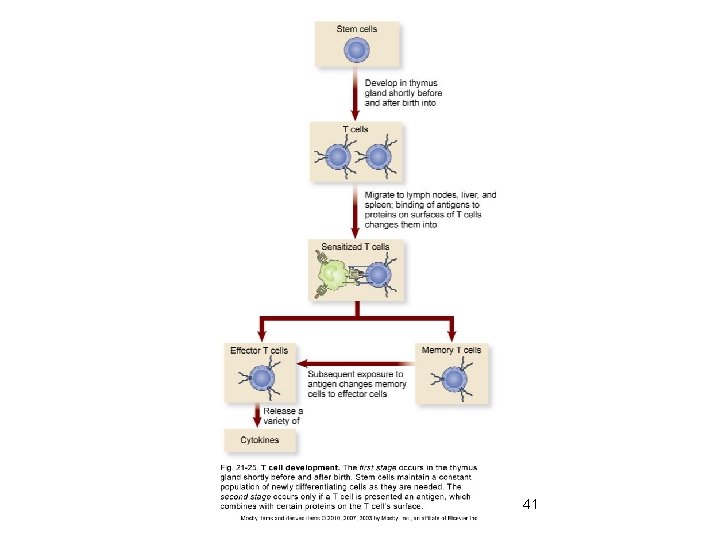
T CELLS AND CELL-MEDIATED IMMUNITY • T cells: lymphocytes that go through the thymus gland before migrating to the lymph nodes and spleen – Pre–T cells develop into thymocytes while in the thymus – Thymocytes stream into the blood and are carried to the T cell– dependent zones in the spleen and the lymph nodes • Activation of T cells – T cells display antigen receptors on their surface membranes that are similar to antibodies – A T cell is activated when an antigen (presented by an APC) binds to its receptors causing it to become activated – T cells divide repeatedly to form: 1. Effector T cells or cytotoxic T cells -contact killing of the target cell -can only bind if antigen is presented by an APC; releases chemical messengers (cytokines) into inflammed tissue 2. Memory T cells 40 -produce more active T cells
41
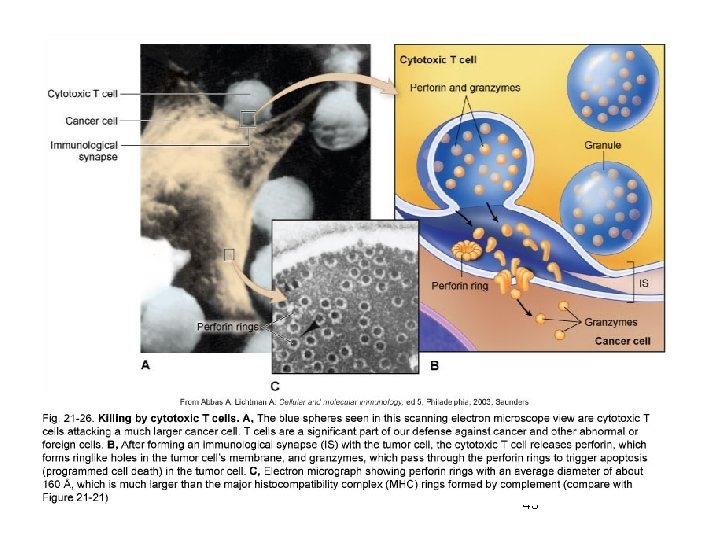
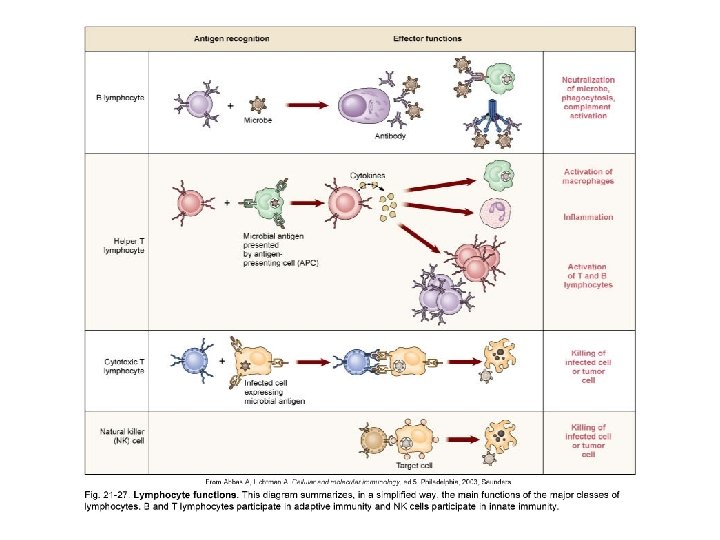
T CELLS AND CELL-MEDIATED IMMUNITY (cont. ) • Functions of T cells – Cytotoxic T cells: T cells release lymphotoxin to kill cells (Figure 21 -26) – Helper T cells: regulate the function of B cells, T cells, phagocytes, and other leukocytes (Figure 2127) – Suppressor T cells: regulatory T cells that suppress lymphocyte function, thus regulating immunity and promoting self-tolerance – T cells function to produce cell-mediated immunity and help regulate adaptive immunity in general 42
43
44
TYPES OF ADAPTIVE IMMUNITY • Adaptive immunity can be further classified according to the way in which it develops – Natural immunity results from nondeliberate exposure to antigens (cross recognition) – Artificial immunity results from deliberate exposure to antigens, called immunization 45
TYPES OF ADAPTIVE IMMUNITY (cont. ) • Natural and artificial immunity may be active or passive – Active immunity: when immune system responds to a harmful agent regardless of whether it is natural or artificial; lasts longer than passive – Passive immunity: immunity developed in another individual is transferred to an individual who was not previously immune; temporary but provides immediate protection 46
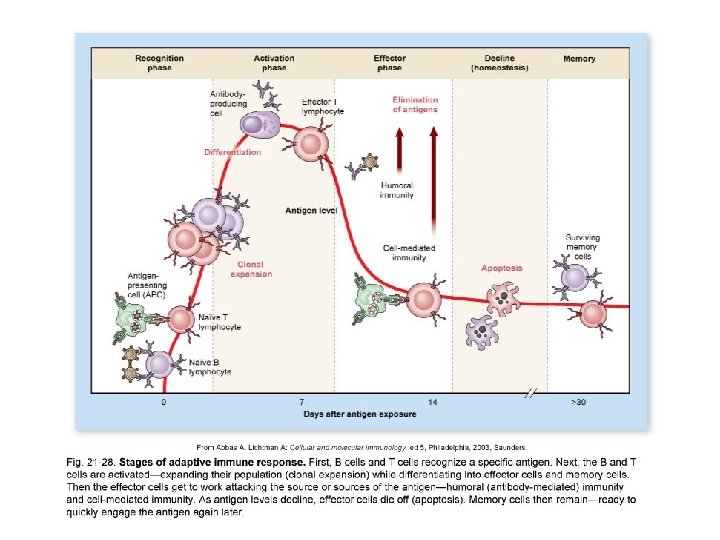
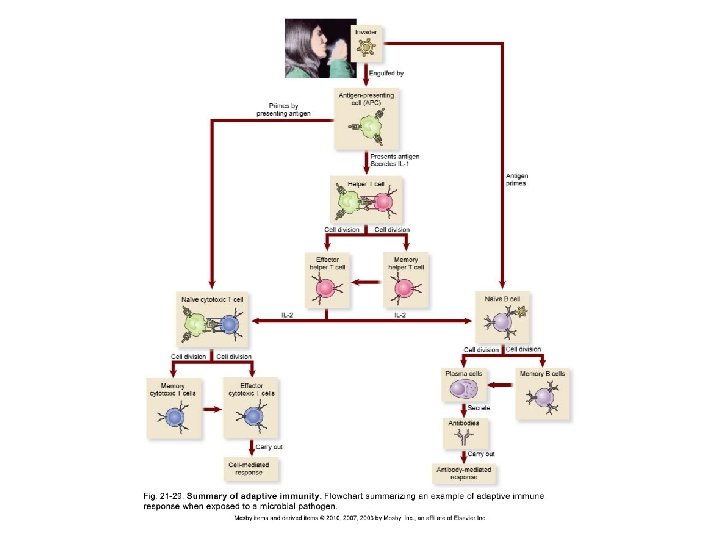
SUMMARY OF ADAPTIVE IMMUNITY • Adaptive immunity is specific immunity targeting specific antigens • Adaptive immunity involves two classes of lymphocyte: B cells and T cells (Figure 21 -27) – B cells: antibody-mediated (humoral) immunity – T cells: cell-mediated (cellular) immunity • Adaptive immunity occurs in a series of stages (Figure 2128) – – – Recognition of antigen Activation of lymphocytes Effector phase (immune attack) Decline of antigen causes lymphocyte death (homeostatic balance) Memory cells remain for later response if needed • B cells and T cells work together in a coordinated system of adaptive immunity (Figure 21 -29) 47
48
49
Vaccinations – Hx – http: //videos. howstuffworks. com/sciencechannel/30004 -100 -greatest-discoveries-thebeginning-of-vaccinations-video. htm – Physiology – Pros and Cons 50