
Chapter 2 The nature of molecules Elemental and

- Slides: 68
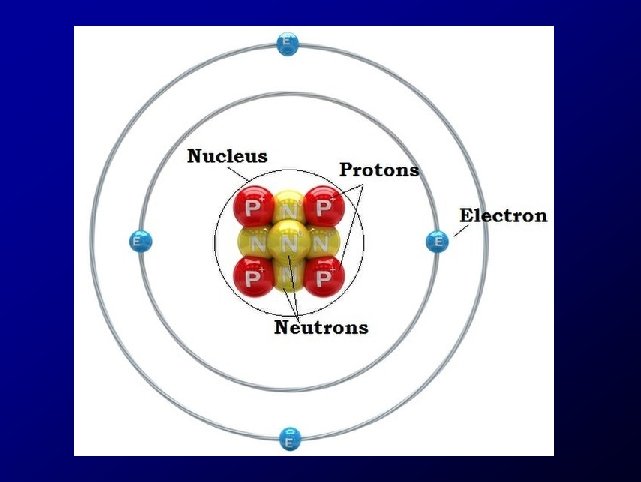
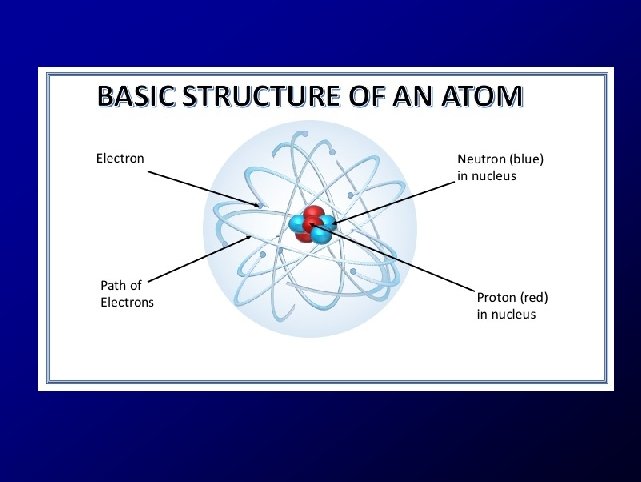
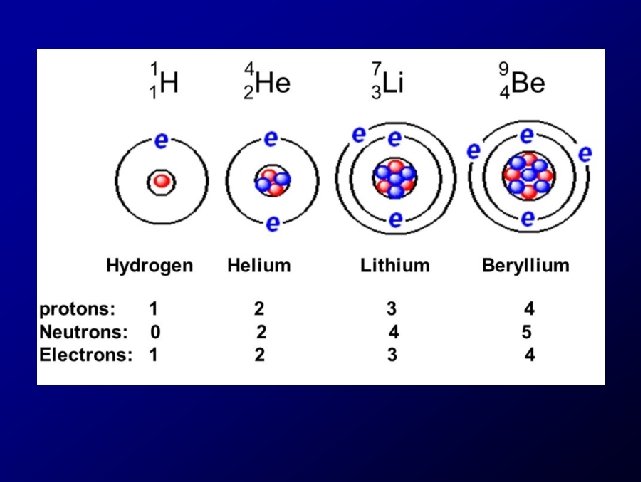
Chapter 2 The nature of molecules. Elemental and molecular composition of living matter: 1. Elemental composition 2. Structure of an atom 3. Chemical bonds.
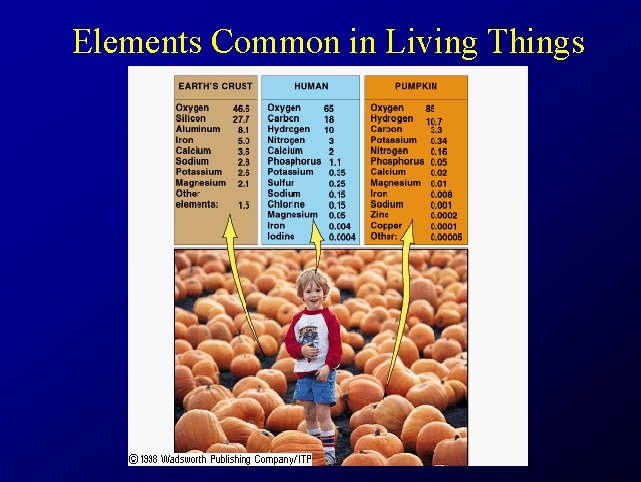
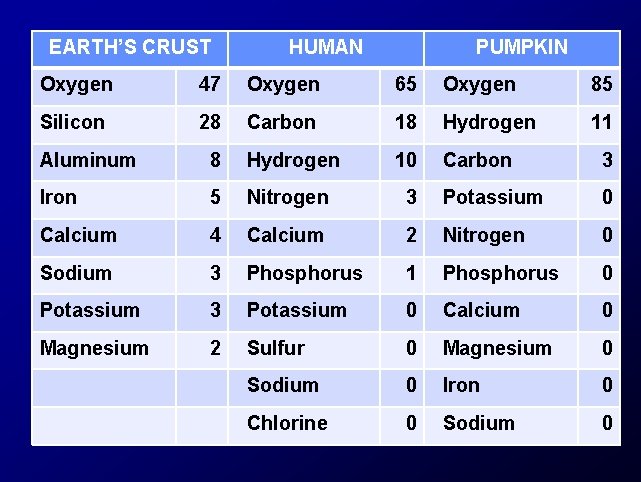
Elements Common in Living Things
EARTH’S CRUST HUMAN PUMPKIN Oxygen 47 Oxygen 65 Oxygen 85 Silicon 28 Carbon 18 Hydrogen 11 Carbon 3 Aluminum 8 Hydrogen 10 Iron 5 Nitrogen 3 Potassium 0 Calcium 4 Calcium 2 Nitrogen 0 Sodium 3 Phosphorus 1 Phosphorus 0 Potassium 3 Potassium 0 Calcium 0 Magnesium 2 Sulfur 0 Magnesium 0 Sodium 0 Iron 0 Chlorine 0 Sodium 0
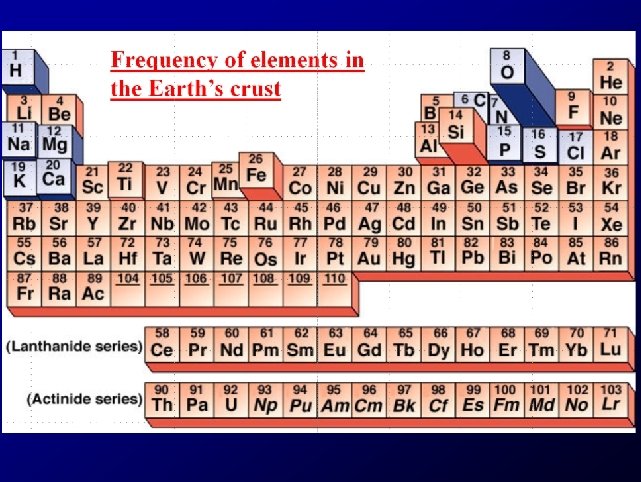
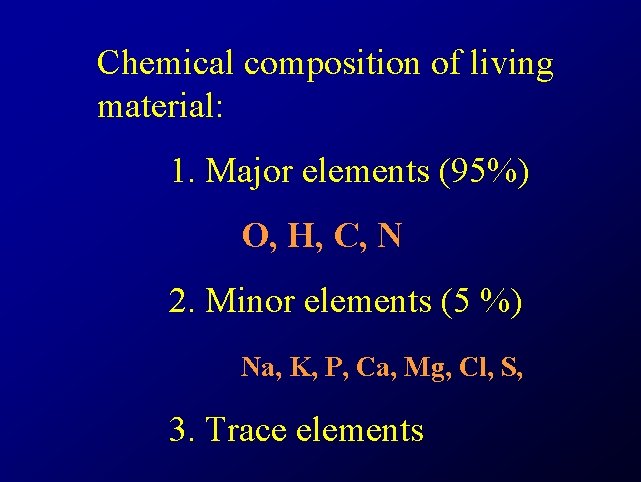
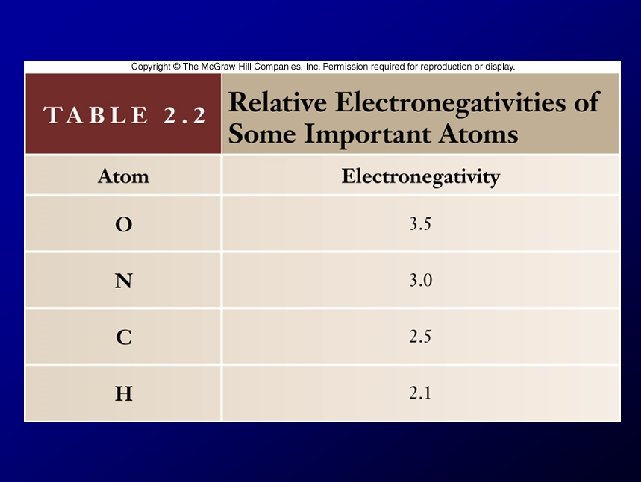
Chemical composition of living material: 1. Major elements (95%) O, H, C, N 2. Minor elements (5 %) Na, K, P, Ca, Mg, Cl, S, 3. Trace elements
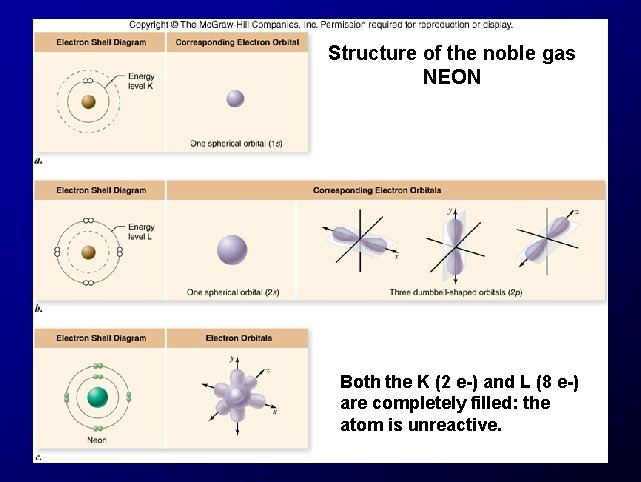
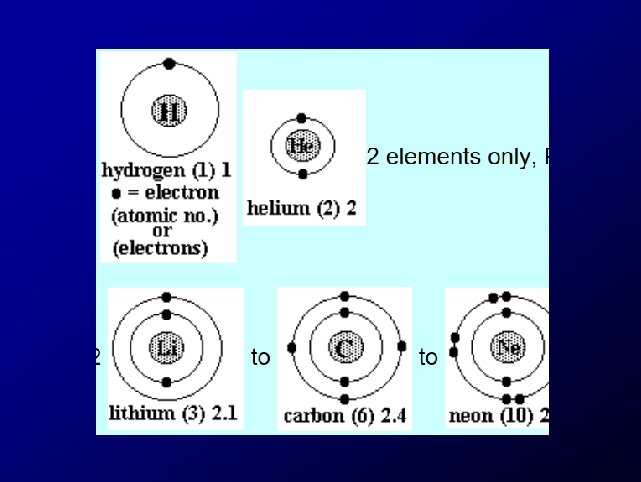
Structure of the noble gas NEON Both the K (2 e-) and L (8 e-) are completely filled: the atom is unreactive.
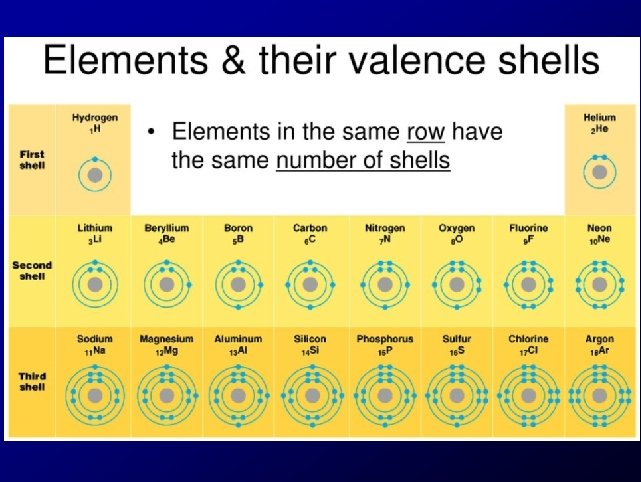
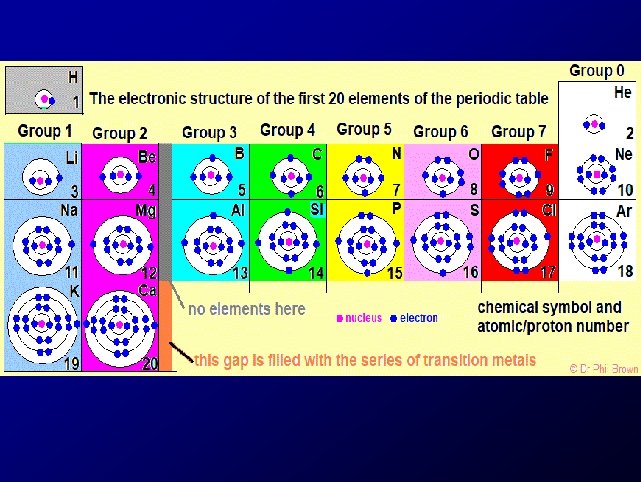
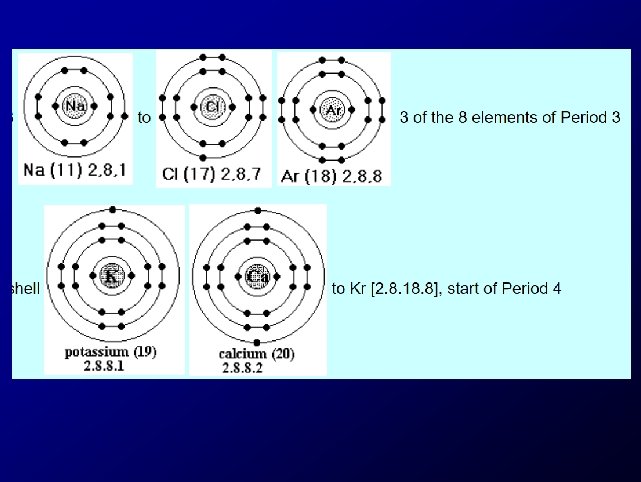
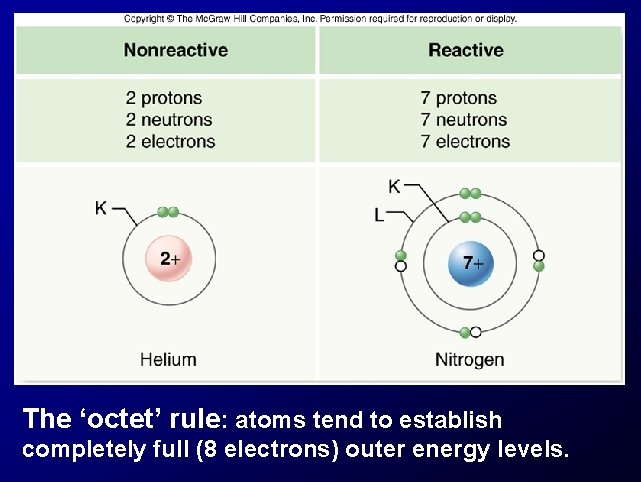
The ‘octet’ rule: atoms tend to establish completely full (8 electrons) outer energy levels.
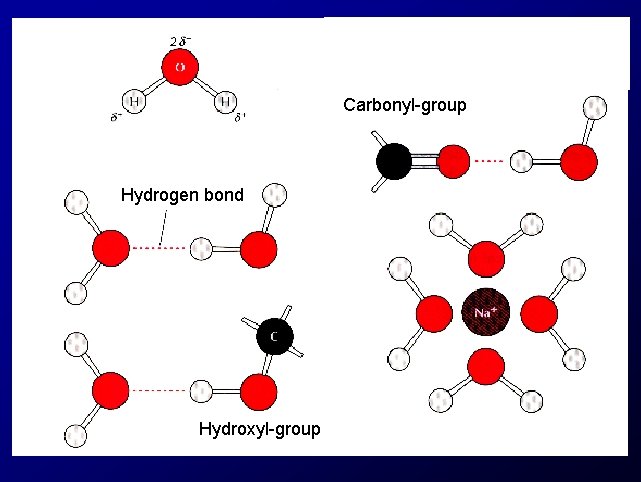
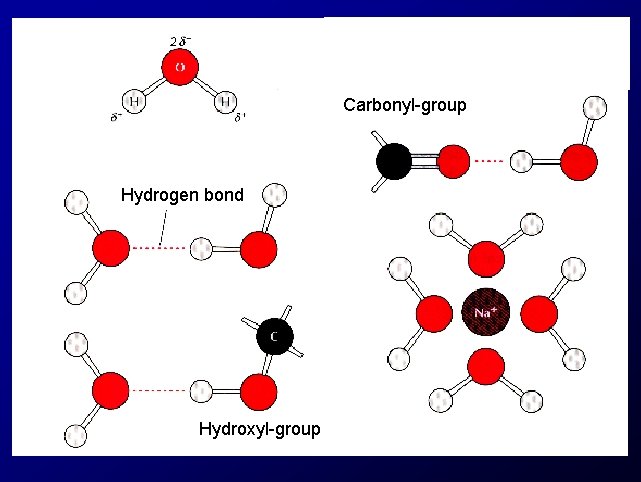
Carbonyl-group Hydrogen bond Hydroxyl-group
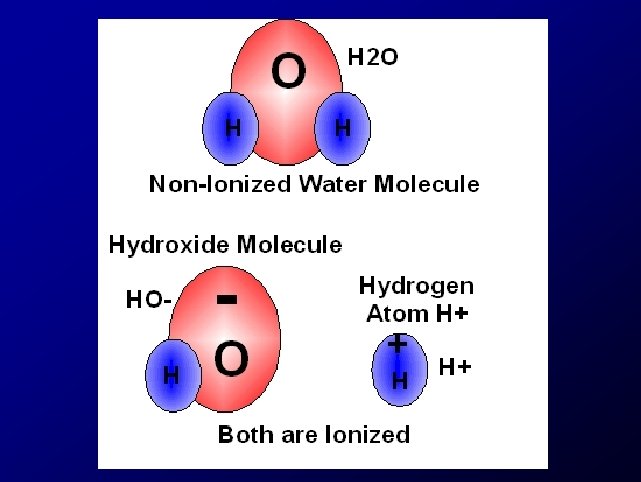
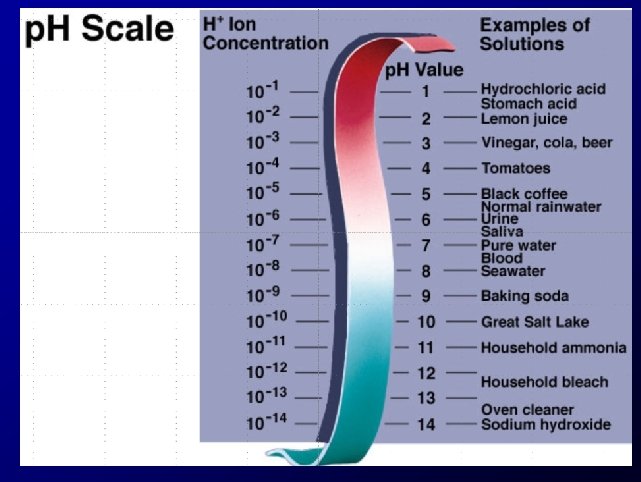
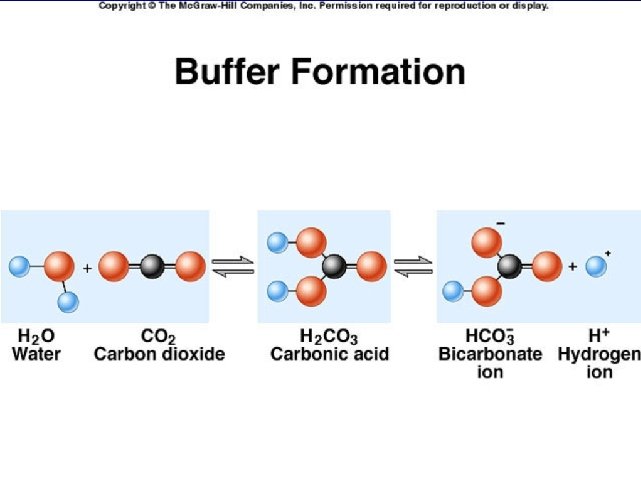
Chapter 2 The nature of molecules. Water is a dipole. p. H and buffers.
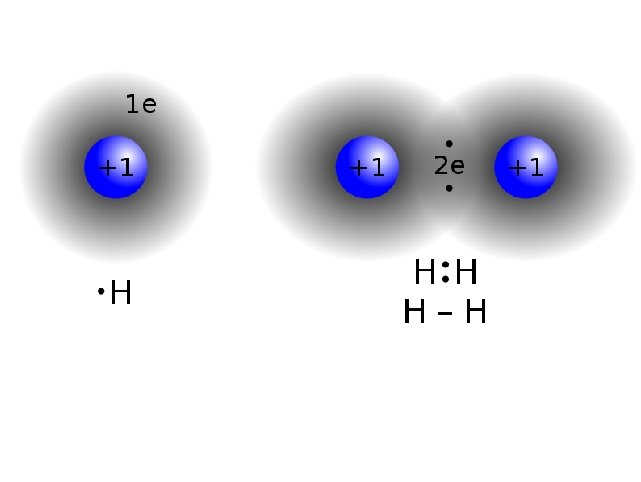
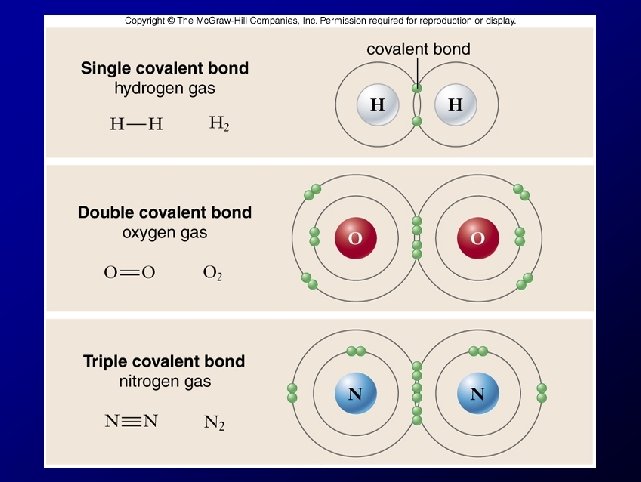
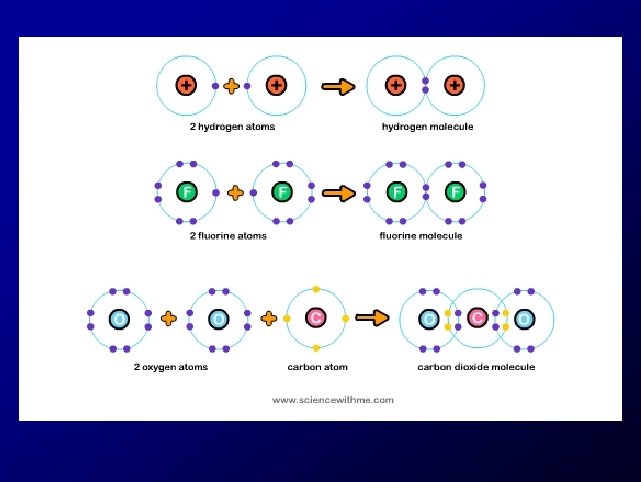
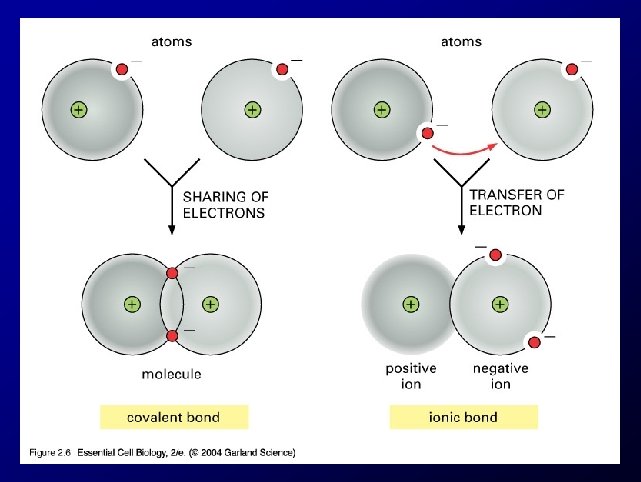
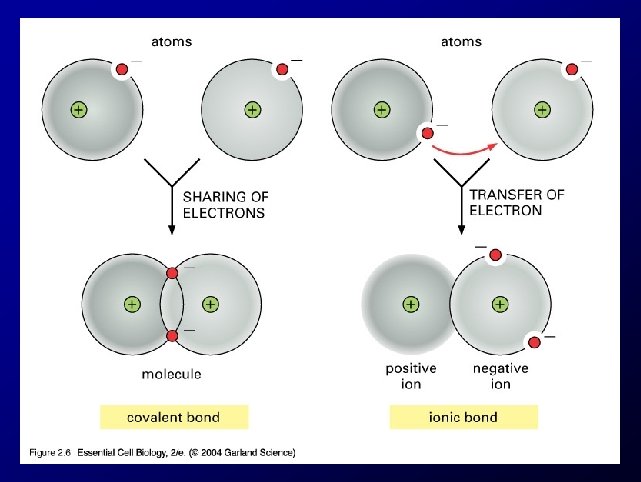
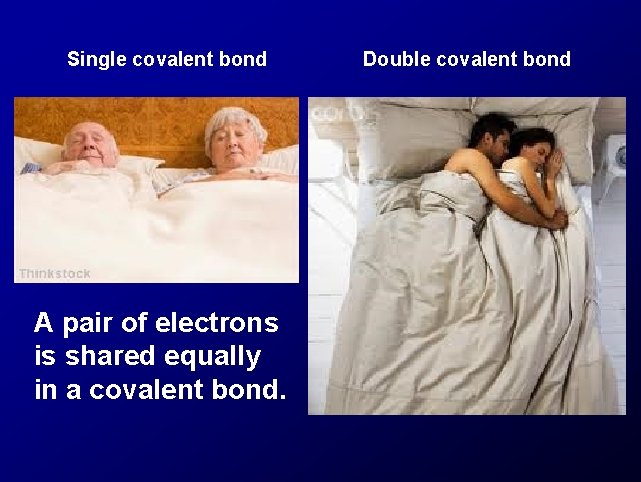
Single covalent bond A pair of electrons is shared equally in a covalent bond. Double covalent bond
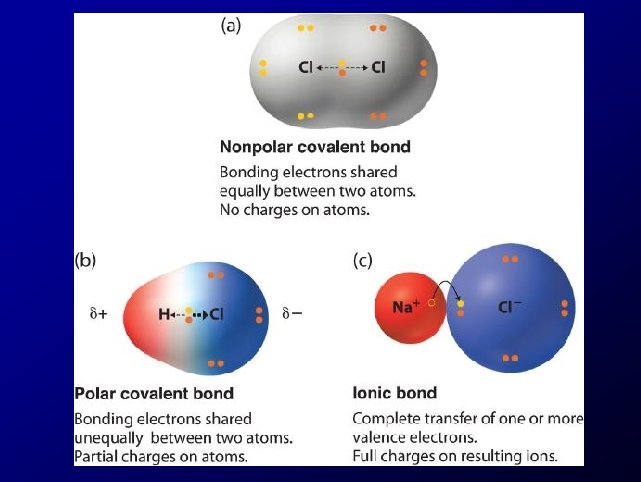
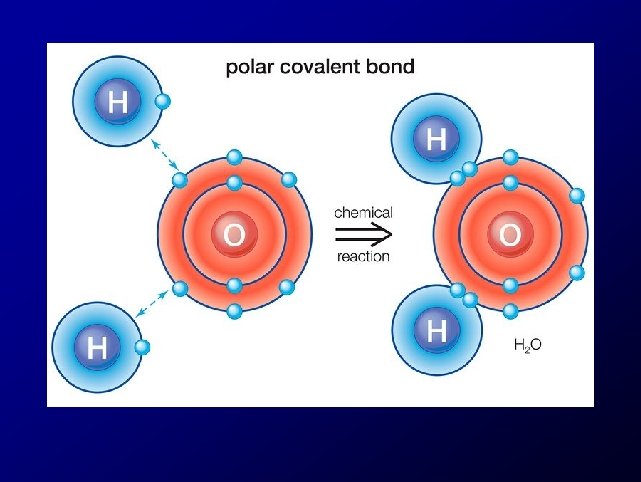
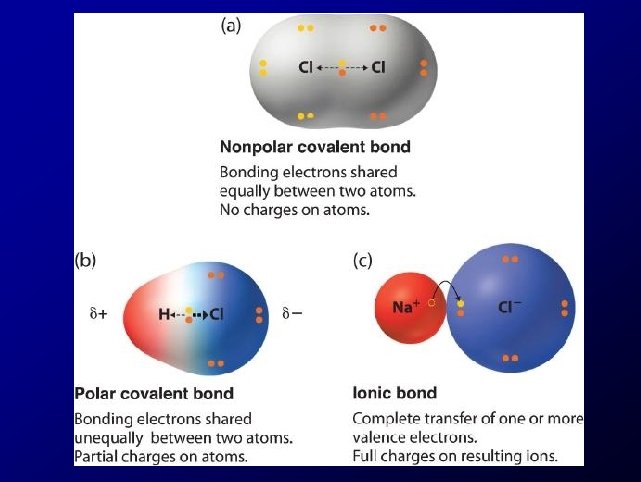
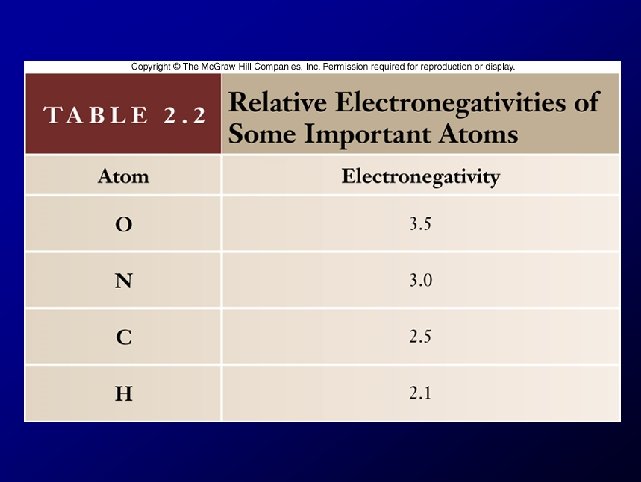
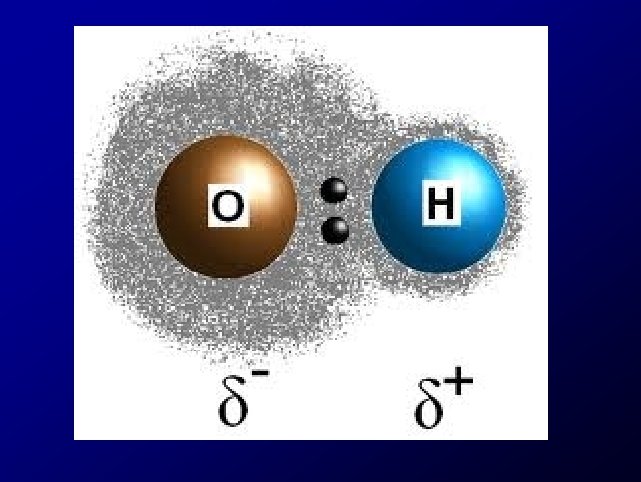
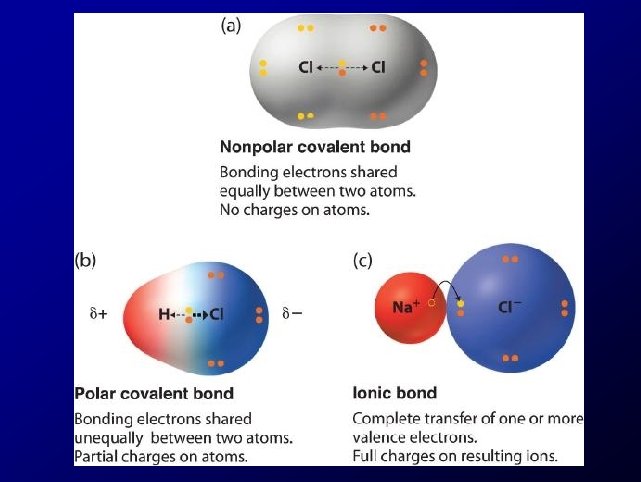
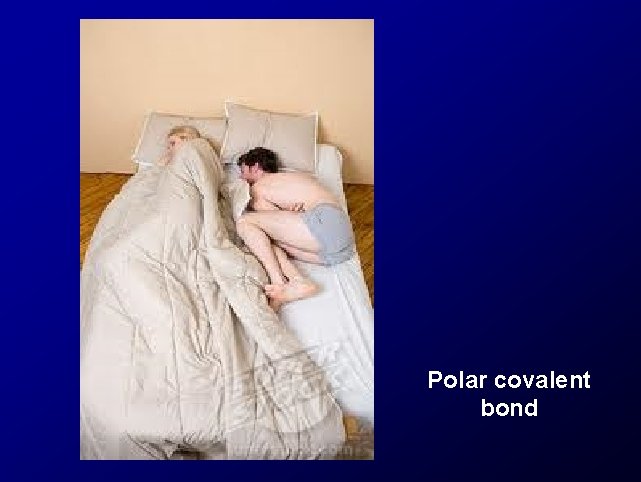
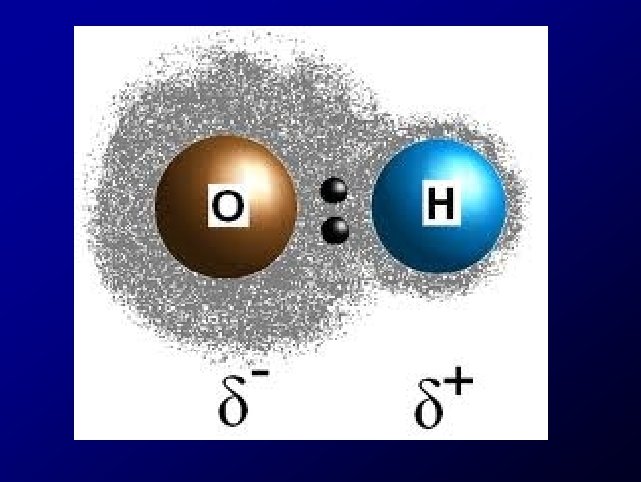
Polar covalent bond
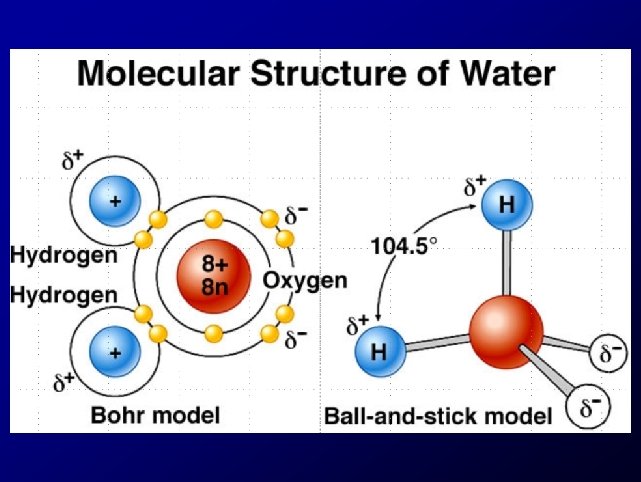
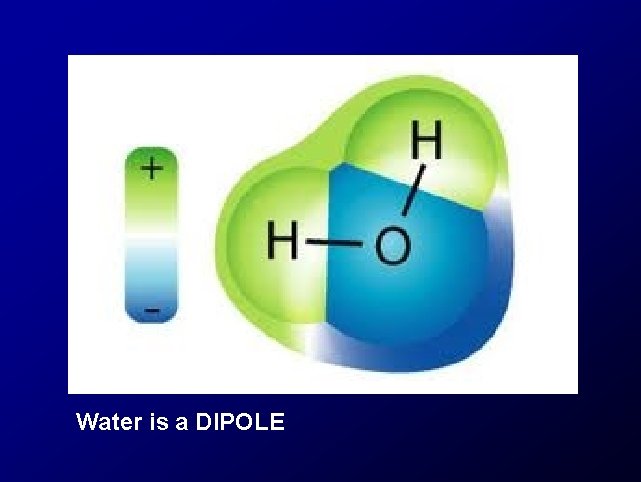
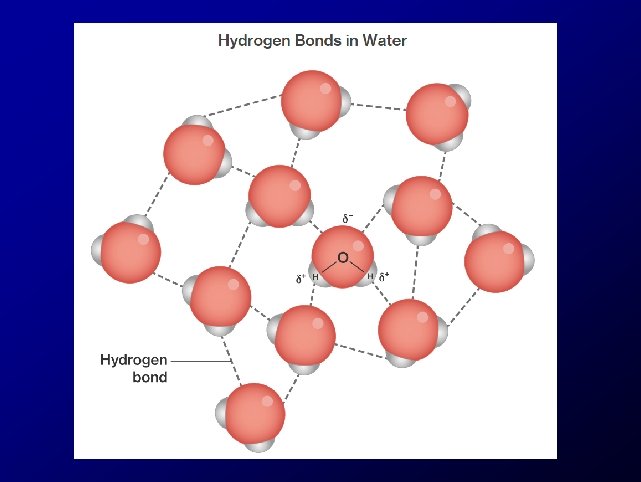
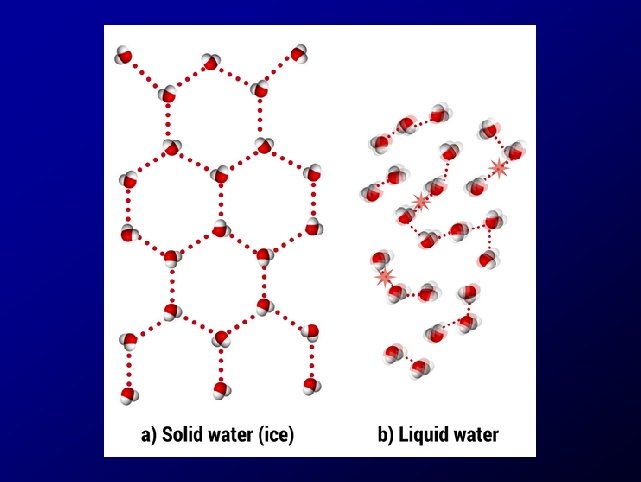
Water is a DIPOLE
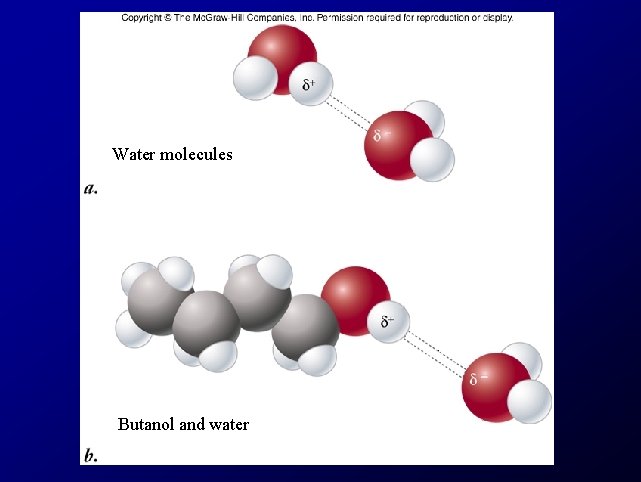
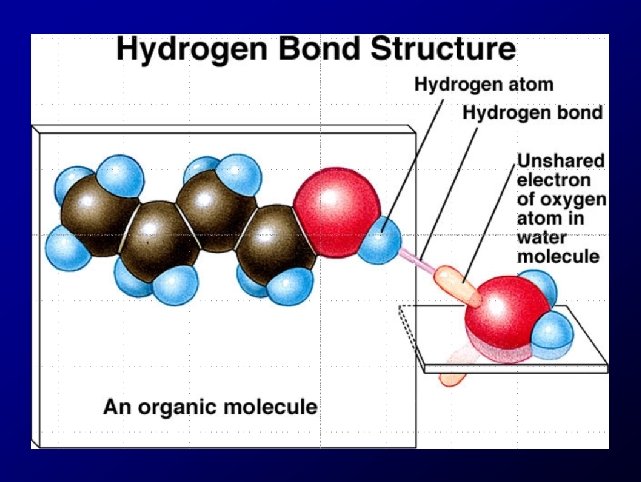
Water molecules Butanol and water
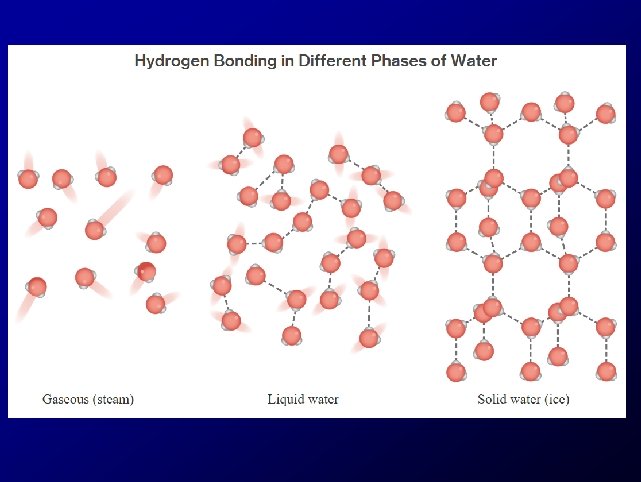
Carbonyl-group Hydrogen bond Hydroxyl-group
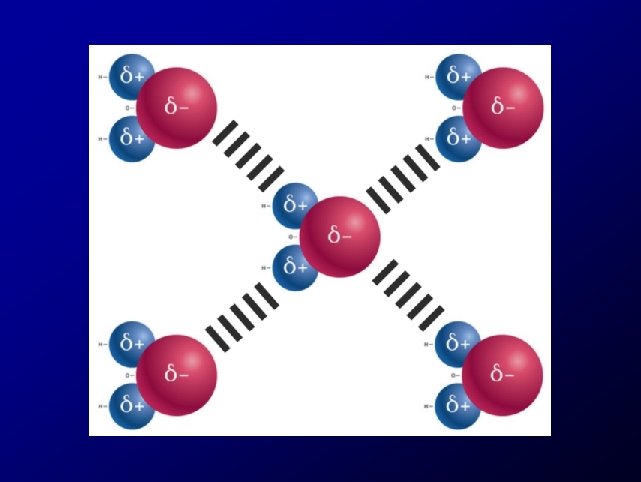
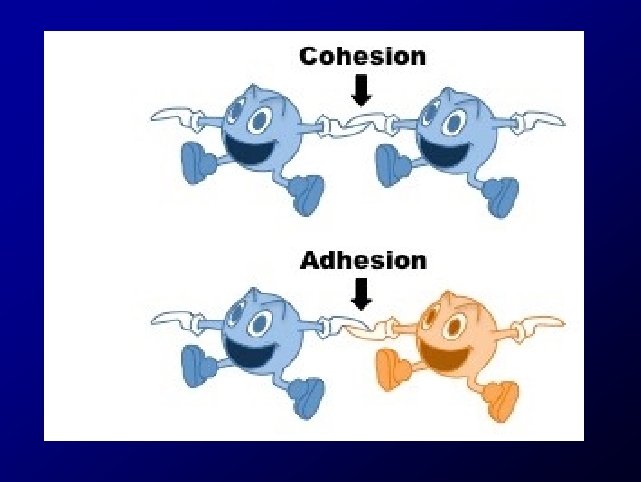
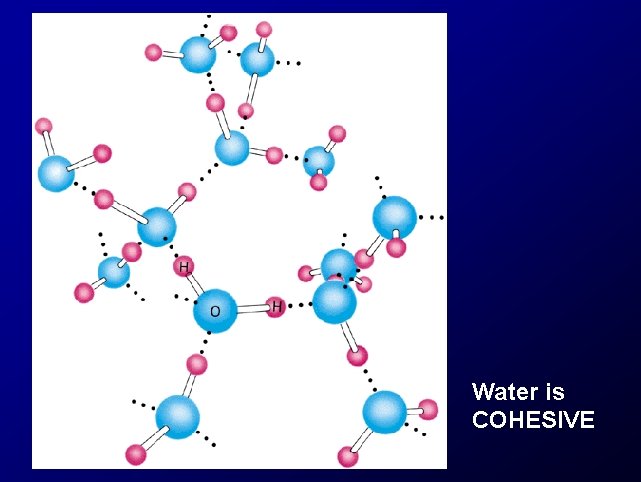
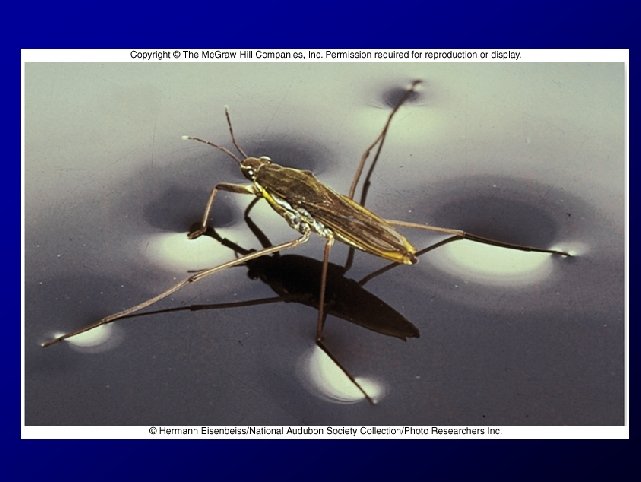
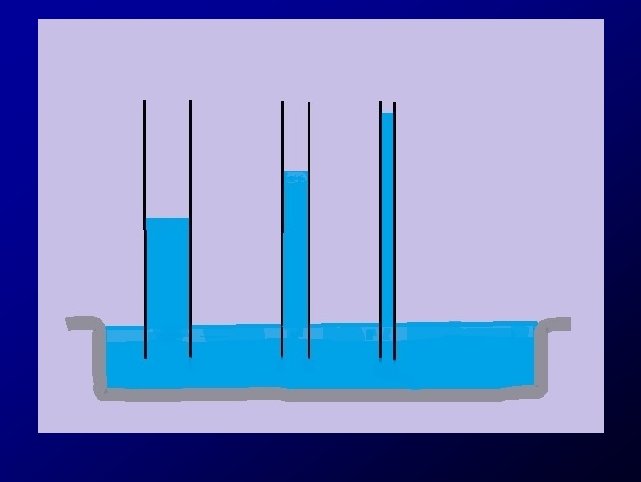
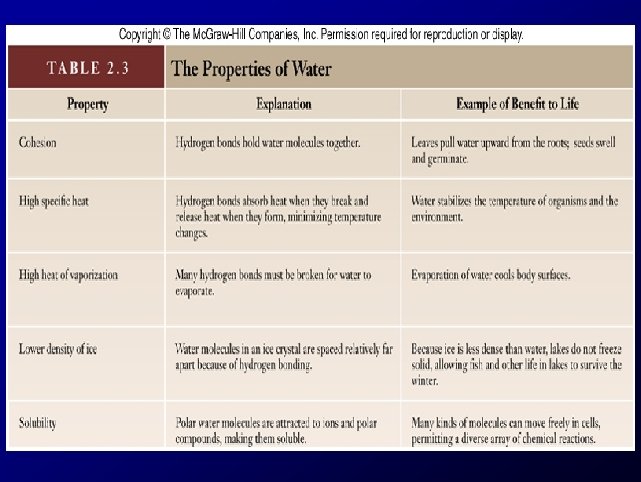
Water is COHESIVE
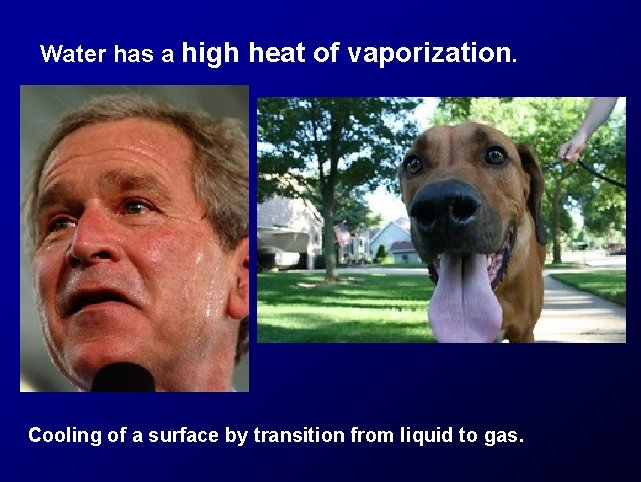
Water has a high heat of vaporization. Cooling of a surface by transition from liquid to gas.
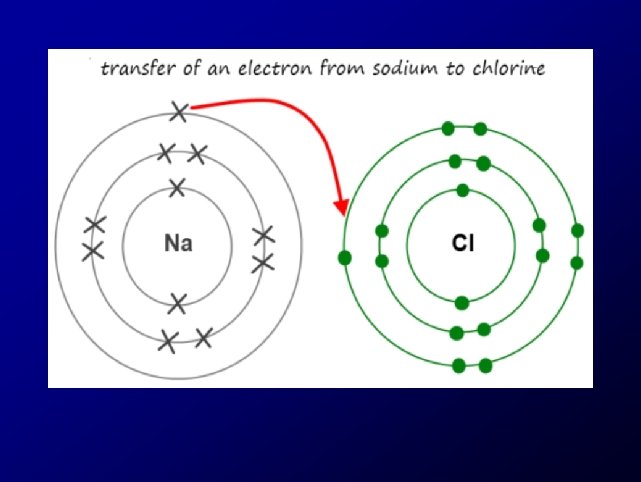
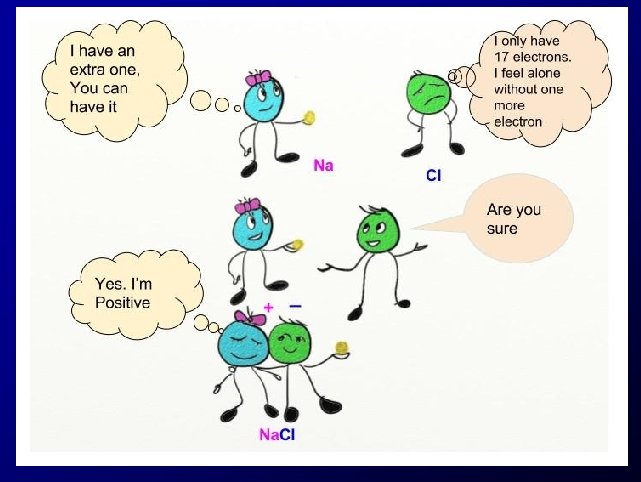
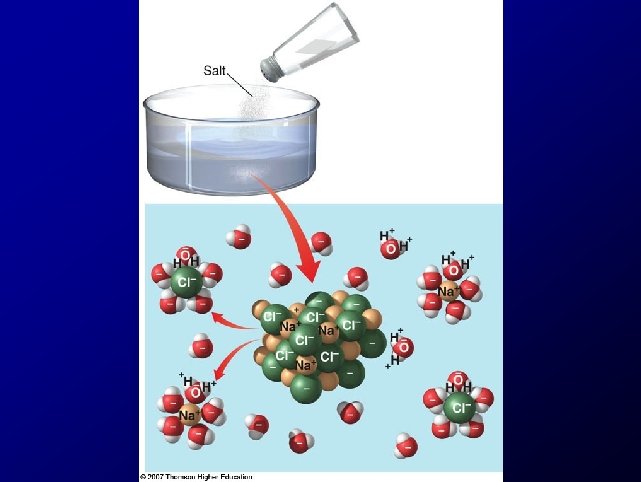
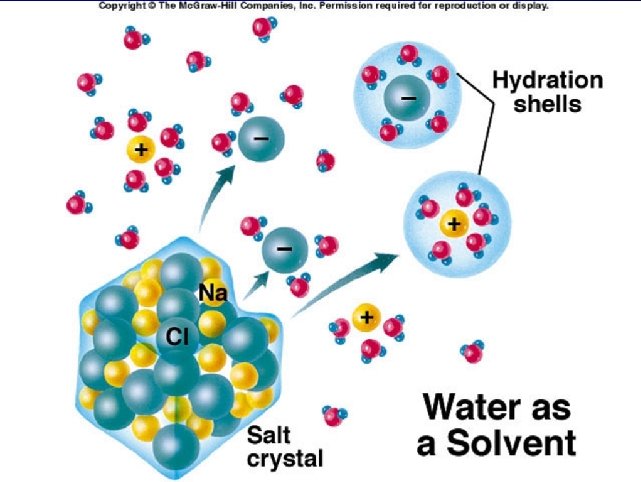
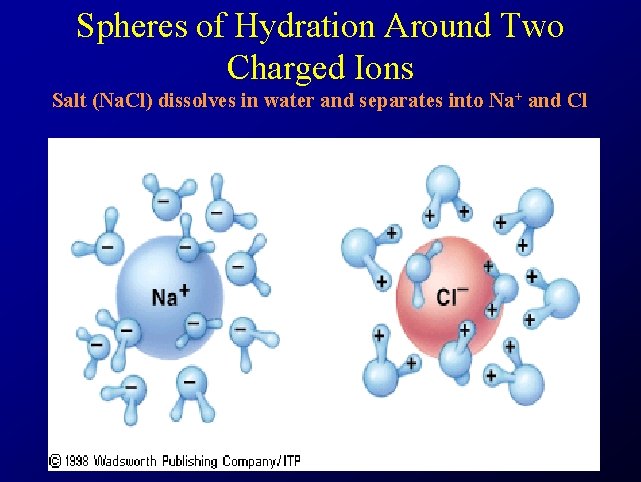
Spheres of Hydration Around Two Charged Ions Salt (Na. Cl) dissolves in water and separates into Na+ and Cl-
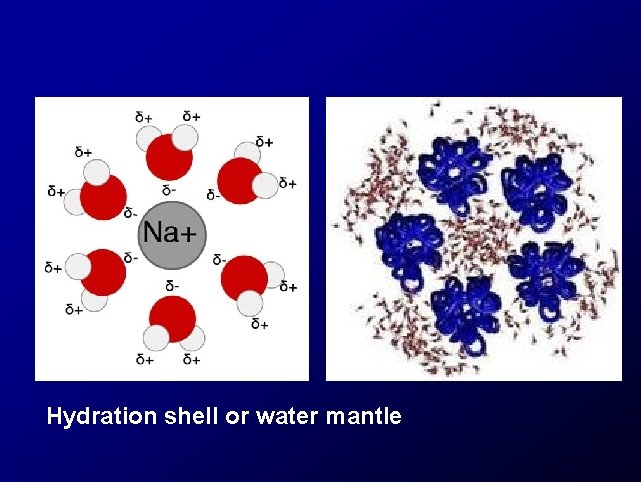
Hydration shell or water mantle
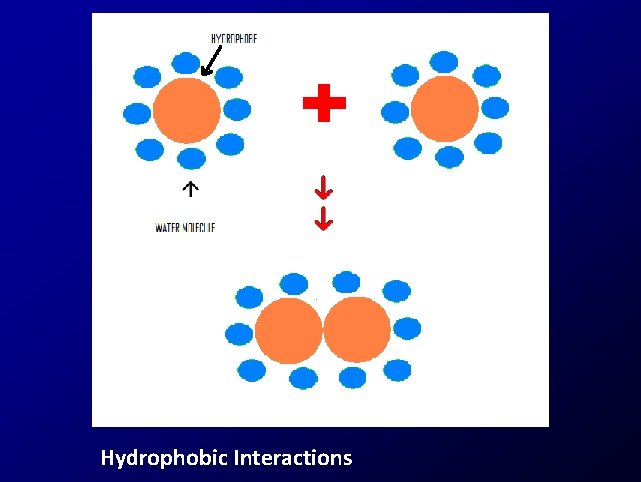
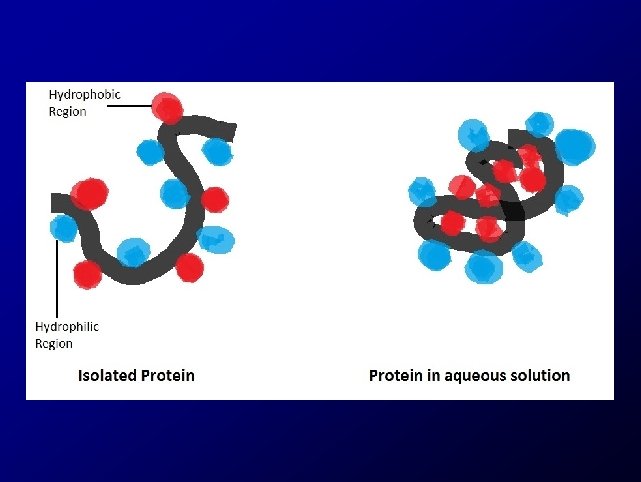
Hydrophobic Interactions
The End.