
Chapter 2 Section 3 Notes I Geography of

- Slides: 53
Chapter 2 Section 3 Notes
I. Geography of India
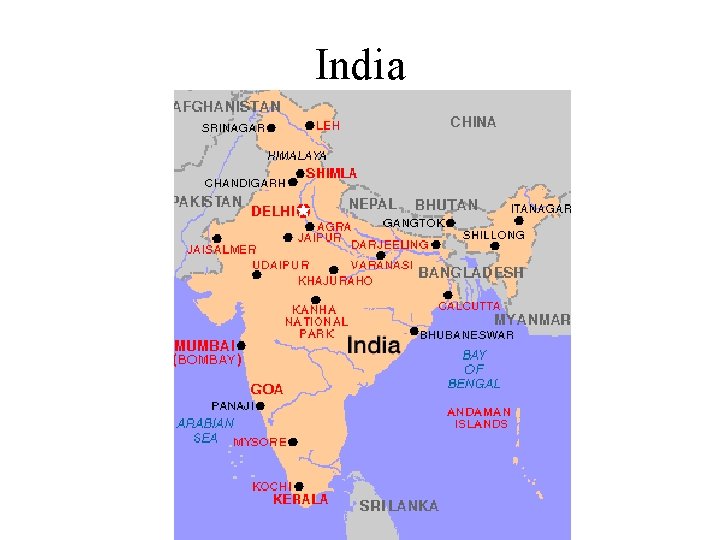
India
A. Subcontinent is a large distinguishable landmass on a continent
B. Rivers, Mountains, Decan and Monsoons
1. Two major rivers of India
a. Indus River located on the western border
b. Ganges River located in the northern plain running west to east
2. Two major mountain ranges in India
a. Hindu Kush mountains on the western border
1. Khyber pass
b. Himalaya Mountains in the north (largest mountains in the world)
3. The Decan is a large triangular shaped plateau in the center of India
C. Monsoons are seasonal winds
1. Winter monsoons are dry and blow from the north
2. Summer monsoons are wet and blow from the Arabian Sea in the southwest to the northeast
II. Environmental Challenges
A. The Indus had unpredictable floods
B. The Indus sometimes changed its course
C. Floods sometimes swept away whole villages
D. The Himalayas provided protection from the north but hindered trade
III. Civilization Emerges on the Indus
A. The writing system of the Indus valley was called Sanskrit
1. It is at current time undeciphered
B. Around 3200 B. C. people began to farm around the Indus
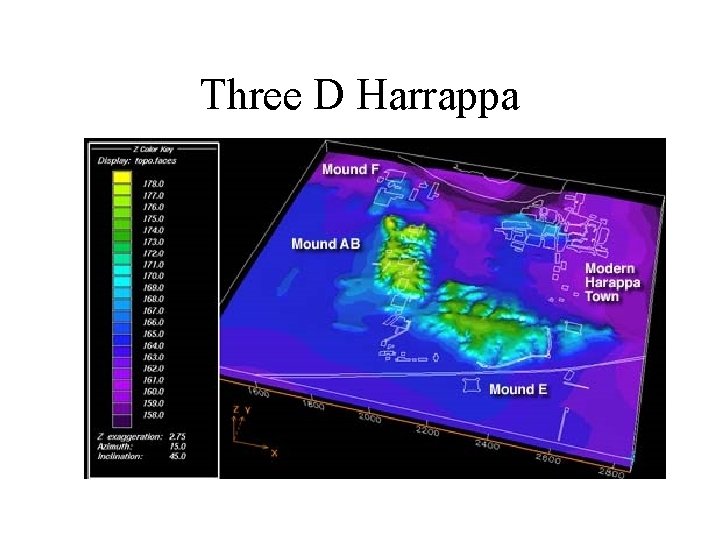
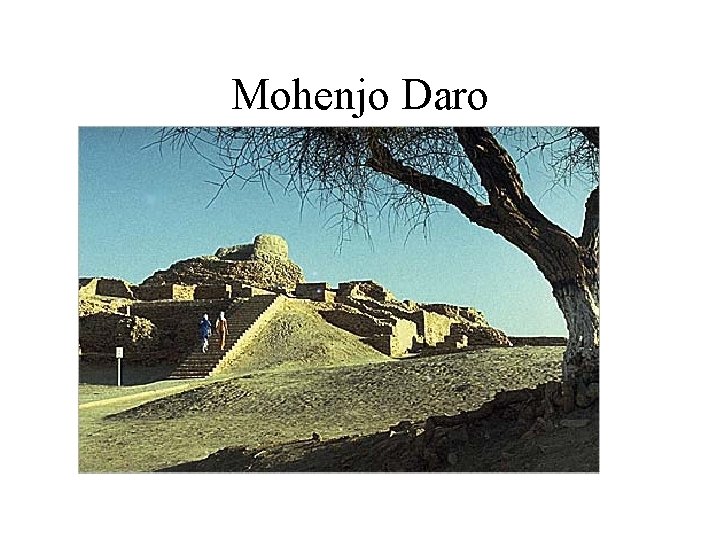
C. Planned cities ( Kalibangan, Mohenjo Daro, Harrappa )
Three D Harrappa
Mohenjo Daro
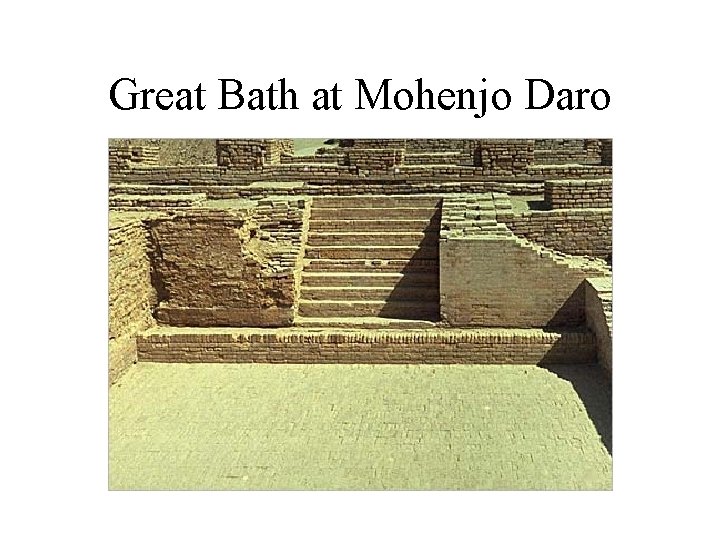
Great Bath at Mohenjo Daro
1. Around 2500 B. C.
2. Sophisticated city planning
a. Precise grid system
b. Citadel or fort in the center of city
c. Constructed of oven baked bricks
d. Sophisticated plumbing and sewage
IV. Culture and Trade
A. Social divisions in the society were not great
B. People were relatively prosperous
C. Few weapons of war found
D. Religious artifacts revealed links to Hindu culture
1. Many gods (polytheists) Shiva major Indian god
2. Mother goddesses
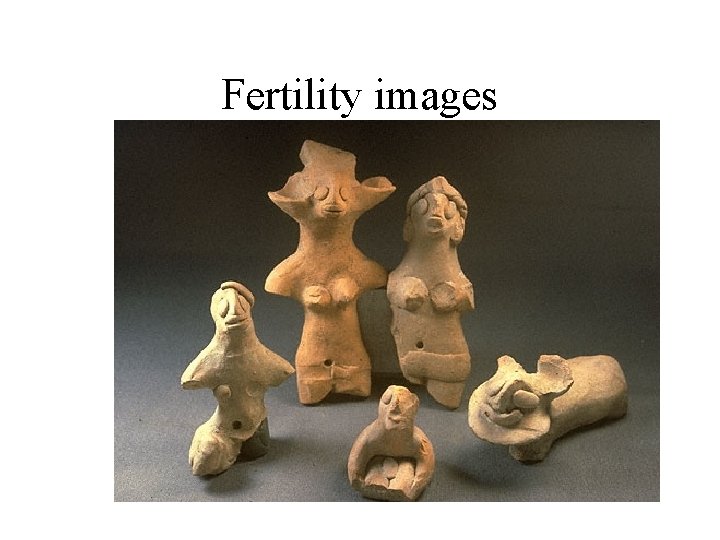
3. Fertility images
Fertility images
4. Worship of cattle
E. Trade developed with others
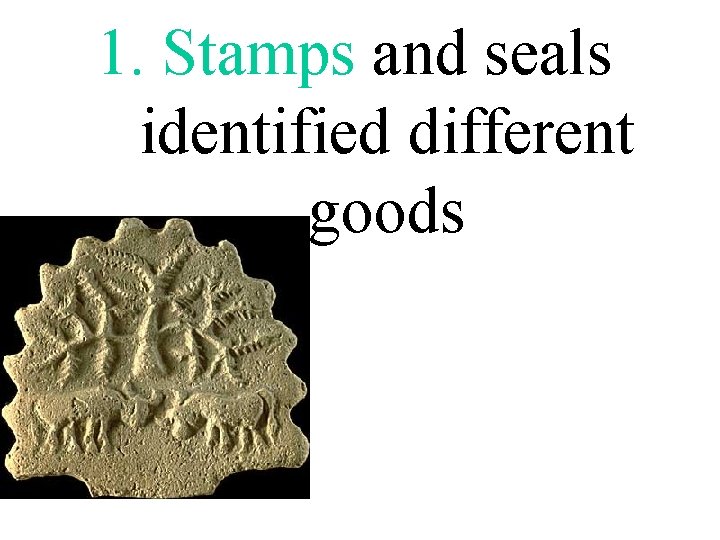
1. Stamps and seals identified different goods
2. Traded goods found in Sumer identified by stamps
V. Mysterious end to the Indus Valley Culture
A. Possibly river changed course
B. Wore out land nutrients
C. Sudden catastrophe
D. Possibly human attack