
Chapter 2 Reservoir Drive Energy 3 sources work
- Slides: 34
Chapter 2 Reservoir Drive Energy - 3 sources (work) Move reservoir fluids
Sources of Drive Energy • Fluid Expansion • Rock Expansion • Gravity
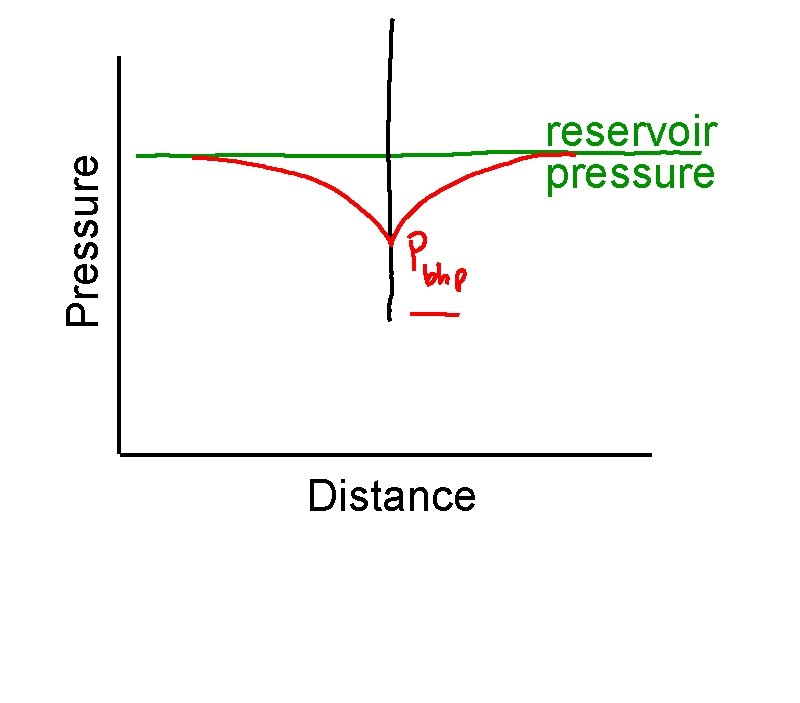
Pressure reservoir pressure Distance
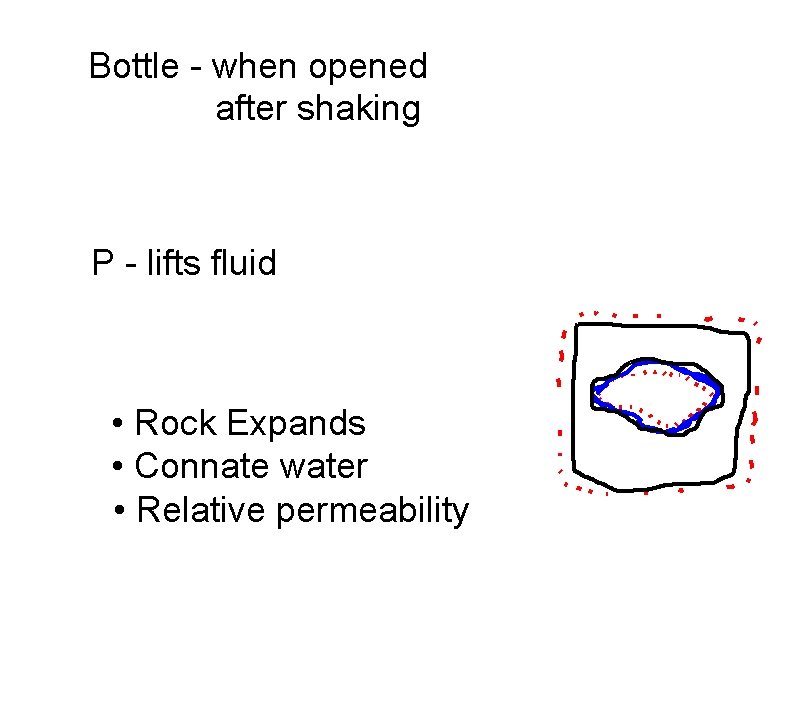
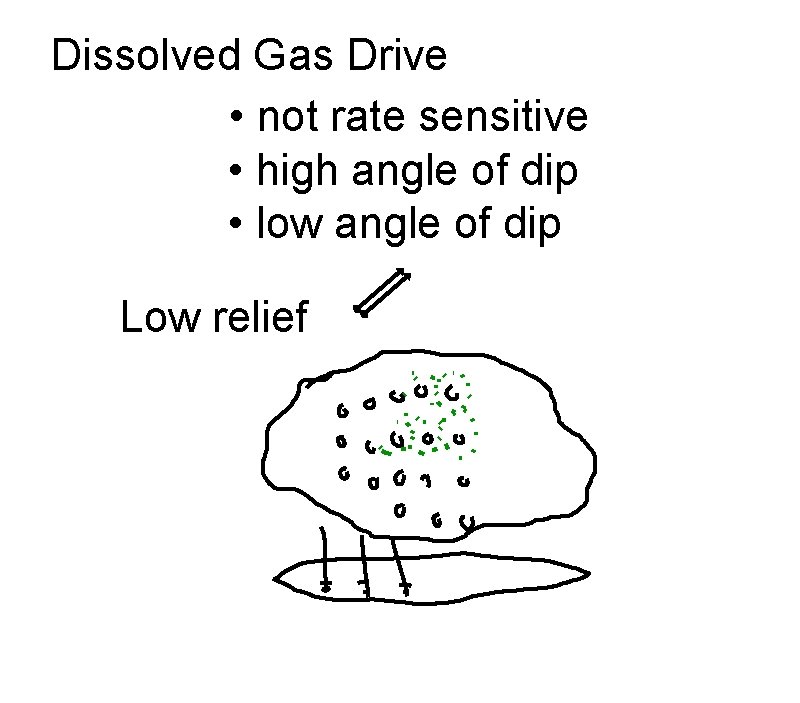
Dissolved Gas Drive • volumetric drive • internal gas drive • depletion drive Soda Pop Bottle
Bottle - when opened after shaking P - lifts fluid • Rock Expands • Connate water • Relative permeability
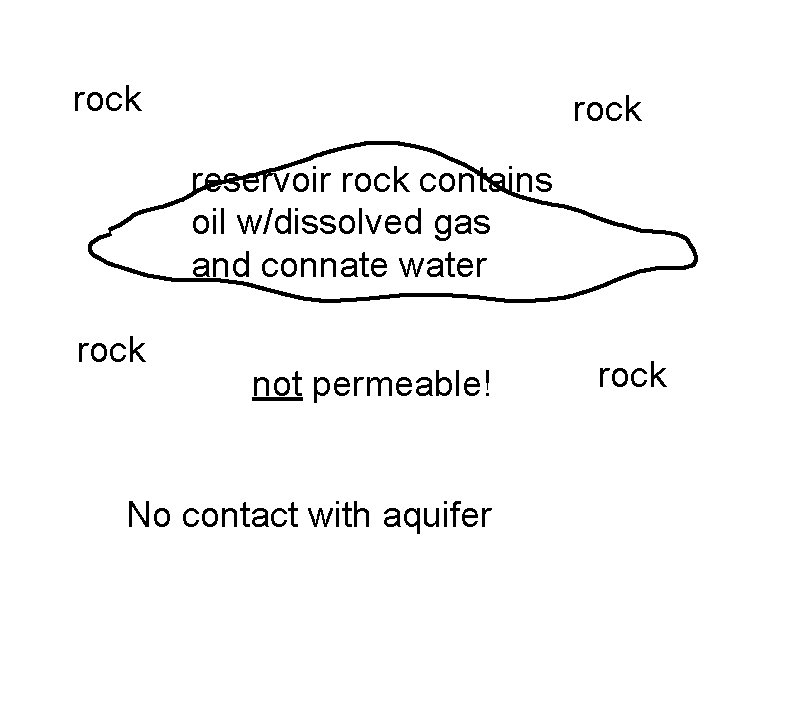
rock reservoir rock contains oil w/dissolved gas and connate water rock not permeable! No contact with aquifer rock
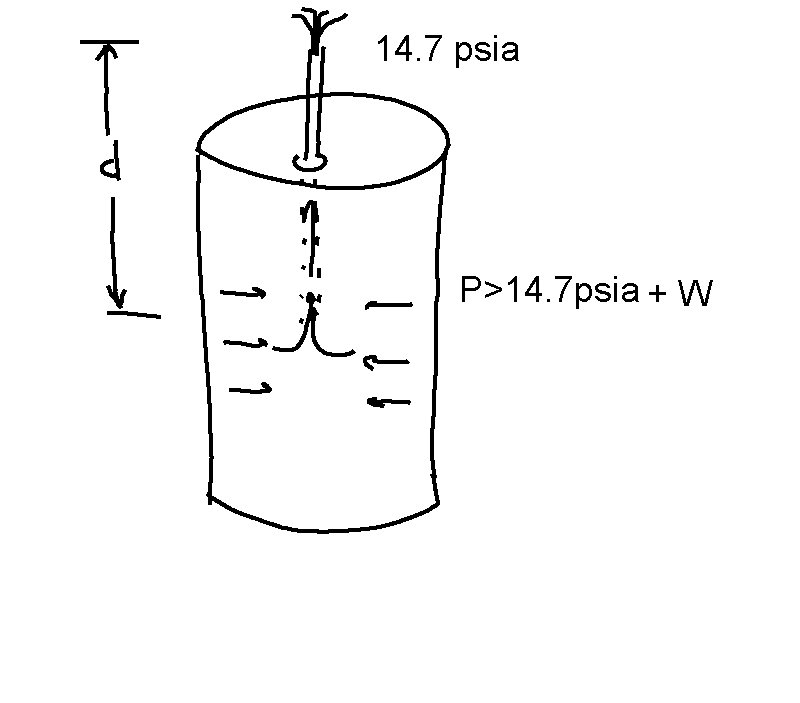
14. 7 psia P>14. 7 psia + W
Pore space contains connate water and oil - under saturated
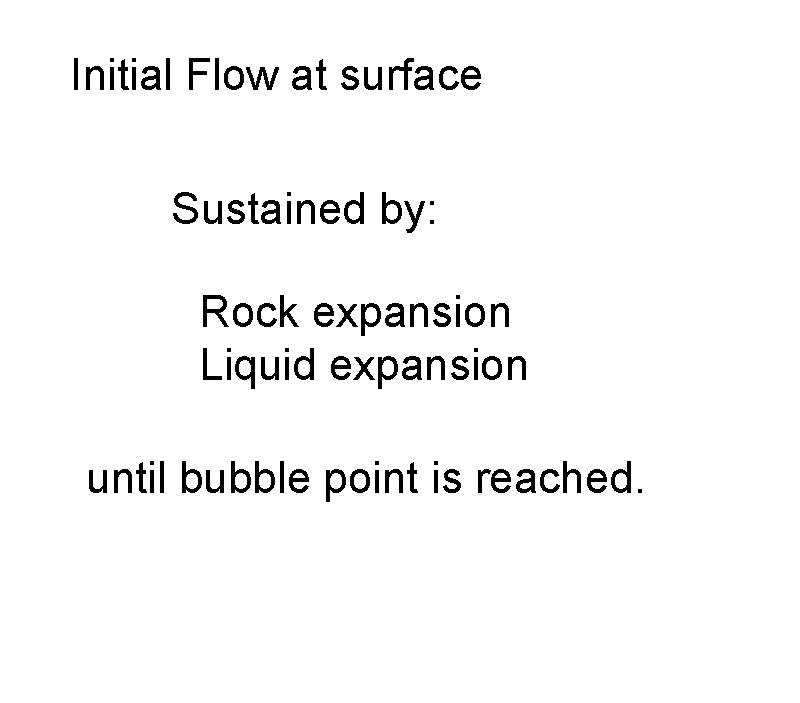
Initial Flow at surface Sustained by: Rock expansion Liquid expansion until bubble point is reached.
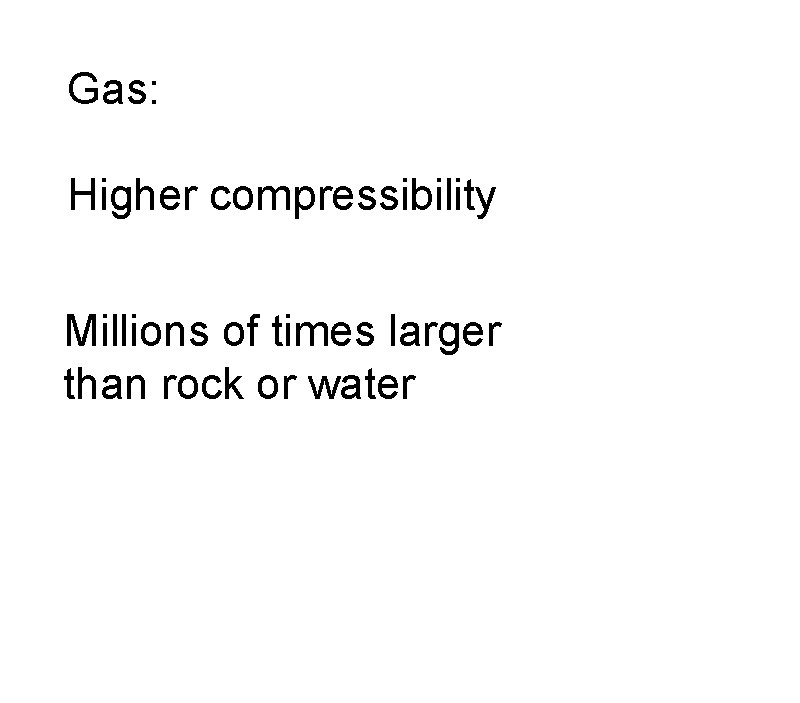
Gas: Higher compressibility Millions of times larger than rock or water
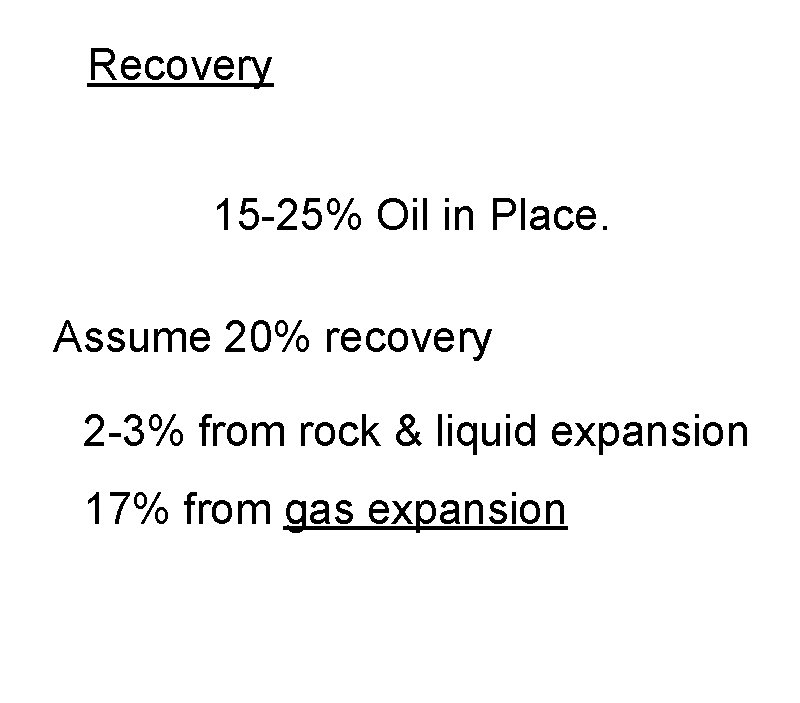
Recovery 15 -25% Oil in Place. Assume 20% recovery 2 -3% from rock & liquid expansion 17% from gas expansion
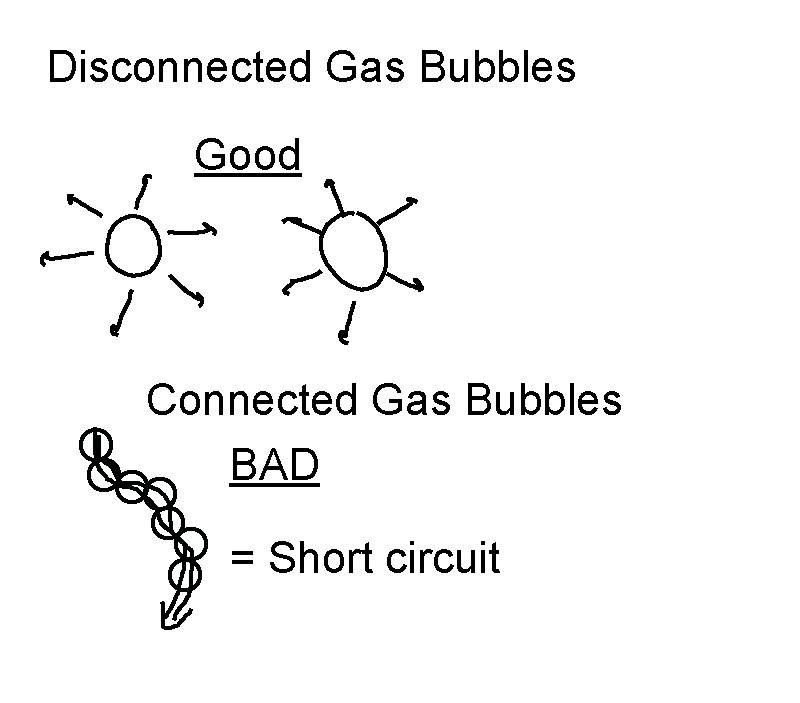
Disconnected Gas Bubbles Good Connected Gas Bubbles BAD = Short circuit
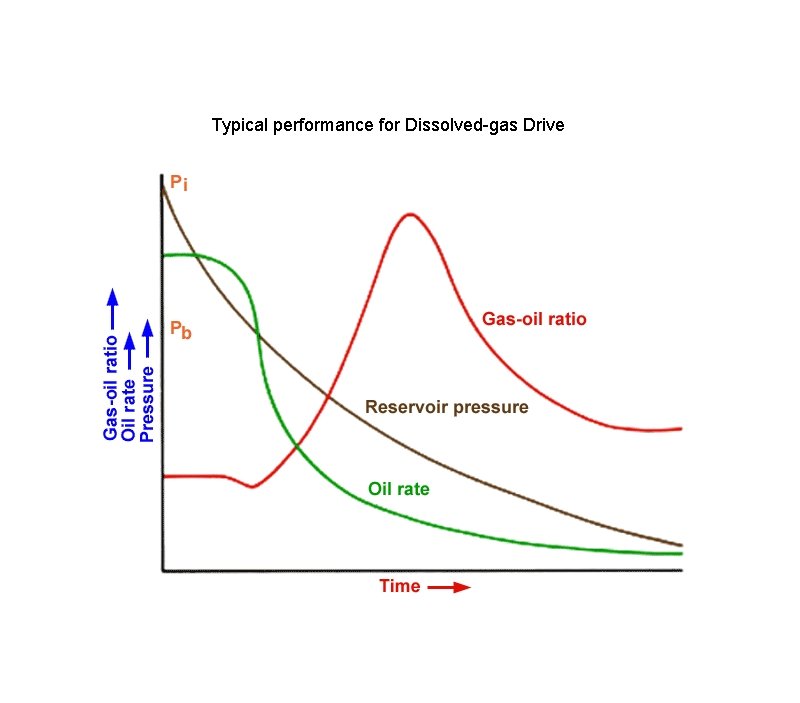
Typical performance for Dissolved-gas Drive
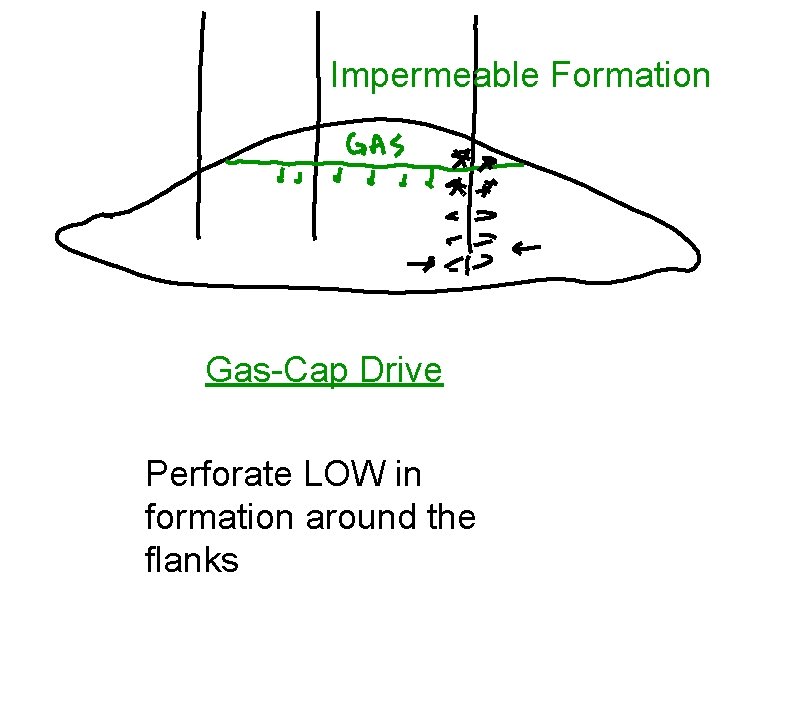
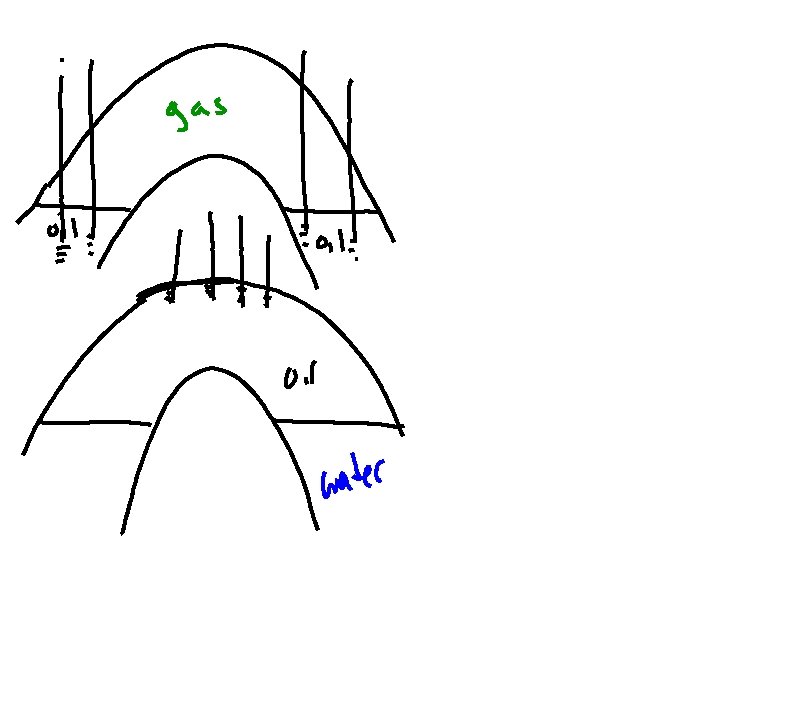
Impermeable Formation Gas-Cap Drive Perforate LOW in formation around the flanks
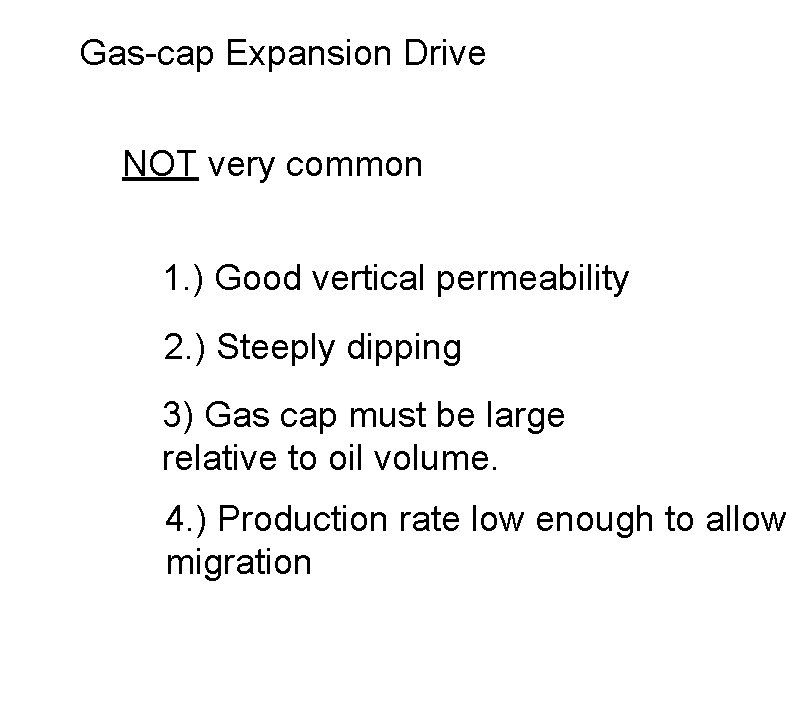
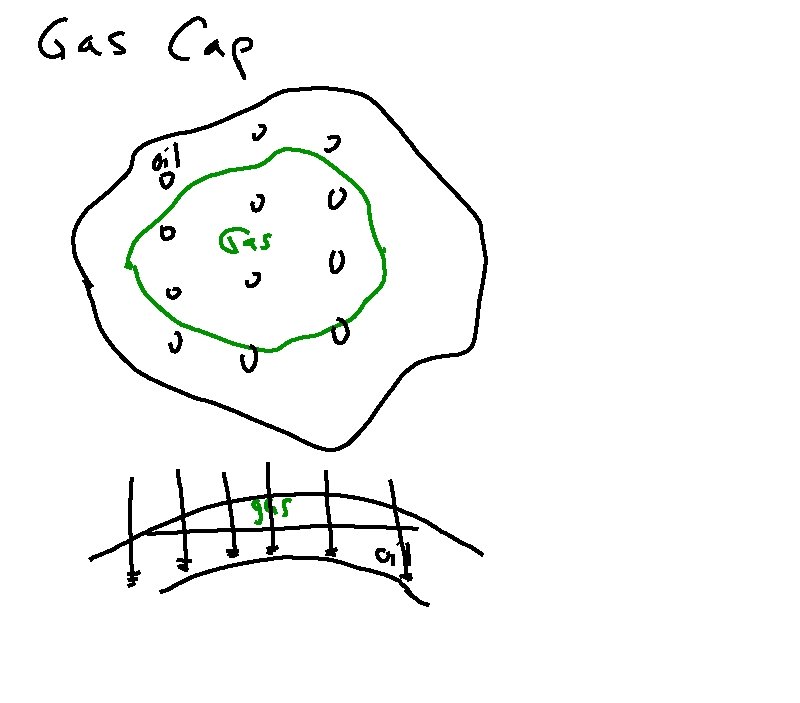
Gas-cap Expansion Drive NOT very common 1. ) Good vertical permeability 2. ) Steeply dipping 3) Gas cap must be large relative to oil volume. 4. ) Production rate low enough to allow migration
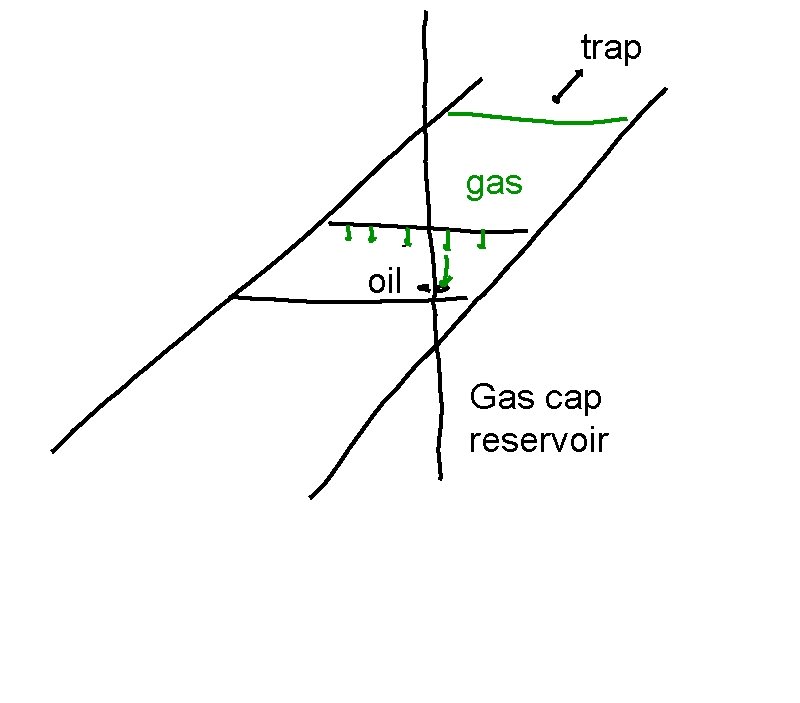
trap gas oil Gas cap reservoir
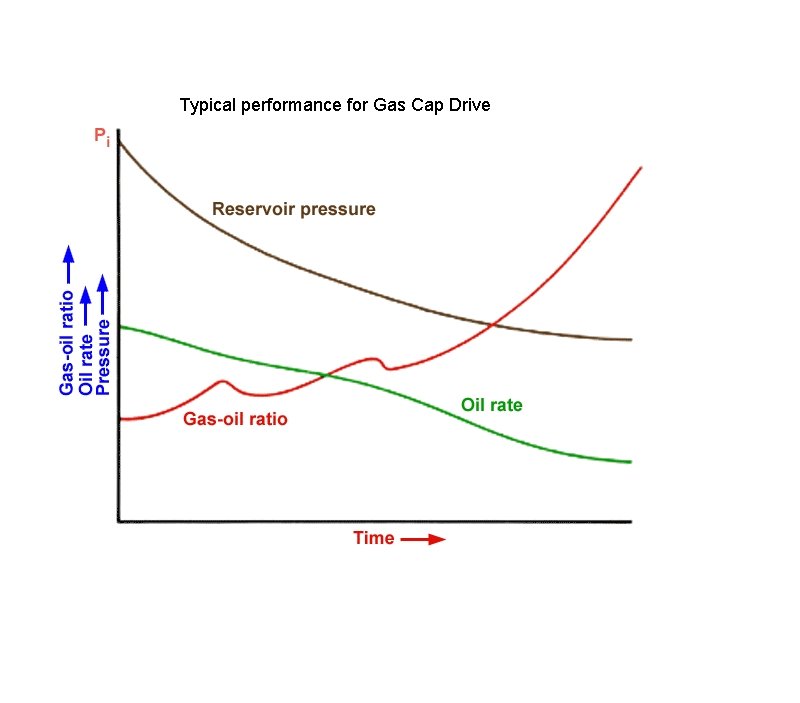
Typical performance for Gas Cap Drive
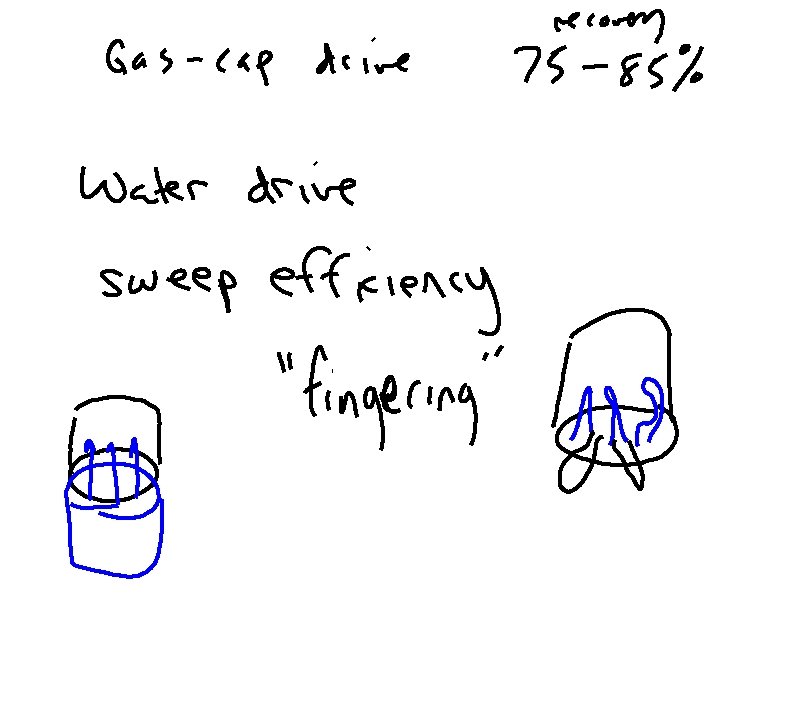
85% Recovery Must re-inject the dissolved gas
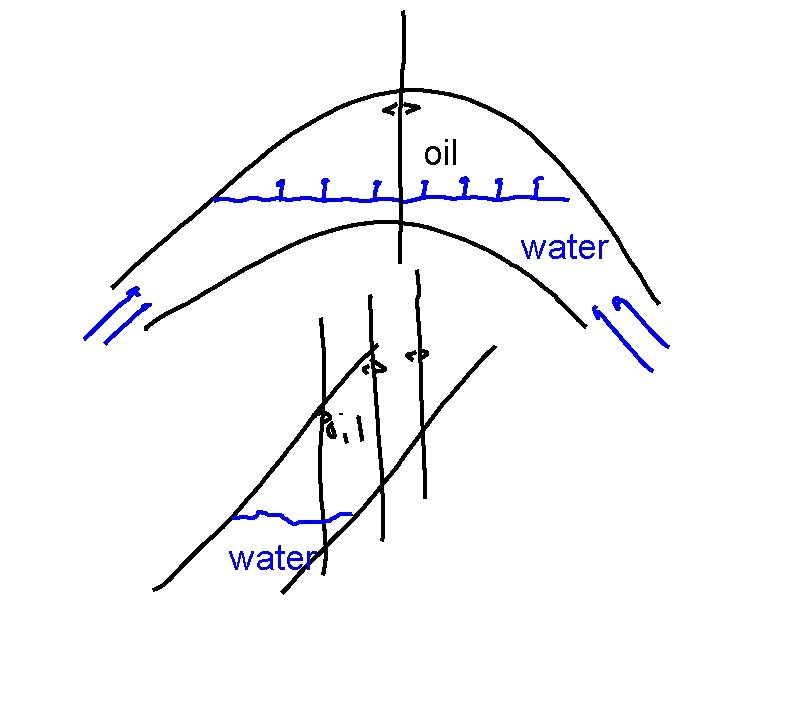
Water Drive NOT a closed tank oil is in contact with an aquifer Aquifer - Water-filled porous AND permeable rock.
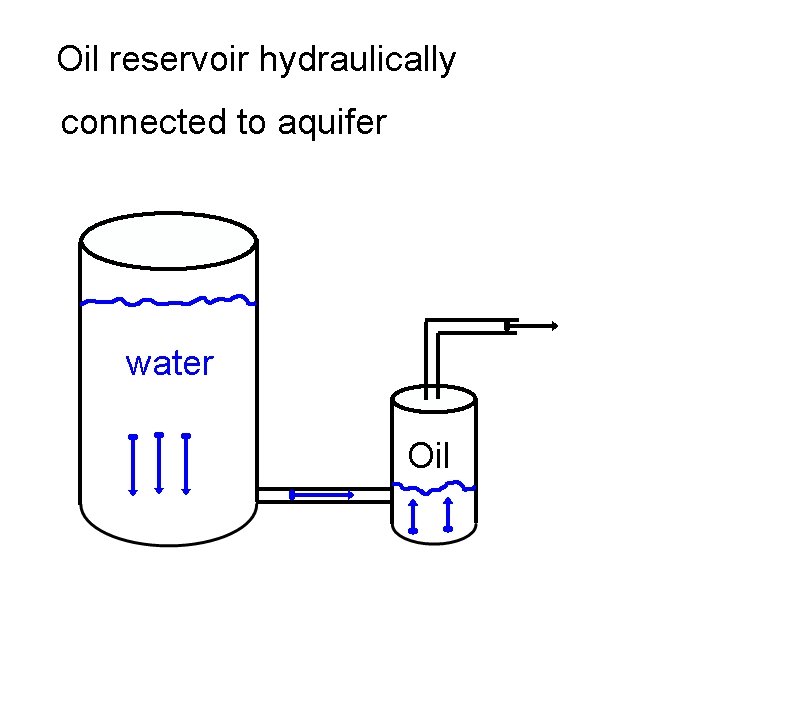
Oil reservoir hydraulically connected to aquifer water Oil
oil water
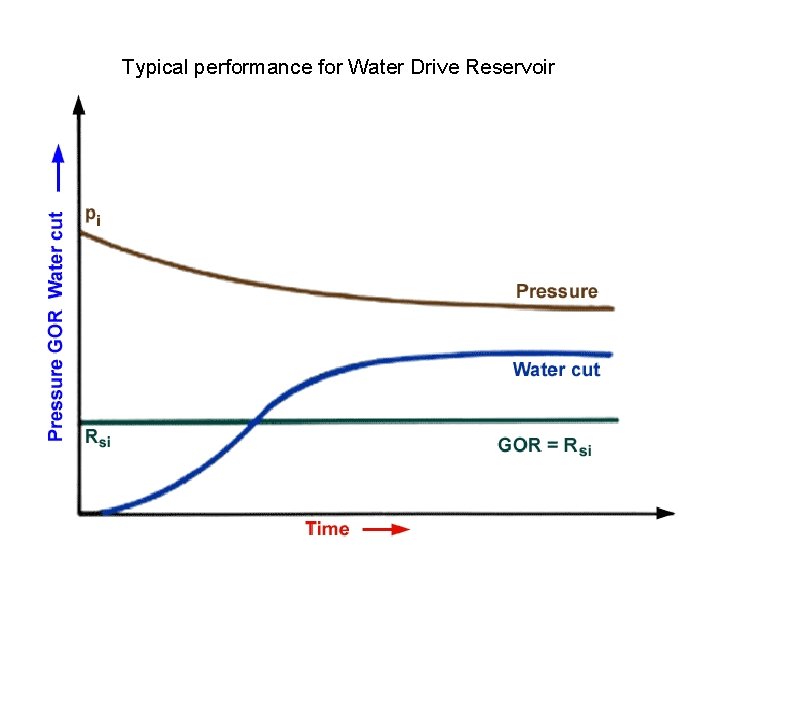
Typical performance for Water Drive Reservoir
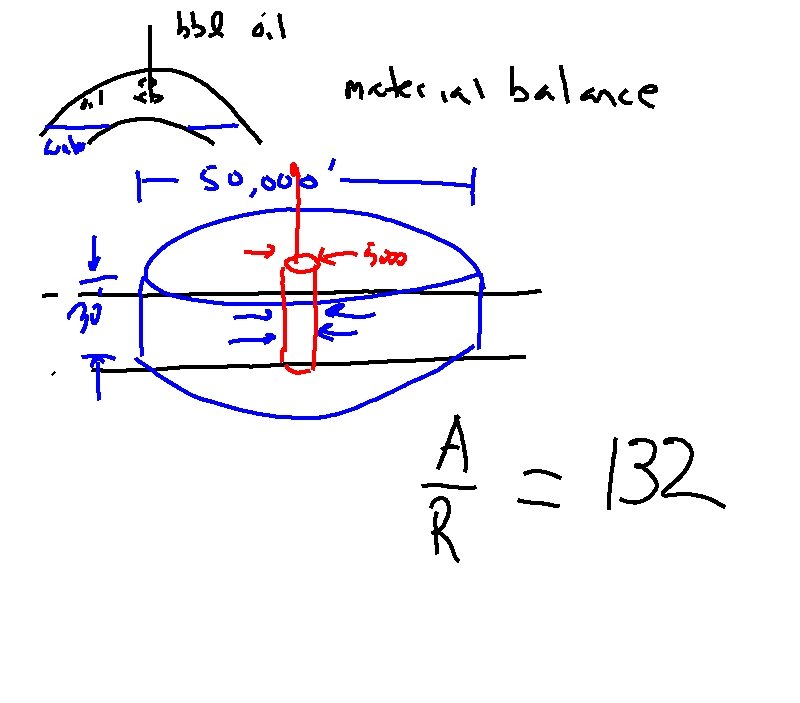
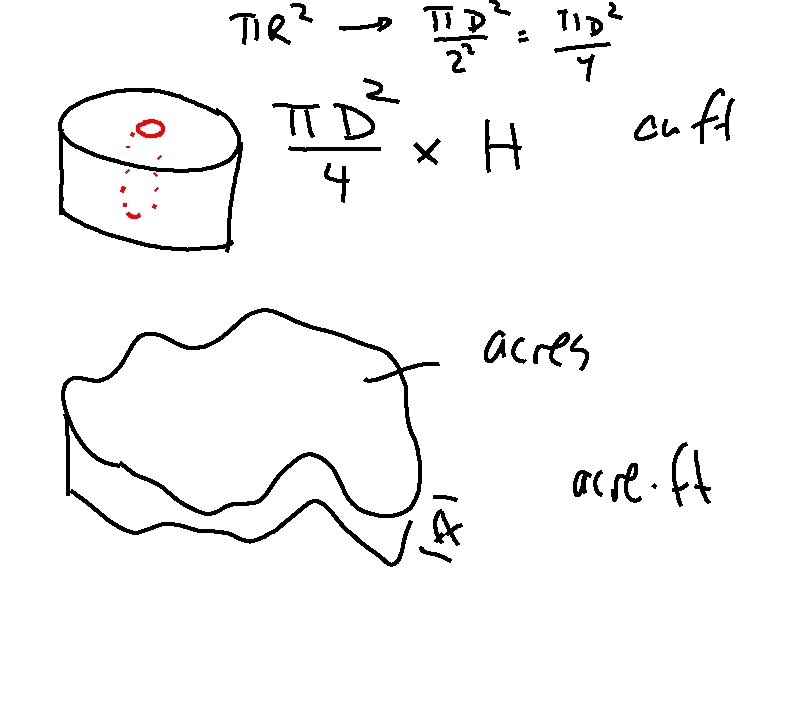
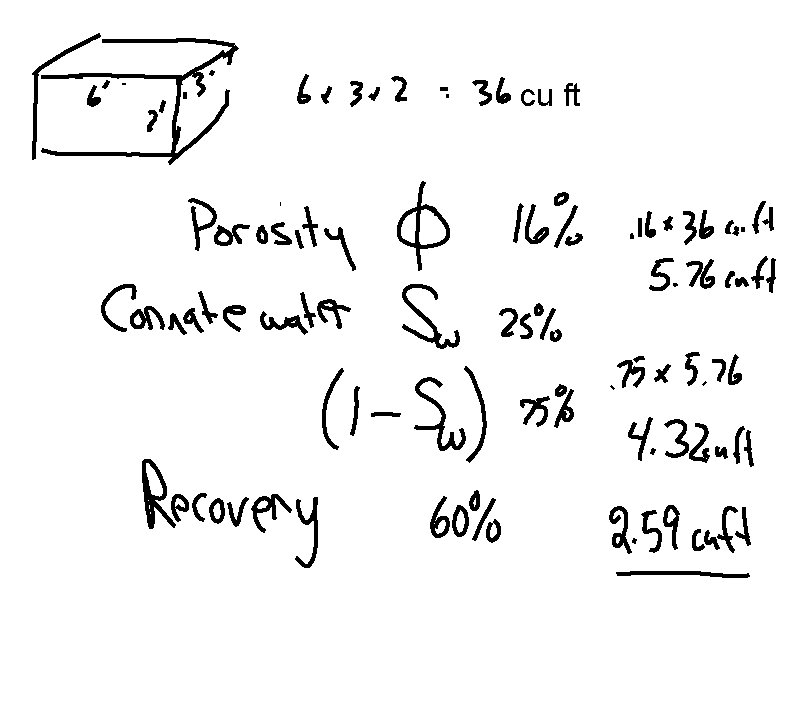
cu ft
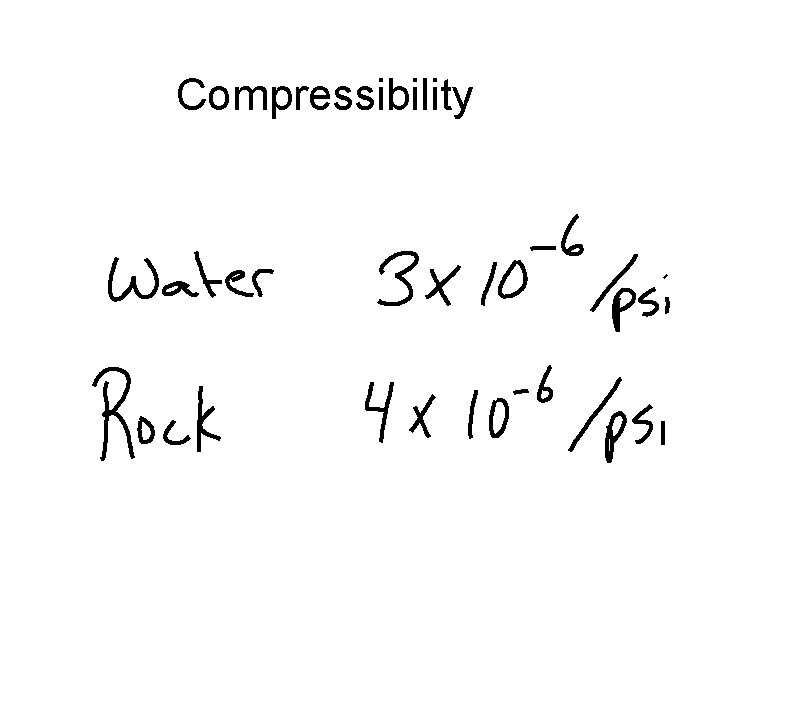
Compressibility
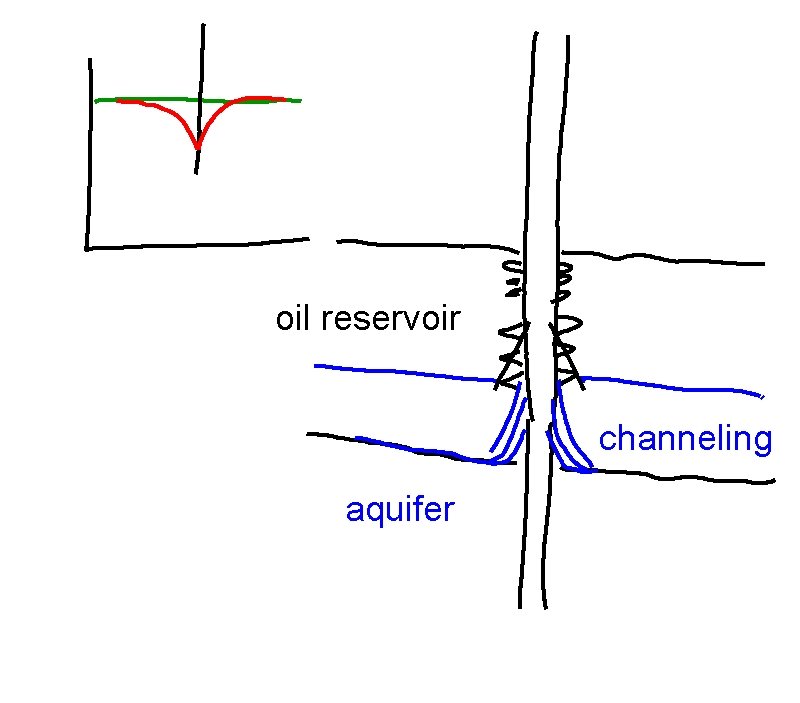
oil reservoir channeling aquifer
Dissolved Gas Drive • not rate sensitive • high angle of dip • low angle of dip Low relief
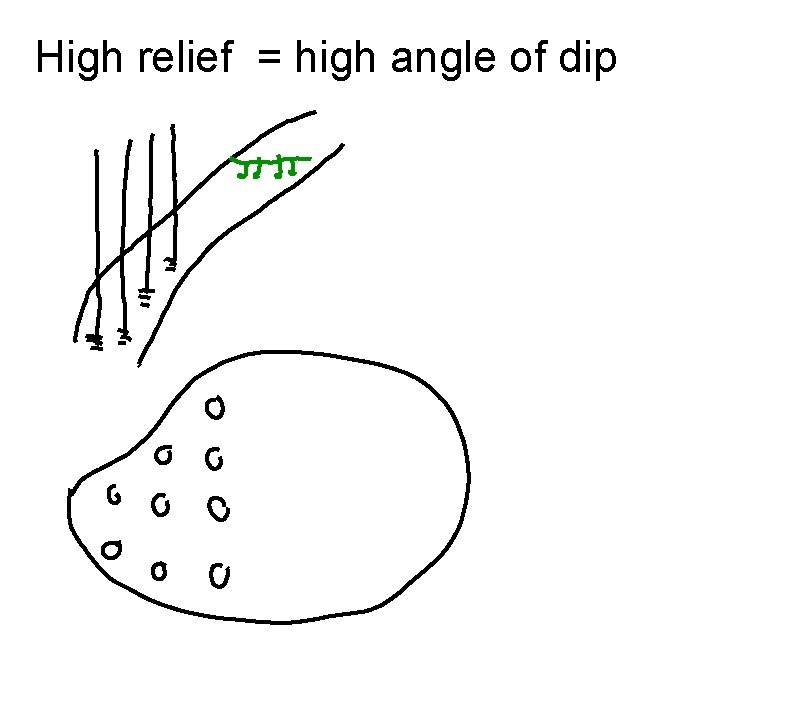
High relief = high angle of dip