
CHAPTER 2 Quality Management Quality Management The degree


- Slides: 55
CHAPTER 2 Quality Management
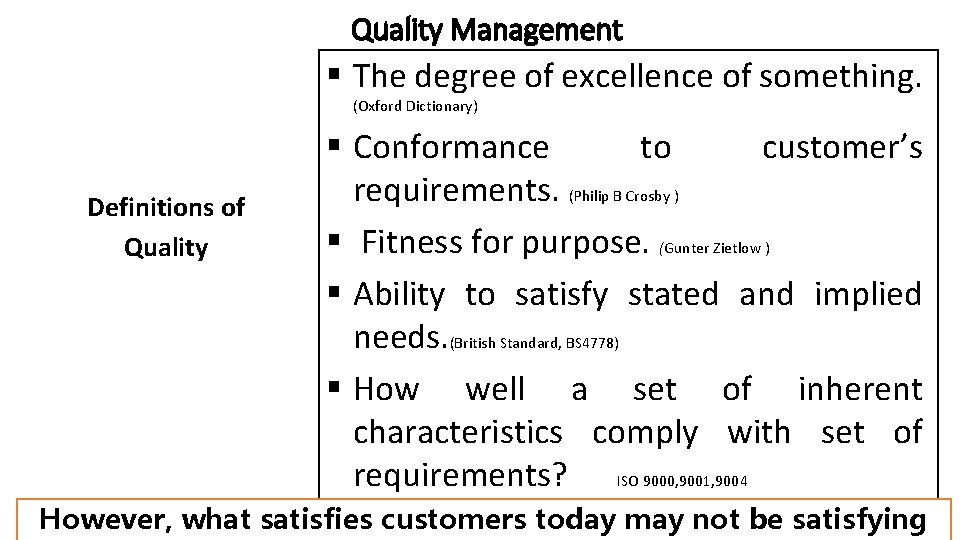
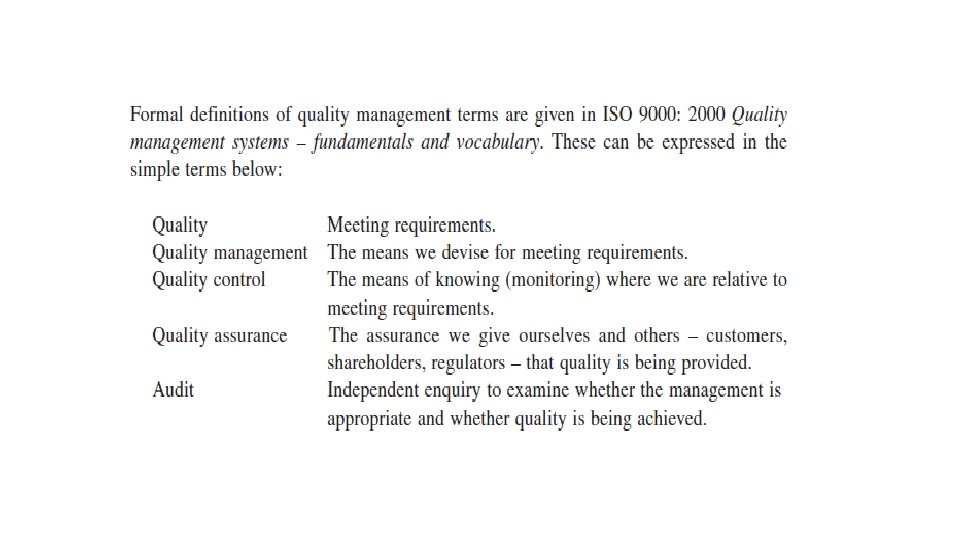
Quality Management § The degree of excellence of something. (Oxford Dictionary) Definitions of Quality § Conformance to customer’s requirements. (Philip B Crosby ) § Fitness for purpose. (Gunter Zietlow ) § Ability to satisfy stated and implied needs. (British Standard, BS 4778) § How well a set of inherent characteristics comply with set of requirements? ISO 9000, 9001, 9004 However, what satisfies customers today may not be satisfying
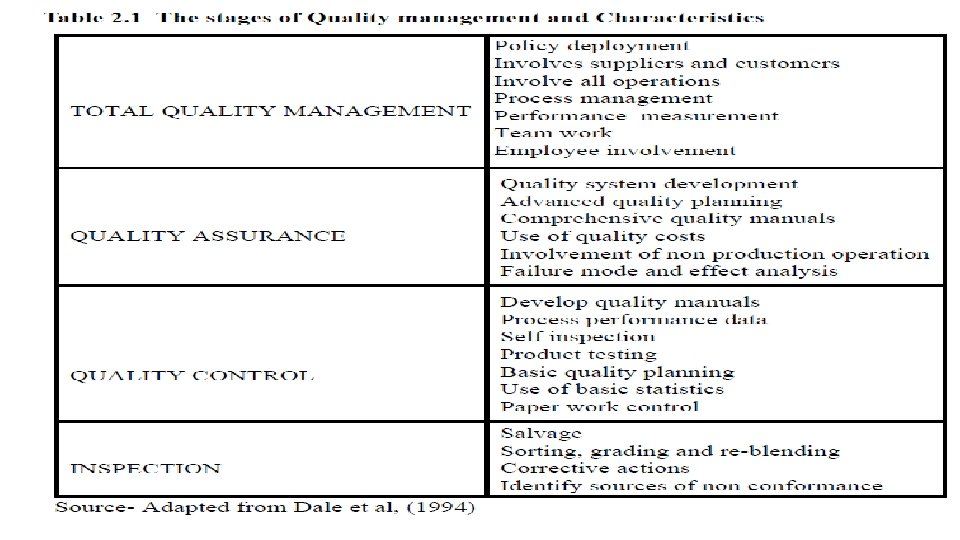
Quality ØQuality means; inspection, quality control, quality assurance, and total quality management. ØLow quality of construction will cause redoing work. ØRedoing work affects the production rate and decrease the output. ØWhen output decreases, productivity decreases.
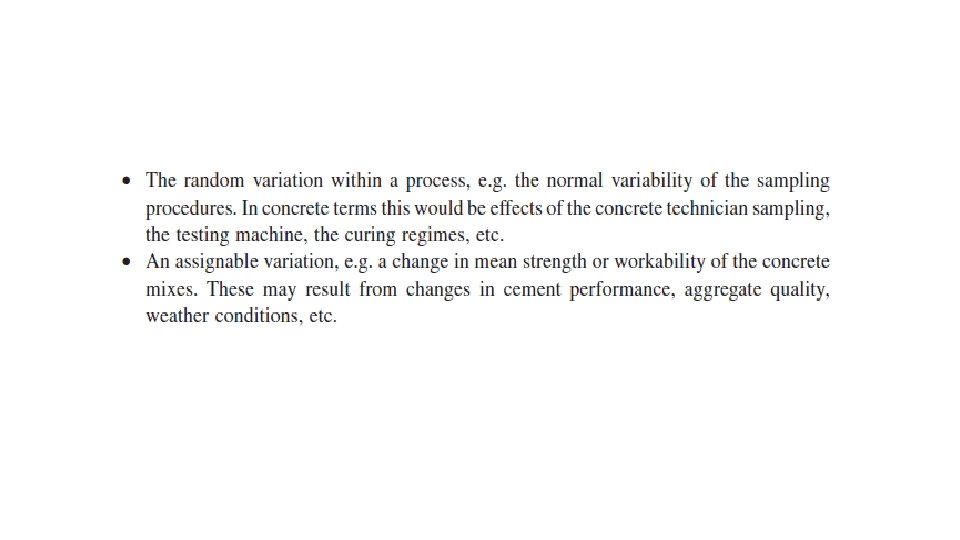
Definition of quality from different perspectives • For Engineers: quality is conformance to specifications • From manufacturing point of view: quality is fitness for use (Juran). • From customer point of view: Quality means fitness for use and meeting customer satisfaction. • From process point of view: Quality means conformance with the process design, standards and specifications. • From product point of view: Quality means the degree of excellence at an acceptable price. Quality is all about reducing variations: precision and accuracy of production. There are natural (unavoidable variation) and assignable (avoidable, caused simply by mistake and random) variations (Deming).
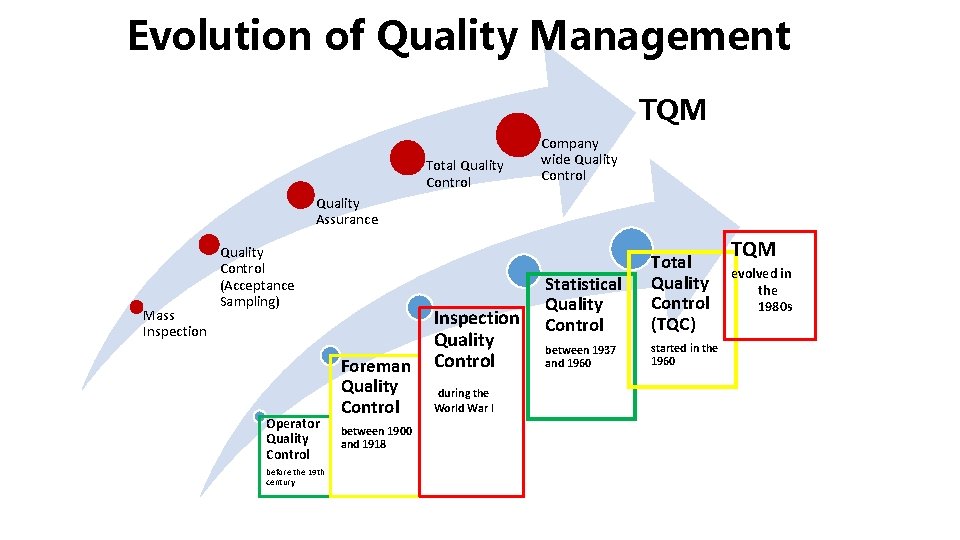
Evolution of Quality Management TQM Total Quality Control Company wide Quality Control Quality Assurance Mass Inspection Quality Control (Acceptance Sampling) Operator Quality Control before the 19 th century Foreman Quality Control between 1900 and 1918 Inspection Quality Control during the World War I Statistical Quality Control Total Quality Control (TQC) between 1937 and 1960 started in the 1960 TQM evolved in the 1980 s
Three key elements of quality • The three quality elements which influence a product or serviceability to satisfy customer needs are • Quality of Design: A product needs to be designed to satisfy customer needs. • Quality of Conformance: Closeness with which the finished product or supplied service matches the specifications of the original design. • Quality of Reliability: ability of the finished product to provide trouble free performance in the field, over an acceptable time period.
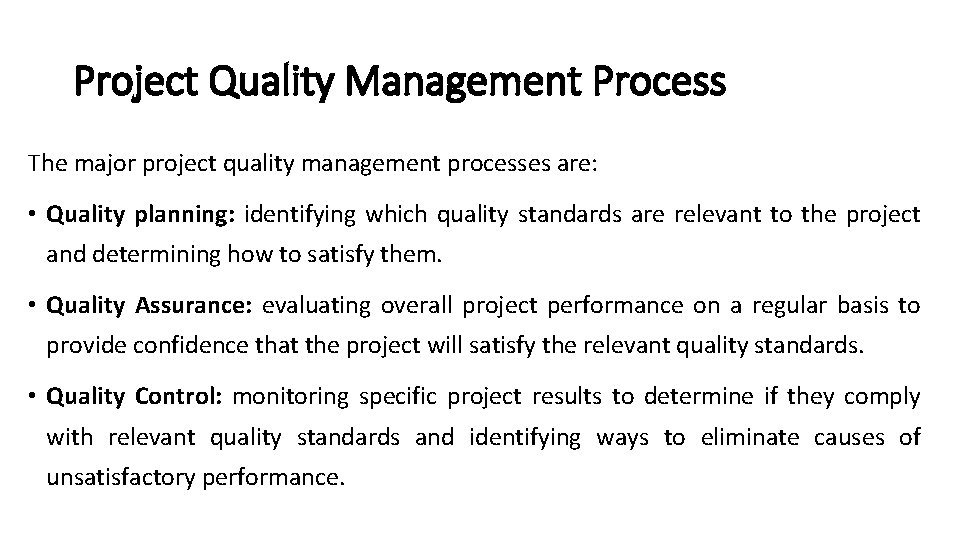
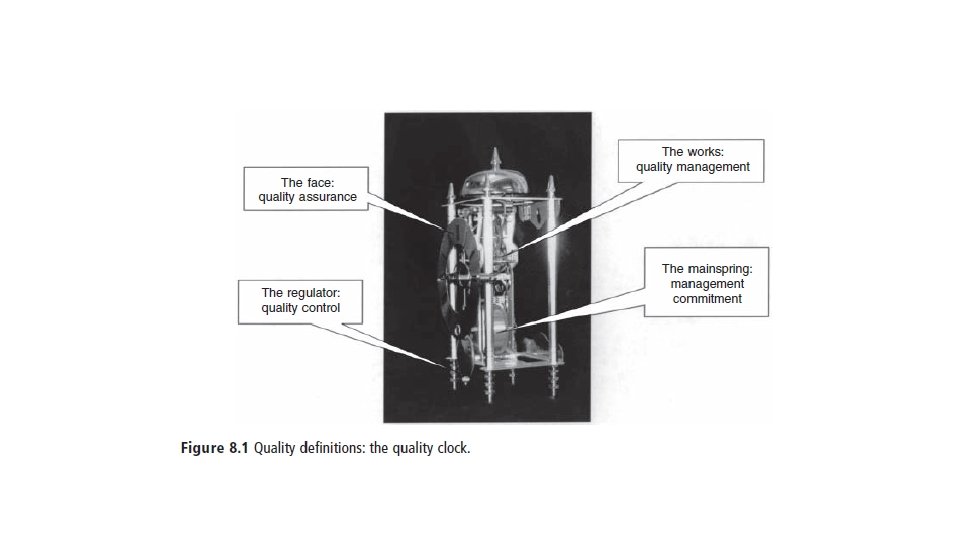
Project Quality Management Process The major project quality management processes are: • Quality planning: identifying which quality standards are relevant to the project and determining how to satisfy them. • Quality Assurance: evaluating overall project performance on a regular basis to provide confidence that the project will satisfy the relevant quality standards. • Quality Control: monitoring specific project results to determine if they comply with relevant quality standards and identifying ways to eliminate causes of unsatisfactory performance.
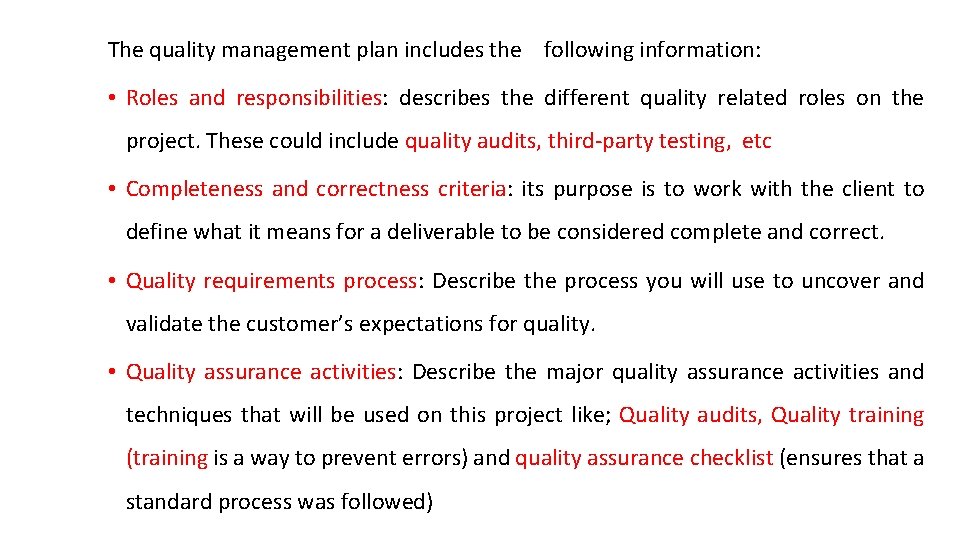
The quality management plan includes the following information: • Roles and responsibilities: describes the different quality related roles on the project. These could include quality audits, third-party testing, etc • Completeness and correctness criteria: its purpose is to work with the client to define what it means for a deliverable to be considered complete and correct. • Quality requirements process: Describe the process you will use to uncover and validate the customer’s expectations for quality. • Quality assurance activities: Describe the major quality assurance activities and techniques that will be used on this project like; Quality audits, Quality training (training is a way to prevent errors) and quality assurance checklist (ensures that a standard process was followed)
Quality control activities: describe the major quality control activities and techniques that will be used on this project. Quality control has to be planned. Quality standards: List any quality standards that the company/organization has previously Quality tools: List any quality-related tools that this project will utilize
a) Prevention Cost – cost to plan and execute a Cost of project so that it will be error free. Quality i Training, ii. Process capabilities studies, iii. Surveys of vendors/suppliers, iv. Surveys of subcontractors) b) Appraisal Cost- cost of evaluating the processes and the output of the process to ensure the product is error free. ( inspection and testing of products, maintenance and test equipment, cost to process and report inspection data)
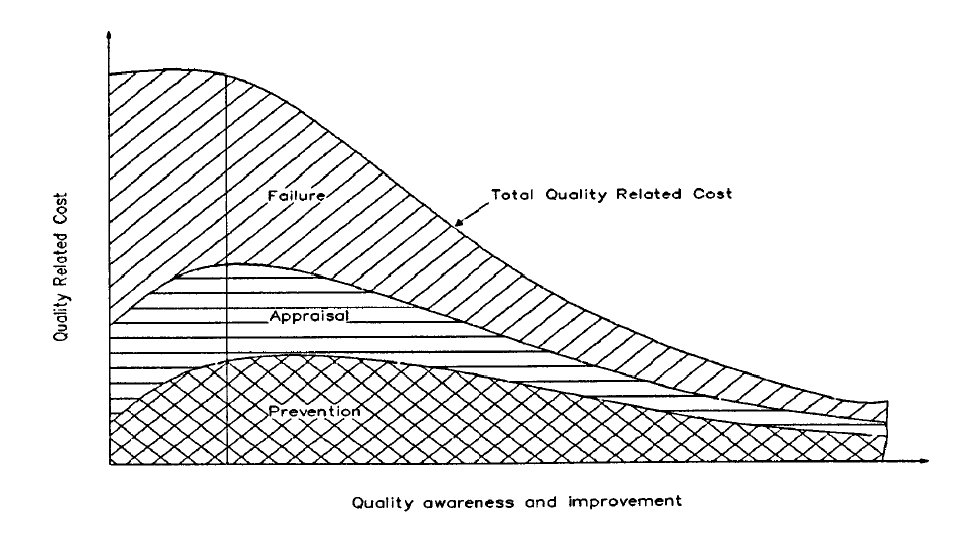
Failure Cost: § Internal Failure Cost – cost incurred to correct an identified defect before the customer receives the product. (scrap and rework, inventory costs) § External Failure Cost – relates to all errors not detected and corrected before delivery to the customer. (warranty cost, product liability) Cost of Quality § The cost of preventing mistakes is generally much less than the cost of correcting them, as revealed by inspection/assessment
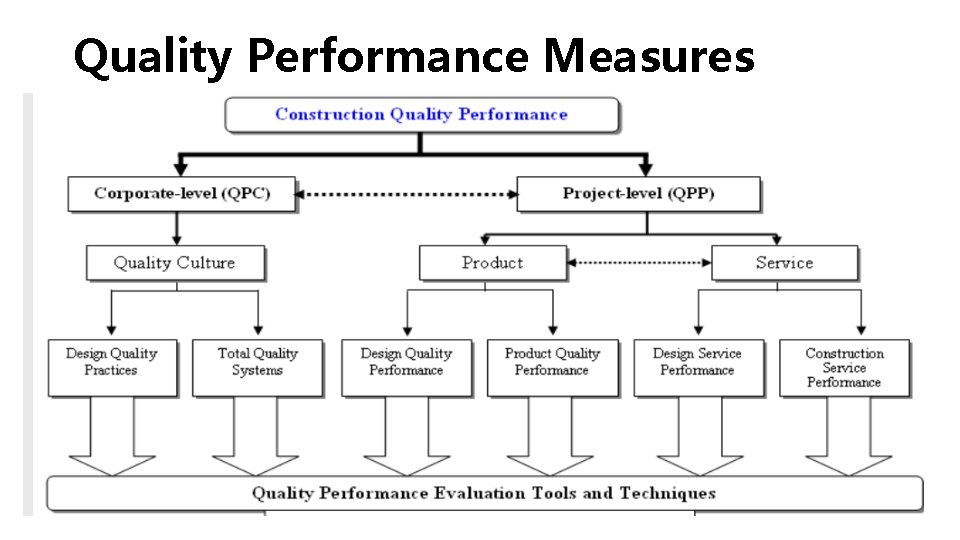
Quality Performance Measures
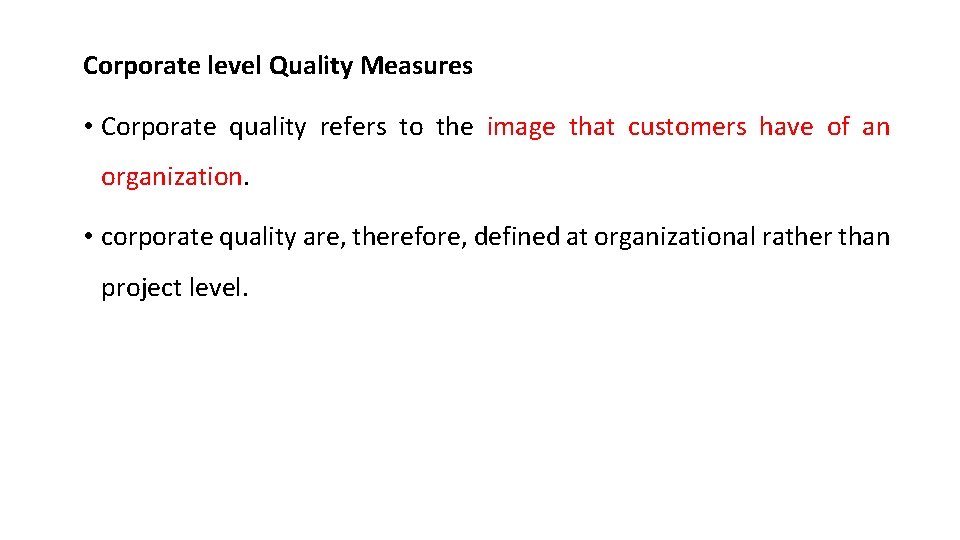
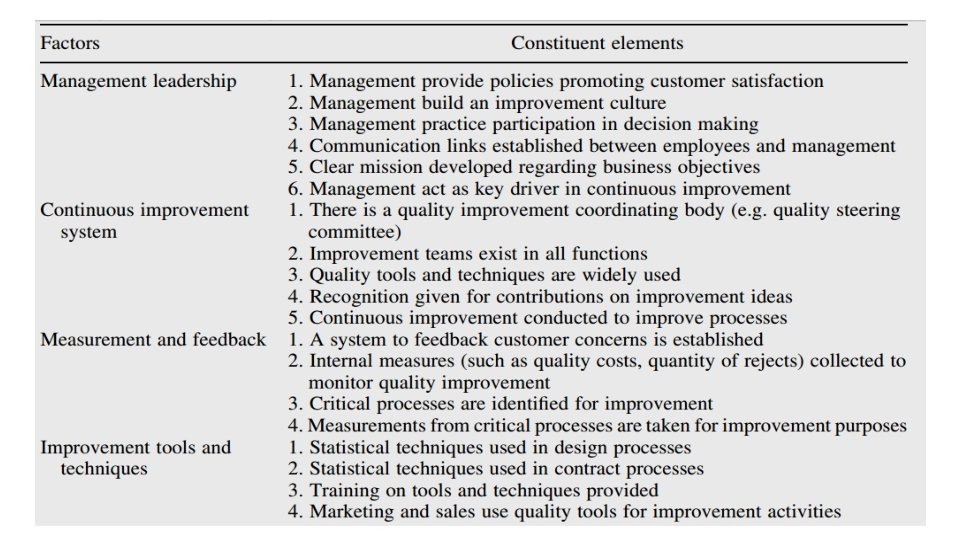
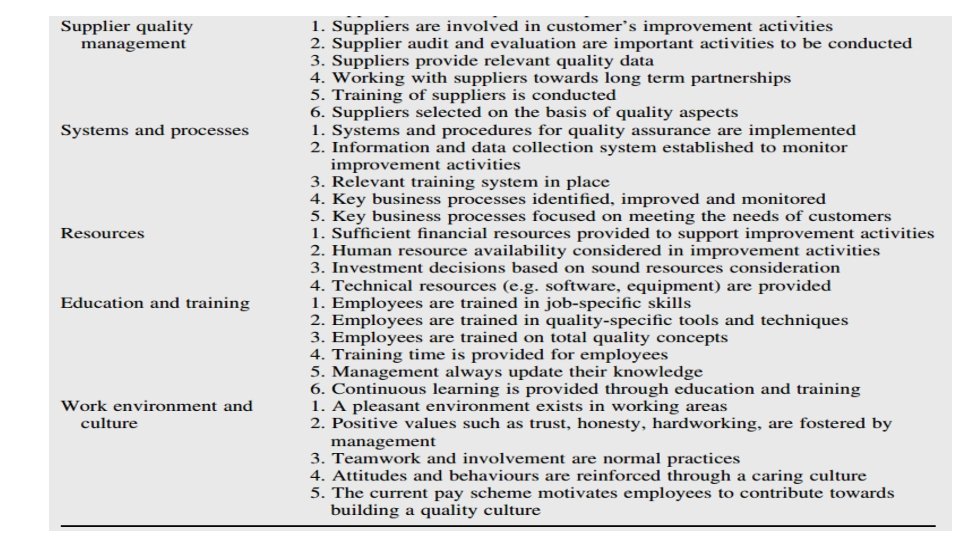
Corporate level Quality Measures • Corporate quality refers to the image that customers have of an organization. • corporate quality are, therefore, defined at organizational rather than project level.
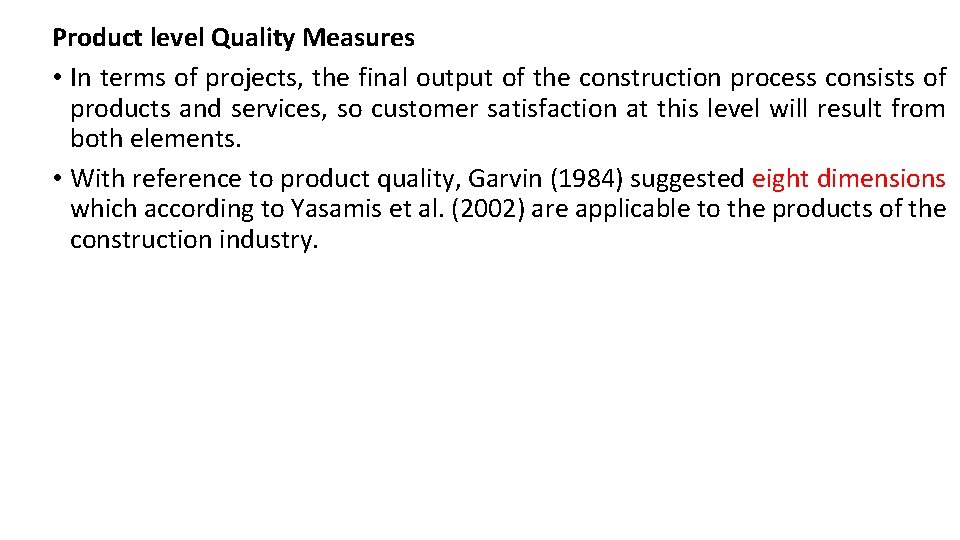
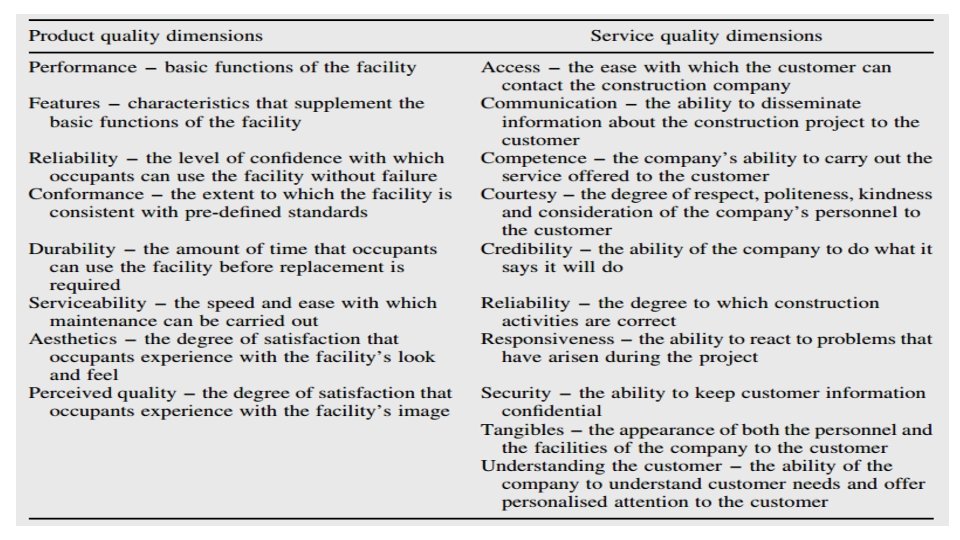
Product level Quality Measures • In terms of projects, the final output of the construction process consists of products and services, so customer satisfaction at this level will result from both elements. • With reference to product quality, Garvin (1984) suggested eight dimensions which according to Yasamis et al. (2002) are applicable to the products of the construction industry.
Service level Quality Measures • While product quality is mainly associated with the users and occupants of the finished facility (clients could also be users), in construction clients are the direct recipients of service quality. • Parasuraman (1985) suggested 10 dimensions for service quality, which according to Maloney (2002), could be adopted in the construction industry.