
CHAPTER 2 LESSON 2 MESOPOTAMIA VOCABULARY ZIGGURAT a
CHAPTER 2 LESSON 2 MESOPOTAMIA
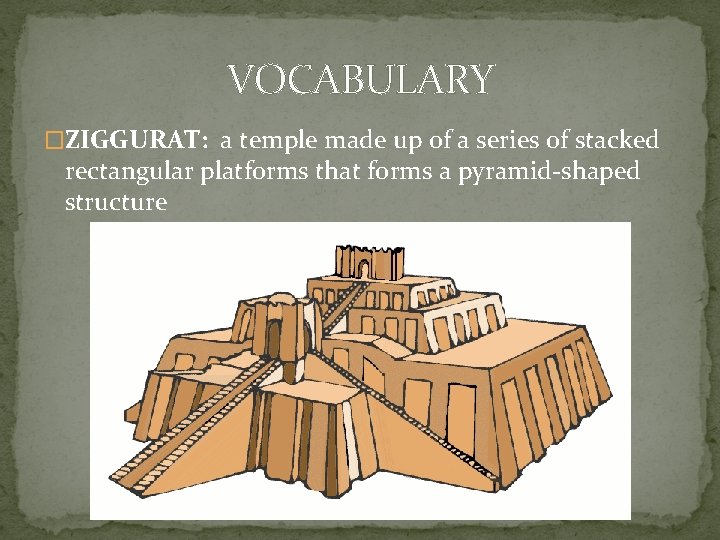
VOCABULARY �ZIGGURAT: a temple made up of a series of stacked rectangular platforms that forms a pyramid-shaped structure
�SOCIETY: an organized community with established rules and customs
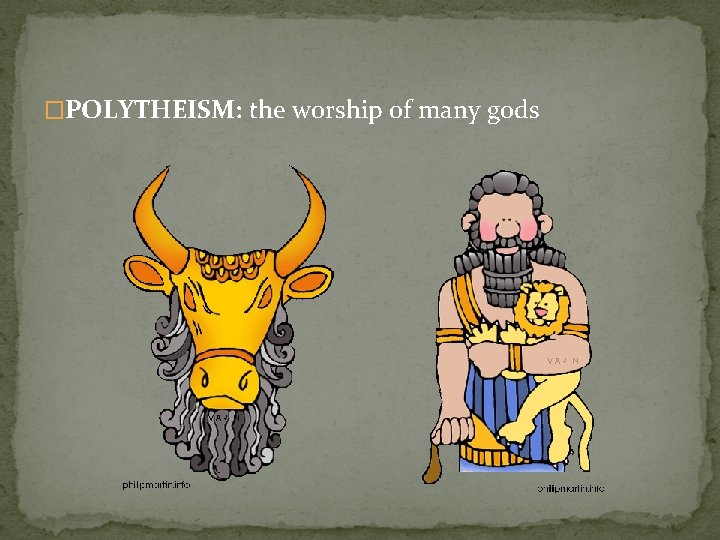
�POLYTHEISM: the worship of many gods
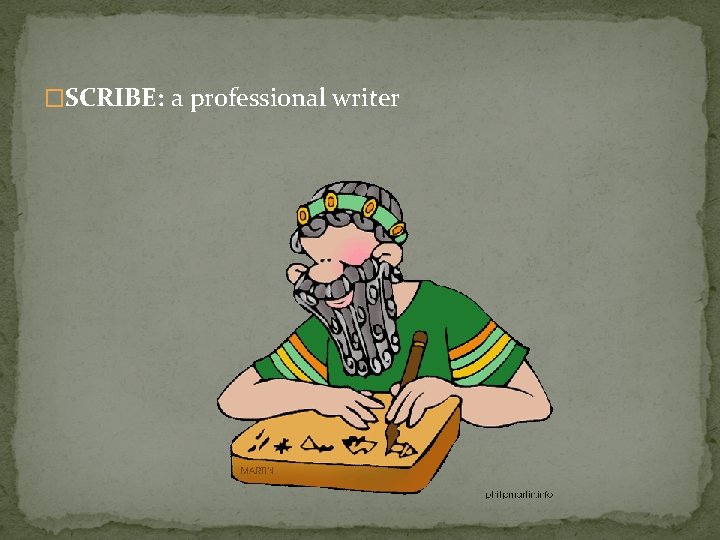
�SCRIBE: a professional writer
�CONQUER: to defeat or take over �EMPIRE: a large territory that is controlled by one ruler �DYNASTY: a ruling family
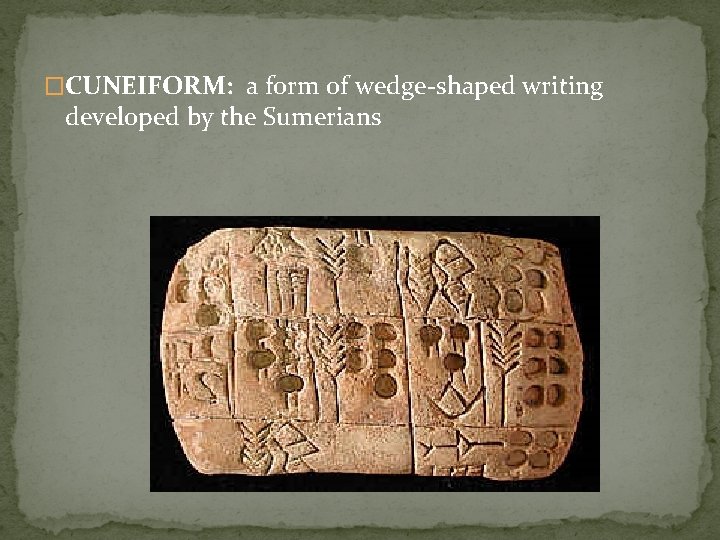
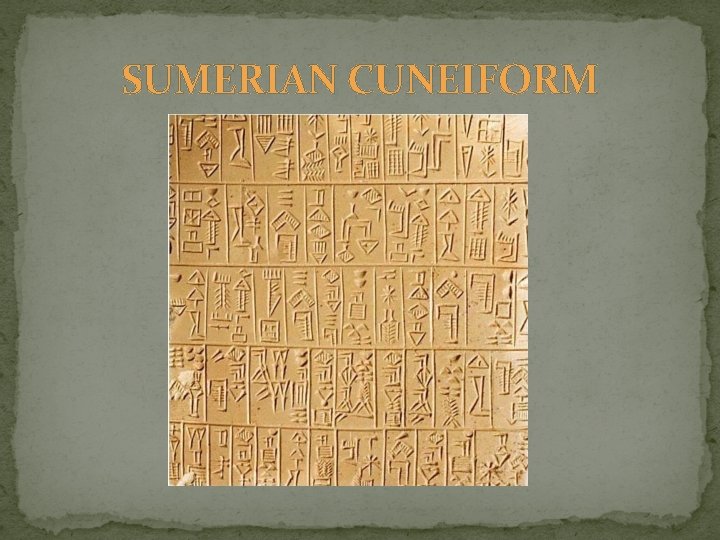
�CUNEIFORM: a form of wedge-shaped writing developed by the Sumerians

SUMER and AKKAD SUMER
SUMER and AKKAD �Early Mesopotamia was made up of the city-states of Sumer and Akkad. �SUMER was in the SOUTH �AKKAD was in the NORTH �The Sumerians and the Akkadians had similar customs, businesses, and religions. �They spoke different languages. �Sumer became more powerful than Akkad. �Sumerian city-states built ziggurats.
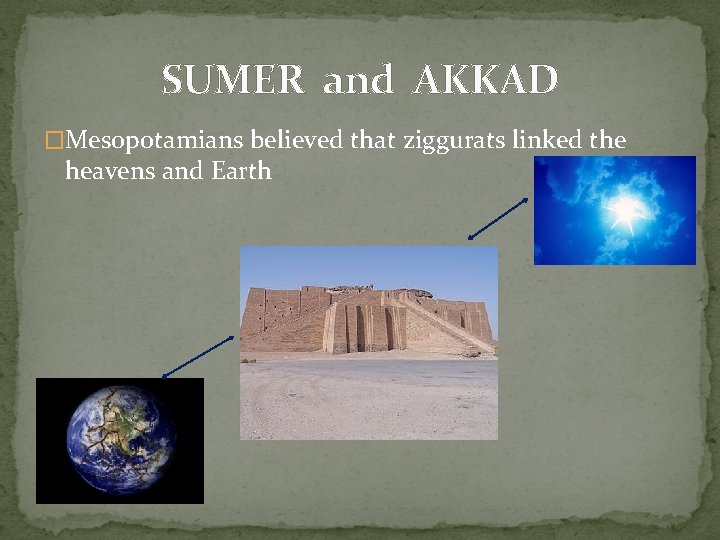
SUMER and AKKAD �Mesopotamians believed that ziggurats linked the heavens and Earth
RELIGION and GOVERNMENT �Religion was an important part of Mesopotamian society. �People in both Sumer and Akkad practiced polytheism. �Sumerians believed that kings were chosen by the gods to carry out the gods’ wishes. �Also believed that kings passed the right to rule to their sons. �Sumerian society was divided into classes: wealthy people were @ the top, slaves were @ the bottom
SUMERIAN CUNEIFORM
WRITING �About 3200 B. C. , the Sumerians invented a system of writing. �This new form of writing was called cuneiform �A professional writer (scribe) pressed a reed into wet clay to form wedge-shaped markings. �These marks stood for objects, activities, or sounds �People used writing to keep records, tell stories, write letters, and set down laws.
THE RISE and FALL of the AKKADIAN EMPIRE �Sargon was an Akkadian ruler. �All of Mesopotamia came under Sargon’s rule �This formed the world’s first empire. �The Akkadian dynasty was in power for about 150 years. �By 2100 B. C. , the Sumerian city-state of Ur rose to power.
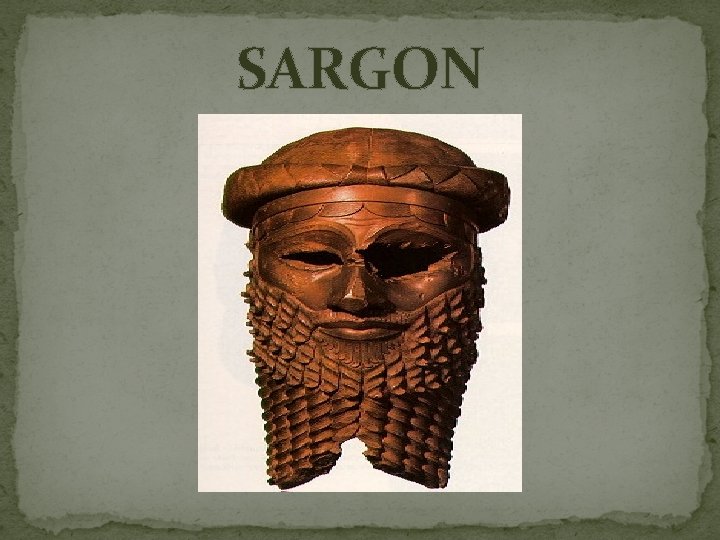
SARGON
SUMER’S FINAL DAYS �Between 2100 B. C. and 2000 B. C. , the city-state of Ur in Sumer controlled Mesopotamia. �Farming, business, and culture thrived. �Many important structures were built during this period. �In about 2000 B. C. , Sumer lost power. �The contributions of the Sumerians helped other civilizations to rise. �These contributions include cuneiform, ziggurats, and the wheel.
- Slides: 16