
Chapter 2 Globalization Culture What is Globalization Economic
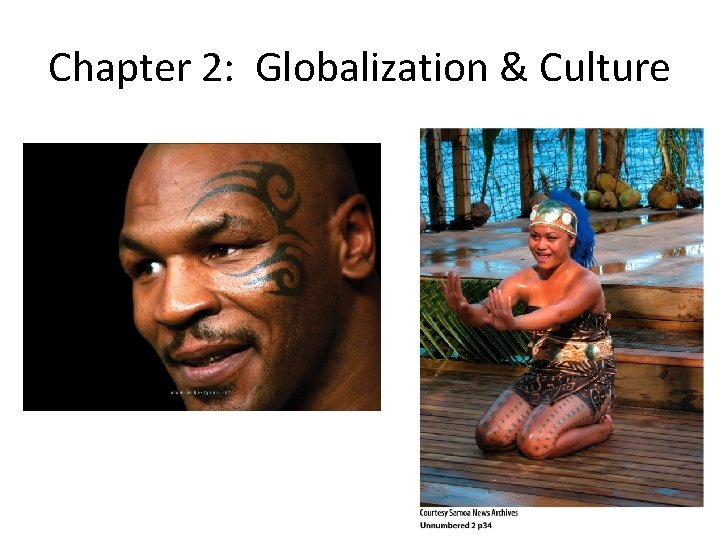
Chapter 2: Globalization & Culture
What is Globalization? • • Economic, social, political Horizontal and vertical expansion Is a cause and an effect of spatial interaction Five factors – Global markets – Technology – Lower costs – Mobility of capital – Policy

Membership in the WTO, World Trade Organization Source: wto. org
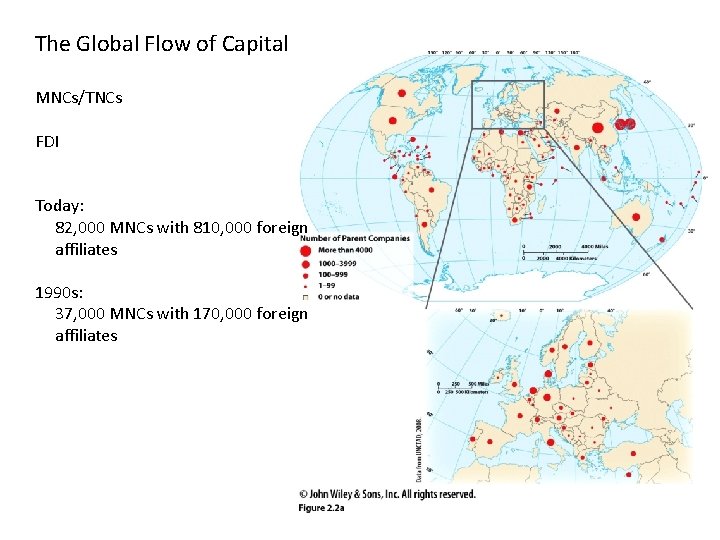
The Global Flow of Capital MNCs/TNCs FDI Today: 82, 000 MNCs with 810, 000 foreign affiliates 1990 s: 37, 000 MNCs with 170, 000 foreign affiliates
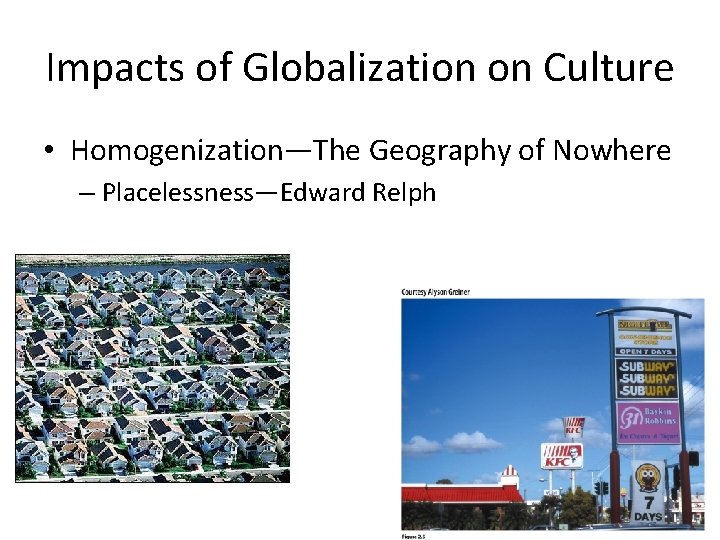
Impacts of Globalization on Culture • Homogenization—The Geography of Nowhere – Placelessness—Edward Relph
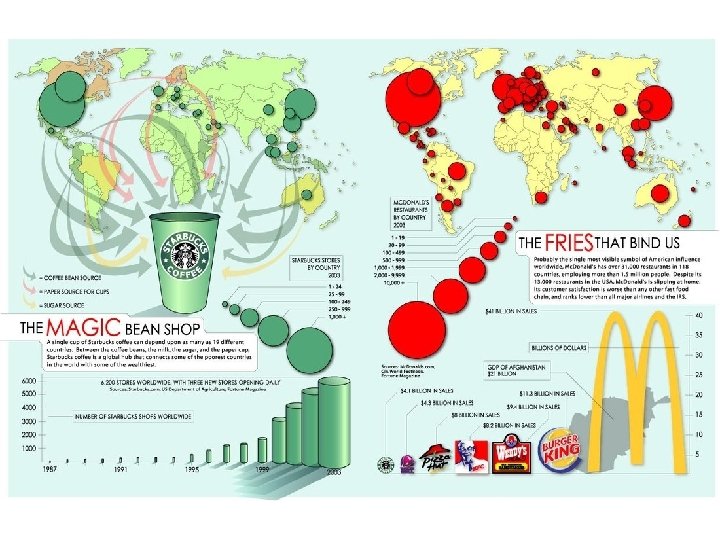
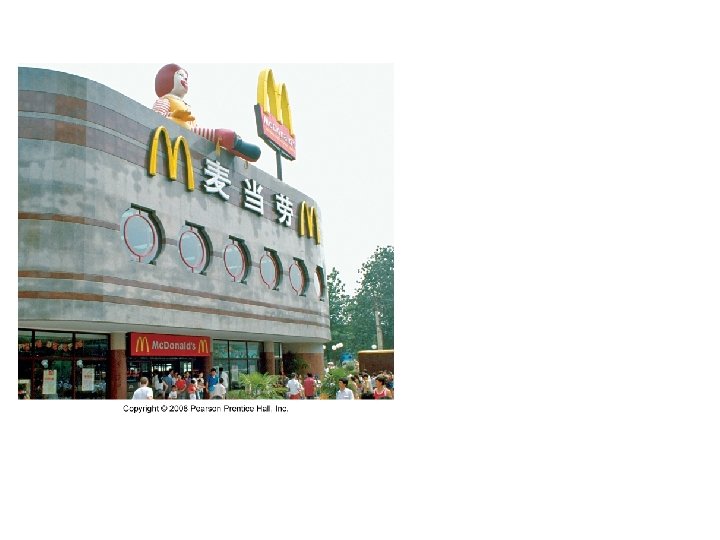
• Homogenization due to Americanization – Americanization a function of global capitalism and American economic dominance • Spread of values too? – Mc. Donaldization: spread of American fast food as a standard for how the world eats. – Television, entertainment – Clothing – Coca-Colonization • Global capitalism re-establishing colonial relationships – MNCs create a hegemony with inherent power relations – MNCs benefit from their global spread, not the individual countries
• Polarization – Globalization has destabilized societies – Backlash to the homogenization – Rise of ethnic separatism, battles over identity – Dangerous—global terrorism, criminal networks • Criticism of Polarization & Homogenization Theories – Is uniformity inevitable? – Is it really this simple? – Neolocalism—renewed local awareness – Flow of ideas and practices is not unilateral
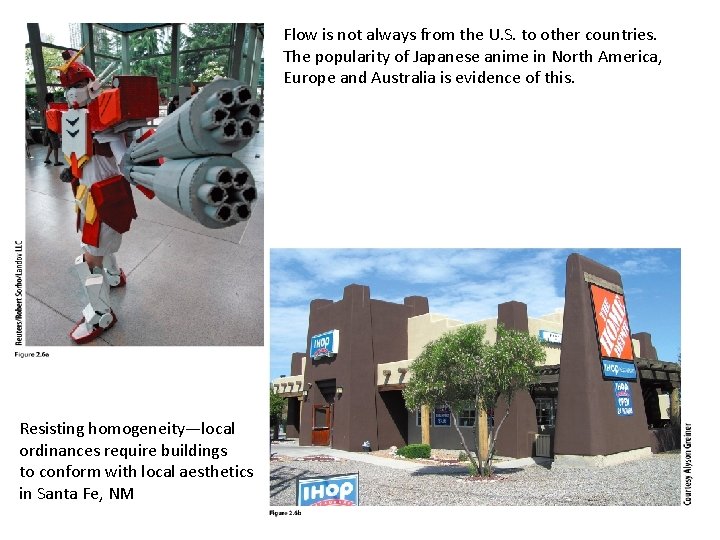
Flow is not always from the U. S. to other countries. The popularity of Japanese anime in North America, Europe and Australia is evidence of this. Resisting homogeneity—local ordinances require buildings to conform with local aesthetics in Santa Fe, NM
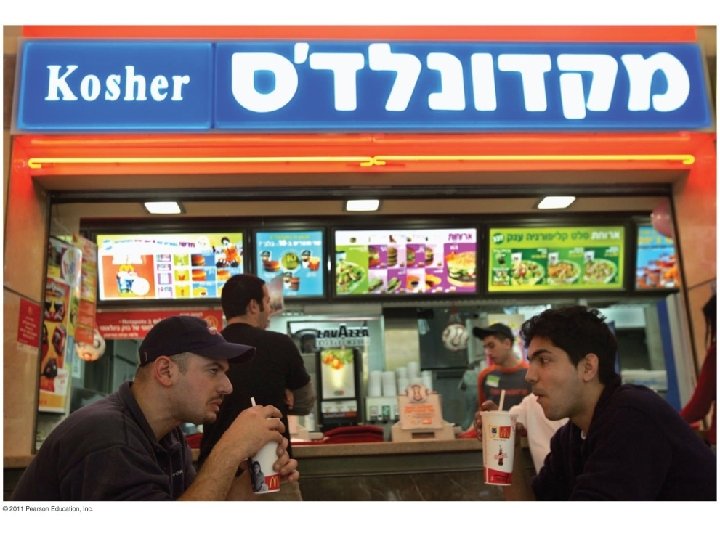
• Glocalization – The local-global nexus – Both are changed – Dynamic nature of local and global relations • Local forces become globalized & global forces become localized! – True heterogeneity or disguise for business as usual?


Commodification of Culture • What processes define cultural preferences? • Who owns culture? How is culture connected to identity?
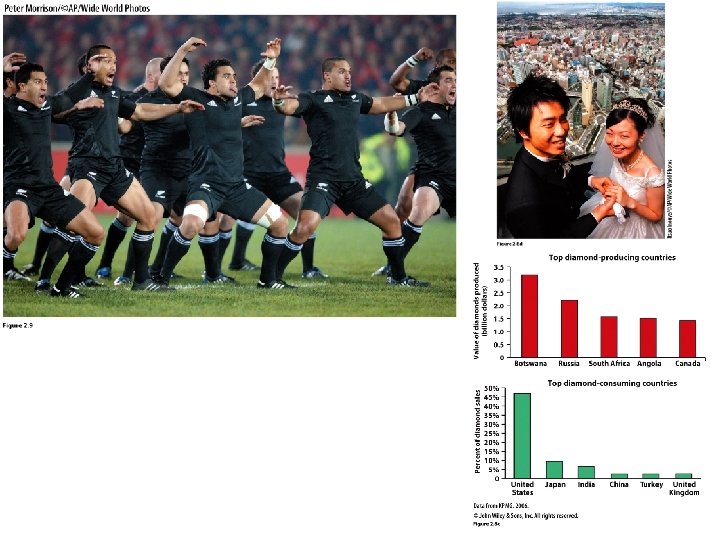
• Commodification of the past: heritage industry • Dissonance—inconsistent – Generates conflict, contestation • Opposing uses of heritage (sacred site vs. tourism) • Particularism – whose heritage?
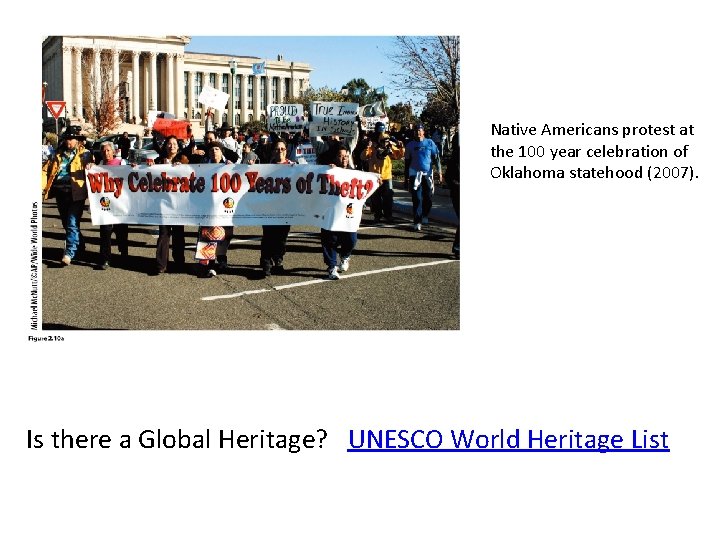
Native Americans protest at the 100 year celebration of Oklahoma statehood (2007). Is there a Global Heritage? UNESCO World Heritage List
- Slides: 18