
Chapter 2 Geography Hemispheres North South East West
- Slides: 33
Chapter 2 Geography
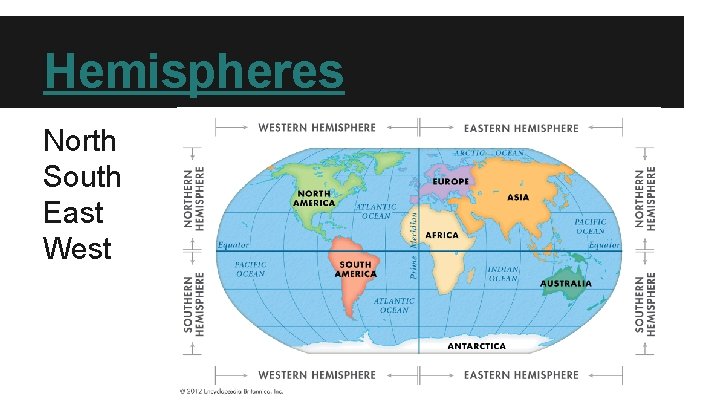
Hemispheres North South East West
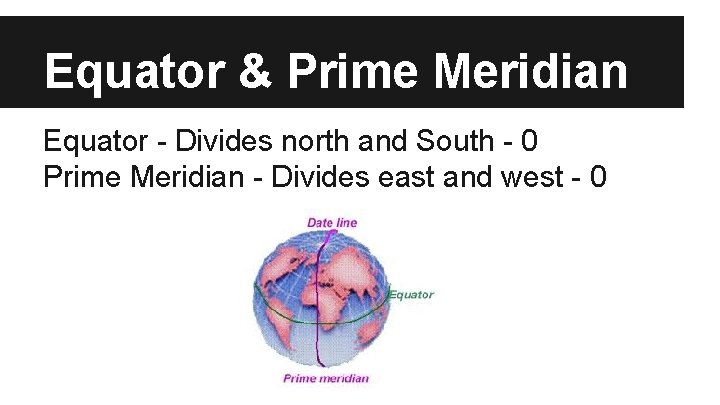
Equator & Prime Meridian Equator - Divides north and South - 0 Prime Meridian - Divides east and west - 0
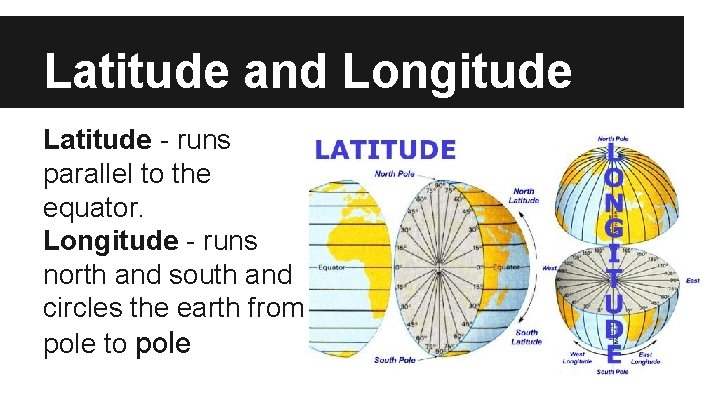
Latitude and Longitude Latitude - runs parallel to the equator. Longitude - runs north and south and circles the earth from pole to pole
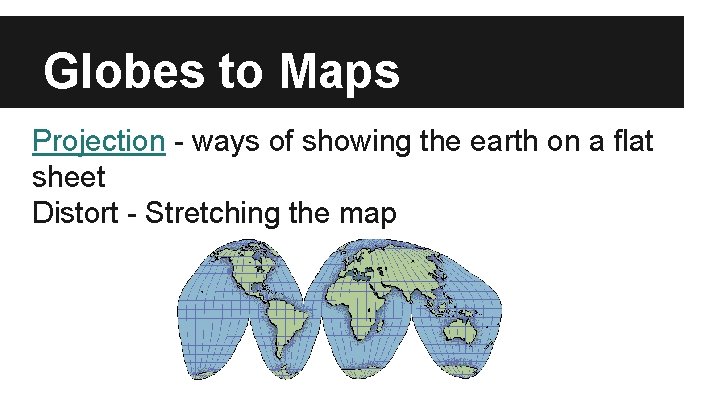
Globes to Maps Projection - ways of showing the earth on a flat sheet Distort - Stretching the map
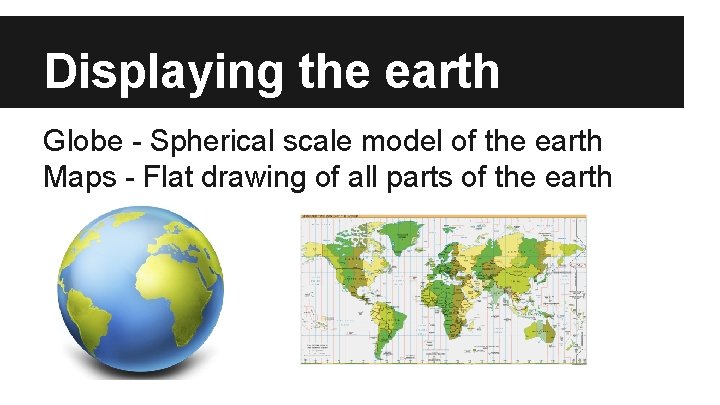
Displaying the earth Globe - Spherical scale model of the earth Maps - Flat drawing of all parts of the earth
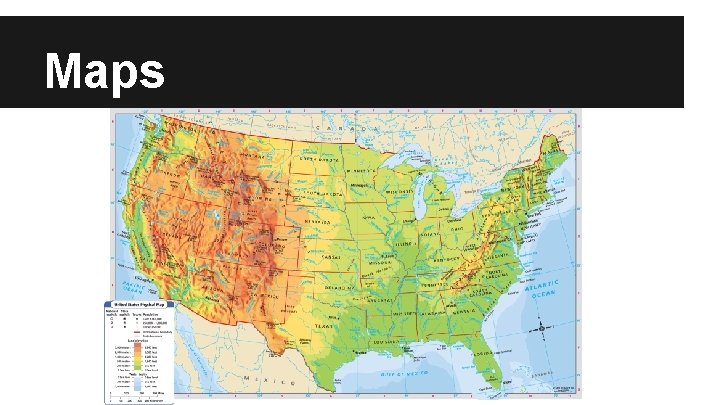
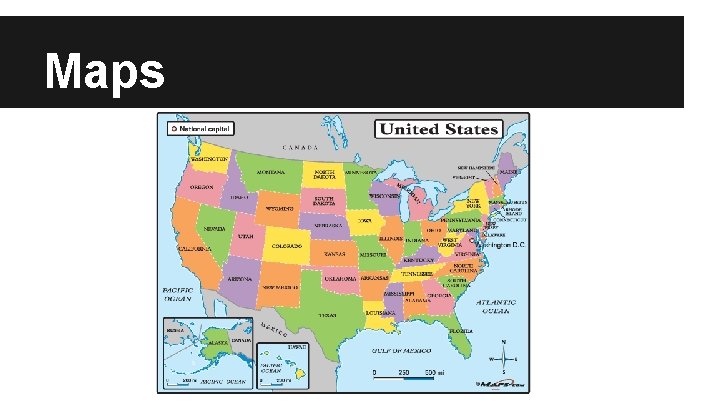
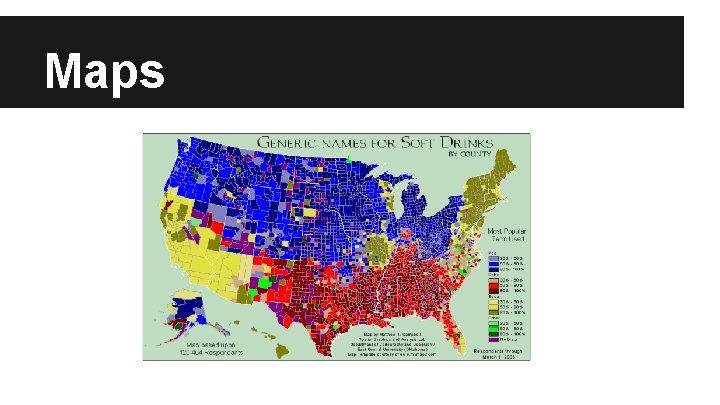
Maps Physical Maps show land water features Political Maps show names and borders of countries Special Purpose Maps show things like climate natural resources or population – Contour - Elevation
Maps
Maps
Maps
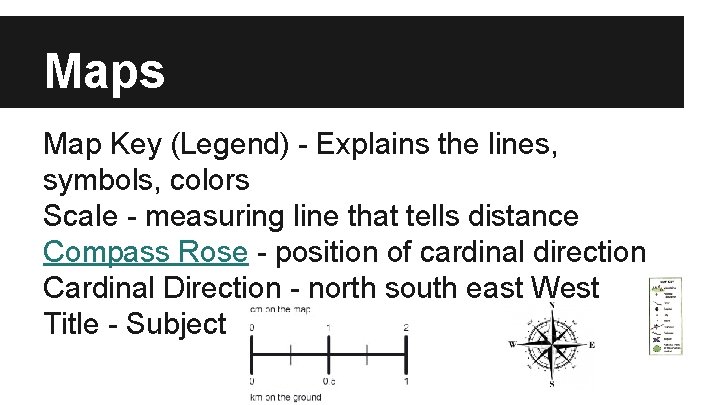
Maps Map Key (Legend) - Explains the lines, symbols, colors Scale - measuring line that tells distance Compass Rose - position of cardinal direction Cardinal Direction - north south east West Title - Subject
What is Economics Resources and Productions - 4 types Land - the earth and its natural resources Labor - ability of people to do work Capital - money and goods used to help people make and do things Entrepreneurship - Running a business and taking the risk of running the business All of these resources were important to early civilizations
What is Economics Supply and Demand - resources are needed to offer a good or service Supply - the amount of goods that a producer wants to sell Demand - the amount of something that a consumer wants to buy Scarcity - Lack of a resource Opportunity cost - what you give up to make or buy something
Manning and Measuring Economies Traditional Economy - Based on customs. Children often do the same work as their parents Command Economy - Central government decides what goods will be made and who will receive them Market Economy - Individuals make choices Mixed Economy - Gov. some control individuals the rest
Manning and Measuring Economies grow and shrink over time Recession - When the economy grows slowly or shrinks Inflation - Rising prices when money buys less
Why Do People Trade Two countries trade with each other when both sides can gain something from the exchange Imports - Goods that countries buy from other countries Exports - Shipped out of a country and sold somewhere else Barter - goods and services traded for other goods and services
Why Do People Trade Global Trade - Today most of the worlds countries take part in some form of international trade. this process is called globalization.
Questions Why is entrepreneurship needed to make an economy work? How will the scarcity of an item affect the price of that item? Why is North Korea described as having a command econ? If a person wre on a fixed or steady income how might he or she be affected by inflation? How does the relationship of imports to exports affect the well -being of a country’s economy?
Bell Work List and define all the yellow terms in section 3. Starting on page 44.
Principles of Government U. S. Constitution - the highest law in the United States Greece/Rome - Came up with the ideas we use today Representative Gov. - citizens vote for representatives Federal System- Federal gov. and state share power Separation of Powers - Branches have certain powers Checks and Balances - Branches limits powers of the other
Principles of Government Branches Legislative - Passes laws. congress Executive - Ensures laws are carried out. President Judicial - Interprets the laws and decides whether they are constitutional. Supreme court
What is Citizenship The government needs citizens to carry out certain duties and responsibilities. (Greece and Rome)
What is Citizenship Rights of Citizenship Freedom of expression Can attend Peaceful gatherings Worship as they choose Trial by a Jury of your peers Vote for public officials and serve in public office
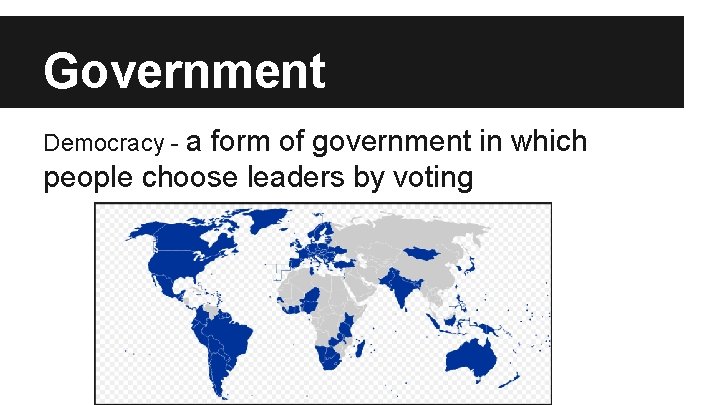
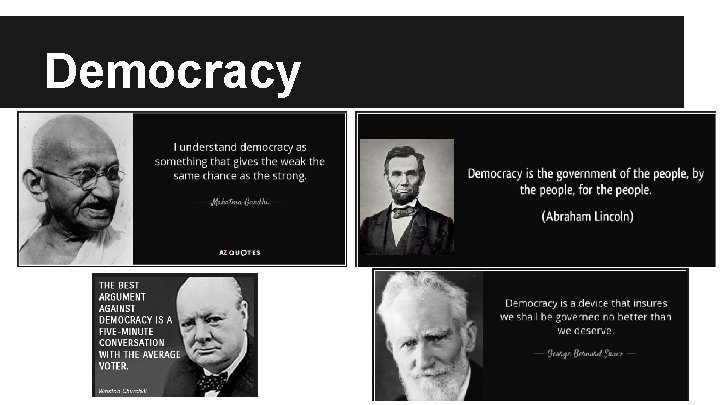
Government Democracy - a form of government in which people choose leaders by voting
Democracy
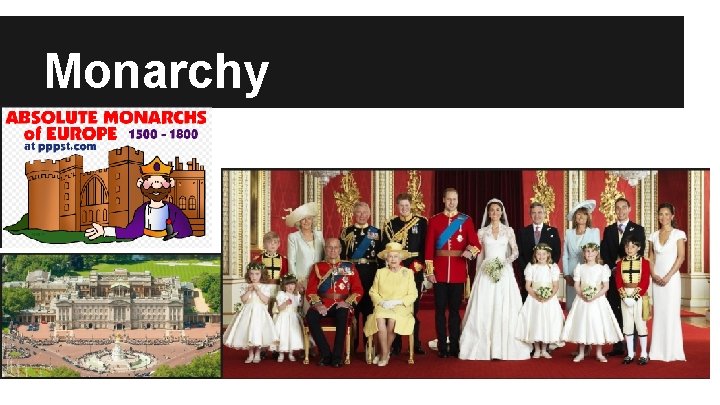
Government Monarchy - a form of government headed by a king or queen (Hereditary)
Monarchy
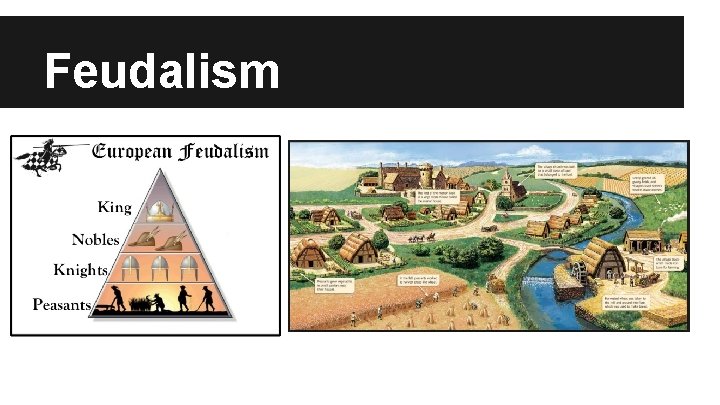
Government Feudalism - a social system that existed in the Middle Ages in which people worked and fought for nobles who gave them protection and the use of land
Feudalism
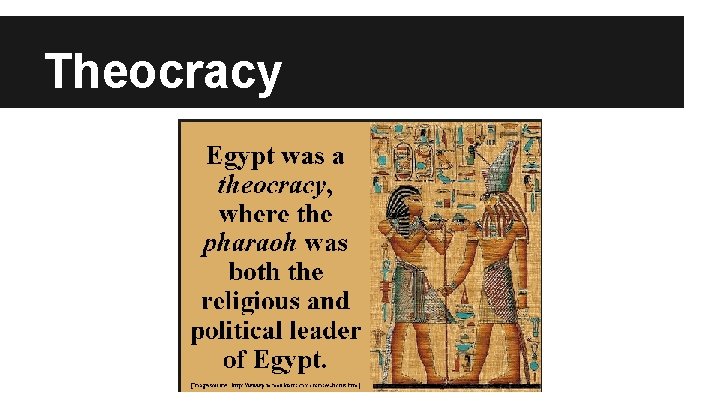
Government Theocracy - a form of government in which a country is ruled by religious leaders
Theocracy
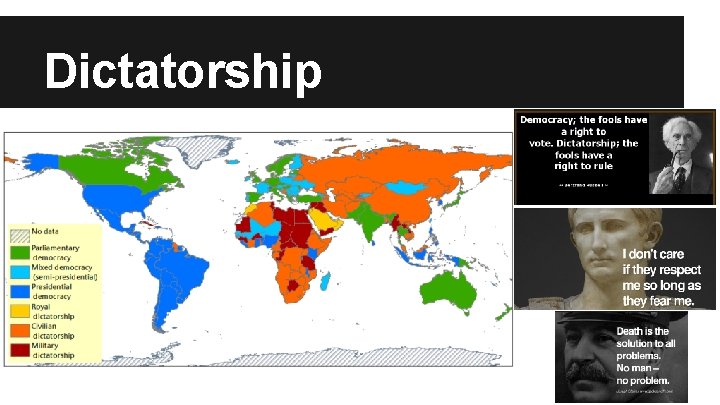
Government a government or country in which total power is held by a dictator or a small group Dictatorship -
Dictatorship