
CHAPTER 2 CUSTOMERBASED EQUITY AND BRAND POSITIONING Copyright

CHAPTER: 2 CUSTOMER-BASED EQUITY AND BRAND POSITIONING Copyright © 2013 Pearson Education, Inc. Publishing as Prentice Hall.
Learning Objectives Define customer-based brand equity Outline the sources and outcomes of customer based brand equity Identify the four components of brand positioning Describe the guidelines in developing a good brand positioning Explain brand mantra and how it should be developed Copyright © 2013 Pearson Education, Inc. Publishing as Prentice Hall.
Customer-Based Brand Equity Defining Customer-Based Brand Equity as a Bridge Copyright © 2013 Pearson Education, Inc. Publishing as Prentice Hall.
Defining Customer Based Brand Equity (CBBE) Approaches brand equity from the perspective of the consumer Stresses that the power of a brand lies in what resides in the minds and hearts of customers Differential effect that brand knowledge has on consumer response to the marketing of that brand Copyright © 2013 Pearson Education, Inc. Publishing as Prentice Hall.
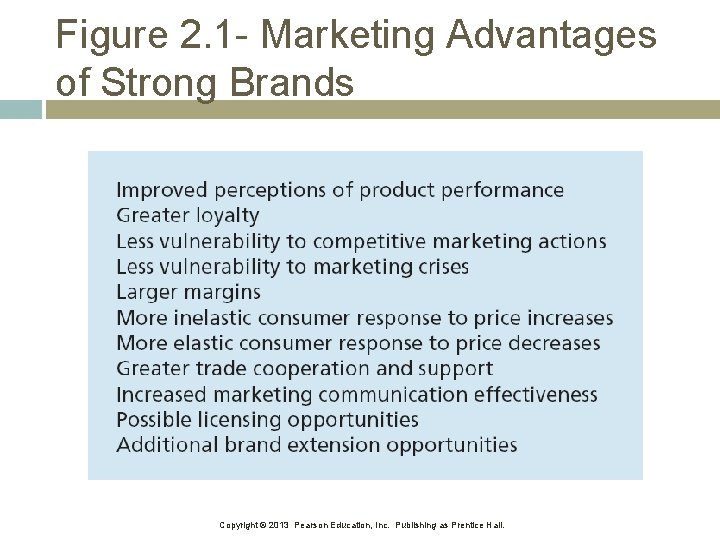
Figure 2. 1 - Marketing Advantages of Strong Brands Copyright © 2013 Pearson Education, Inc. Publishing as Prentice Hall.
Brand Equity as a Bridge Brand as a Reflection of the Past Brand as a Direction for the Future Copyright © 2013 Pearson Education, Inc. Publishing as Prentice Hall.
To Sum up. . . Consumers perception of the brand plays a key role in determining the worth of the brand Brand equity offers guidance to interpret past marketing performance and design future marketing programs Other factors that influence brand success and equity are: Employees, suppliers, and channel members Media and government Copyright © 2013 Pearson Education, Inc. Publishing as Prentice Hall.
Brand Knowledge Key to create brand equity Creates the differential effect that drives brand equity Marketers need an insightful way to represent how brand knowledge exists in consumer memory Copyright © 2013 Pearson Education, Inc. Publishing as Prentice Hall.
Associative Network Memory Model Views memory as a network of nodes and connecting links Nodes - Represent stored information or concepts Links - Represent the strength of association between the nodes Brand associations are informational nodes linked to the brand node in memory Copyright © 2013 Pearson Education, Inc. Publishing as Prentice Hall.
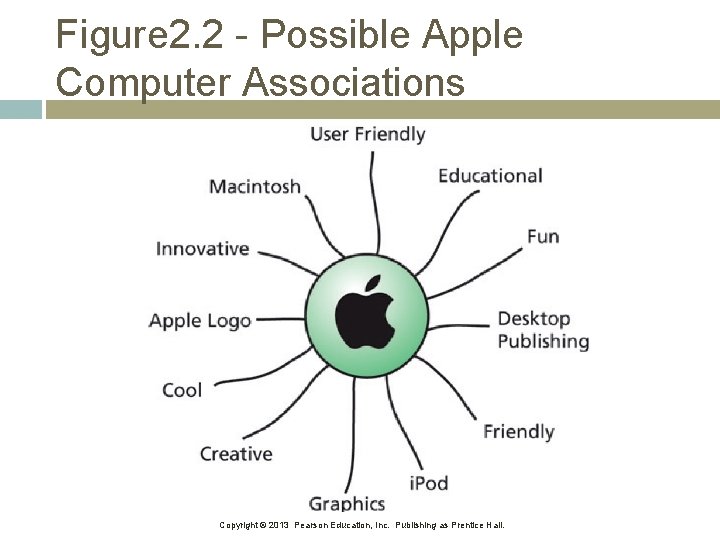
Figure 2. 2 - Possible Apple Computer Associations Copyright © 2013 Pearson Education, Inc. Publishing as Prentice Hall.
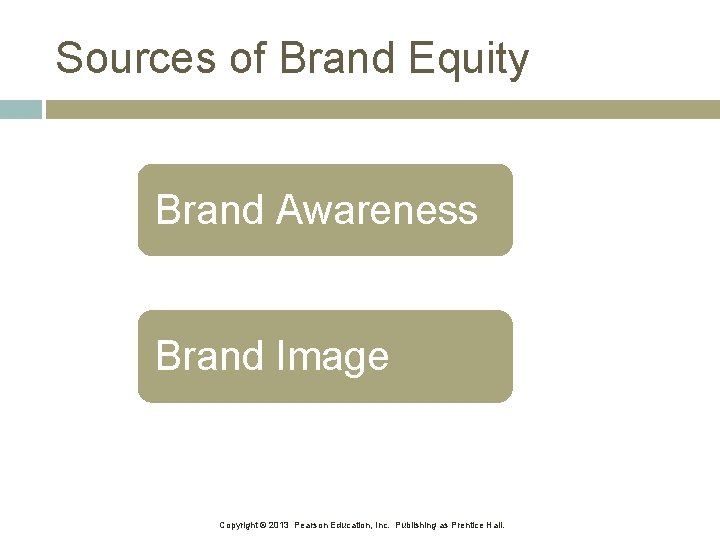
Sources of Brand Equity Brand Awareness Brand Image Copyright © 2013 Pearson Education, Inc. Publishing as Prentice Hall.
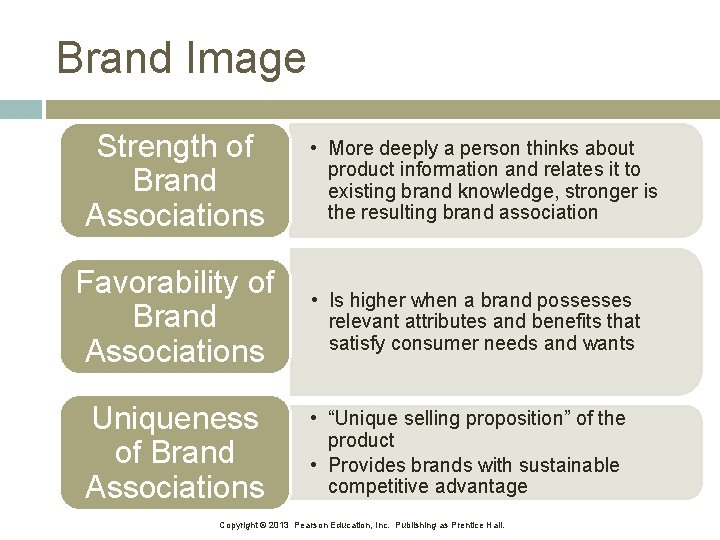
Brand Image Strength of Brand Associations Favorability of Brand Associations Uniqueness of Brand Associations • More deeply a person thinks about product information and relates it to existing brand knowledge, stronger is the resulting brand association • Is higher when a brand possesses relevant attributes and benefits that satisfy consumer needs and wants • “Unique selling proposition” of the product • Provides brands with sustainable competitive advantage Copyright © 2013 Pearson Education, Inc. Publishing as Prentice Hall.
To Sum up. . . To create brand equity, marketers should: Create favorable consumer response i. e. brand awareness Create positive brand image though brand associations that are strong, favorable, and unique Copyright © 2013 Pearson Education, Inc. Publishing as Prentice Hall.
Identifying and Establishing Brand Positioning Basic Concepts Target Market Nature of Competition Points-of-Parity and Points-of. Difference Copyright © 2013 Pearson Education, Inc. Publishing as Prentice Hall.
Basic Concepts Brand positioning Act of designing the company’s offer and image so that it occupies a distinct and valued place in the target customers’ minds Finding the proper “location” in the minds of consumers or market segment Allows consumers to think about a product or service in the “right” perspective Copyright © 2013 Pearson Education, Inc. Publishing as Prentice Hall.
Target Market segmentation: Divides the market into distinct groups of homogeneous consumers who have similar needs and consumer behavior Involves identifying segmentation bases and criteria Criteria Identifiability Size Accessibility Responsiveness Copyright © 2013 Pearson Education, Inc. Publishing as Prentice Hall.
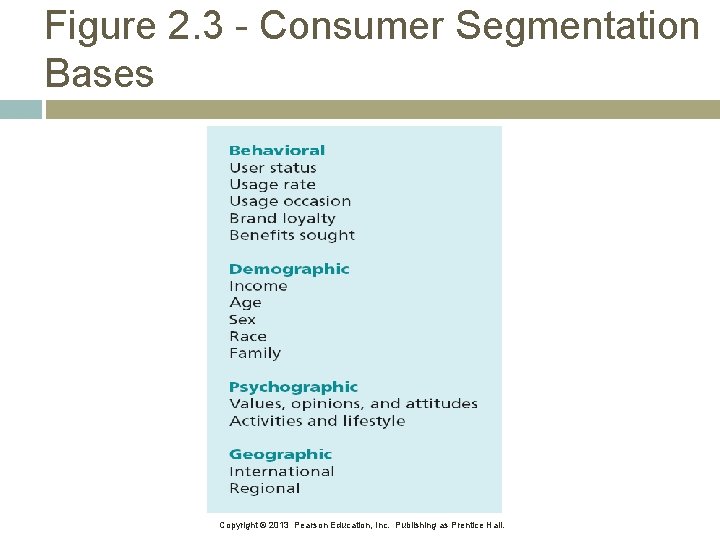
Figure 2. 3 - Consumer Segmentation Bases Copyright © 2013 Pearson Education, Inc. Publishing as Prentice Hall.
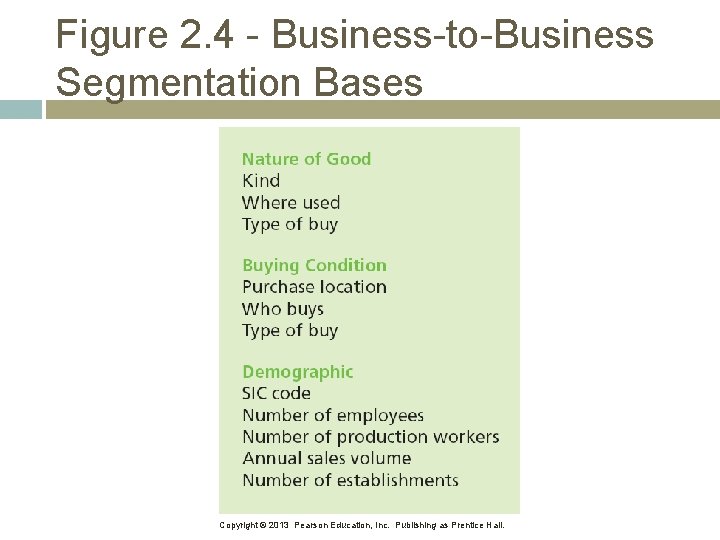
Figure 2. 4 - Business-to-Business Segmentation Bases Copyright © 2013 Pearson Education, Inc. Publishing as Prentice Hall.
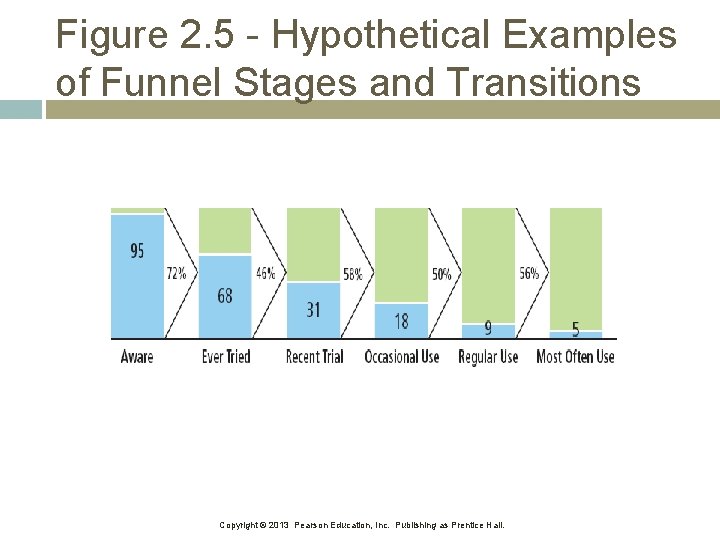
Figure 2. 5 - Hypothetical Examples of Funnel Stages and Transitions Copyright © 2013 Pearson Education, Inc. Publishing as Prentice Hall.
Nature of Competition Competitive analysis Indirect competition Multiple frames reference Copyright © 2013 Pearson Education, Inc. Publishing as Prentice Hall.
Points of Parity and Points of Difference Points-of-difference associations Points-of-parity versus points-of-difference Copyright © 2013 Pearson Education, Inc. Publishing as Prentice Hall.
To Sum up… To appropriately position a brand, marketers should: Identify their target customers Analyze the type of competition they might face in the identified market base Identify product features and associations that are different or similar to their competitors Copyright © 2013 Pearson Education, Inc. Publishing as Prentice Hall.
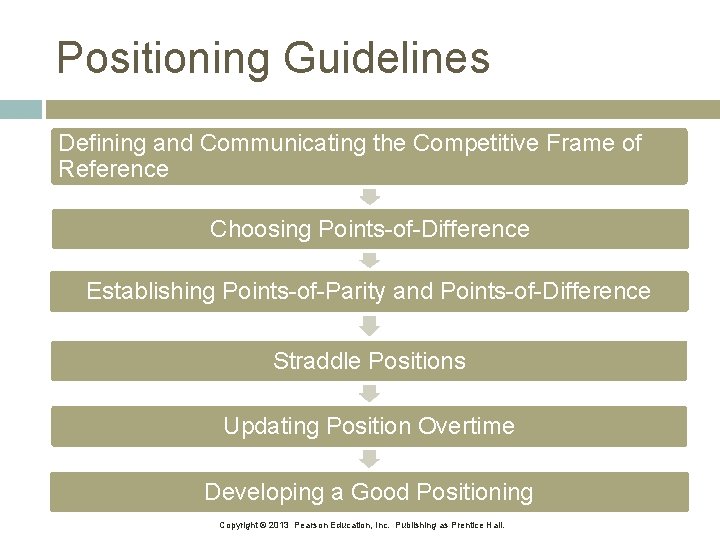
Positioning Guidelines Defining and Communicating the Competitive Frame of Reference Choosing Points-of-Difference Establishing Points-of-Parity and Points-of-Difference Straddle Positions Updating Position Overtime Developing a Good Positioning Copyright © 2013 Pearson Education, Inc. Publishing as Prentice Hall.
To Sum up. . . Brand positioning describes how a brand can effectively compete against a specified set of competitors A good product positioning should: Have a “foot in the present” and a “foot in the future” Identify all relevant points-of-parity Reflect a consumer point of view in terms of the benefits that consumers derive Contain points-of-difference and points-of-parity that appeal both to the “head” and the “heart” Copyright © 2013 Pearson Education, Inc. Publishing as Prentice Hall.
Brand Mantra Designing a Brand Mantra Implementing a Brand Mantra Copyright © 2013 Pearson Education, Inc. Publishing as Prentice Hall.
To Sum up. . . A good brand mantra should: Communicate the category of the business to set the brand boundaries and clarify what is unique about the brand Be simple, crisp, and vivid Stake out ground that is personally meaningful and relevant to as many employees as possible Copyright © 2013 Pearson Education, Inc. Publishing as Prentice Hall.

All rights reserved. No part of this publication may be reproduced, stored in a retrieval system, or transmitted, in any form or by any means, electronic, mechanical, photocopying, recording, or otherwise, without the prior written permission of the publisher. Printed in the United States of America. Copyright © 2013 Pearson Education, Inc. Publishing as Prentice Hall
- Slides: 27