
Chapter 2 continued Colonialism Capitalism on a World

- Slides: 15
Chapter 2, continued • Colonialism: Capitalism on a World Scale – The exploitation of foreign resources by European industrializing nations – Simultaneous economic, political, and cultural impacts rife with conflicts with native groups – The unevenness of colonialism (Figure 2. 22) • Transition of colonies to nations – different timing for the Americas vs. Asia & Africa
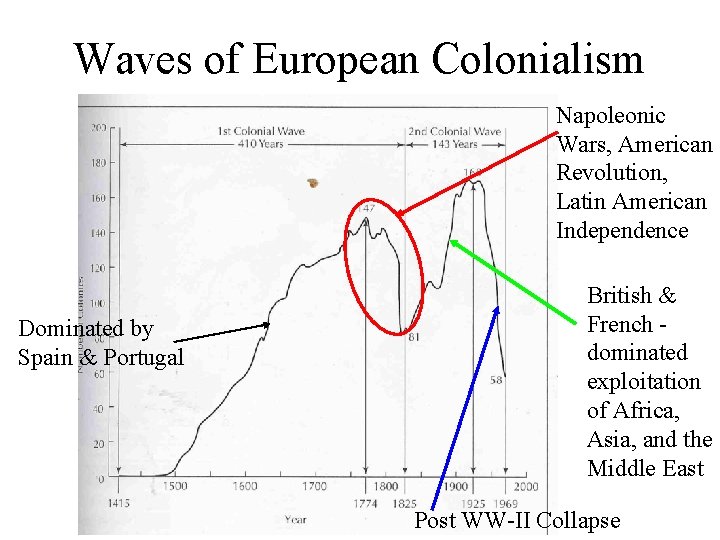
Waves of European Colonialism Napoleonic Wars, American Revolution, Latin American Independence Dominated by Spain & Portugal British & French dominated exploitation of Africa, Asia, and the Middle East Post WW-II Collapse
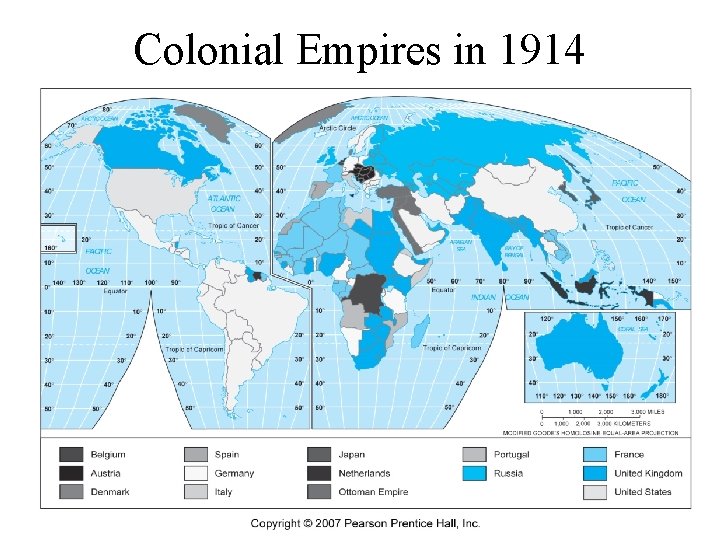
Colonial Empires in 1914
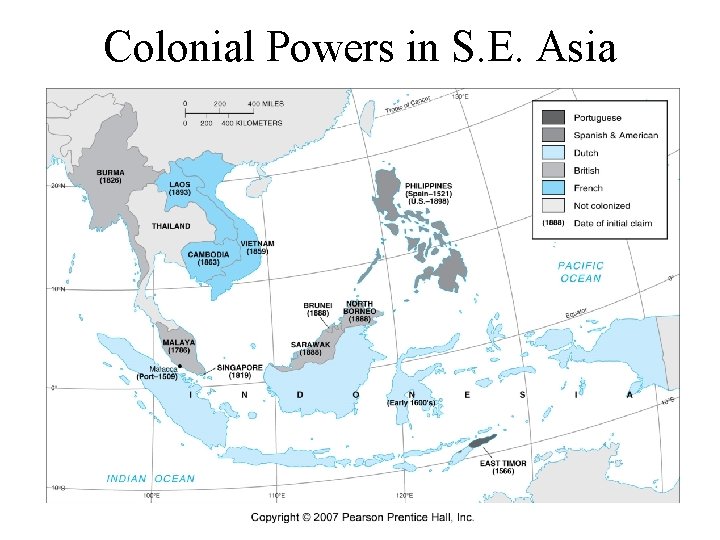
Colonial Powers in S. E. Asia
Bases of Colonial Power • Technological and military advantages coincident with the industrial revolution • Jared Diamond’s arguments re: geographical accidents, such as the impact of diseases on local populations, and the timing of technological achievements • Political strengths due to the Western legal and economic system & property rights • The Historiography of Conquest: note the cases are historically and geographically specific
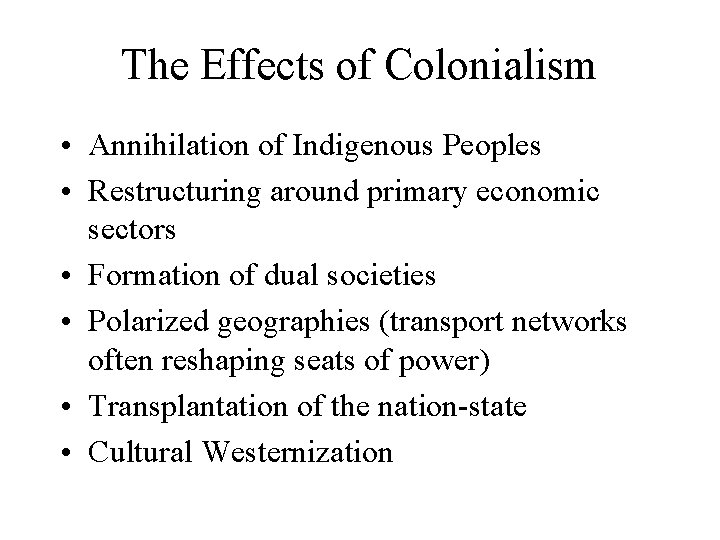
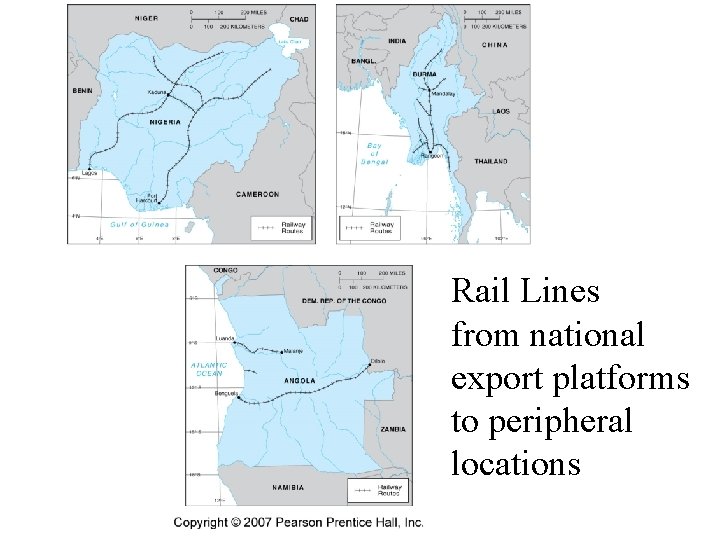
The Effects of Colonialism • Annihilation of Indigenous Peoples • Restructuring around primary economic sectors • Formation of dual societies • Polarized geographies (transport networks often reshaping seats of power) • Transplantation of the nation-state • Cultural Westernization
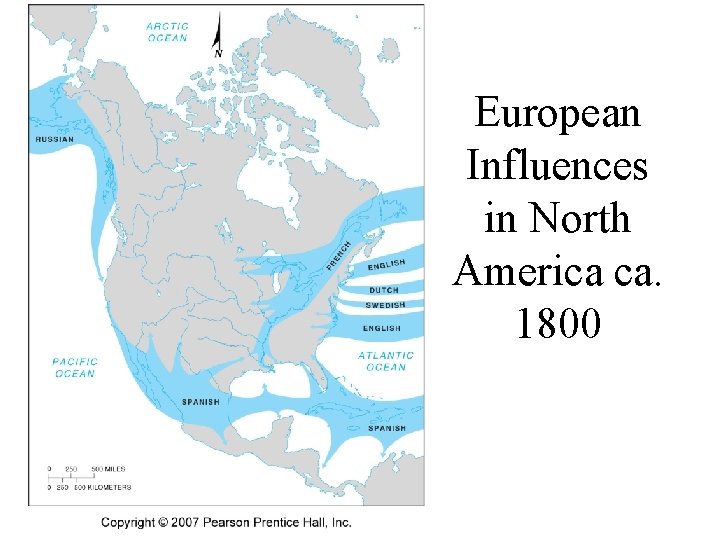
European Influences in North America ca. 1800
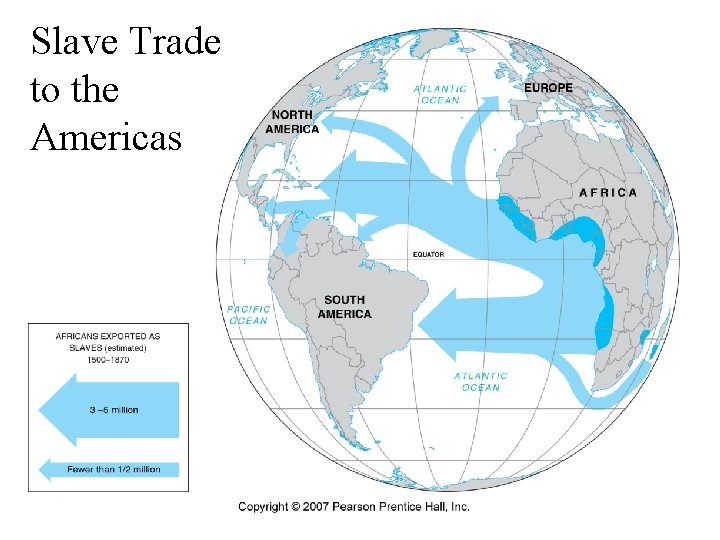
Slave Trade to the Americas
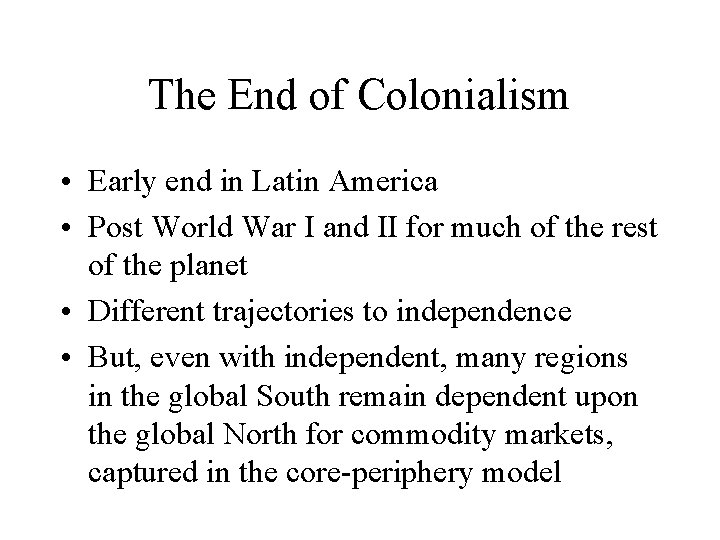
The End of Colonialism • Early end in Latin America • Post World War I and II for much of the rest of the planet • Different trajectories to independence • But, even with independent, many regions in the global South remain dependent upon the global North for commodity markets, captured in the core-periphery model
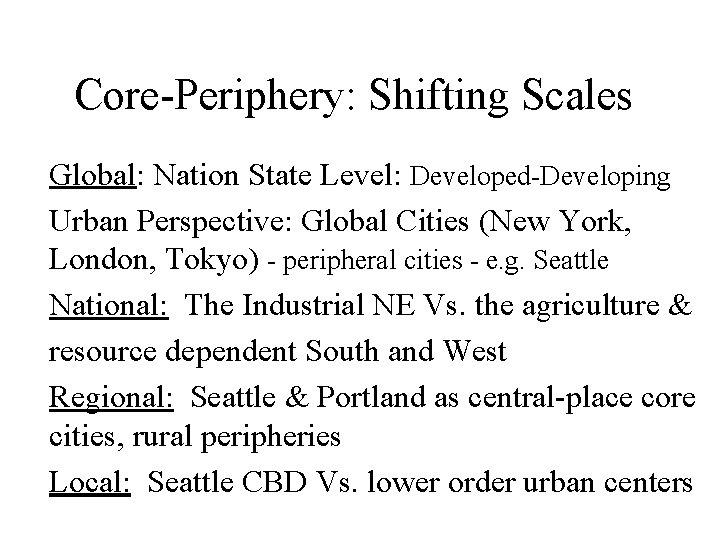
Core-Periphery: Shifting Scales Global: Nation State Level: Developed-Developing Urban Perspective: Global Cities (New York, London, Tokyo) - peripheral cities - e. g. Seattle National: The Industrial NE Vs. the agriculture & resource dependent South and West Regional: Seattle & Portland as central-place core cities, rural peripheries Local: Seattle CBD Vs. lower order urban centers
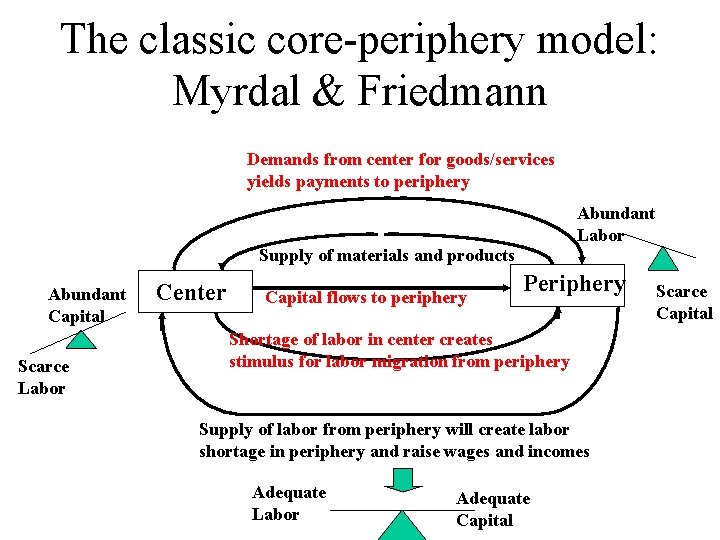
The classic core-periphery model: Myrdal & Friedmann Demands from center for goods/services yields payments to periphery Abundant Labor Supply of materials and products Abundant Capital Scarce Labor Center Capital flows to periphery Periphery Shortage of labor in center creates stimulus for labor migration from periphery Supply of labor from periphery will create labor shortage in periphery and raise wages and incomes Adequate Labor Adequate Capital Scarce Capital
Rail Lines from national export platforms to peripheral locations
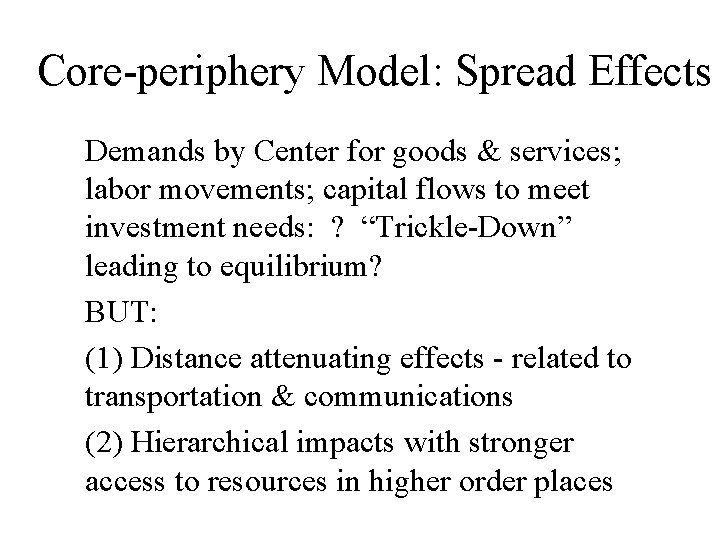
Core-periphery Model: Spread Effects Demands by Center for goods & services; labor movements; capital flows to meet investment needs: ? “Trickle-Down” leading to equilibrium? BUT: (1) Distance attenuating effects - related to transportation & communications (2) Hierarchical impacts with stronger access to resources in higher order places
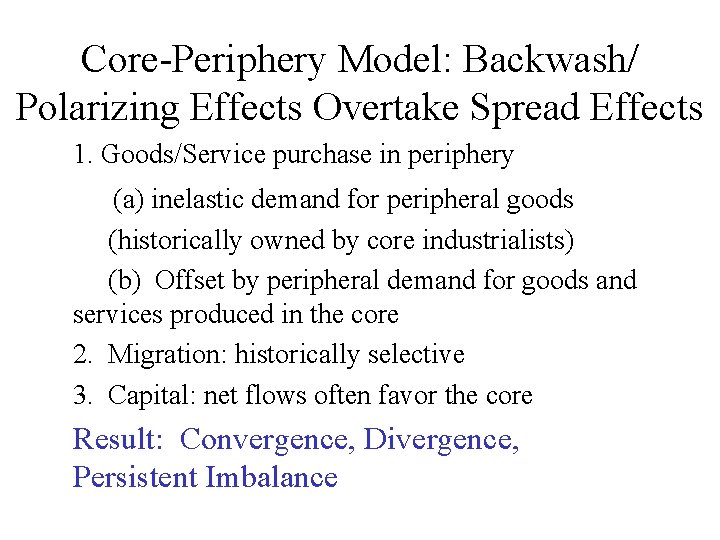
Core-Periphery Model: Backwash/ Polarizing Effects Overtake Spread Effects 1. Goods/Service purchase in periphery (a) inelastic demand for peripheral goods (historically owned by core industrialists) (b) Offset by peripheral demand for goods and services produced in the core 2. Migration: historically selective 3. Capital: net flows often favor the core Result: Convergence, Divergence, Persistent Imbalance
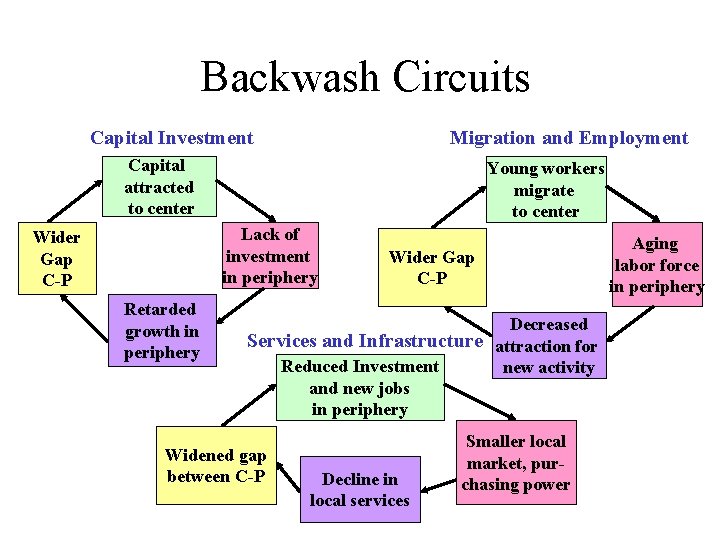
Backwash Circuits Capital Investment Migration and Employment Capital attracted to center Young workers migrate to center Lack of investment in periphery Wider Gap C-P Retarded growth in periphery Wider Gap C-P Decreased Services and Infrastructure attraction for Reduced Investment new activity and new jobs in periphery Widened gap between C-P Decline in local services Smaller local market, purchasing power Aging labor force in periphery