
Chapter 2 Cash Flow Identities 1 2 What

- Slides: 10
Chapter 2 Cash Flow Identities 1
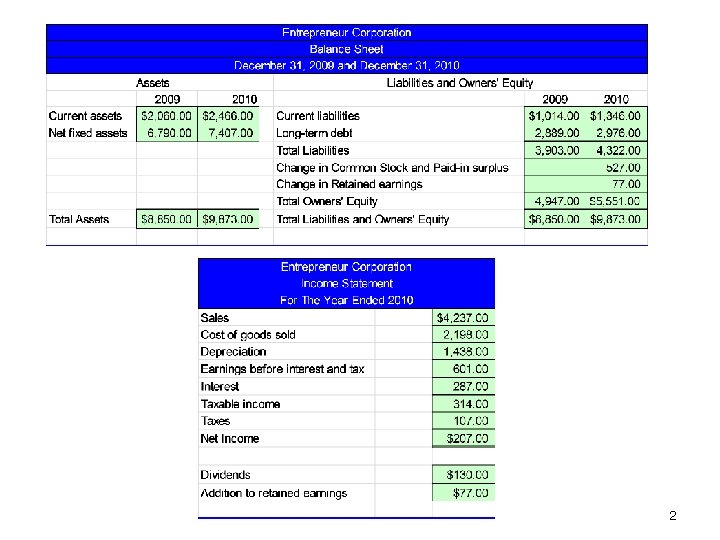
2
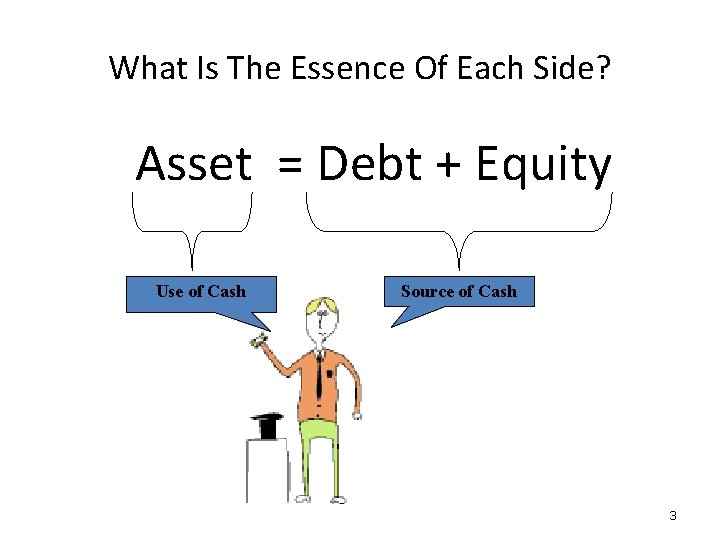
What Is The Essence Of Each Side? Asset = Debt + Equity Use of Cash Source of Cash 3
Cash Flow Cash in Cash out Cash flow ≠ Net Income (Profit or Earnings) Throughout this textbook and the study of financial management, cash flow will be fundamental • Therefore, we will have to be able to derive cash flow from the information on the balance sheet and the income statement • We will look at how cash is generated from utilizing assets and how it is paid to those that finance the purchase of the assets • • 4
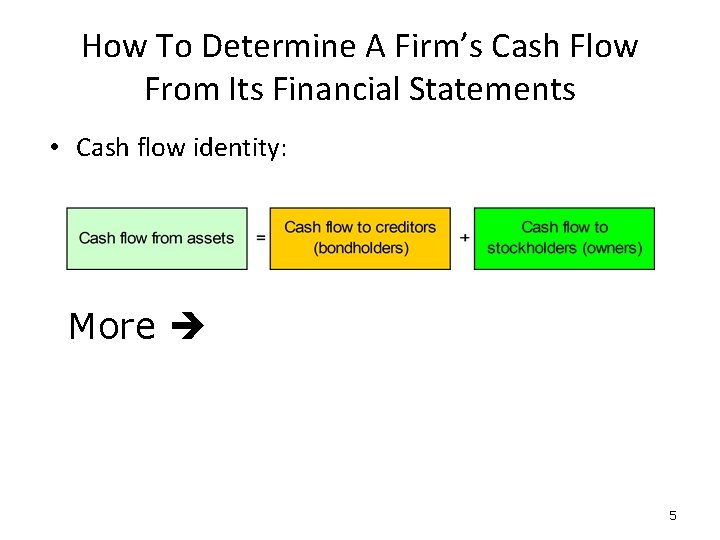
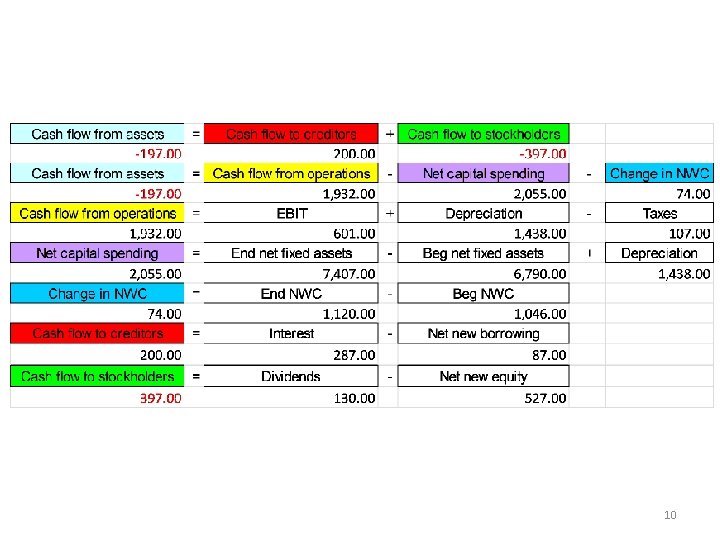
How To Determine A Firm’s Cash Flow From Its Financial Statements • Cash flow identity: More 5
6
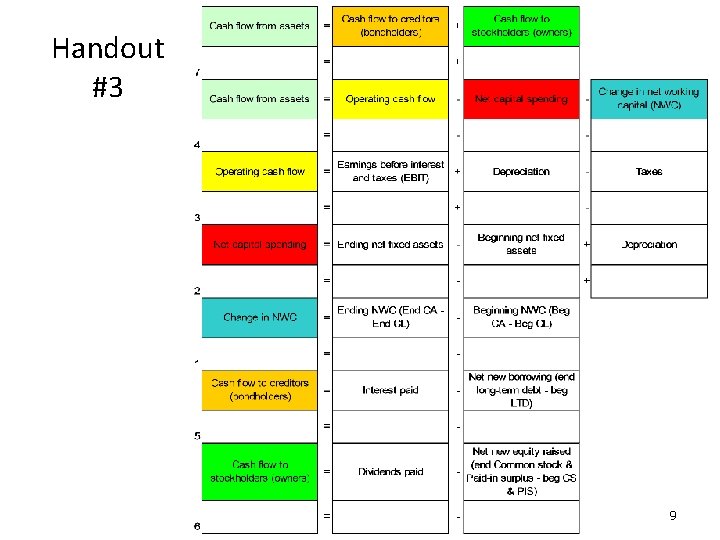
Notes On Identities: • Operating cash flow = Cash flow from day to day activities – Don’t include interest payments because that goes to bondholders (it properly is a financing expense – different than accountant CFO) – Add back the noncash expense, depreciation – Taxes are paid in cash • Capital spending = net spending on fixed assets (purchases - sales) – Add depreciation back because the net amount has it subtracted out • Change in NWC – CA – CL in beginning and ending period, then take the difference 7
Notes On Identities: • Net new borrowing = (End long-term debt) – (beg LTD) • Net new equity raised = (End common stock & Paid-in surplus) – (end CS & PIS) • Amounts in calculations can be positive or negative – A negative cash flow from assets may indicate that a firm is buying profitable assets! – A negative amount from change in NWC, could mean that firm is managing inventory or receivables or payables more efficiently! – A negative amount to stockholders could mean that the firm issued an amount of new stock that is more than dividends paid! • Handout #3 8
Handout #3 9
10