
Chapter 2 AC Series Commutator Motors Characteristics 1
- Slides: 19
Chapter 2 AC Series Commutator Motors Characteristics: 1) It can be used with either dc or ac supply. 2) It provides high starting torque. 3) It can operate at high speeds. 4) It is used in kitchen equipment, drills, mixers, and vacuum cleaners. 5) The stator and rotor are made of laminated steel to reduce core losses. 6) The types of ac series motors are: universal motors - repulsion motors.
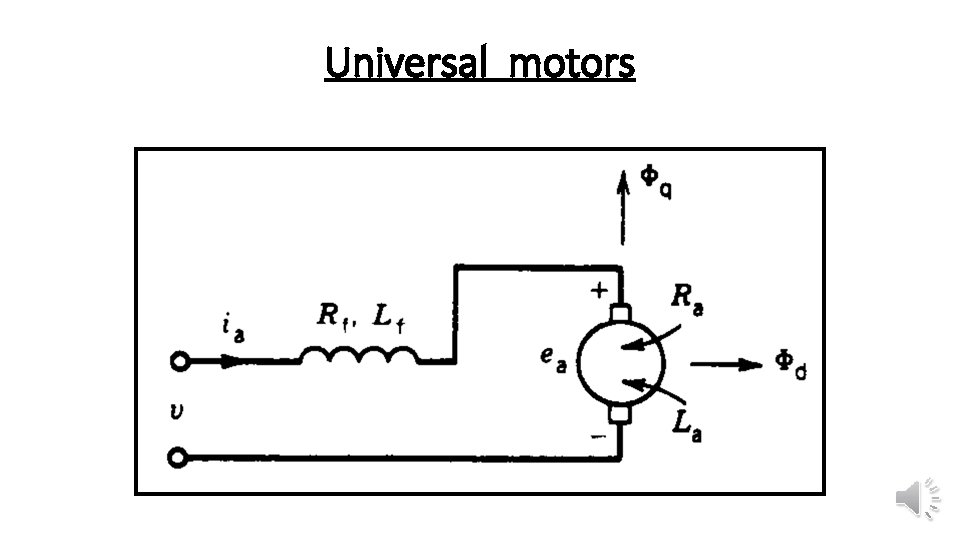
Universal motors
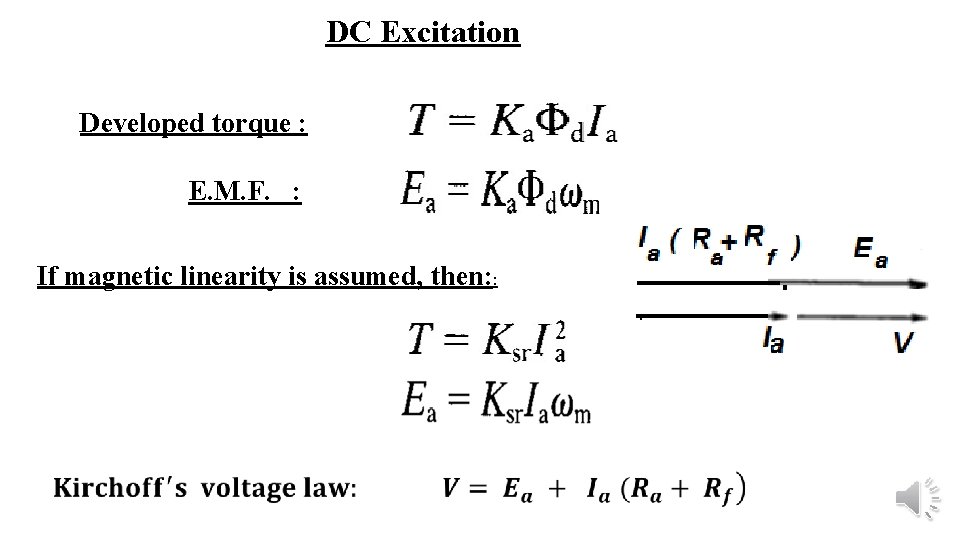
DC Excitation Developed torque : E. M. F. : If magnetic linearity is assumed, then: :
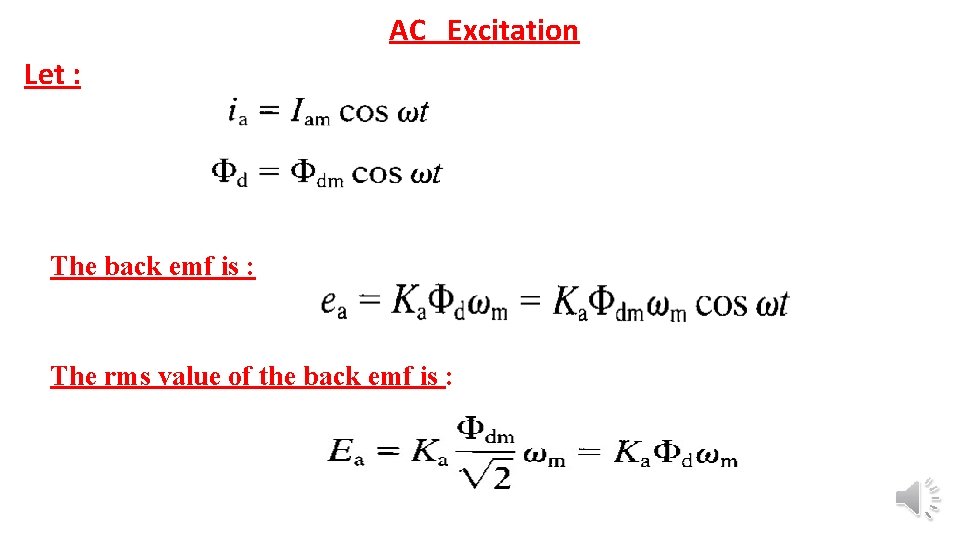
AC Excitation Let : The back emf is : The rms value of the back emf is :
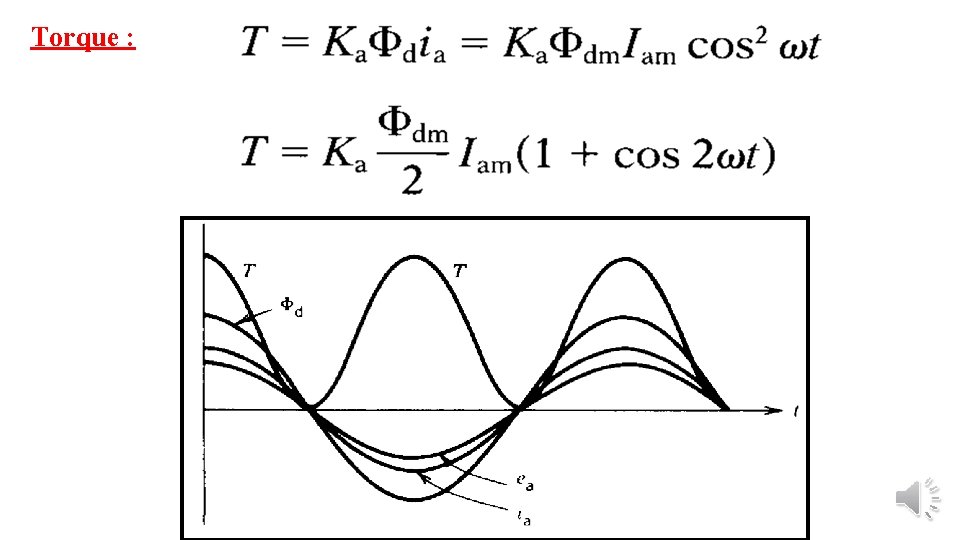
Torque :
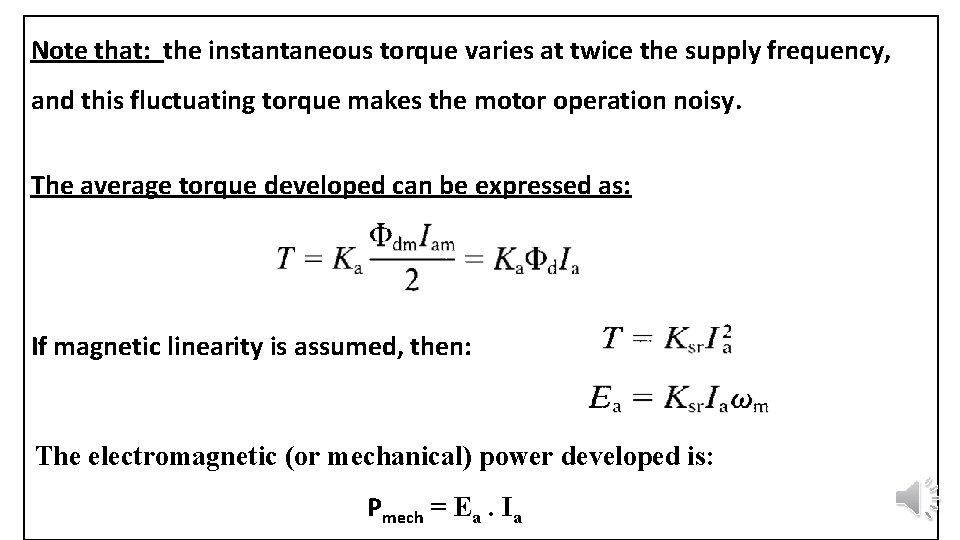
Note that: the instantaneous torque varies at twice the supply frequency, and this fluctuating torque makes the motor operation noisy. The average torque developed can be expressed as: If magnetic linearity is assumed, then: The electromagnetic (or mechanical) power developed is: Pmech = Ea. Ia
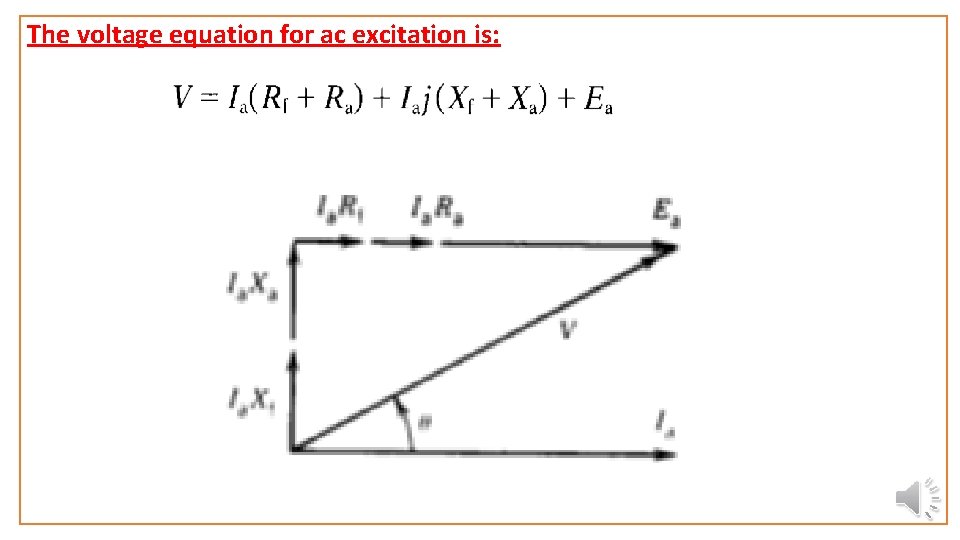
The voltage equation for ac excitation is:
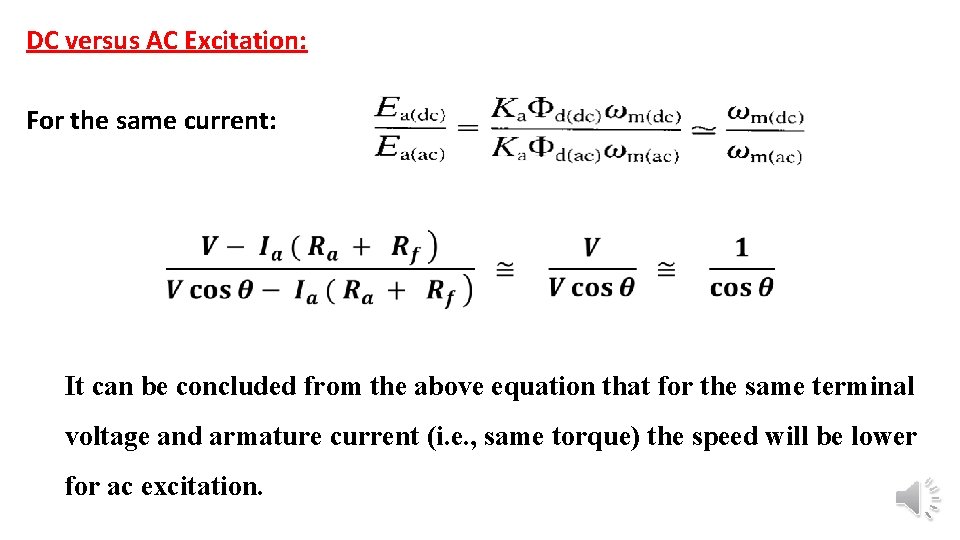
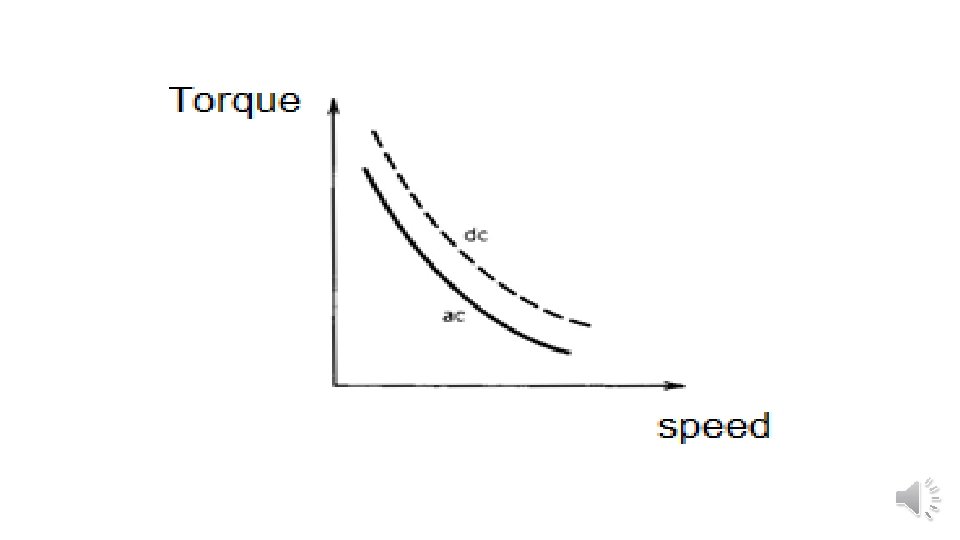
DC versus AC Excitation: For the same current: It can be concluded from the above equation that for the same terminal voltage and armature current (i. e. , same torque) the speed will be lower for ac excitation.
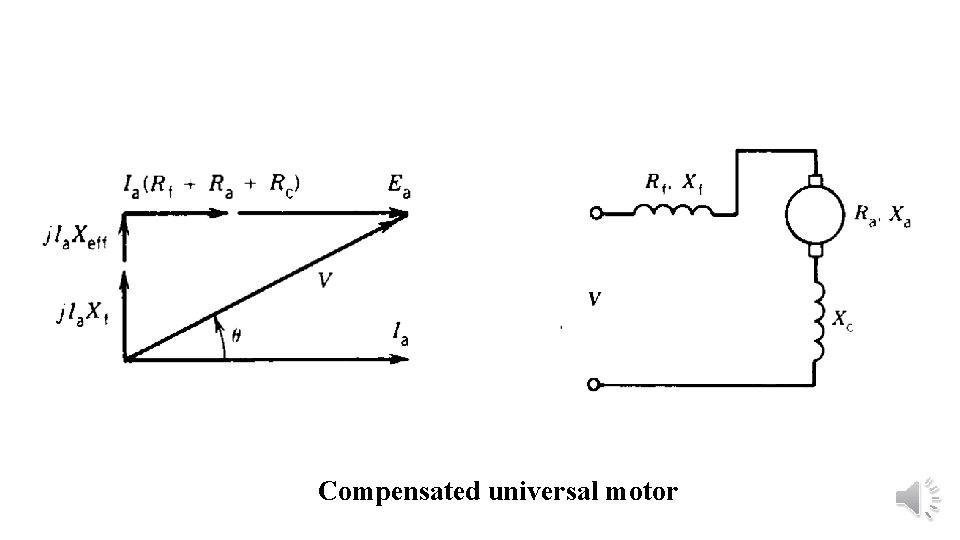
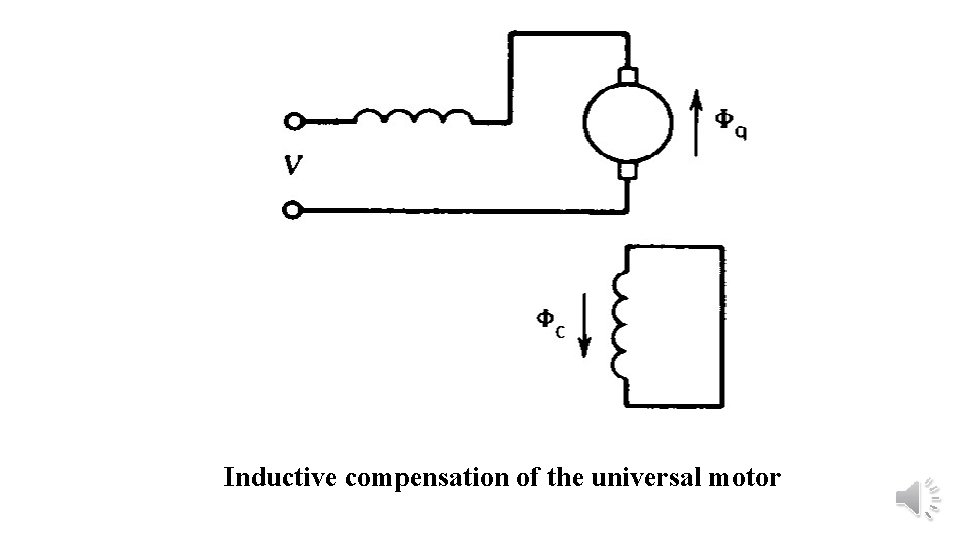
Disadvantages of ac operation of the universal motor: a) The motor produces pulsating torque. b) It has poor power factor due to the reactance voltage drop. c) It has lower speed due to the reactance voltage drop. How to reduce the effect of armature reaction? 1) Adding compensating winding in series with the armature ( conductively compensated). 2) Adding short circuited compensating winding (inductively compensated).
Compensated universal motor
Inductive compensation of the universal motor
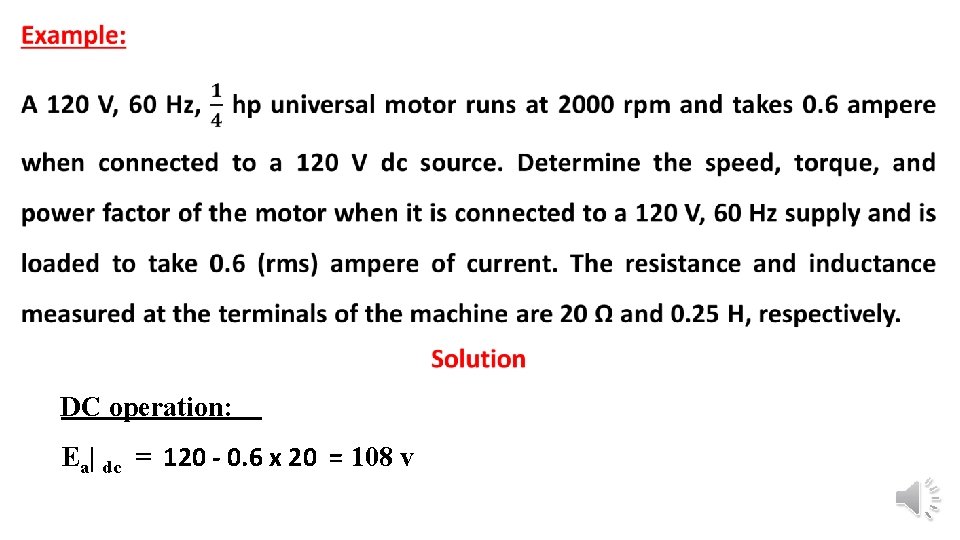
• DC operation: Ea| dc = 120 - 0. 6 x 20 = 108 v
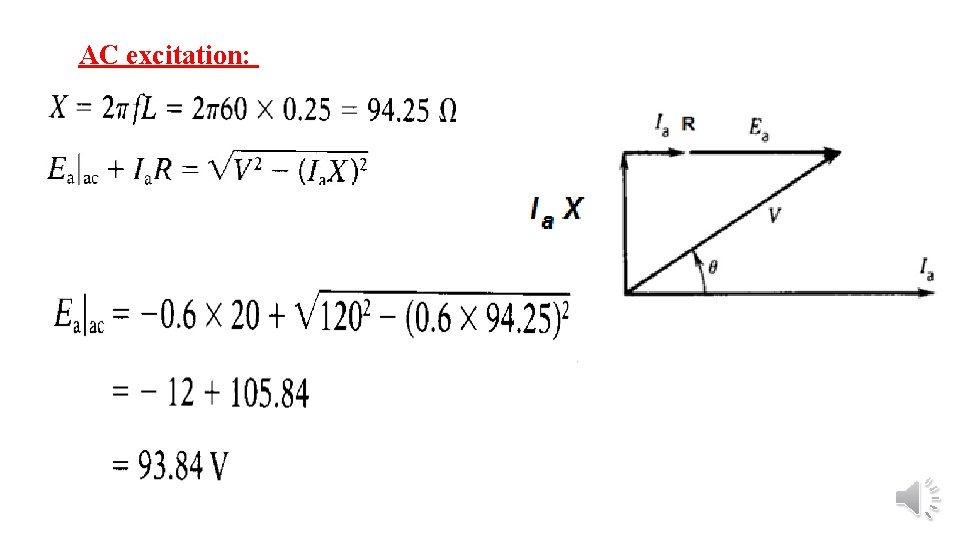
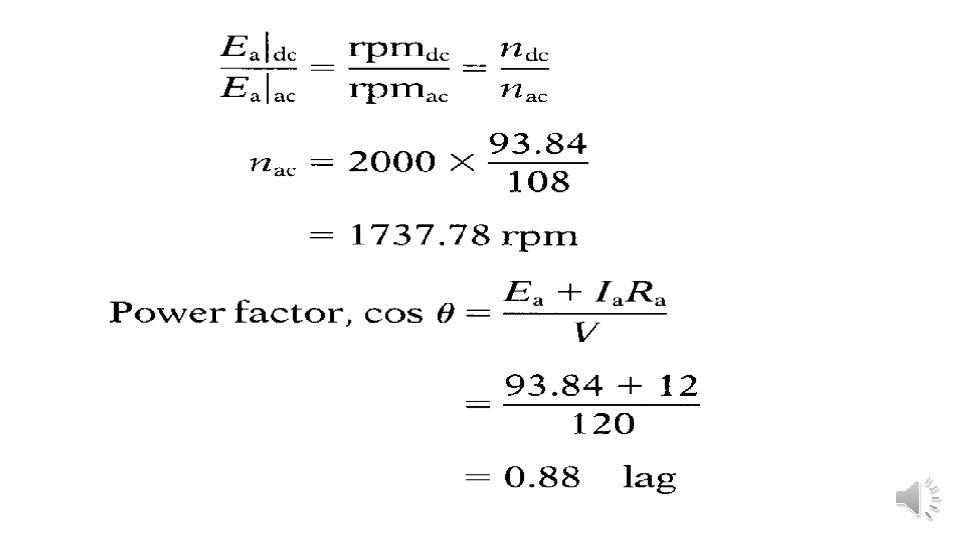
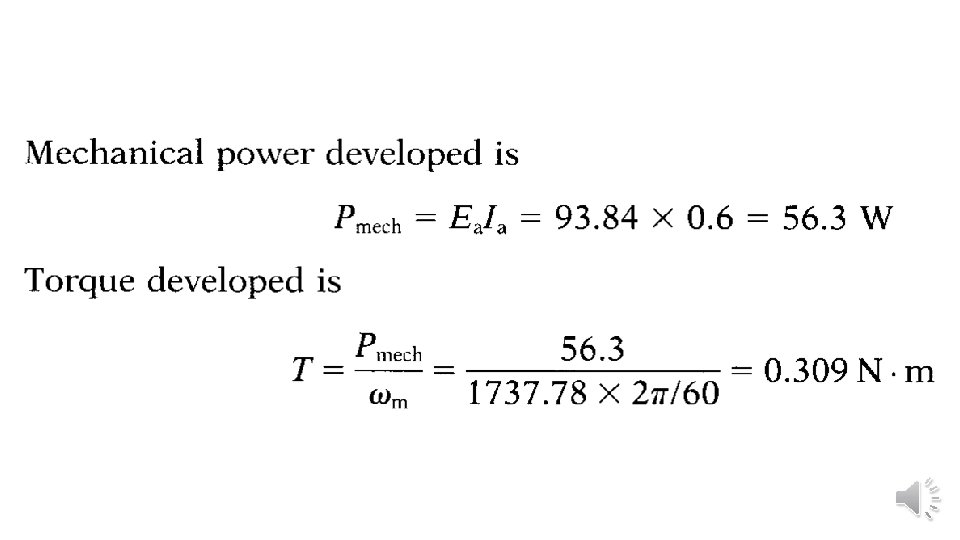
AC excitation:
Review question : How can the dc series motor be operated from a single phase supply? Answer If an ordinary dc series motor was connected to an a-c. supply, it will rotate and exert unidirectional torque because the current flowing both in the armature and field reverses at the same time. The developed torque is not of constant magnitude like as of dc series motor but it pulsates between zero and maximum value in each half cycle. The performance of such a motor will not be satisfactory for the following reasons :
• The ac flux would cause excessive eddy current loss in the yoke and field cores which will become extremely heated. • Vicious sparking will occur at brushes because of the huge voltage and current induced in the short-circuited armature coils during the commutation period. • Power factor is low because of the reactance voltage drop. In order to improve the motor performance: a) laminating the iron structure of the core and yoke. b) reducing the reactance of the field windings by reducing the number of turns.
c) Using compensated winding in series with armature to overcome the armature reaction. d) Using interpole winding to reduce sparking at brushes.