
Chapter 19 Semiconductor Fundamentals Objectives After completing this
Chapter 19 Semiconductor Fundamentals
Objectives • After completing this chapter, you will be able to: – Identify materials that act as semiconductors – Define covalent bonding – Describe the doping process for creating Nand P-type semiconductor materials – Explain how doping supports current flow in a semi-conductor material
Semiconduction in Germanium and Silicon • Semiconductor materials – Possess characteristics that fall between those of insulators and conductors • Pure semiconductor elements – Carbon (C) – Germanium (Ge) – Silicon (Si) • Used for most semiconductor devices
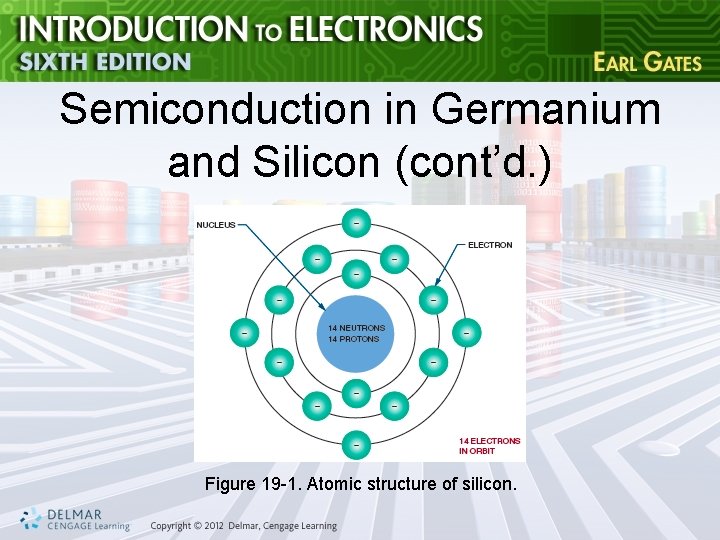
Semiconduction in Germanium and Silicon (cont’d. ) Figure 19 -1. Atomic structure of silicon.
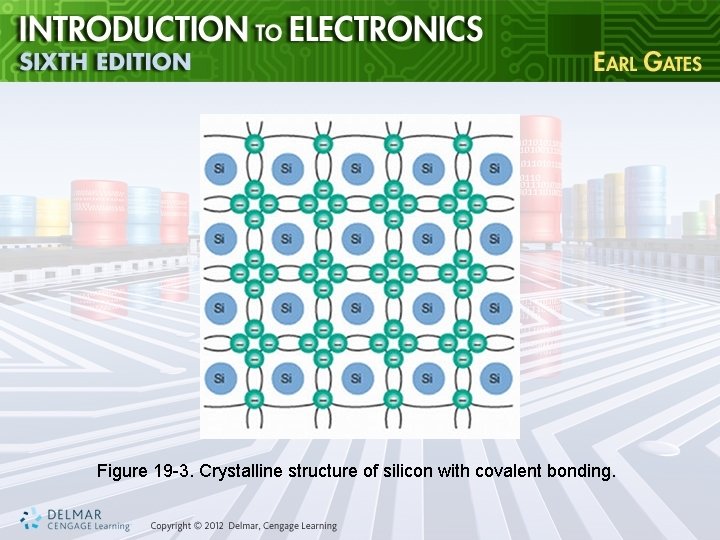
Figure 19 -3. Crystalline structure of silicon with covalent bonding.
Semiconduction in Germanium and Silicon (cont’d. ) • Negative temperature coefficient – As temperature increases, resistance decreases • Heat – Potential source of trouble for semiconductors – Electrons break their covalent bonds
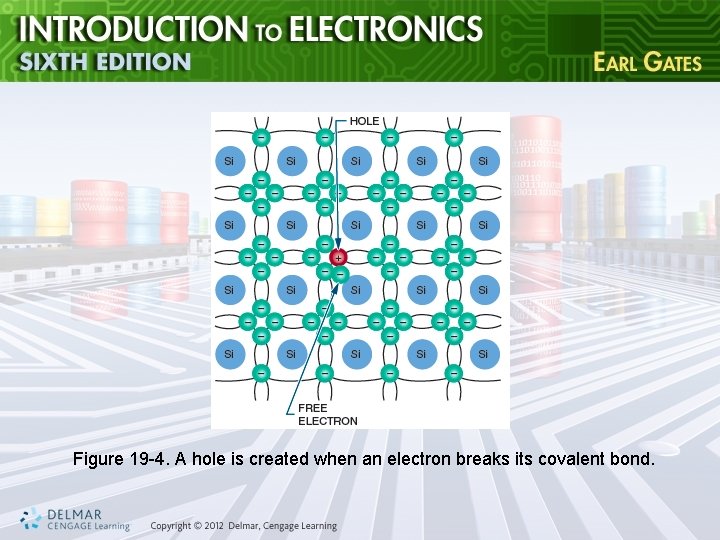
Figure 19 -4. A hole is created when an electron breaks its covalent bond.
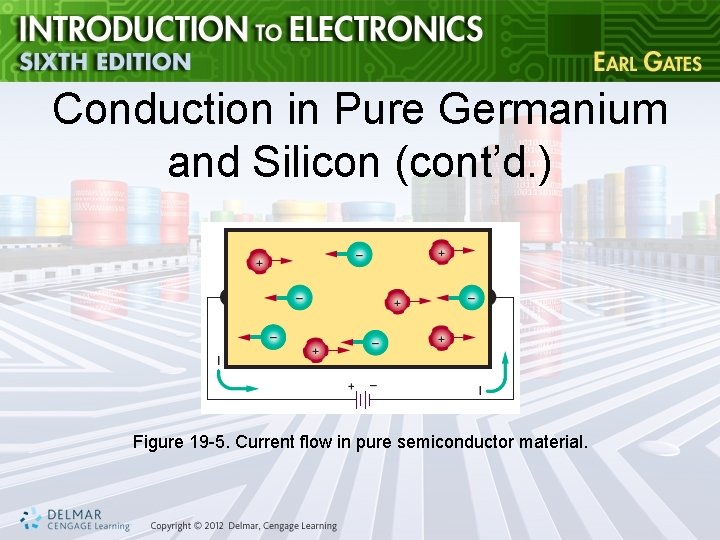
Conduction in Pure Germanium and Silicon (cont’d. ) Figure 19 -5. Current flow in pure semiconductor material.
Conduction in Doped Germanium and Silicon • Doping – Adding impurities to a semiconductor material • Pentavalent – Made of atoms with five valence electrons • Trivalent – Made of atoms with three valence electrons
Conduction in Doped Germanium and Silicon (cont’d. ) • N-type material – Pentavalent materials – Electrons are the majority carrier – Holes are the minority carrier
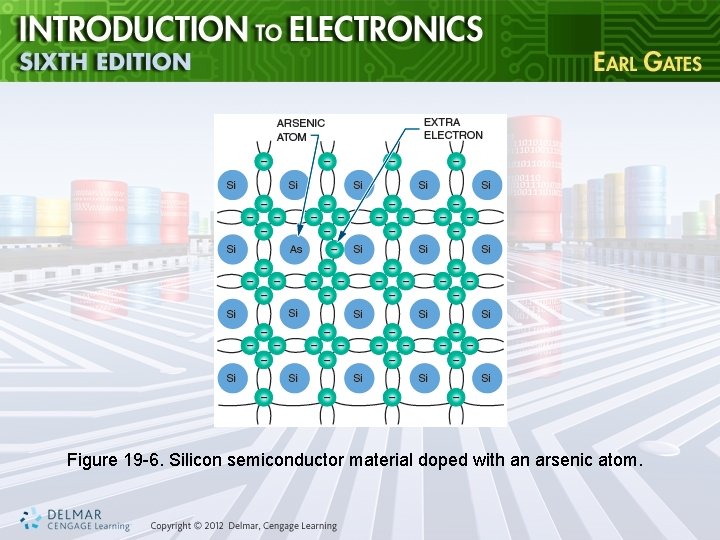
Figure 19 -6. Silicon semiconductor material doped with an arsenic atom.
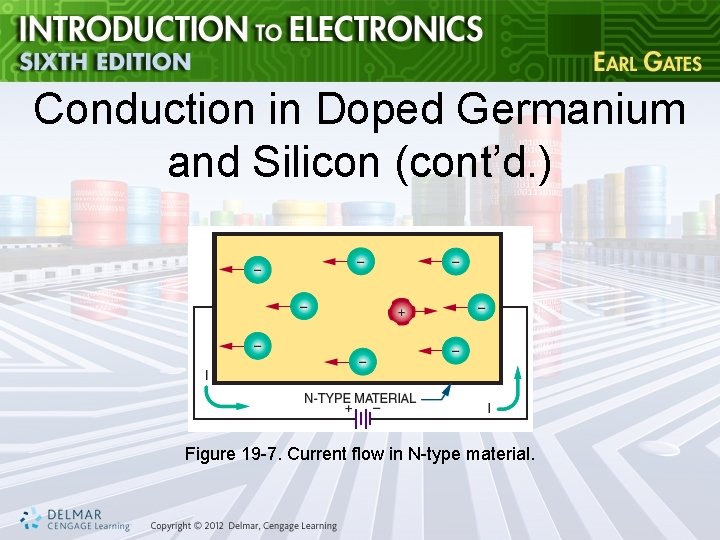
Conduction in Doped Germanium and Silicon (cont’d. ) Figure 19 -7. Current flow in N-type material.
Conduction in Doped Germanium and Silicon (cont’d. ) • P-type material – Trivalent materials – Holes are the majority carrier – Electrons are the minority carrier
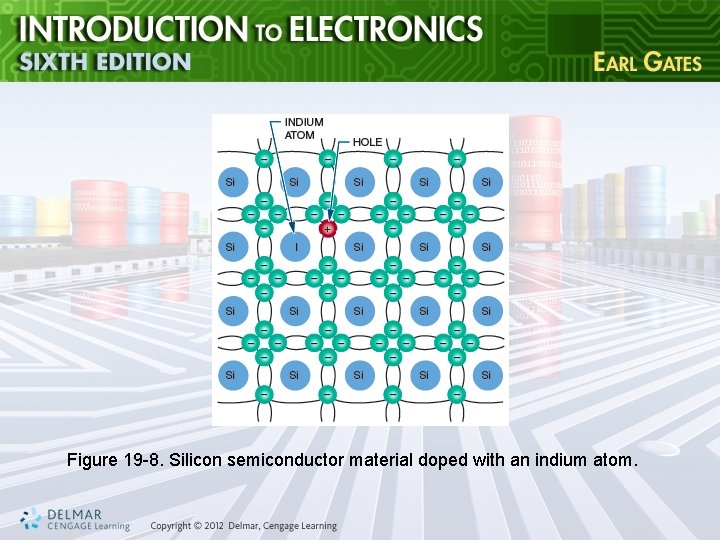
Figure 19 -8. Silicon semiconductor material doped with an indium atom.
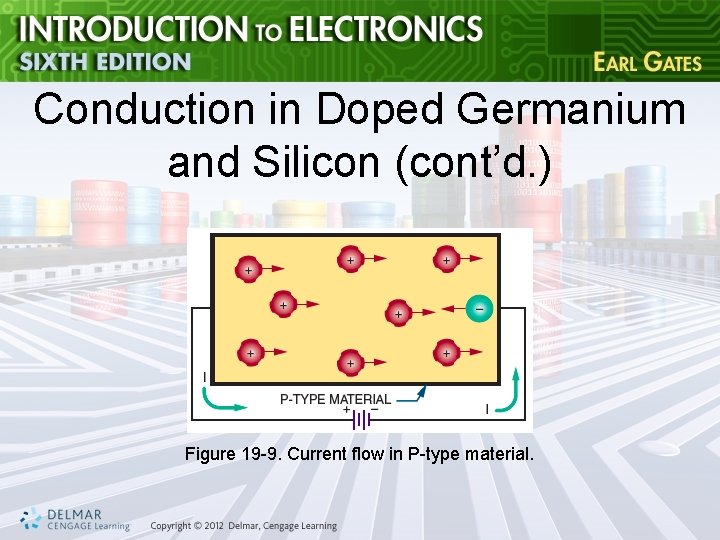
Conduction in Doped Germanium and Silicon (cont’d. ) Figure 19 -9. Current flow in P-type material.
Summary • Pure semiconductor materials are germanium, silicon, and carbon • As the temperature increases in a semiconductor material, electrons drift from one atom to another • Current flow in semiconductor materials consists of both electron flow and hole movement
Summary (cont’d. ) • Doping is the process of adding impurities to a semiconductor material • In N-type material, electrons are the majority carrier and holes are the minority carrier • In P-type material, holes are the majority carrier and electrons are the minority carrier
- Slides: 17