
Chapter 19 Chromosomes and Cell Division Human Chromosomes
- Slides: 46
Chapter 19 Chromosomes and Cell Division
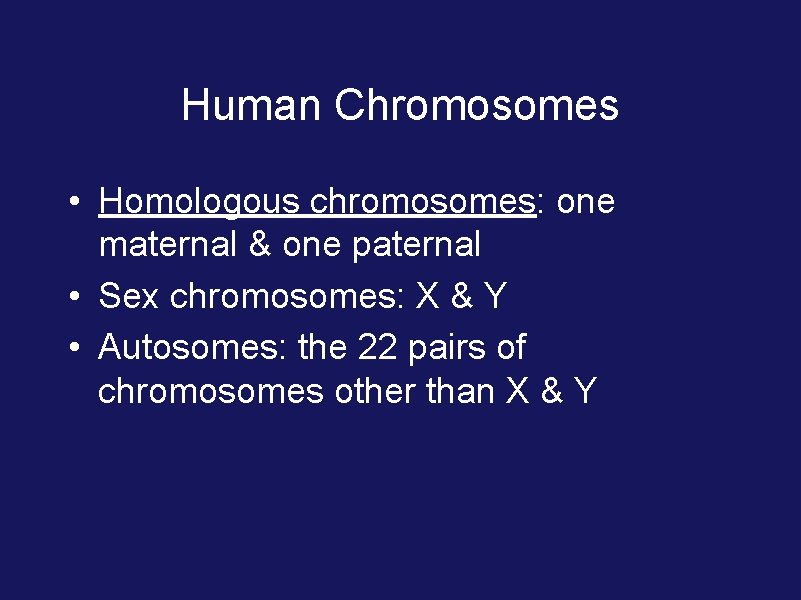
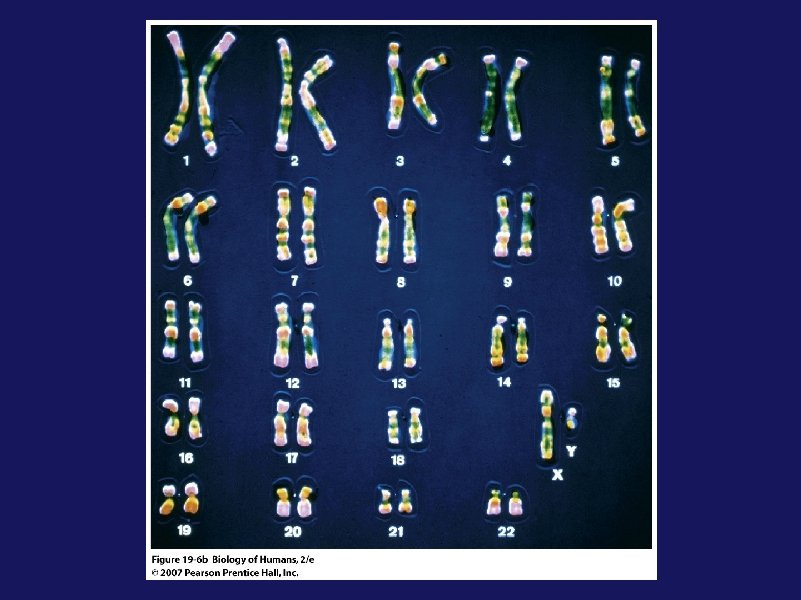
Human Chromosomes • Homologous chromosomes: one maternal & one paternal • Sex chromosomes: X & Y • Autosomes: the 22 pairs of chromosomes other than X & Y
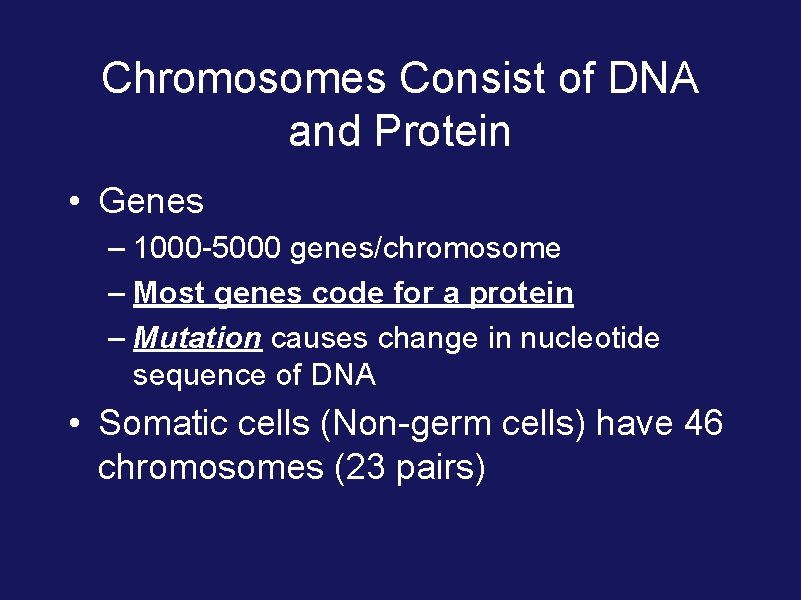
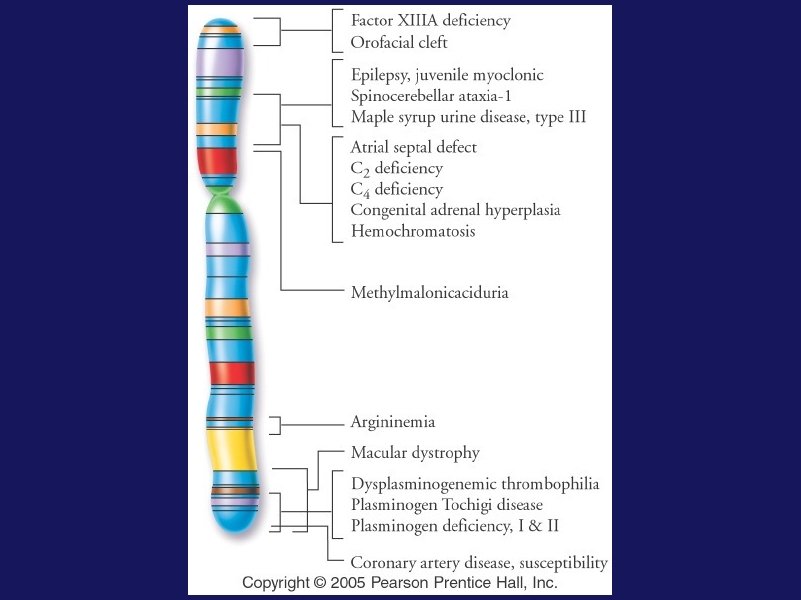
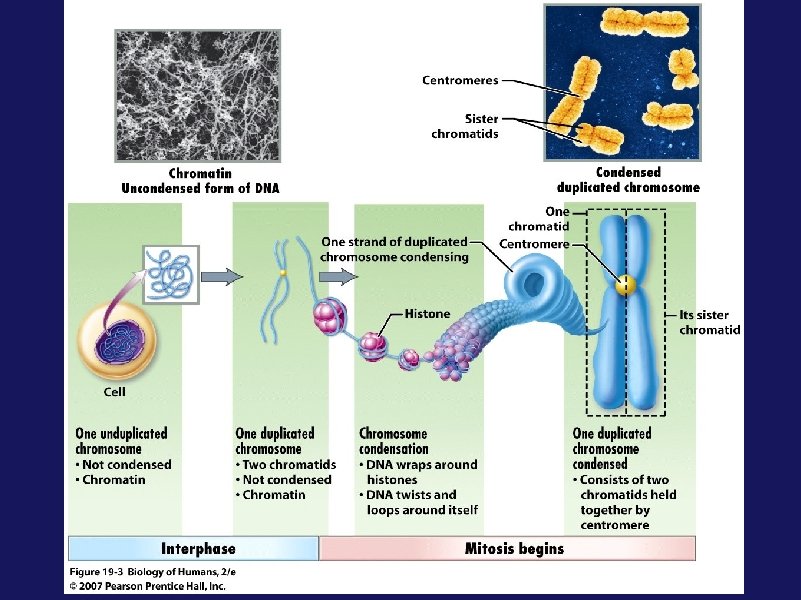
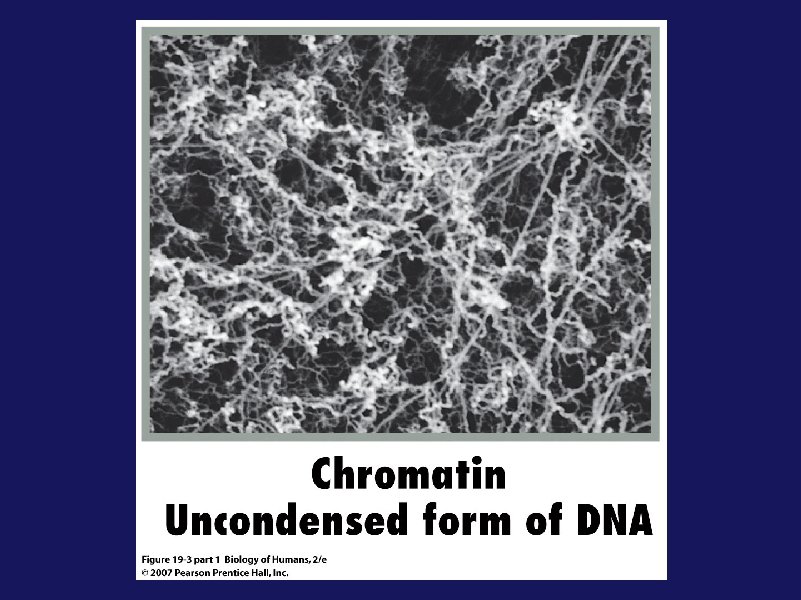
Chromosomes Consist of DNA and Protein • Genes – 1000 -5000 genes/chromosome – Most genes code for a protein – Mutation causes change in nucleotide sequence of DNA • Somatic cells (Non-germ cells) have 46 chromosomes (23 pairs)
Most people have A. B. C. D. 23 chromosomes 46 chromosomes 23 pairs of chromosomes 46 pairs of chromosomes
Most people have A. B. C. D. 23 chromosomes 46 chromosomes 23 pairs of chromosomes 46 pairs of chromosomes
Chromosomes are composed of A. B. C. D. E. DNA Genes Chromatin All of the above None of the above
Chromosomes are composed of A. B. C. D. E. DNA Genes Chromatin All of the above None of the above
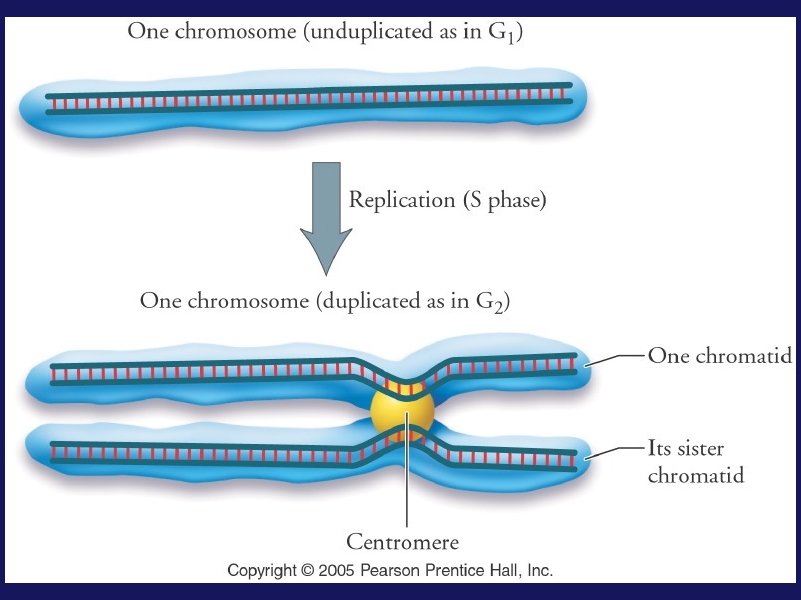
During Cell Division (Mitosis) Cells Replicate Their Chromosomes
DNA Replication (synthesis) • Precedes cell division • DNA polymerase (enzyme) catalyzes DNA synthesis • Necessary to maintain 46 chromosomes/cell
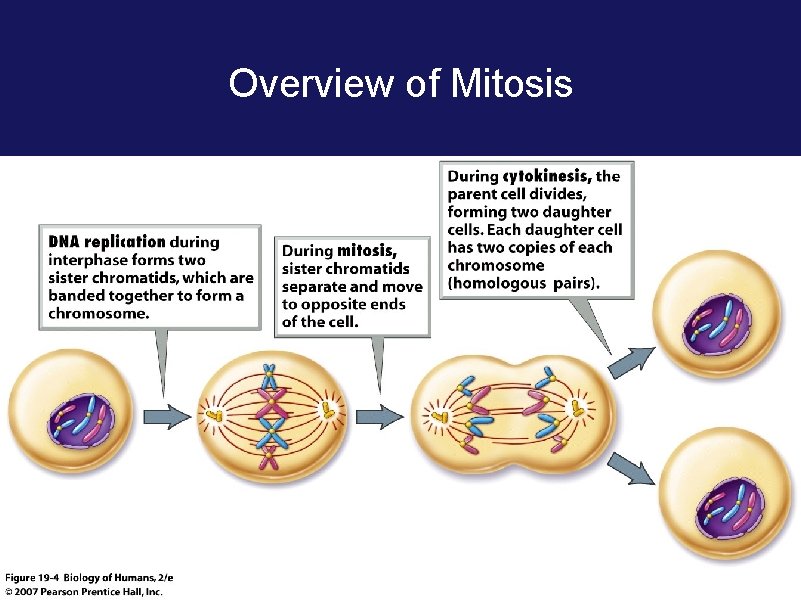
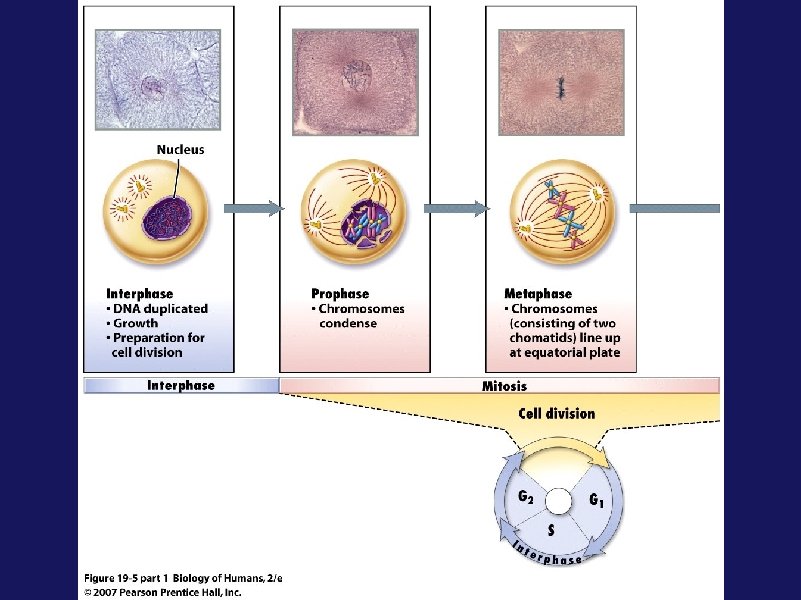
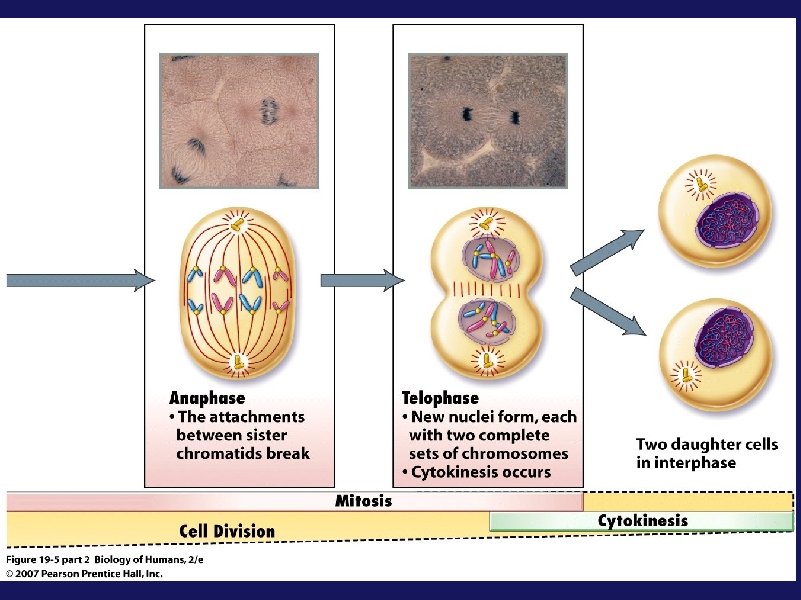
Overview of Mitosis
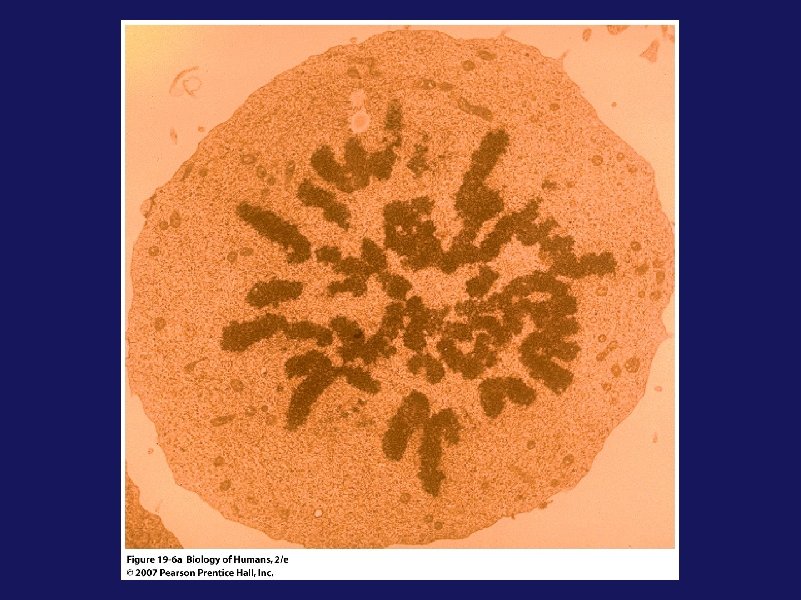
Cell Division • During metaphase the chromosomes form a line at the center of the cell
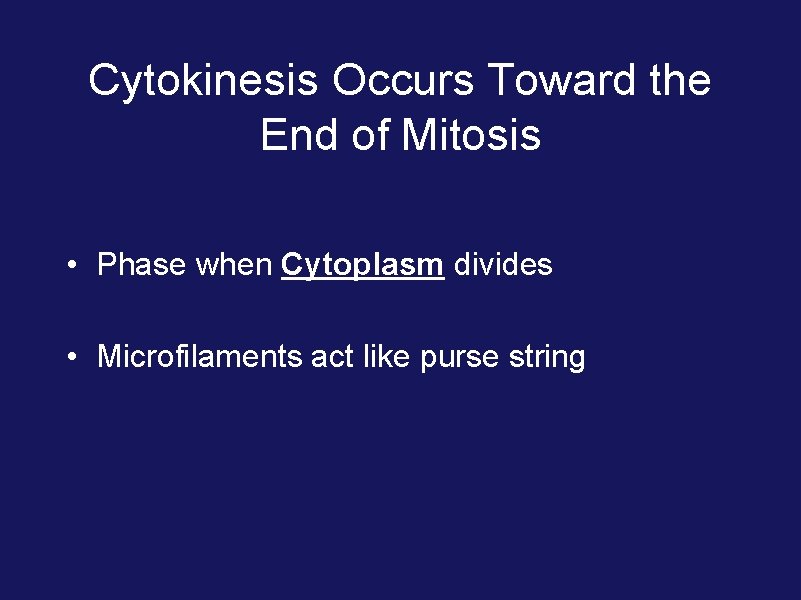
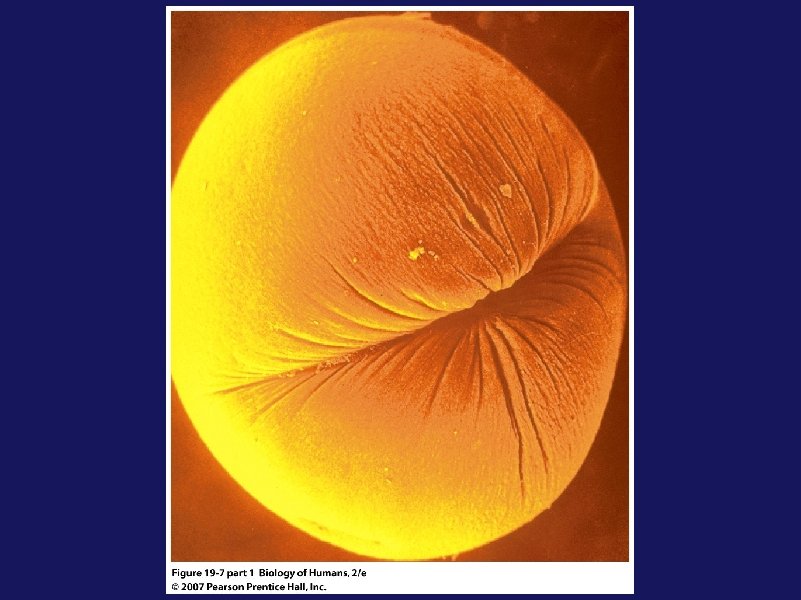
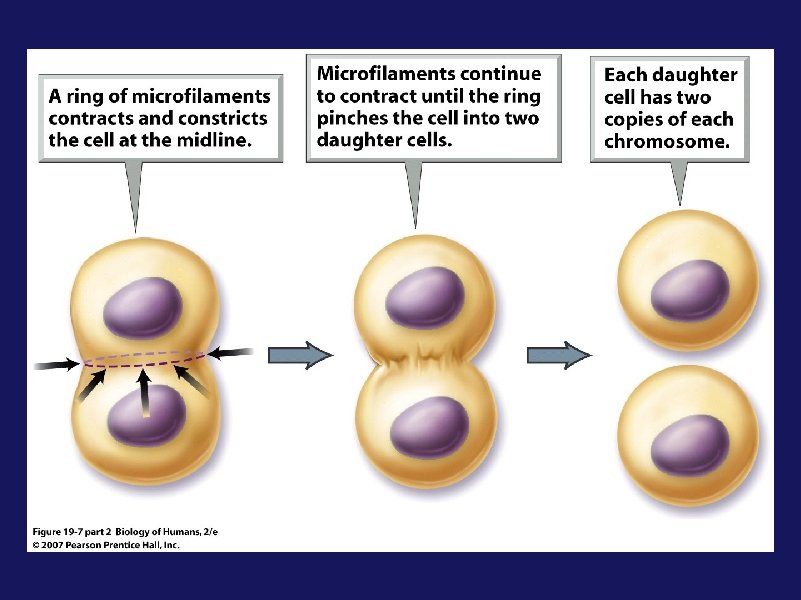
Cytokinesis Occurs Toward the End of Mitosis • Phase when Cytoplasm divides • Microfilaments act like purse string
Meiosis
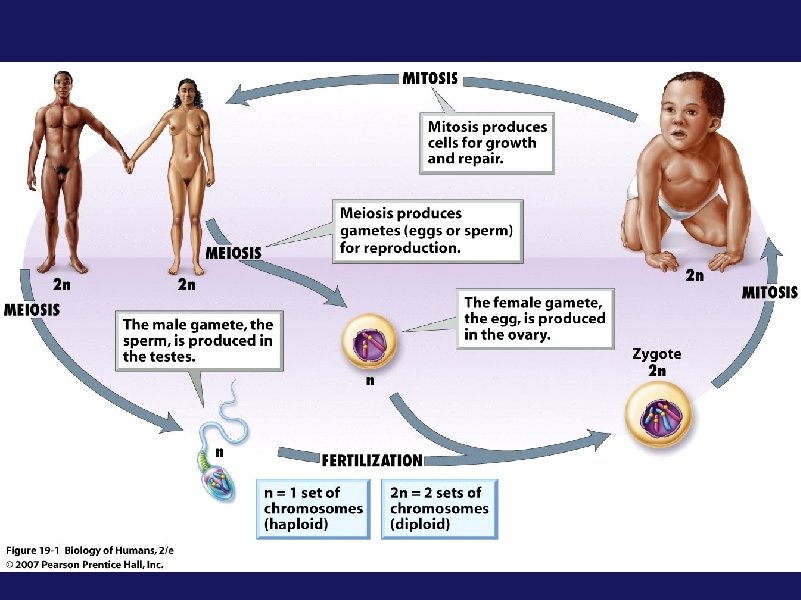
Meiosis Forms Haploid Gametes • Occurs in gonads (ovary and testes) • Two Major Accomplishments of Meiosis – Reduce chromosome number of gametes by ½ – Shuffle the chromosomes and genes • This increases genetic variability in the population
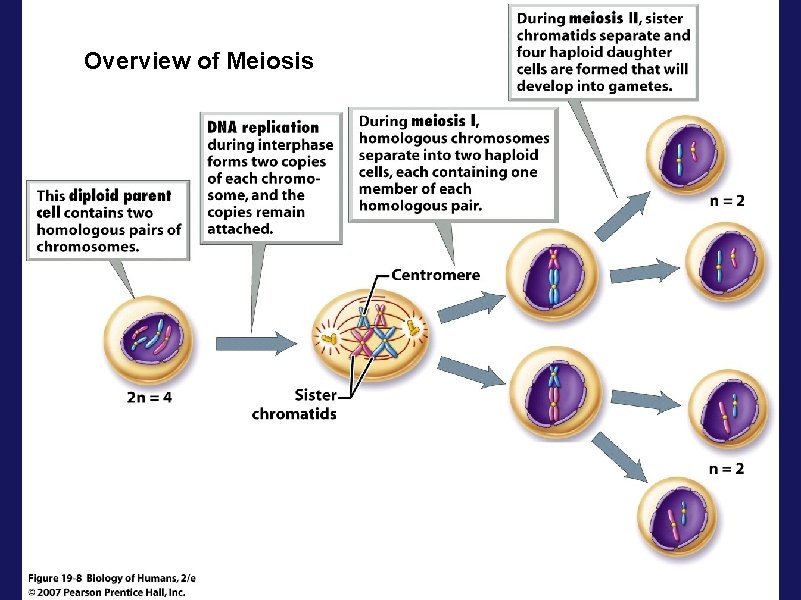
Meiosis Forms Haploid Gametes • Meiosis: 1. Keeps the chromosome number constant through generations and 2. Increases genetic variability in the population • Meiosis involves two cell divisions
Overview of Meiosis
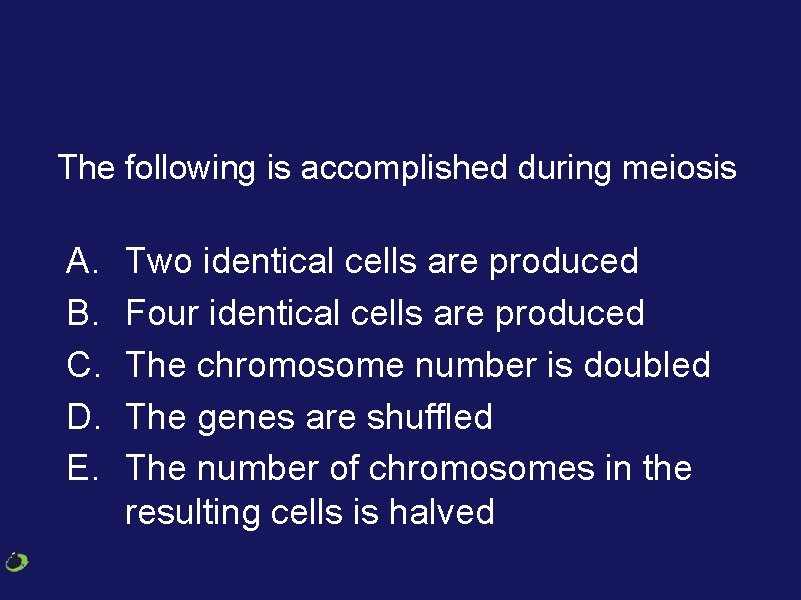
The following is accomplished during meiosis A. B. C. D. E. Two identical cells are produced Four identical cells are produced The chromosome number is doubled The genes are shuffled The number of chromosomes in the resulting cells is halved
The following is accomplished during meiosis A. B. C. D. E. Two identical cells are produced Four identical cells are produced The chromosome number is doubled The genes are shuffled The number of chromosomes in the resulting cells is halved
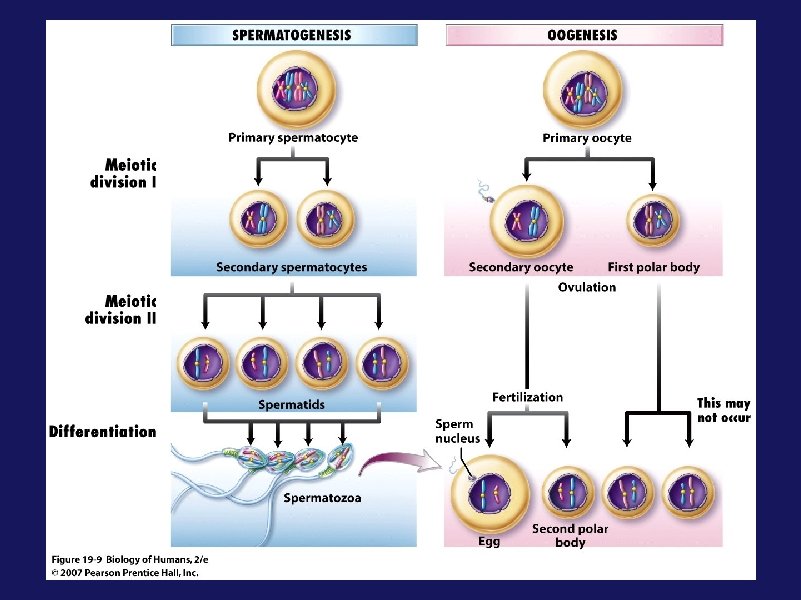
Comparison of Spermatogenesis and Oogenesis
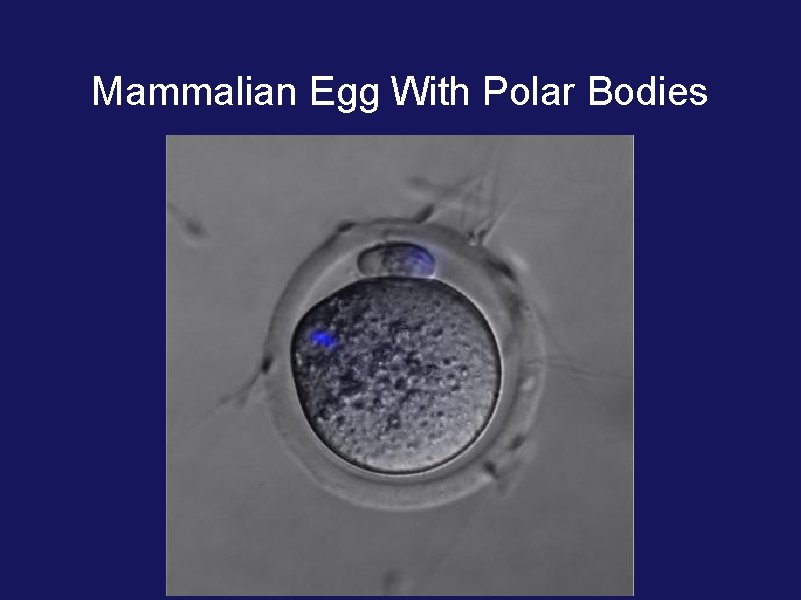
Mammalian Egg With Polar Bodies
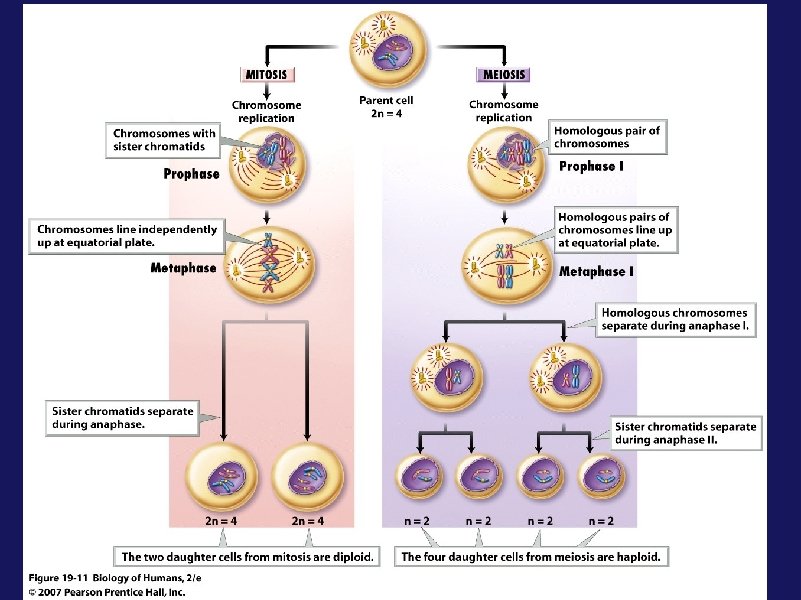
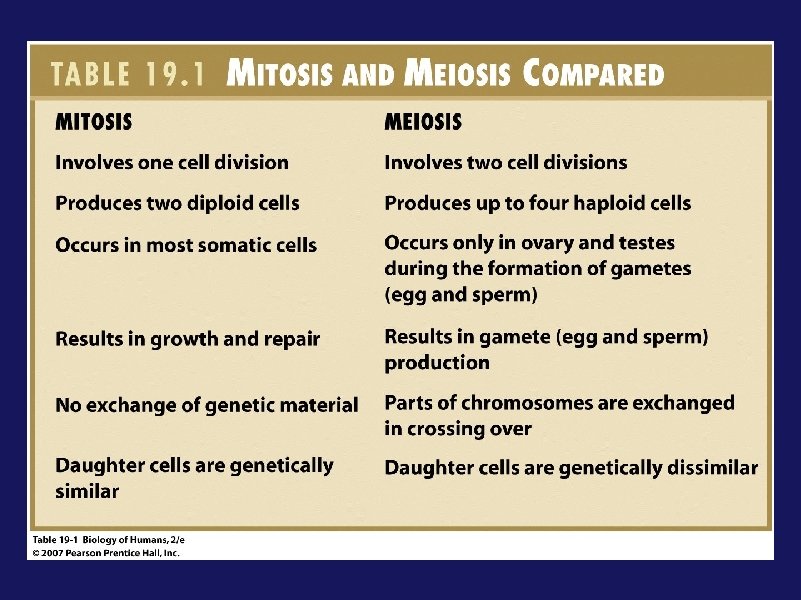
Meiosis and Mitosis Compared
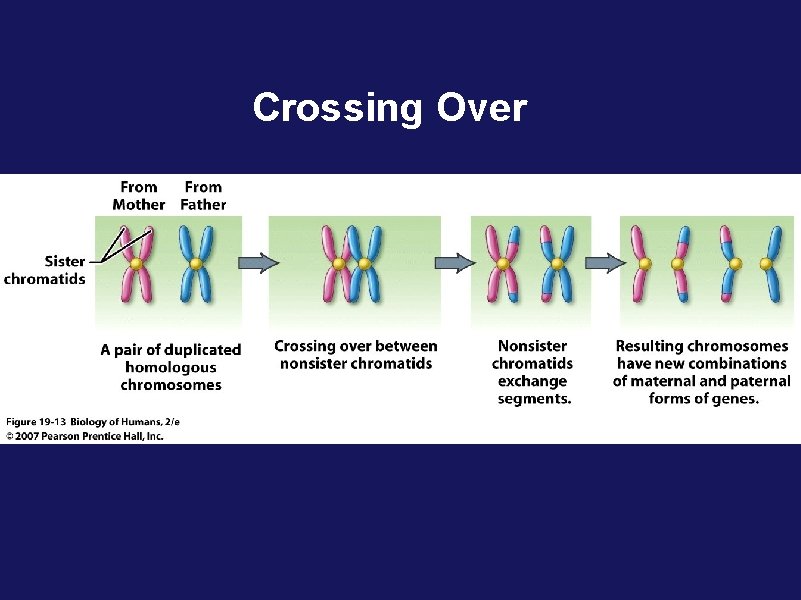
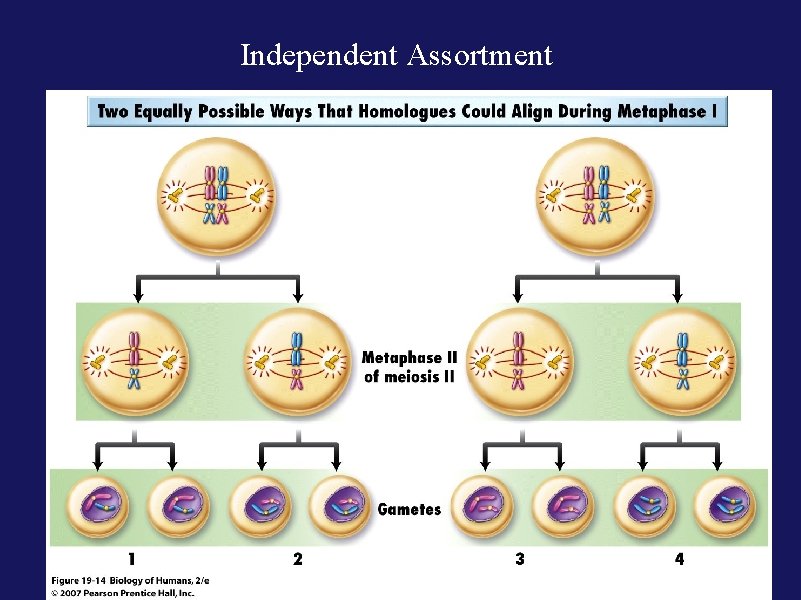
Crossing over and independent assortment cause genetic recombination (gene shuffling) during meiosis
Crossing Over
Independent Assortment
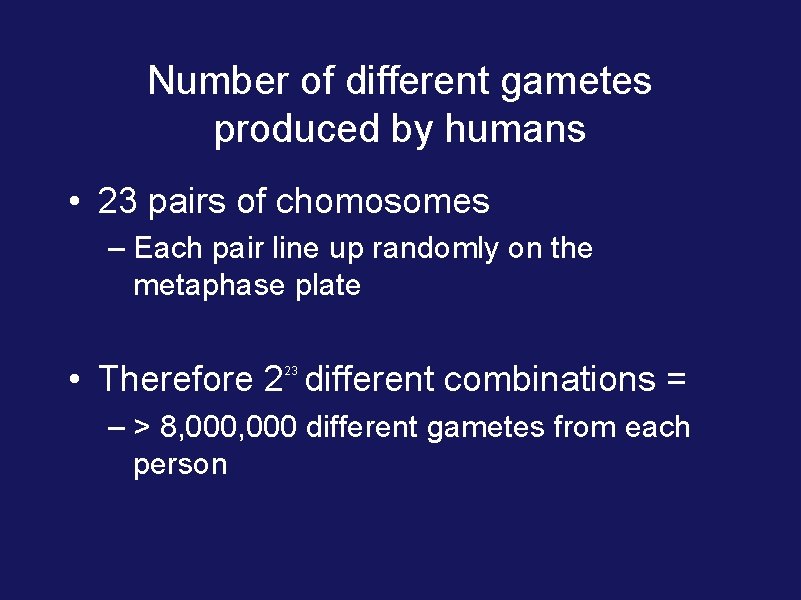
Number of different gametes produced by humans • 23 pairs of chomosomes – Each pair line up randomly on the metaphase plate • Therefore 2 different combinations = 23 – > 8, 000 different gametes from each person
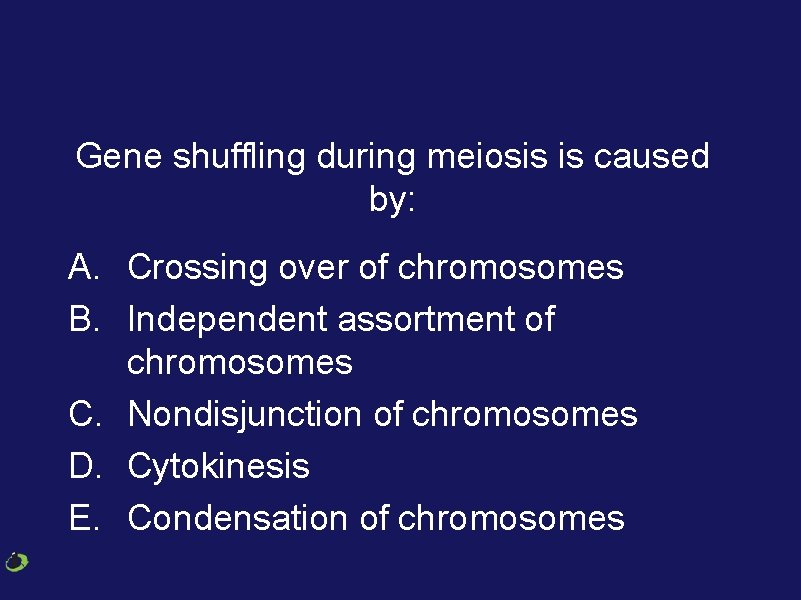
Gene shuffling during meiosis is caused by: A. Crossing over of chromosomes B. Independent assortment of chromosomes C. Nondisjunction of chromosomes D. Cytokinesis E. Condensation of chromosomes
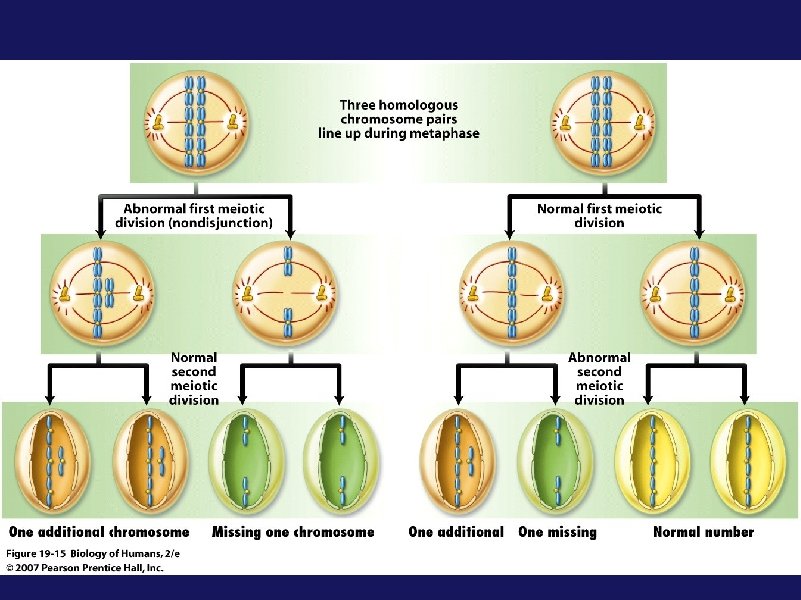
Mistakes Sometime Happen During Meiosis • Failure of chromosomes to separate during meiosis creates cells with extra or missing chromosomes • Called Nondisjunction of Chromosomes
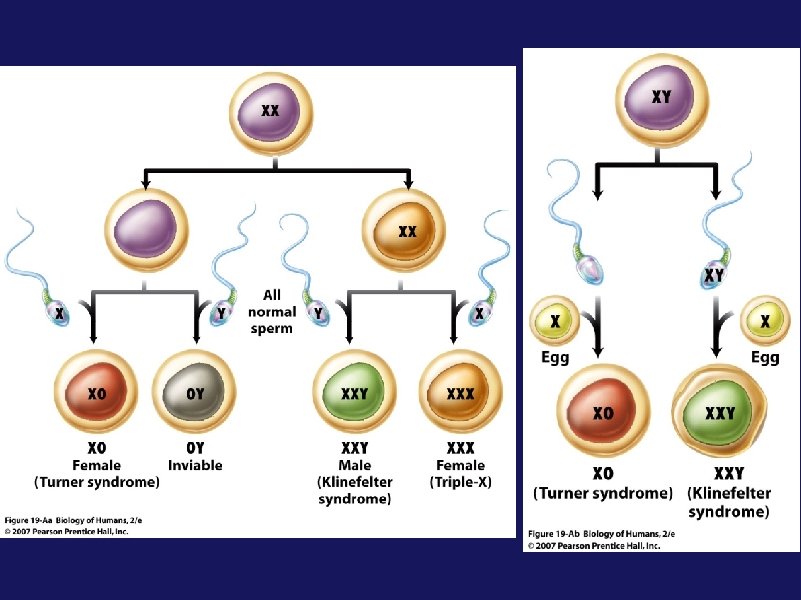
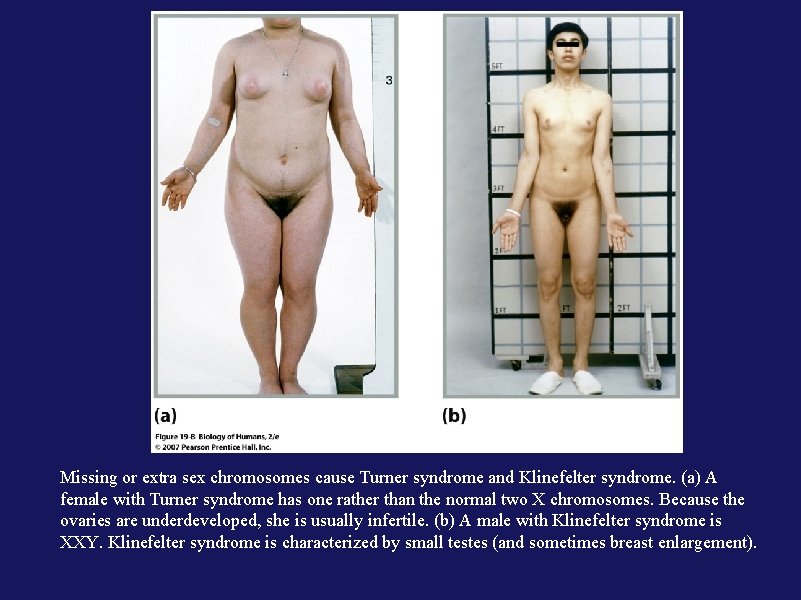
Examples of Nondisjunction – Down syndrome (three # 21 chromosomes) – Turner syndrome (one X chromosome) – Klinefelter syndrome (XXY)
Missing or extra sex chromosomes cause Turner syndrome and Klinefelter syndrome. (a) A female with Turner syndrome has one rather than the normal two X chromosomes. Because the ovaries are underdeveloped, she is usually infertile. (b) A male with Klinefelter syndrome is XXY. Klinefelter syndrome is characterized by small testes (and sometimes breast enlargement).