
Chapter 18 Floor Plan Layout Introduction Commonly drawing

- Slides: 24
Chapter 18 Floor Plan Layout
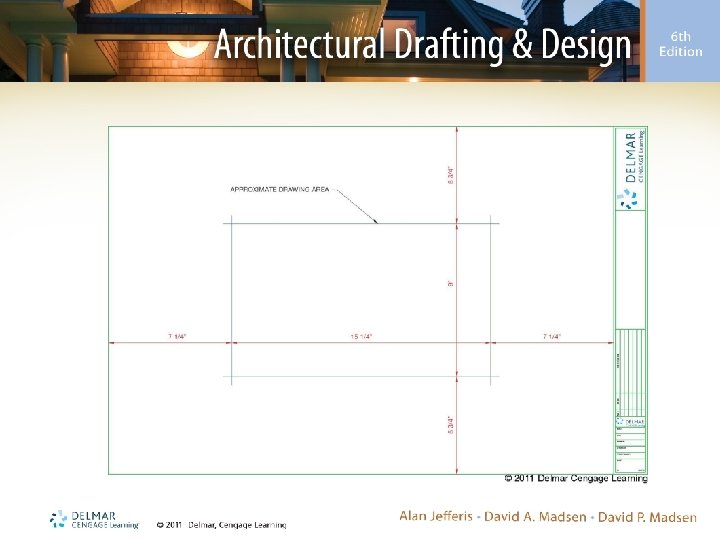
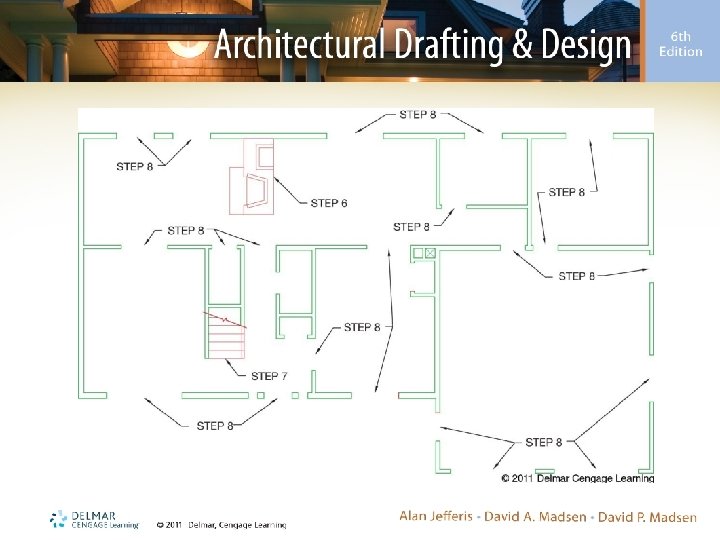
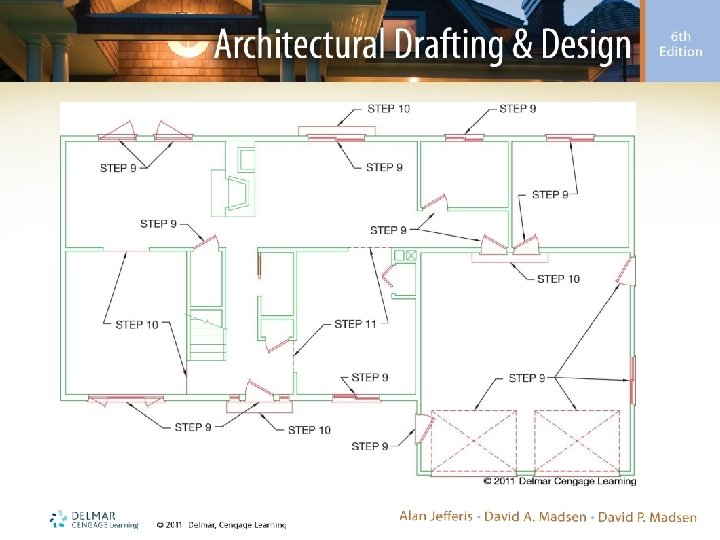
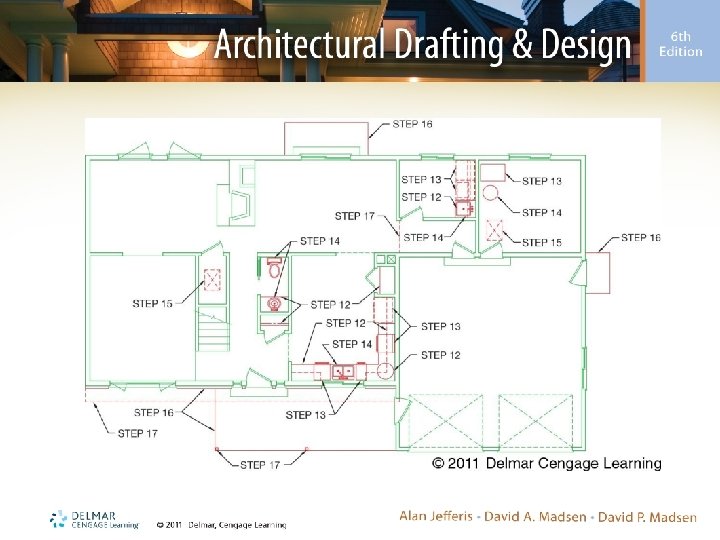
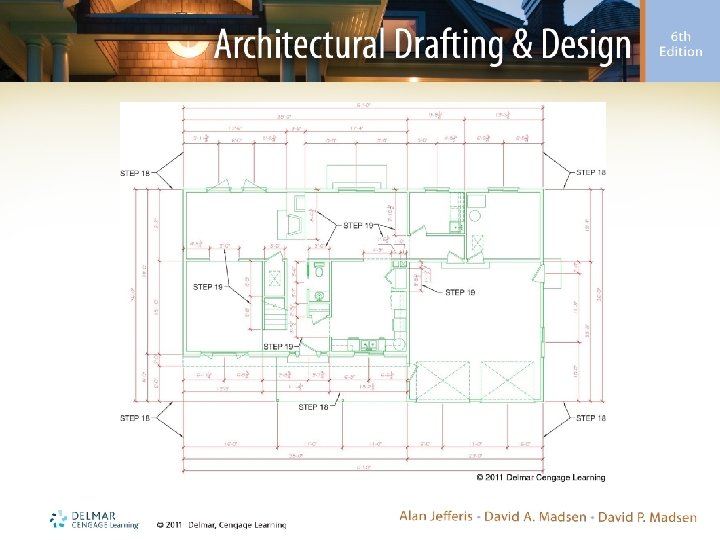
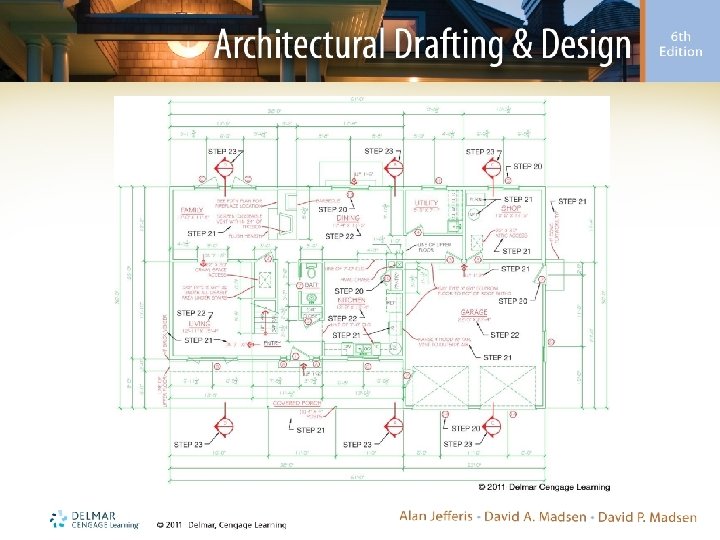
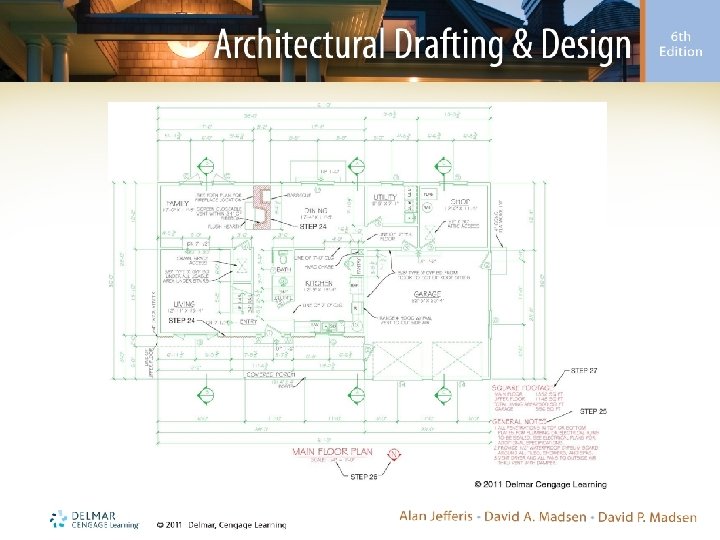
Introduction • Commonly drawing sheets sizes for residential plans: – 17" × 22", 18" × 24", 22" × 34", and 24" × 36" • This chapter explains floor plan layout techniques using 22" × 34" sheets • Layout methods: – Can be used with any sheet size large enough to fit the desired floor plan
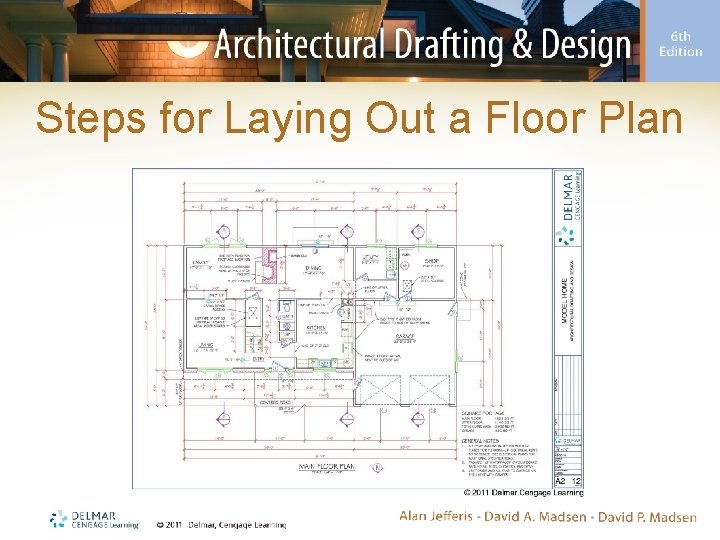
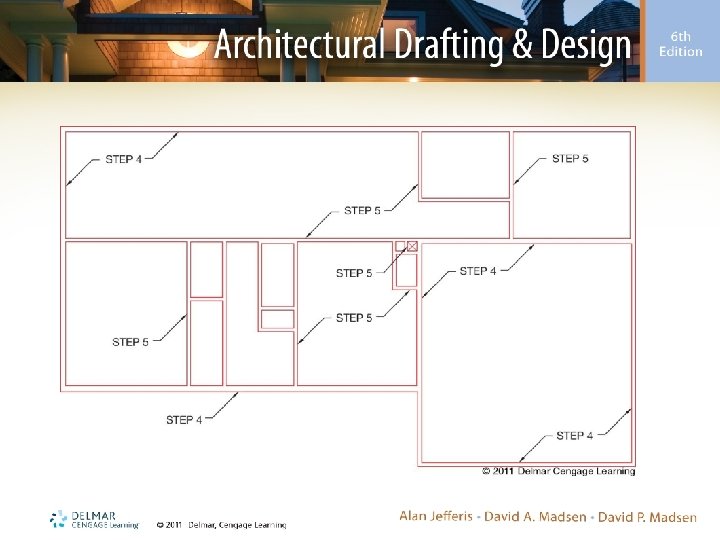
Steps for Laying Out a Floor Plan
Steps for Laying Out a Floor Plan (cont’d. ) • Finally, add title block information – Project name and number – Address – Sheet number – Scale – Other items (e. g. , company logo)
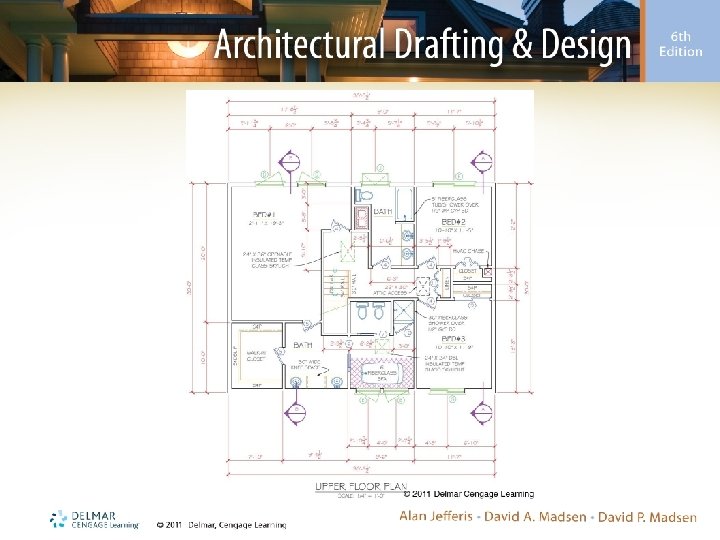
Second-Floor Plan Layout • Second-floor plan must be scaled to fit over main-floor plan – Exterior walls, continued interior bearing partitions, and stairs must line up • Only exceptions are portions of second floor that are cantilevered or supported beyond main floor
Second-Floor Plan Layout (cont’d. ) • Technique for aligning: – Make a print of main-floor plan – Tape it to your table – Check the scale of print for accuracy – Place new drawing sheet for second-floor plan over print – Adjust new sheet so drawing area for second floor is over first-floor outline
Second-Floor Plan Layout (cont’d. ) • Technique for aligning (cont’d. ): – Tape second drawing sheet to the board after adjusting to desired position – Lay out second-floor plan using previous steps
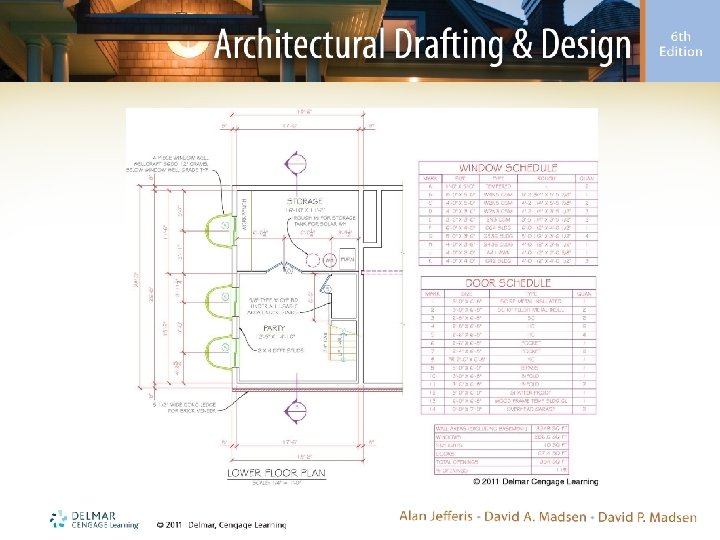
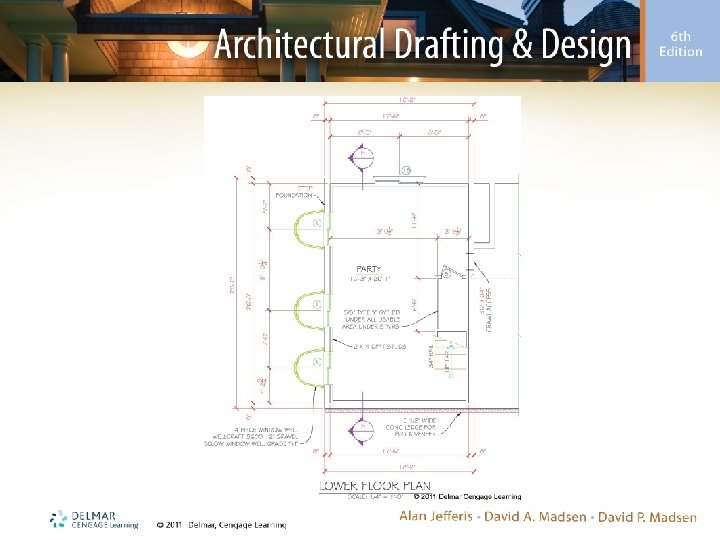
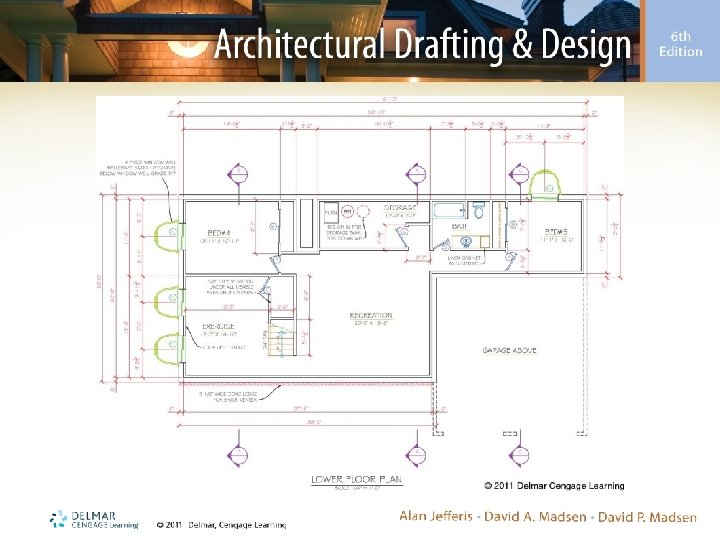
Basement Plan Layout • Drawn using same methods described for first- and second-floor plan layouts – Unfinished basements • Can be drawn in conjunction with foundation plan – Finished basements • Best to draw a separate basement floor plan, so foundation and floor plan characteristics are isolated
Basement Plan Layout (cont’d. ) • Basements may be: – Partial • Designed under any portion of foundation area – Full • Occupies entire area inside foundation walls – Below grade or partial below grade • Underground or beneath ground level • Requires window wells located at the windows
Basement Plan Layout (cont’d. ) • Daylight basements – Used when ground slopes enough to provide a full wall height at rear or side of a house – Allows you to enter and exit the basement directly from ground level
Floor Plan Drawing Checklist • Refer to the text for a floor plan drawing checklist – Ensures all of necessary items are included – Not all items on the checklist are found on every set of floor plans • Check off features used