
Chapter 18 AIDS Other Immune Disorders Immune System
- Slides: 53
Chapter 18: AIDS & Other Immune Disorders
Immune System Disorders Hypersensitivity (Allergy): An abnormal response to antigens. Four Types of Hypersensitivity Reactions: n Type I (Anaphylactic) Reactions n Type II (Cytotoxic) Reactions n Type III (Immune Complex) Reactions n Type IV (Cell-Mediated) Reactions
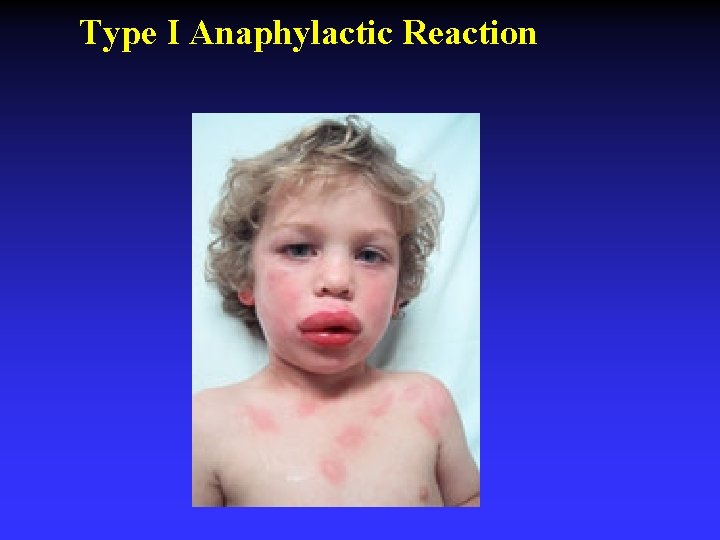
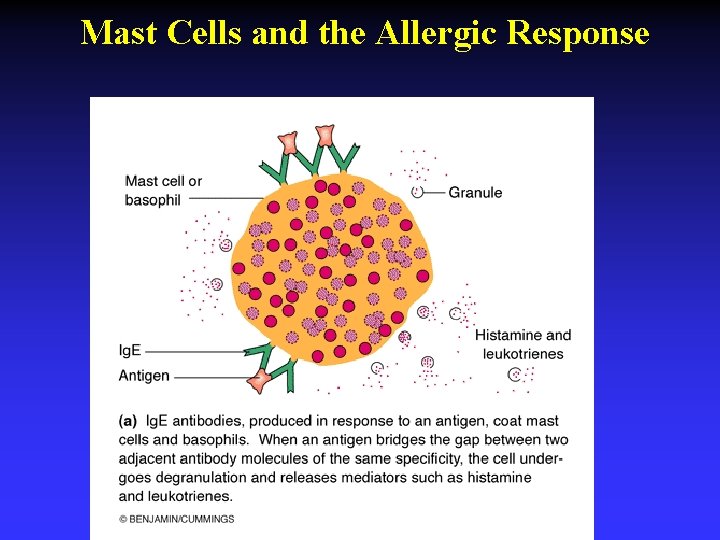
Type I (Anaphylactic) Reactions u Occur within minutes of exposure to antigen u Antigens combine with Ig. E antibodies u Ig. E binds to mast cells and basophils, causing them to undergo degranulation and release several mediators: F Histamine: Dilates and increases permeability of blood vessels (swelling and redness), increases mucus secretion (runny nose), smooth muscle contraction (bronchi). F Prostaglandins: Contraction of smooth muscle of respiratory system and increased mucus secretion. F Leukotrienes: Bronchial spasms. u Anaphylactic shock: Massive drop in blood pressure. Can be fatal in minutes.
Type I Anaphylactic Reaction
Mast Cells and the Allergic Response
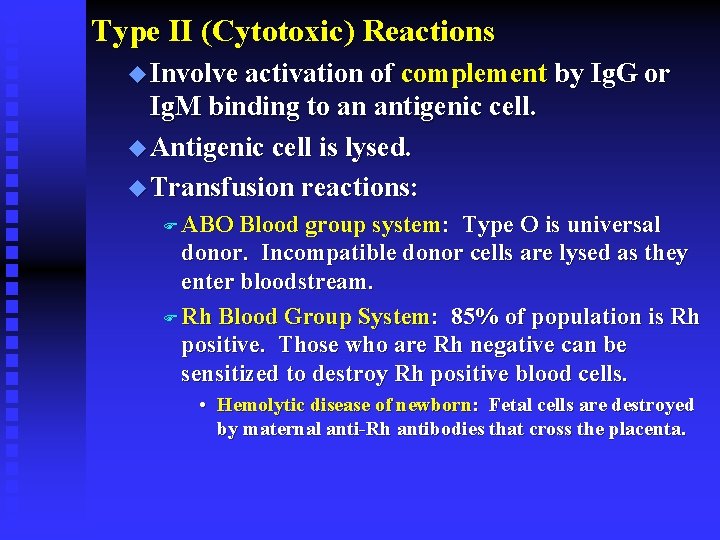
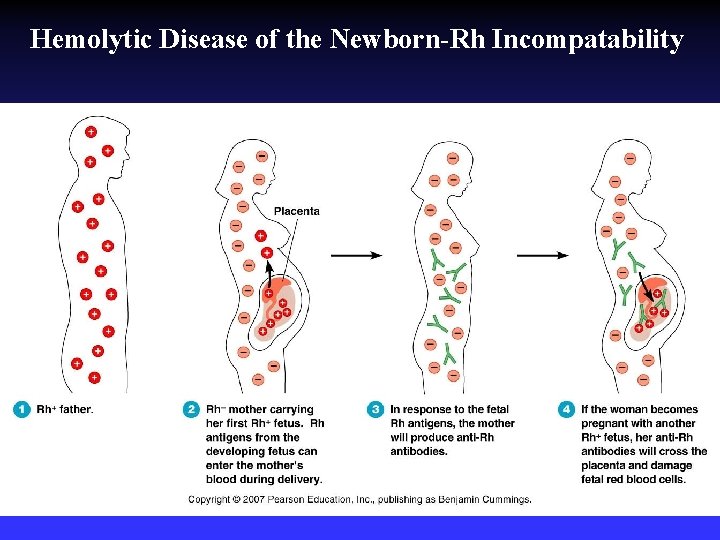
Type II (Cytotoxic) Reactions u Involve activation of complement by Ig. G or Ig. M binding to an antigenic cell. u Antigenic cell is lysed. u Transfusion reactions: F ABO Blood group system: Type O is universal donor. Incompatible donor cells are lysed as they enter bloodstream. F Rh Blood Group System: 85% of population is Rh positive. Those who are Rh negative can be sensitized to destroy Rh positive blood cells. • Hemolytic disease of newborn: Fetal cells are destroyed by maternal anti-Rh antibodies that cross the placenta.
Hemolytic Disease of the Newborn-Rh Incompatability
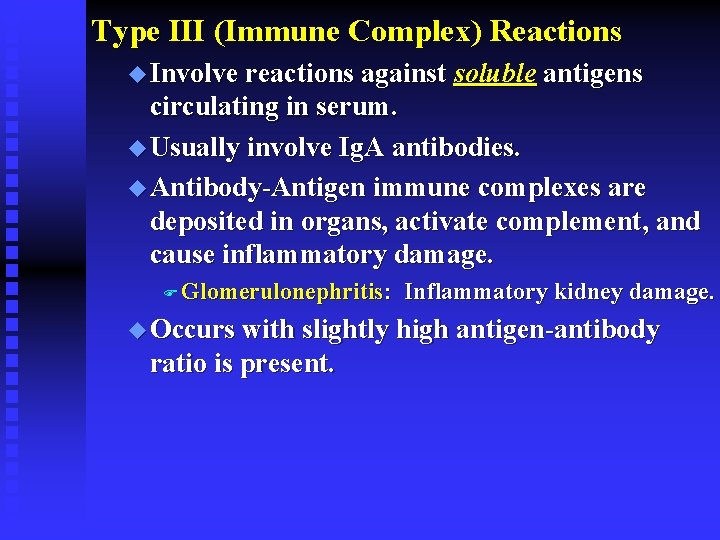
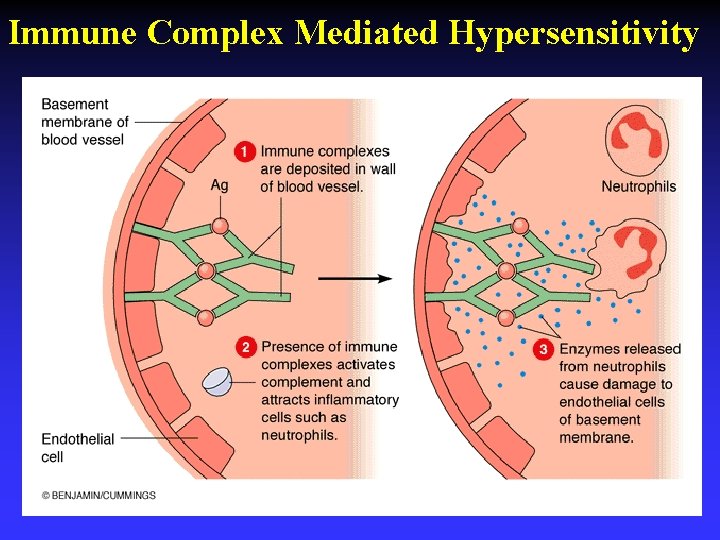
Type III (Immune Complex) Reactions u Involve reactions against soluble antigens circulating in serum. u Usually involve Ig. A antibodies. u Antibody-Antigen immune complexes are deposited in organs, activate complement, and cause inflammatory damage. F Glomerulonephritis: Inflammatory kidney damage. u Occurs with slightly high antigen-antibody ratio is present.
Immune Complex Mediated Hypersensitivity
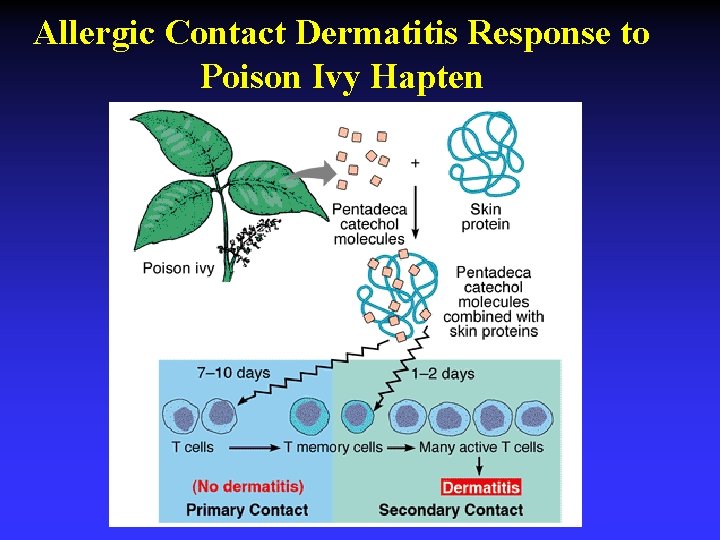
Type IV (Cell-Mediated) Reactions u Involve reactions by TD memory cells. F First contact sensitizes person. F Subsequent contacts elicit a reaction. u Reactions are delayed by one or more days (delayed type hypersensitivity). F Delay is due to migration of macrophages and T cells to site of foreign antigens. u Reactions are frequently displayed on the skin: itching, redness, swelling, pain. • • Tuberculosis skin test Poison ivy Metals (Nickel) Latex in gloves and condoms (3% of health care workers) u Anaphylactic shock may occur.
Allergic Contact Dermatitis Response to Poison Ivy Hapten
Autoimmune Diseases Loss of self-tolerance leads to production of antibodies or T cells that react against one’s own antigens. n Immune system response to self antigens causes damage to organs. n Three types of autoimmune disorders: n u Cytotoxic (Type II reactions) u Immune complex (Type III reactions) u Cell-mediated (Type IV reactions)
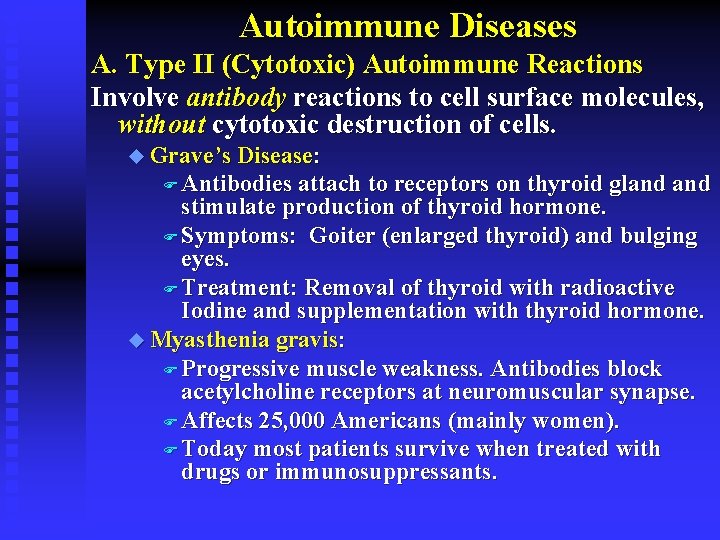
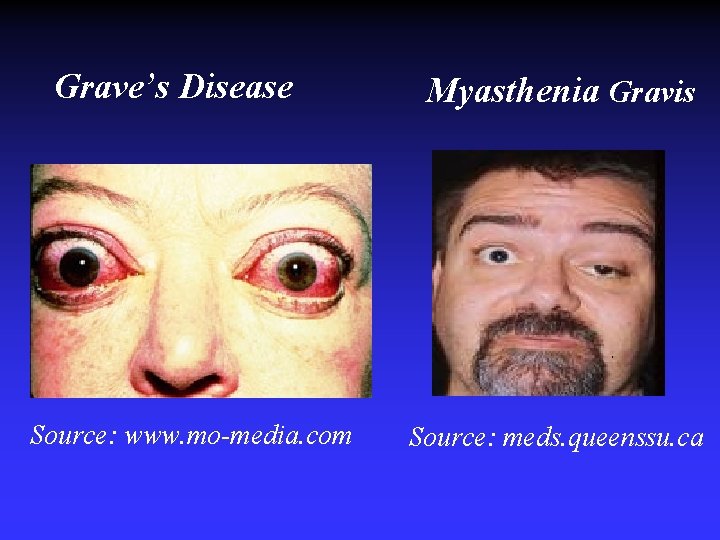
Autoimmune Diseases A. Type II (Cytotoxic) Autoimmune Reactions Involve antibody reactions to cell surface molecules, without cytotoxic destruction of cells. u Grave’s Disease: F Antibodies attach to receptors on thyroid gland stimulate production of thyroid hormone. F Symptoms: Goiter (enlarged thyroid) and bulging eyes. F Treatment: Removal of thyroid with radioactive Iodine and supplementation with thyroid hormone. u Myasthenia gravis: F Progressive muscle weakness. Antibodies block acetylcholine receptors at neuromuscular synapse. F Affects 25, 000 Americans (mainly women). F Today most patients survive when treated with drugs or immunosuppressants.
Grave’s Disease Source: www. mo-media. com Myasthenia Gravis Source: meds. queenssu. ca
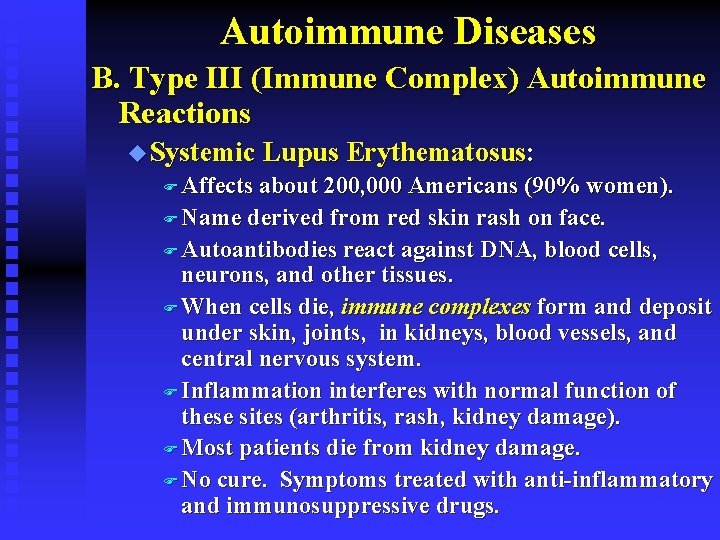
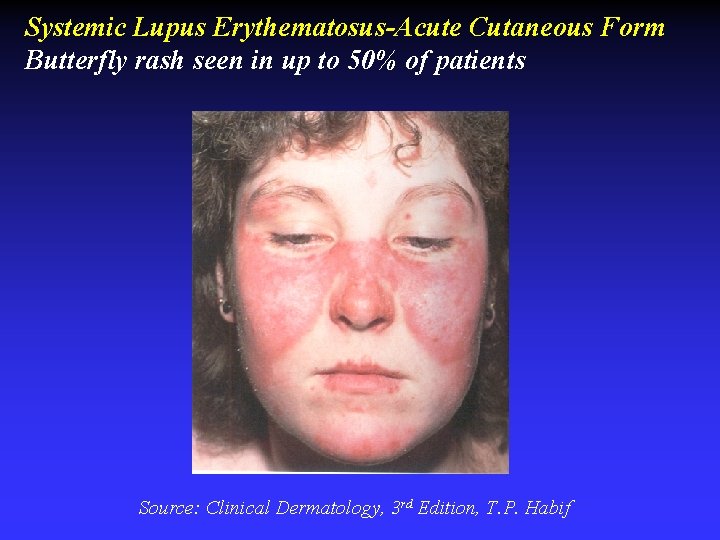
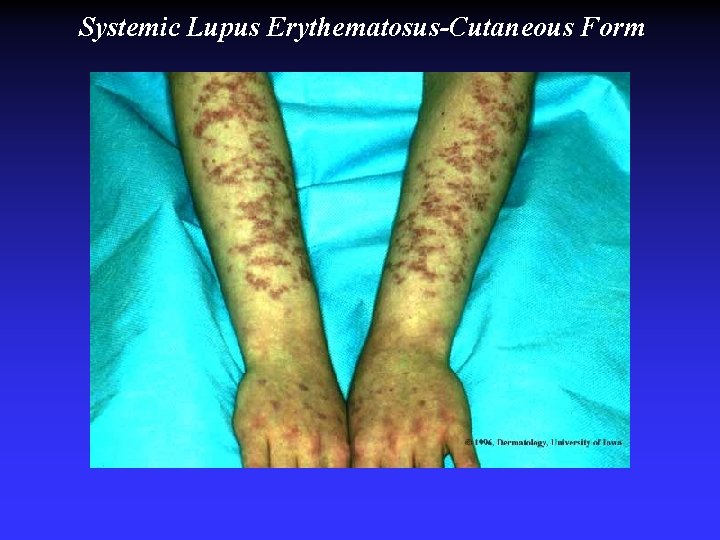
Autoimmune Diseases B. Type III (Immune Complex) Autoimmune Reactions u Systemic Lupus Erythematosus: F Affects about 200, 000 Americans (90% women). F Name derived from red skin rash on face. F Autoantibodies react against DNA, blood cells, neurons, and other tissues. F When cells die, immune complexes form and deposit under skin, joints, in kidneys, blood vessels, and central nervous system. F Inflammation interferes with normal function of these sites (arthritis, rash, kidney damage). F Most patients die from kidney damage. F No cure. Symptoms treated with anti-inflammatory and immunosuppressive drugs.
Systemic Lupus Erythematosus-Acute Cutaneous Form Butterfly rash seen in up to 50% of patients Source: Clinical Dermatology, 3 rd Edition, T. P. Habif
Systemic Lupus Erythematosus-Cutaneous Form
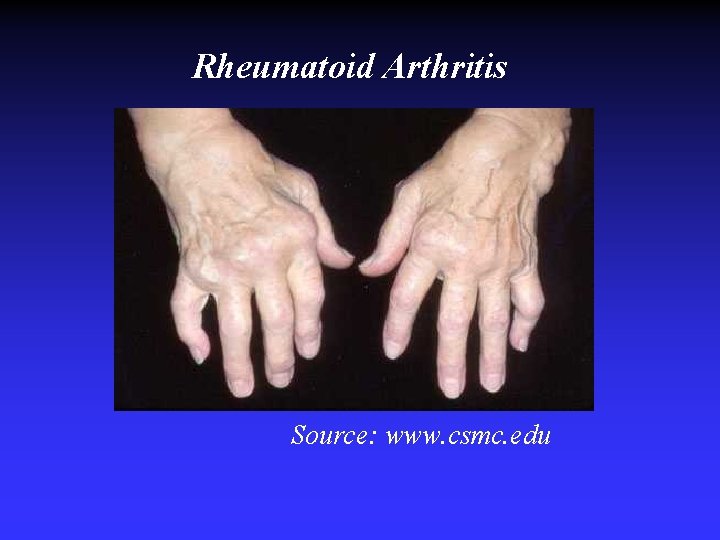
Autoimmune Diseases B. Type III (Immune Complex) Autoimmune Reactions (Continued) u Rheumatoid Arthritis: F Affects about 2 million Americans (70%+ women). F Cause unknown, but microbial mimicry may be involved. F Ig. M autoantibodies (rheumatoid factors) against Ig. G form complexes in joint, leading to inflammation and cartilage damage. F Often causes finger and joint deformities. F No cure. Symptoms treated with anti-inflammatory (aspirin) and immunosuppressive drugs. Physical therapy keeps joints movable. Surgical replacement of joints may be necessary.
Rheumatoid Arthritis Source: www. csmc. edu
Autoimmune Diseases C. Type IV (Cell-Mediated) Autoimmune Reactions Insulin-dependent (Type I or Juvenile) Diabetes Mellitus: u Affects 2 million people in United States. u Usually develops before the age of 15. u Makes up about 10% of all diabetes cases. u 35, 000 people die every year from complications (gangrene, kidney and cardiovascular disease, dehydration, and nerve damage). u Characterized by insufficient insulin production due to immunological destruction of insulin-secreting cells of the pancreas by T cells. u Treatment: Patients require daily insulin injections (or pump) to maintain adequate blood glucose levels.
Multiple Sclerosis n n T cells and macrophages attack myelin sheath of neurons in brain, spinal cord, and optic nerves. Symptoms: u u u n Epidemiology: u u n n Fatigue, muscle weakness, sexual, bladder and bowel problems Sensations of pain, numbness, tingling, burning, itching, and electrical shock Visual changes (blurred, double or moving field of vision, floaters) or blindness Dizziness, vertigo, headaches, slurred speech, difficulty swallowing Depression, mood changes, confusion, seizures, thinking and memory problems Paralysis, limping, muscle cramps, spasticity (involuntary spasms), tremors In U. S. 350, 000 people diagnosed with MS. Up to 4 X more people may be undiagnosed or have “Silent MS”. More common in females, northern european background. Residents of tropics “protected” (Vitamin D exposure? ). First episode between 15 -50 years; may occur in children or older adults. Relapsing-remitting form: 85% of cases. Attacks followed by recovery and long periods of remission; decline over several yrs. Treatment: No cure. Beta interferon reduces frequency and severity of relapses. Also corticosteroids for acute attacks.
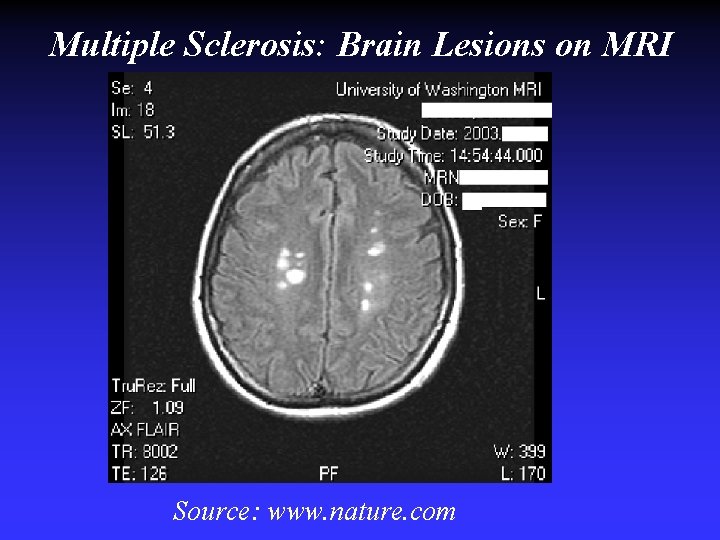
Multiple Sclerosis: Brain Lesions on MRI Source: www. csmc. edu Source: www. nature. com
Celiac Disease n n Celiac disease is the most common and most under-diagnosed hereditary autoimmune disease in the United States. Affects approximately 1 in 100 people. 97% are undiagnosed (average 9 years for diagnosis). Macrophages and antibodies destroy intestinal villi and microvilli when eat gluten (protein in wheat, rye, barley, oats). Presence of gluten (gliadin) triggers damage to lining of small intestine. Causes poor digestion and absorption of food. Symptoms: u u n Digestive: Gas, bloating, indigestion, diarrhea, reflux, vomiting, constipation Consequences of malabsorption: Malnutrition, anemia, weight loss, “failure to thrive, vitamin deficiency, fatigue, osteoporosis, muscle atrophy. Inflammation and Autoimmune Disease: Dermatitis, type I diabetes, fibromyalgia, irritable bowel syndrome, eczema, psoriasis, vitiligo Other Complications: Infertility, cancer (thyroid, intestine, esophagus, melanoma, non-Hodgkin’s lymphoma), peripheral neuropathy, seizures, migraines, dementia, cardiomyopathy (heart failure and arrythmia). Treatment: No cure, life-long condition. Prevention by stopping all gluten consumption (Gluten-free diet).
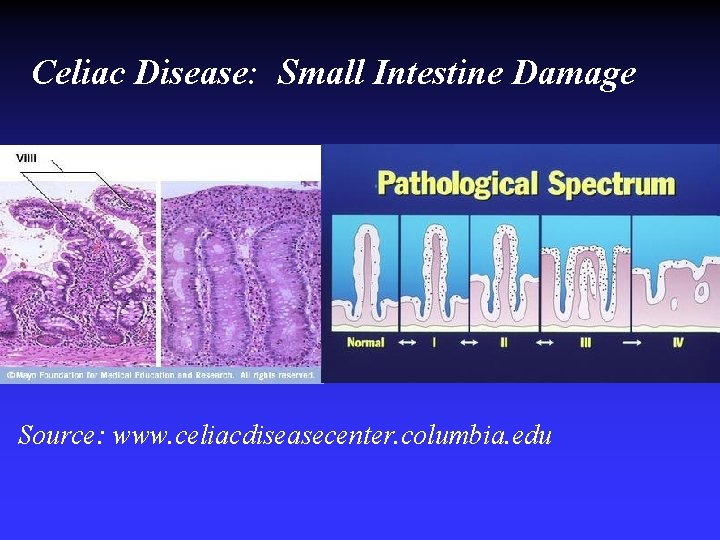
Celiac Disease: Small Intestine Damage Source: www. celiacdiseasecenter. columbia. edu
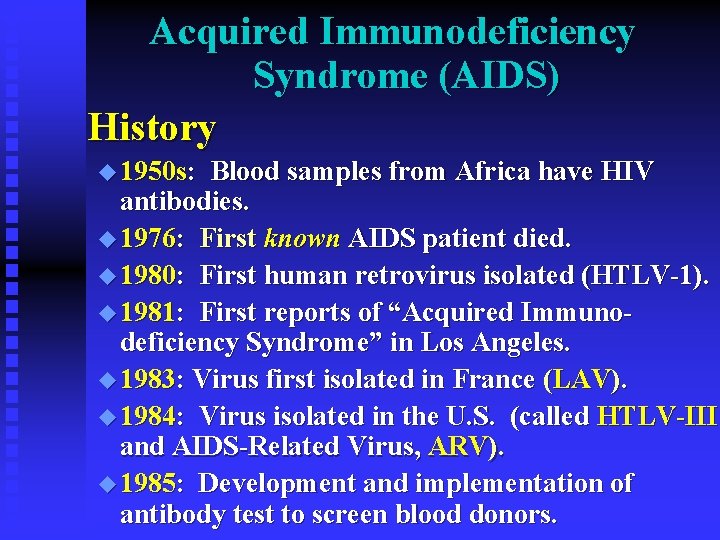
Acquired Immunodeficiency Syndrome (AIDS) History u 1950 s: Blood samples from Africa have HIV antibodies. u 1976: First known AIDS patient died. u 1980: First human retrovirus isolated (HTLV-1). u 1981: First reports of “Acquired Immunodeficiency Syndrome” in Los Angeles. u 1983: Virus first isolated in France (LAV). u 1984: Virus isolated in the U. S. (called HTLV-III and AIDS-Related Virus, ARV). u 1985: Development and implementation of antibody test to screen blood donors.
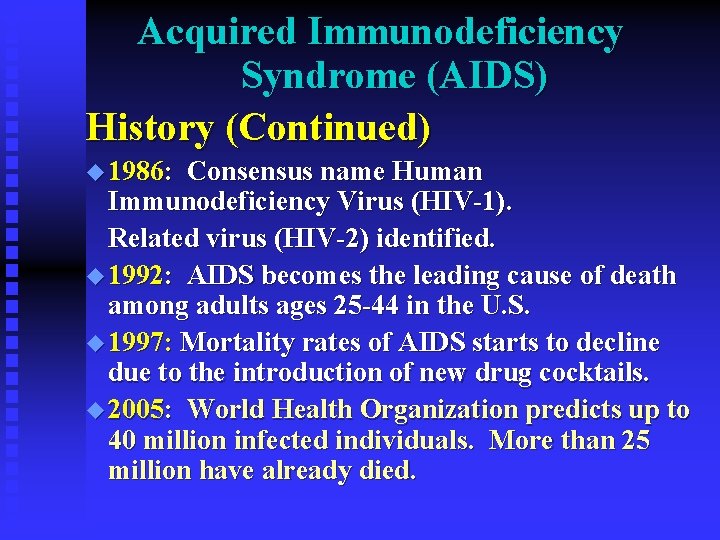
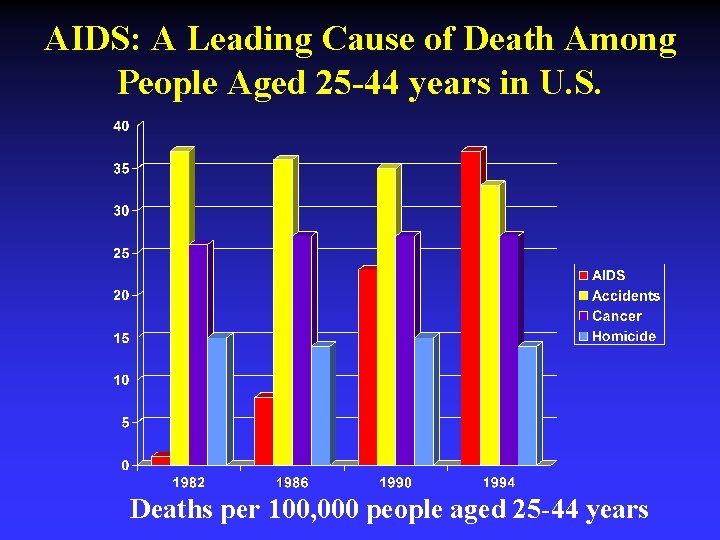
Acquired Immunodeficiency Syndrome (AIDS) History (Continued) u 1986: Consensus name Human Immunodeficiency Virus (HIV-1). Related virus (HIV-2) identified. u 1992: AIDS becomes the leading cause of death among adults ages 25 -44 in the U. S. u 1997: Mortality rates of AIDS starts to decline due to the introduction of new drug cocktails. u 2005: World Health Organization predicts up to 40 million infected individuals. More than 25 million have already died.
AIDS: A Leading Cause of Death Among People Aged 25 -44 years in U. S. Deaths per 100, 000 people aged 25 -44 years
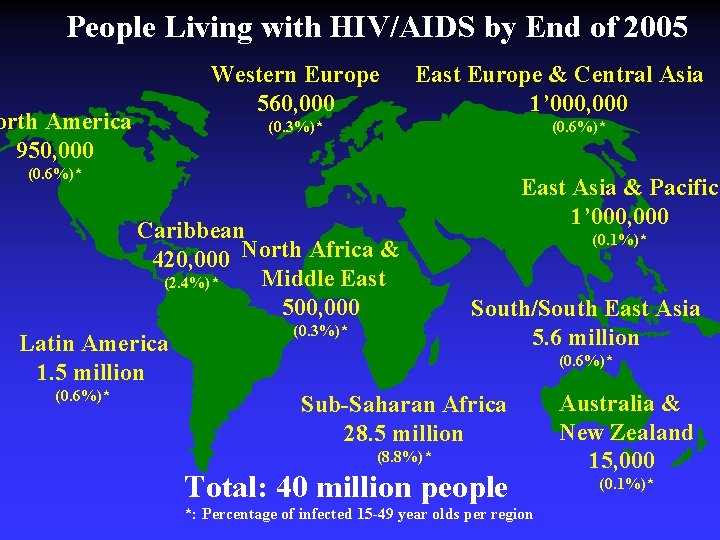
People Living with HIV/AIDS by End of 2005 orth America 950, 000 Western Europe 560, 000 East Europe & Central Asia 1’ 000, 000 (0. 3%)* (0. 6%)* East Asia & Pacific 1’ 000, 000 Caribbean (0. 1%)* North Africa & 420, 000 Middle East (2. 4%)* 500, 000 South/South East Asia (0. 3%)* 5. 6 million Latin America (0. 6%)* 1. 5 million (0. 6%)* Australia & Sub-Saharan Africa New Zealand 28. 5 million (8. 8%)* 15, 000 Total: 40 million people *: Percentage of infected 15 -49 year olds per region (0. 1%)*
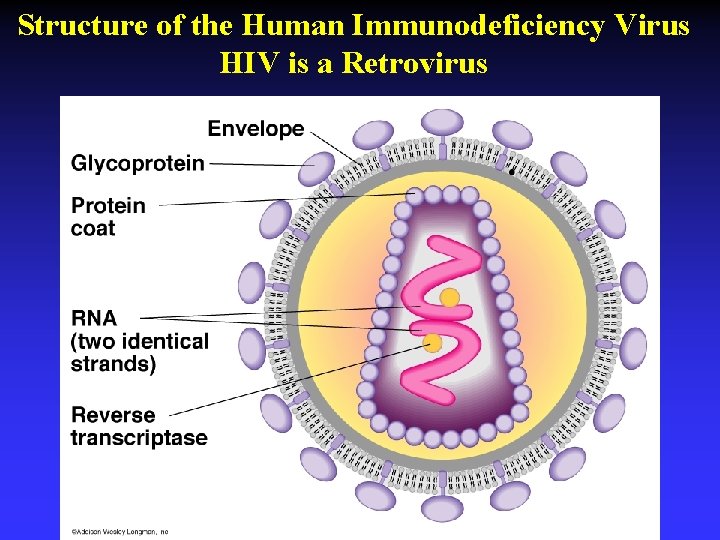
Structure of the Human Immunodeficiency Virus HIV is a Retrovirus
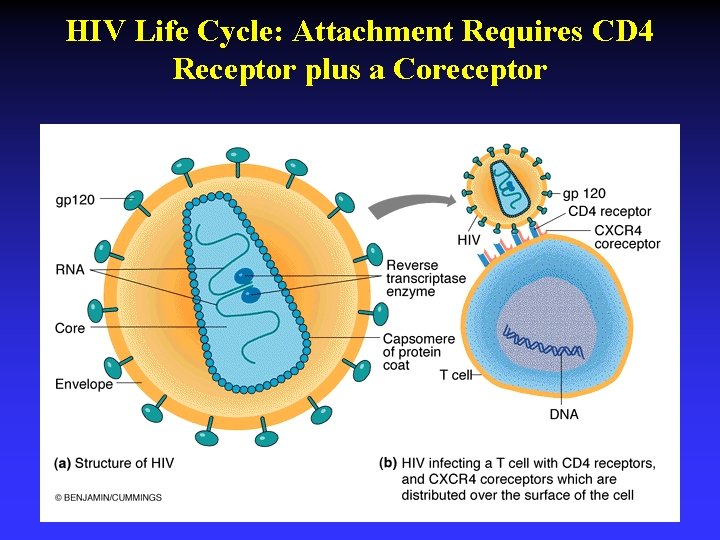
Life Cycle of HIV 1. Attachment: Virus binds to surface molecule (CD 4) of T helper cells and macrophages. F Coreceptors: Required for HIV infection. F CXCR 4 and CCR 5 mutants are resistant to infection. 2. Fusion: Viral envelope fuses with cell membrane, releasing contents into the cell.
HIV Life Cycle: Attachment Requires CD 4 Receptor plus a Coreceptor
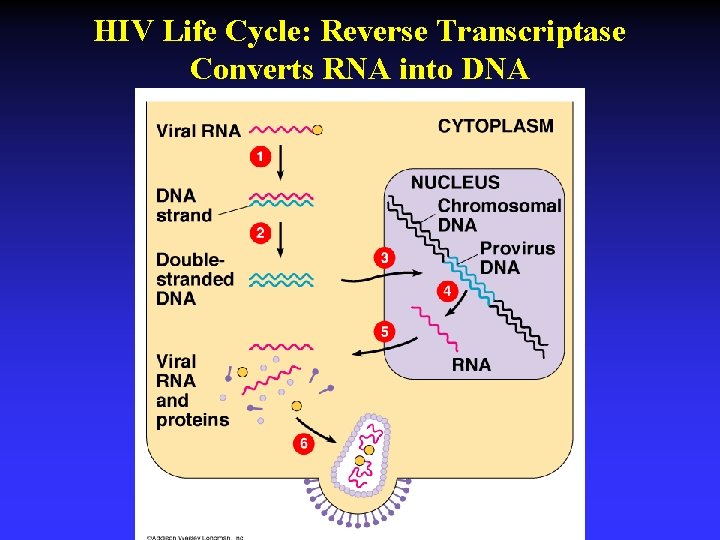
Life Cycle of HIV 3. Reverse Transcription: Viral RNA is converted into DNA by unique enzyme reverse transcriptase. Reverse transcriptase RNA -----------> DNA Reverse transcriptase is the target of several HIV drugs: AZT, dd. I, and dd. C.
HIV Life Cycle: Reverse Transcriptase Converts RNA into DNA
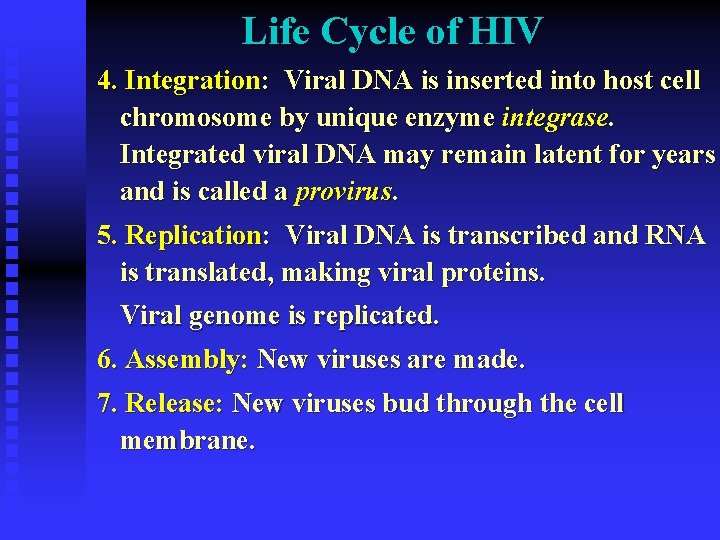
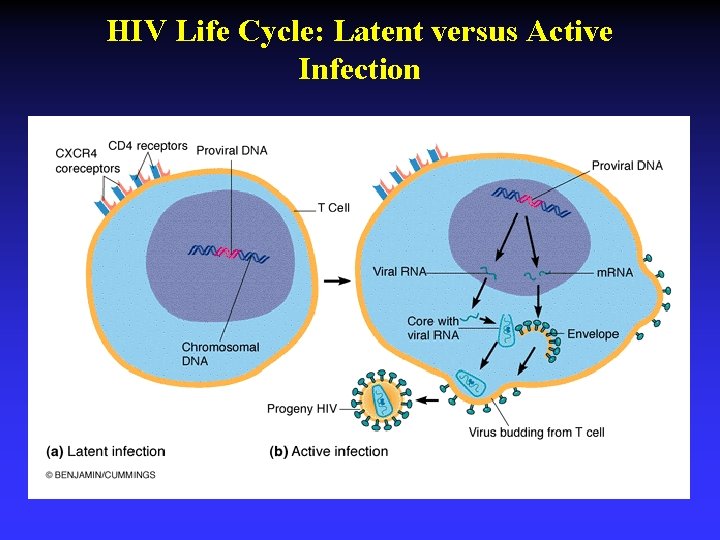
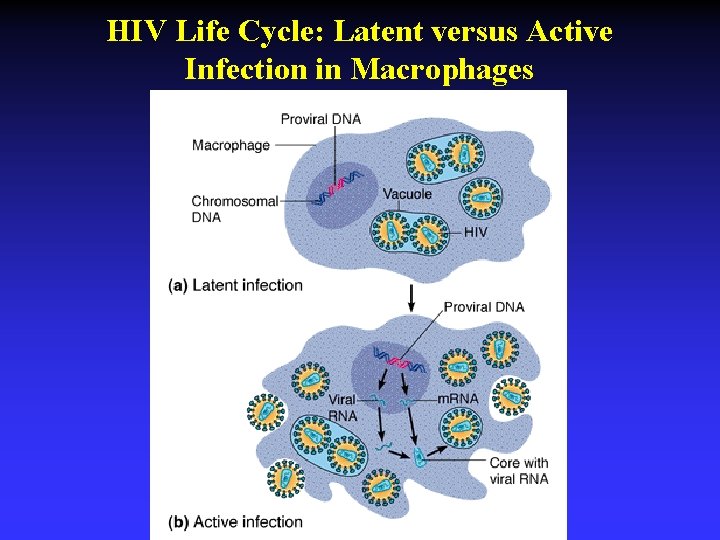
Life Cycle of HIV 4. Integration: Viral DNA is inserted into host cell chromosome by unique enzyme integrase. Integrated viral DNA may remain latent for years and is called a provirus. 5. Replication: Viral DNA is transcribed and RNA is translated, making viral proteins. Viral genome is replicated. 6. Assembly: New viruses are made. 7. Release: New viruses bud through the cell membrane.
HIV Life Cycle: Latent versus Active Infection
HIV Life Cycle: Latent versus Active Infection in Macrophages
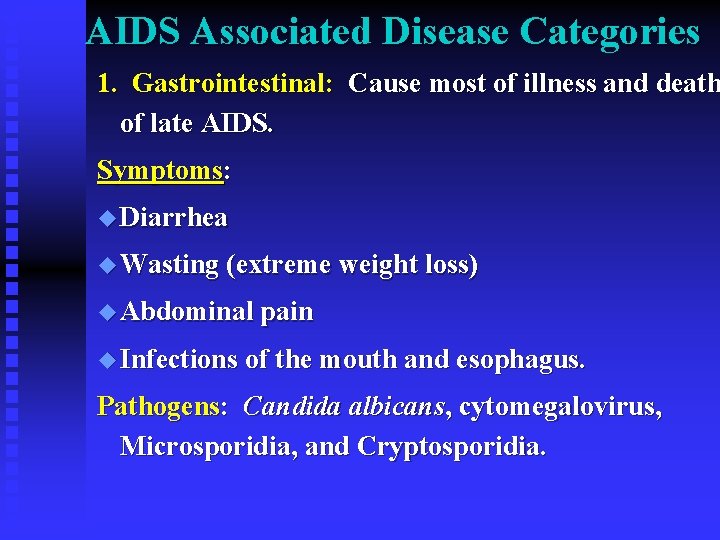
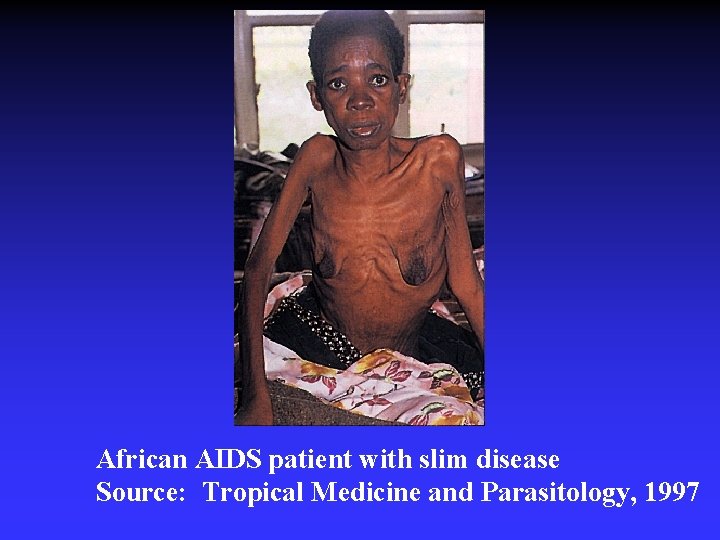
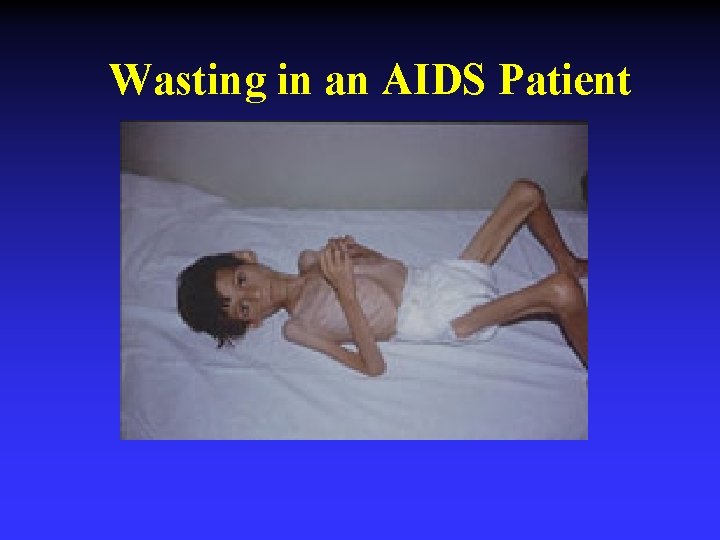
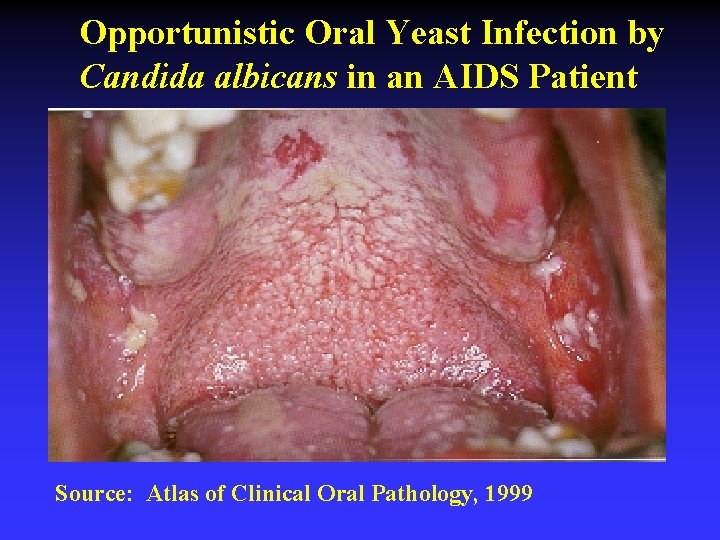
AIDS Associated Disease Categories 1. Gastrointestinal: Cause most of illness and death of late AIDS. Symptoms: u Diarrhea u Wasting (extreme weight loss) u Abdominal pain u Infections of the mouth and esophagus. Pathogens: Candida albicans, cytomegalovirus, Microsporidia, and Cryptosporidia.
African AIDS patient with slim disease Source: Tropical Medicine and Parasitology, 1997
Wasting in an AIDS Patient
Opportunistic Oral Yeast Infection by Candida albicans in an AIDS Patient Source: Atlas of Clinical Oral Pathology, 1999
AIDS Associated Disease Categories 2. Respiratory: 70% of AIDS patients develop serious respiratory problems. Partial list of respiratory problems associated with AIDS: F Bronchitis F Pneumonia F Tuberculosis F Lung cancer F Sinusitis F Pneumonitis
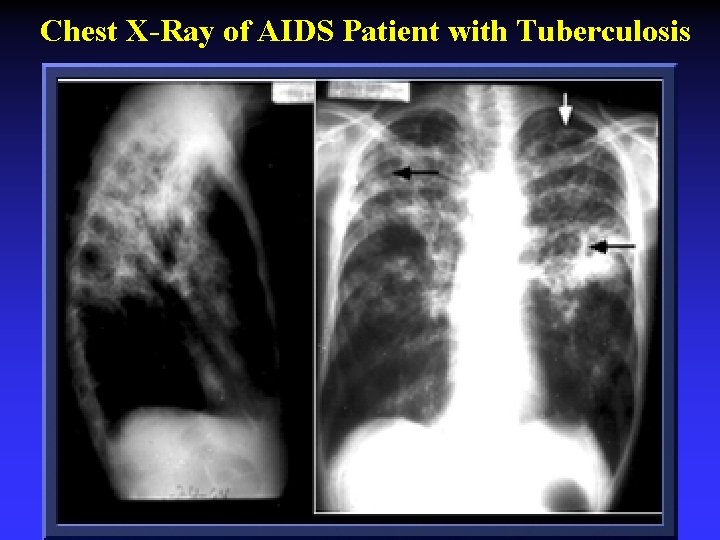
Chest X-Ray of AIDS Patient with Tuberculosis
AIDS Associated Disease Categories 3. Neurological: Opportunistic diseases and tumors of central nervous system. Symptoms many include: Headaches, peripheral nerve problems, and AIDS dementia complex (Memory loss, motor problems, difficulty concentration, and paralysis).
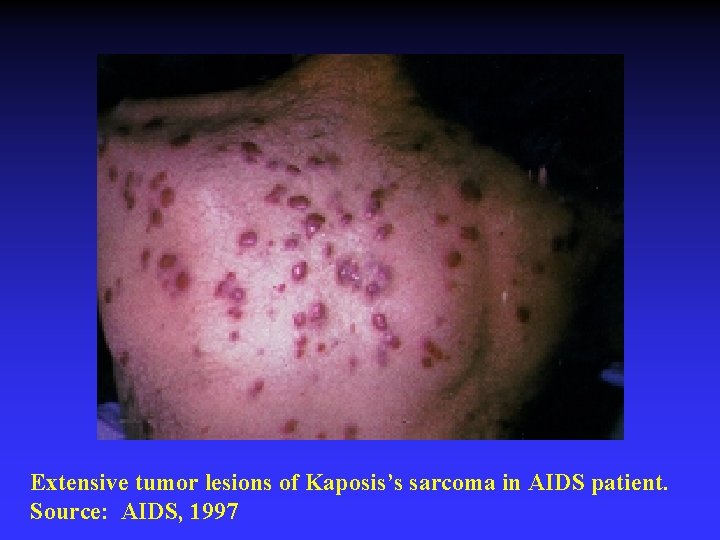
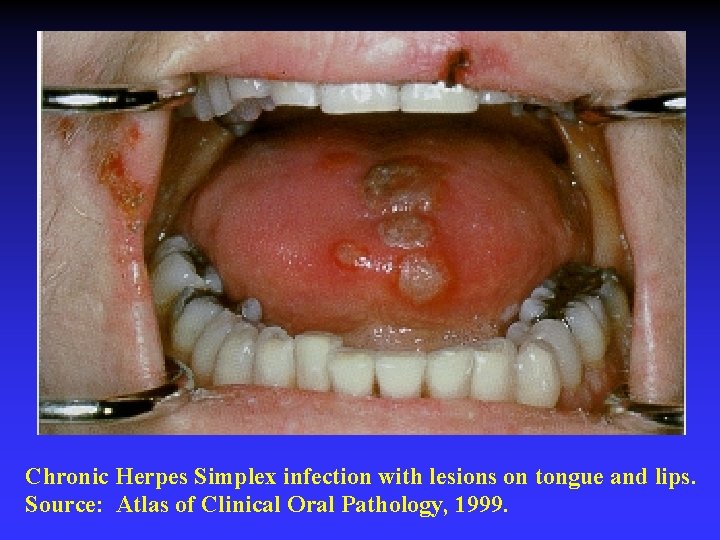
AIDS Associated Disease Categories 4. Skin Disorders: 90% of AIDS patients develop skin or mucous membrane disorders. F Kaposi’s sarcoma • 1/3 male AIDS patients develop KS • Most common type of cancer in AIDS patients F Herpes zoster (shingles) F Herpes simplex F Thrush F Invasive cervical carcinoma 5. Eye Infections: 50 -75% patients develop eye conditions. F CMV retinitis F Conjunctivitis F Dry eye syndrome
Extensive tumor lesions of Kaposis’s sarcoma in AIDS patient. Source: AIDS, 1997
Chronic Herpes Simplex infection with lesions on tongue and lips. Source: Atlas of Clinical Oral Pathology, 1999.
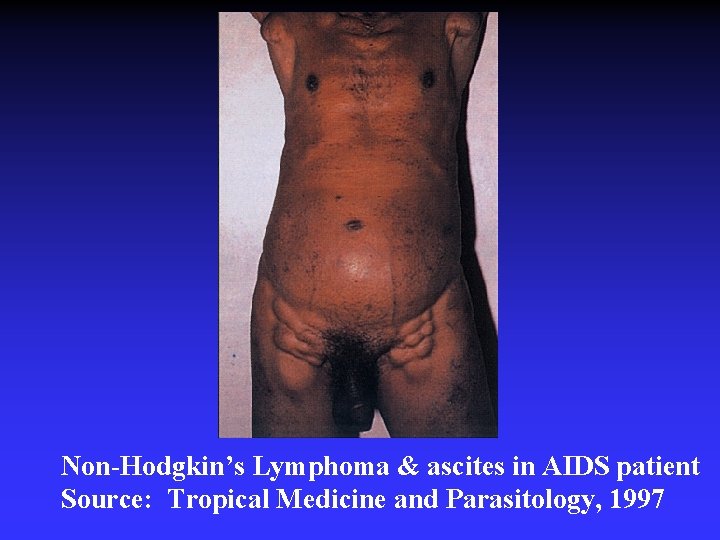
Non-Hodgkin’s Lymphoma & ascites in AIDS patient Source: Tropical Medicine and Parasitology, 1997
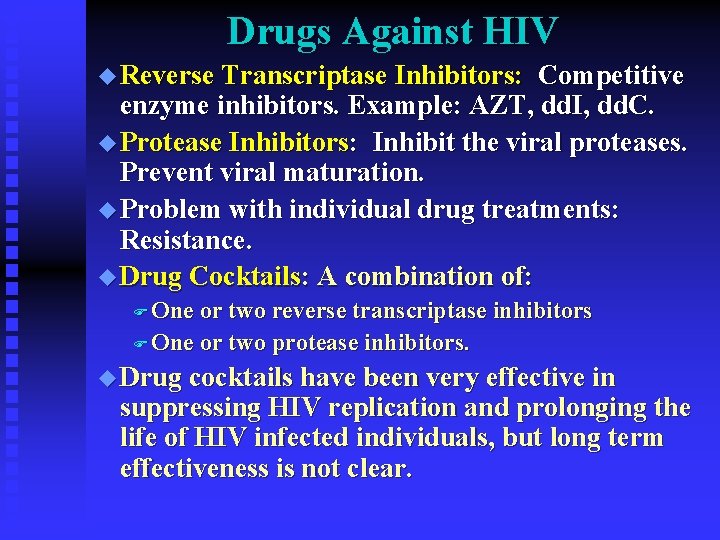
Drugs Against HIV u Reverse Transcriptase Inhibitors: Competitive enzyme inhibitors. Example: AZT, dd. I, dd. C. u Protease Inhibitors: Inhibit the viral proteases. Prevent viral maturation. u Problem with individual drug treatments: Resistance. u Drug Cocktails: A combination of: F One or two reverse transcriptase inhibitors F One or two protease inhibitors. u Drug cocktails have been very effective in suppressing HIV replication and prolonging the life of HIV infected individuals, but long term effectiveness is not clear.
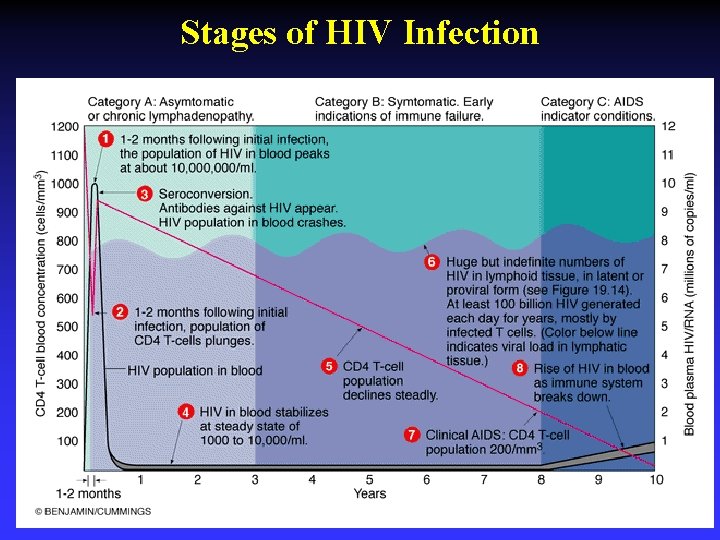
Stages of HIV Infection
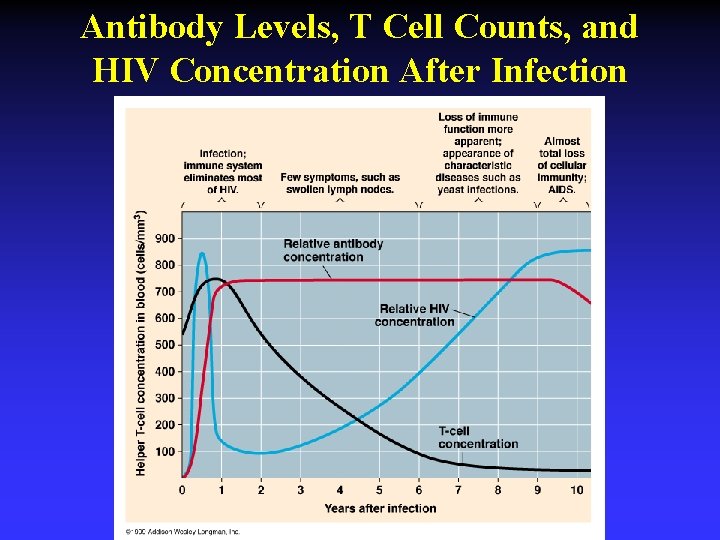
Antibody Levels, T Cell Counts, and HIV Concentration After Infection
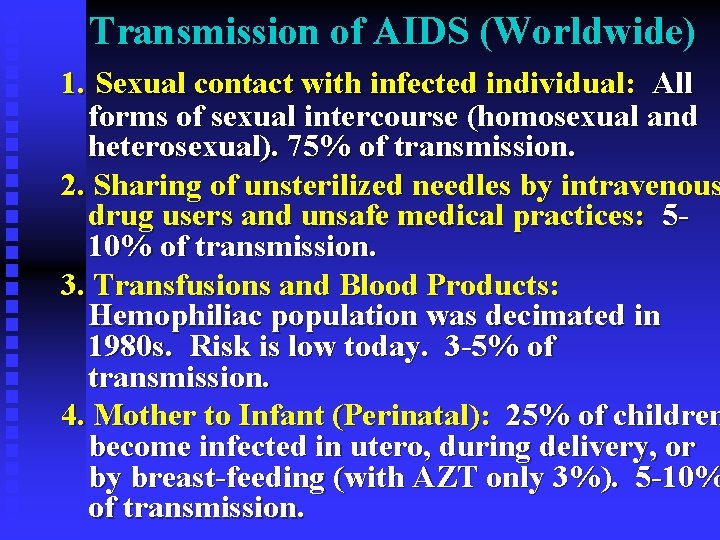
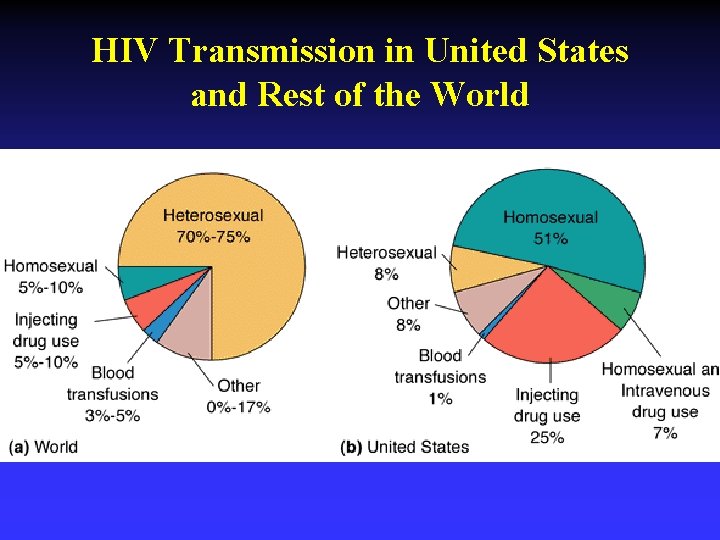
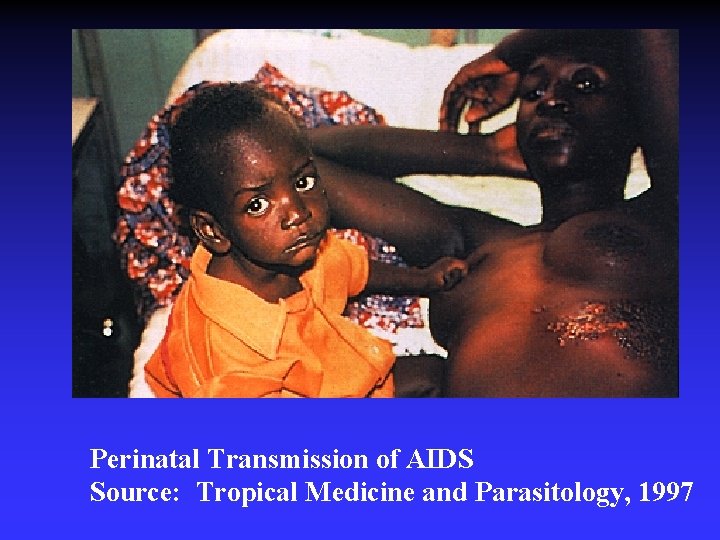
Transmission of AIDS (Worldwide) 1. Sexual contact with infected individual: All forms of sexual intercourse (homosexual and heterosexual). 75% of transmission. 2. Sharing of unsterilized needles by intravenous drug users and unsafe medical practices: 510% of transmission. 3. Transfusions and Blood Products: Hemophiliac population was decimated in 1980 s. Risk is low today. 3 -5% of transmission. 4. Mother to Infant (Perinatal): 25% of children become infected in utero, during delivery, or by breast-feeding (with AZT only 3%). 5 -10% of transmission.
HIV Transmission in United States and Rest of the World
Perinatal Transmission of AIDS Source: Tropical Medicine and Parasitology, 1997