
Chapter 17 Endocrine System Overview Hypothalamus and pituitary
- Slides: 75
Chapter 17 Endocrine System • • Overview Hypothalamus and pituitary gland Other endocrine glands Hormones and their actions Stress and adaptation Eicosanoids and paracrine signaling Endocrine disorders
Overview of Cell Communications • Necessary for integration of cell activities • Mechanisms – gap junctions • pores in cell membrane along which signalling chemicals move from cell to cell – neurotransmitters • released from neurons to travel across gap to 2 nd cell – paracrine (local) hormones • secreted into tissue fluids to effect nearby cells – hormones (strict definition) • chemical messengers that travel in the bloodstream
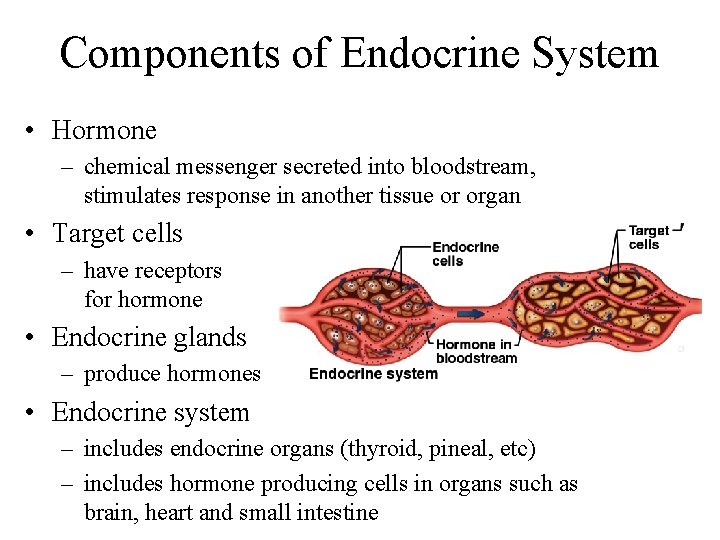
Components of Endocrine System • Hormone – chemical messenger secreted into bloodstream, stimulates response in another tissue or organ • Target cells – have receptors for hormone • Endocrine glands – produce hormones • Endocrine system – includes endocrine organs (thyroid, pineal, etc) – includes hormone producing cells in organs such as brain, heart and small intestine
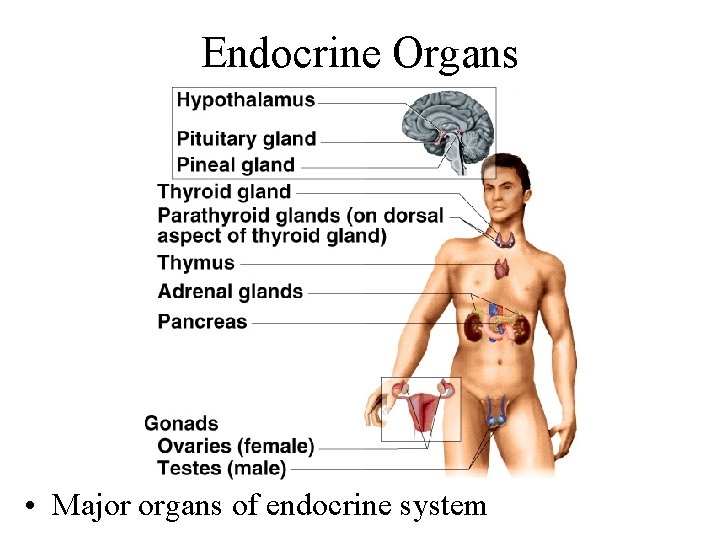
Endocrine Organs • Major organs of endocrine system
Endocrine vs. Exocrine Glands • Exocrine glands – ducts carry secretion to body surface or other organ cavity – extracellular effects (food digestion) • Endocrine glands – no ducts, release hormones into tissue fluids, have dense capillary networks to distribute hormones – intracellular effects, alter target cell metabolism • Endocrine system – all endocrine glands and hormone-secreting cells of other organs (brain, heart, small intestine, etc. )
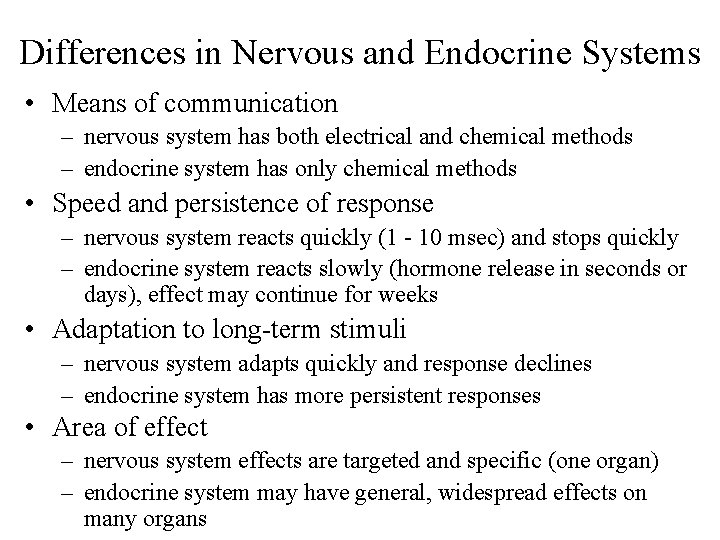
Differences in Nervous and Endocrine Systems • Means of communication – nervous system has both electrical and chemical methods – endocrine system has only chemical methods • Speed and persistence of response – nervous system reacts quickly (1 - 10 msec) and stops quickly – endocrine system reacts slowly (hormone release in seconds or days), effect may continue for weeks • Adaptation to long-term stimuli – nervous system adapts quickly and response declines – endocrine system has more persistent responses • Area of effect – nervous system effects are targeted and specific (one organ) – endocrine system may have general, widespread effects on many organs
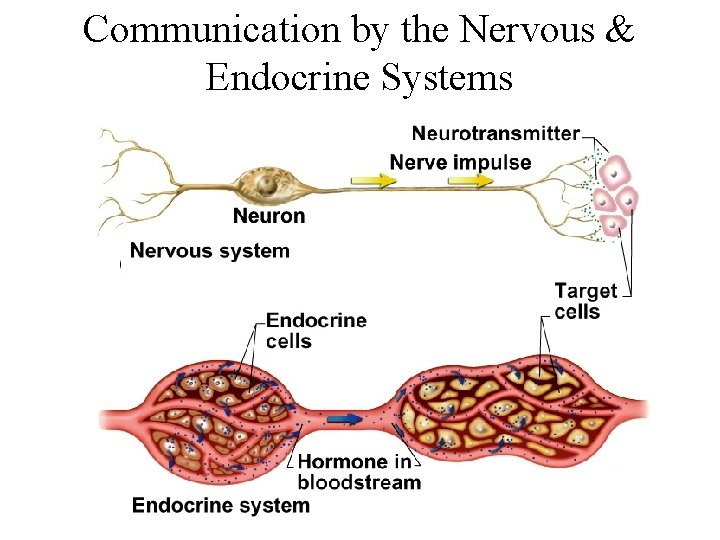
Communication by the Nervous & Endocrine Systems
Similarities in Nervous and Endocrine Systems • Several chemicals function as both hormones and neurotransmitters – norepinephrine, cholecystokinin, thyrotropin-releasing hormone, dopamine and antidiuretic hormone • Some hormones secreted by neuroendocrine cells (neurons) – oxytocin and catecholamines • Both systems with overlapping effects on same target cells – norepinephrine and glucagon cause glycogen hydrolysis in liver • Systems regulate each other – neurons trigger hormone secretion – hormones stimulate or inhibit neurons
Hypothalamus • Shaped like a flattened funnel, forms floor and walls of third ventricle • Regulates primitive functions from water balance to sex drive • Many functions carried out by pituitary gland
Pituitary Gland (Hypophysis) • Suspended from hypothalamus by stalk (infundibulum) • Location and size – housed in sella turcica of sphenoid bone – 1. 3 cm diameter
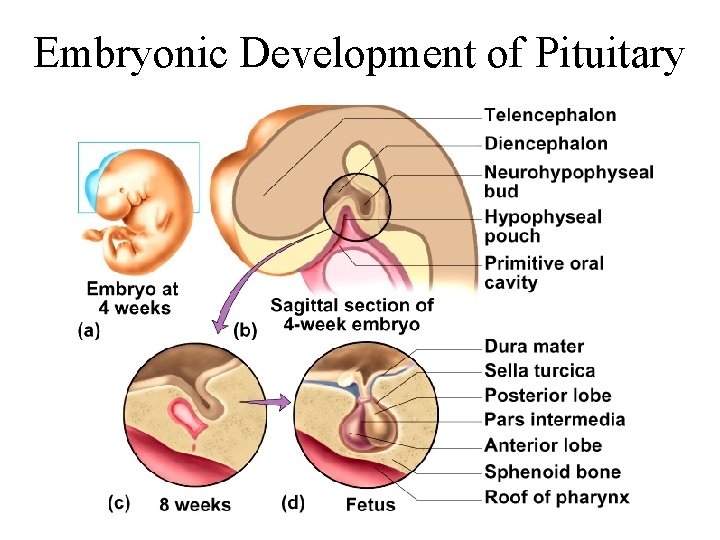
Embryonic Development of Pituitary
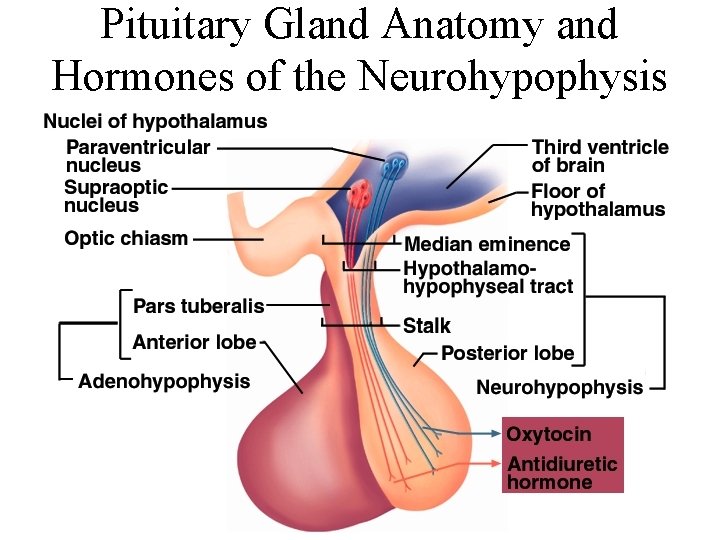
Pituitary Gland Anatomy and Hormones of the Neurohypophysis
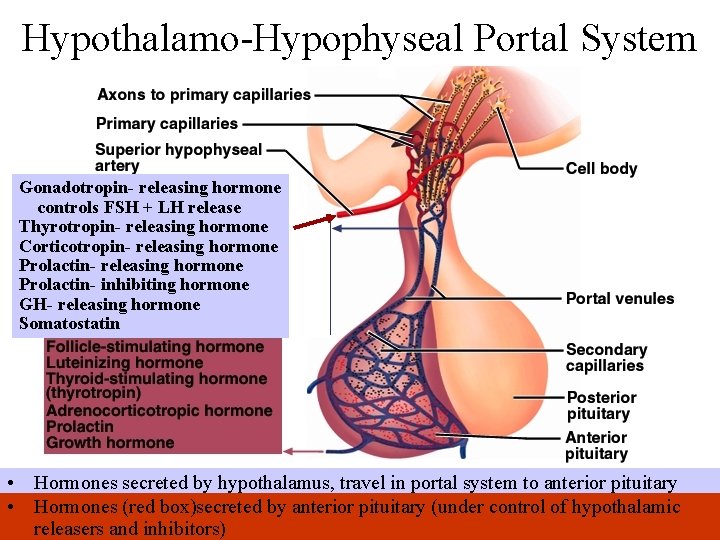
Hypothalamo-Hypophyseal Portal System Gonadotropin- releasing hormone controls FSH + LH release Thyrotropin- releasing hormone Corticotropin- releasing hormone Prolactin- inhibiting hormone GH- releasing hormone Somatostatin • Hormones secreted by hypothalamus, travel in portal system to anterior pituitary • Hormones (red box)secreted by anterior pituitary (under control of hypothalamic releasers and inhibitors)
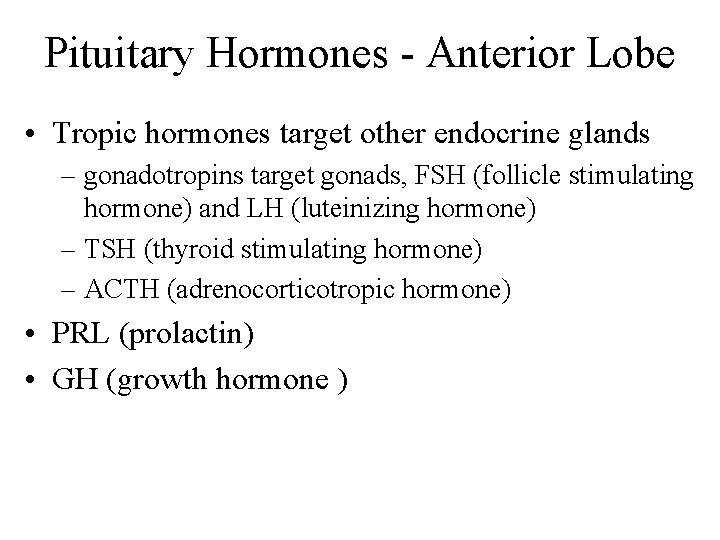
Pituitary Hormones - Anterior Lobe • Tropic hormones target other endocrine glands – gonadotropins target gonads, FSH (follicle stimulating hormone) and LH (luteinizing hormone) – TSH (thyroid stimulating hormone) – ACTH (adrenocorticotropic hormone) • PRL (prolactin) • GH (growth hormone )
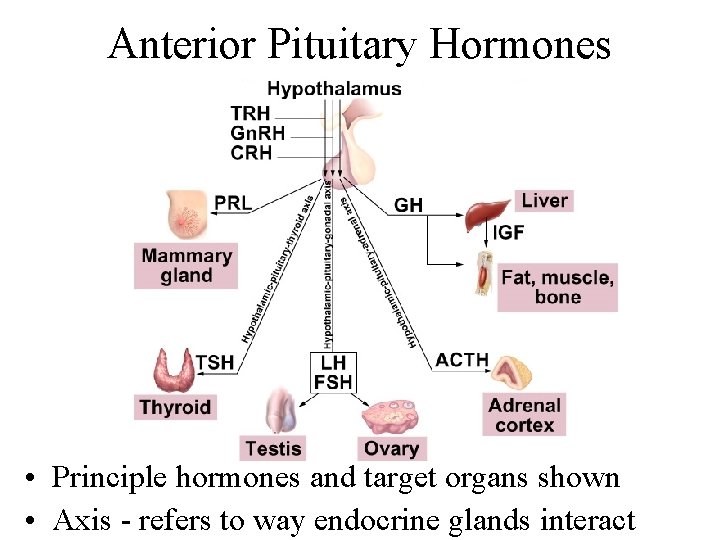
Anterior Pituitary Hormones • Principle hormones and target organs shown • Axis - refers to way endocrine glands interact
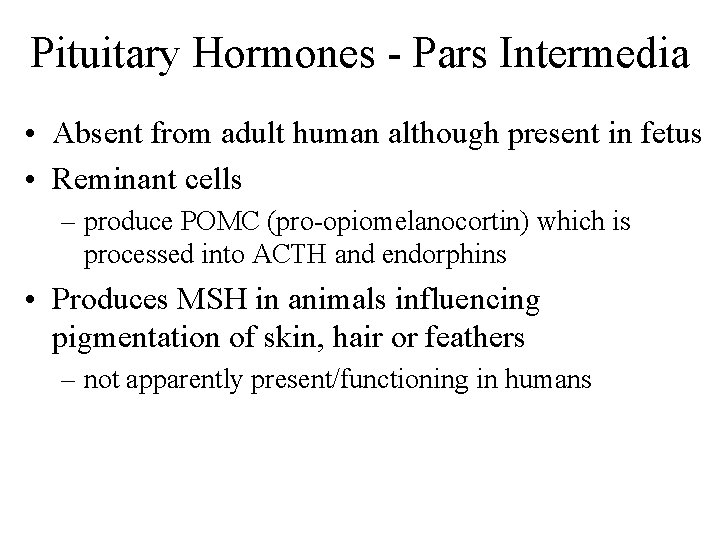
Pituitary Hormones - Pars Intermedia • Absent from adult human although present in fetus • Reminant cells – produce POMC (pro-opiomelanocortin) which is processed into ACTH and endorphins • Produces MSH in animals influencing pigmentation of skin, hair or feathers – not apparently present/functioning in humans
Pituitary Hormones - Posterior Lobe • Stores and releases OT and ADH • OT (oxytocin) and ADH produced in hypothalamus, transported down to posterior lobe by hypothalamo-hypophyseal tract
Pituitary Hormone Actions: Anterior Lobe Hormones • FSH (secreted by gonadotrope cells) – ovaries, stimulates development of eggs and follicles – testes, stimulates production of sperm • LH (secreted by gonadotrope cells) – females, stimulates ovulation and corpus luteum to secrete progesterone and estrogen – males, stimulates interstitial cells of testes to secrete testosterone • TSH (secreted by thyrotropes) – stimulated growth of gland secretion of TH
Pituitary Hormone Actions: Anterior Lobe Hormones • ACTH or corticotropin (secreted by corticotropes) – regulates response to stress, stimulates adrenal cortex to secrete of corticosteroids that regulate glucose, fat & protein metabolism • PRL (secreted by lactotropes) – female, milk synthesis after delivery – male, LH sensitivity, thus testosterone secretion • GH or somatotropin – see next 2 slides
Growth Hormone • Secreted by somatotropes of anterior pituitary • Promotes tissue growth – directly affects mitosis and cellular differentiation – indirectly stimulates liver to produce IGF-I somatomedins • half-life of 20 hours compared to 20 minutes for GH • Functions of GH-IGF – protein synthesis • DNA transciption for m. RNA production, proteins synthesized • enhances amino acid transport into cells, protein catabolism – lipid metabolism • stimulates FFA and glycerol release from adipocytes, protein sparing – CHO metabolism • glucose sparing effect = less glucose used for energy – Electrolyte balance • promotes Na+, K+, Cl- retention, Ca+2 absorption
Growth Hormone and Aging • Childhood and adolescence – bone, cartilage and muscle growth • Adulthood – increase osteoblastic activity and appositional growth affecting bone thickening and remodeling – blood concentration decrease by age 75 to ¼ of that of adolescent • Levels of GH – higher during first 2 hours of deep sleep, after high protein meals, after vigorous exercise – lower after high CHO meals
Pituitary Hormone Actions: Posterior Lobe Hormones • ADH – targets kidneys to water retention, reduce urine – also functions as neurotransmitter • Oxytocin – labor contractions, lactation – possible role sperm transport, emotional bonding
Control of Pituitary: Hypothalamic and Cerebral Control • Anterior lobe control - releasing hormones and inhibiting hormones of hypothalamus • Posterior lobe control - neuroendocrine reflexes – hormone release in response to nervous system signals • suckling infant stimulates nerve endings hypothalamus posterior lobe oxytocin milk ejection – hormone release in response to higher brain centers • milk ejection reflex can be triggered by a baby's cry
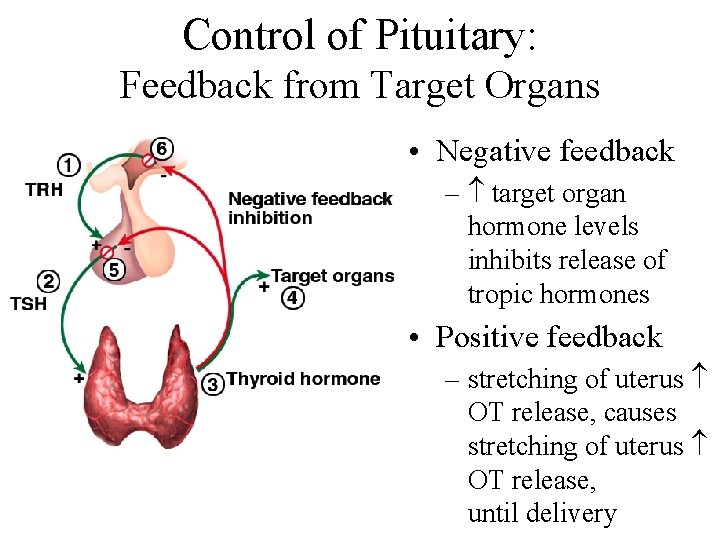
Control of Pituitary: Feedback from Target Organs • Negative feedback – target organ hormone levels inhibits release of tropic hormones • Positive feedback – stretching of uterus OT release, causes stretching of uterus OT release, until delivery
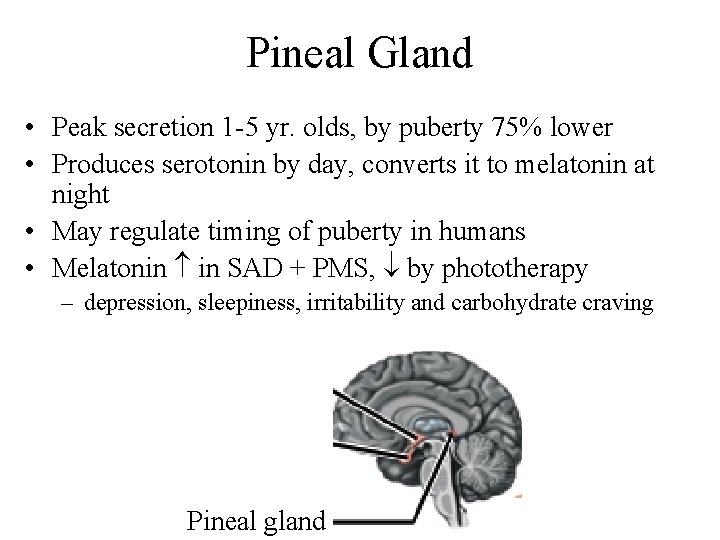
Pineal Gland • Peak secretion 1 -5 yr. olds, by puberty 75% lower • Produces serotonin by day, converts it to melatonin at night • May regulate timing of puberty in humans • Melatonin in SAD + PMS, by phototherapy – depression, sleepiness, irritability and carbohydrate craving Pineal gland
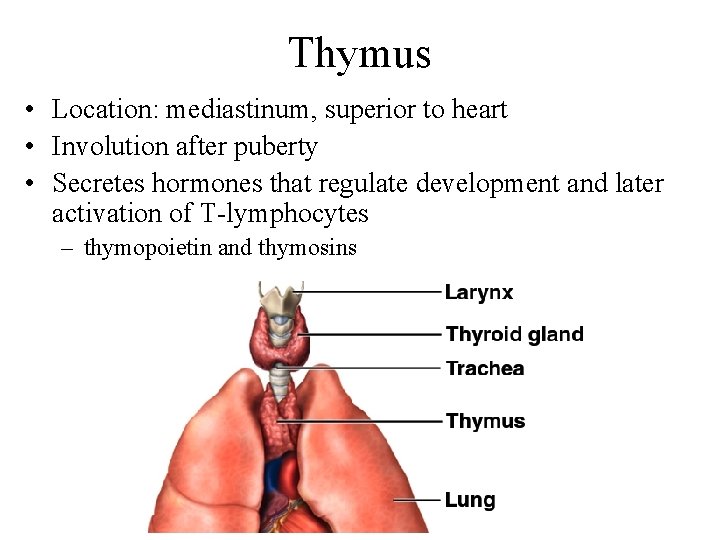
Thymus • Location: mediastinum, superior to heart • Involution after puberty • Secretes hormones that regulate development and later activation of T-lymphocytes – thymopoietin and thymosins
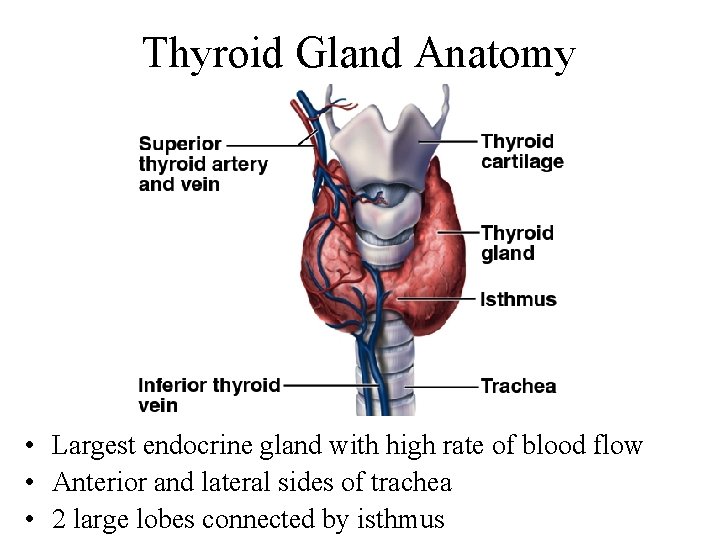
Thyroid Gland Anatomy • Largest endocrine gland with high rate of blood flow • Anterior and lateral sides of trachea • 2 large lobes connected by isthmus
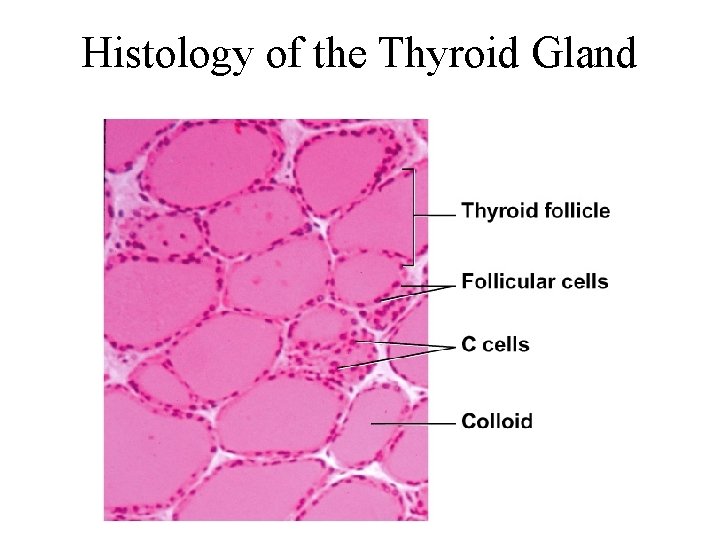
Thyroid Gland • Thyroid follicles – filled with colloid and lined with simple cuboidal epith. (follicular cells) that secretes 2 hormones, T 3+T 4 – Thyroid hormone • • • body’s metabolic rate and O 2 consumption calorigenic effect - heat production heart rate and contraction strength respiratory rate stimulates appetite and breakdown CHO, lipids & proteins • C (calcitonin or parafollicular) cells – produce calcitonin that blood Ca+2, promotes Ca+2 deposition and bone formation especially in children
Histology of the Thyroid Gland
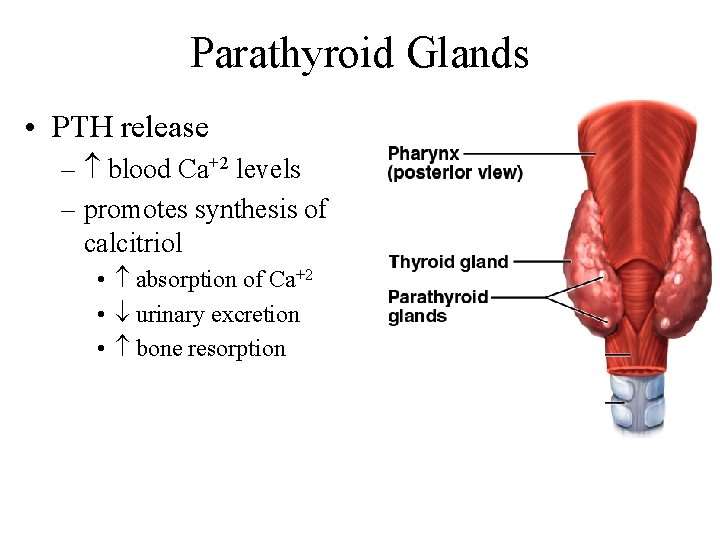
Parathyroid Glands • PTH release – blood Ca+2 levels – promotes synthesis of calcitriol • absorption of Ca+2 • urinary excretion • bone resorption
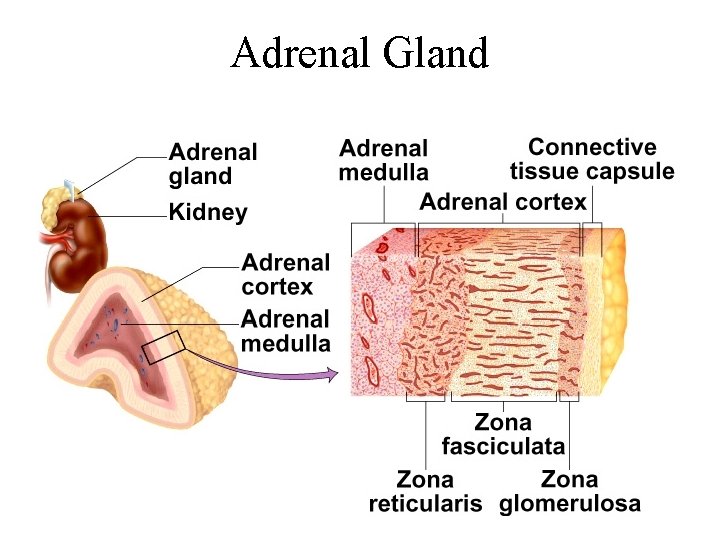
Adrenal Gland
Adrenal Medulla • Sympathetic ganglion innervated by sympathetic preganglionic fibers – consists of modified neurons called chromaffin cells – stimulation causes release of (nor-)epinephrine • Hormonal effect is longer lasting – increases BP and heart rate – increases blood flow to skeletal muscle – increases pulmonary air flow – decreases digestion and urine formation – stimulates gluconeogenesis and glycogenolysis • Stress causes medullary cells to stimulate cortex
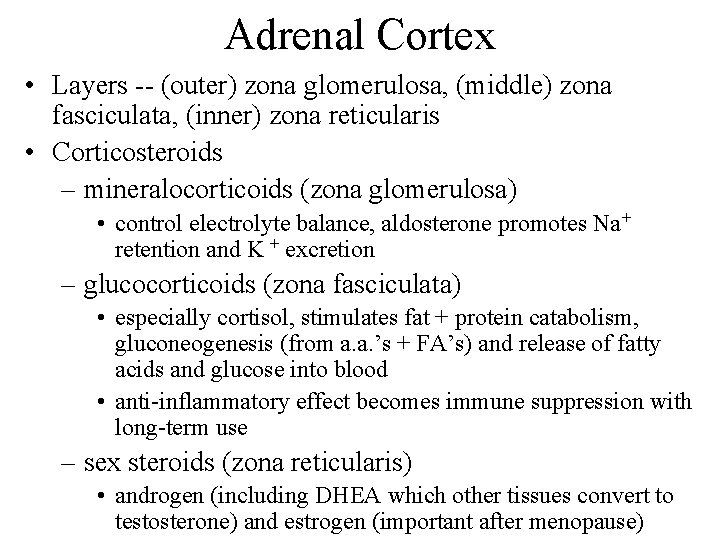
Adrenal Cortex • Layers -- (outer) zona glomerulosa, (middle) zona fasciculata, (inner) zona reticularis • Corticosteroids – mineralocorticoids (zona glomerulosa) • control electrolyte balance, aldosterone promotes Na+ retention and K + excretion – glucocorticoids (zona fasciculata) • especially cortisol, stimulates fat + protein catabolism, gluconeogenesis (from a. a. ’s + FA’s) and release of fatty acids and glucose into blood • anti-inflammatory effect becomes immune suppression with long-term use – sex steroids (zona reticularis) • androgen (including DHEA which other tissues convert to testosterone) and estrogen (important after menopause)
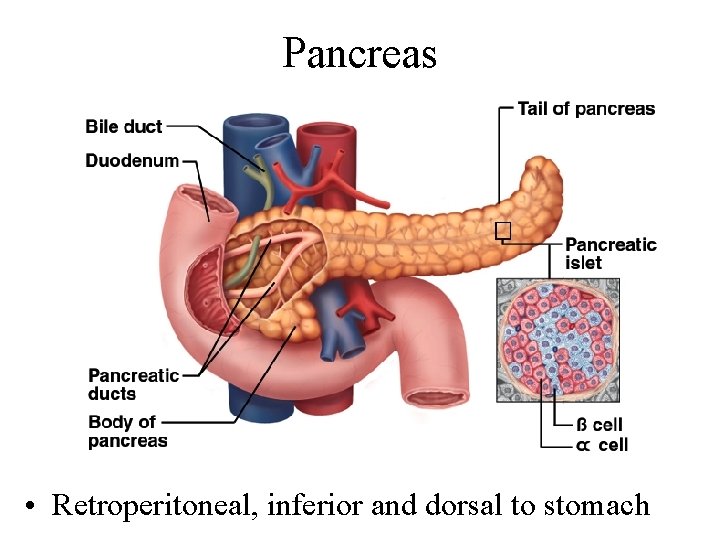
Pancreas • Retroperitoneal, inferior and dorsal to stomach
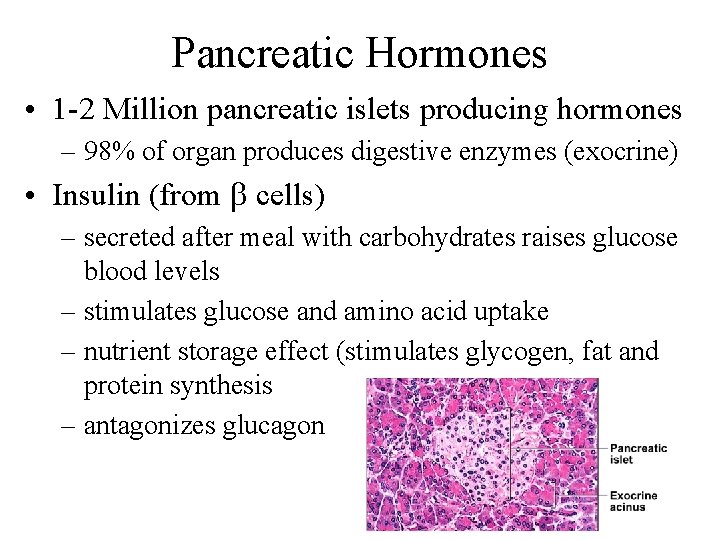
Pancreatic Hormones • 1 -2 Million pancreatic islets producing hormones – 98% of organ produces digestive enzymes (exocrine) • Insulin (from cells) – secreted after meal with carbohydrates raises glucose blood levels – stimulates glucose and amino acid uptake – nutrient storage effect (stimulates glycogen, fat and protein synthesis – antagonizes glucagon
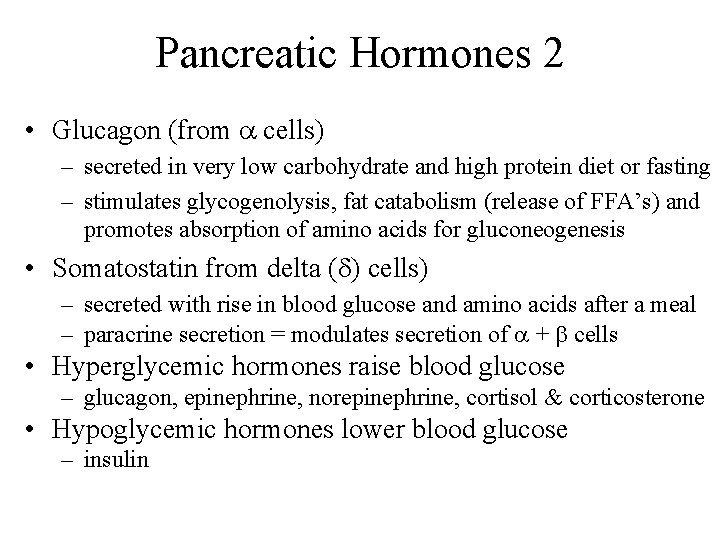
Pancreatic Hormones 2 • Glucagon (from cells) – secreted in very low carbohydrate and high protein diet or fasting – stimulates glycogenolysis, fat catabolism (release of FFA’s) and promotes absorption of amino acids for gluconeogenesis • Somatostatin from delta ( ) cells) – secreted with rise in blood glucose and amino acids after a meal – paracrine secretion = modulates secretion of + cells • Hyperglycemic hormones raise blood glucose – glucagon, epinephrine, norepinephrine, cortisol & corticosterone • Hypoglycemic hormones lower blood glucose – insulin
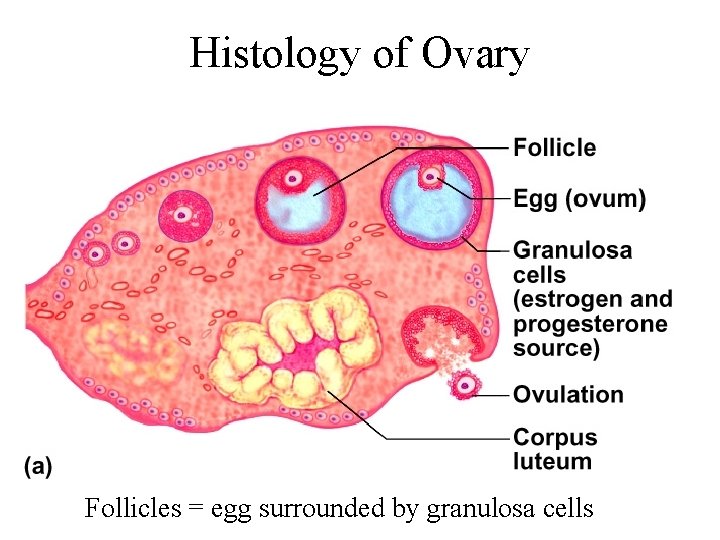
Histology of Ovary Follicles = egg surrounded by granulosa cells
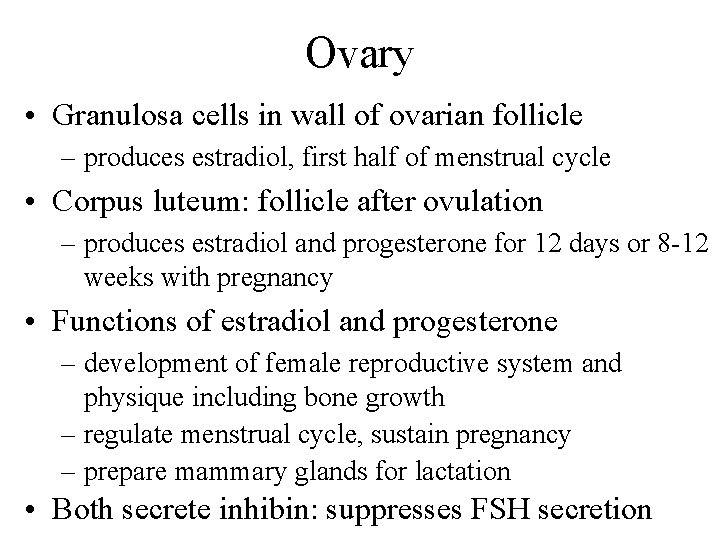
Ovary • Granulosa cells in wall of ovarian follicle – produces estradiol, first half of menstrual cycle • Corpus luteum: follicle after ovulation – produces estradiol and progesterone for 12 days or 8 -12 weeks with pregnancy • Functions of estradiol and progesterone – development of female reproductive system and physique including bone growth – regulate menstrual cycle, sustain pregnancy – prepare mammary glands for lactation • Both secrete inhibin: suppresses FSH secretion
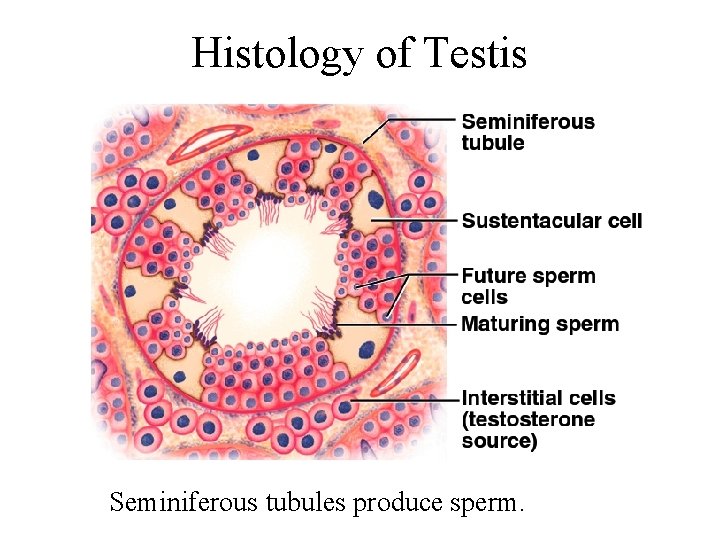
Histology of Testis Seminiferous tubules produce sperm.
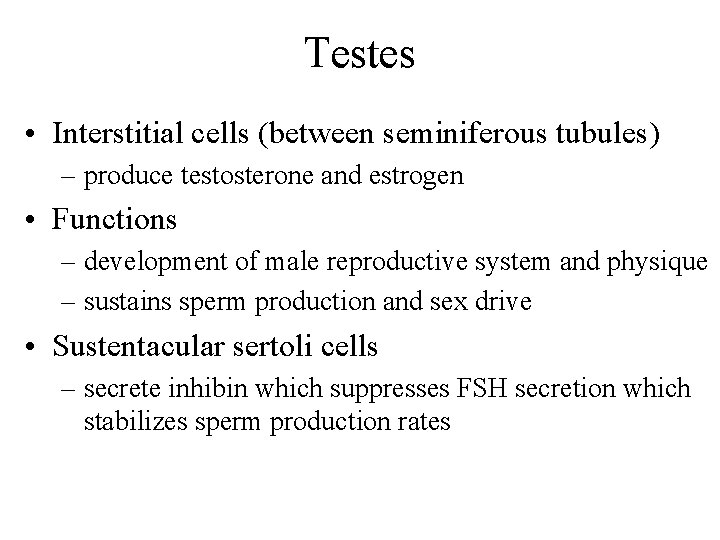
Testes • Interstitial cells (between seminiferous tubules) – produce testosterone and estrogen • Functions – development of male reproductive system and physique – sustains sperm production and sex drive • Sustentacular sertoli cells – secrete inhibin which suppresses FSH secretion which stabilizes sperm production rates
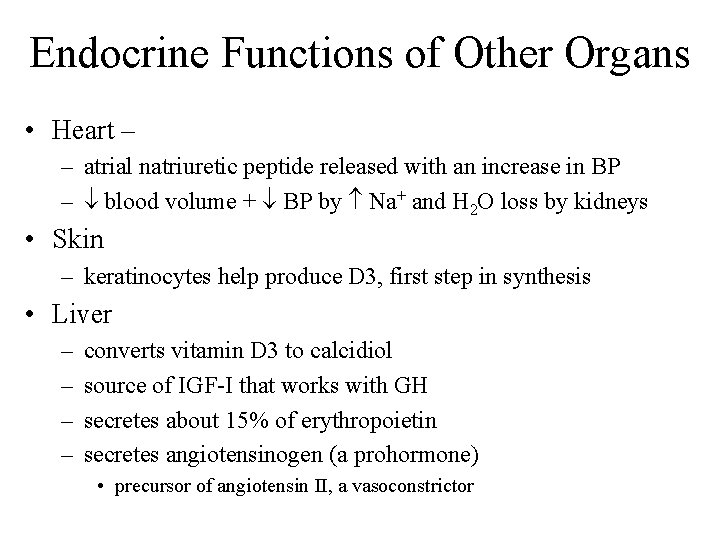
Endocrine Functions of Other Organs • Heart – – atrial natriuretic peptide released with an increase in BP – blood volume + BP by Na+ and H 2 O loss by kidneys • Skin – keratinocytes help produce D 3, first step in synthesis • Liver – – converts vitamin D 3 to calcidiol source of IGF-I that works with GH secretes about 15% of erythropoietin secretes angiotensinogen (a prohormone) • precursor of angiotensin II, a vasoconstrictor
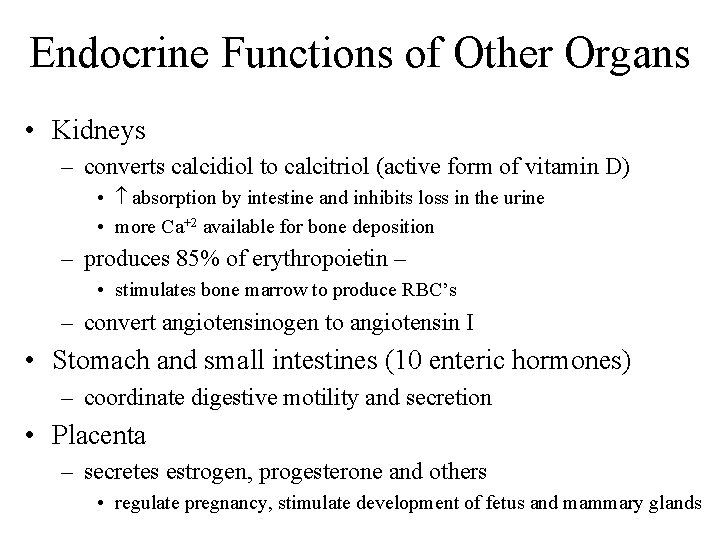
Endocrine Functions of Other Organs • Kidneys – converts calcidiol to calcitriol (active form of vitamin D) • absorption by intestine and inhibits loss in the urine • more Ca+2 available for bone deposition – produces 85% of erythropoietin – • stimulates bone marrow to produce RBC’s – convert angiotensinogen to angiotensin I • Stomach and small intestines (10 enteric hormones) – coordinate digestive motility and secretion • Placenta – secretes estrogen, progesterone and others • regulate pregnancy, stimulate development of fetus and mammary glands
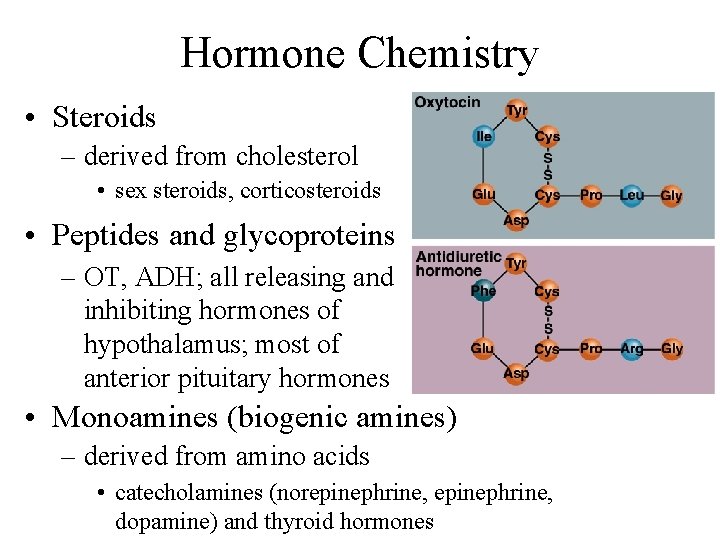
Hormone Chemistry • Steroids – derived from cholesterol • sex steroids, corticosteroids • Peptides and glycoproteins – OT, ADH; all releasing and inhibiting hormones of hypothalamus; most of anterior pituitary hormones • Monoamines (biogenic amines) – derived from amino acids • catecholamines (norepinephrine, dopamine) and thyroid hormones
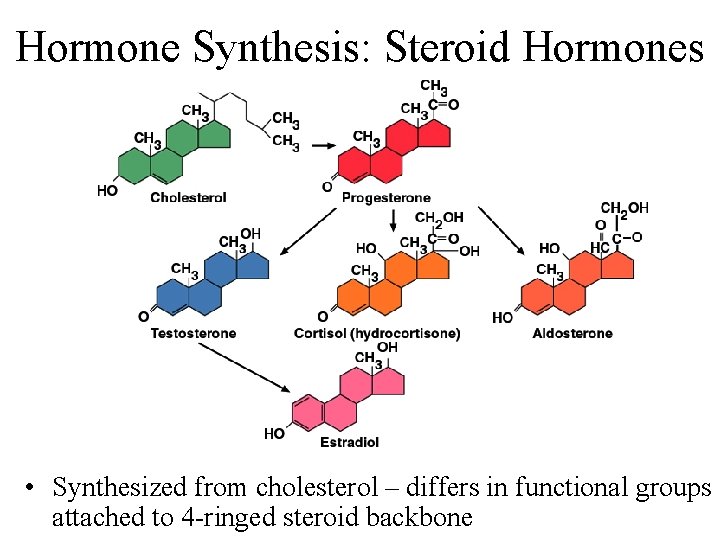
Hormone Synthesis: Steroid Hormones • Synthesized from cholesterol – differs in functional groups attached to 4 -ringed steroid backbone
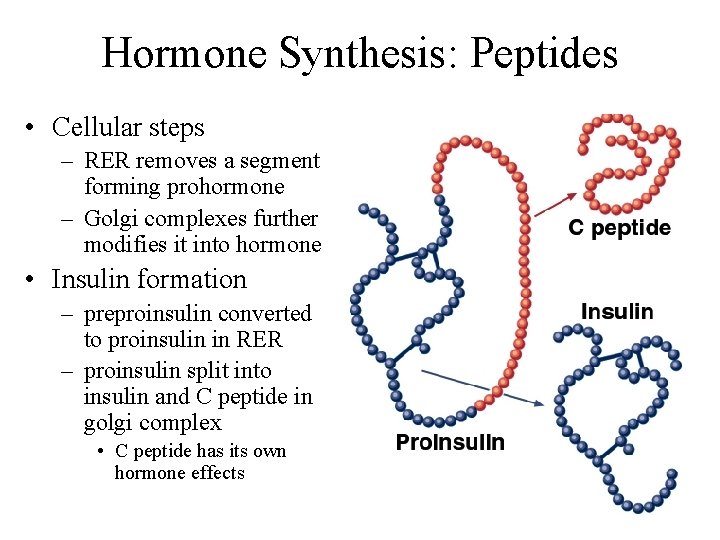
Hormone Synthesis: Peptides • Cellular steps – RER removes a segment forming prohormone – Golgi complexes further modifies it into hormone • Insulin formation – preproinsulin converted to proinsulin in RER – proinsulin split into insulin and C peptide in golgi complex • C peptide has its own hormone effects
Hormone Synthesis: Monoamines • All are synthesized from tyrosine – except melatonin which is synthesized from tryptophan • Thyroid hormone is unusual – composed of 2 tyrosine molecules – requires a mineral, iodine
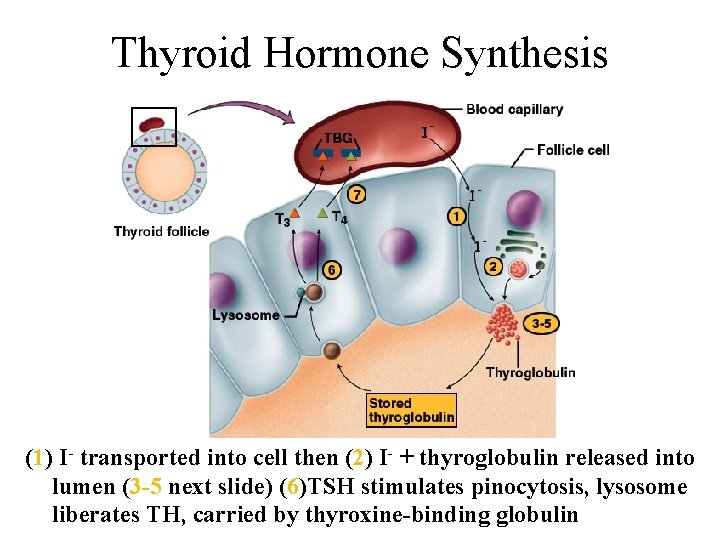
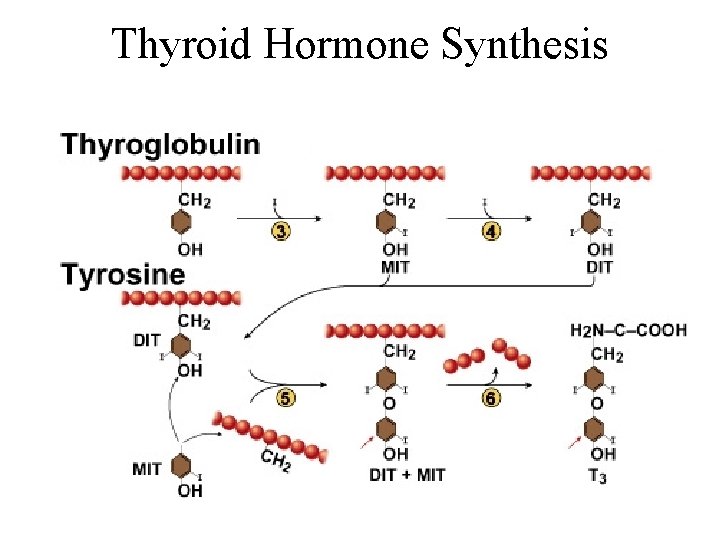
Thyroid Hormone Synthesis (1) I- transported into cell then (2) I- + thyroglobulin released into lumen (3 -5 next slide) (6)TSH stimulates pinocytosis, lysosome liberates TH, carried by thyroxine-binding globulin
Thyroid Hormone Synthesis
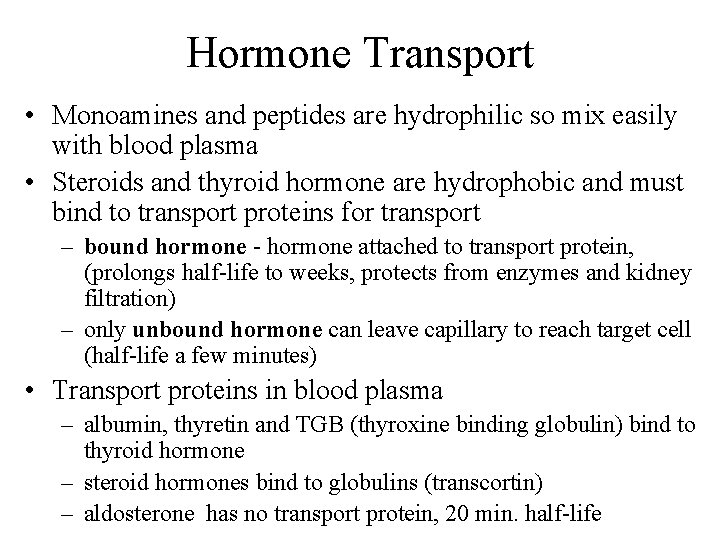
Hormone Transport • Monoamines and peptides are hydrophilic so mix easily with blood plasma • Steroids and thyroid hormone are hydrophobic and must bind to transport proteins for transport – bound hormone - hormone attached to transport protein, (prolongs half-life to weeks, protects from enzymes and kidney filtration) – only unbound hormone can leave capillary to reach target cell (half-life a few minutes) • Transport proteins in blood plasma – albumin, thyretin and TGB (thyroxine binding globulin) bind to thyroid hormone – steroid hormones bind to globulins (transcortin) – aldosterone has no transport protein, 20 min. half-life
Hormone Receptors • Located on plasma membrane, mitochondria and other organelles, or in nucleus • Usually thousands for given hormone – turn metabolic pathways on or off when hormone binds • Exhibit specificity and saturation
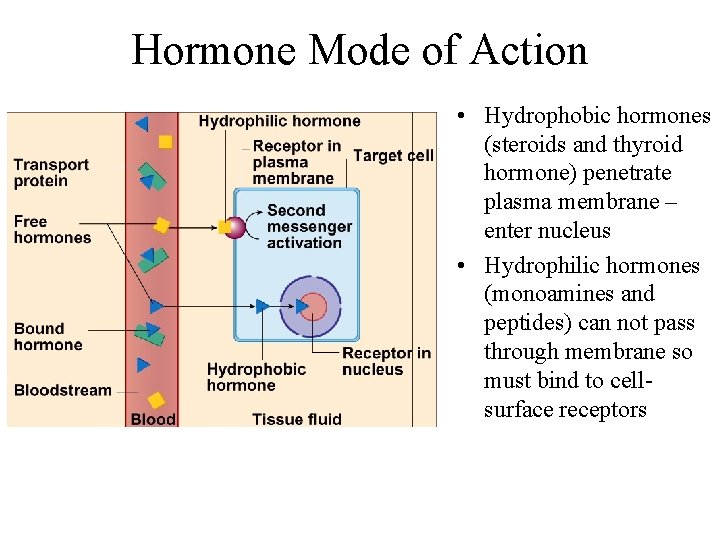
Hormone Mode of Action • Hydrophobic hormones (steroids and thyroid hormone) penetrate plasma membrane – enter nucleus • Hydrophilic hormones (monoamines and peptides) can not pass through membrane so must bind to cellsurface receptors
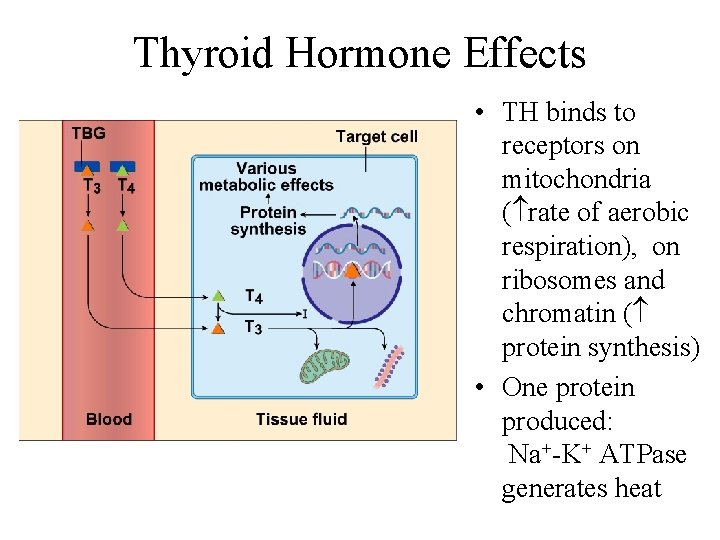
Thyroid Hormone Effects • TH binds to receptors on mitochondria ( rate of aerobic respiration), on ribosomes and chromatin ( protein synthesis) • One protein produced: Na+-K+ ATPase generates heat
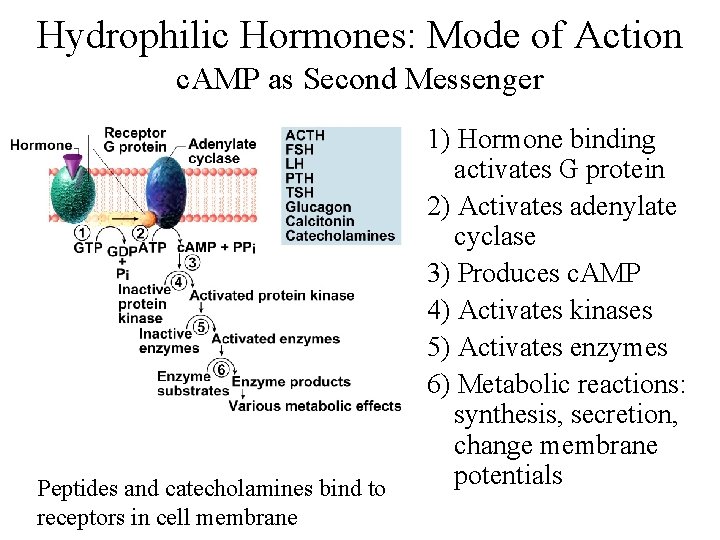
Hydrophilic Hormones: Mode of Action c. AMP as Second Messenger Peptides and catecholamines bind to receptors in cell membrane 1) Hormone binding activates G protein 2) Activates adenylate cyclase 3) Produces c. AMP 4) Activates kinases 5) Activates enzymes 6) Metabolic reactions: synthesis, secretion, change membrane potentials
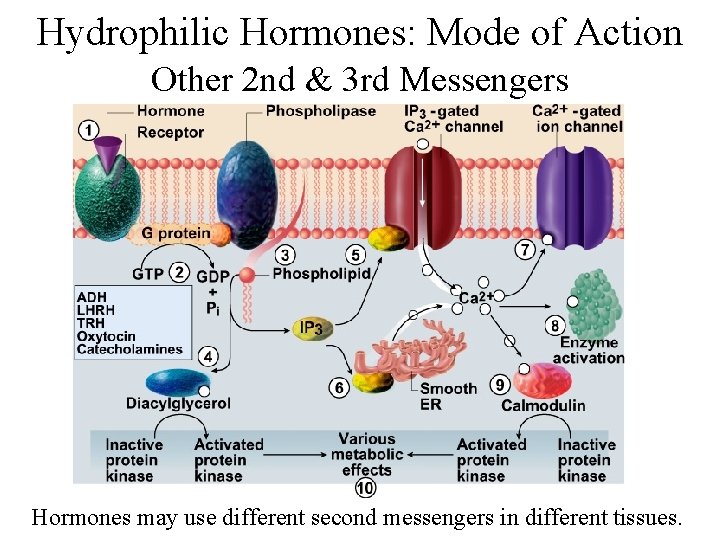
Hydrophilic Hormones: Mode of Action Other 2 nd & 3 rd Messengers Hormones may use different second messengers in different tissues.
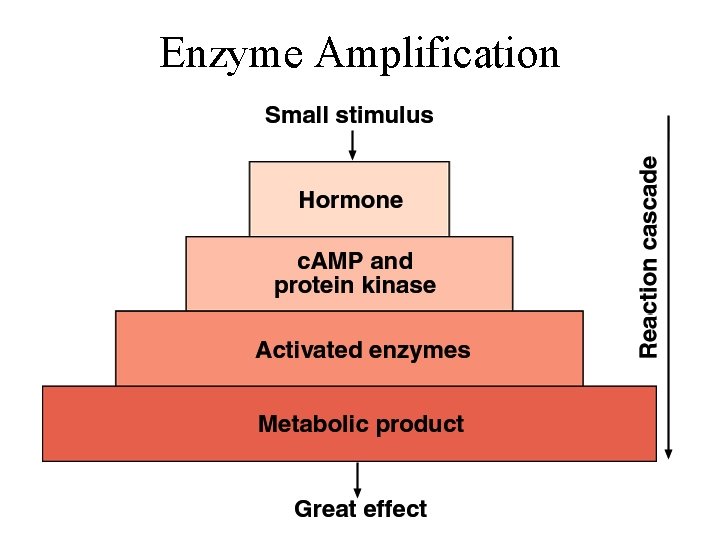
Enzyme Amplification
Hormone Clearance • • • Hormone signals must be turned off Take up and degraded by liver and kidney Excreted in bile or urine Metabolic clearance rate (MCR) Half-life is time required to clear 50% of hormone
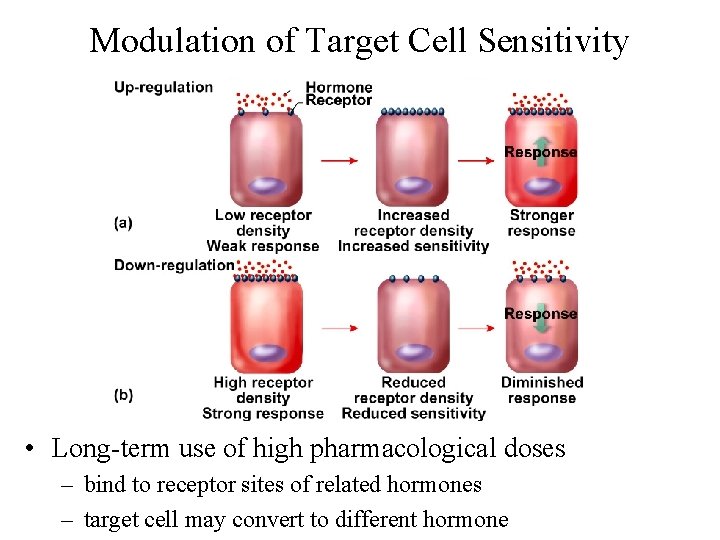
Modulation of Target Cell Sensitivity • Long-term use of high pharmacological doses – bind to receptor sites of related hormones – target cell may convert to different hormone
Hormone Interactions • Most cells sensitive to more than one hormone and exhibit interactive effects • Synergistic effects • Permissive effects – one hormone enhances response to a second hormone • Antagonistic effects
Stress and Adaptation • Any situation that upsets homeostasis and threatens one’s physical or emotional well-being causes stress • Way body reacts to stress called the general adaptation syndrome, occurs in 3 stages – alarm reaction – stage of resistance – stage of exhaustion
Alarm Reaction • • • Initial response epinephrine and norepinephrine levels HR and BP blood glucose levels Sodium and water retention (aldosterone)
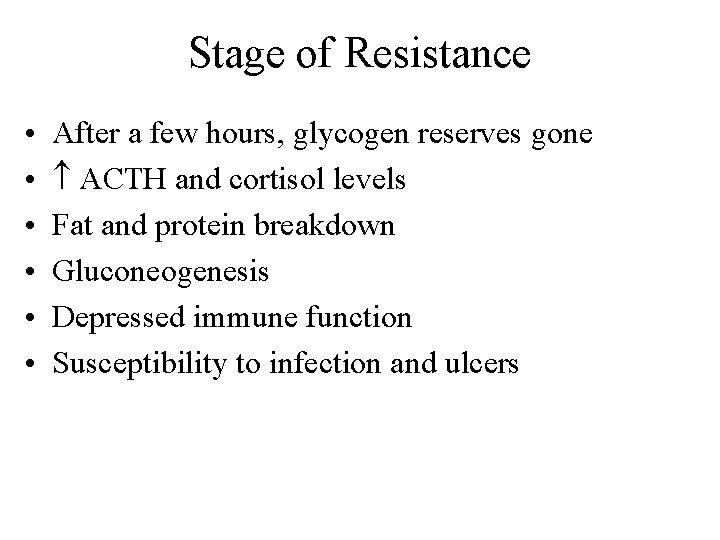
Stage of Resistance • • • After a few hours, glycogen reserves gone ACTH and cortisol levels Fat and protein breakdown Gluconeogenesis Depressed immune function Susceptibility to infection and ulcers
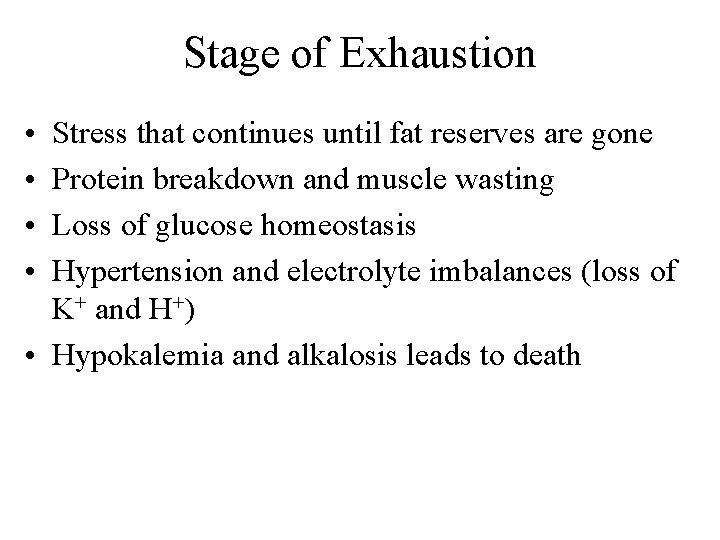
Stage of Exhaustion • • Stress that continues until fat reserves are gone Protein breakdown and muscle wasting Loss of glucose homeostasis Hypertension and electrolyte imbalances (loss of K+ and H+) • Hypokalemia and alkalosis leads to death
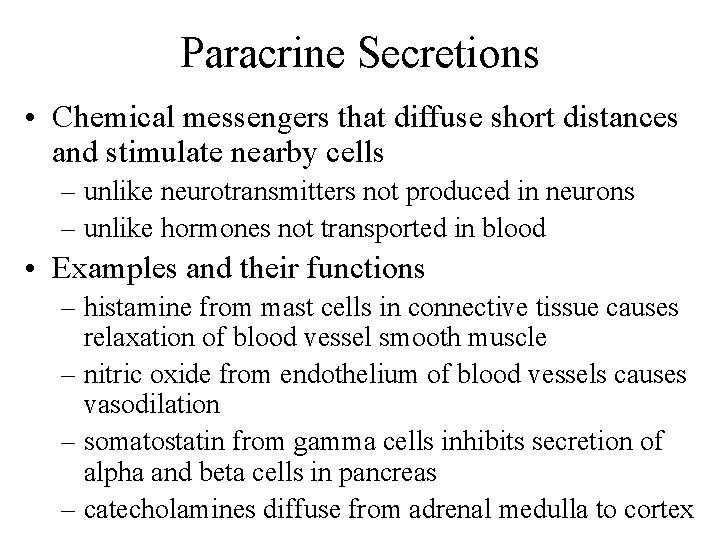
Paracrine Secretions • Chemical messengers that diffuse short distances and stimulate nearby cells – unlike neurotransmitters not produced in neurons – unlike hormones not transported in blood • Examples and their functions – histamine from mast cells in connective tissue causes relaxation of blood vessel smooth muscle – nitric oxide from endothelium of blood vessels causes vasodilation – somatostatin from gamma cells inhibits secretion of alpha and beta cells in pancreas – catecholamines diffuse from adrenal medulla to cortex
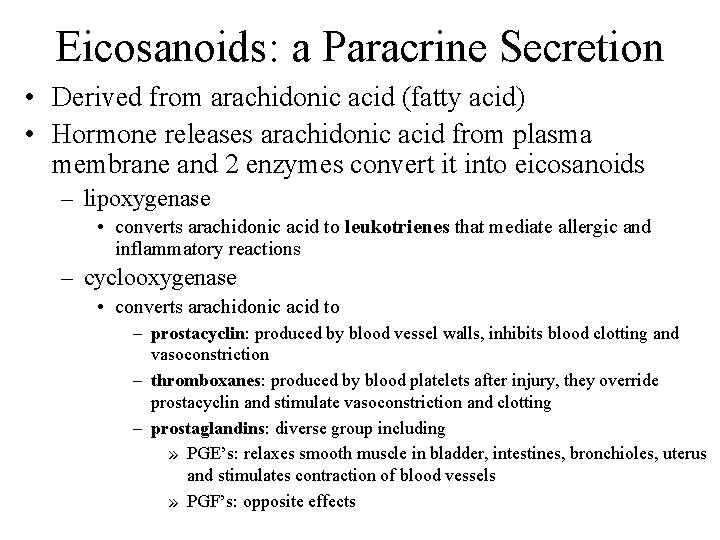
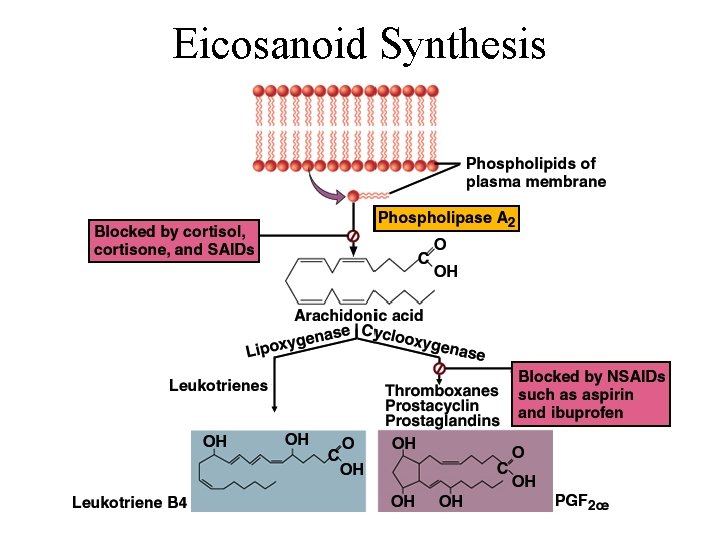
Eicosanoids: a Paracrine Secretion • Derived from arachidonic acid (fatty acid) • Hormone releases arachidonic acid from plasma membrane and 2 enzymes convert it into eicosanoids – lipoxygenase • converts arachidonic acid to leukotrienes that mediate allergic and inflammatory reactions – cyclooxygenase • converts arachidonic acid to – prostacyclin: produced by blood vessel walls, inhibits blood clotting and vasoconstriction – thromboxanes: produced by blood platelets after injury, they override prostacyclin and stimulate vasoconstriction and clotting – prostaglandins: diverse group including » PGE’s: relaxes smooth muscle in bladder, intestines, bronchioles, uterus and stimulates contraction of blood vessels » PGF’s: opposite effects
Eicosanoid Synthesis
Endocrine Disorders • Variations in hormone concentration and target cell sensitivity have noticeable effects on the body • Hyposecretion – inadequate hormone release – tumor or lesion destroys gland • head trauma affects pituitary gland’s ability to secrete ADH – diabetes insipidus = chronic polyuria • Hypersecretion – excessive hormone release – tumors or autoimmune disorder • toxic goiter (graves disease) – antibodies mimic effect of TSH on the thyroid
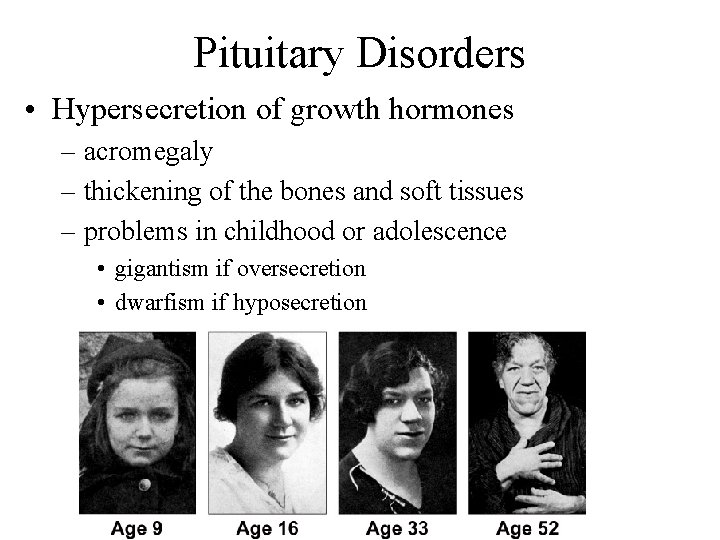
Pituitary Disorders • Hypersecretion of growth hormones – acromegaly – thickening of the bones and soft tissues – problems in childhood or adolescence • gigantism if oversecretion • dwarfism if hyposecretion
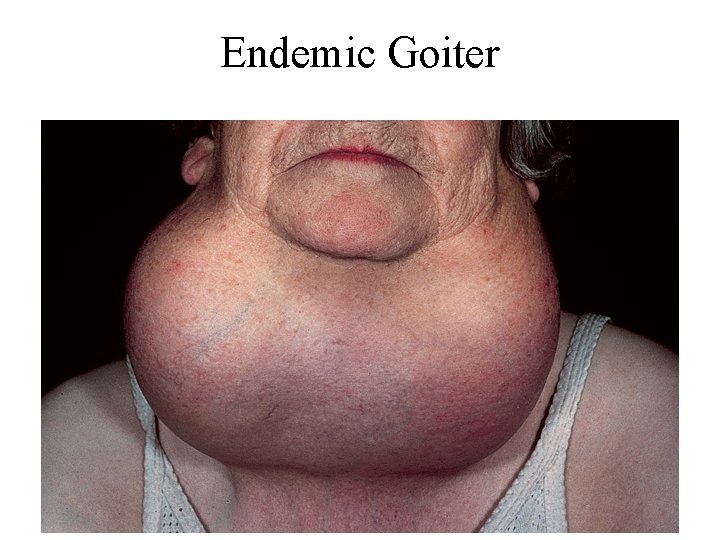
Thyroid Gland Disorders • Congenital hypothyroidism ( TH) – infant suffers abnormal bone development, thickened facial features, low temperature, lethargy, brain damage • Myxedema (adult hypothyroidism, TH) – low metabolic rate, sluggishness, sleepiness, weight gain, constipation, dry skin and hair, cold sensitivity, blood pressure and tissue swelling • Endemic goiter (goiter = enlarged thyroid gland) – dietary iodine deficiency, no TH, no - feedback, TSH • Toxic goiter (Graves disease) – antibodies mimic TSH, TH, exophthalmos
Endemic Goiter
Parathyroid Disorders • Hypoparathyroid – surgical excision during thyroid surgery – fatal tetany 3 -4 days • Hyperparathyroid = excess PTH secretion – tumor in gland – causes soft, fragile and deformed bones – blood Ca+2 – renal calculi
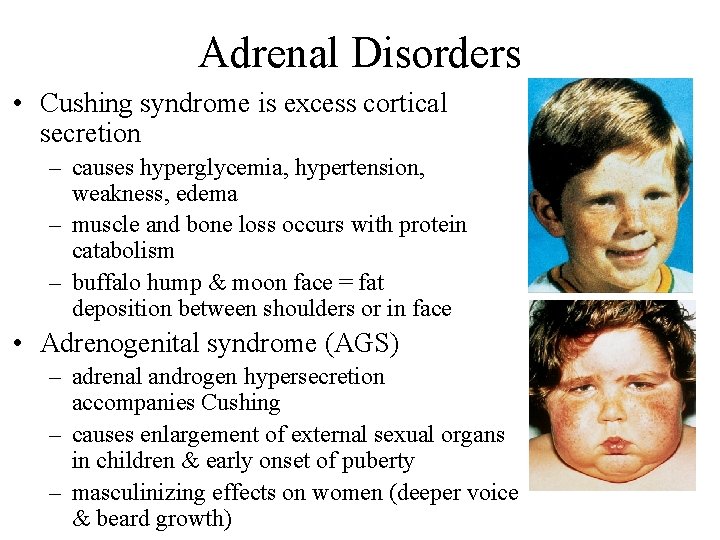
Adrenal Disorders • Cushing syndrome is excess cortical secretion – causes hyperglycemia, hypertension, weakness, edema – muscle and bone loss occurs with protein catabolism – buffalo hump & moon face = fat deposition between shoulders or in face • Adrenogenital syndrome (AGS) – adrenal androgen hypersecretion accompanies Cushing – causes enlargement of external sexual organs in children & early onset of puberty – masculinizing effects on women (deeper voice & beard growth)
Diabetes Mellitus • Signs and symptoms of hyposecretion of insulin – polyuria, polydipsia, polyphagia – hyperglycemia, glycosuria, ketonuria • osmotic diuresis : blood glucose levels rise above transport maximum of kidney tubules, glucose remains in urine, osmolarity and draws water into urine • Transport maximum of glucose reabsorption – kidney tubules can not reabsorb glucose fast enough if no insulin is present – osmotic diuresis results due to excess glucose and ketones in tubules
Types of Diabetes Mellitus • Type I (IDDM) - 10% of cases – some cases have autoimmune destruction of cells, diagnosed about age 12 – treated with diet, exercise, monitoring of blood glucose and periodic injections of insulin or insulin pump • Type II (NIDDM) - 90% – insulin resistance • failure of target cells to respond to insulin – 3 major risk factors are heredity, age (40+) and obesity – treated with weight loss program of diet and exercise, – oral medications improve insulin secretion or target cell sensitivity
Pathology of Diabetes • Acute pathology: cells cannot absorb glucose, rely on fat and proteins (weight loss + weakness) – fat catabolism FFA’s in blood and ketone bodies – ketonuria promotes osmotic diuresis, loss of Na+ + K+ – ketoacidosis occurs as ketones blood p. H • if continued causes dyspnea and eventually diabetic coma • Chronic pathology – chronic hyperglycemia leads to neuropathy and cardiovascular damage from atherosclerosis • retina and kidneys (common in type I), atherosclerosis leading to heart failure (common in type II), and gangrene
Hyperinsulinism • From excess insulin injection or pancreatic islet tumor • Causes hypoglycemia, weakness and hunger – triggers secretion of epinephrine, GH and glucagon • side effects: anxiety, sweating and HR • Insulin shock – uncorrected hyperinsulinism with disorientation, convulsions or unconsciousness