
Chapter 17 APUSH Manifest Destiny and Its Legacy
- Slides: 49
Chapter 17 APUSH Manifest Destiny and Its Legacy
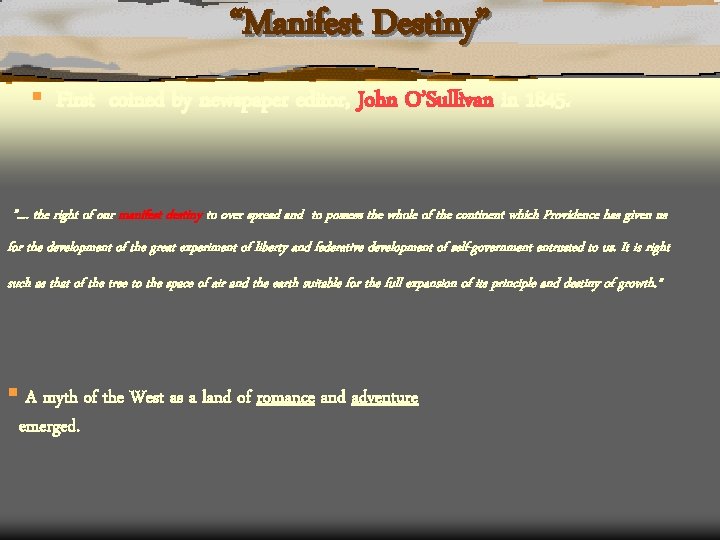
“Manifest Destiny” § First coined by newspaper editor, John O’Sullivan in 1845. ". . the right of our manifest destiny to over spread and to possess the whole of the continent which Providence has given us for the development of the great experiment of liberty and federative development of self-government entrusted to us. It is right such as that of the tree to the space of air and the earth suitable for the full expansion of its principle and destiny of growth. " § A myth of the West as a land of romance and adventure emerged.
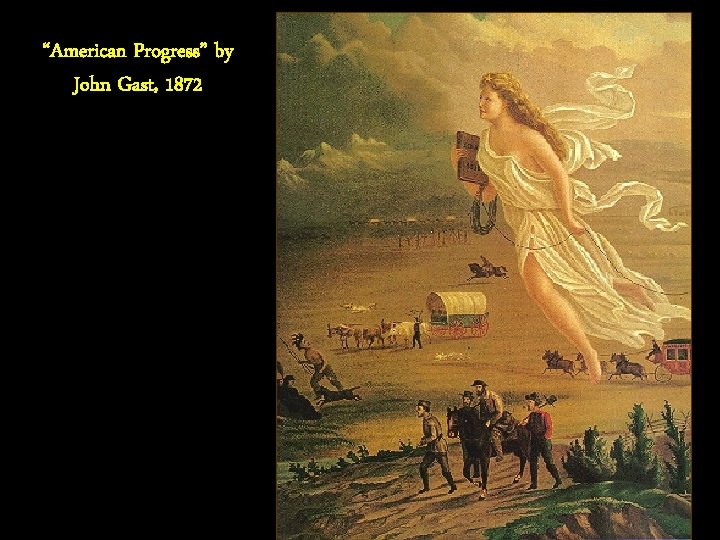
“American Progress” by John Gast, 1872
Expansion in Texas
• Gone to Texas - Why? - Land(Real estate deal- original 300) - Mexicans asked for settlers (Tejanos) - Needed to become Catholic
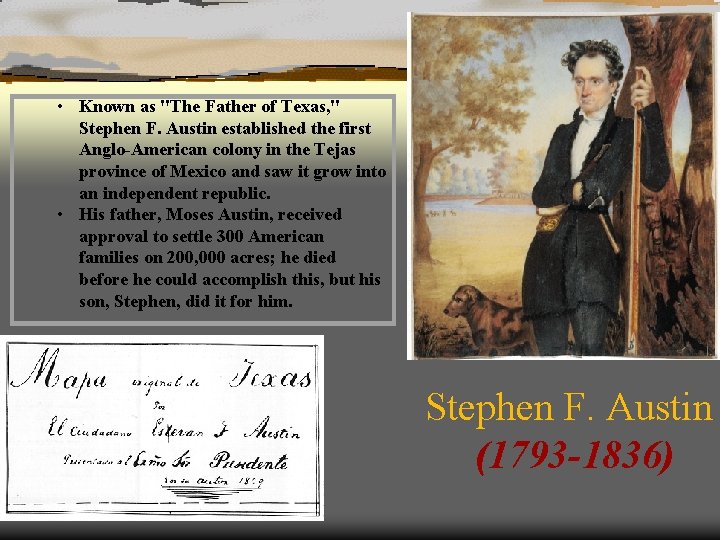
• Known as "The Father of Texas, " Stephen F. Austin established the first Anglo-American colony in the Tejas province of Mexico and saw it grow into an independent republic. • His father, Moses Austin, received approval to settle 300 American families on 200, 000 acres; he died before he could accomplish this, but his son, Stephen, did it for him. Stephen F. Austin (1793 -1836)
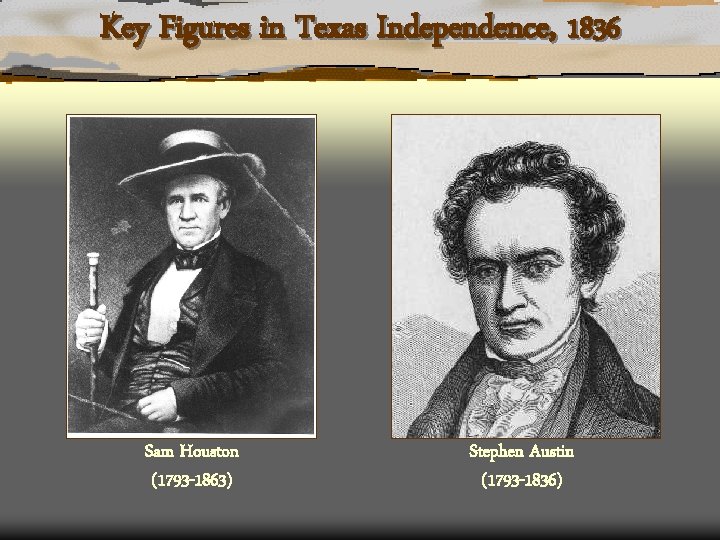
Key Figures in Texas Independence, 1836 Sam Houston (1793 -1863) Stephen Austin (1793 -1836)
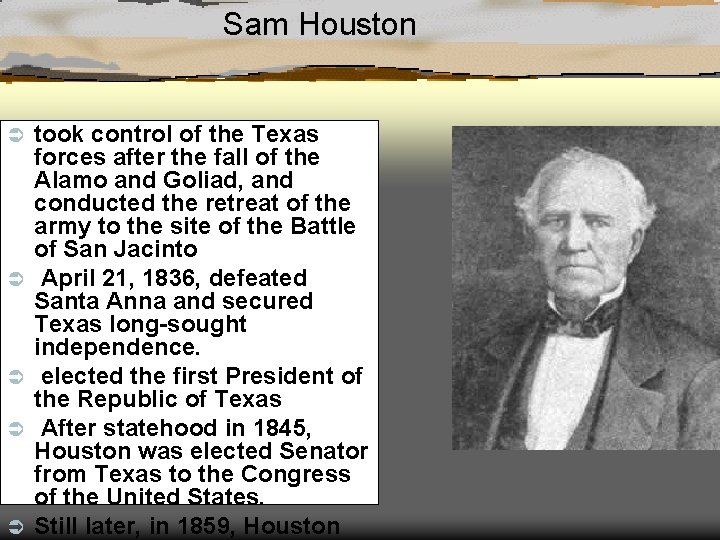
Sam Houston Ü Ü Ü took control of the Texas forces after the fall of the Alamo and Goliad, and conducted the retreat of the army to the site of the Battle of San Jacinto April 21, 1836, defeated Santa Anna and secured Texas long-sought independence. elected the first President of the Republic of Texas After statehood in 1845, Houston was elected Senator from Texas to the Congress of the United States. Still later, in 1859, Houston
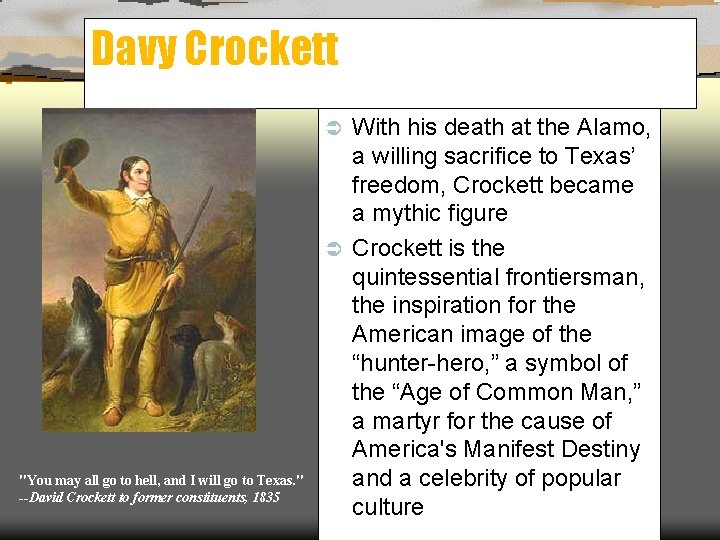
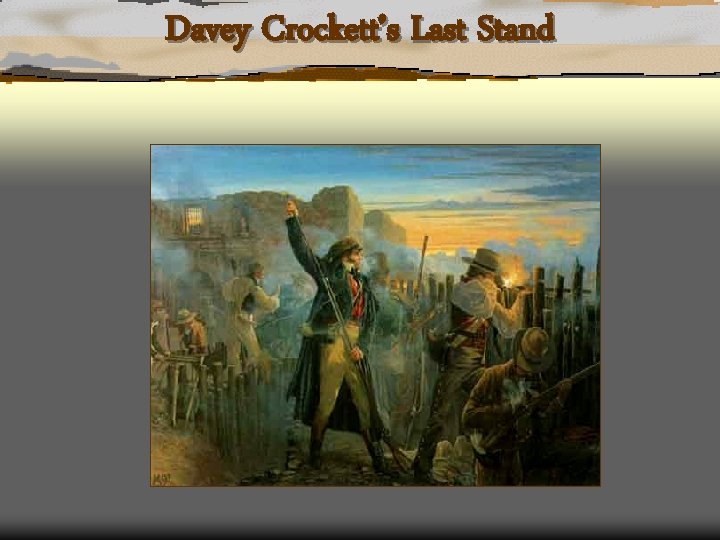
Davy Crockett With his death at the Alamo, a willing sacrifice to Texas’ freedom, Crockett became a mythic figure Ü Crockett is the quintessential frontiersman, the inspiration for the American image of the “hunter-hero, ” a symbol of the “Age of Common Man, ” a martyr for the cause of America's Manifest Destiny and a celebrity of popular culture Ü "You may all go to hell, and I will go to Texas. " --David Crockett to former constituents, 1835
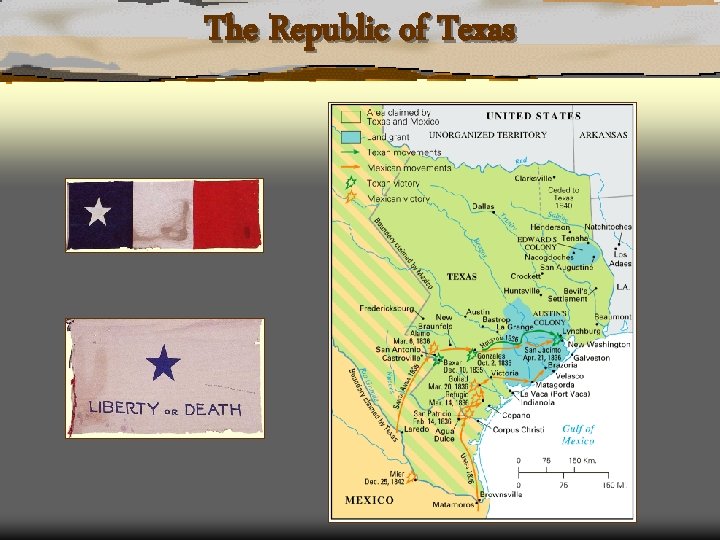
The Republic of Texas
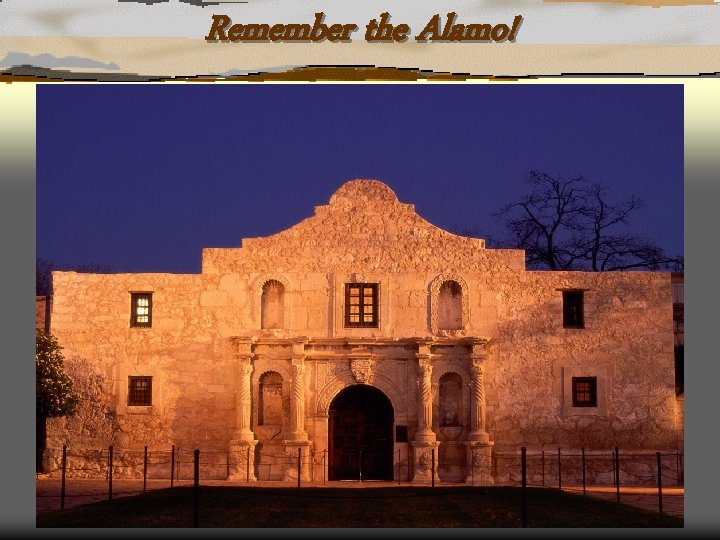
Remember the Alamo!
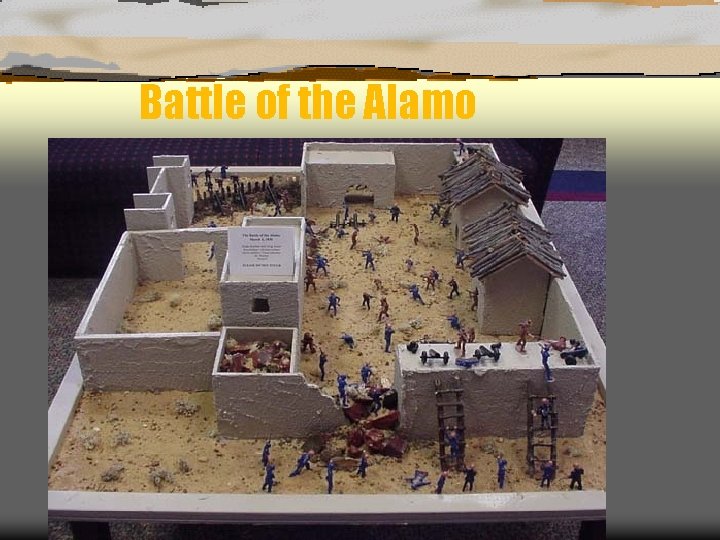
Battle of the Alamo
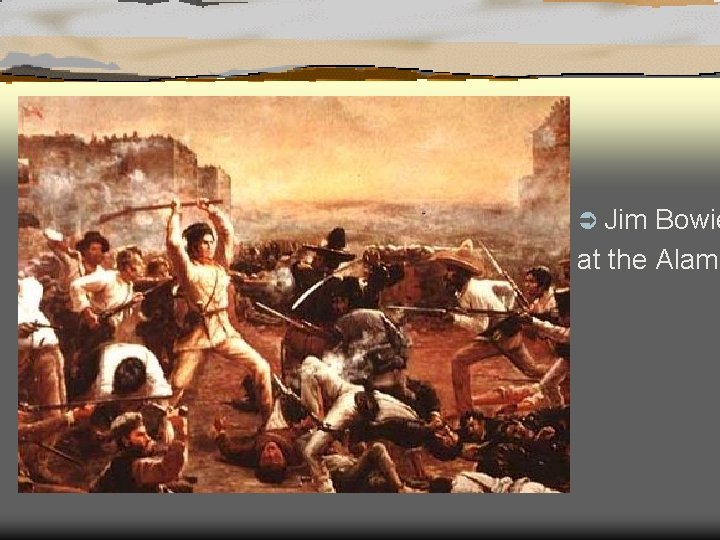
Ü Jim Bowie at the Alamo
Davey Crockett’s Last Stand
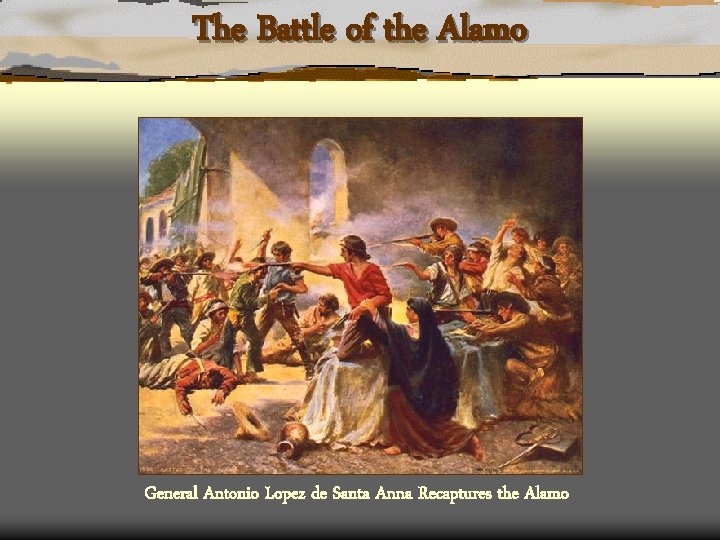
The Battle of the Alamo General Antonio Lopez de Santa Anna Recaptures the Alamo
Meanwhile…. . -Despite the win, the 13 -day holdout stalled the Mexican Army and allowed Sam Houston to gather troops and supplies for hi success at the Battle of San Jacinto. -The Texan revolutionaries went on to win the war for their ind
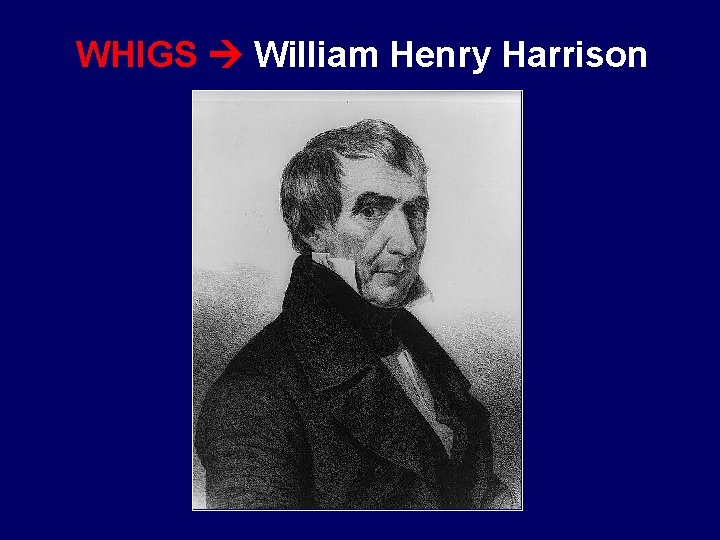
WHIGS William Henry Harrison
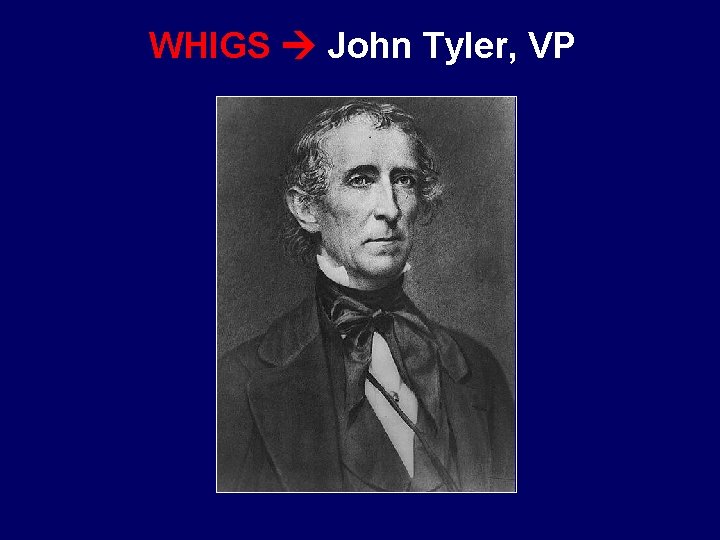
WHIGS John Tyler, VP
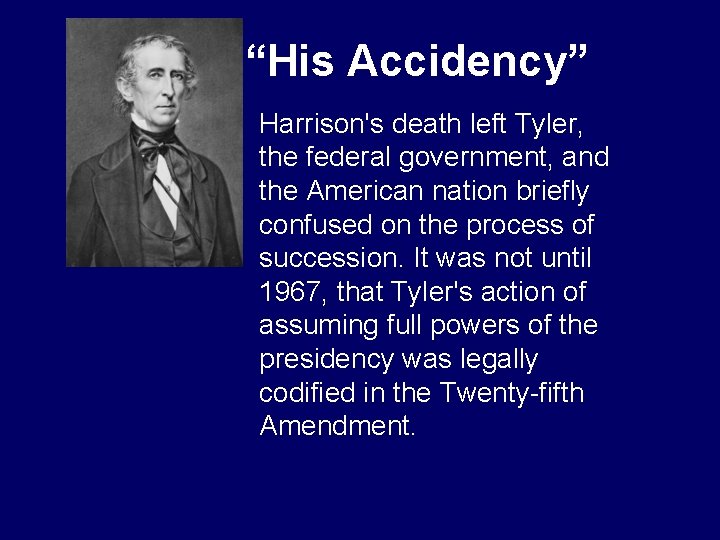
“His Accidency” Harrison's death left Tyler, the federal government, and the American nation briefly confused on the process of succession. It was not until 1967, that Tyler's action of assuming full powers of the presidency was legally codified in the Twenty-fifth Amendment.
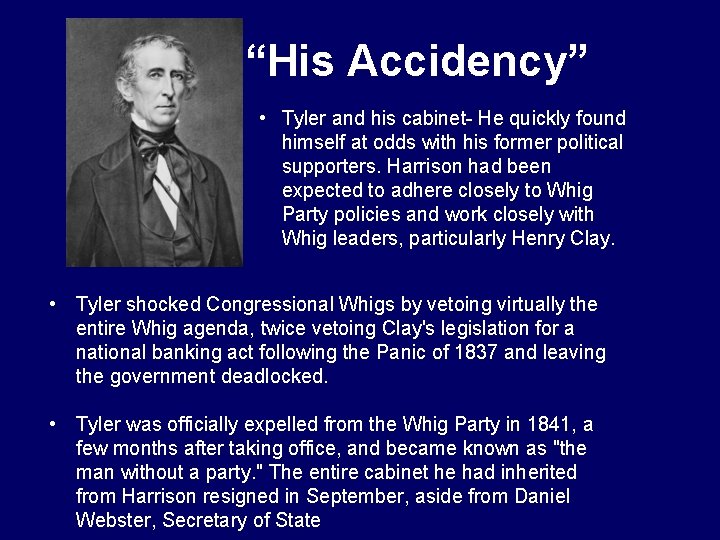
“His Accidency” • Tyler and his cabinet- He quickly found himself at odds with his former political supporters. Harrison had been expected to adhere closely to Whig Party policies and work closely with Whig leaders, particularly Henry Clay. • Tyler shocked Congressional Whigs by vetoing virtually the entire Whig agenda, twice vetoing Clay's legislation for a national banking act following the Panic of 1837 and leaving the government deadlocked. • Tyler was officially expelled from the Whig Party in 1841, a few months after taking office, and became known as "the man without a party. " The entire cabinet he had inherited from Harrison resigned in September, aside from Daniel Webster, Secretary of State
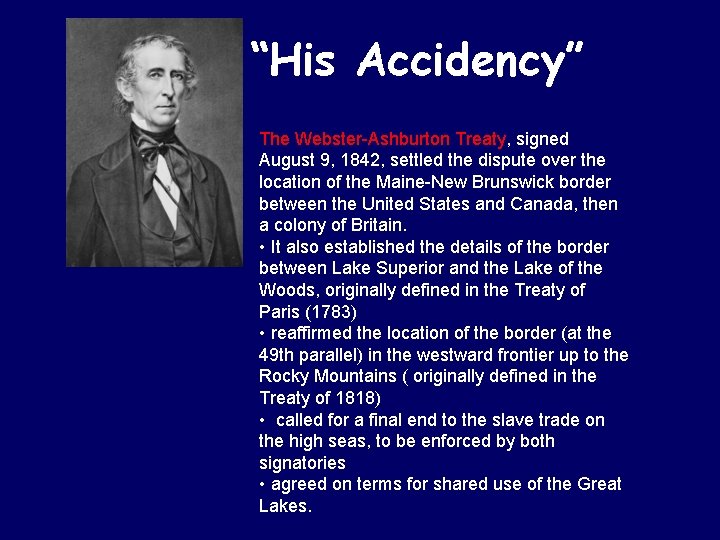
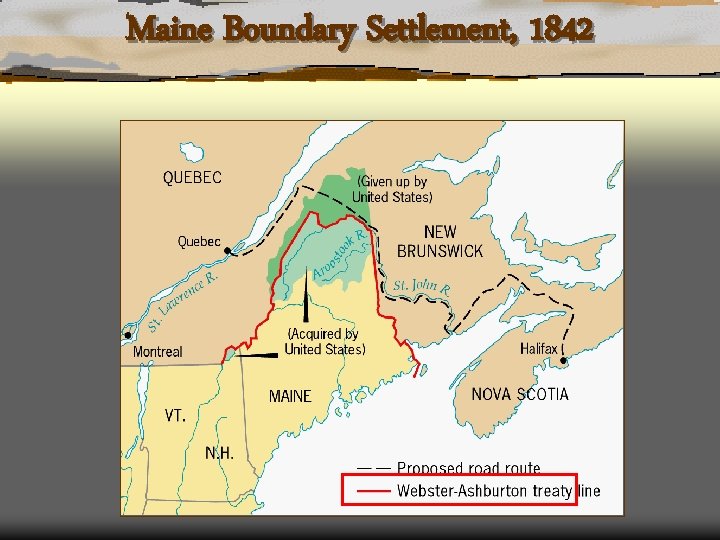
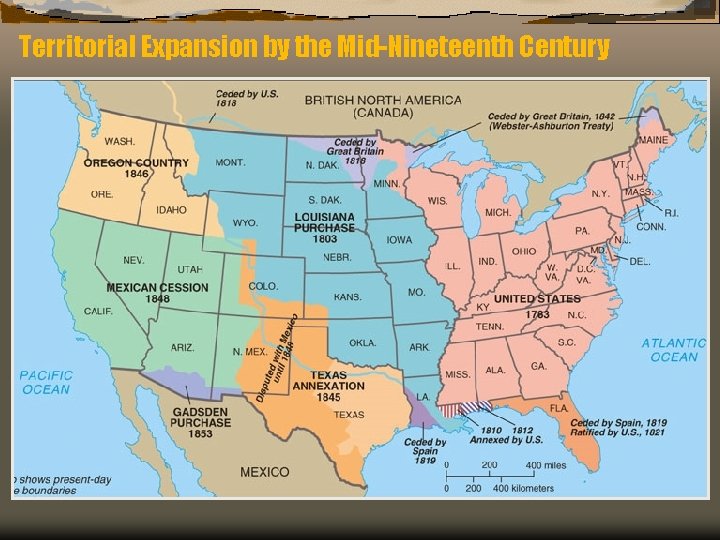
“His Accidency” The Webster-Ashburton Treaty, signed August 9, 1842, settled the dispute over the location of the Maine-New Brunswick border between the United States and Canada, then a colony of Britain. • It also established the details of the border between Lake Superior and the Lake of the Woods, originally defined in the Treaty of Paris (1783) • reaffirmed the location of the border (at the 49 th parallel) in the westward frontier up to the Rocky Mountains ( originally defined in the Treaty of 1818) • called for a final end to the slave trade on the high seas, to be enforced by both signatories • agreed on terms for shared use of the Great Lakes.
Maine Boundary Settlement, 1842
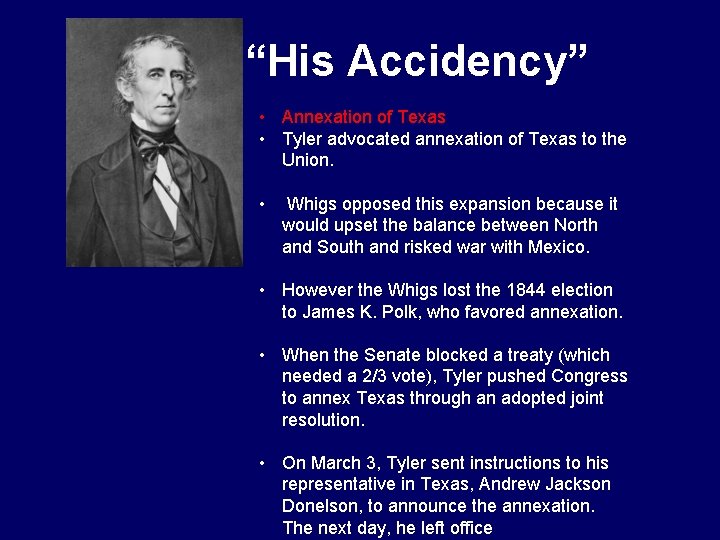
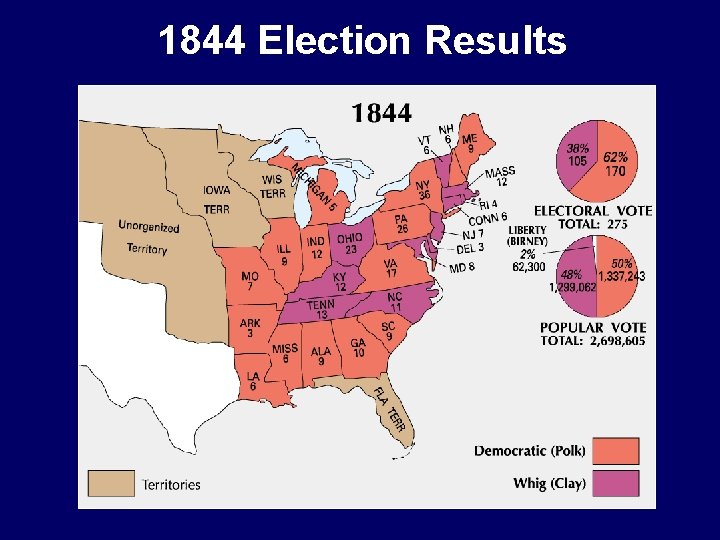
“His Accidency” • Annexation of Texas • Tyler advocated annexation of Texas to the Union. • Whigs opposed this expansion because it would upset the balance between North and South and risked war with Mexico. • However the Whigs lost the 1844 election to James K. Polk, who favored annexation. • When the Senate blocked a treaty (which needed a 2/3 vote), Tyler pushed Congress to annex Texas through an adopted joint resolution. • On March 3, Tyler sent instructions to his representative in Texas, Andrew Jackson Donelson, to announce the annexation. The next day, he left office
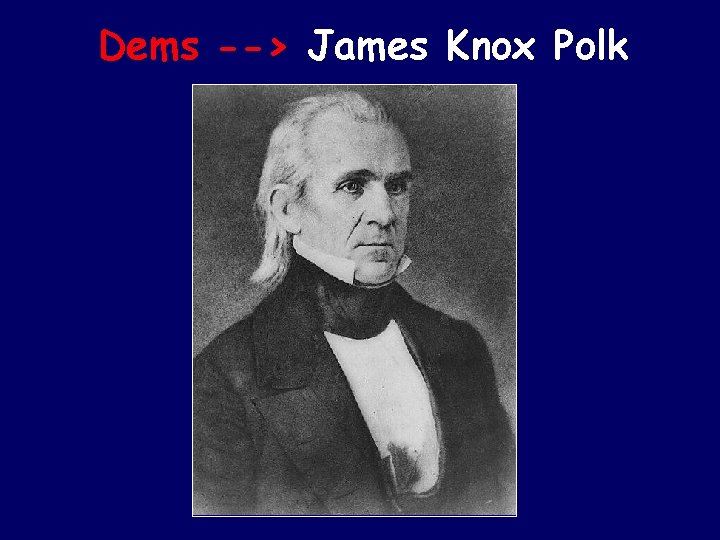
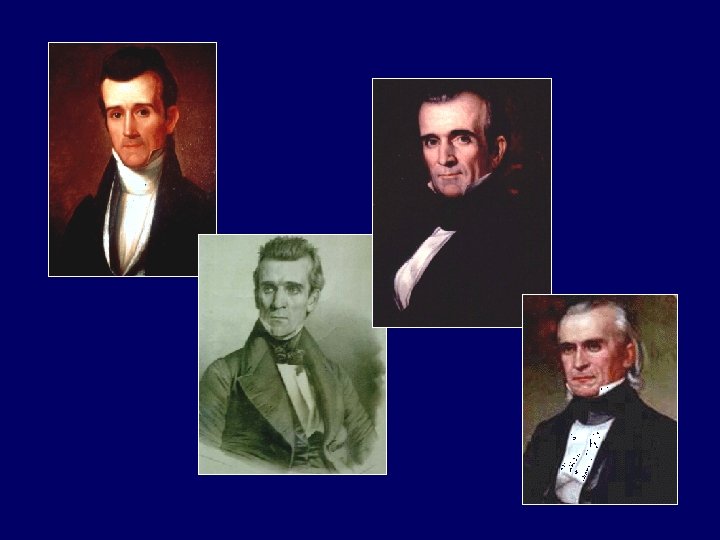
Dems --> James Knox Polk
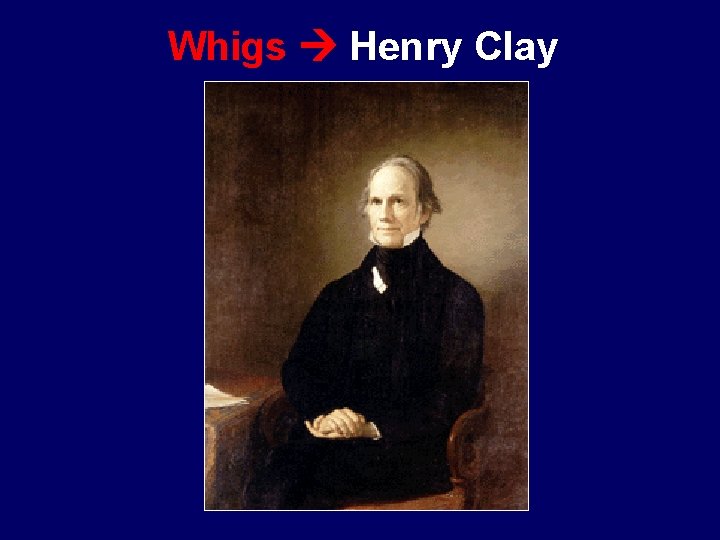
Whigs Henry Clay
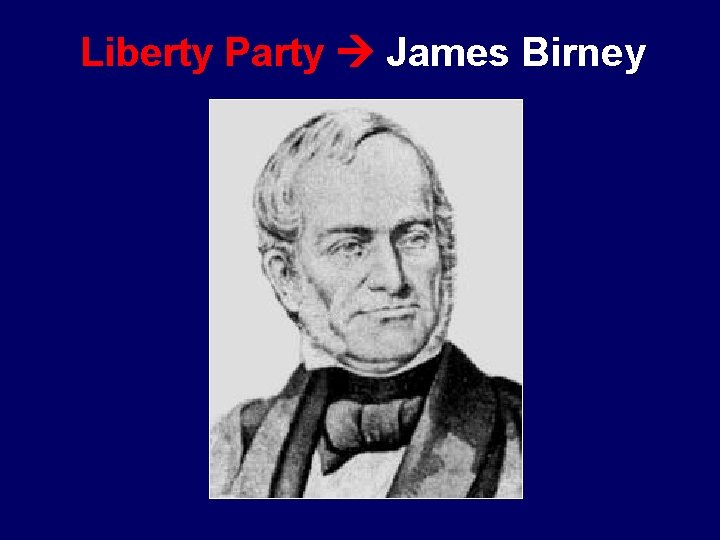
Liberty Party James Birney
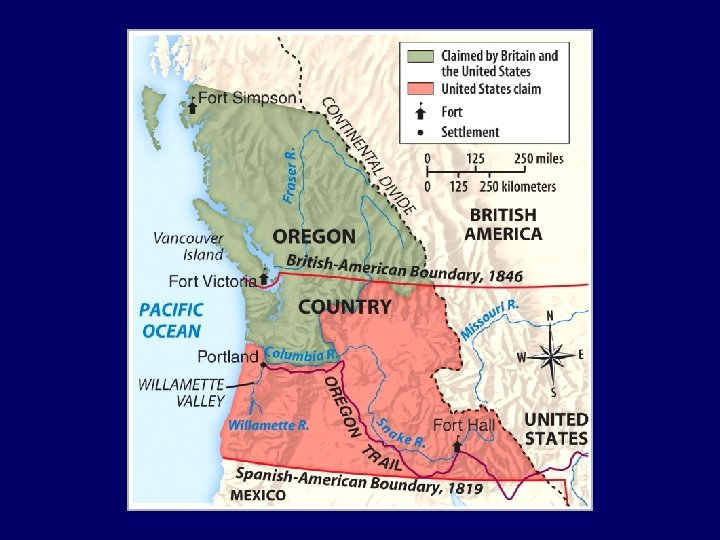
The Oregon Controversy • British claims through fur trade, occupation, and treaties with the U. S. • American claims through exploration and settlers in the Willamette River Valley • Joint occupation agreed to in Treaty of 1818 • By 1846, nearly 5, 000 Americans had caught “Oregon Fever” and moved into the region south of the Columbia River
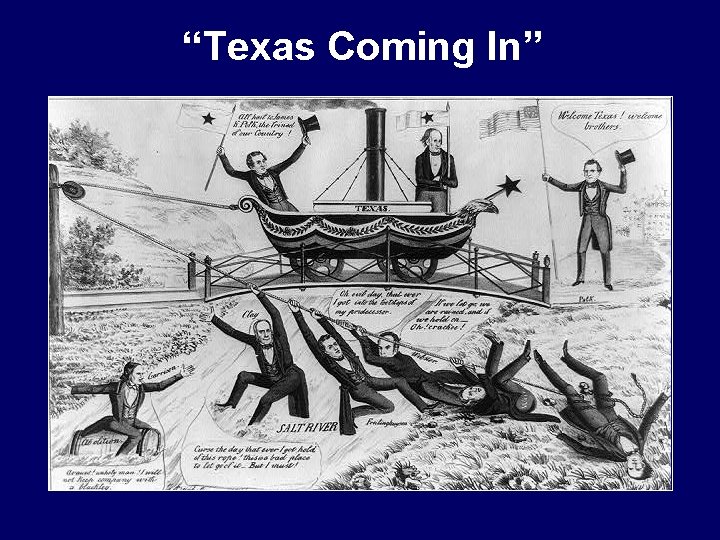
“Texas Coming In”
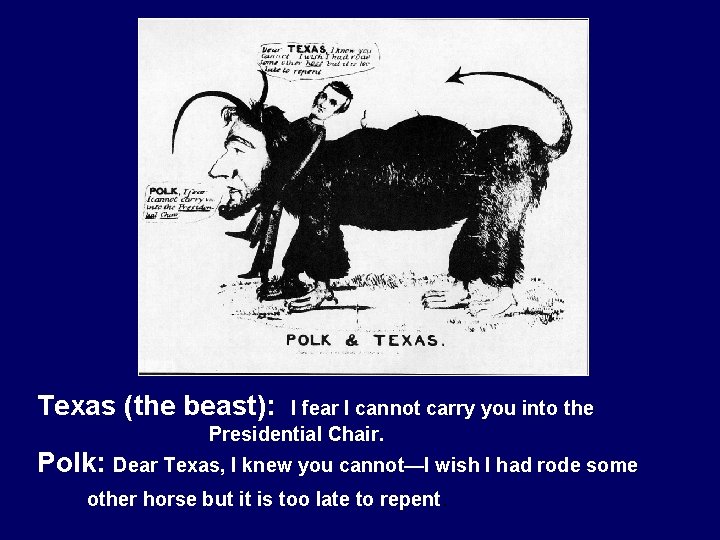
Texas (the beast): I fear I cannot carry you into the Presidential Chair. Polk: Dear Texas, I knew you cannot—I wish I had rode some other horse but it is too late to repent.
1844 Election Results
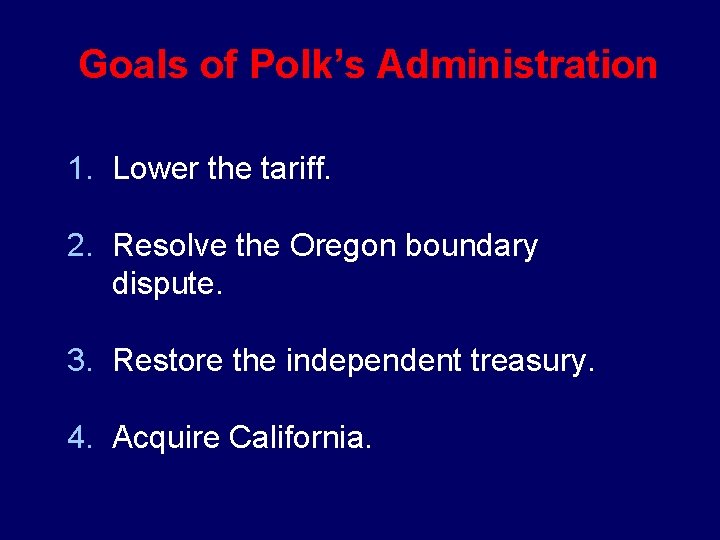
Goals of Polk’s Administration 1. Lower the tariff. 2. Resolve the Oregon boundary dispute. 3. Restore the independent treasury. 4. Acquire California.
Goals of Polk’s Administration • 1. Lower the tariff – Walker Tariff of 1846 lowers the rate from 32% to 25%- excellent revenue producer because of increase imports and a revived economy after the Panic of 1837 • 3. Restore the independent treasury - done in 1846 despite opposition from pro-Bank Whigs
Goals of Polk’s Administration • 2. Resolve the Oregon boundary dispute – Proposes compromise line of 49 th Parallel and gets shot down – The British began to feel the Columbia River was not the “St. Lawrence” of the West, and proposed the 49 th Parallel line themselves in early 1846. The Senate approved the offer.
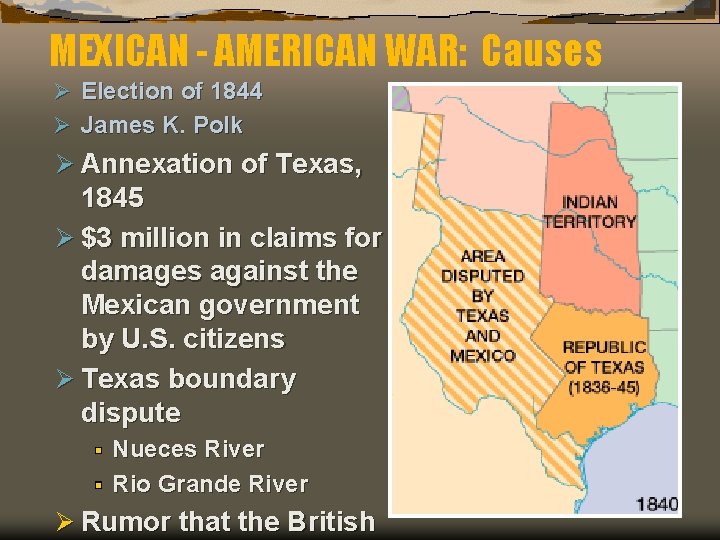
MEXICAN - AMERICAN WAR: Causes Ø Election of 1844 Ø James K. Polk Ø Annexation of Texas, 1845 Ø $3 million in claims for damages against the Mexican government by U. S. citizens Ø Texas boundary dispute Nueces River Rio Grande River Ø Rumor that the British
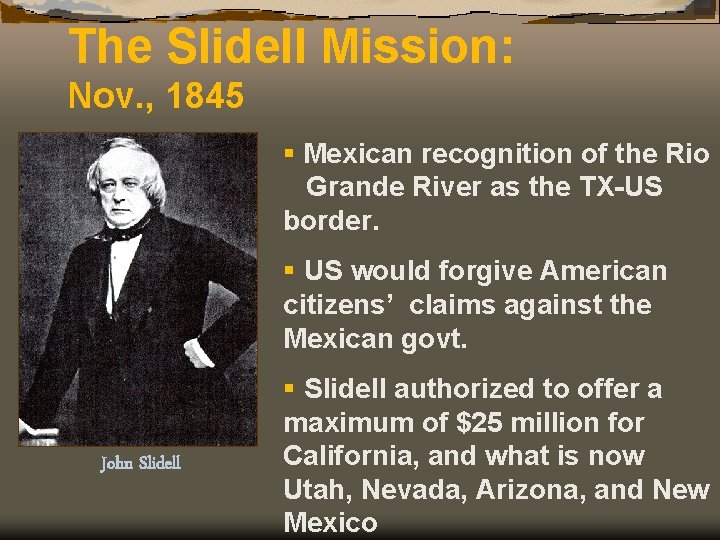
The Slidell Mission: Nov. , 1845 § Mexican recognition of the Rio Grande River as the TX-US border. § US would forgive American citizens’ claims against the Mexican govt. John Slidell § Slidell authorized to offer a maximum of $25 million for California, and what is now Utah, Nevada, Arizona, and New Mexico
The Beginning of the Mexican War Polk orders Zachary Taylor’s forces to march from the Nueces to the Rio Grande in January 1846. § When no fighting occurred, Polk informs his cabinet on May 9 that he will ask Congress to declare war based on unpaid claims and Slidell’s rejection § That night, word arrives that two weeks before this, Mexican troops had attacked Taylor’s men, killing or wounding 16. §
War Fever in America Were Americans responsible for starting the war? At best, we provoked a Mexican response. § Abraham Lincoln, a Whig Congressman from Illinois, introduced the “Spot Resolutions” demanding to know where on American soil that American blood had been spilled § Even the anti-slavery Whigs were forced §
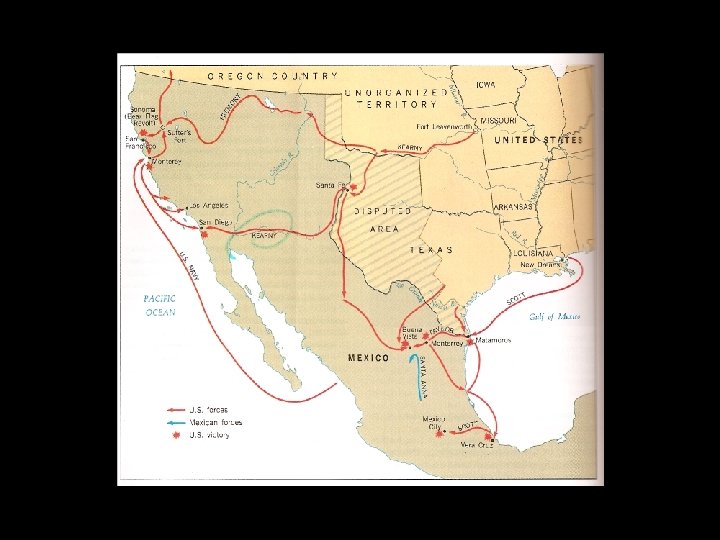
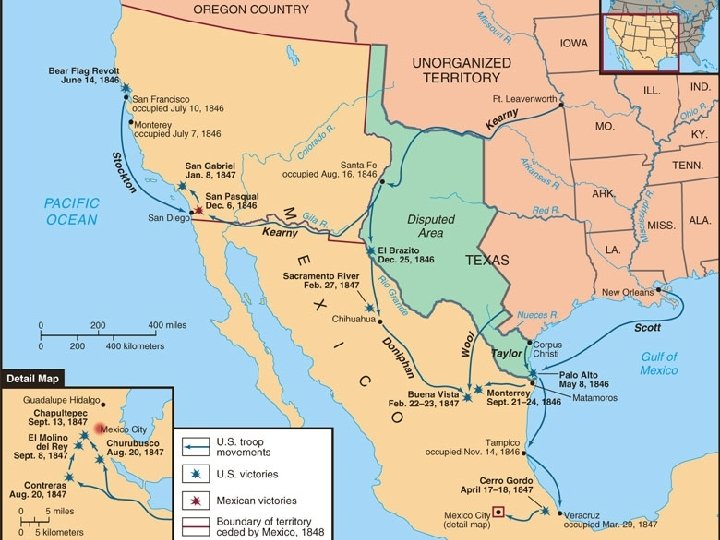
The Battles of the Mexican War Americans let Santa Anna back into Mexico believing he would sell out his country; instead he leads a desperate defense of Mexican soil § Captain John C. Fremont leads the Bear Flag Revolt, and overthrows Mexican rule in northern California § Zachary Taylor fights across the Rio Grande and at Buena Vista repels Santa Anna’s force of 20, 000 with only §
The Battles of the Mexican War § General Winfield Scott lands at Vera Cruz in early 1847 and fights all the way to Mexico City in one of the most successful campaigns in American history
The Mexican-American War
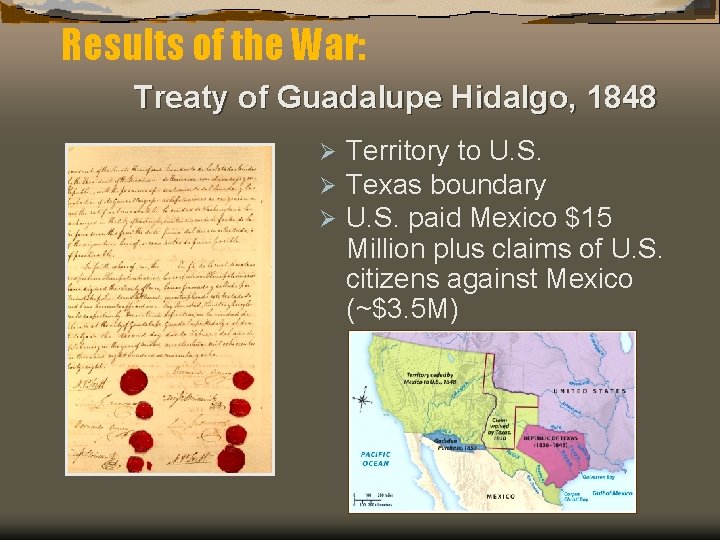
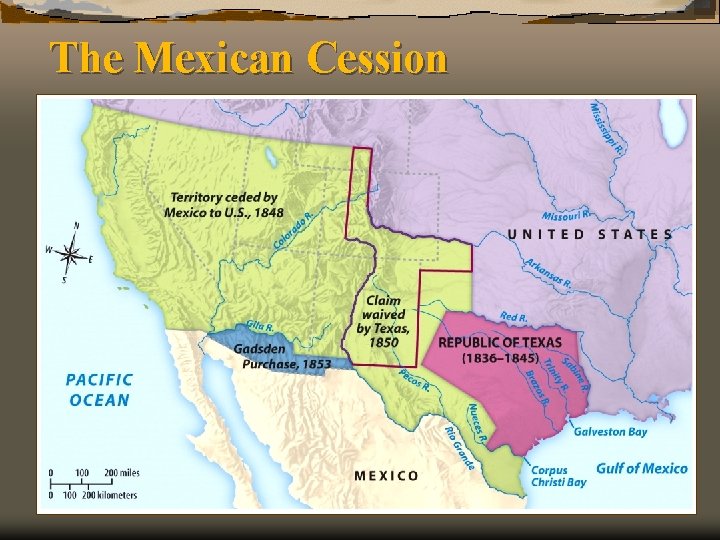
Results of the War: Treaty of Guadalupe Hidalgo, 1848 Ø Ø Ø Territory to U. S. Texas boundary U. S. paid Mexico $15 Million plus claims of U. S. citizens against Mexico (~$3. 5 M)
The Mexican Cession
Results of the Mexican War 1. Cost $100, 000 and 13, 000+ American lives (mostly of disease). 2. U. S. added over 1 million square miles of land § Present-day TX, NM, AZ, CA, NV, UT, +) 3. The new territories brought into the Union forced the ex-plosive issue of SLAVERY to the center of national politics. § These new territories would upset the balance of power between North and South. 4. Created two popular Whig generals who ran for President.
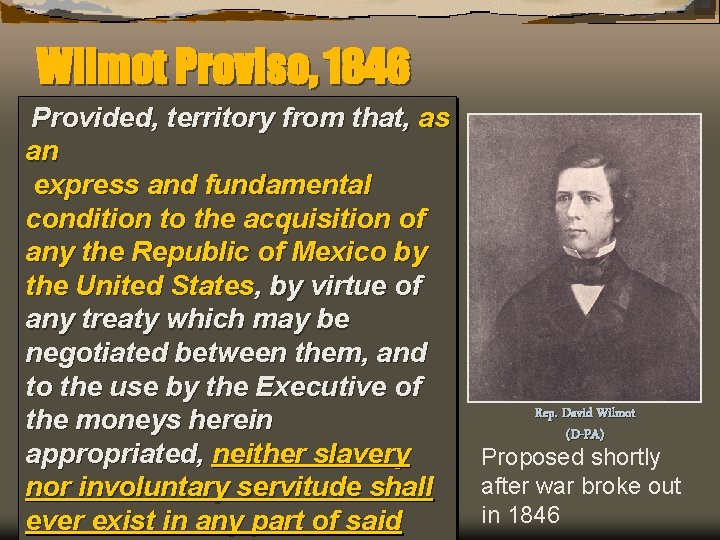
Wilmot Proviso, 1846 Provided, territory from that, as an express and fundamental condition to the acquisition of any the Republic of Mexico by the United States, by virtue of any treaty which may be negotiated between them, and to the use by the Executive of the moneys herein appropriated, neither slavery nor involuntary servitude shall ever exist in any part of said Rep. David Wilmot (D-PA) Proposed shortly after war broke out in 1846
Territorial Expansion by the Mid-Nineteenth Century