
Chapter 16 The Endocrine System Power Point Lecture

- Slides: 29
Chapter 16 The Endocrine System Power. Point® Lecture Slides prepared by Jason La. Pres Lone Star College - North Harris Copyright © 2010 Pearson Education, Inc.
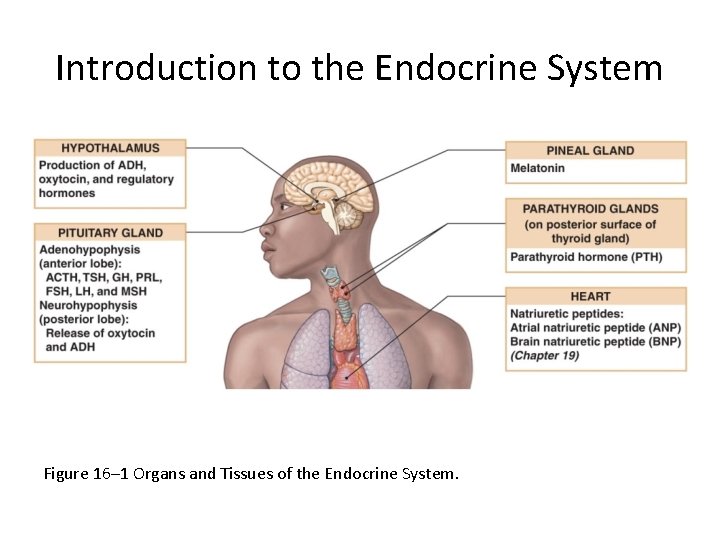
Introduction to the Endocrine System Figure 16– 1 Organs and Tissues of the Endocrine System.
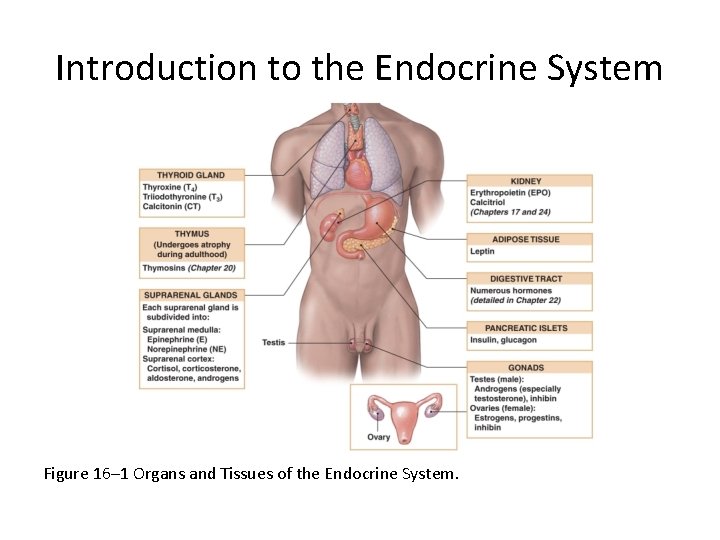
Introduction to the Endocrine System Figure 16– 1 Organs and Tissues of the Endocrine System.
Introduction to the Endocrine System • The Endocrine System – Regulates long-term processes • Growth • Development • Reproduction – Uses chemical messengers to relay information and instructions between cells
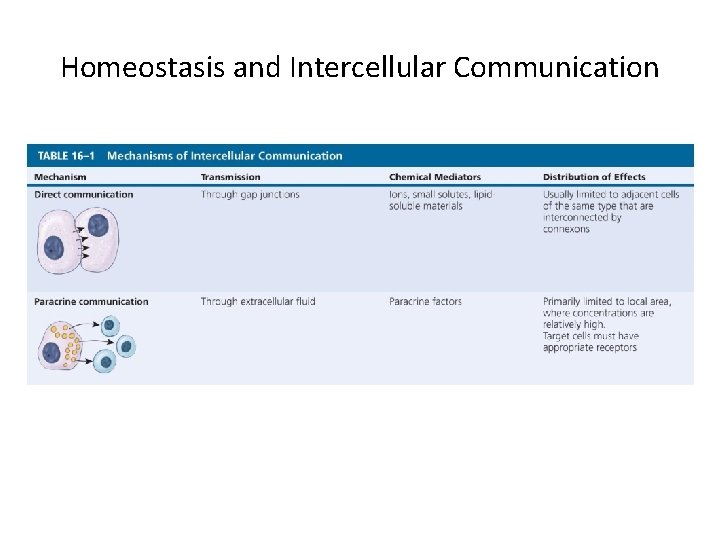
Homeostasis and Intercellular Communication • Direct Communication – Exchange of ions and molecules between adjacent cells across gap junctions – Occurs between two cells of same type – Highly specialized and relatively rare
Homeostasis and Intercellular Communication • Paracrine Communication – Uses chemical signals to transfer information from cell to cell within single tissue – Most common form of intercellular communication
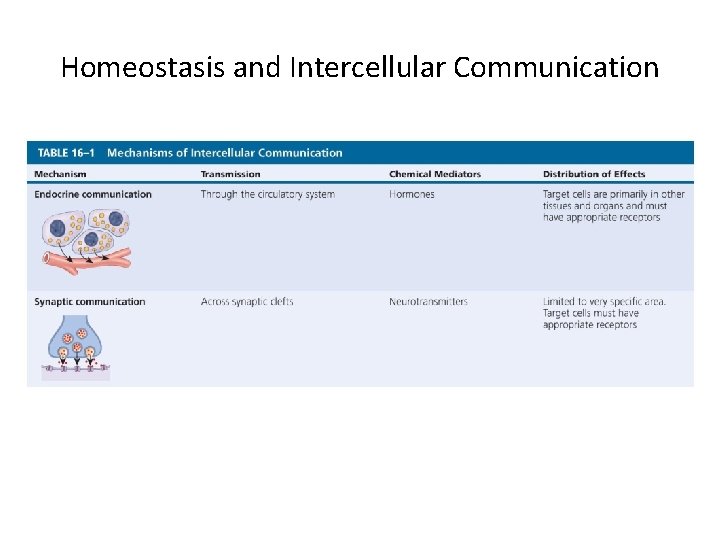
Homeostasis and Intercellular Communication • Endocrine Communication – Endocrine cells release chemicals (hormones) into bloodstream – Alters metabolic activities of many tissues and organs simultaneously
Homeostasis and Intercellular Communication • Target Cells – Are specific cells that possess receptors needed to bind and “read” hormonal messages • Hormones – Stimulate synthesis of enzymes or structural proteins – Increase or decrease rate of synthesis – Turn existing enzyme or membrane channel “on” or “off”
Homeostasis and Intercellular Communication
Homeostasis and Intercellular Communication
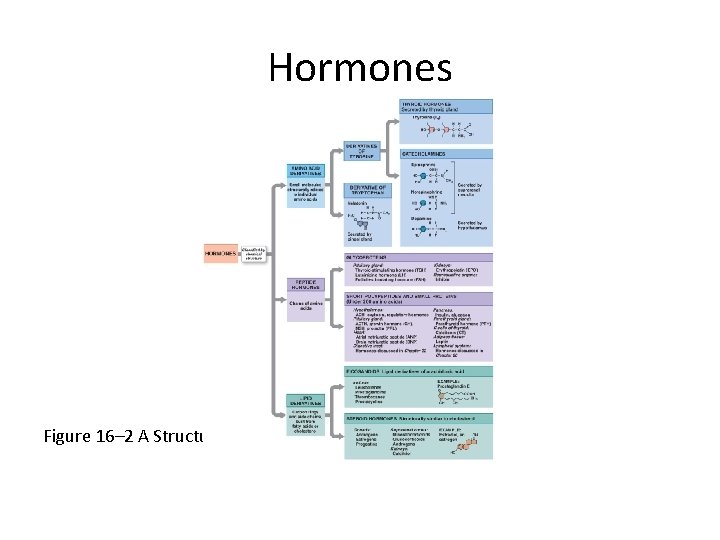
Hormones • Can be divided into three groups – Amino acid derivatives – Peptide hormones – Lipid derivatives • Circulate freely or bound to transport proteins
Hormones Figure 16– 2 A Structural Classification of Hormones
Secretion and Distribution of Hormones • Free Hormones – Remain functional for less than 1 hour • Diffuse out of bloodstream: – bind to receptors on target cells • Are broken down and absorbed: – by cells of liver or kidney • Are broken down by enzymes: – in plasma or interstitial fluids
Secretion and Distribution of Hormones • Thyroid and Steroid Hormones – Remain in circulation much longer – Enter bloodstream • More than 99% become attached to special transport proteins • Bloodstream contains substantial reserve of bound hormones
Mechanisms of Hormone Action • Hormone Receptor – Is a protein molecule to which a particular molecule binds strongly – Responds to several different hormones – Different tissues have different combinations of receptors – Presence or absence of specific receptor determines hormonal sensitivity
Mechanisms of Hormone Action • Hormones and Plasma Membrane Receptors – Catecholamines and peptide hormones • Are not lipid soluble • Unable to penetrate plasma membrane • Bind to receptor proteins at outer surface of plasma membrane (extracellular receptors)
Mechanisms of Hormone Action • Hormones and Plasma Membrane Receptors – Bind to receptors in plasma membrane – Cannot have direct effect on activities inside target cell – Use intracellular intermediary to exert effects • First messenger: – leads to second messenger – may act as enzyme activator, inhibitor, or cofactor – results in change in rates of metabolic reactions
Mechanisms of Hormone Action • Important Second Messengers – Cyclic-AMP (c. AMP) • Derivative of ATP – Cyclic-GMP (c. GMP) • Derivative of GTP – Calcium ions
Mechanisms of Hormone Action • The Process of Amplification – Is the binding of a small number of hormone molecules to membrane receptors – Leads to thousands of second messengers in cell – Magnifies effect of hormone on target cell
Mechanisms of Hormone Action • Down-regulation – Presence of a hormone triggers decrease in number of hormone receptors – When levels of particular hormone are high, cells become less sensitive • Up-regulation – Absence of a hormone triggers increase in number of hormone receptors – When levels of particular hormone are low, cells become more sensitive
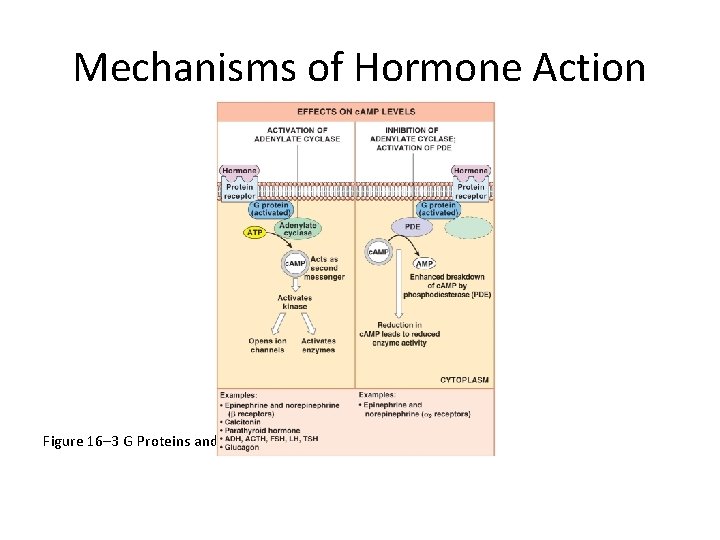
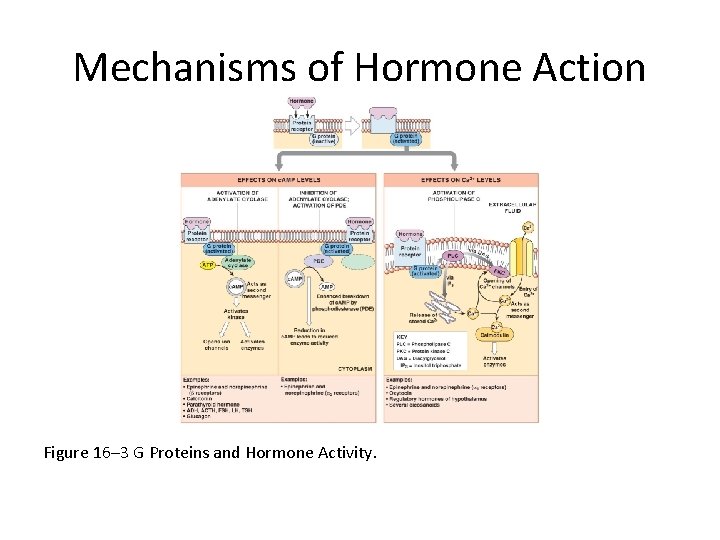
Mechanisms of Hormone Action • Hormones and Plasma Membrane Receptors – G Protein • Enzyme complex coupled to membrane receptor • Involved in link between first messenger and second messenger • Binds GTP • Activated when hormone binds to receptor at membrane surface and changes concentration of second messenger cyclic-AMP (c. AMP) within cell: – increased c. AMP level accelerates metabolic activity within cell
Mechanisms of Hormone Action Figure 16– 3 G Proteins and Hormone Activity.
Mechanisms of Hormone Action Figure 16– 3 G Proteins and Hormone Activity.
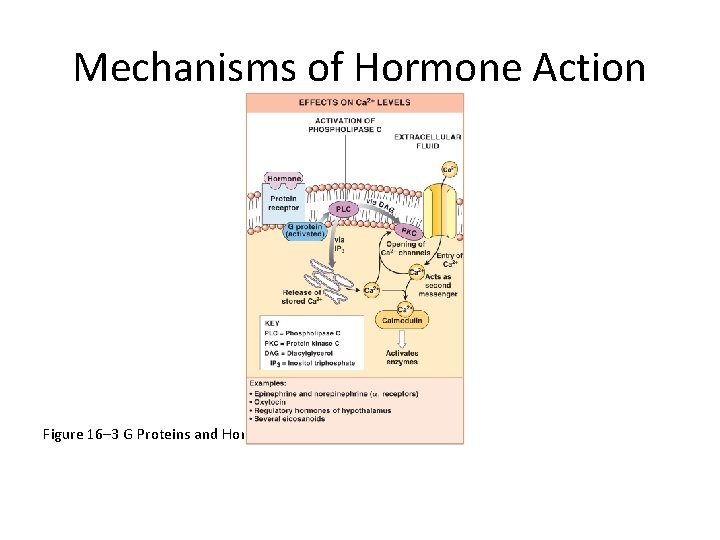
Mechanisms of Hormone Action • G Proteins and Calcium Ions – Activated G proteins trigger • • opening of calcium ion channels in membrane release of calcium ions from intracellular stores G protein activates enzyme phospholipase C (PLC) Enzyme triggers receptor cascade: – production of diacylglycerol (DAG) and inositol triphosphate (IP 3) from membrane phospholipids
Mechanisms of Hormone Action Figure 16– 3 G Proteins and Hormone Activity.
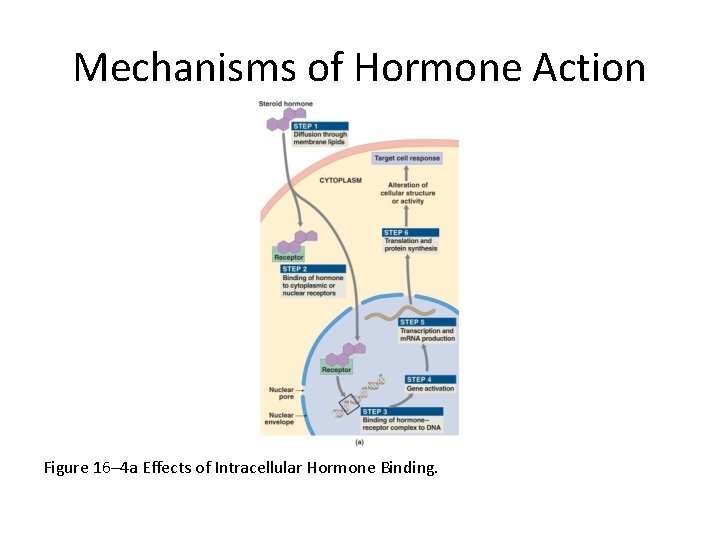
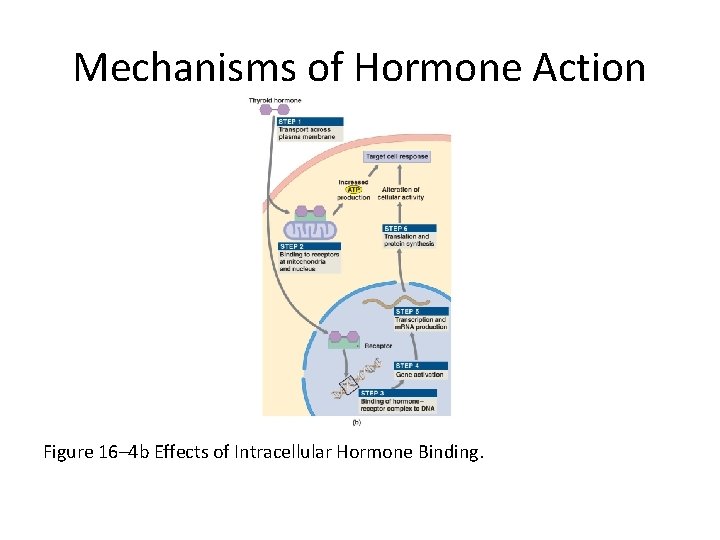
Mechanisms of Hormone Action • Hormones and Intracellular Receptors – Alter rate of DNA transcription in nucleus • Change patterns of protein synthesis – Directly affect metabolic activity and structure of target cell – Includes steroids and thyroid hormones
Mechanisms of Hormone Action Figure 16– 4 a Effects of Intracellular Hormone Binding.
Mechanisms of Hormone Action Figure 16– 4 b Effects of Intracellular Hormone Binding.