
CHAPTER 16 SOCIAL BEHAVIOR PERSON PERCEPTION FORMING IMPRESSIONS
CHAPTER 16 SOCIAL BEHAVIOR
PERSON PERCEPTION: FORMING IMPRESSIONS OF OTHERS Effects of physical appearance Pretty people have it easy Sociable, friendly, poised, warm & well adjusted Cognitive schemas What does a thug look like? What do you wear to a picnic? The Priming Effect Stereotypes Prejudice (attitude) and discrimination (action) Subjectivity in person perception Illusory correlations (Librarian v. Waitress) Spotlight effect Evolutionary perspectives In group v. out group
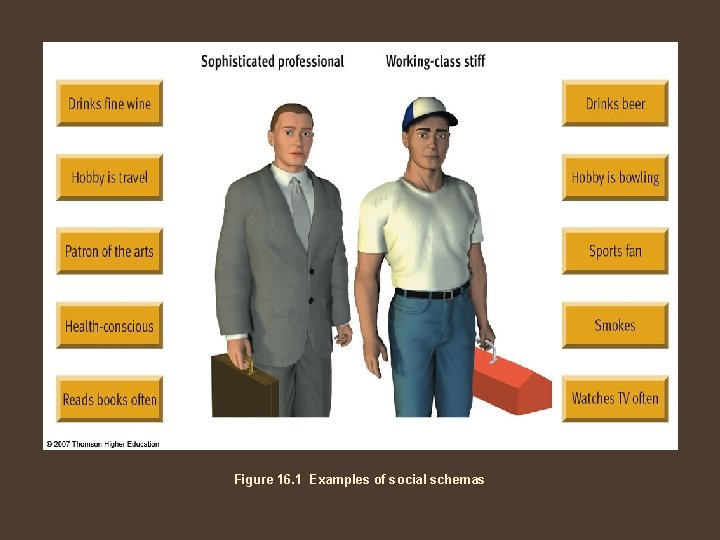
Figure 16. 1 Examples of social schemas
READING QUIZ On a separate sheet of paper, answer the following questions: What is an illusory correlation? (give an example) Explain the difference between the traditional model and attribution and the alternative twostep model of attribution.
ATTRIBUTION PROCESSES: EXPLAINING BEHAVIOR Attributions Internal vs. External Covariation Model of Attribution Biases in attributions Fundamental Assuming there must be an internal cause for others, but not for ourselves. Defensive attribution She was mugged because she’s weak Self-serving attribution error bias I won because I’m awesome…duh? Cultural influences

Stability Dimension Internal – external dimension Unstable Stable Internal ? ? External ? ?
CREATE YOUR OWN ATTRIBUTION CHARTS Sarah is quiet on the first day of school. Joey is habitually late for school. Ms. Moberg got mugged at gun point last October. Thomas Edison invented the light-bulb. Mitt Romney lost the 2014 election.
CLOSE RELATIONSHIPS: LIKING AND LOVING Key factors in attraction Physical attractiveness More important for females (r=. 76) than males (r=. 47) when measuring romantic popularity & attractiveness Matching hypothesis Most likely to be with someone who is as attractive as you are Similarity Increases attraction for both romantic relationships and friendships Attitude alignment Reciprocity Romantic Ideals

LOVE Get out your homeworksheet (I am coming around to check them) Get out your notes!
CLOSE RELATIONSHIPS: LIKING AND LOVING Mate Poaching Perspectives on love Hatfield & Berscheid – Passionate vs. Companionate love Sternberg - Intimacy and commitment Hazen & Shaver – Love as attachment Evolutionary perspectives Mating priorities
TODAY- ATTACHMENT AND ATTITUDE Get out your notes!

LOVE AS ATTACHMENT Hazan/Shaver Romantic love is an attachment process (much like what happened to you as a child)- therefore, most people relive their early bonding experiences during their romantic relationships. Secure Adults-easy to get close to someone, trusting, rare fears of abandonment, fewest divorces Anxious-Ambivalent- preocupation with love/fear of rejection, jealousy etc Avoidant- difficult to get close to others, lack intimacy and trust
IMPLICATIONS Attachment styles are relatively stable overtime People with different attachment styles are predisposed to think differently in relationships AA intense emotional highs and lows, conflicts, etc Reasons for sexual interactions- sex to reduce insecurity, enhance the closeness of the relationship High attachment-harder to deal with the dissolution of relationships S high self esteem
CULTURE AND CLOSE RELATIONSHIPS All people value natural attraction, kindness, intelligence, emotional stability, dependability, and good health in a mate Men place more importance on physical attractiveness Women place more importance on social status and financial stability Cultures vary on “passionate love” and marriage
EVOLUTIONARY PERSPECTIVE Facial symmetry Hip-to-waist ration (reproduction!) Men are more interested in women who are youthful/attractive. Why? Women value social status/financial security. Why? Dating- men are more likely to emphasize material resources, women show themselves off (change appearance) Mate-poaching- trying to attract another person when they are in a relationship already (men are the biggest offenders)
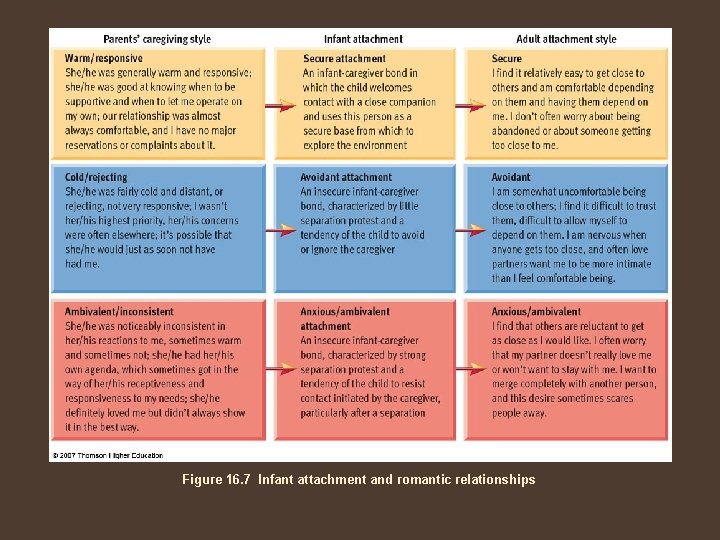
Figure 16. 7 Infant attachment and romantic relationships
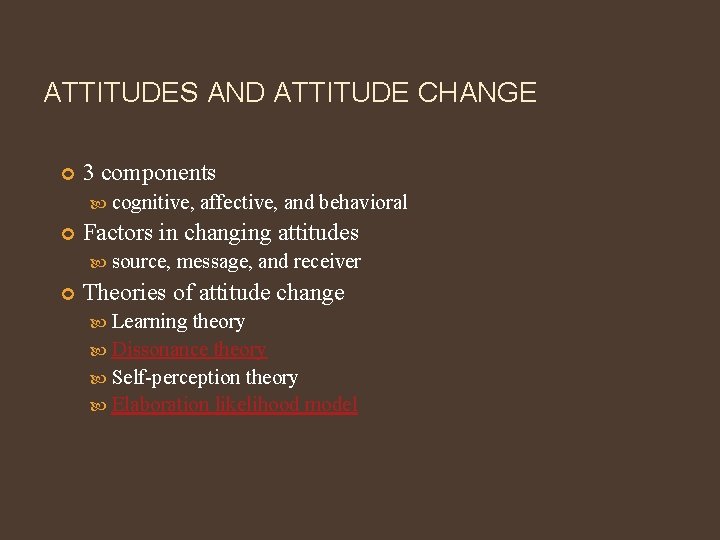
ATTITUDES AND ATTITUDE CHANGE 3 components cognitive, Factors in changing attitudes source, affective, and behavioral message, and receiver Theories of attitude change Learning theory Dissonance theory Self-perception theory Elaboration likelihood model
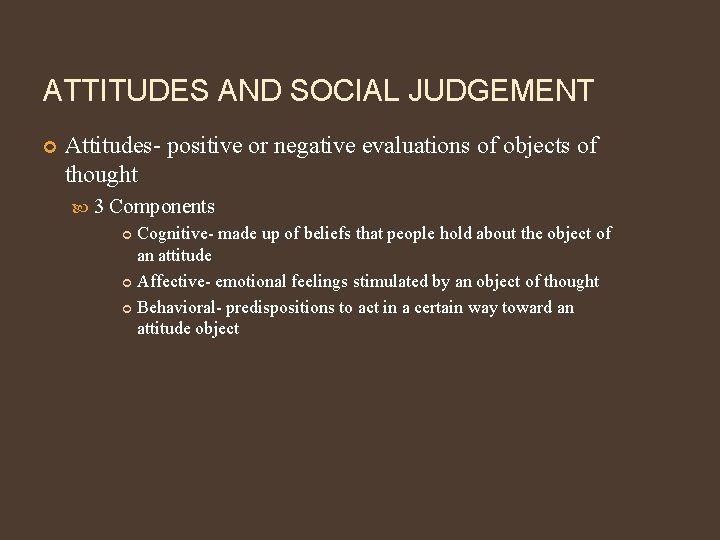
ATTITUDES AND SOCIAL JUDGEMENT Attitudes- positive or negative evaluations of objects of thought 3 Components Cognitive- made up of beliefs that people hold about the object of an attitude Affective- emotional feelings stimulated by an object of thought Behavioral- predispositions to act in a certain way toward an attitude object
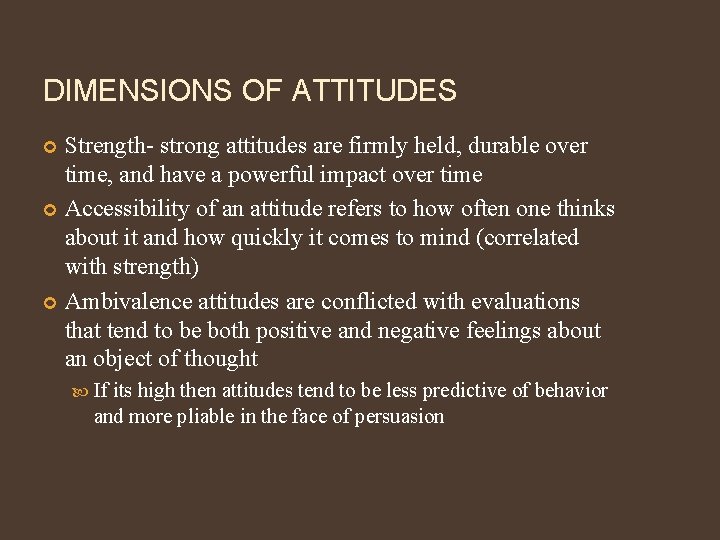
DIMENSIONS OF ATTITUDES Strength- strong attitudes are firmly held, durable over time, and have a powerful impact over time Accessibility of an attitude refers to how often one thinks about it and how quickly it comes to mind (correlated with strength) Ambivalence attitudes are conflicted with evaluations that tend to be both positive and negative feelings about an object of thought If its high then attitudes tend to be less predictive of behavior and more pliable in the face of persuasion
ATTITUDES AND BEHAVIOR La. Piere (1934) Attitudes don’t predict behavior perfectly-Why? Researchers haven’t always taken into account strength, accessibility, and ambivalence Impact behavior however they have largely been unchecked in attitude research Attitudes measured in general ways are not good predictors of behavior Many behaviors are spontaneous Situational restraints
FACTORS IN PERSUASION Source Factors- person who sends a communication Receiver- one to whom the message is sent Message- information transmitted by the source Channel- medium through which the message is sent
SOURCE FACTORS More successful when there is a high credibility to the source Expertise + Trustworthiness + + News sources? Parents? Friends? Corporations? Who is most trustworthy? Likability- physical attractiveness/similarity
MESSAGE FACTORS One-sided argument Two-sided argument? (more effective) Focus on stronger arguments Weak arguments are more hurtful Raise doubts rather than add to your case REPETITION: validity effect (simply repeating a statement causes it to be perceived as more valid or true Appeals to fear
CHANNEL FACTOR By what means is this message coming to you?
RECEIVER FACTORS No personality traits have been reliably linked to susceptibility to persuasion Forewarned- reduces the impact of arguments Disconfirmation bias- if arguments don’t agree with your beliefs then you will scrutinize them longer Stronger attitudes are more resistant to change (embedded in a network of beliefs) Resistance promotes resistance (become more certain about these attitudes/beliefs)
THEORIES OF ATTITUDE FORMATION AND CHANGE Learning Theory Dissonance Theory Self-perception Theory Elaboration Likelihood Model
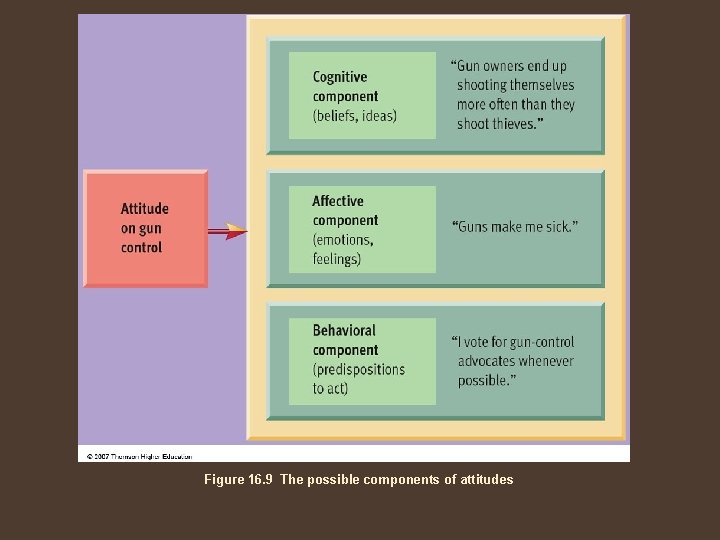
Figure 16. 9 The possible components of attitudes
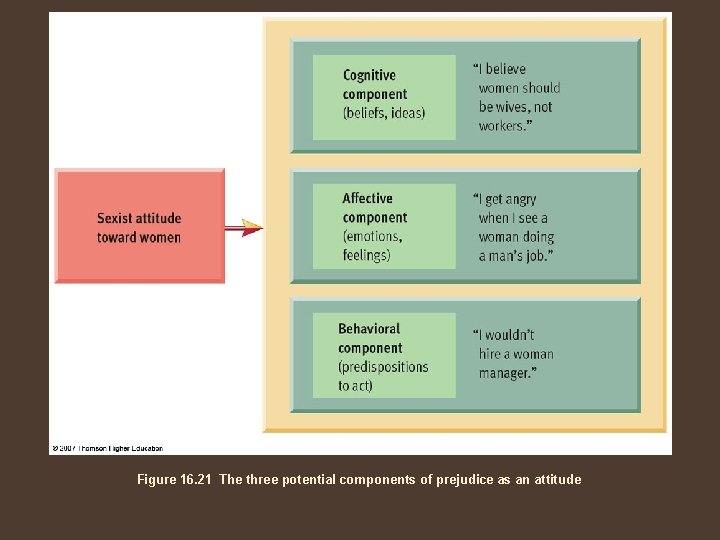
Figure 16. 21 The three potential components of prejudice as an attitude
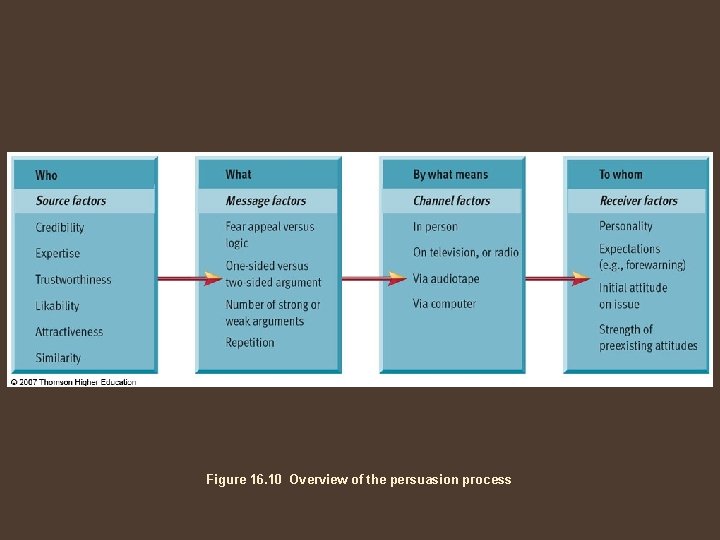
Figure 16. 10 Overview of the persuasion process
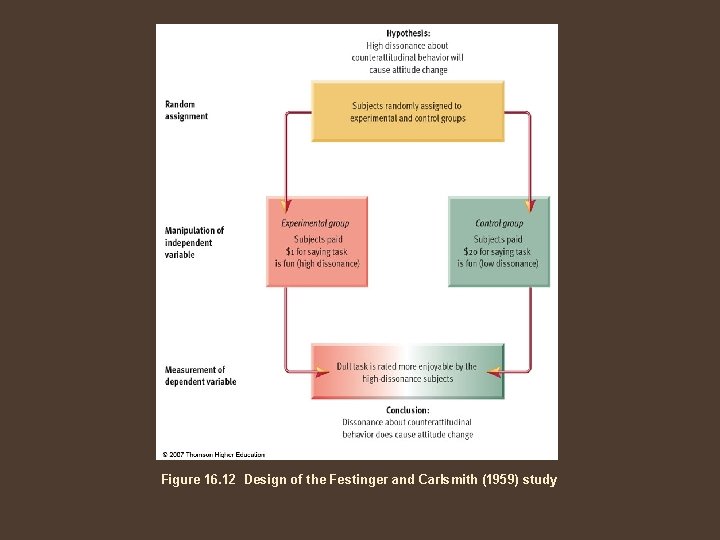
Figure 16. 12 Design of the Festinger and Carlsmith (1959) study
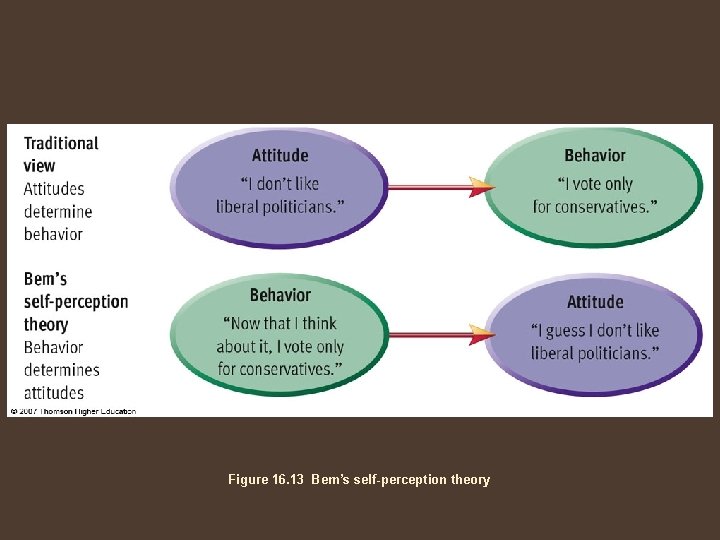
Figure 16. 13 Bem’s self-perception theory
CONFORMITY Occurs when people yield to real or imagined social pressure If you maintain a well-groomed lawn to avoid complaints from your neighbors
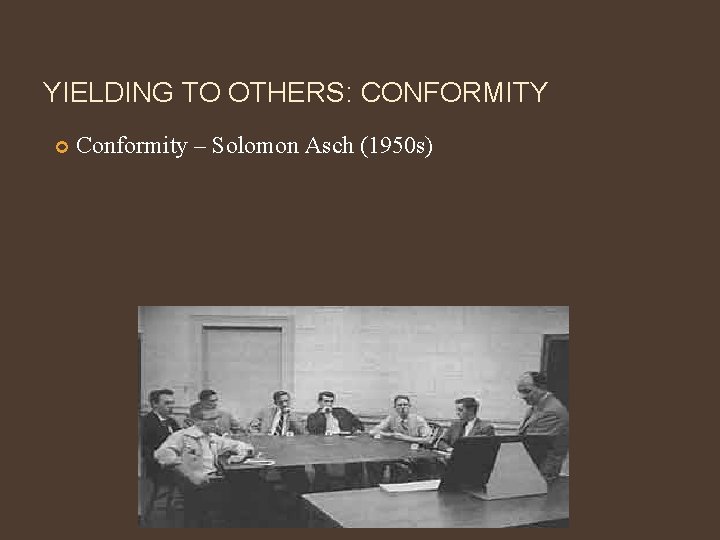
YIELDING TO OTHERS: CONFORMITY Conformity – Solomon Asch (1950 s)
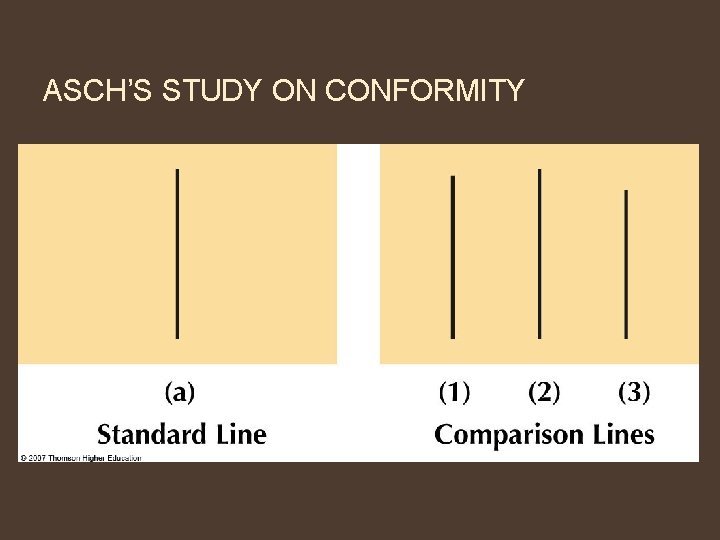
ASCH’S STUDY ON CONFORMITY
RESULTS People confronting a unanimous majority generally tend to resist the pressure to conform, however the simplicity and clarity of the lines used in the experiment demonstrate human’s propensity to conform. GROUP SIZE: conformity increases (up to a point) as group size increases (1 vs 1 or 1 vs 12) GROUP UNANIMINITY: even one dissenter from the majority impacts conformity
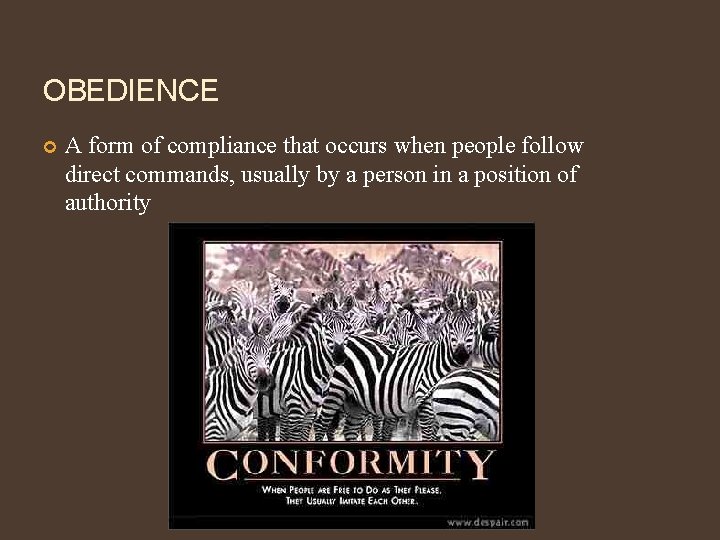
OBEDIENCE A form of compliance that occurs when people follow direct commands, usually by a person in a position of authority
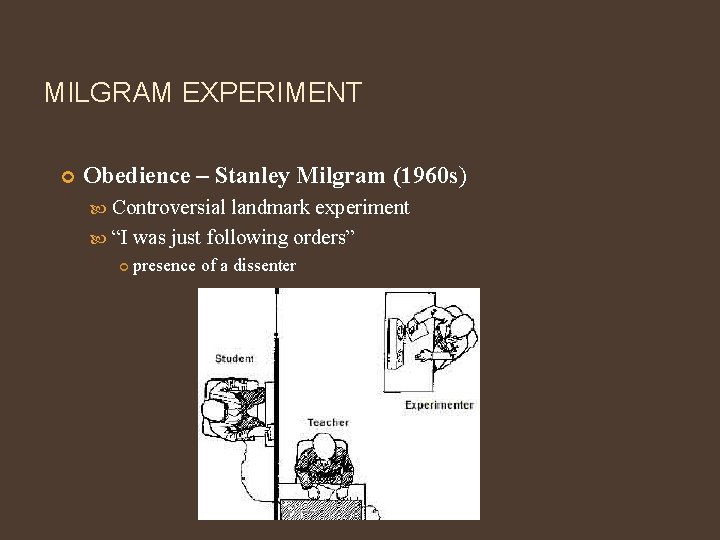
MILGRAM EXPERIMENT Obedience – Stanley Milgram (1960 s) Controversial landmark experiment “I was just following orders” presence of a dissenter
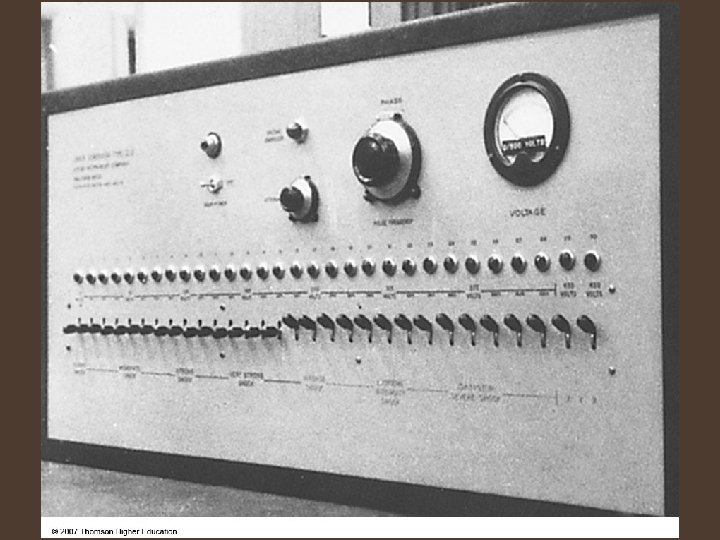
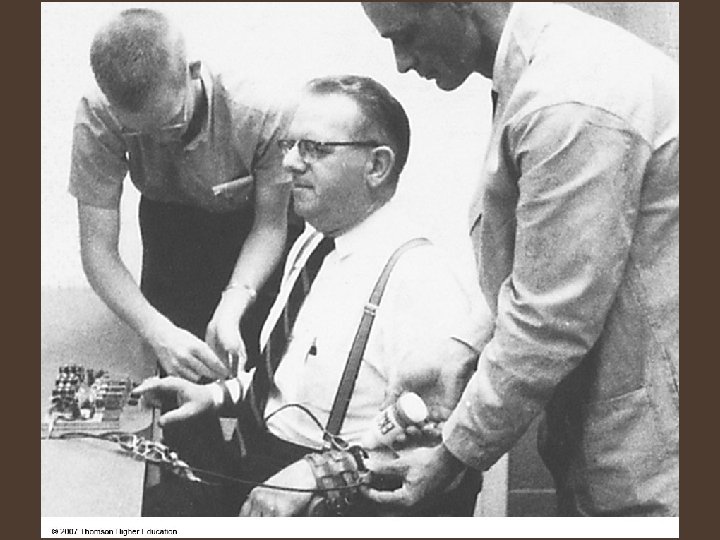
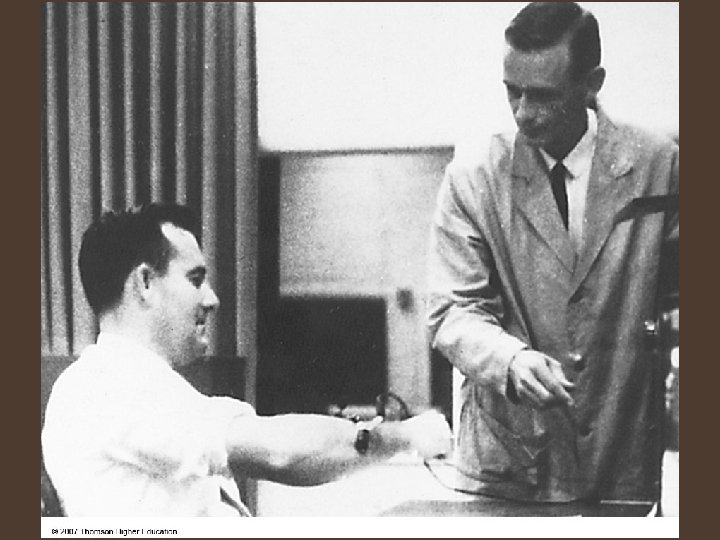
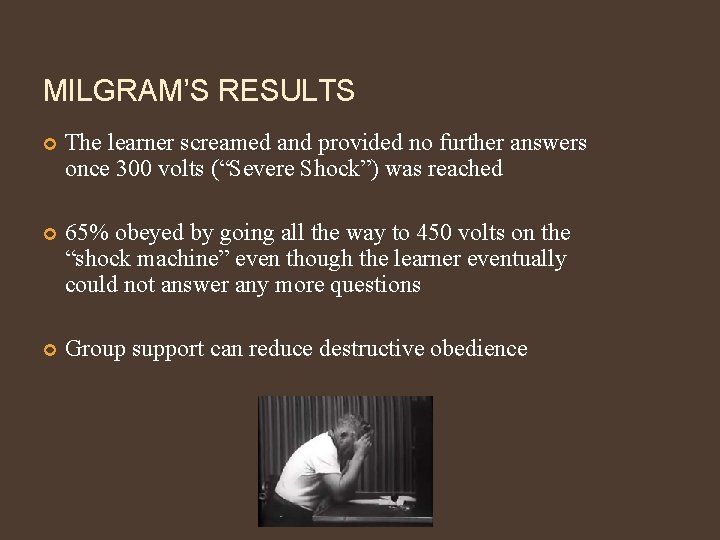
MILGRAM’S RESULTS The learner screamed and provided no further answers once 300 volts (“Severe Shock”) was reached 65% obeyed by going all the way to 450 volts on the “shock machine” even though the learner eventually could not answer any more questions Group support can reduce destructive obedience

CULTURAL VARIATION Conformity in other cultures changes in individualistic/collectivist societies Collectivist cultures are more likely to encourage conformity than individualistic cultures (like the United States)
STANFORD PRISON SIMULATION Investigated to determine why prisons tend to become abusive, degrading and violent environments Two groups (prisoners/guards) Guards are cruel, harassing, degrading, and demoralizing= mean, malicious, and abusive Prisoners are emotionally disturbed, quiet, and subdued
IMPLICATIONS Social Roles- widely shared expectations about how people in certain positions are supposed to behave Situational changes- being put in new positions/roles different from normal overwhelm people and cause them to act in sinister, repugnant ways
BEHAVIOR IN GROUPS Group- consists of two or more individuals who interact and are interdependent Share certain features that impact their functioning Roles (allocation of responsibilities to certain members) Communication structure (reflects who talks to whom) Power Structure (determines which members wield the most influence
BYSTANDER EFFECT People are less likely to provide needed help when they are in groups than when they are alone Your chances of receiving help decrease when there are more people around Bystander effect may decrease if the cause for concern is unambiguous People look to others to see if it is an emergency Diffusion of Responsibility (someone else will help. . right? )
GROUP PRODUCTIVITY AND SOCIAL LOAFING Reduced individual productivity in groups Reduced Efficiency- results from a loss of coordination among workers’ efforts (duplication of work/working at cross purposes) Social Loafing- a reduction in effort by individuals when they work in groups as opposed to when they work by themselves When we lose our group coordination, we lose productivity! As group size increases, so does the responsibility for getting the job done falls on more people, work becomes less recognizable, and people “hide in the crowd”.
Social loafing is not inevitable High achievement people are less likely to exhibit social loafing People believe that individual performance is crucial to group performance People work in smaller and more cohesive groupings
DECISION MAKING IN GROUPS Groups arrive at riskier decisions than individuals (risky shift) Group Polarization- occurs when group discussion strengthens a group’s dominant point of view and produces a shift toward a more extreme decision in that direction
GROUPTHINK Groupthink occurs when members of a cohesive group emphasize concurrence at the expense of critical thinking in arriving at a decision NOT VERY EFFECTIVE DECISION MAKING Members suspend their critical thinking judgment and censor dissent as pressure to conform increases Overestimate the in-group’s unanimity and they begin to view the out-group as the enemy
GROUPTHINK Group Cohesiveness- refers to the strength of the liking relationships linking group members to each other and the group itself May facilitate group productivity More likely when a group works in relative isolation or is under stress to make a major decision
BEHAVIOR IN GROUPS: THE INFLUENCE OF OTHER PEOPLE The bystander effect - Darley and Latane (1968) Diffusion of responsibility Kitty Genovese Group productivity and social loafing “If you want the job done, send a man. If you don’t want anything to get done, send two men. ” Decision making in groups Polarization Groupthink Compulsion by decision makers to maintain each other’s approval, even at the cost of critical thinking
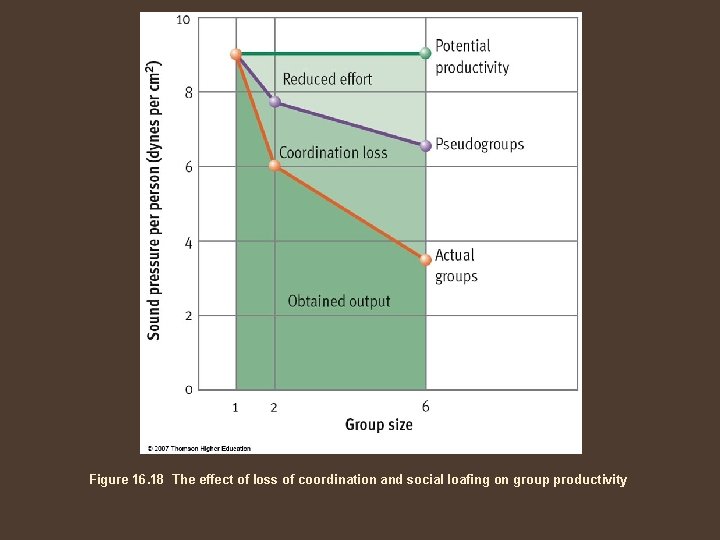
Figure 16. 18 The effect of loss of coordination and social loafing on group productivity
- Slides: 53