
Chapter 16 Microbial Models The Genetics of Viruses
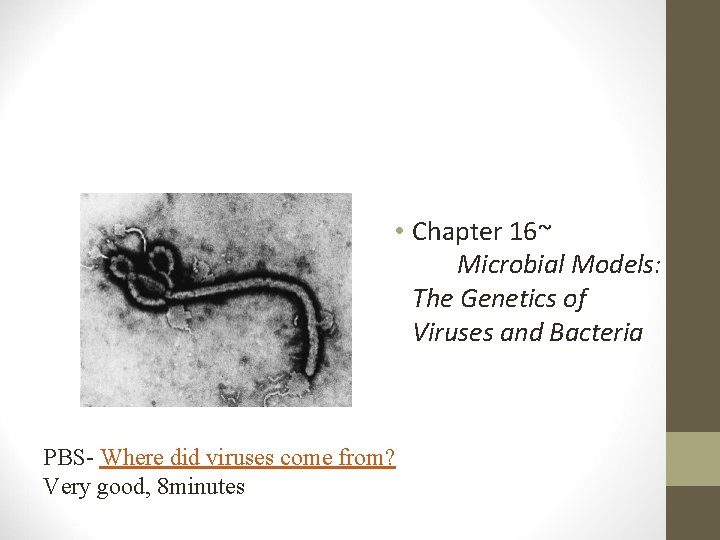
• Chapter 16~ Microbial Models: The Genetics of Viruses and Bacteria PBS- Where did viruses come from? Very good, 8 minutes
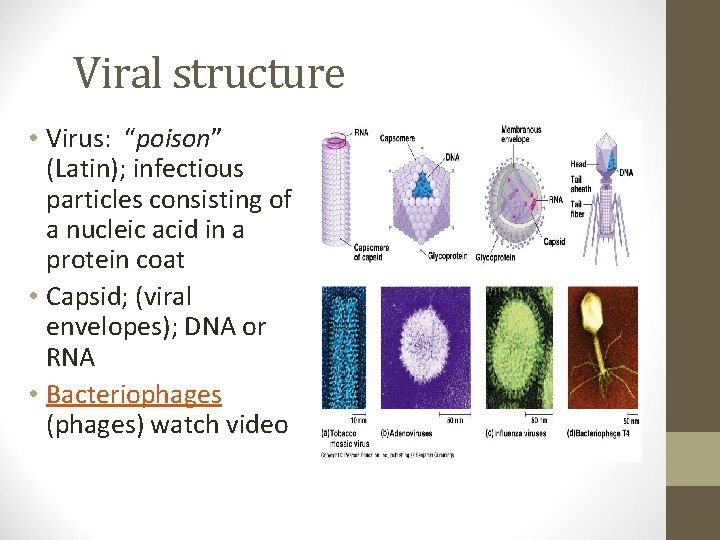
Viral structure • Virus: “poison” (Latin); infectious particles consisting of a nucleic acid in a protein coat • Capsid; (viral envelopes); DNA or RNA • Bacteriophages (phages) watch video
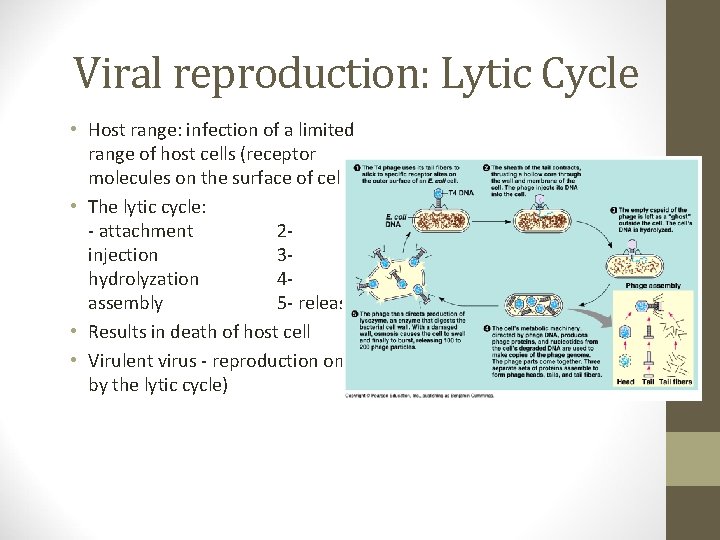
Viral reproduction: Lytic Cycle • Host range: infection of a limited range of host cells (receptor molecules on the surface of cells) • The lytic cycle: 1 - attachment 2 injection 3 hydrolyzation 4 assembly 5 - release • Results in death of host cell • Virulent virus - reproduction only by the lytic cycle)
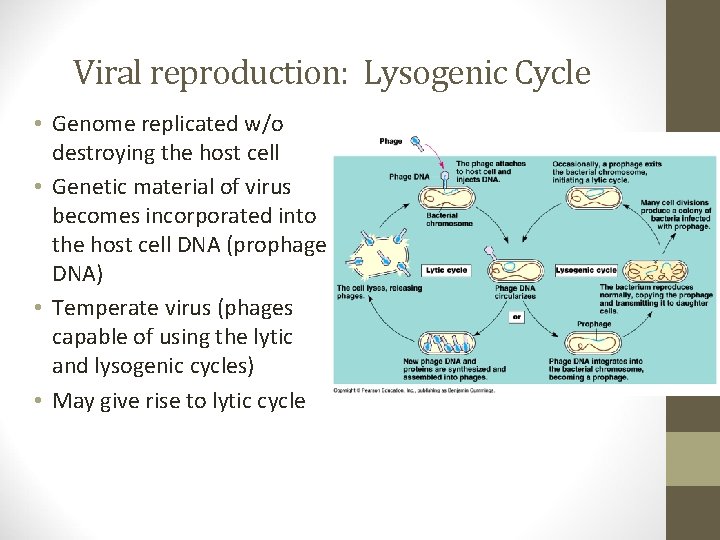
Viral reproduction: Lysogenic Cycle • Genome replicated w/o destroying the host cell • Genetic material of virus becomes incorporated into the host cell DNA (prophage DNA) • Temperate virus (phages capable of using the lytic and lysogenic cycles) • May give rise to lytic cycle
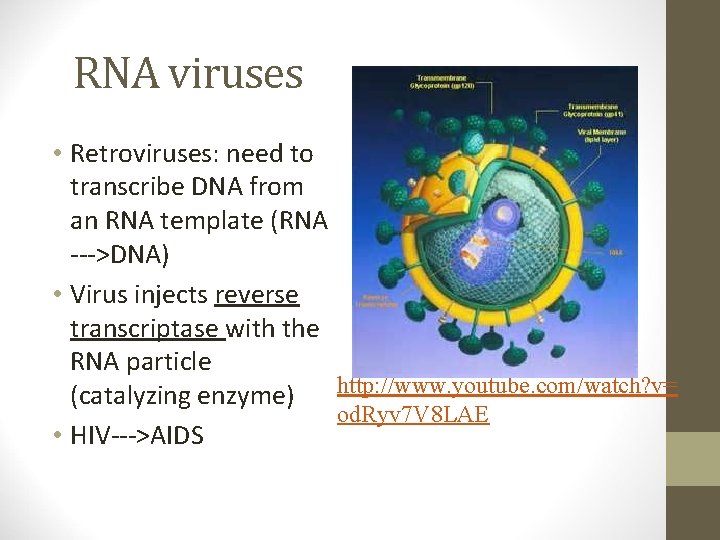
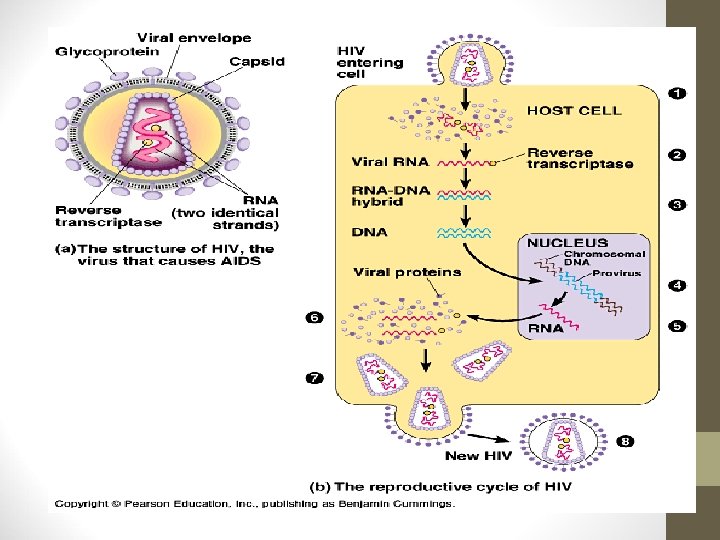
RNA viruses • Retroviruses: need to transcribe DNA from an RNA template (RNA --->DNA) • Virus injects reverse transcriptase with the RNA particle http: //www. youtube. com/watch? v= (catalyzing enzyme) od. Ryv 7 V 8 LAE • HIV--->AIDS
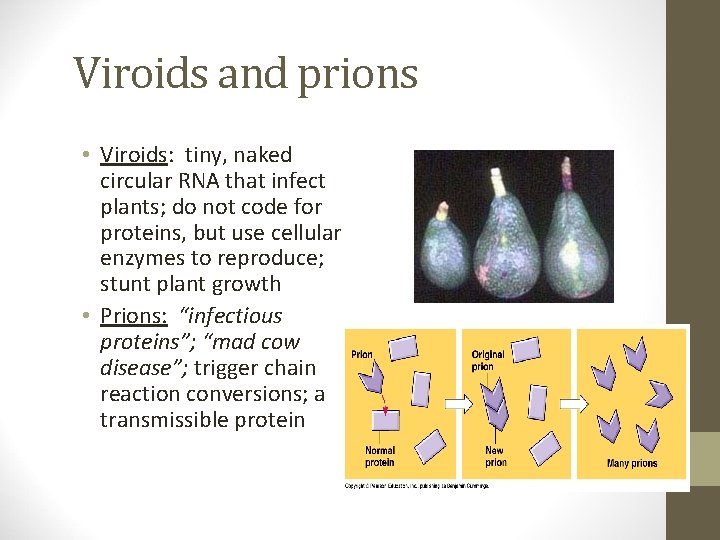
Viroids and prions • Viroids: tiny, naked circular RNA that infect plants; do not code for proteins, but use cellular enzymes to reproduce; stunt plant growth • Prions: “infectious proteins”; “mad cow disease”; trigger chain reaction conversions; a transmissible protein
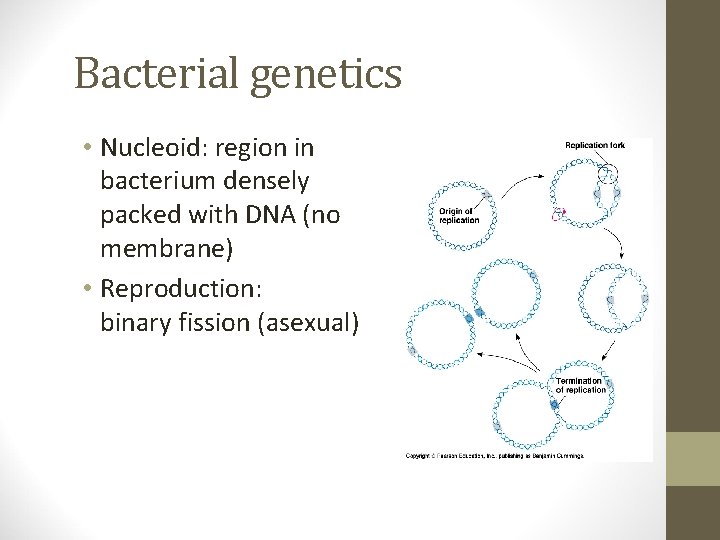
Bacterial genetics • Nucleoid: region in bacterium densely packed with DNA (no membrane) • Reproduction: binary fission (asexual)
Bacteria • Transformation: genotype alteration by the uptake of naked, foreign DNA from the environment (Griffith expt. ) • Transduction: phages that carry bacterial genes from 1 host cell to another • generalized~ random transfer of host cell chromosome • specialized~ incorporation of prophage DNA into host chromosome • Conjugation: direct transfer of genetic material; cytoplasmic bridges; pili; sexual
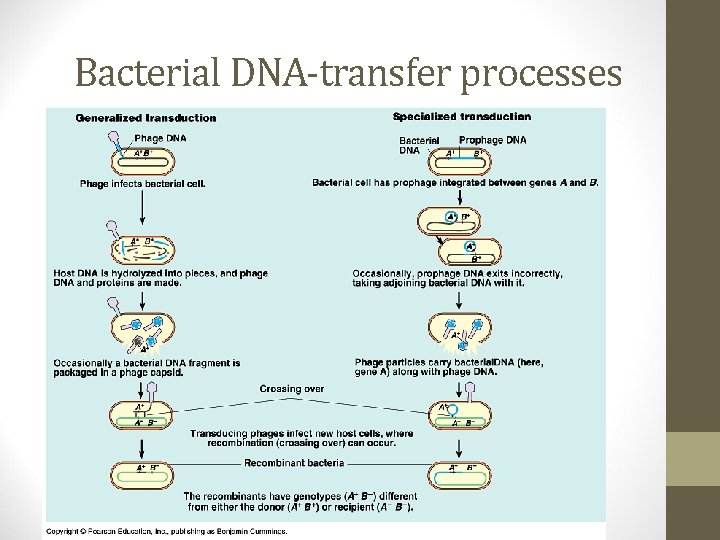
Bacterial DNA-transfer processes
Bacteria • Plasmid: Small, circular, self-replicating DNA separate from the bacterial chromosome • F (fertility) Plasmid: codes for the production of sex pili (F+ or F-) • R (resistance) Plasmid: codes for antibiotic drug resistance • Transposons: transposable genetic element; piece of DNA that can move from location to another in a cell’s genome (chromosome to plasmid, plasmid to plasmid, etc. ); “jumping genes”

Bacterial conjugation
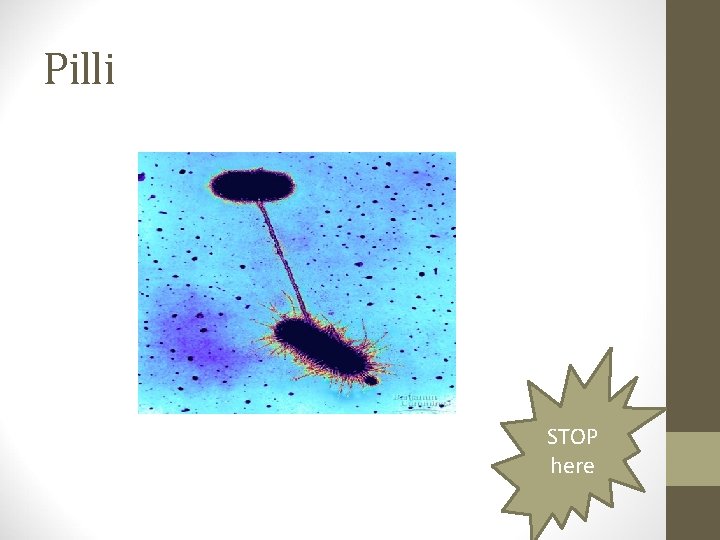
Pilli STOP here
Bacteria • Repressible (trp operon): • tryptophan (a. a. ) synthesis • promoter: RNA polymerase binding site; begins transcription • operator: controls access of RNA polymerase to genes (tryptophan not present) • repressor: protein that binds to operator and prevents attachment of RNA polymerase ~ coded from a regulatory gene (tryptophan present ~ acts as a corepressor) • transcription is repressed when tryptophan binds to a regulatory protein
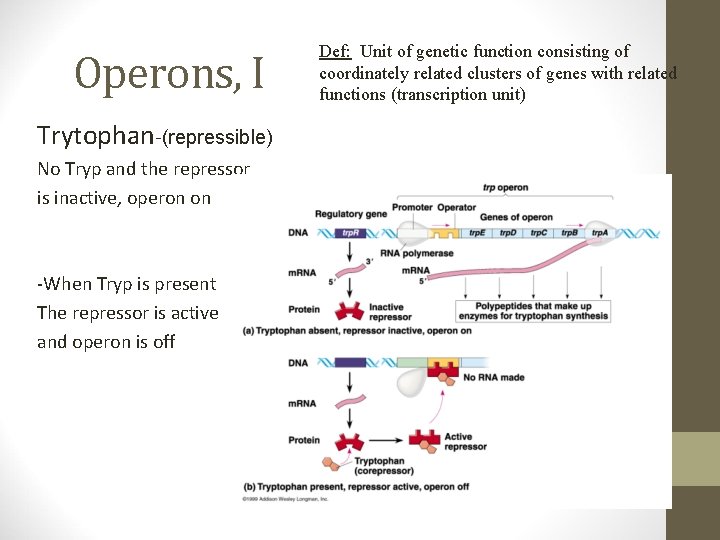
Operons, I Trytophan-(repressible) No Tryp and the repressor is inactive, operon on -When Tryp is present The repressor is active and operon is off Def: Unit of genetic function consisting of coordinately related clusters of genes with related functions (transcription unit)
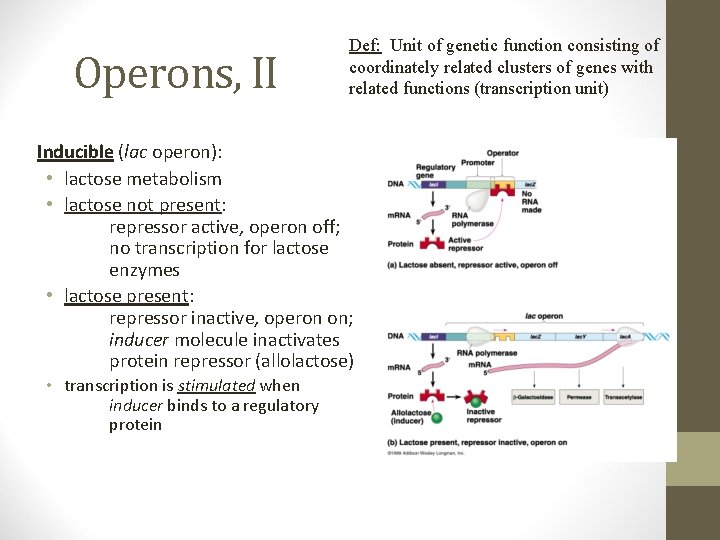
Operons, II Def: Unit of genetic function consisting of coordinately related clusters of genes with related functions (transcription unit) Inducible (lac operon): • lactose metabolism • lactose not present: repressor active, operon off; no transcription for lactose enzymes • lactose present: repressor inactive, operon on; inducer molecule inactivates protein repressor (allolactose) • transcription is stimulated when inducer binds to a regulatory protein
- Slides: 16