
Chapter 16 Exploring Displaying and Examining Data Mc
- Slides: 33
Chapter 16 Exploring, Displaying, and Examining Data Mc. Graw-Hill/Irwin Copyright © 2011 by The Mc. Graw-Hill Companies, Inc. All Rights Reserved.
Learning Objectives Understand. . . • That exploratory data analysis techniques provide insights and data diagnostics by emphasizing visual representations of the data. • How cross-tabulation is used to examine relationships involving categorical variables, serves as a framework for later statistical testing, and makes an efficient tool for data visualization and later decision-making. 16 -2
Research as Competitive Advantage “As data availability continues to increase, the importance of identifying/filtering and analyzing relevant data can be a powerful way to gain an information advantage over our competition. ” Tom H. C. Anderson founder & managing partner Anderson Analytics, LLC 16 -3
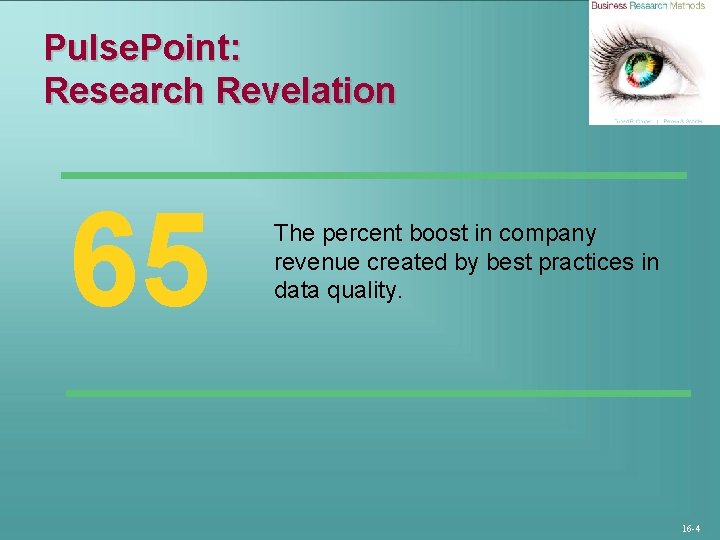
Pulse. Point: Research Revelation 65 The percent boost in company revenue created by best practices in data quality. 16 -4
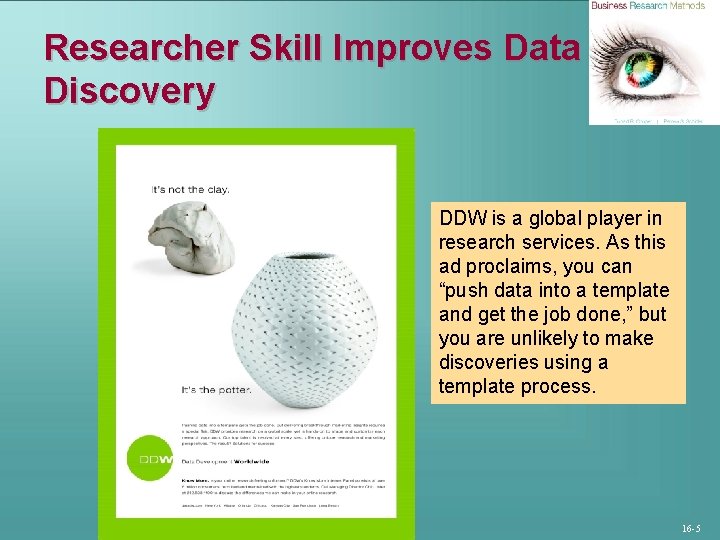
Researcher Skill Improves Data Discovery DDW is a global player in research services. As this ad proclaims, you can “push data into a template and get the job done, ” but you are unlikely to make discoveries using a template process. 16 -5
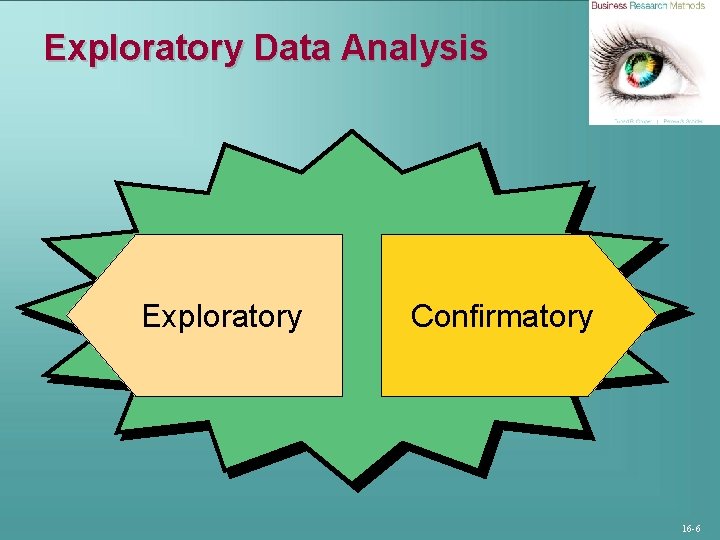
Exploratory Data Analysis Exploratory Confirmatory 16 -6
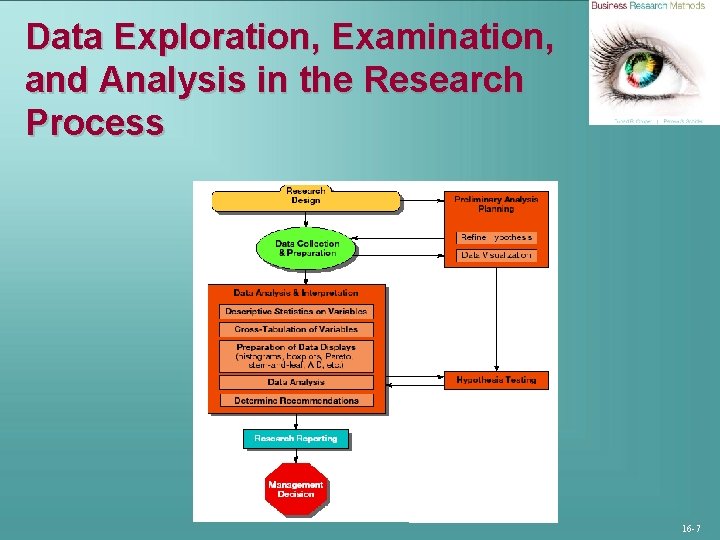
Data Exploration, Examination, and Analysis in the Research Process 16 -7
Research Values the Unexpected “It is precisely because the unexpected jolts us out of our preconceived notions, our assumptions, our certainties, that it is such a fertile source of innovation. ” Peter Drucker, author Innovation and Entrepreneurship 16 -8
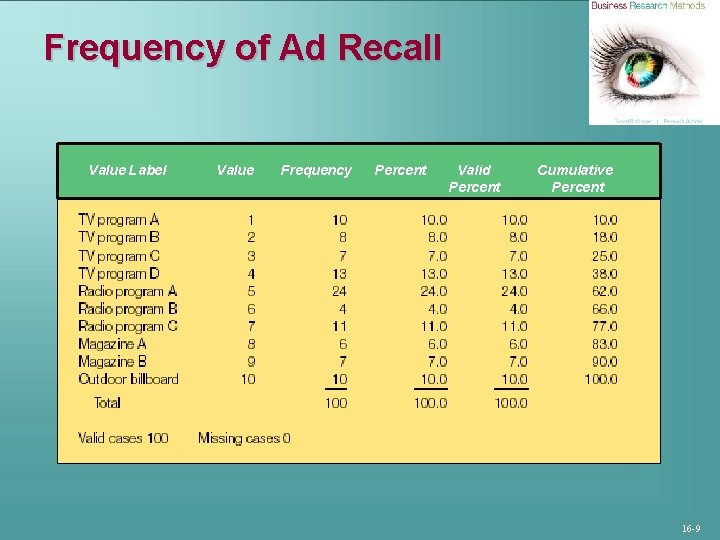
Frequency of Ad Recall Value Label Value Frequency Percent Valid Percent Cumulative Percent 16 -9
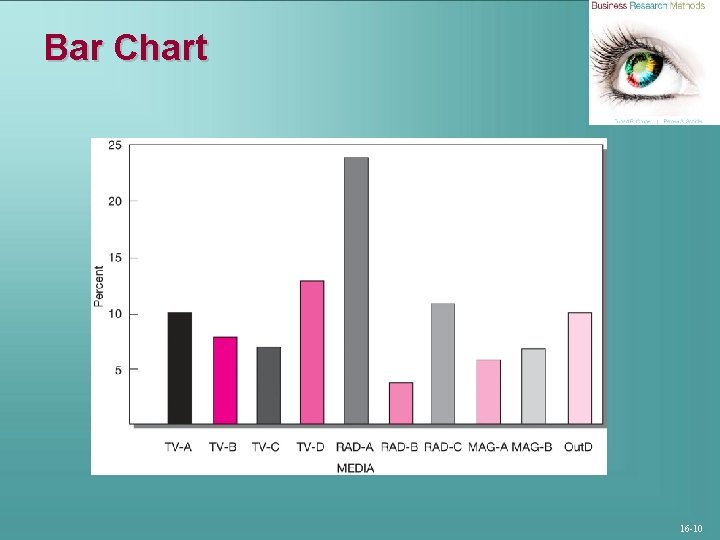
Bar Chart 16 -10
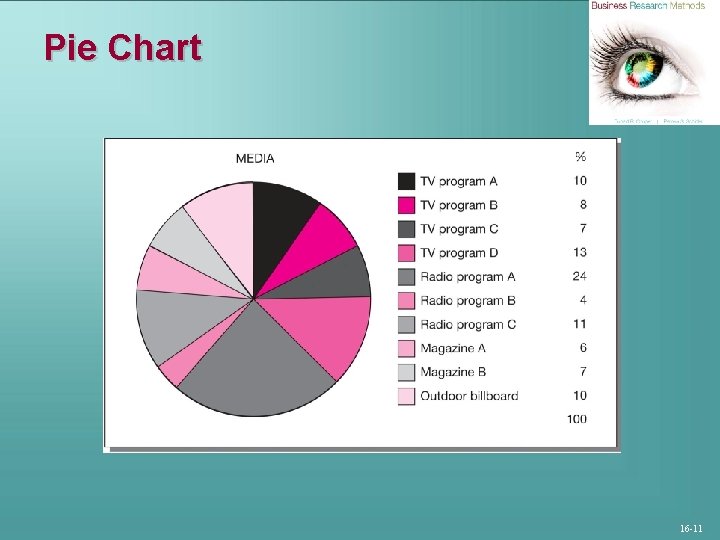
Pie Chart 16 -11
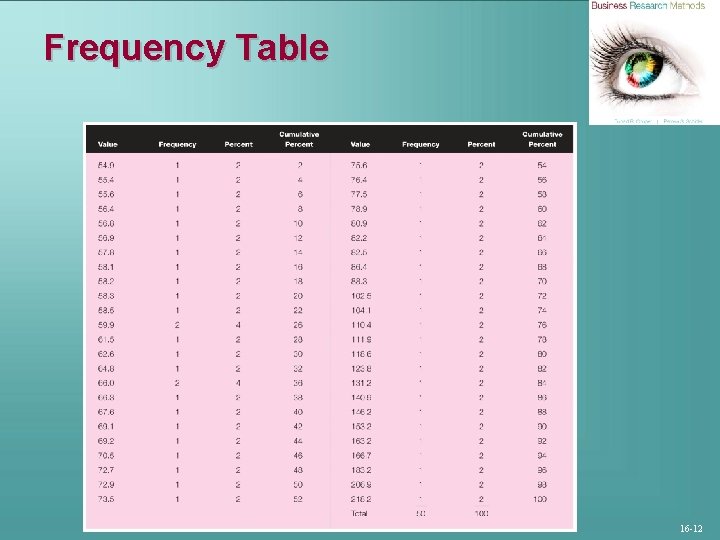
Frequency Table 16 -12
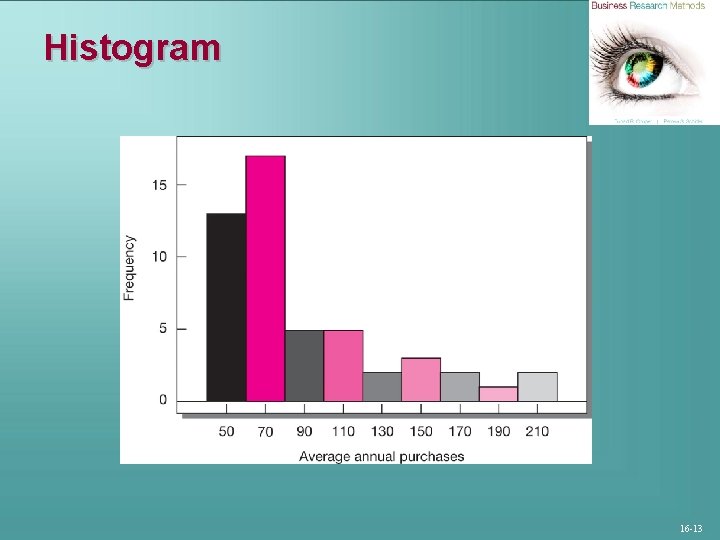
Histogram 16 -13
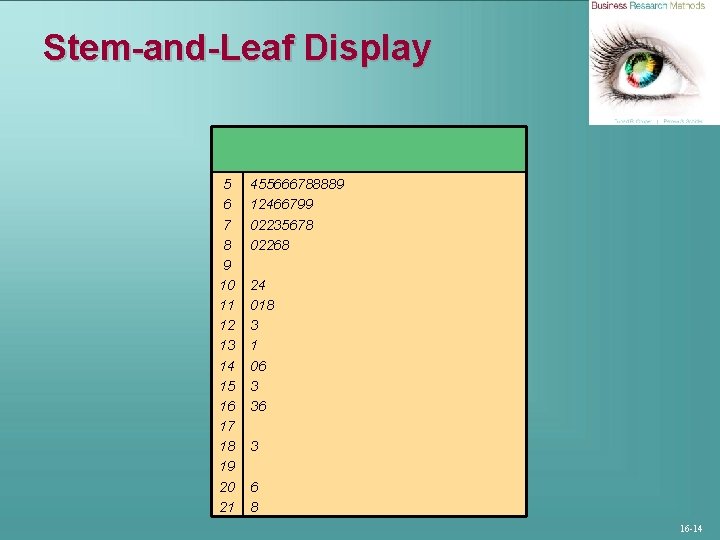
Stem-and-Leaf Display 5 6 7 8 9 10 11 12 13 14 15 16 17 18 19 20 21 455666788889 12466799 02235678 02268 24 018 3 1 06 3 36 3 6 8 16 -14
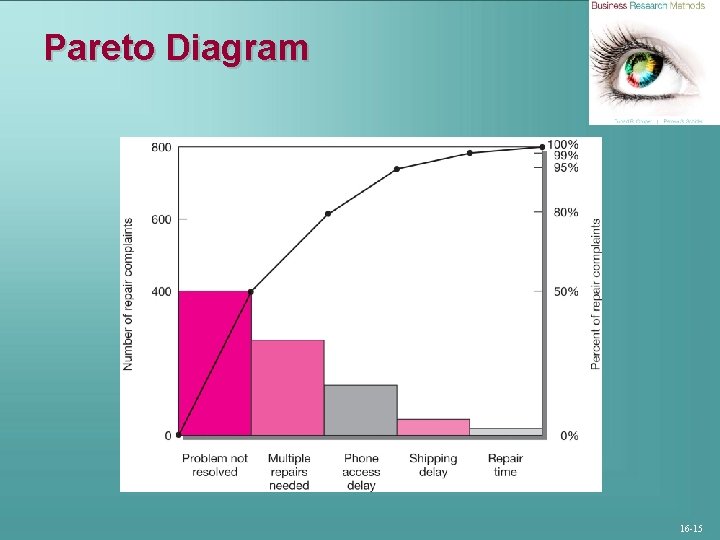
Pareto Diagram 16 -15
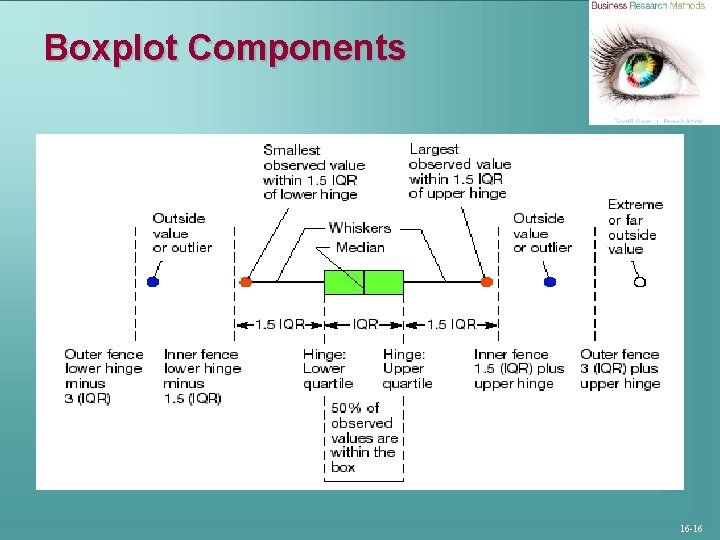
Boxplot Components 16 -16
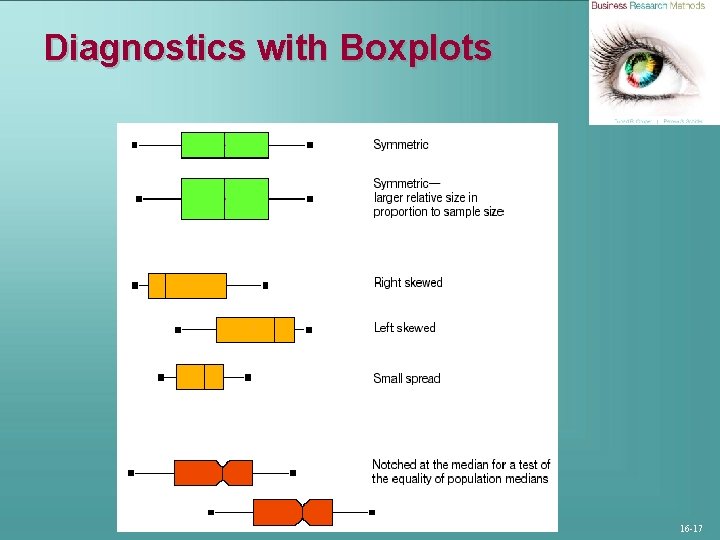
Diagnostics with Boxplots 16 -17
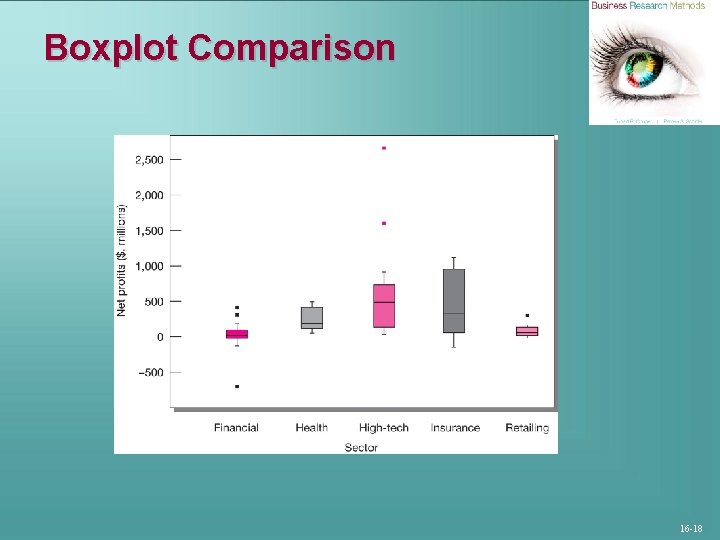
Boxplot Comparison 16 -18
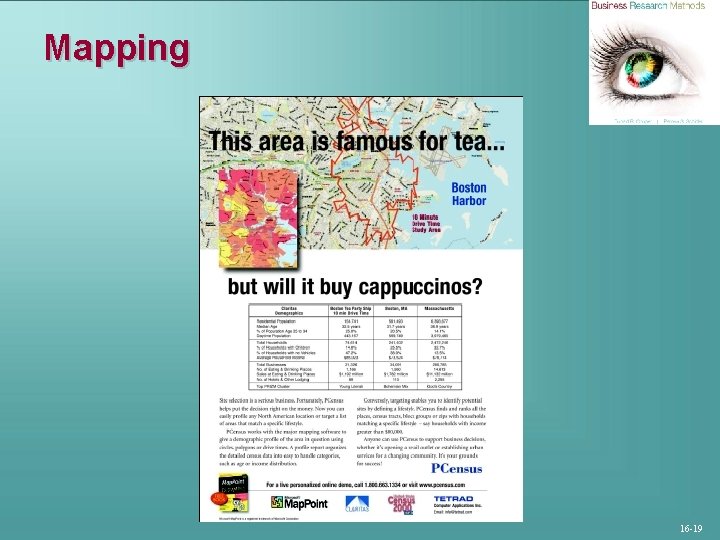
Mapping 16 -19
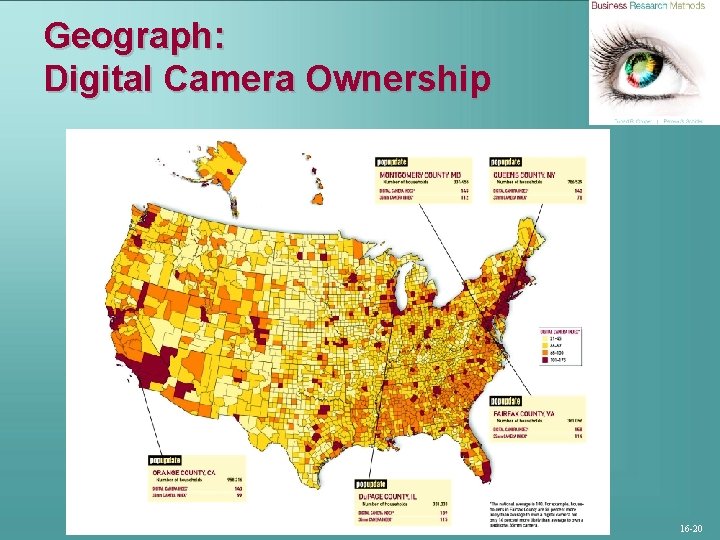
Geograph: Digital Camera Ownership 16 -20
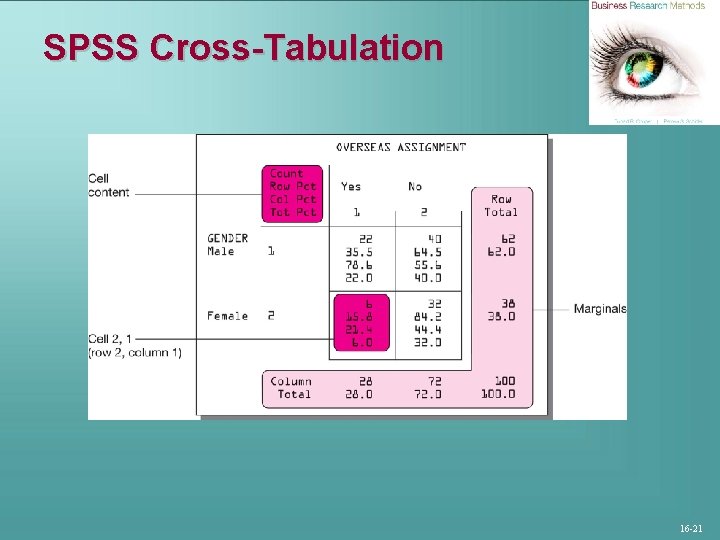
SPSS Cross-Tabulation 16 -21
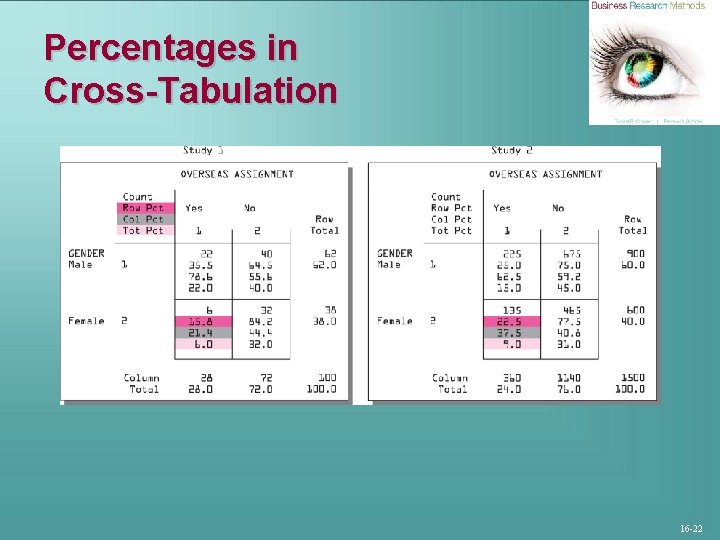
Percentages in Cross-Tabulation 16 -22
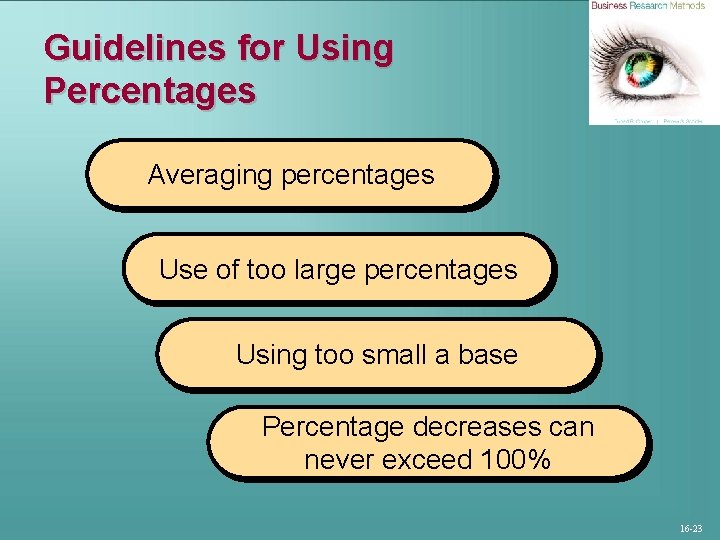
Guidelines for Using Percentages Averaging percentages Use of too large percentages Using too small a base Percentage decreases can never exceed 100% 16 -23
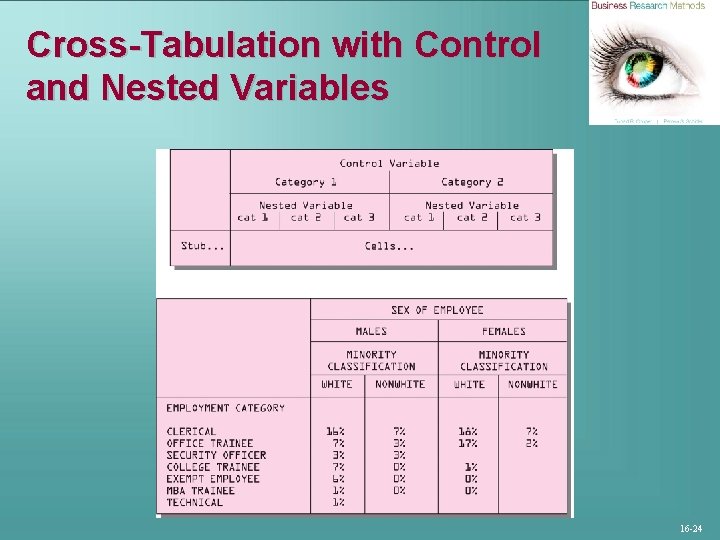
Cross-Tabulation with Control and Nested Variables 16 -24
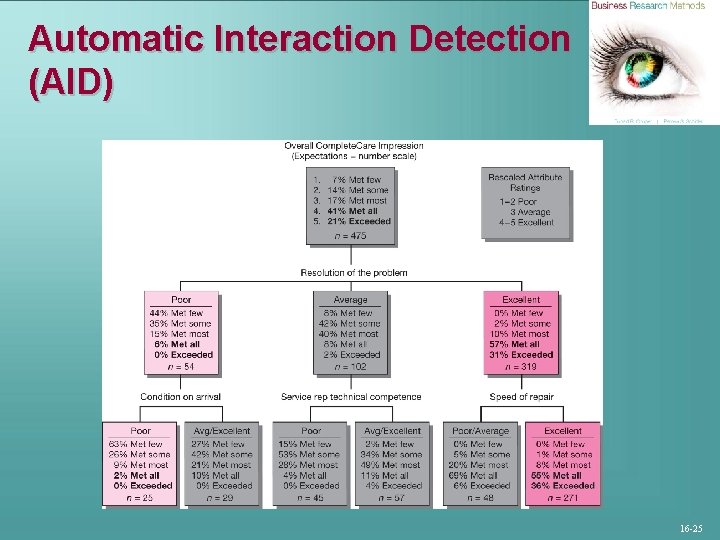
Automatic Interaction Detection (AID) 16 -25
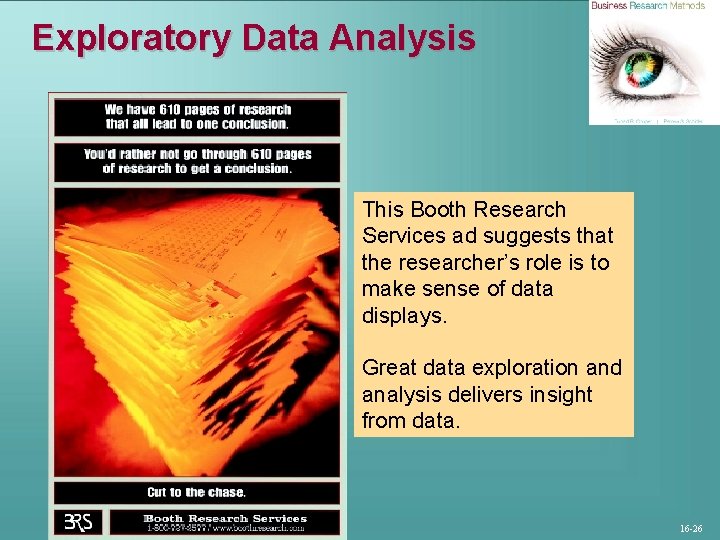
Exploratory Data Analysis This Booth Research Services ad suggests that the researcher’s role is to make sense of data displays. Great data exploration and analysis delivers insight from data. 16 -26
Key Terms • Automatic interaction detection (AID) • Boxplot • Cell • Confirmatory data analysis • Contingency table • Control variable • Cross-tabulation • Exploratory data analysis (EDA) • • • Five-number summary Frequency table Histogram Interquartile range (IQR) Marginals Nonresistant statistics Outliers Pareto diagram Resistant statistics Stem-and-leaf display 16 -27
Working with Data Tables Mc. Graw-Hill/Irwin Copyright © 2011 by The Mc. Graw-Hill Companies, Inc. All Rights Reserved.
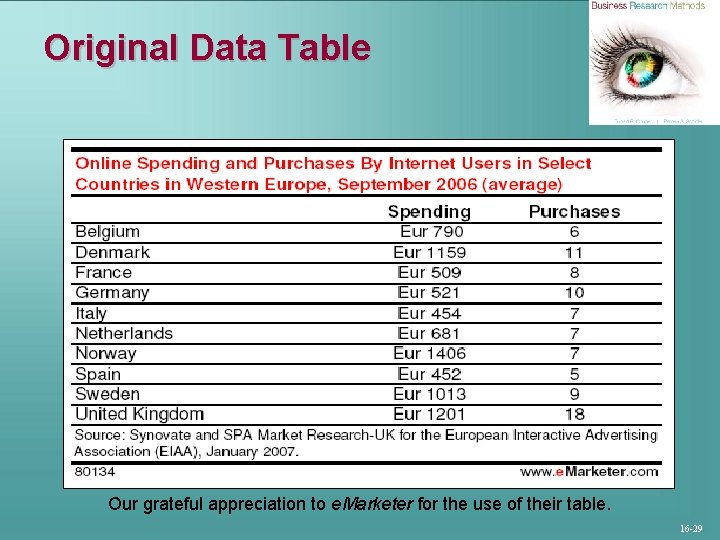
Original Data Table Our grateful appreciation to e. Marketer for the use of their table. 16 -29
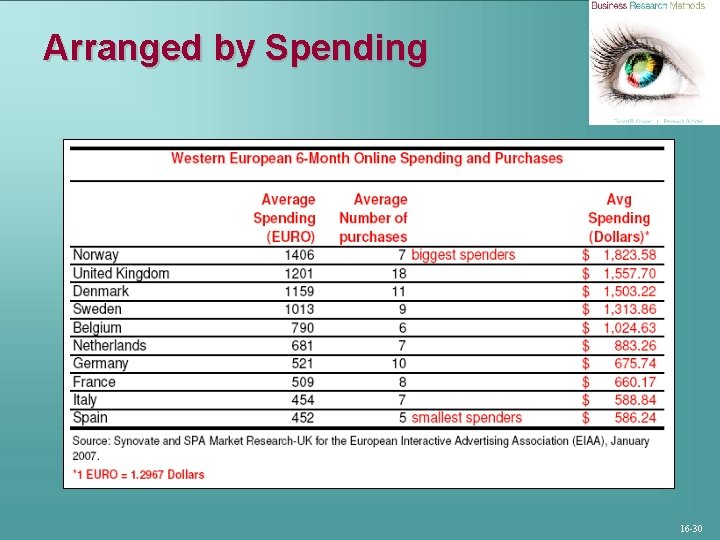
Arranged by Spending 16 -30
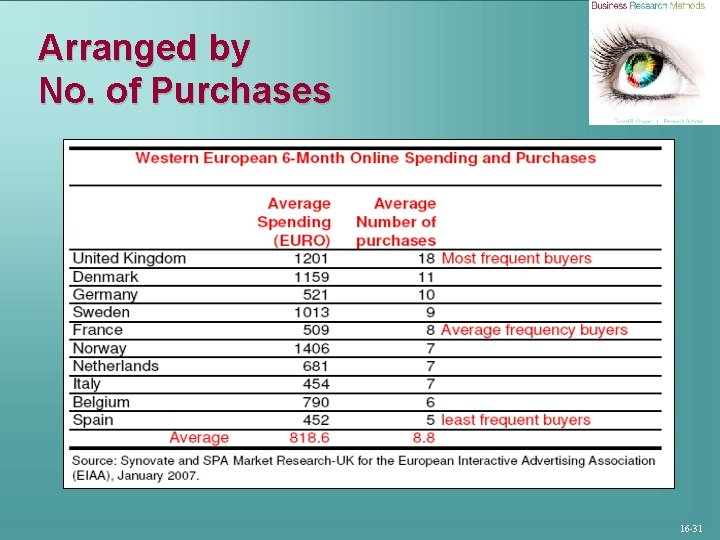
Arranged by No. of Purchases 16 -31
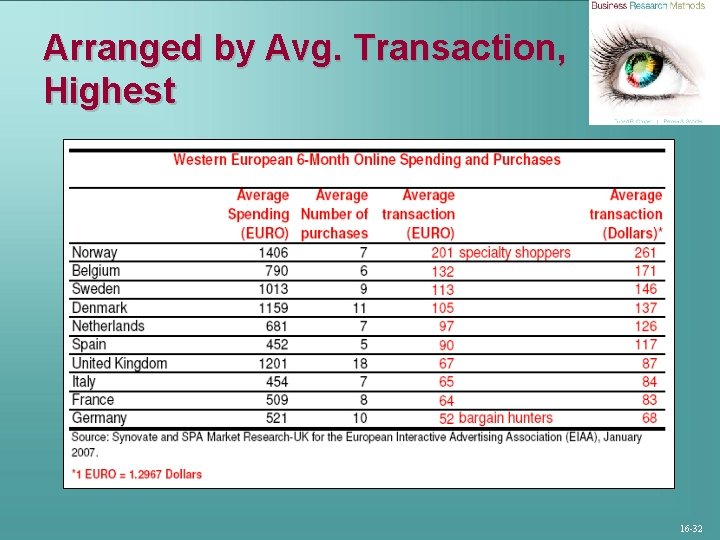
Arranged by Avg. Transaction, Highest 16 -32
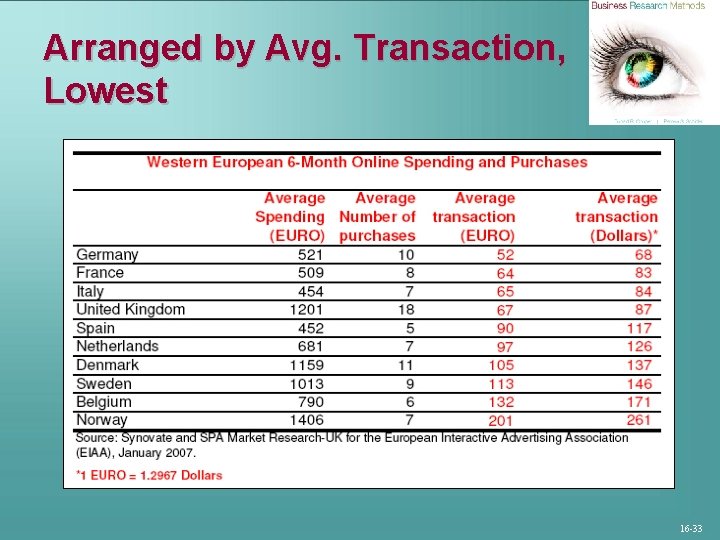
Arranged by Avg. Transaction, Lowest 16 -33