
Chapter 15 Understanding Groups and Teams Learning Objectives
Chapter 15: Understanding Groups and Teams
Learning Objectives • Definition of a group • Why people join groups • Formal vs. informal groups • Five stages of group development • Key aspects of group structure (roles, norms, status systems, group size, group cohesiveness) and how they influence group behavior • Groupthink and social loafing • Relationship between group cohesiveness and productivity • Group Processes: Decision-Making and Conflict Management
Questions For You: 1. What group or team do/have you belong(ed) to? 2. Why did you join? 3. How long has the group been together? 4. Do you have any “rituals” (regular practices, activities)? 5. How well/poorly would you say your group work? What are some of the problems?
Definition of a Group Two or more people who: • Interact • Are interdependent • Come together to achieve a common objective Is our class a group?
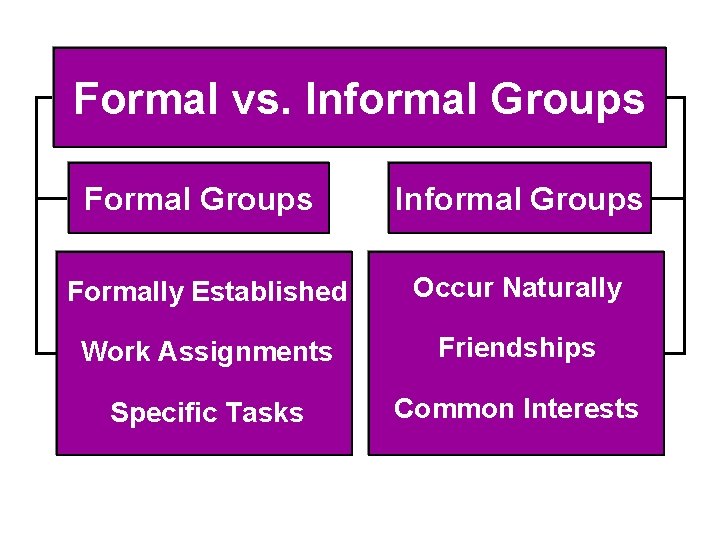
Formal vs. Informal Groups Formal Groups Informal Groups Formally Established Occur Naturally Work Assignments Friendships Specific Tasks Common Interests
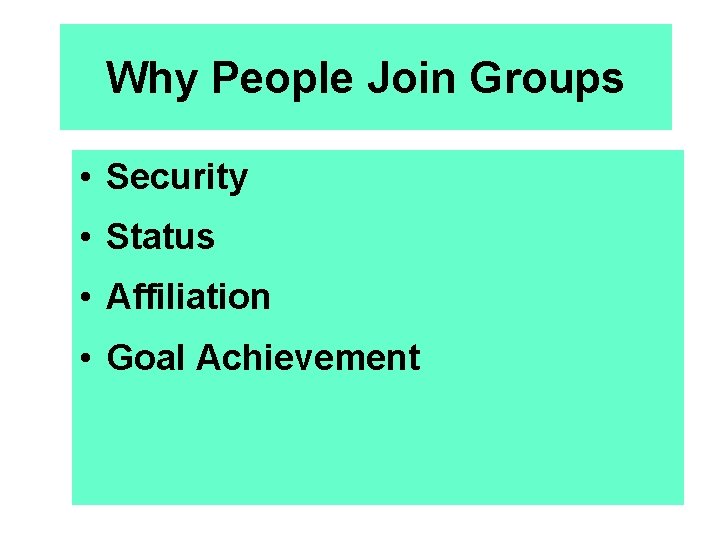
Why People Join Groups • Security • Status • Affiliation • Goal Achievement
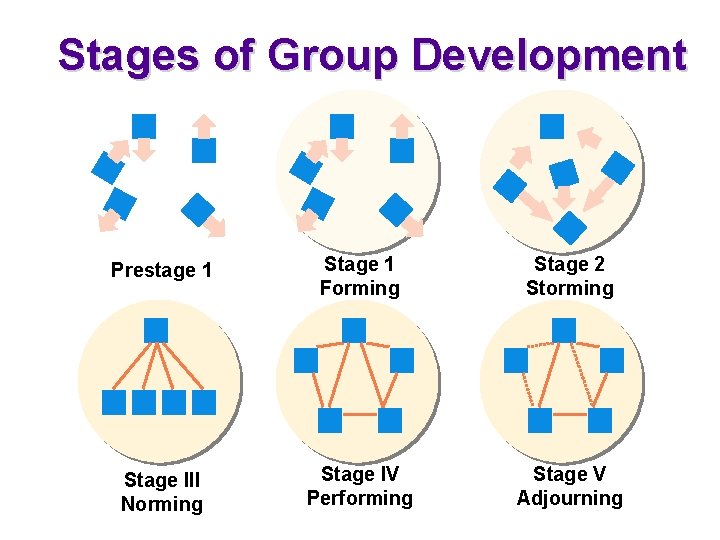
Stages of Group Development Prestage 1 Stage 1 Forming Stage 2 Storming Stage III Norming Stage IV Performing Stage V Adjourning
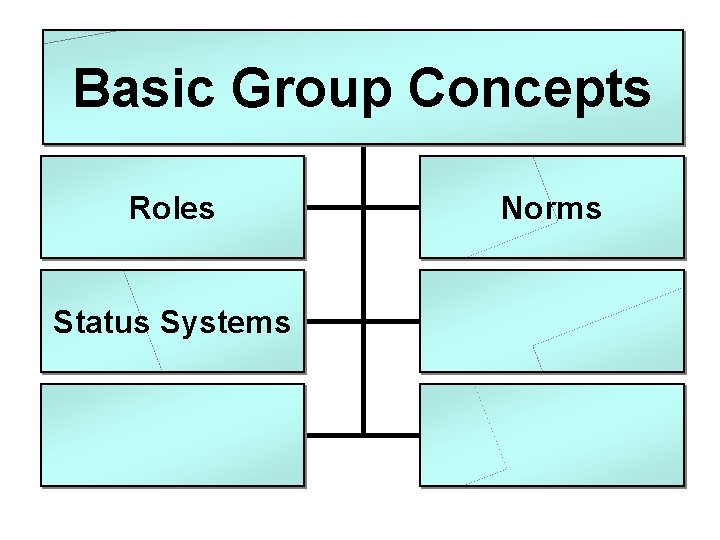
Basic Group Concepts Roles Status Systems Norms
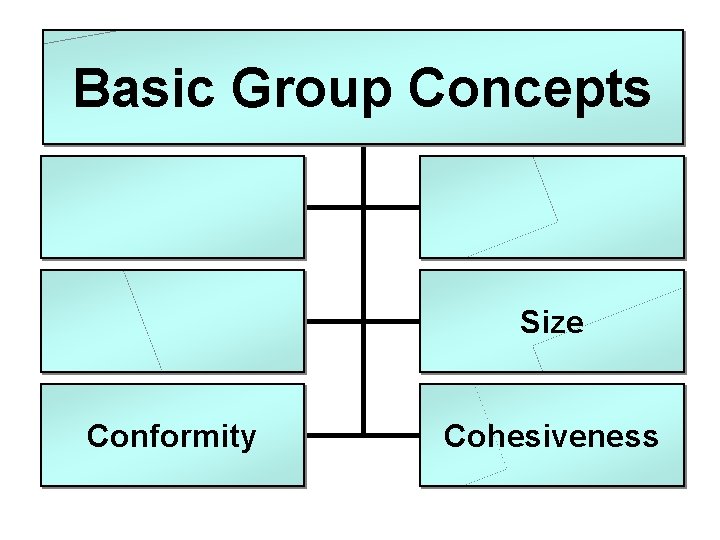
Basic Group Concepts Size Conformity Cohesiveness
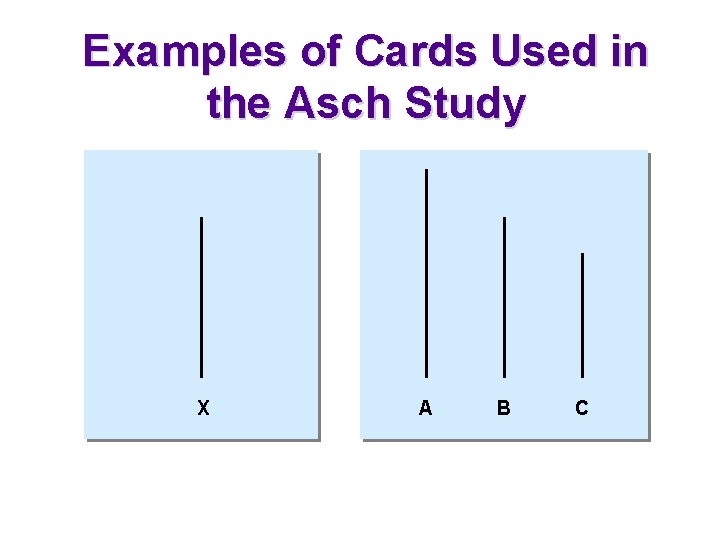
Examples of Cards Used in the Asch Study X A B C
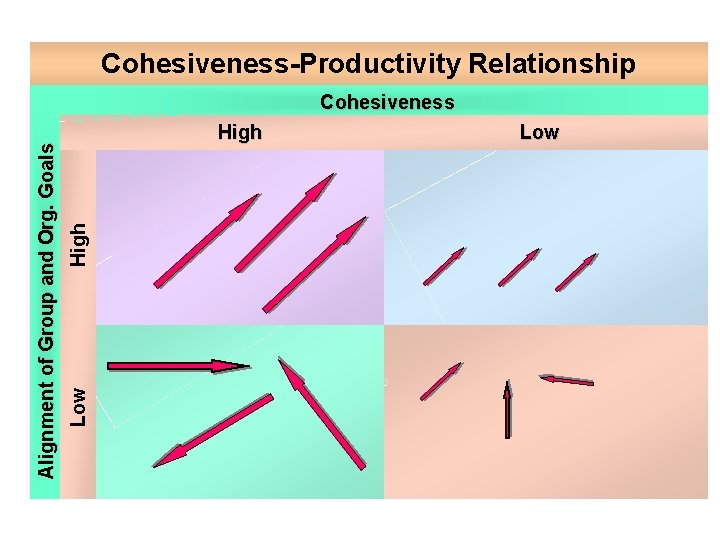
Cohesiveness-Productivity Relationship High Low Alignment of Group and Org. Goals Cohesiveness Low
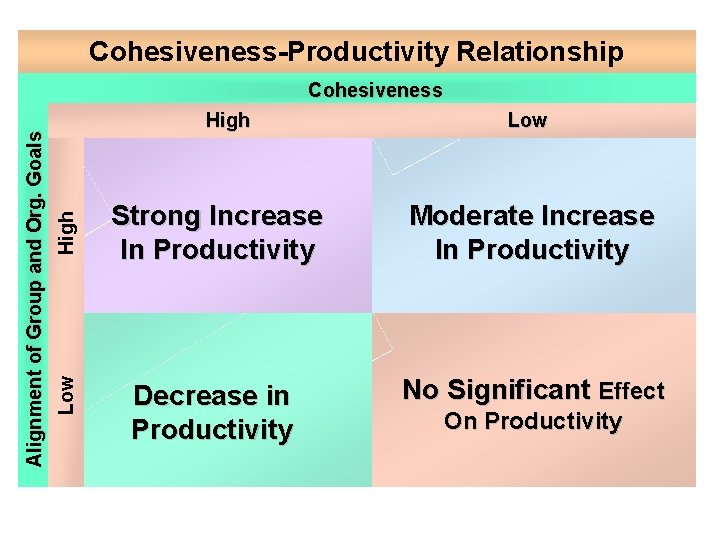
Cohesiveness-Productivity Relationship High Low Alignment of Group and Org. Goals Cohesiveness Low Strong Increase In Productivity Moderate Increase In Productivity Decrease in Productivity No Significant Effect On Productivity
Views of Conflict • Traditional view • Human Relations View • Interactionist View
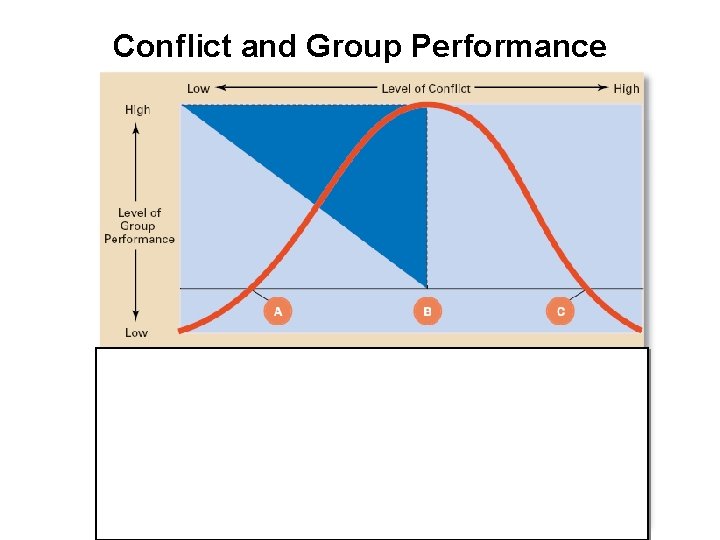
Conflict and Group Performance
Sources of Team Conflict • Task • Relationship • Process
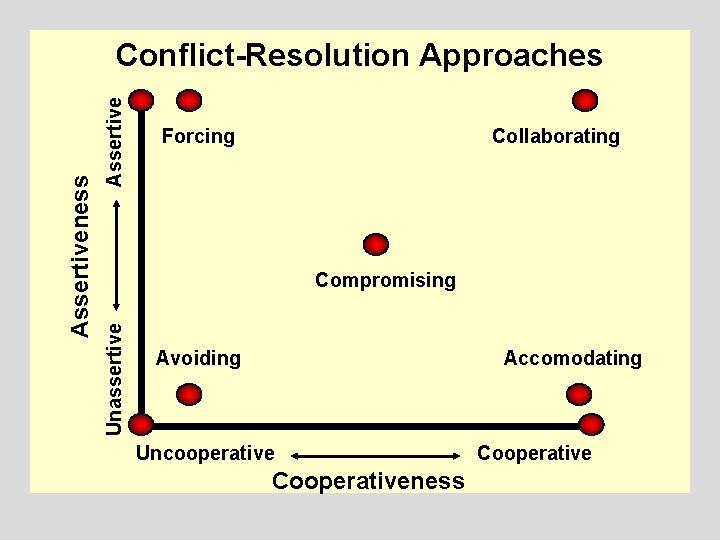
Assertive Forcing Collaborating Compromising Unassertive Assertiveness Conflict-Resolution Approaches Avoiding Accomodating Uncooperative Cooperativeness Cooperative
Types of Teams - Problem-solving - Self-managing - Cross-functional - Virtual
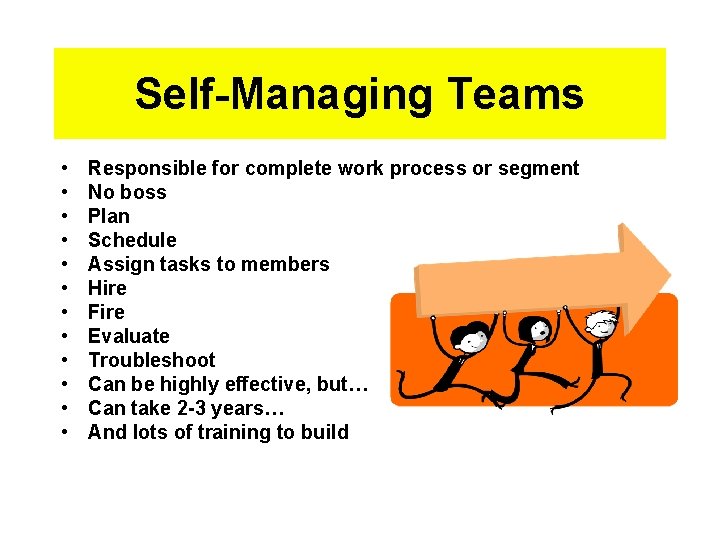
Self-Managing Teams • • • Responsible for complete work process or segment No boss Plan Schedule Assign tasks to members Hire Fire Evaluate Troubleshoot Can be highly effective, but… Can take 2 -3 years… And lots of training to build
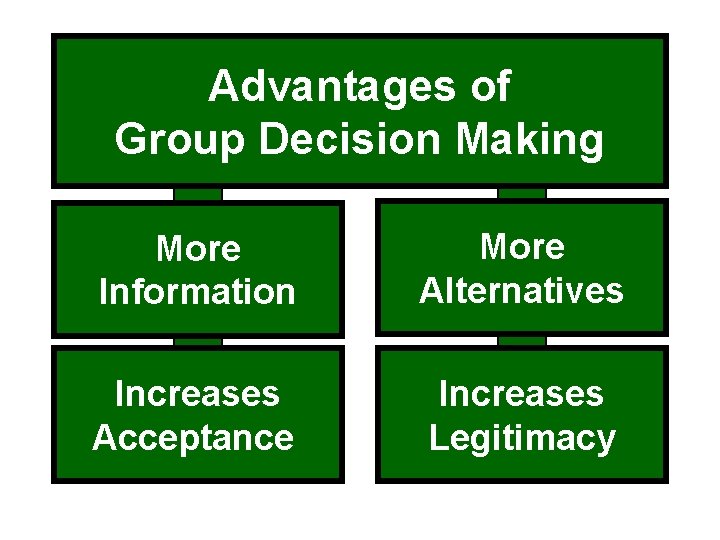
Advantages of Group Decision Making More Information More Alternatives Increases Acceptance Increases Legitimacy
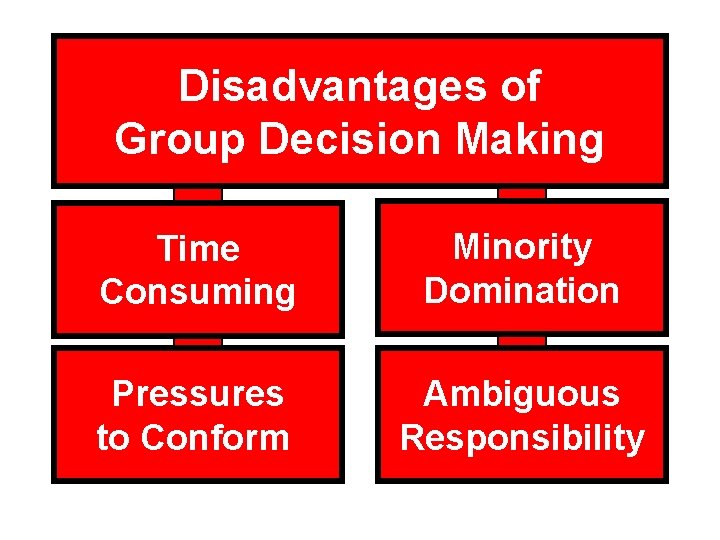
Disadvantages of Group Decision Making Time Consuming Minority Domination Pressures to Conform Ambiguous Responsibility
Group Decision-Making Techniques • Brainstorming • Nominal Group Technique • Electronic Meetings
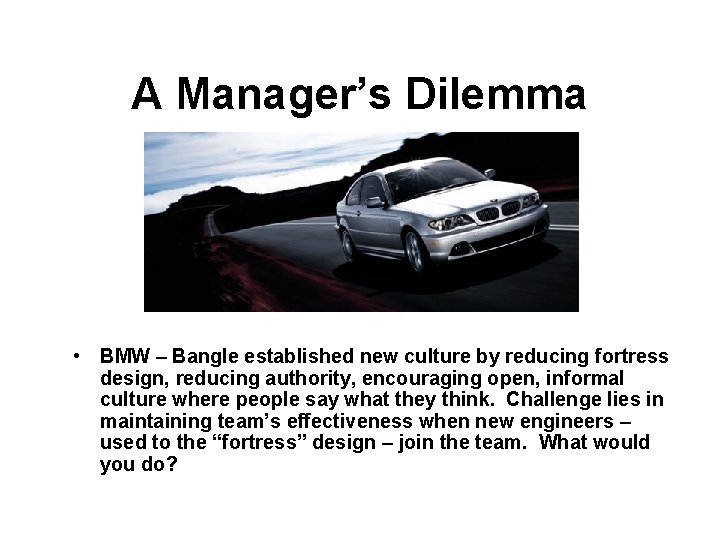
A Manager’s Dilemma • BMW – Bangle established new culture by reducing fortress design, reducing authority, encouraging open, informal culture where people say what they think. Challenge lies in maintaining team’s effectiveness when new engineers – used to the “fortress” design – join the team. What would you do?
Lost at Sea Exercise
- Slides: 23