
Chapter 15 Notes Sound Section 15 1 Objectives
Chapter 15 Notes Sound

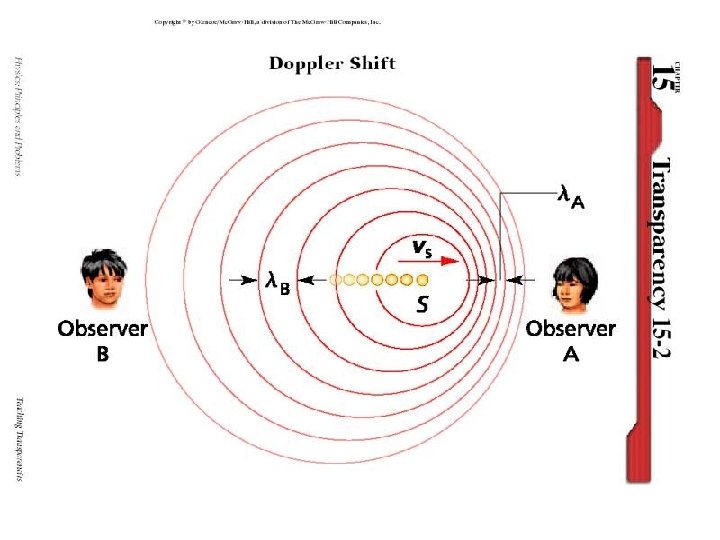
Section 15. 1 Objectives • Explain how sound waves are transmitted through the air. • Relate the physical properties of sound waves to our perception of sound. • Use the Doppler effect to explain changes in pitch as objects move toward and away from you.
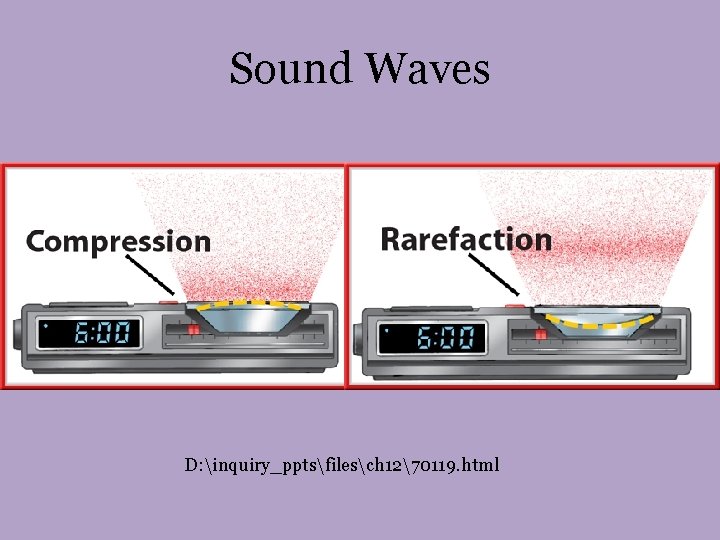
Sound Waves D: inquiry_pptsfilesch 1270119. html
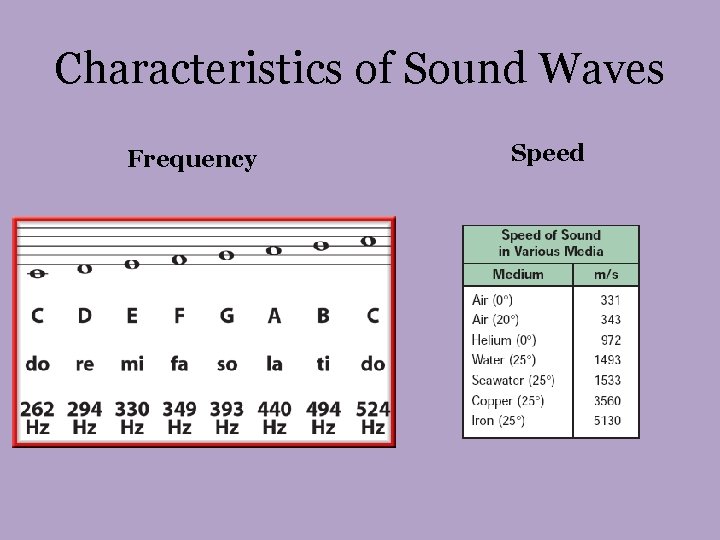
Characteristics of Sound Waves Frequency Speed
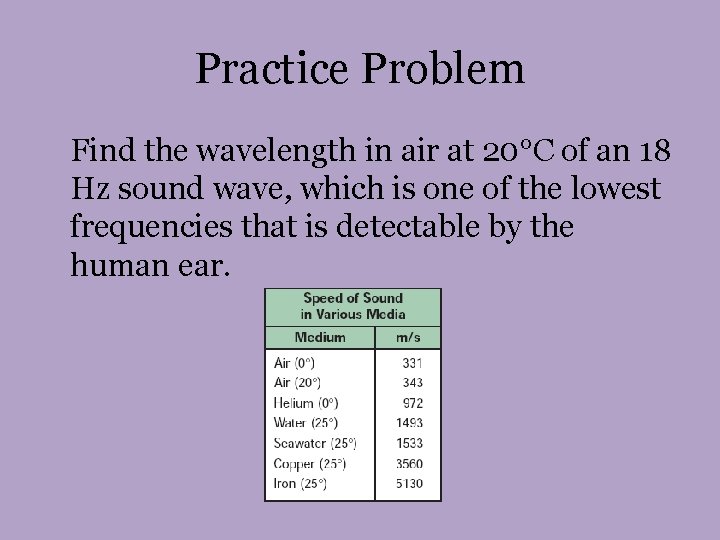
Practice Problem Find the wavelength in air at 20°C of an 18 Hz sound wave, which is one of the lowest frequencies that is detectable by the human ear.
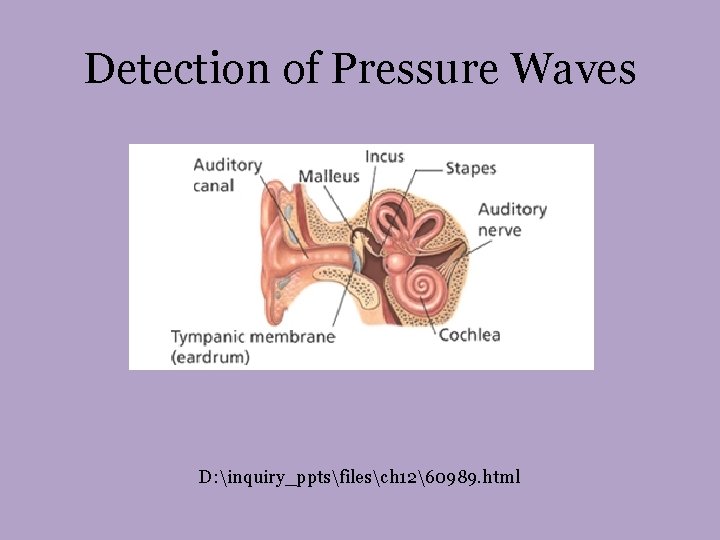
Detection of Pressure Waves D: inquiry_pptsfilesch 1260989. html

Loudness • Decibel Scale
The Doppler Effect • The change in the frequency of sound caused by the movement of either the source, the detector, or both
Example Problem A trumpet sounds C above middle C (524 Hz) while traveling in a convertible at 24. 6 m/s. What is the frequency of the sound the observers hear as the convertible moves toward them? Assume that the temperature is 20°C.
Section 15. 2 Objectives • Differentiate between open- and closedpipe resonators. • Apply the concept of resonance to air columns and strings. • Explain why there are variations in sound among instruments and among voices.
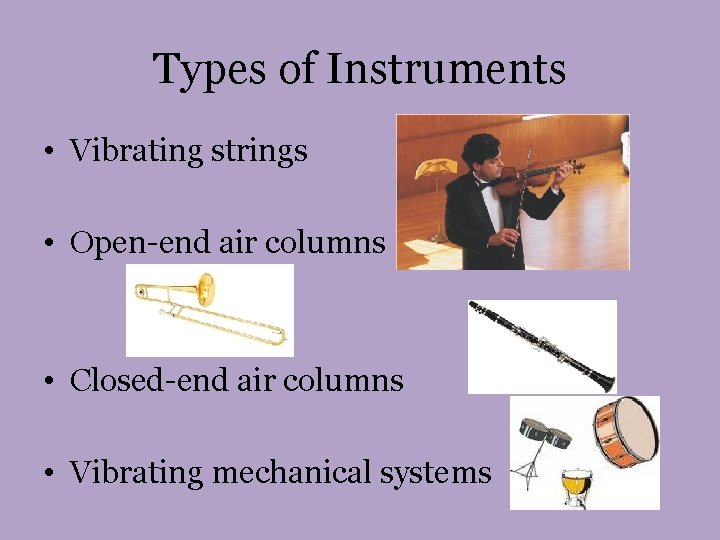
Types of Instruments • Vibrating strings • Open-end air columns • Closed-end air columns • Vibrating mechanical systems
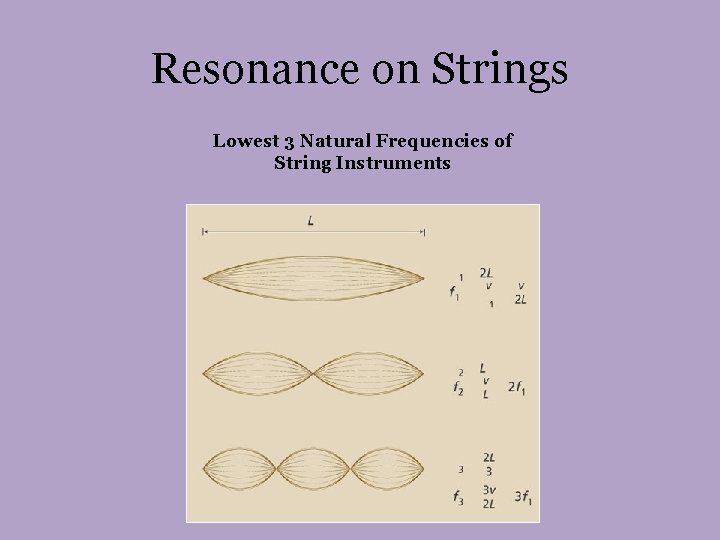
Resonance on Strings Lowest 3 Natural Frequencies of String Instruments
Resonance on Strings • Natural frequency an object vibrates depends upon: – Tension – Density – Length
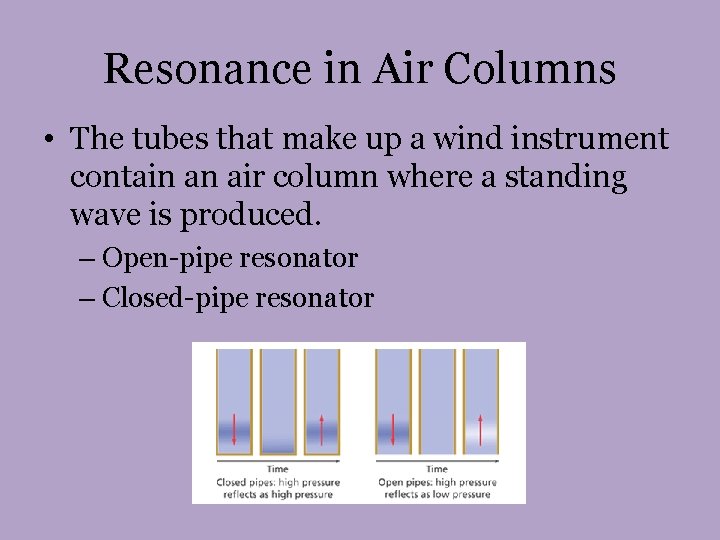
Resonance in Air Columns • The tubes that make up a wind instrument contain an air column where a standing wave is produced. – Open-pipe resonator – Closed-pipe resonator
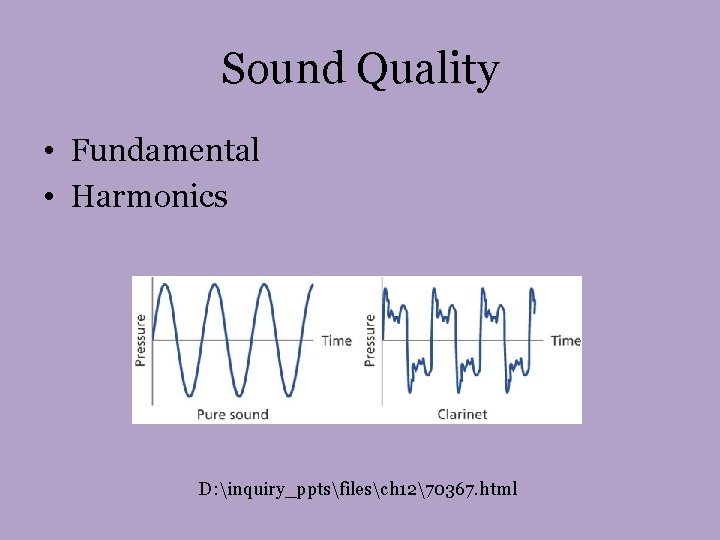
Sound Quality • Fundamental • Harmonics D: inquiry_pptsfilesch 1270367. html
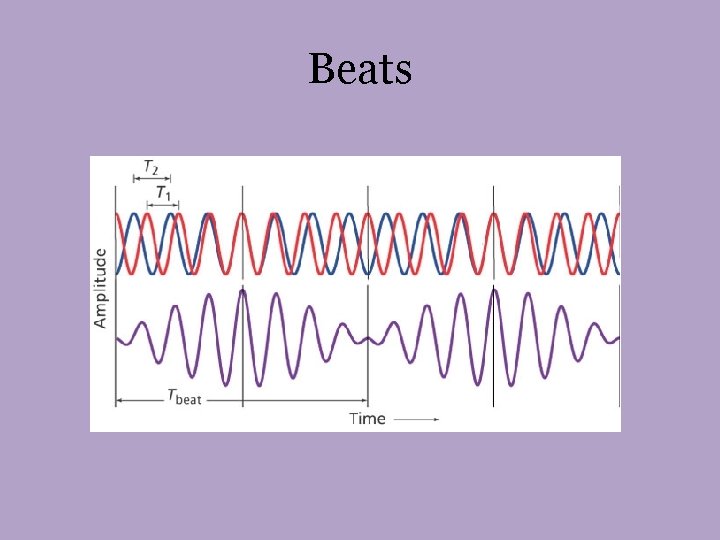
Beats
- Slides: 17