
Chapter 15 Notes A Nation Breaking Apart Missouri
Chapter 15 Notes A Nation Breaking Apart
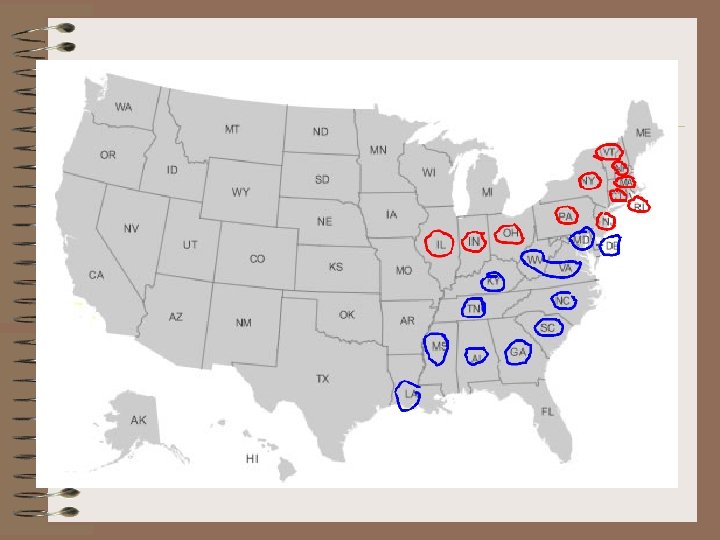
Missouri wants to be a slave state 1. 11 slave 11 free states 2. It would shift the power between the slave and free states. 3. Henry Clay proposed a compromise 4. Missouri is slave, Maine is free, 36 -30 line to decide future states. 5. Applied to Louisiana Territory not Mexican Cession land.
North vs. South • • North Industry Did not like slavery Wanted to help runaway slaves • Nationalism – love for your nation • South • Plantation, farming, slavery • Needed slavery • Did not like slaves runaway – wanted them returned • Sectionalism – love for your area or section
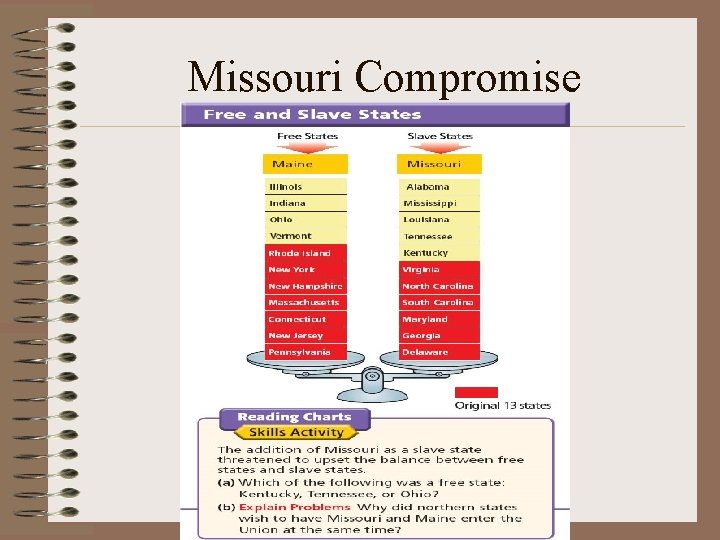
Missouri Compromise
LEADERS • South – John C. Calhoun • North – Daniel Webster • West – Henry Clay • President – James K. Polk (1845 – 1849)
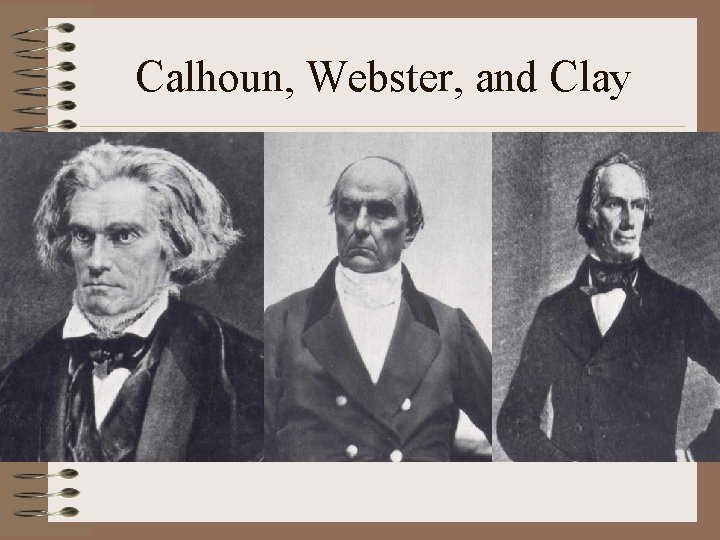
Calhoun, Webster, and Clay
1848 President Campaign • Free Soil – Martin Van. Buren (no expansion of slavery) • Democrats – Lewis Cass (popular sover. ) • Whig – Zachary Taylor (slave owner) • Slavery was now a national issue • Taylor won
SLAVERY • 4 million people are put into slavery each year – most are women and children. Many are lured with false promises of jobs with good pay.
California to become a state? • • Gold brought thousands to California Residents wanted to be a free state Threatened the balance of power. Northerners wanted the Missouri Compromise upheld • Tempers flared. • One man stood up from his seat, drew a pistol and pointed it at another – no blood shed that day!
• Jefferson Davis “For the first time, we are about to permanently destroy the balance of power between the sections” • California could not become a state without the approval of Congress • Henry Clay drafted a plan. – Henry Clay is known as the Great Compromiser. Clay is now 73 years old, frail, old, and ill. Calhoun is dieing of Tuberculosis. 1850 – Calhoun and Taylor dies
The Compromise of 1850 • California would be a free state. • Slave trade would be abolished in Washington D. C. • Congress would not pass laws about slavery for the territories. • Tougher laws to help slave owners capture runaways.
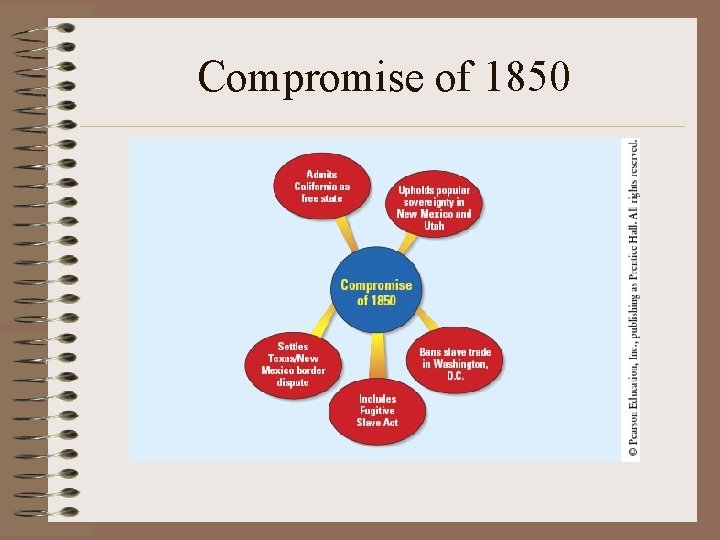
Compromise of 1850
Political Leaders • • Millard Fillmore – president Henry Clay Daniel Webster Stephen Douglas – save the Union – “little giant” only 5’ 4” – Died of typhoid fever in 1861
Fugitive Slave Act • A law to help slave owners recapture runaway slaves. • Judges received $5 for releasing slaves and $10 for returning them. • Law required northerners to help capture runaways. • Fines were $1000 or 6 months in jail • Slave catchers roamed the north sometimes capturing freed African Americans.
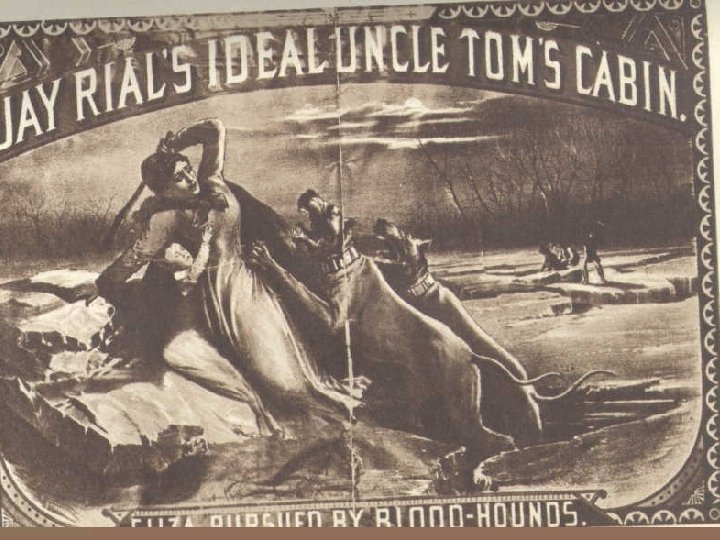
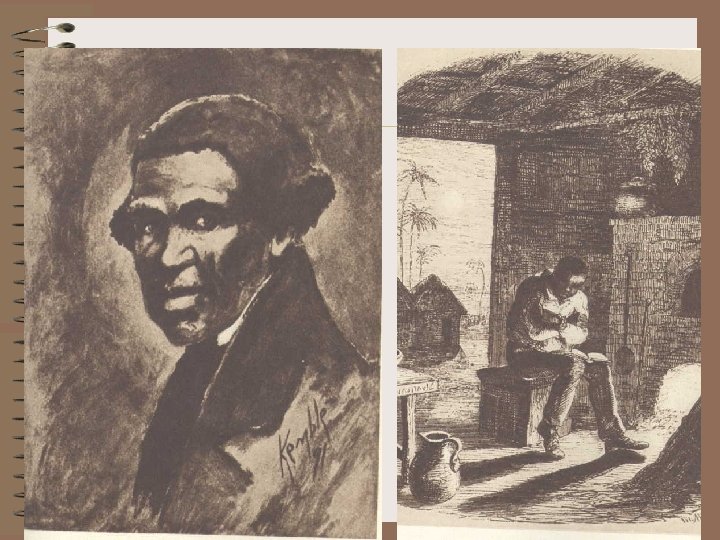
Uncle Tom’s Cabin by Harriet Beecher Stowe • 1852 – showed the immoral issue of slavery • Uncle Tom was a respected older slave. He had 3 owners – two were kind and one – Simon Legree – was evil • Sold 300, 000 copies • Southerners claimed the story was untrue • Stowe had seen slavery first hand. • This changed the way thousand of northerners felt about slavery. It was no longer just a political problem, but now it was a moral problem.
Kansas – Nebraska Act • 1854 – The area of Nebraska Territory was divided into two territories – Kansas and Nebraska. – Used popular sovereignty to decide slavery – Got rid of the Missouri Compromise – Called the Kansas Nebraska Act
“Bleeding Kansas” • Pro – slavery and antislavery settlers rushed into the Kansas Territory to vote. • Border Ruffians – pro – slavery groups that crossed the border to vote illegally. – Passed a law saying a person could be put to death for helping a slave and it was a crime to speak out against slavery. – Anti slavery settlers formed a government of their own
• Political authority was in dispute • Settlers armed themselves • Pro- slavery mob attacked Lawrence (destroying homes and offices) • John Brown ( extreme abolitionist with 20 children) attacked pro- slavery homes and murdered 5 people. • Civil war broke out in Kansas that lasted 3 years. • More than 200 people died
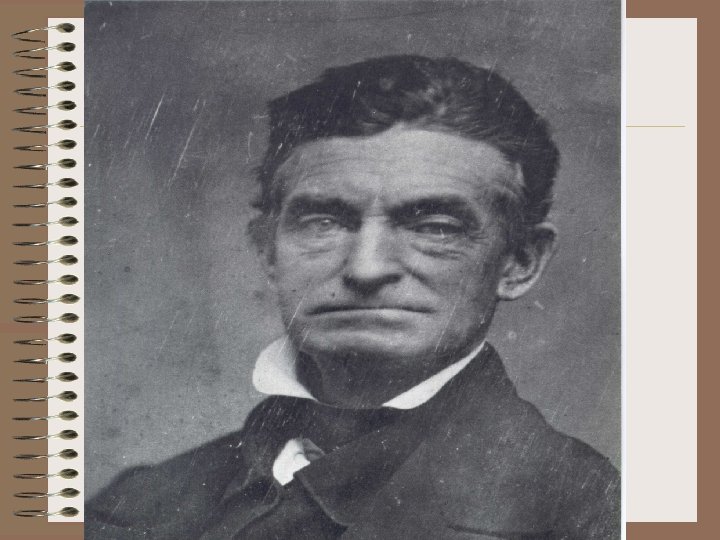
John Brown
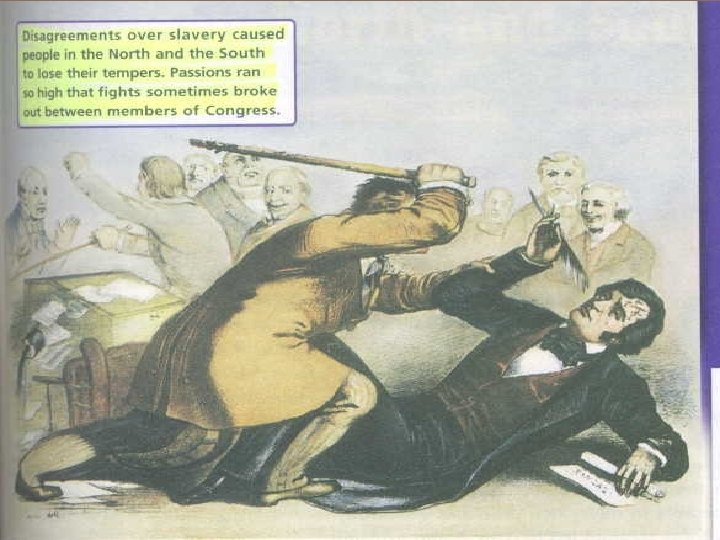
Violence in Congress • Senator Charles Sumner (Mass) delivered a speech attacking pro slavery people. He insulted A. P. Butler (SC) • Preston Brooks, a relative of Butler, attacked Sumner, who was sitting at a desk. • Brooks hit Sumner over the head with a cane 30 times, breaking the cane. • Southerners sent Brooks a new cane to show support.
Republican Party • GOAL = to stop the spread of slavery • NOT to abolish slavery!
Election of 1856 • Republican – John Fremont • Democrat – James Buchanan • Buchanan won • Fremont almost won without support of a single southern state. • Southerners were worried that their national influence was fading.
Illinois Senate Race • ABRAHAM LINCOLN • View of Slavery – did not believe in equality between black and white but believed slavery was wrong and expansion should be prevented. • STEPHAN DOUGLAS • View of Slavery – popular sovereignty but personally disliked slavery
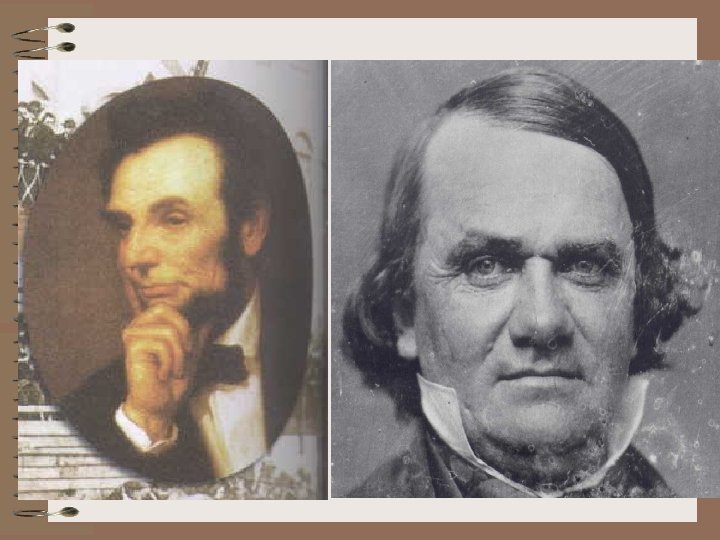
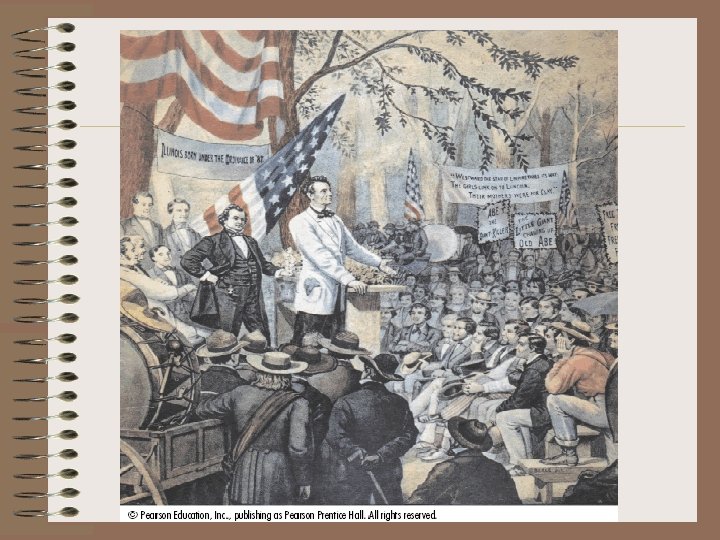
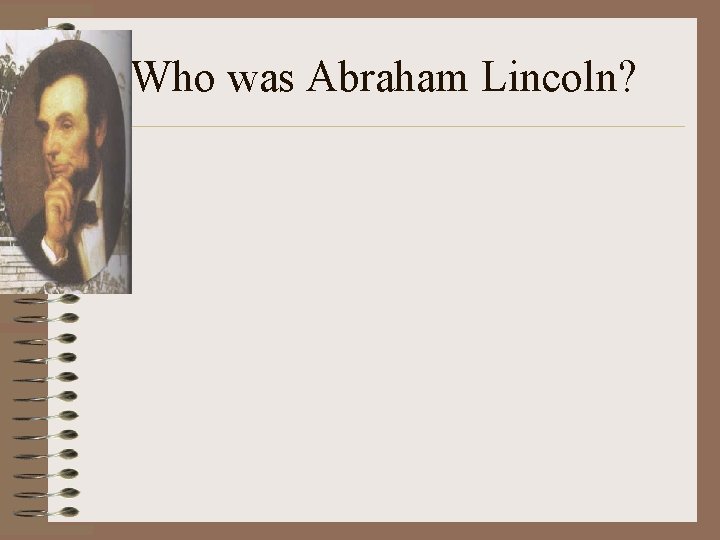
Who was Abraham Lincoln?
“House Divided Speech” • “A house divided against itself cannot stand. I believe this government cannot endure, permanently half slave and half free. I do not expect the Union to be dissolved – I do not expect the house to fall – but I do expect it will cease to be divided. It will become all one thing, or all the other. – Abraham Lincoln, June 16, 1858
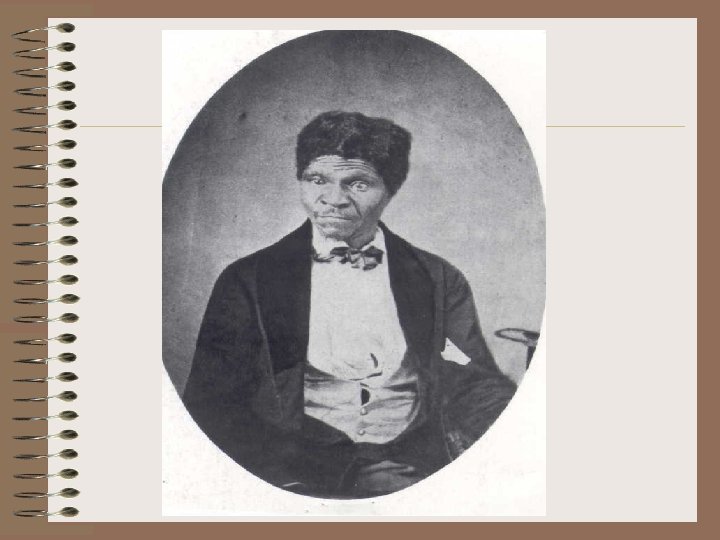
Dred Scott Case • 1857 – Scott lived in Missouri and moved to Wisconsin with his owner. • His owner died. Anti slavery men said Scott was free since he was living in free land. • Filed a lawsuit • Court’s Decision: – Scott could not file suit because black men were not citizens. – Congress did not have the power to outlaw slavery in territories (only a state could ban slavery).
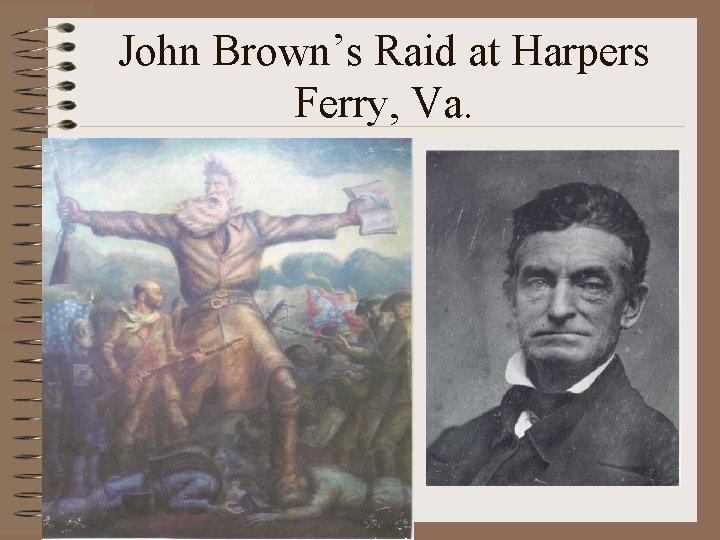
John Brown’s Raid at Harpers Ferry, Va.
• John Brown took a group of men to attack an arsenal at Harper’s Ferry, Va. • To get guns for a slave revolt. • Robert E. Lee lead troops to stop Brown • Lee killed 10 and captured Brown • Brown was put on trial • Found guilty of murder and treason • Hanged • Became a martyr for the slave cause
• Northern Response to Brown’s hanging • Southern Response to Brown’s hanging: – Brown became a hero and a martyr. – Mad – How could they praise a man who planned to lead a slave revolt. – Intolerable
Platform = a statement of beliefs • Northern democrats – wanted the party to support popular sovereignty • Southern democrats – wanted to defend slavery • Constitutional Union party – wanted to preserve the Union
Election of 1860 • • Northern democrats – Stephen Douglas (N) Southern democrats – John Breckinridge S Republicans – Abraham Lincoln (N) Constitutional Union – John Bell (S) Textbook page 500 Extreme views : Lincoln and Breckinridge Lincoln wins!
So what does this mean? • South had not affected the election at all and did not have a voice in the national government. • Lincoln said he would do nothing to abolish slavery • South said “Abolitionist in the White House”
• • South secedes from the Union Secede – withdraw from the Union Reason – state’s rights December 20, 1860 They said the sates had voluntarily joined the Union, therefore they could leave the Union. • D of I said “it is the right of the people to alter or abolish a government that denies the rights to citizens. • South Carolina was the first • In the next 6 weeks – Mississippi, Florida, Alabama, Georgia, Louisiana, and Texas seceded
Confederate States of America • • President – Jefferson Davis Drafted a Constitution Supported states rights Protected slavery • North said – states did not have the right to secede because the federal gov. had the most power not the state gov.
Lincoln takes office • March 1, 1861 • First Inaugural Address – No intention of abolishing slavery – Against secession – Appeal for friendship – Lincoln would not invade the south – All waited anxiously
- Slides: 42