
Chapter 15 Mechanisms of Cell Communication A simple

- Slides: 23
Chapter 15 Mechanisms of Cell Communication
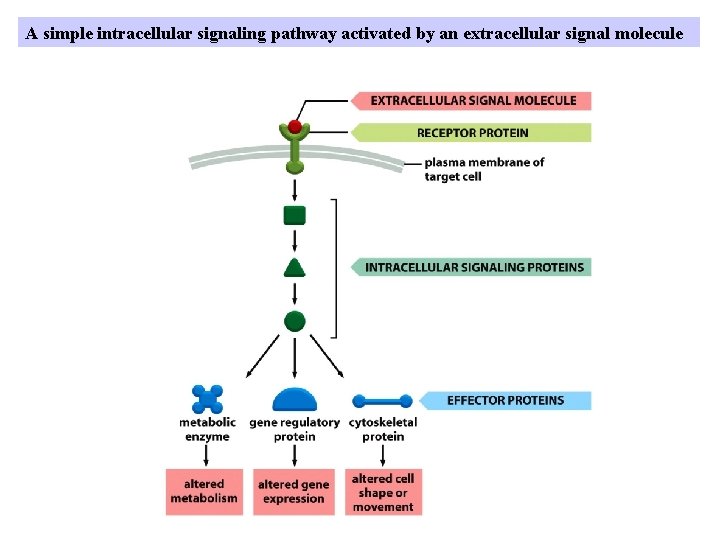
A simple intracellular signaling pathway activated by an extracellular signal molecule
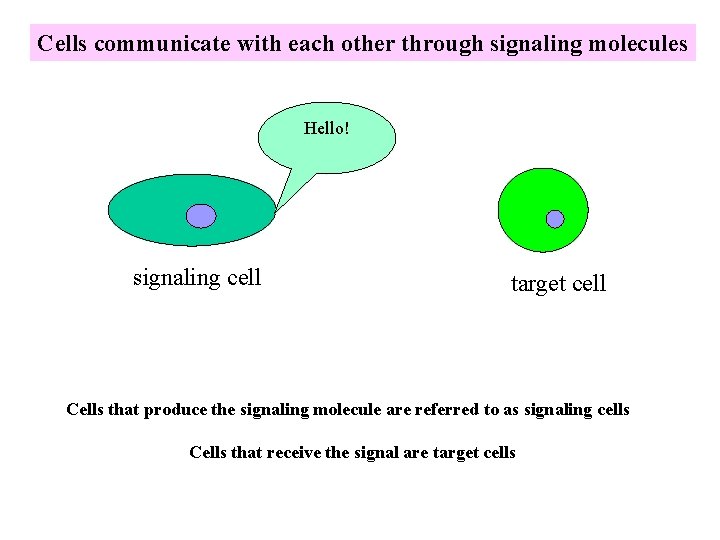
Cells communicate with each other through signaling molecules Hello! signaling cell target cell Cells that produce the signaling molecule are referred to as signaling cells Cells that receive the signal are target cells
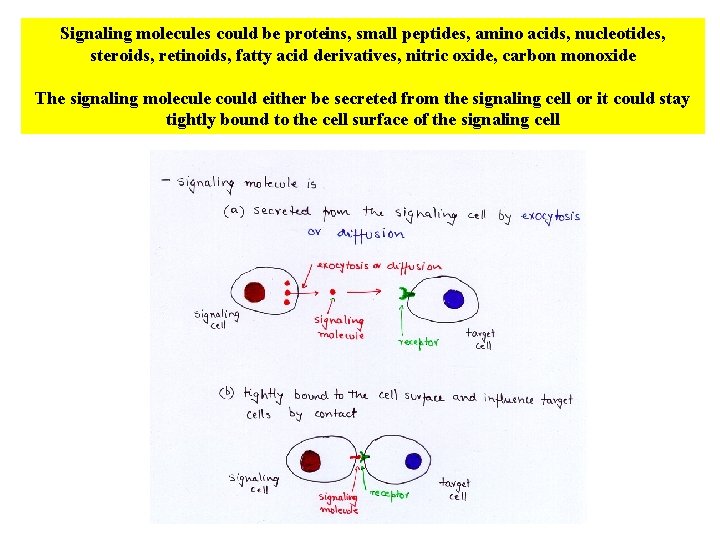
Signaling molecules could be proteins, small peptides, amino acids, nucleotides, steroids, retinoids, fatty acid derivatives, nitric oxide, carbon monoxide The signaling molecule could either be secreted from the signaling cell or it could stay tightly bound to the cell surface of the signaling cell
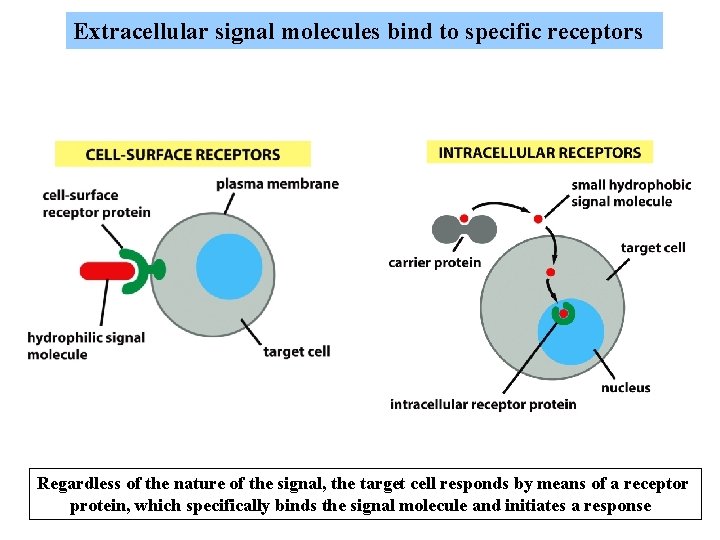
Extracellular signal molecules bind to specific receptors Regardless of the nature of the signal, the target cell responds by means of a receptor protein, which specifically binds the signal molecule and initiates a response
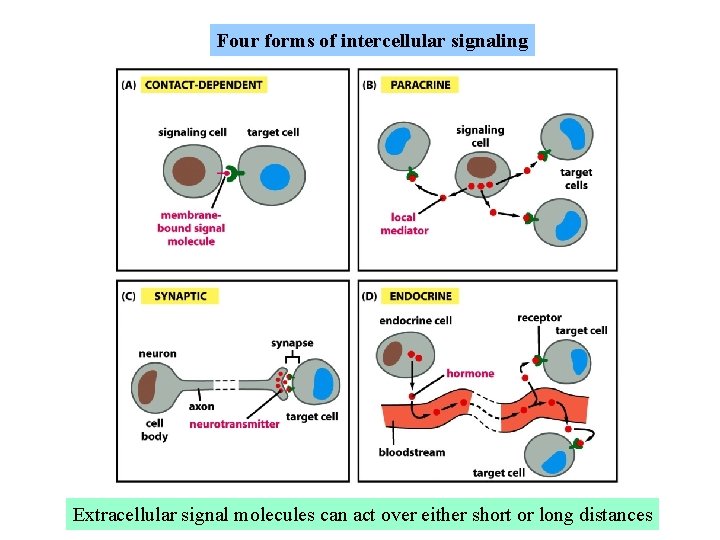
Four forms of intercellular signaling Extracellular signal molecules can act over either short or long distances
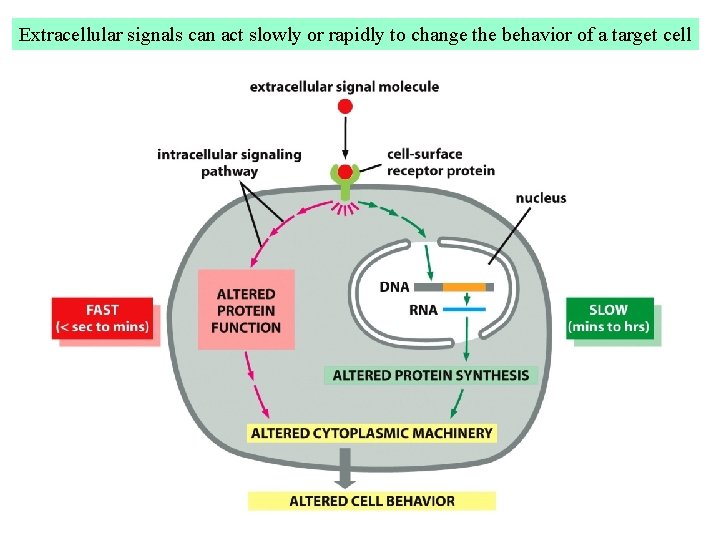
Extracellular signals can act slowly or rapidly to change the behavior of a target cell
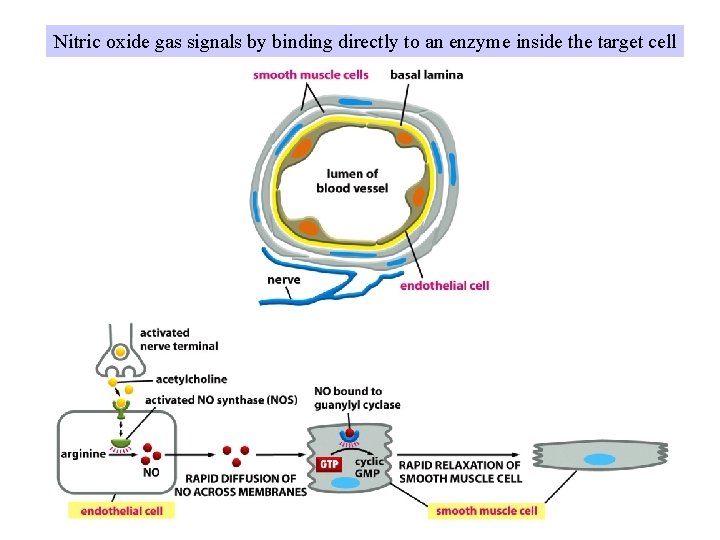
Nitric oxide gas signals by binding directly to an enzyme inside the target cell
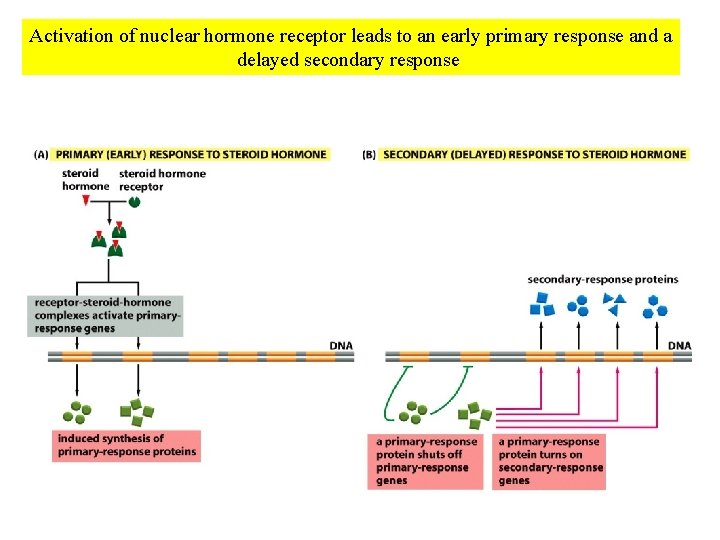
Activation of nuclear hormone receptor leads to an early primary response and a delayed secondary response
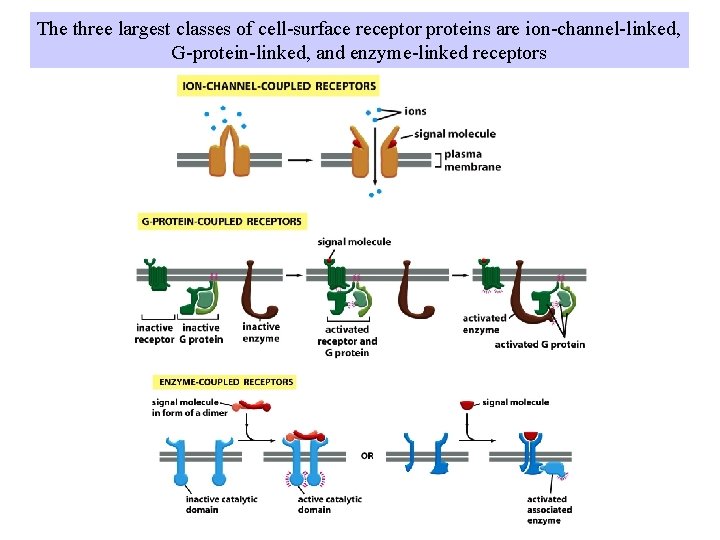
The three largest classes of cell-surface receptor proteins are ion-channel-linked, G-protein-linked, and enzyme-linked receptors
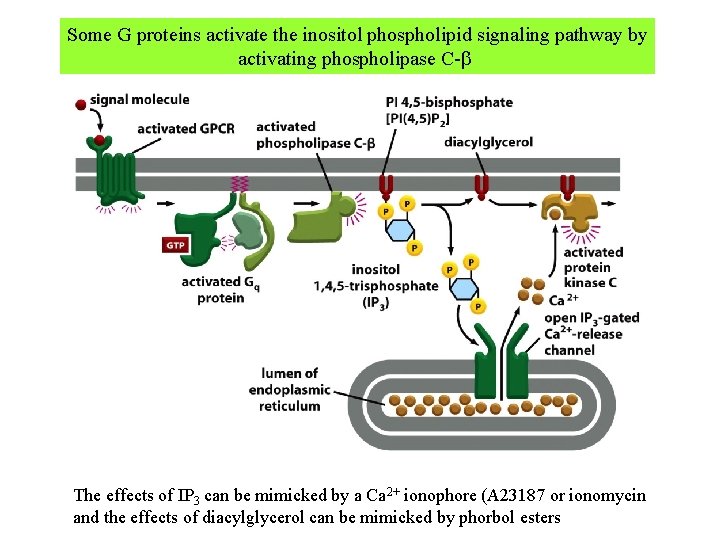
Some G proteins activate the inositol phospholipid signaling pathway by activating phospholipase C-b The effects of IP 3 can be mimicked by a Ca 2+ ionophore (A 23187 or ionomycin and the effects of diacylglycerol can be mimicked by phorbol esters
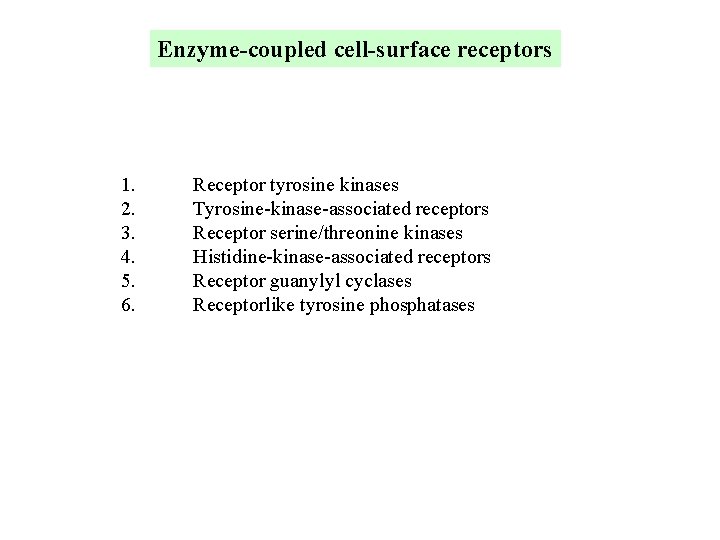
Enzyme-coupled cell-surface receptors 1. 2. 3. 4. 5. 6. Receptor tyrosine kinases Tyrosine-kinase-associated receptors Receptor serine/threonine kinases Histidine-kinase-associated receptors Receptor guanylyl cyclases Receptorlike tyrosine phosphatases
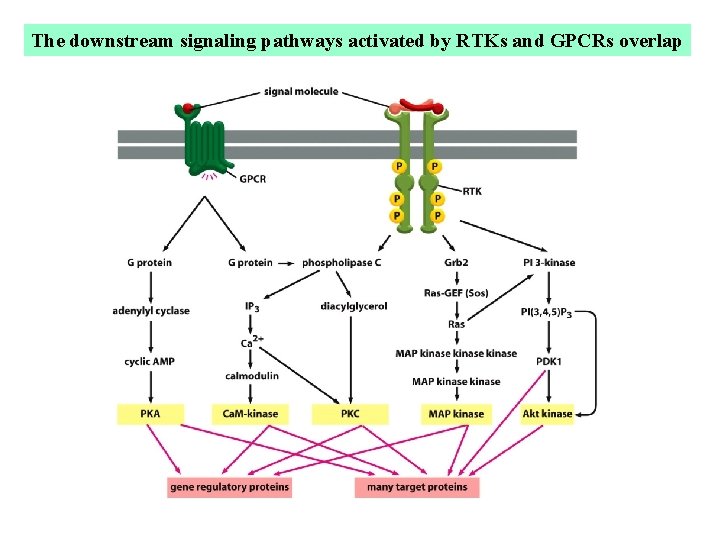
The downstream signaling pathways activated by RTKs and GPCRs overlap
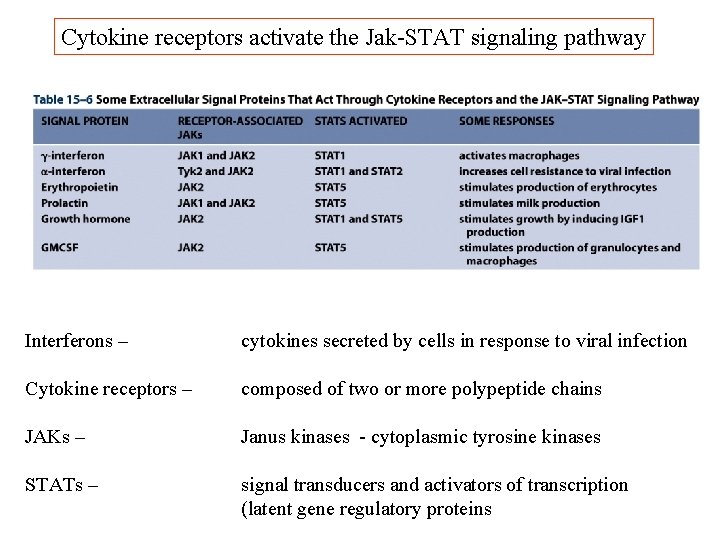
Cytokine receptors activate the Jak-STAT signaling pathway Interferons – cytokines secreted by cells in response to viral infection Cytokine receptors – composed of two or more polypeptide chains JAKs – Janus kinases - cytoplasmic tyrosine kinases STATs – signal transducers and activators of transcription (latent gene regulatory proteins
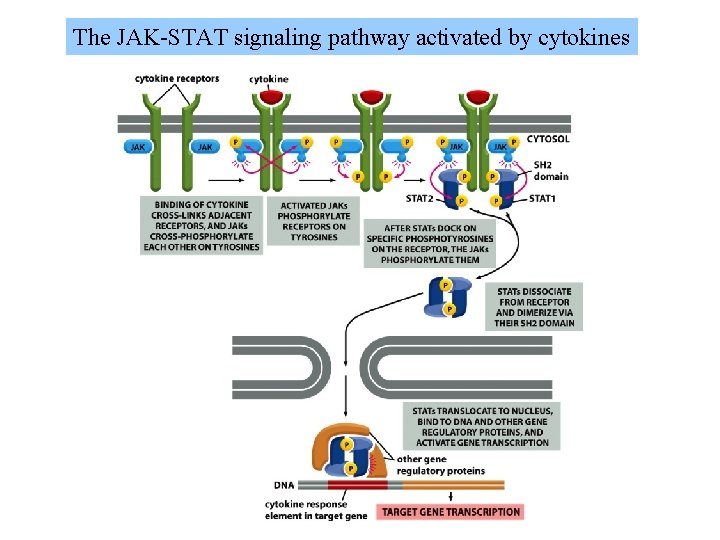
The JAK-STAT signaling pathway activated by cytokines
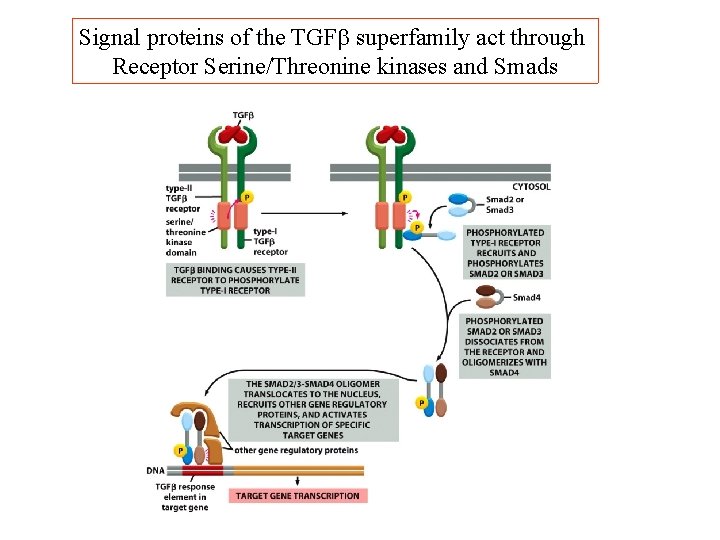
Signal proteins of the TGFb superfamily act through Receptor Serine/Threonine kinases and Smads
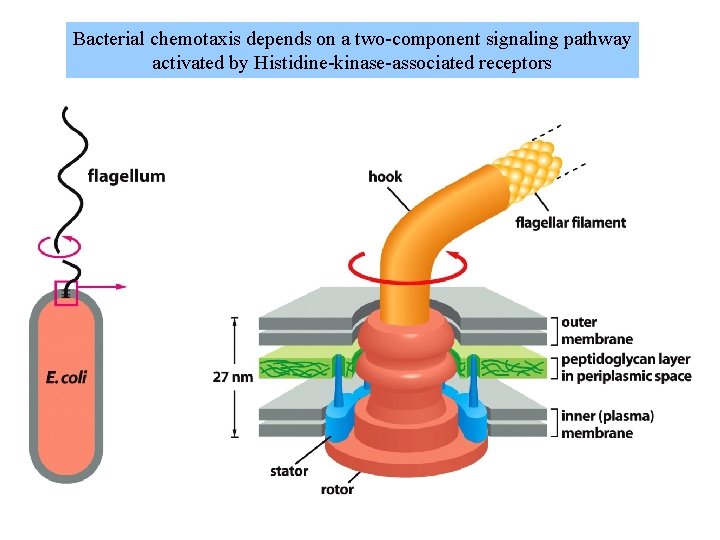
Bacterial chemotaxis depends on a two-component signaling pathway activated by Histidine-kinase-associated receptors
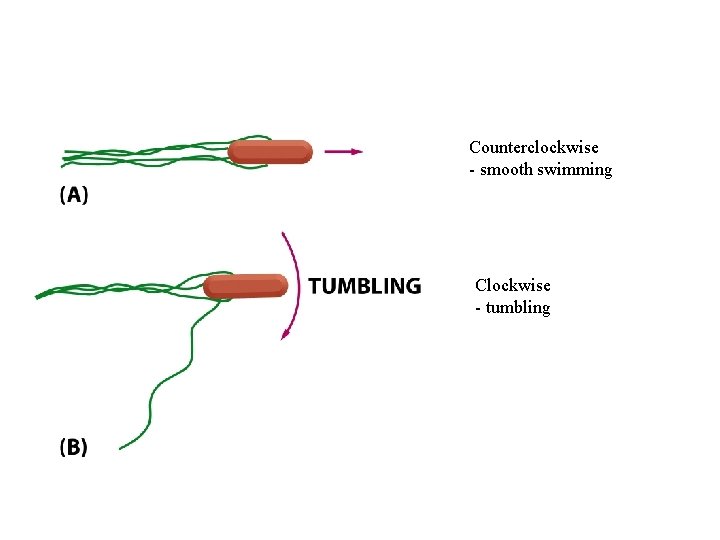
Counterclockwise - smooth swimming Clockwise - tumbling
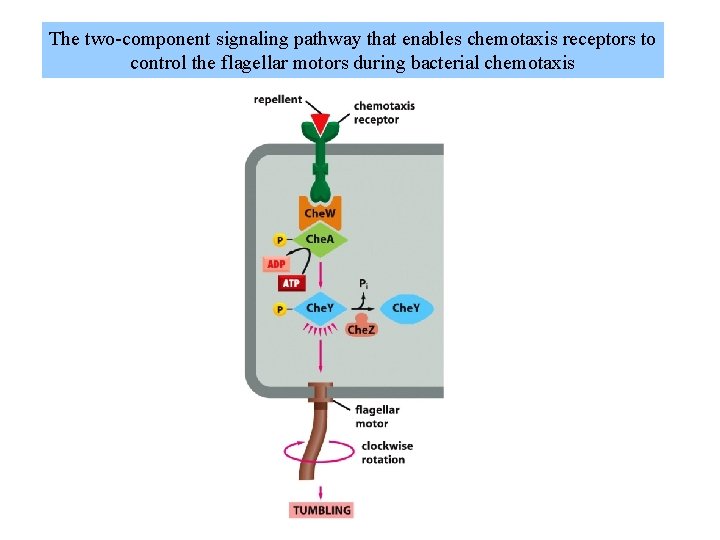
The two-component signaling pathway that enables chemotaxis receptors to control the flagellar motors during bacterial chemotaxis
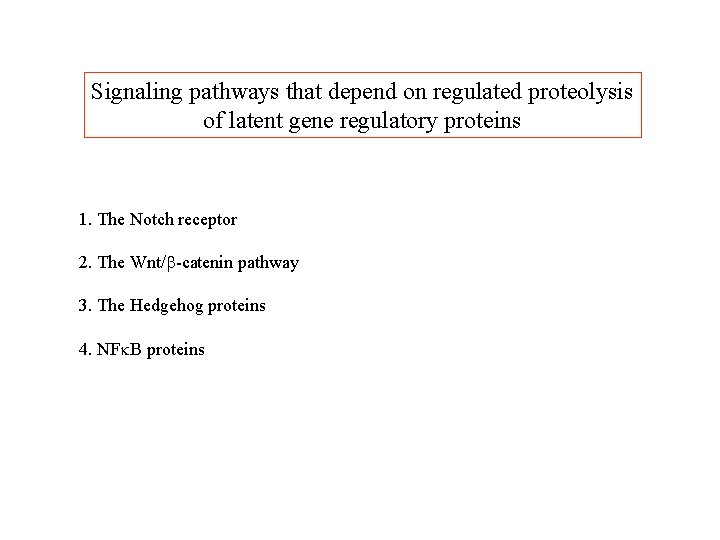
Signaling pathways that depend on regulated proteolysis of latent gene regulatory proteins 1. The Notch receptor 2. The Wnt/b-catenin pathway 3. The Hedgehog proteins 4. NFk. B proteins
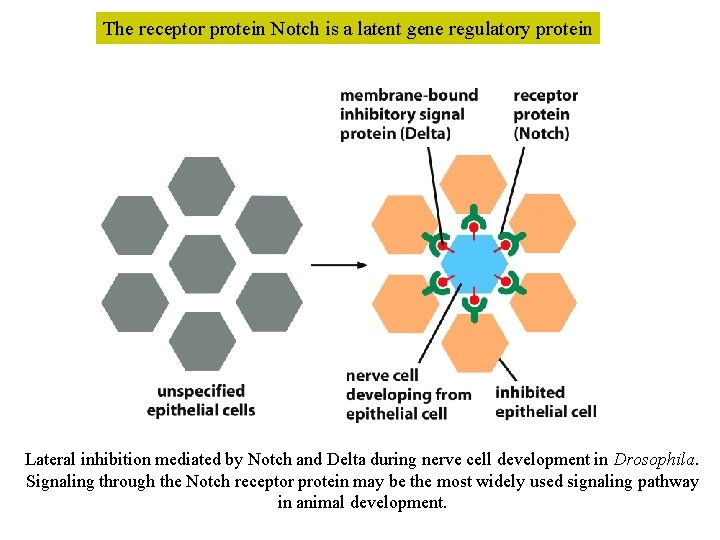
The receptor protein Notch is a latent gene regulatory protein Lateral inhibition mediated by Notch and Delta during nerve cell development in Drosophila. Signaling through the Notch receptor protein may be the most widely used signaling pathway in animal development.
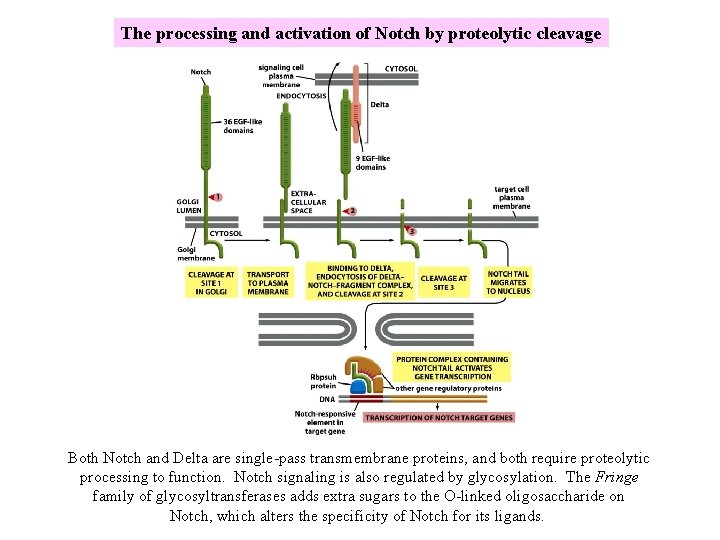
The processing and activation of Notch by proteolytic cleavage Both Notch and Delta are single-pass transmembrane proteins, and both require proteolytic processing to function. Notch signaling is also regulated by glycosylation. The Fringe family of glycosyltransferases adds extra sugars to the O-linked oligosaccharide on Notch, which alters the specificity of Notch for its ligands.