
Chapter 14 The Developing World Definitions of development
- Slides: 27
Chapter 14 The Developing World • Definitions of development • Attributes of less-developed nations • Major theories and perspectives on development • Causes of poverty • Gender roles in the workplace and the place of women in the world economy • Successful and unsuccessful development strategies
Framing this chapter • “Modernization” & wealth as a result of the Industrial Revolution • The nineteenth century dual: a few rich industrialized countries and many poor unindustrialized countries / colonies • Today: “More recently, this global division of labor gave away to a new one: The wealthy minority is increasingly engaged in office work and the masses in hand-on manufacturing jobs on the global assembly line as well as in agriculture and raw material production. ”
Developing, Less developed, Underdeveloped Concepts • Underdeveloped: situations where resources are not yet developed – but is this a natural condition or a sociallyconstructed outcome? • Marxists use the phrase underdeveloped to reflect an outcome • Broadly, development entails growth in per capita income and the reduction of poverty • The list of development goals: balanced healthy diet, adequate medical care, environmental sanitation & disease control, labor opportunities commensurate with individual talents, sufficient educational opportunities, individual freedom, decent housing, sustainable economic development, and social and political milieus promoting equality • Development ≠ Growth
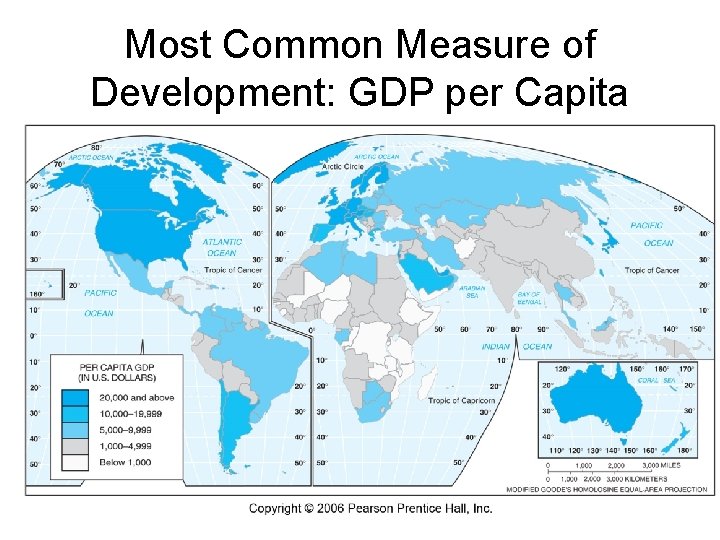
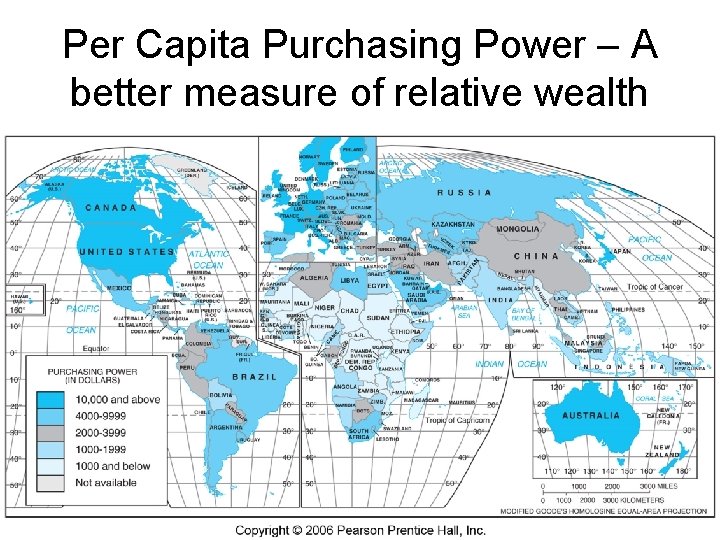
Most Common Measure of Development: GDP per Capita
Per Capita Purchasing Power – A better measure of relative wealth
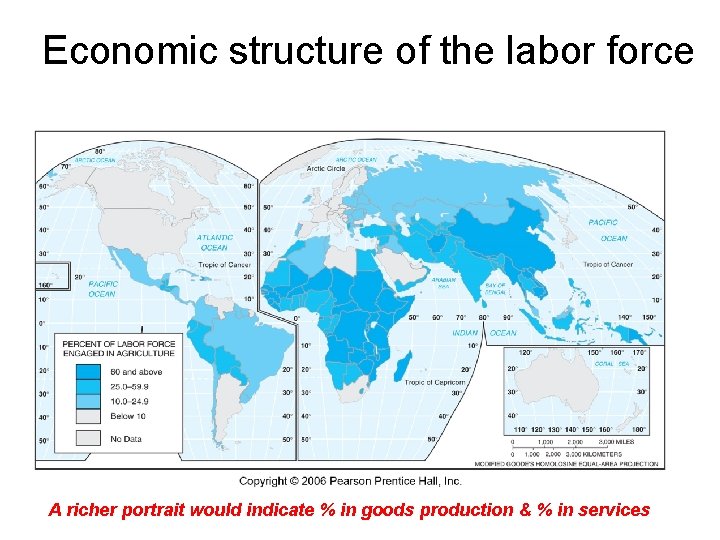
Economic structure of the labor force A richer portrait would indicate % in goods production & % in services
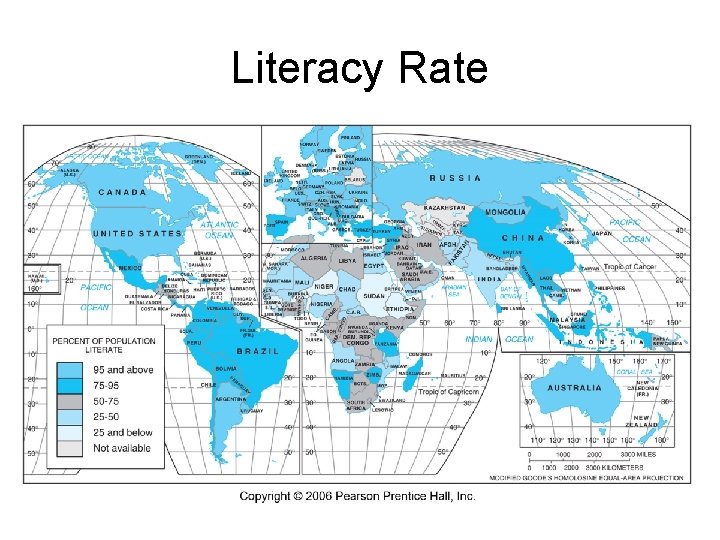
Literacy Rate
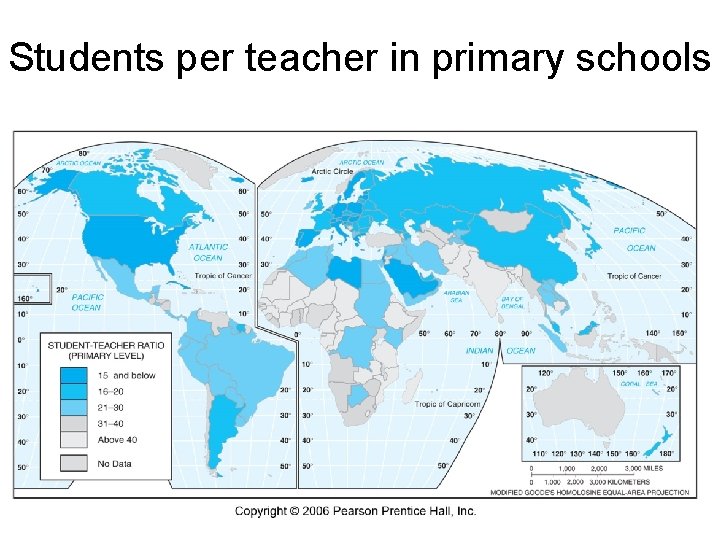
Students per teacher in primary schools
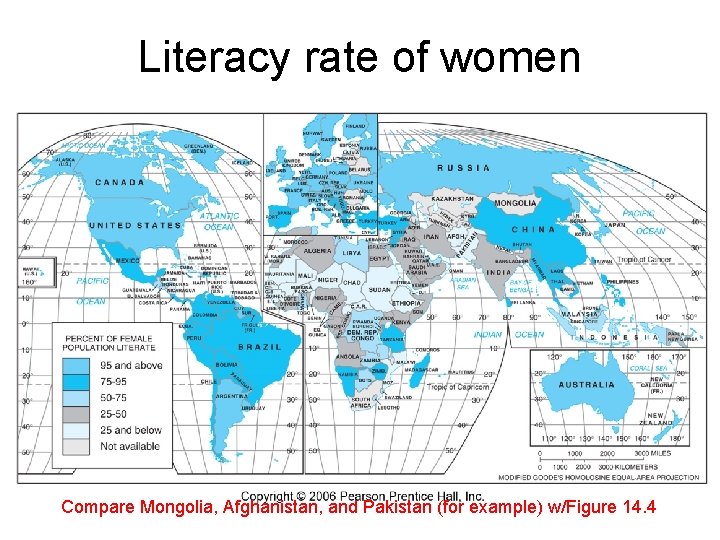
Literacy rate of women Compare Mongolia, Afghanistan, and Pakistan (for example) w/Figure 14. 4
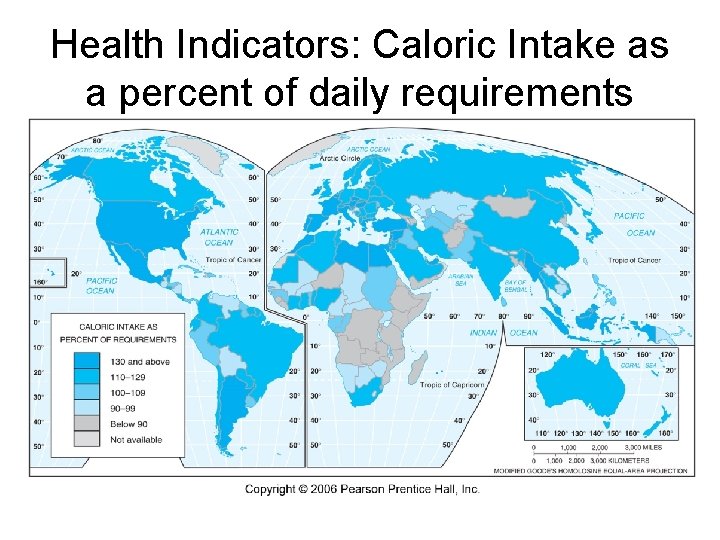
Health Indicators: Caloric Intake as a percent of daily requirements
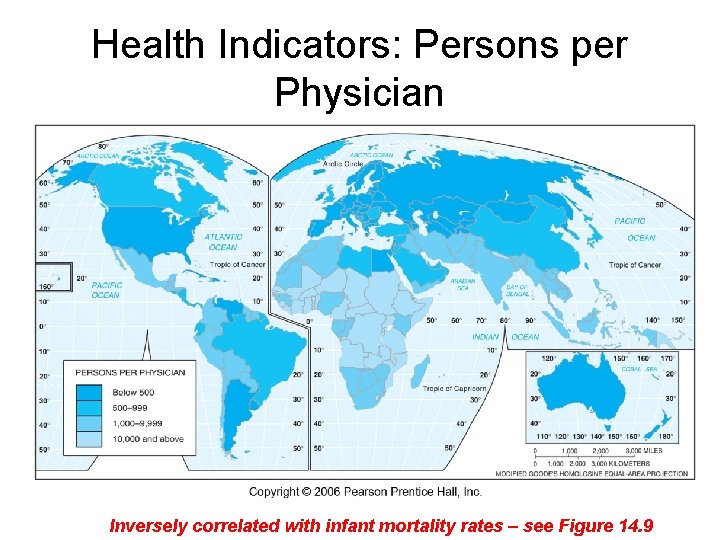
Health Indicators: Persons per Physician Inversely correlated with infant mortality rates – see Figure 14. 9
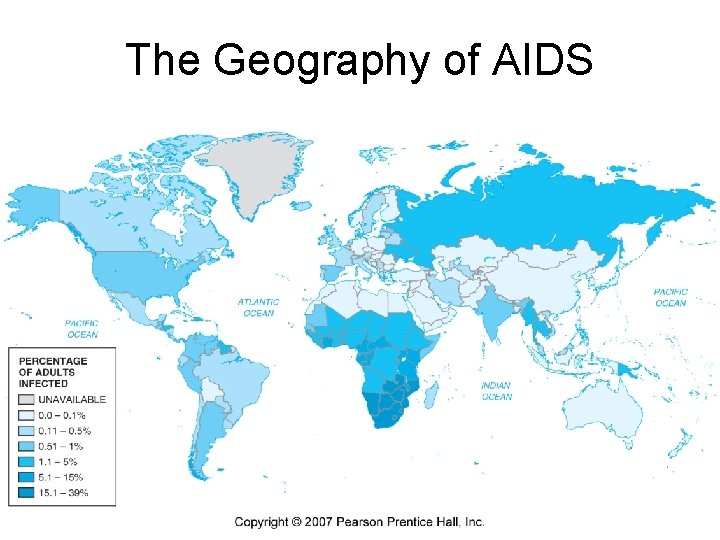
The Geography of AIDS
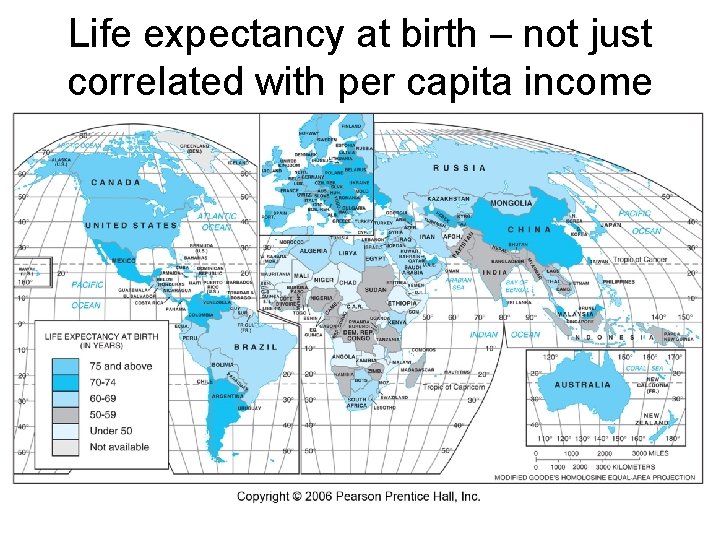
Life expectancy at birth – not just correlated with per capita income
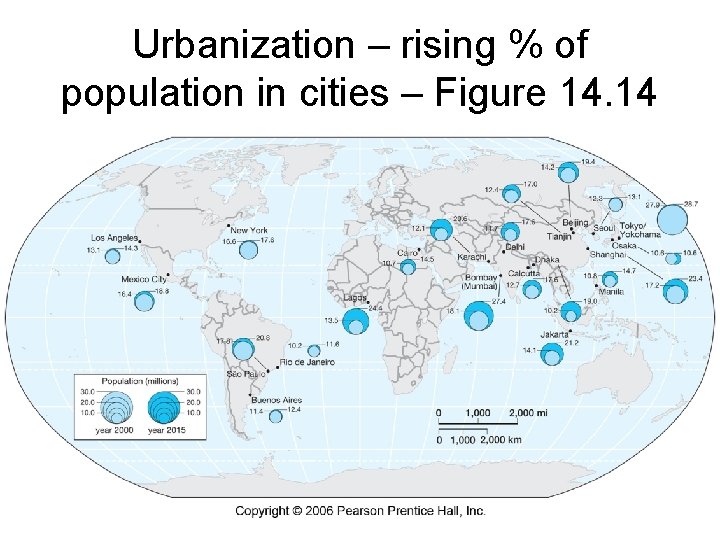
Urbanization – rising % of population in cities – Figure 14. 14
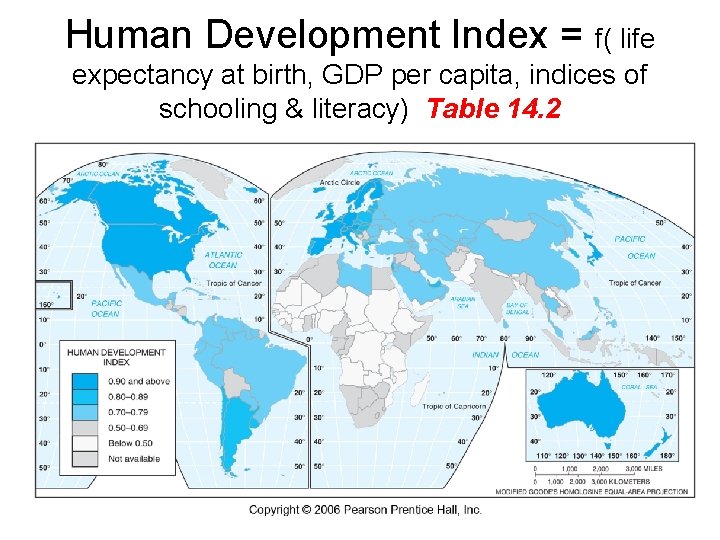
Human Development Index = f( life expectancy at birth, GDP per capita, indices of schooling & literacy) Table 14. 2
The “North-South” Split • A phrase referring to the First and the Third worlds, not really to latitude • Text has good narrative describing characteristics of the Third World in Latin America, Southeast Asia, East Asia (except Japan), South Asia, Middle East and North Africa, and sub-Saharan Africa • Note exceptions in NIC’s: Thailand, Malaysia, Singapore, S. Korea, and Taiwan
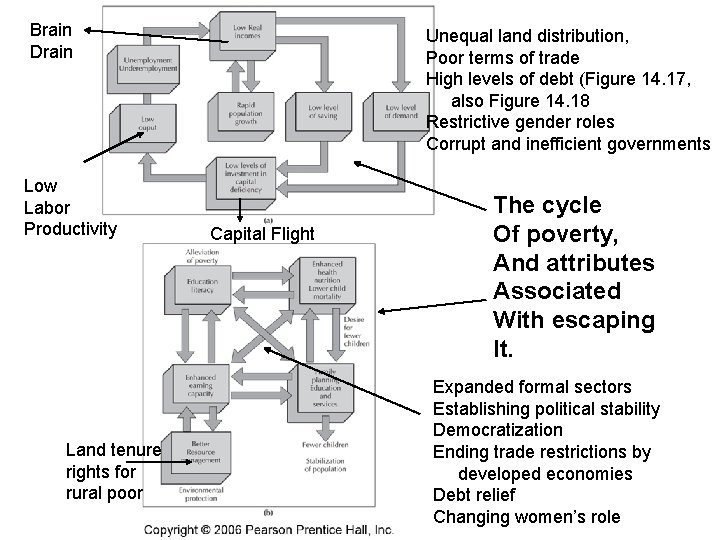
Brain Drain Low Labor Productivity Land tenure rights for rural poor Unequal land distribution, Poor terms of trade High levels of debt (Figure 14. 17, also Figure 14. 18 Restrictive gender roles Corrupt and inefficient governments Capital Flight The cycle Of poverty, And attributes Associated With escaping It. Expanded formal sectors Establishing political stability Democratization Ending trade restrictions by developed economies Debt relief Changing women’s role
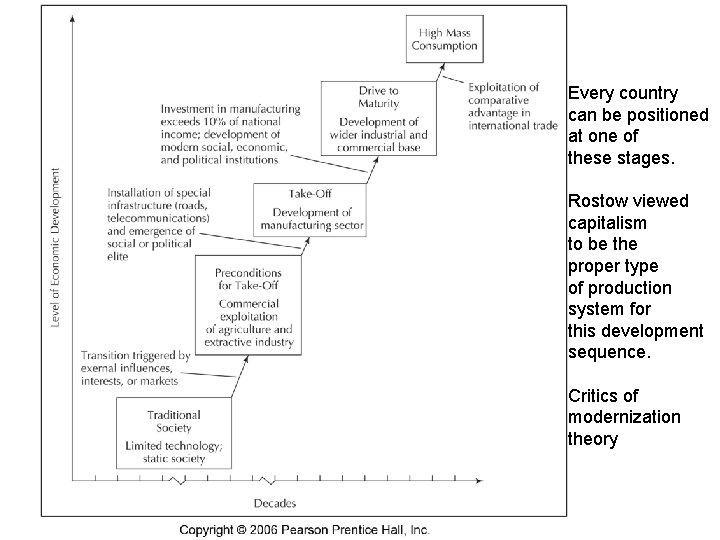
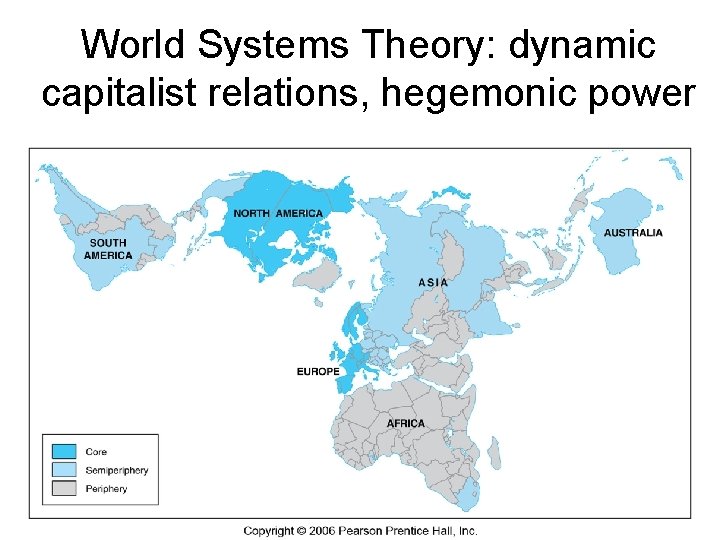
Theory Regarding Development • Modernization Theory – rooted in work of Max Weber, Talcott Parsons, and Walter Rostow • Dependency Theory • World-Systems Theories – Immanuel Wallerstein
Every country can be positioned at one of these stages. Rostow viewed capitalism to be the proper type of production system for this development sequence. Critics of modernization theory
Dependency Theory • Argues that the poor / periphery countries remain this way due to colonialism, in which terms of trade were unequal, labor remained unskilled and low-paid, and profit was extracted from colonies • Development of core countries is dependent on the underdevelopment of periphery countries • Imports tend to be high-value goods from the core • Policy to escape this “trap” has emphasized selfreliance, exclusion of TNC’s, promotion of import substitution, debt default • Criticism of dependency theory – sweeping treatment of all peripheral territory
World Systems Theory: dynamic capitalist relations, hegemonic power
Development Strategies • Are based on the concept that developed countries can take actions that will help countries in the periphery • Expansion of trade with less developed countries • Private capital flows • Foreign aid from advanced nations (Figure 14. 21)
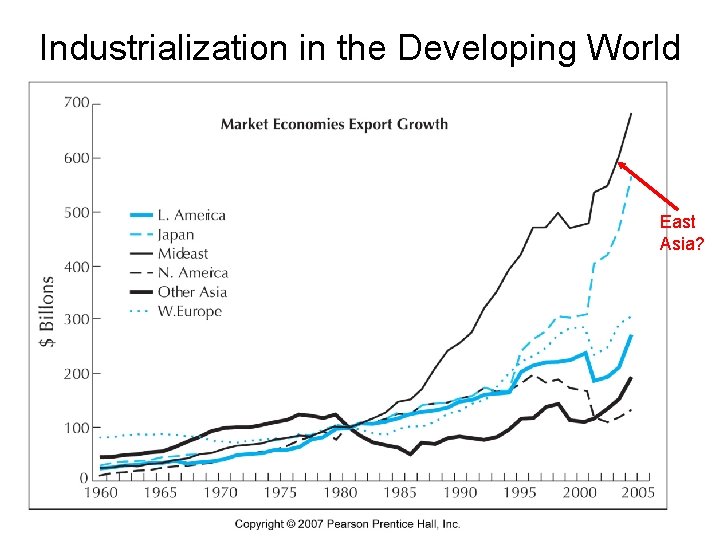
Industrialization in the Developing World East Asia?
Industrialization in the Developing World • Very uneven – text notes 40 countries account for 70% of mfg. exports from developing countries. So, most countries have not shared deeply in this industrialization process • Fastest growth in countries shifting from an import substitution to an export-led strategy • Import substitution as a way of getting internal development – but markets are often too small & control often rests with foreign capitalists • Export led development, fueled by low tariffs on imports of inputs & duty-free exports, subsidized infrastructure and physical space, tax holidays, and abundant low-wage labor
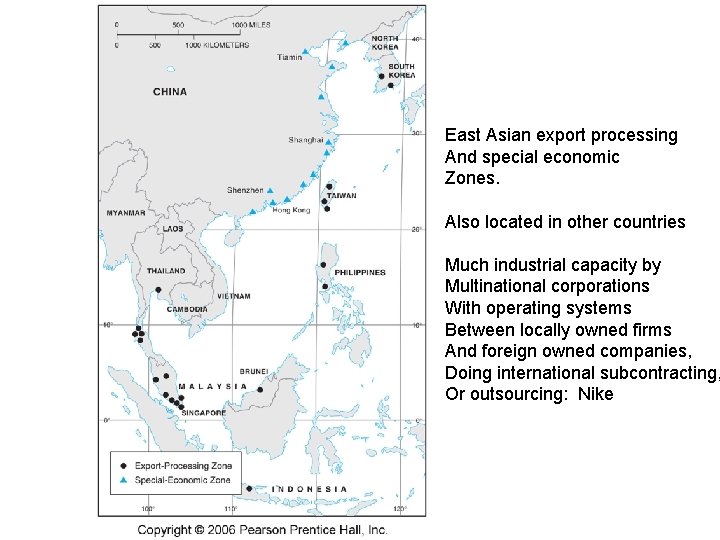
East Asian export processing And special economic Zones. Also located in other countries Much industrial capacity by Multinational corporations With operating systems Between locally owned firms And foreign owned companies, Doing international subcontracting, Or outsourcing: Nike
Export-led Industrialization, cont. • Strong reliance on female labor in many of these export platforms, especially in electronics • Sweatshops – often controlled by U. S. corporations such as Wal-Mart—push suppliers to push down costs & keep wages low and work days long (Some companies impose work standards) • East Asian Economic Miracle : education, high national savings, government support, land reform, export-focus, unique corporate institutions, U. S. development policy
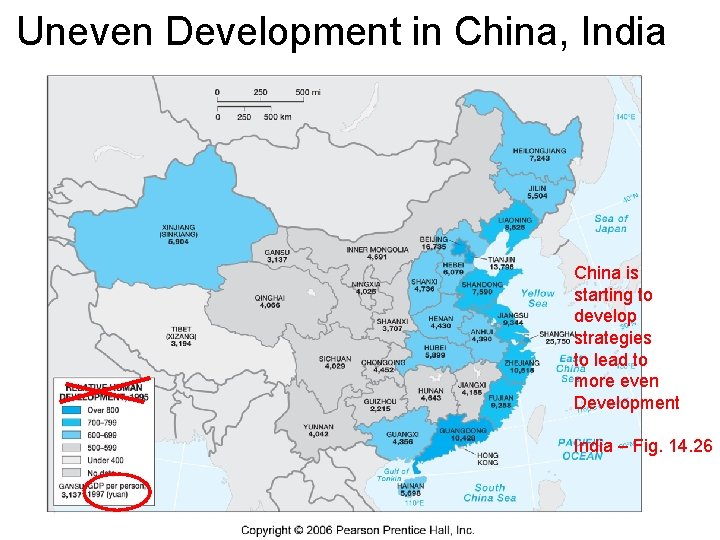
Uneven Development in China, India China is starting to develop strategies to lead to more even Development India – Fig. 14. 26