
Chapter 14 Sampling Mc GrawHillIrwin Business Research Methods

Chapter 14 Sampling Mc. Graw-Hill/Irwin Business Research Methods, 10 e Copyright © 2008 by The Mc. Graw-Hill Companies, Inc. All Rights Reserved.
2 Learning Objectives Understand. . . • The two premises on which sampling theory is based. • The accuracy and precision for measuring sample validity. • The five questions that must be answered to develop a sampling plan.
3 Learning Objectives Understand. . . • The two categories of sampling techniques and the variety of sampling techniques within each category. • The various sampling techniques and when each is used.

4 Pulse. Point: Research Revelation 43 The percent of U. S. restaurant workers who work under 100% smoke -free workplace policies.
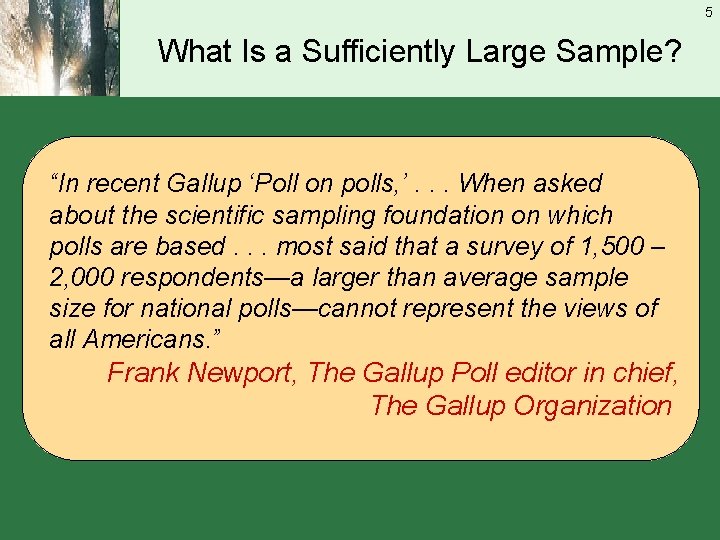
5 What Is a Sufficiently Large Sample? “In recent Gallup ‘Poll on polls, ’. . . When asked about the scientific sampling foundation on which polls are based. . . most said that a survey of 1, 500 – 2, 000 respondents—a larger than average sample size for national polls—cannot represent the views of all Americans. ” Frank Newport, The Gallup Poll editor in chief, The Gallup Organization

6 The Nature of Sampling • • • Sampling Population Element Population Census Sampling frame
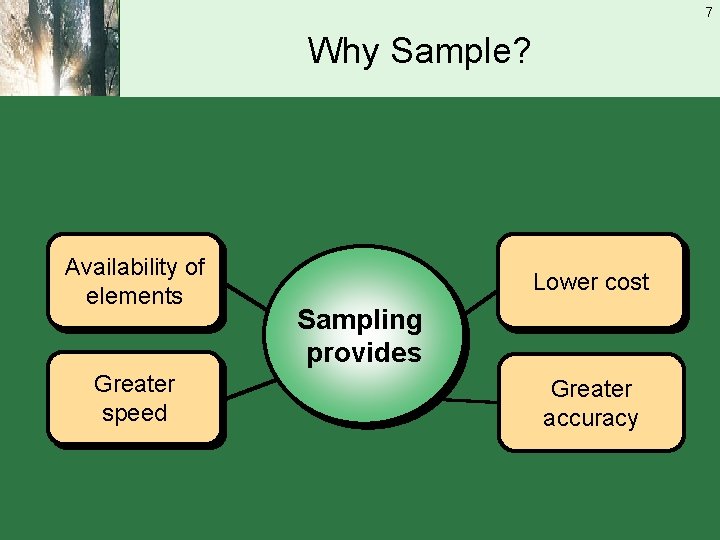
7 Why Sample? Availability of elements Greater speed Lower cost Sampling provides Greater accuracy
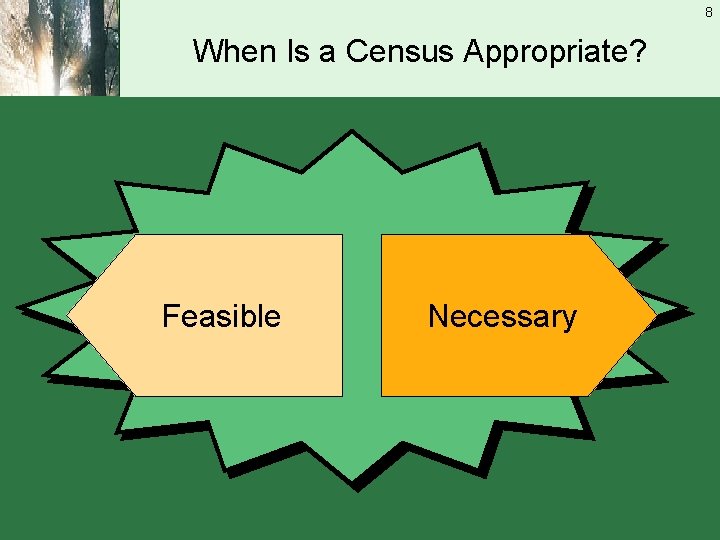
8 When Is a Census Appropriate? Feasible Necessary
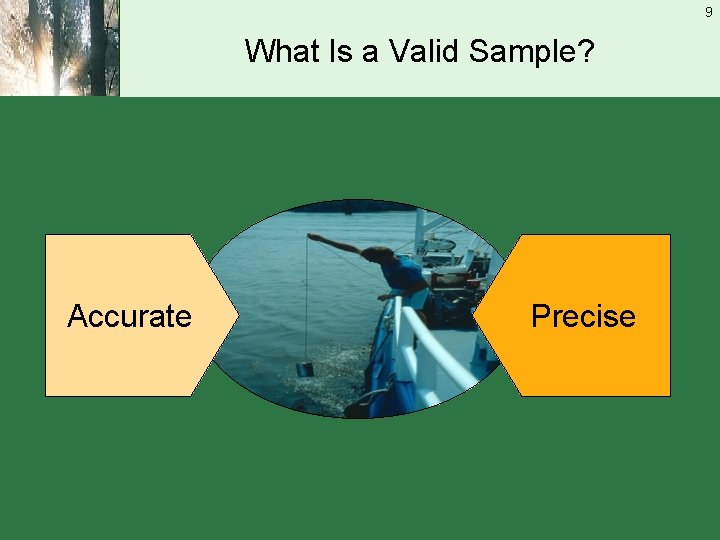
9 What Is a Valid Sample? Accurate Precise
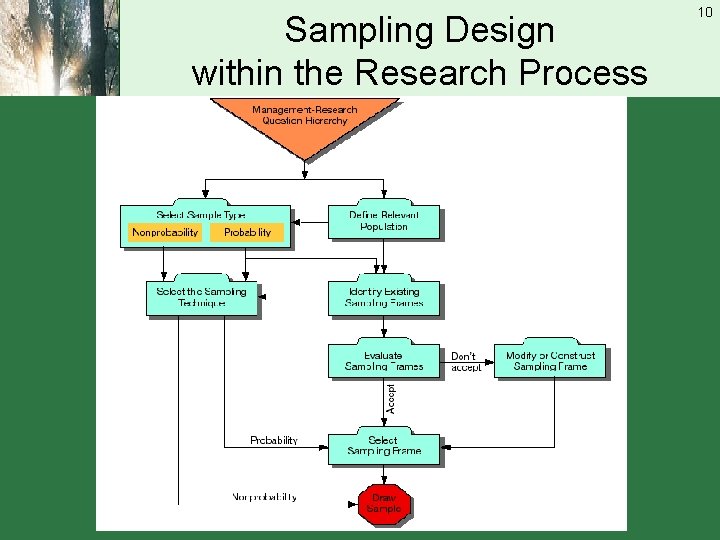
Sampling Design within the Research Process 10
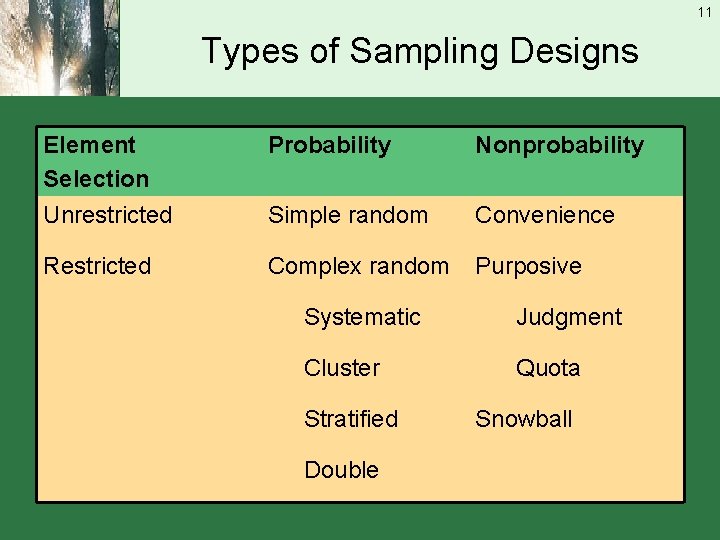
11 Types of Sampling Designs Element Selection Unrestricted Probability Nonprobability Simple random Convenience Restricted Complex random Purposive Systematic Judgment Cluster Quota Stratified Double Snowball

12 Steps in Sampling Design What is the target population? What are the parameters of interest? What is the sampling frame? What is the appropriate sampling method? What size sample is needed?
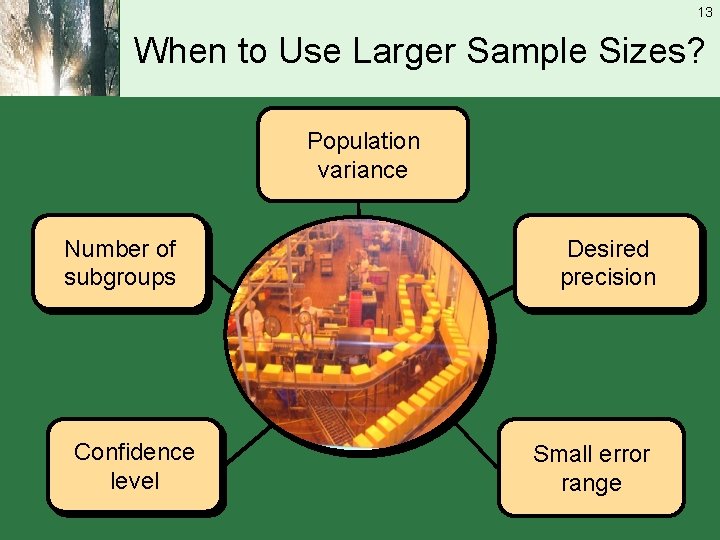
13 When to Use Larger Sample Sizes? Population variance Number of subgroups Confidence level Desired precision Small error range
14 Simple Random Advantages • Easy to implement with random dialing Disadvantages • Requires list of population elements • Time consuming • Uses larger sample sizes • Produces larger errors • High cost
15 Systematic Advantages Disadvantages • Simple to design • Easier than simple random • Easy to determine sampling distribution of mean or proportion • Periodicity within population may skew sample and results • Trends in list may bias results • Moderate cost
16 Stratified Advantages Disadvantages • Control of sample size in strata • Increased statistical efficiency • Provides data to represent and analyze subgroups • Enables use of different methods in strata • Increased error will result if subgroups are selected at different rates • Especially expensive if strata on population must be created • High cost
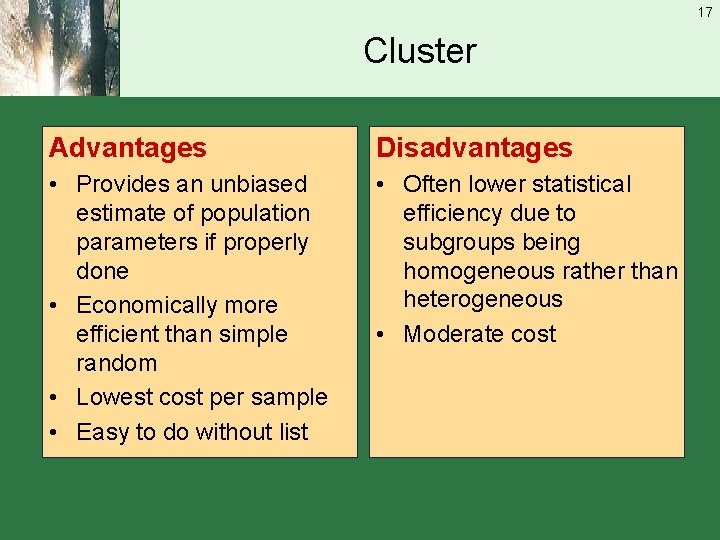
17 Cluster Advantages Disadvantages • Provides an unbiased estimate of population parameters if properly done • Economically more efficient than simple random • Lowest cost per sample • Easy to do without list • Often lower statistical efficiency due to subgroups being homogeneous rather than heterogeneous • Moderate cost
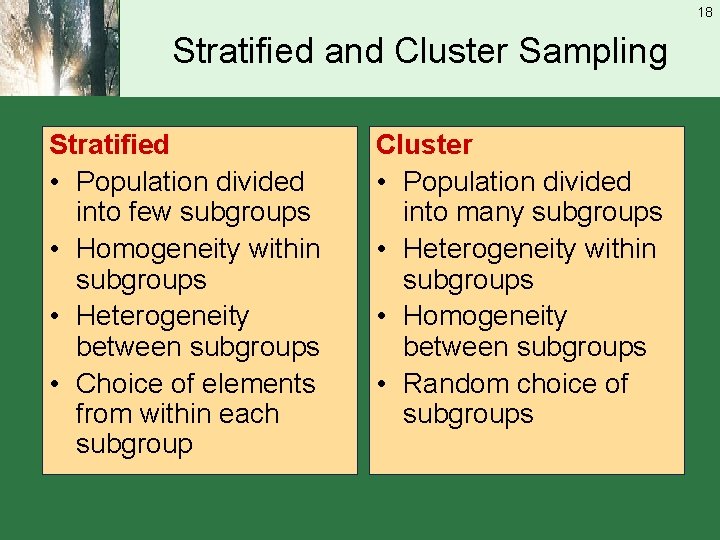
18 Stratified and Cluster Sampling Stratified • Population divided into few subgroups • Homogeneity within subgroups • Heterogeneity between subgroups • Choice of elements from within each subgroup Cluster • Population divided into many subgroups • Heterogeneity within subgroups • Homogeneity between subgroups • Random choice of subgroups
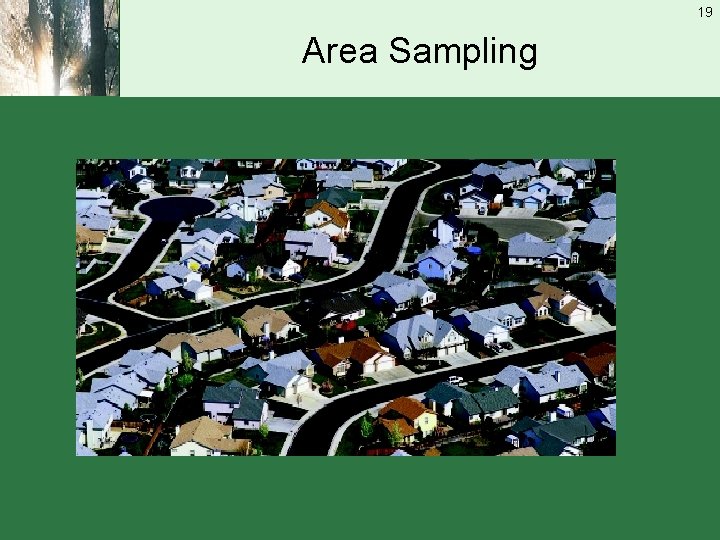
19 Area Sampling
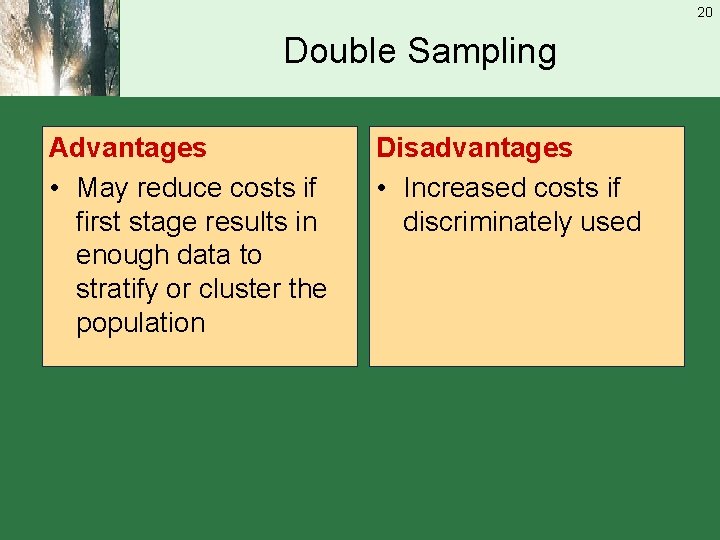
20 Double Sampling Advantages • May reduce costs if first stage results in enough data to stratify or cluster the population Disadvantages • Increased costs if discriminately used
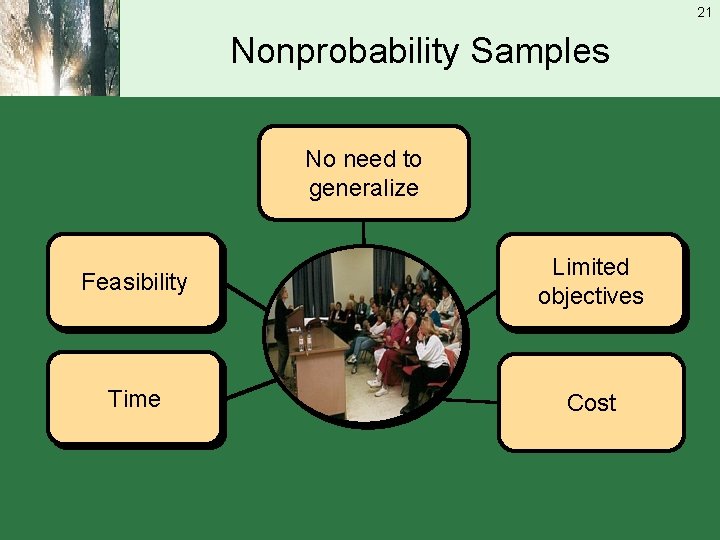
21 Nonprobability Samples No need to generalize Feasibility Limited objectives Time Cost
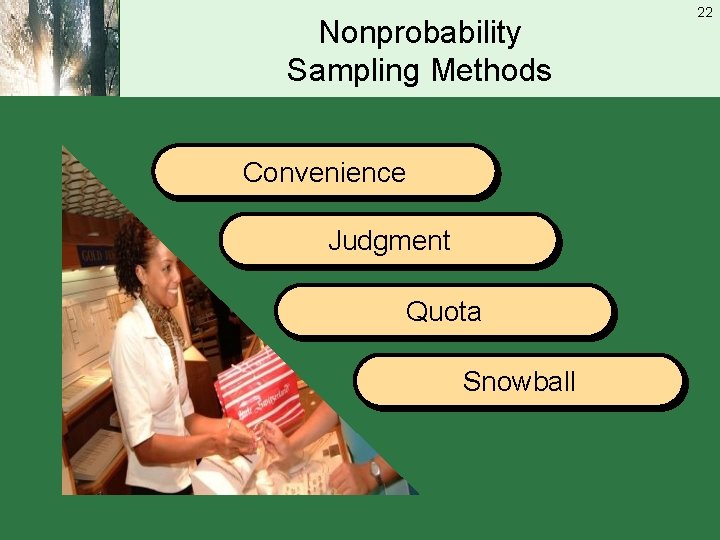
Nonprobability Sampling Methods Convenience Judgment Quota Snowball 22
23 Key Terms • • Area sampling Census Cluster sampling Convenience sampling • Disproportionate stratified sampling • Double sampling • Judgment sampling • • • Multiphase sampling Nonprobability sampling Population element Population parameters Population proportion of incidence • Probability sampling
24 Key Terms • Proportionate stratified sampling • Quota sampling • Sample statistics • Sampling error • Sampling frame • Sequential sampling • • • Simple random sample Skip interval Snowball sampling Stratified random sampling Systematic variance
Appendix 14 a Determining Sample Size Mc. Graw-Hill/Irwin Business Research Methods, 10 e Copyright © 2008 by The Mc. Graw-Hill Companies, Inc. All Rights Reserved.
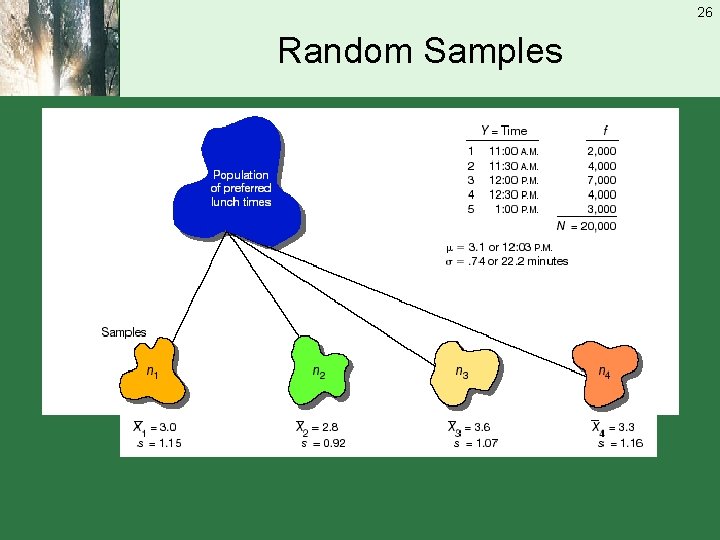
26 Random Samples
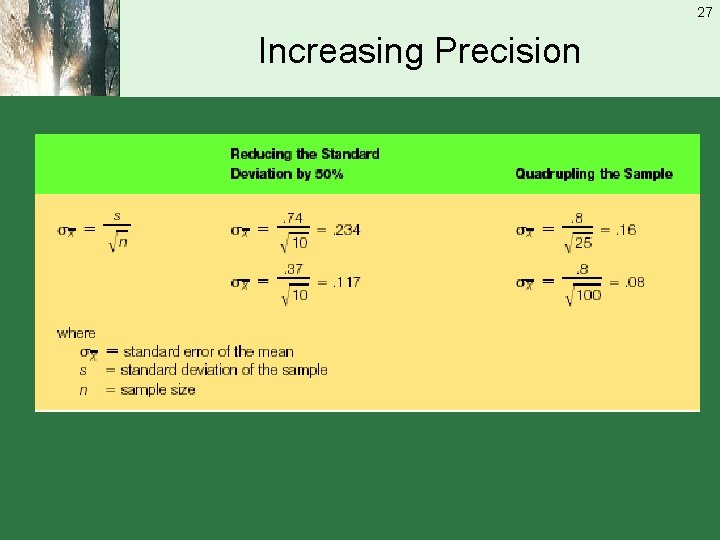
27 Increasing Precision
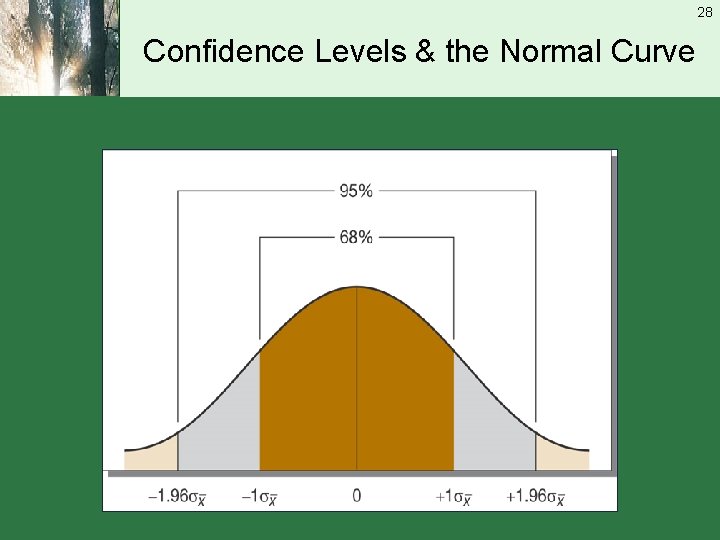
28 Confidence Levels & the Normal Curve
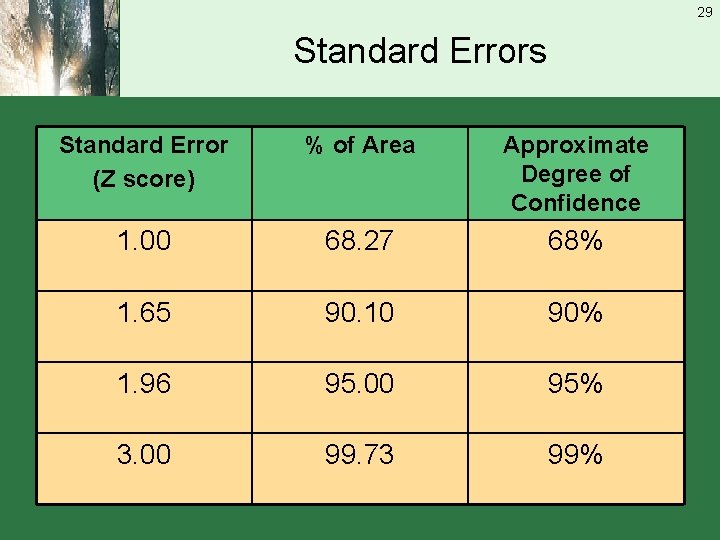
29 Standard Errors Standard Error (Z score) % of Area Approximate Degree of Confidence 1. 00 68. 27 68% 1. 65 90. 10 90% 1. 96 95. 00 95% 3. 00 99. 73 99%
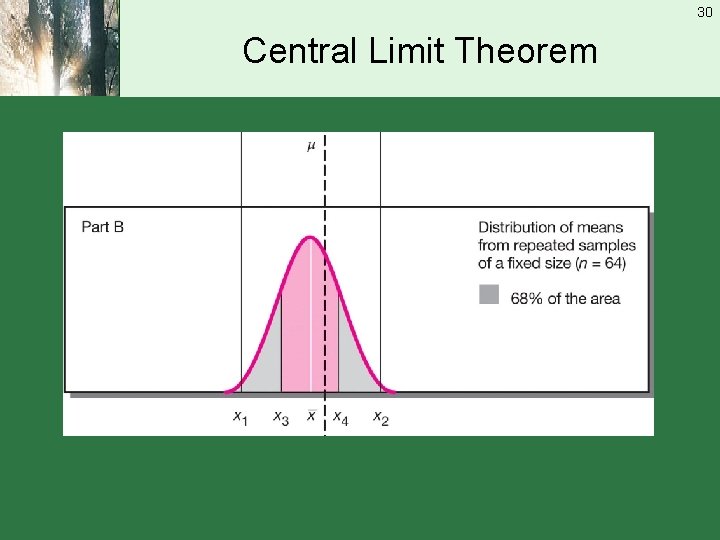
30 Central Limit Theorem
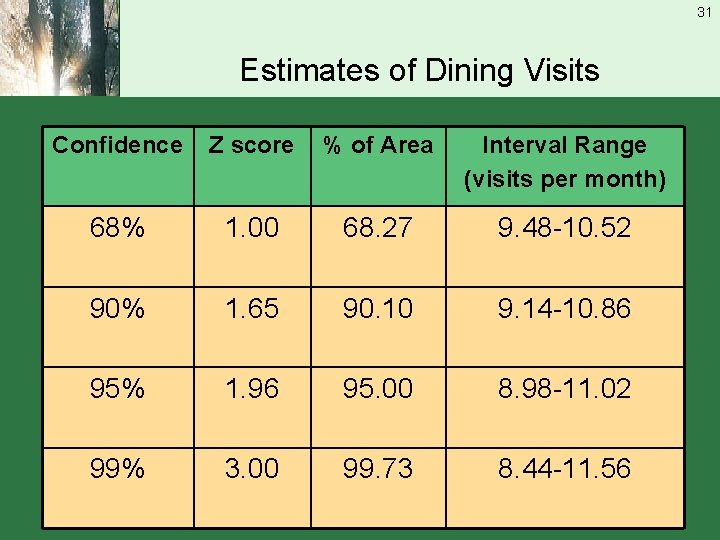
31 Estimates of Dining Visits Confidence Z score % of Area Interval Range (visits per month) 68% 1. 00 68. 27 9. 48 -10. 52 90% 1. 65 90. 10 9. 14 -10. 86 95% 1. 96 95. 00 8. 98 -11. 02 99% 3. 00 99. 73 8. 44 -11. 56
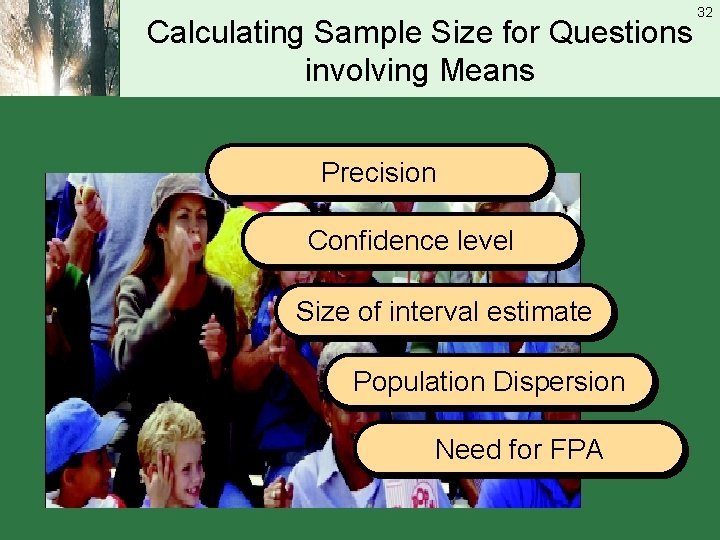
Calculating Sample Size for Questions involving Means Precision Confidence level Size of interval estimate Population Dispersion Need for FPA 32
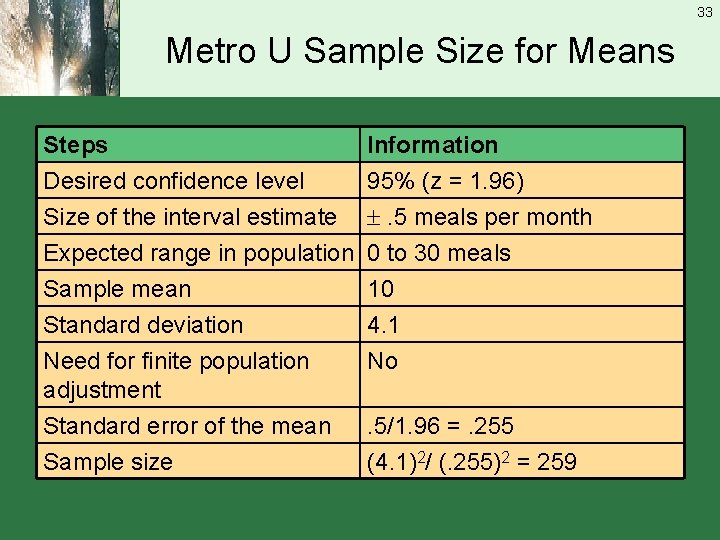
33 Metro U Sample Size for Means Steps Desired confidence level Size of the interval estimate Expected range in population Information 95% (z = 1. 96) . 5 meals per month 0 to 30 meals Sample mean Standard deviation Need for finite population adjustment Standard error of the mean Sample size 10 4. 1 No. 5/1. 96 =. 255 (4. 1)2/ (. 255)2 = 259
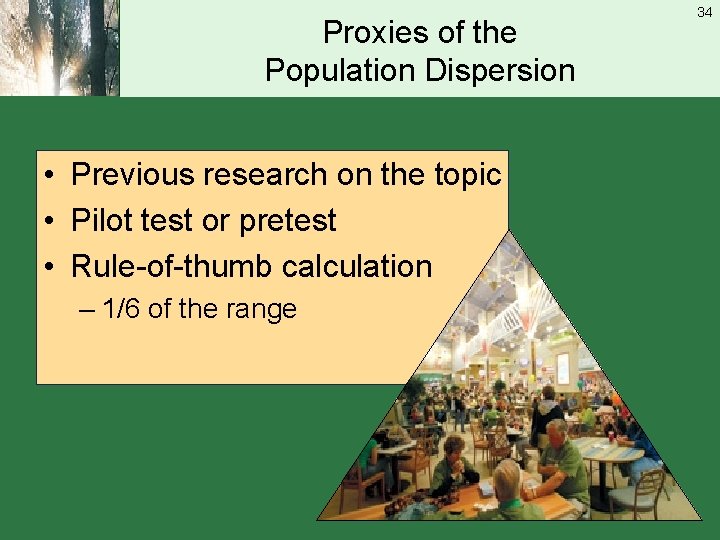
Proxies of the Population Dispersion • Previous research on the topic • Pilot test or pretest • Rule-of-thumb calculation – 1/6 of the range 34
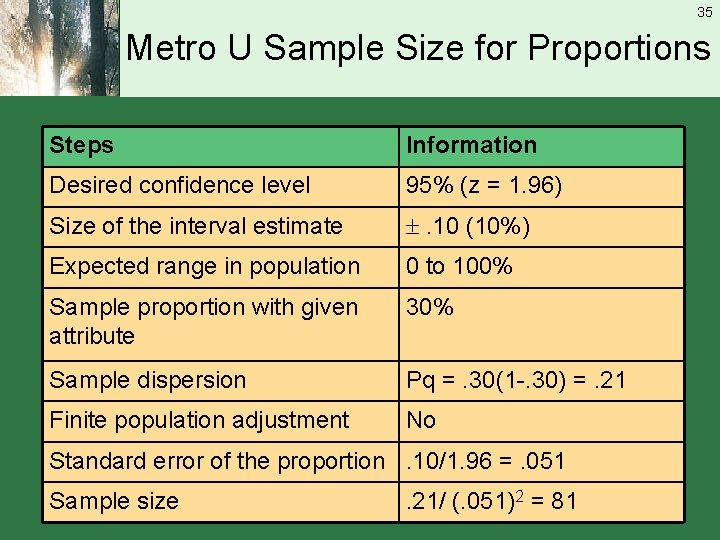
35 Metro U Sample Size for Proportions Steps Information Desired confidence level 95% (z = 1. 96) Size of the interval estimate . 10 (10%) Expected range in population 0 to 100% Sample proportion with given attribute 30% Sample dispersion Pq =. 30(1 -. 30) =. 21 Finite population adjustment No Standard error of the proportion. 10/1. 96 =. 051 Sample size . 21/ (. 051)2 = 81
36 Appendix 15 a: Key Terms • • • Central limit theorem Confidence interval Confidence level Interval estimate Point estimate Proportion

Addendum: Keynote Close. Up Mc. Graw-Hill/Irwin Business Research Methods, 10 e Copyright © 2008 by The Mc. Graw-Hill Companies, Inc. All Rights Reserved.
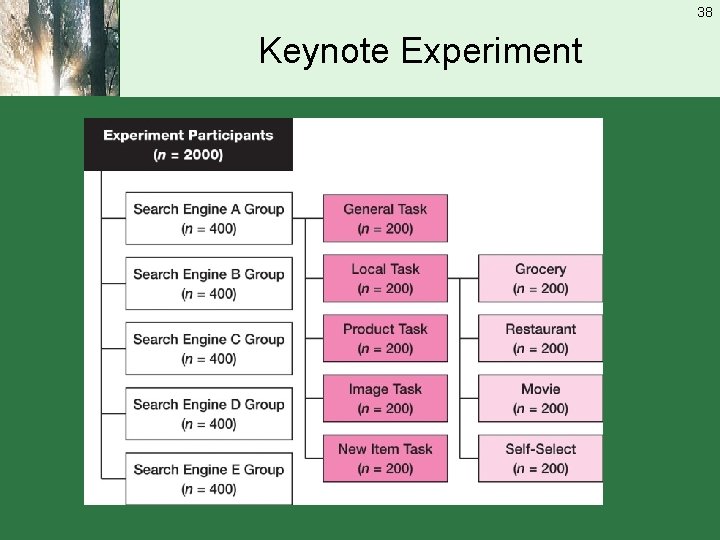
38 Keynote Experiment
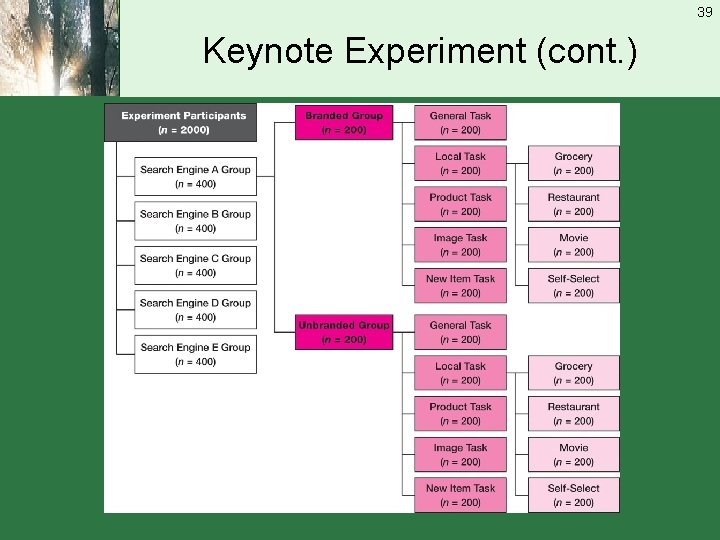
39 Keynote Experiment (cont. )
- Slides: 39