
CHAPTER 14 Ergonomics Learning Objectives Describe the study
CHAPTER 14 Ergonomics
Learning Objectives • Describe the study and goals of occupational ergonomics. • Identify the signs and symptoms of musculoskeletal injuries. • Recognize and describe the different types of common • • • musculoskeletal injuries and illnesses. Define various aspects of anatomy and anthropometry as they relate to the study of ergonomics. Identify categories of contributing risk factors for musculoskeletal hazards. Understand various methods for assessing and quantifying musculoskeletal risks and hazards in working environments, activities, and conditions. Develop controls that can minimize or reduce workplace musculoskeletal hazards. Use the NIOSH lifting equation to analyze working conditions and compare them with lifting guidelines. Establish an ergonomics workplace safety program and associated training materials.
Definition of Ergonomics • The study of the relationship among the human body, the human mind, and the physical environment. • Ergonomists evaluate a person’s size, shape, and neural/cognitive abilities and match them to the materials, equipment, structures, tools, and systems the person interacts with.
Definition of Ergonomics (cont. ) • Ergonomics builds upon several core sciences, including anatomy, physiology, mathematics, and physics and incorporates anthropometry, psychology, statistics, biomechanics, and engineering. • The primary goals of ergonomics are to help humans perform tasks more efficiently, be more comfortable, and have fewer injuries.
Areas of Study • Physical • Cognitive • Organizational
Musculoskeletal Hazards • Highest rates: health care, transportation and warehousing, retail and wholesale trades, and construction • 30 percent of all workers’ compensation claims are for overexertion and repetitive-motion injuries, and claims for these injuries typically occur more than twice as often as those for other workplace injuries.
Musculoskeletal Injuries • Often difficult to diagnose • Joint pain, numbness, tingling, swelling, restricted motion • Musculoskeletal disorders (MSDs)
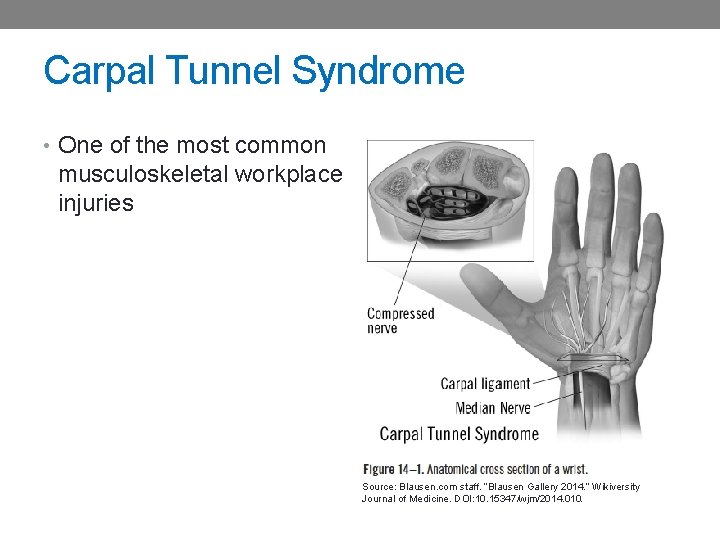
Carpal Tunnel Syndrome • One of the most common musculoskeletal workplace injuries Source: Blausen. com staff. “Blausen Gallery 2014. ” Wikiversity Journal of Medicine. DOI: 10. 15347/wjm/2014. 010.
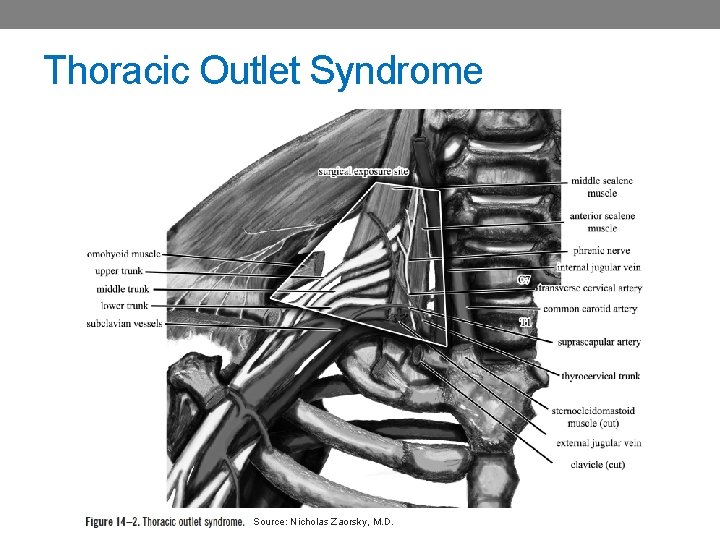
Thoracic Outlet Syndrome Source: Nicholas Zaorsky, M. D.
Other Musculoskeletal Injuries • Tendinitis • Tendonitis • Lower back strain • Hand-arm vibration syndrome/white finger syndrome • Trigger finger • Rotator cuff damage • Epicondylitis
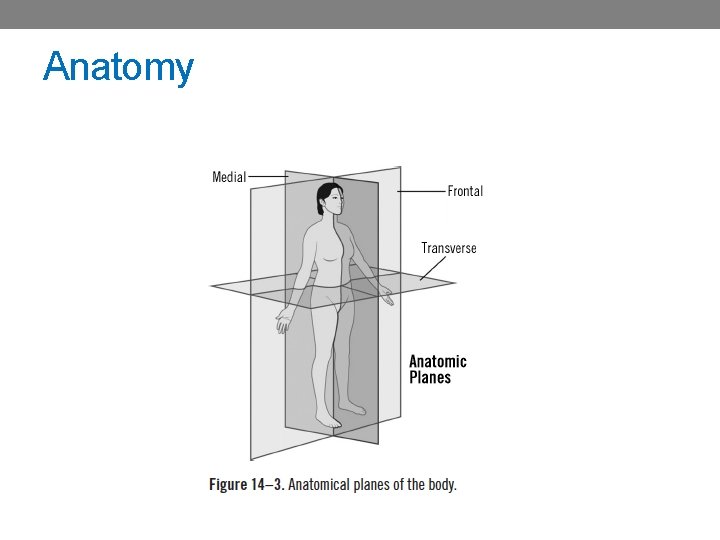
Anatomy
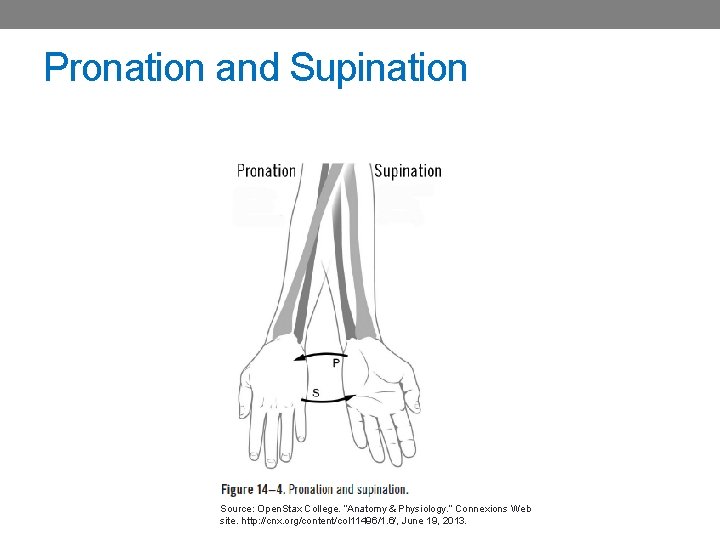
Pronation and Supination Source: Open. Stax College. “Anatomy & Physiology. ” Connexions Web site. http: //cnx. org/content/col 11496/1. 6/, June 19, 2013.
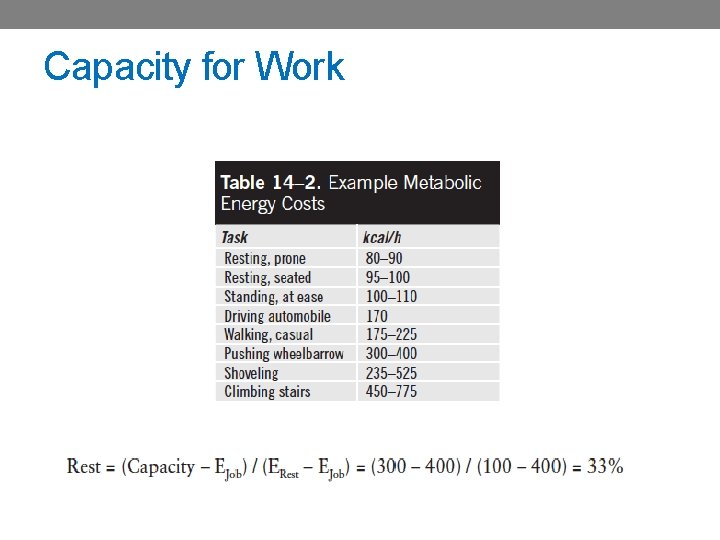
Capacity for Work
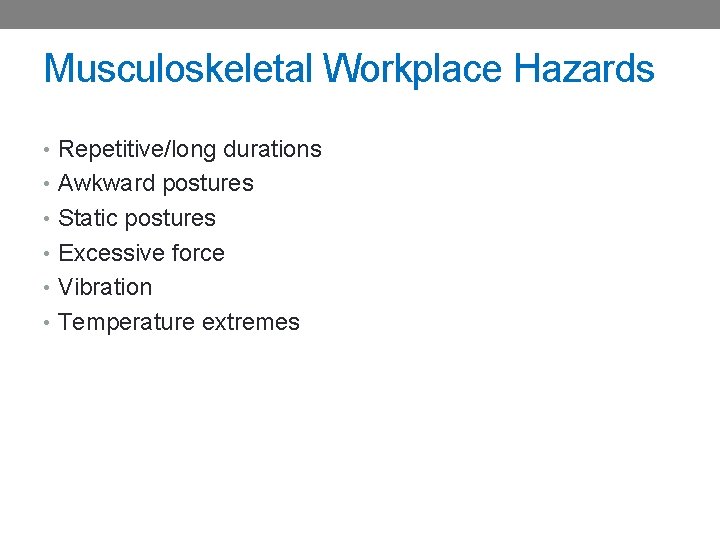
Musculoskeletal Workplace Hazards • Repetitive/long durations • Awkward postures • Static postures • Excessive force • Vibration • Temperature extremes
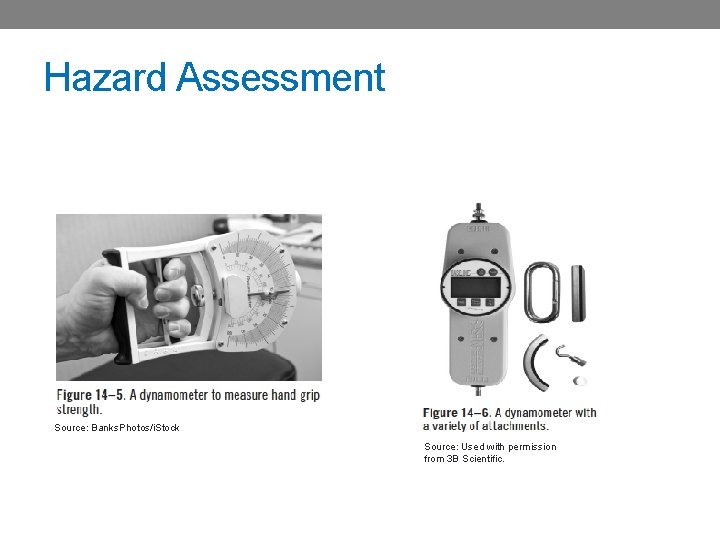
Hazard Assessment Source: Banks. Photos/i. Stock Source: Used with permission from 3 B Scientific.
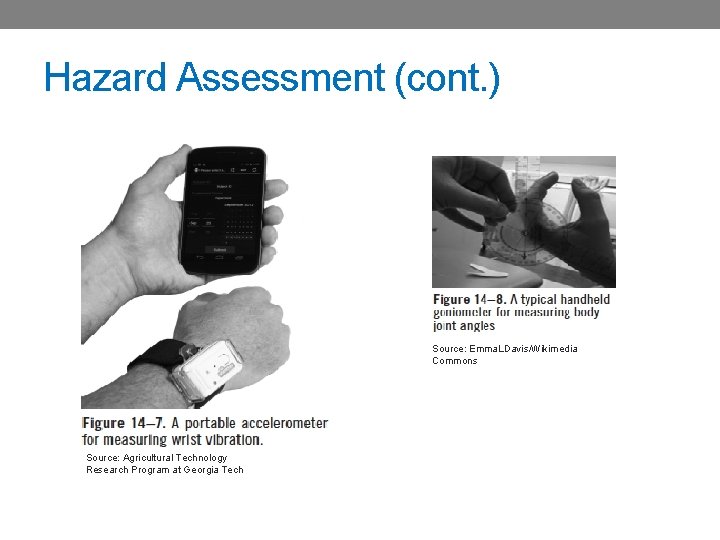
Hazard Assessment (cont. ) Source: Emma. LDavis/Wikimedia Commons Source: Agricultural Technology Research Program at Georgia Tech
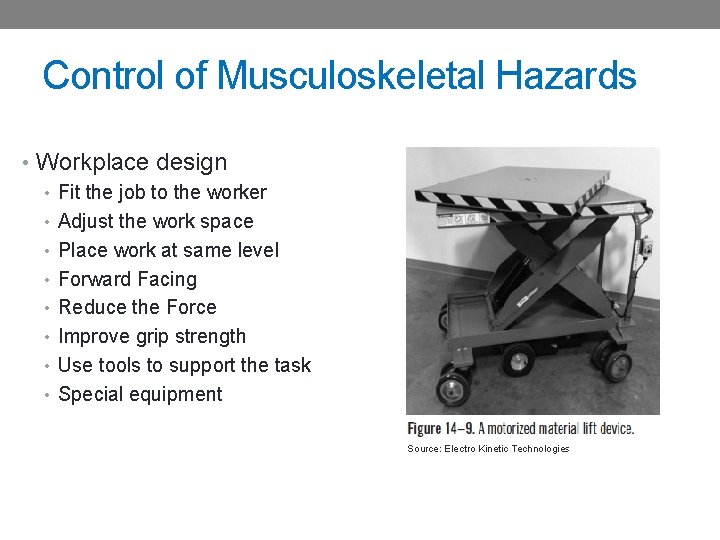
Control of Musculoskeletal Hazards • Workplace design • Fit the job to the worker • Adjust the work space • Place work at same level • Forward Facing • Reduce the Force • Improve grip strength • Use tools to support the task • Special equipment Source: Electro Kinetic Technologies
Control of Musculoskeletal Hazards (cont. ) • Administrative controls • Programs and procedures • Worker training • Job site assessment • Job rotation/shift length/work pace/rest breaks • Reduce organizational stressors/stress • Control ancillary hazards (noise, radiation, excessive temperatures, biological, chemical)
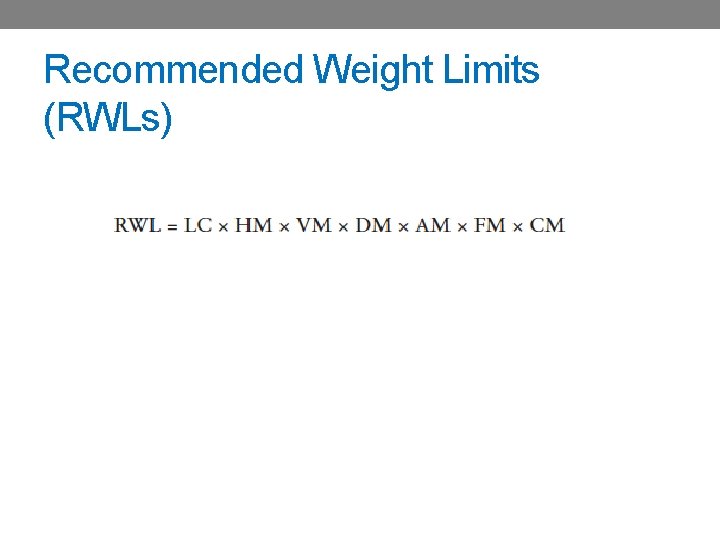
Recommended Weight Limits (RWLs)

Calculating Multipliers
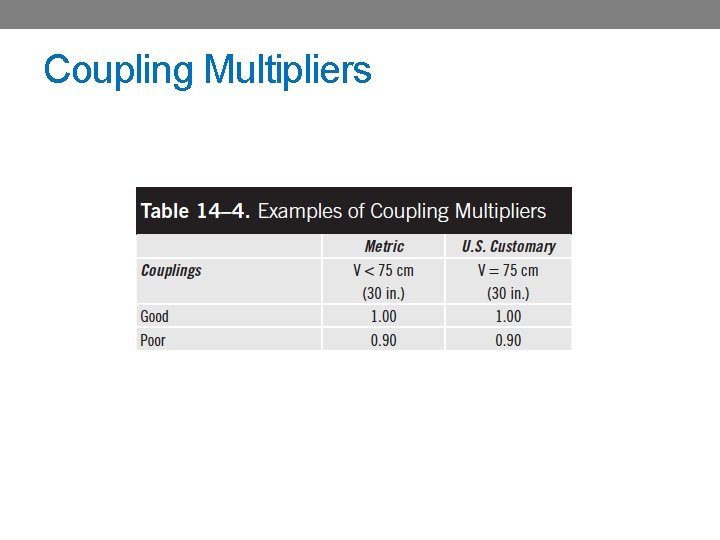
Coupling Multipliers
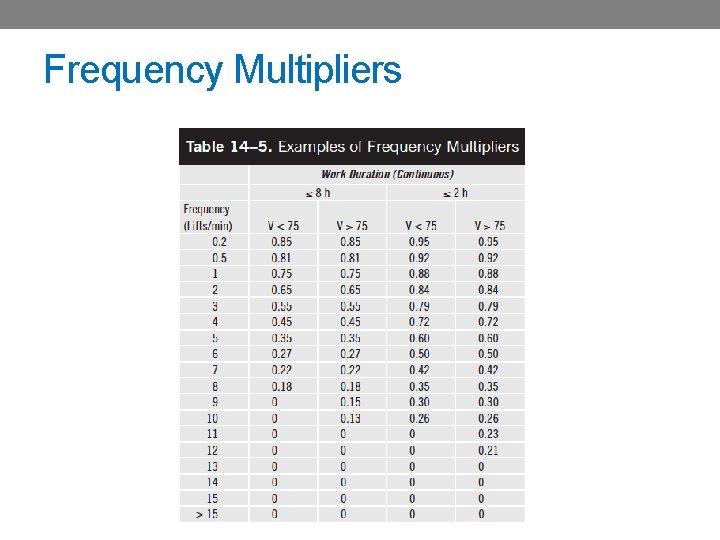
Frequency Multipliers
- Slides: 22