
Chapter 13 The Great War 1914 1918 1





- Slides: 155
Chapter 13 The Great War 1914 -1918 1
I. Marching Toward War A. Setting the stage 1. In Europe, a) military buildup, b) nationalistic feelings, and c) rival alliances set the stage for a continental war 2
B. Rising Tensions in Europe 1. The Rise of Nationalism a) Europe enjoys peace in late 1800 s but problems lie below the surface 3
b) Growing nationalism leads to completion among nations c) Nationalism in the Balkans leads many groups to demand independence 4
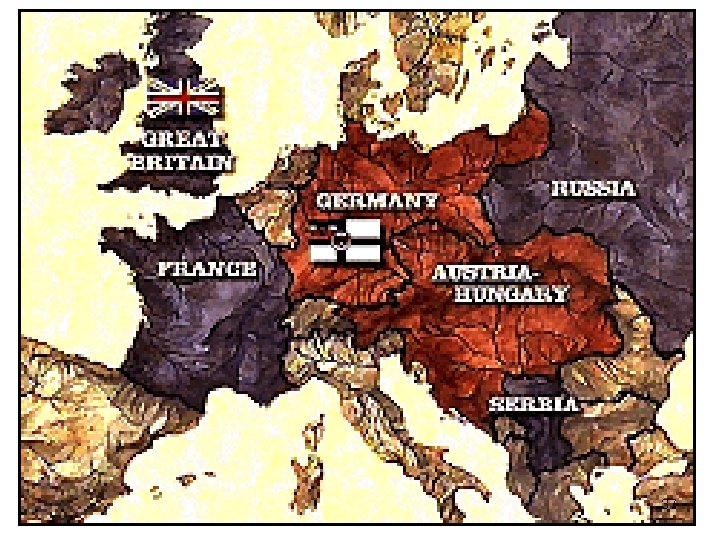
3. Europe’s Great Powers 1) Germany 2) Austria-Hungary 3) Great Britain 4) Russia 5) Italy 6) France 5
4. Rivalries Among European Powers 1) Economic rivalry a) Competition for materials & markets 6
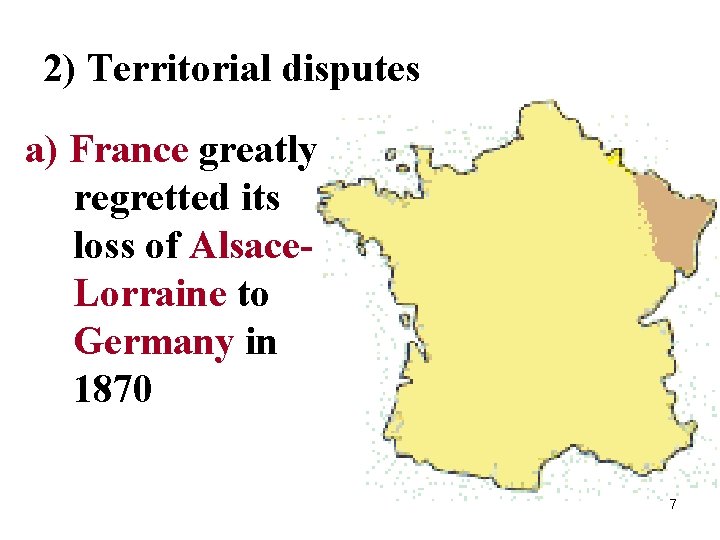
2) Territorial disputes a) France greatly regretted its loss of Alsace. Lorraine to Germany in 1870 7
b) Austria-Hungary and Russia competed for dominance of the Balkans c) Intense nationalism of Serbs, Bulgarian, Romanians led to demands for independence 8
5. Imperialism and Militarism a) Militarism - the policy of glorifying power and keeping an army prepared for war b) Mutual animosity spurs European countries to engage in arms race 9
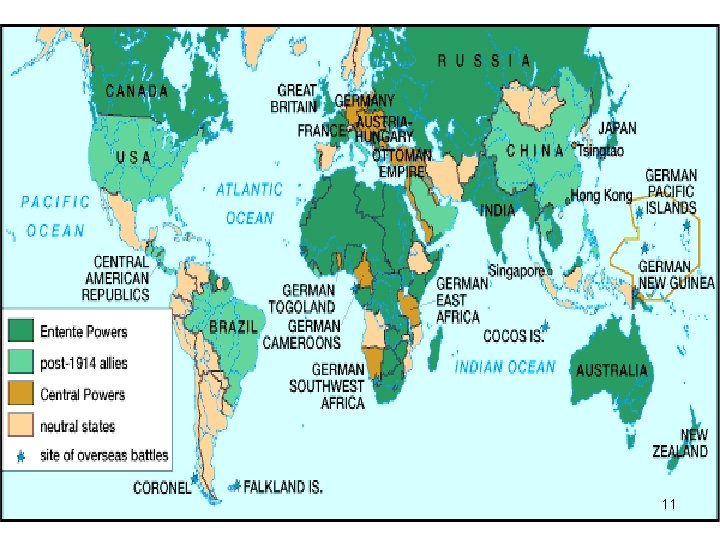
c) Competition for colonies stirs mistrust among European nations d) link between militarism and imperialism is as a country gains colonies, its military grows to protect them. 10
11
C. Tangled Alliances 1. Bismarck Forges Early Pacts a) Germany’s Otto von Bismarck works to keep peace in Europe after 1871 12
b) Believes France wants revenge for loss in 1870 Franco-Prussian War 13
c) Seeks to isolate the French with a series of treaties and alliances 1) Signs treaty with Russia in 1881 2) Because the French are the greatest threat to peace in Europe 14
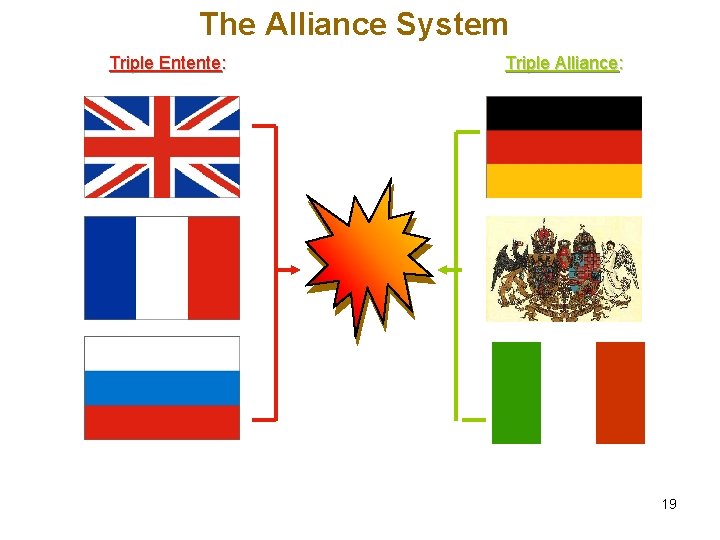
d) Forms the Triple Alliance in 1882 1) Germany 2) Austria-Hungary 3) Italy 15
2. Shifting Alliances Threaten Peace a) Kaiser Wilhelm II – ruler of Germany in 1888 1) led Germany during the last decade of the 1800 s and most of World War I 16
b) Foreign policy changes begin in 1890 with dismissal of Bismarck 1) alliance with Russia dropped 2) Russia then allies with France 3) effort to strengthen German navy, which alarms Britain 17
c) Triple Entente alliance in 1907 1) Britain 2) France 3) Russia 18
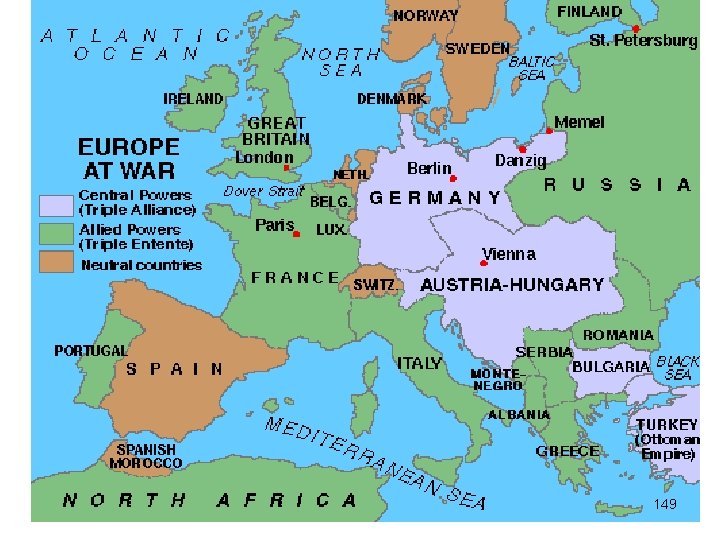
The Alliance System Triple Entente: Triple Alliance: 19
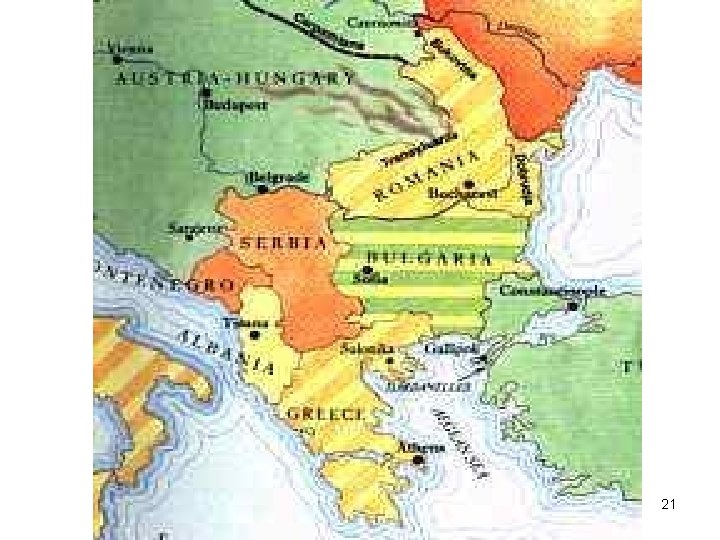
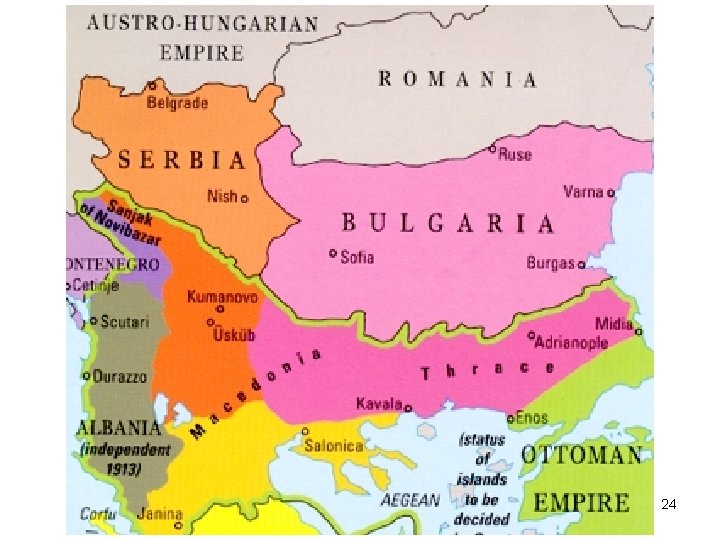
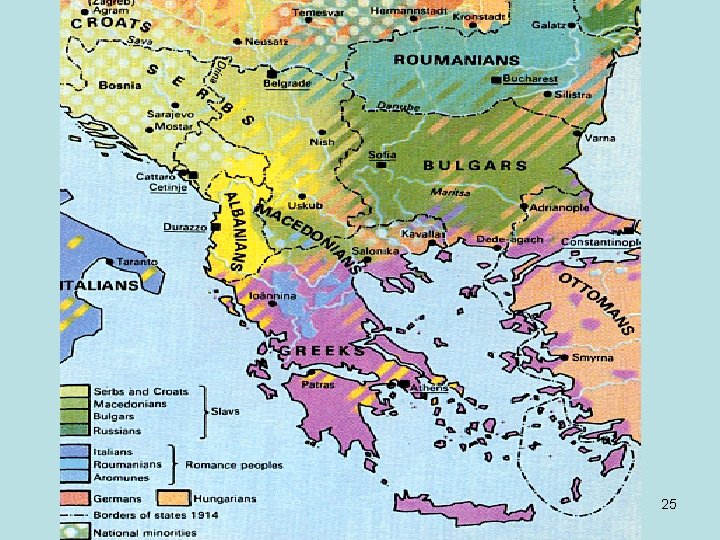
D. Crisis in the Balkans 1. A Restless Region a) Many new groups in Balkans win independence during early 1900 s 20
21
b) New nation of Serbia made up largely of Slavs c) Austria-Hungary annexes Slavic region 1) Bosnia & Herzegovina (1908) 22
d) Serbia outraged 1) sees itself as rightful ruler of these Slavic lands 23
24
25
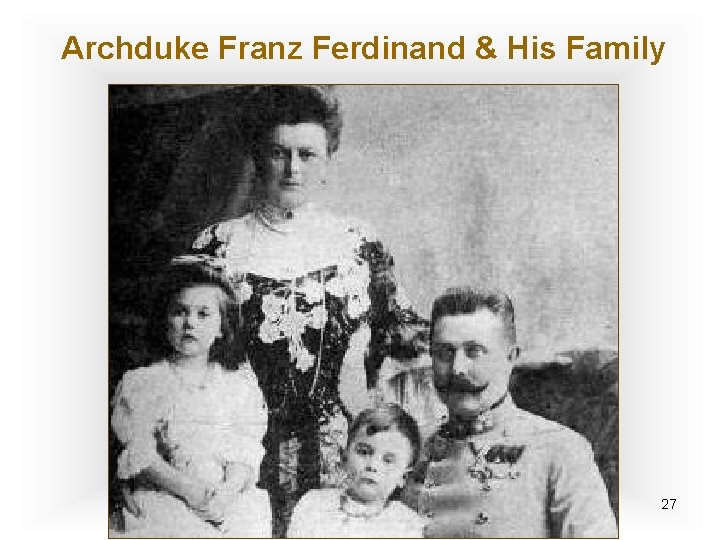
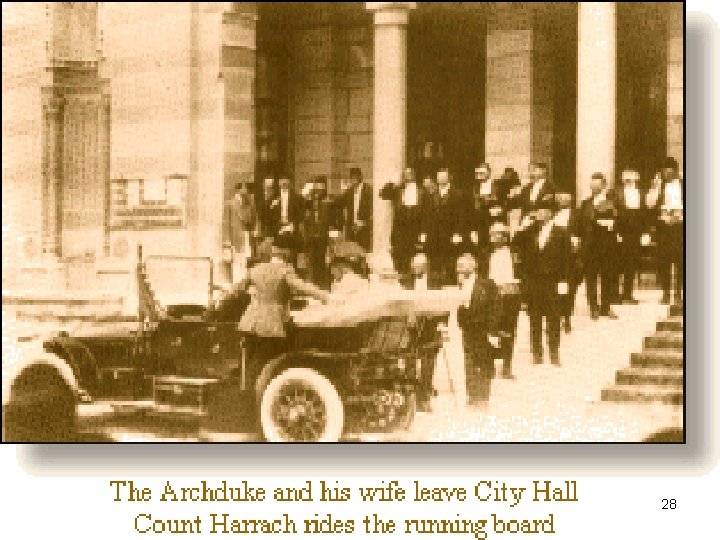
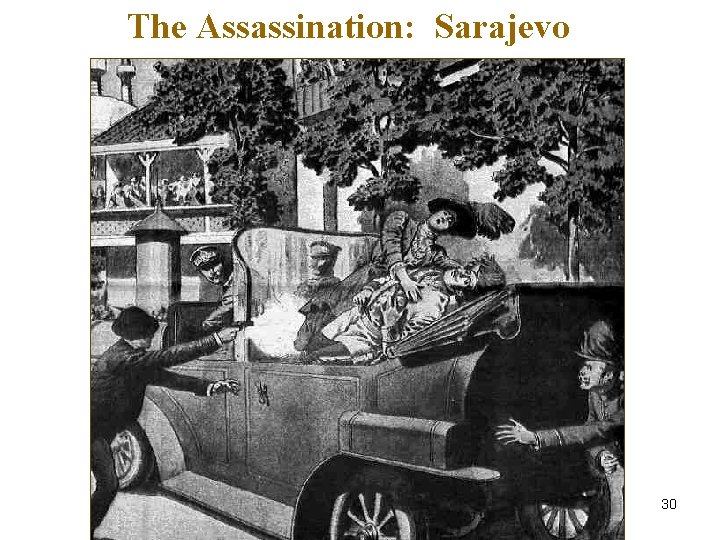
2. A Shot Rings Throughout Europe a) Serbian rebel kills Austro. Hungarian royal official in June 1914 1) Archduke Francis Ferdinand – heir to the Austrian thrown 26
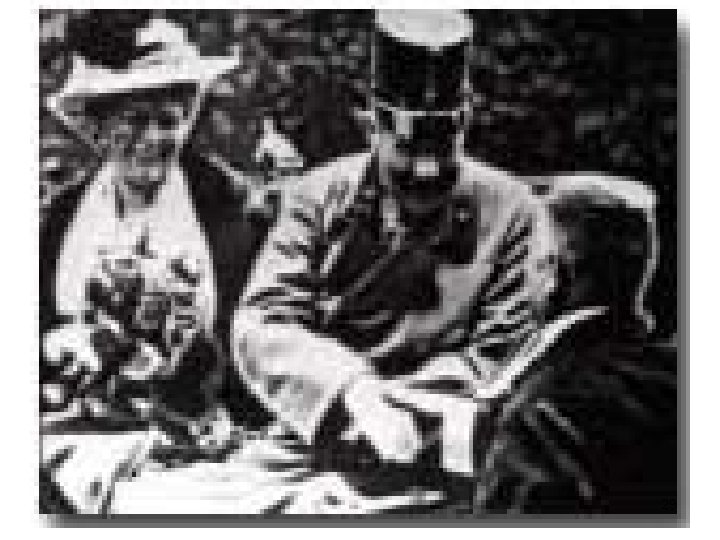
Archduke Franz Ferdinand & His Family 27
28
29
The Assassination: Sarajevo 30
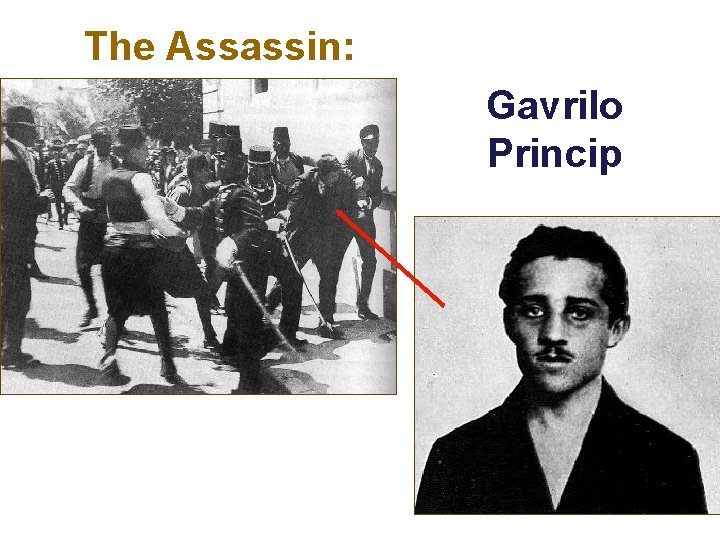
The Assassin: Gavrilo Princip 31
32
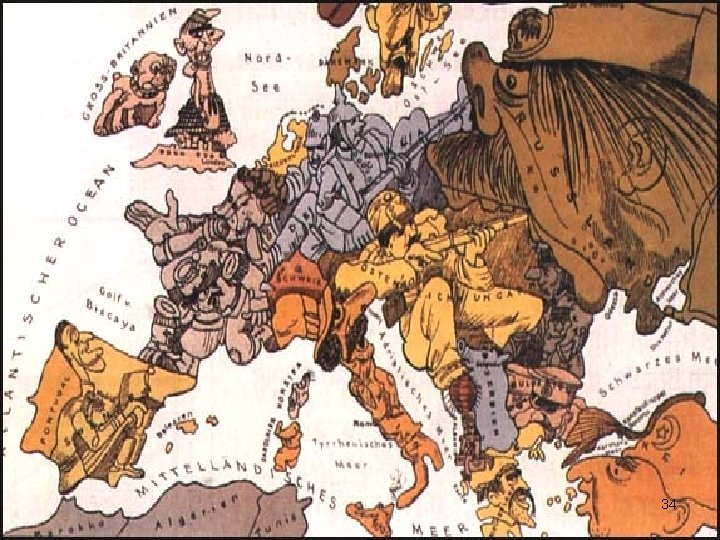
II. Europe Plunges into War A. Setting the stage 1. One European nation after another is drawn into a large and industrialized war that results in may casualties 33
34
B. The Great War Begins 1. Nations Take Sides a) By mid-August 1914, two sides at war throughout Europe 35
1) Central Powers a) Germany and Austria-Hungary b) because of their location in the heart of Europe 36
37
2. Allies a) Britain b) France c) Russia 38
2. Armies on the March a) Russia moves troops to its borders with Austria & Germany b) Germany declares war on Russia, quickly attacks France c) Great Britain declares war on Germany 39
C. A Bloody Stalemate 1. The Conflict Grinds Along a) Western Front – heavy battle zone in northern France b) German army quickly advances to outskirts of Paris 40
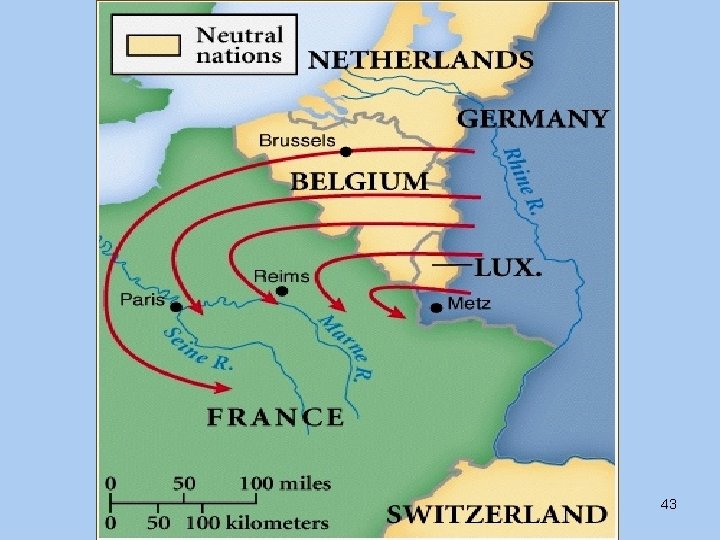
c) The Schlieffen Plan 1) Avoid fighting a 2 front war 2) Germany defeat France quickly 41
3) Then fight Russia 4) German armies would march through Belgium & swing south behind French lines 42
43
5. Germany’s invasion of neutral Belgium forced Britain to declare war on Germany 6. Plan fails, Germany has to fight a 2 front war 44
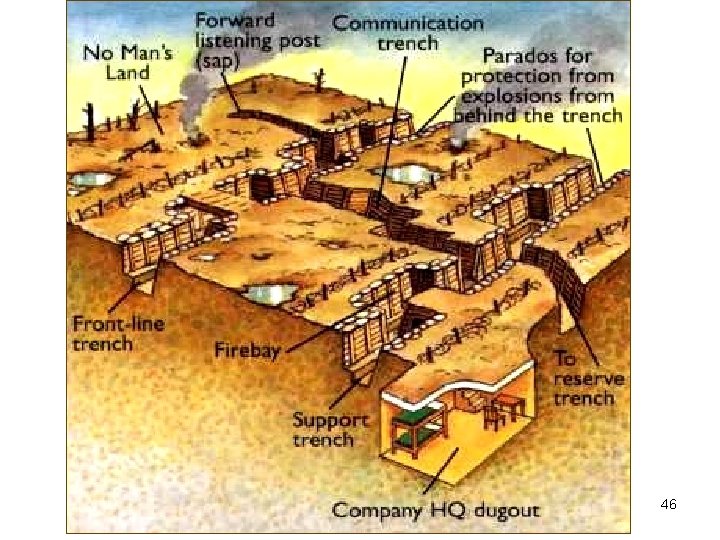
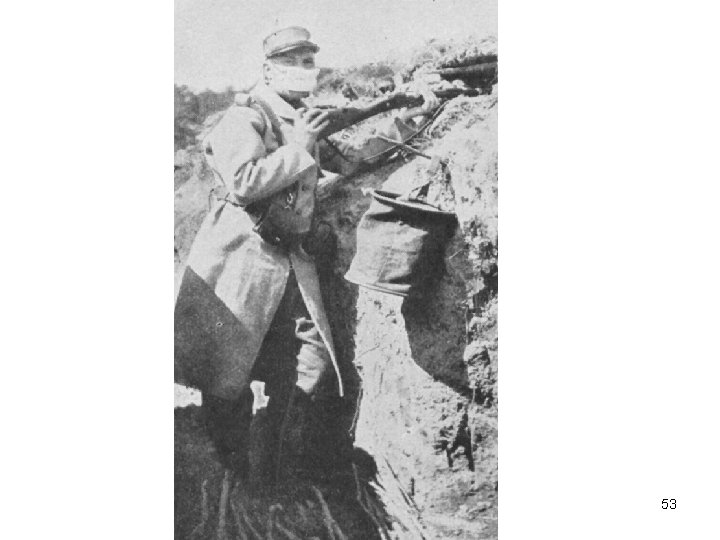
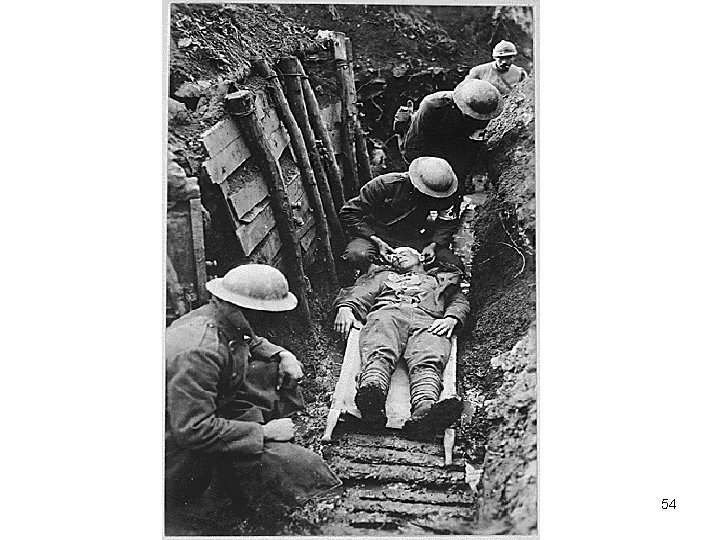
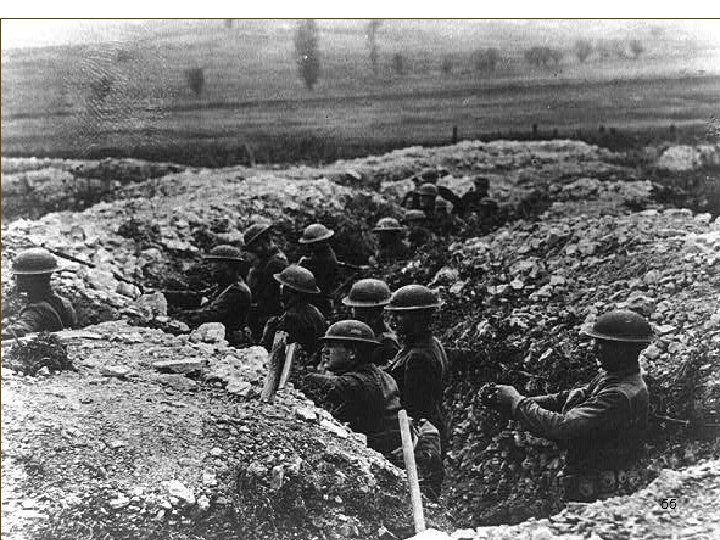
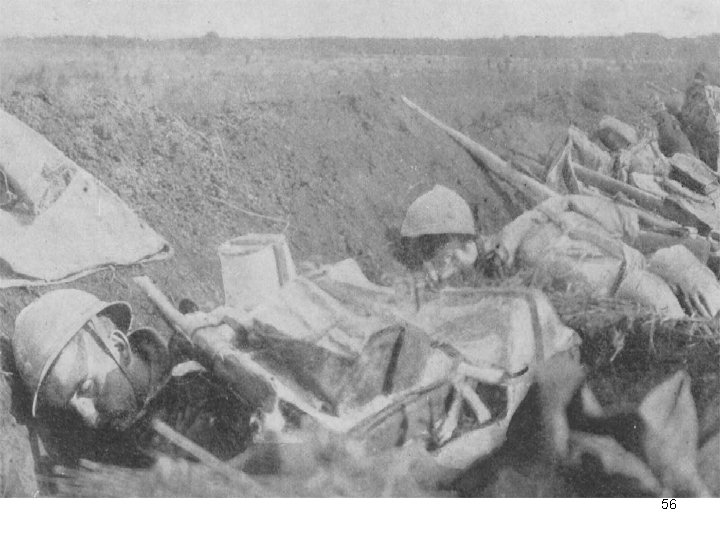
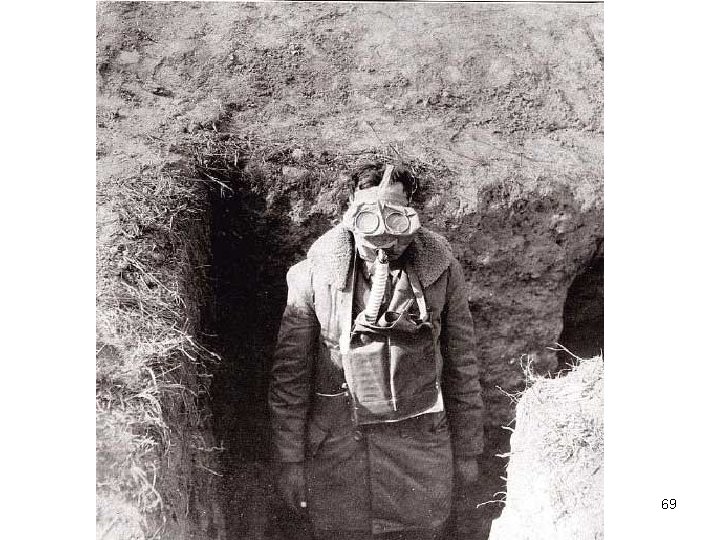
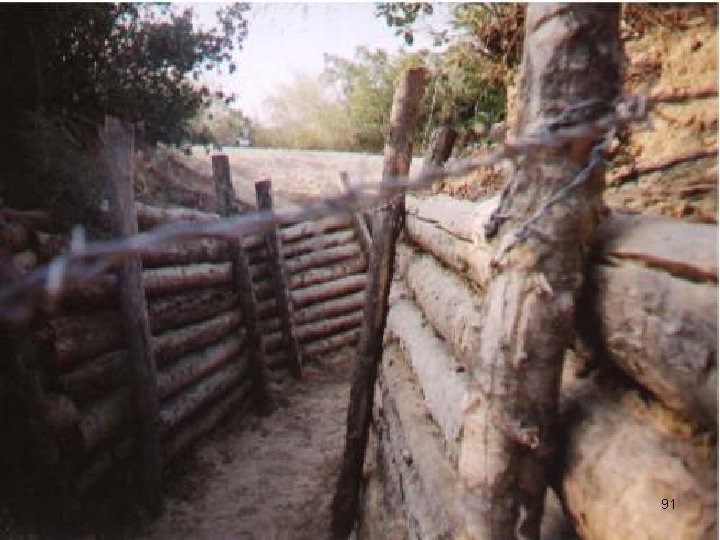
2. War in the Trenches a) Conflict descends into trench warfare 1) Armies fighting from trenches 45
46
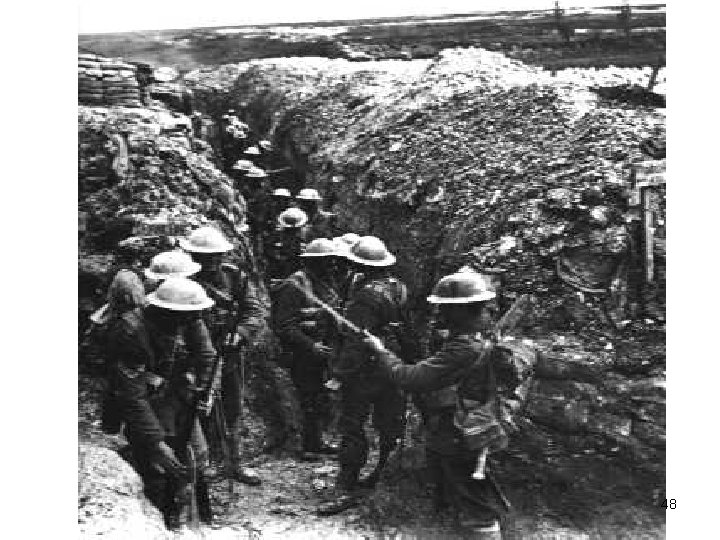
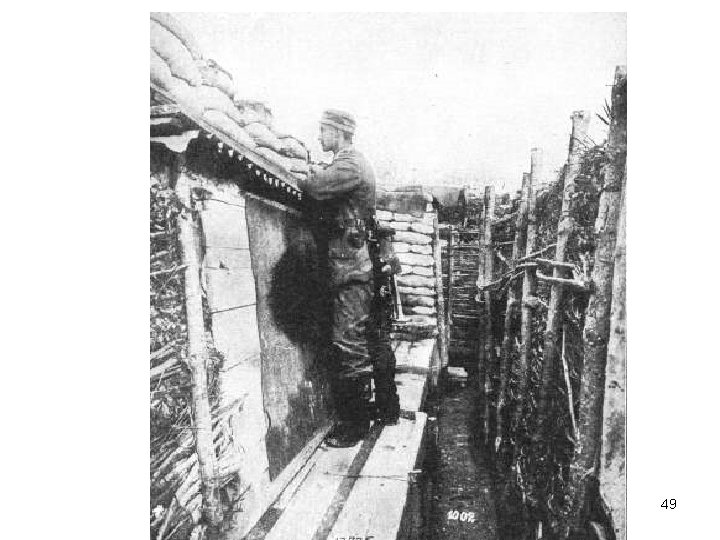
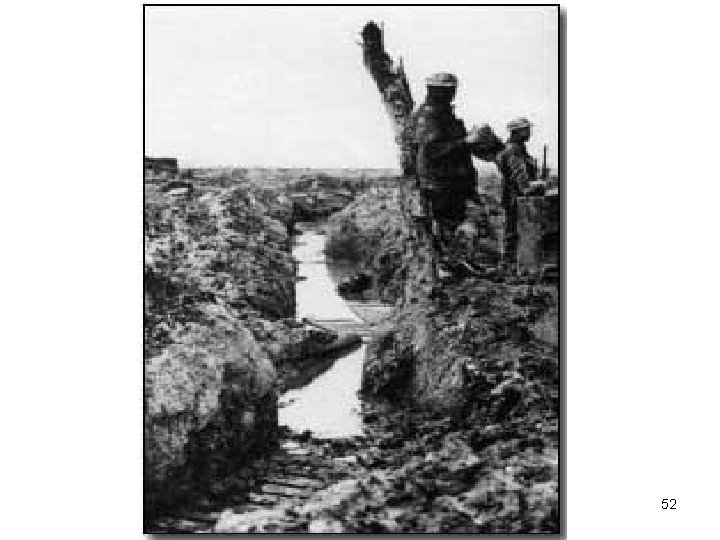
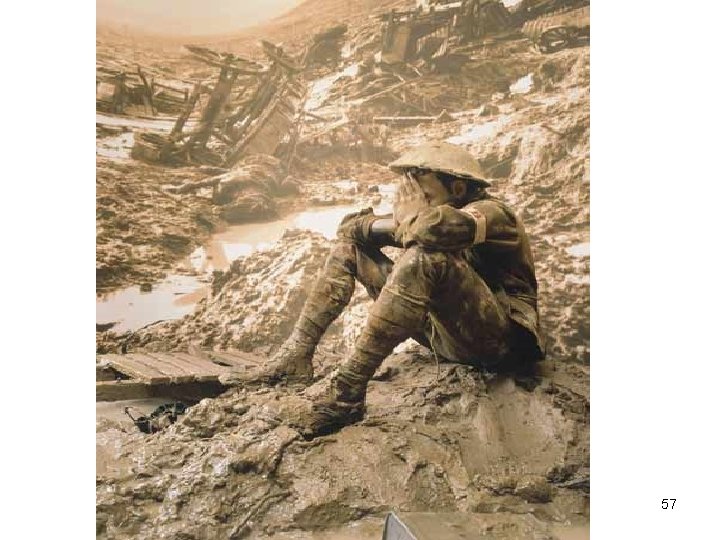
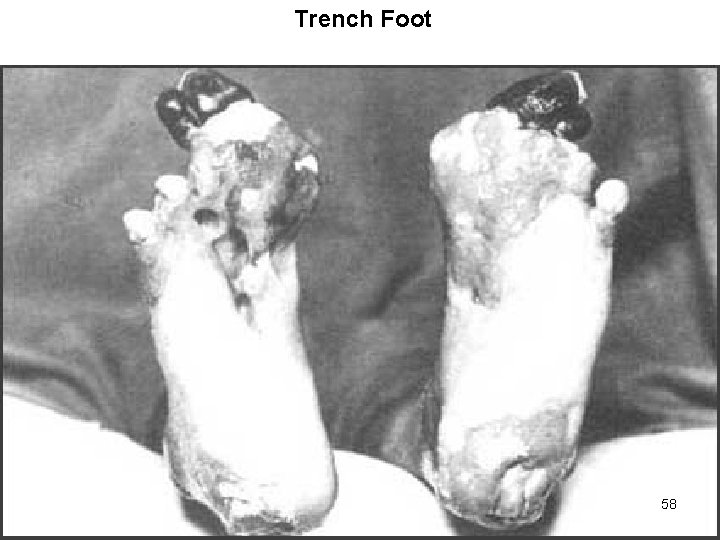
b) Battles result in many deaths, small land gains c) Life in trenches is miserable, difficult, unsanitary 47
48
49
50
51
52
53
54
55
56
57
Trench Foot 58
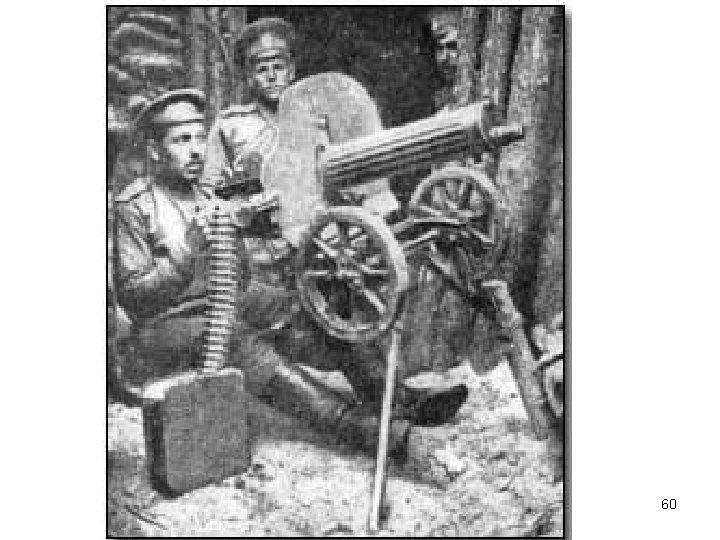
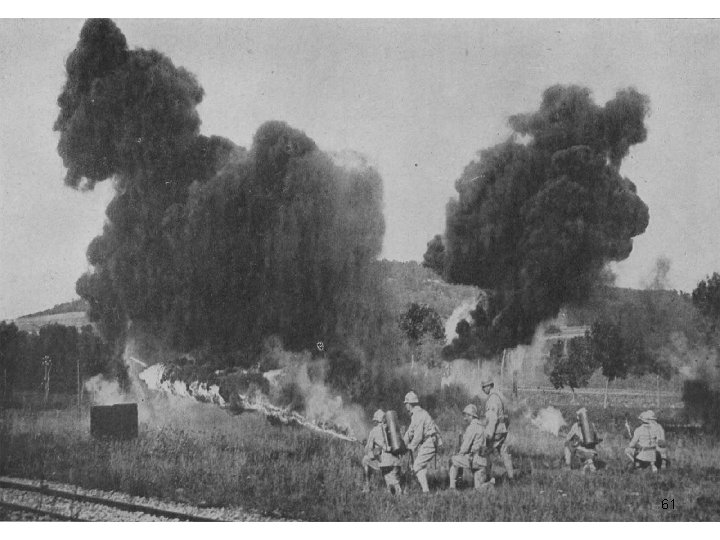
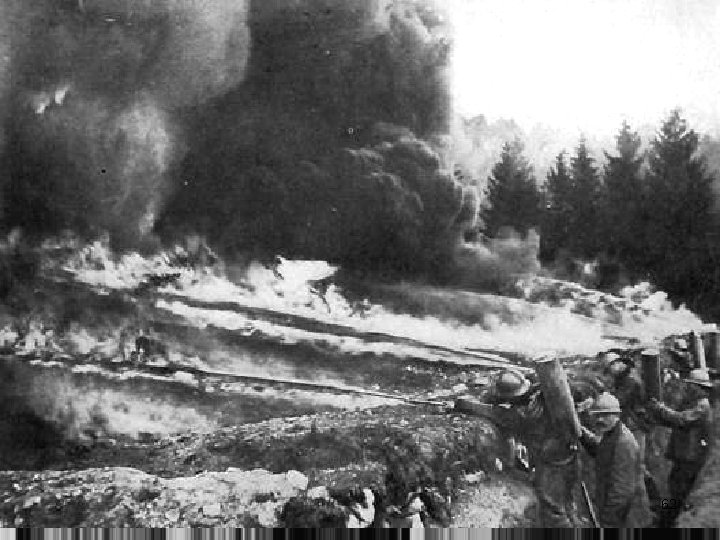
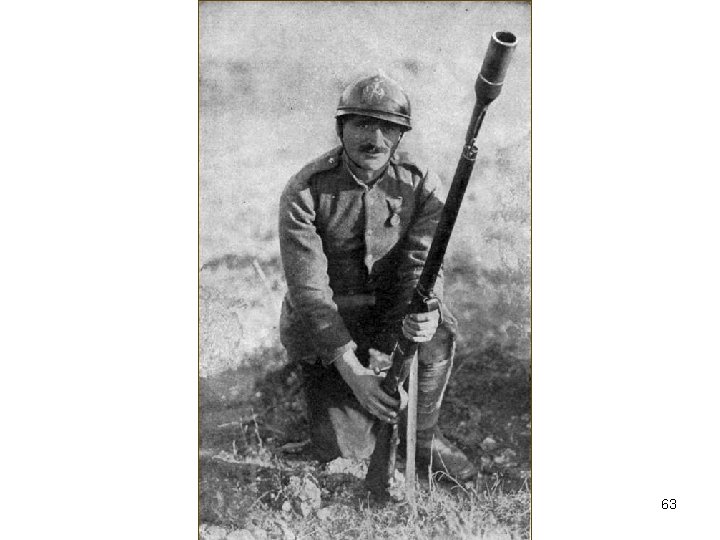
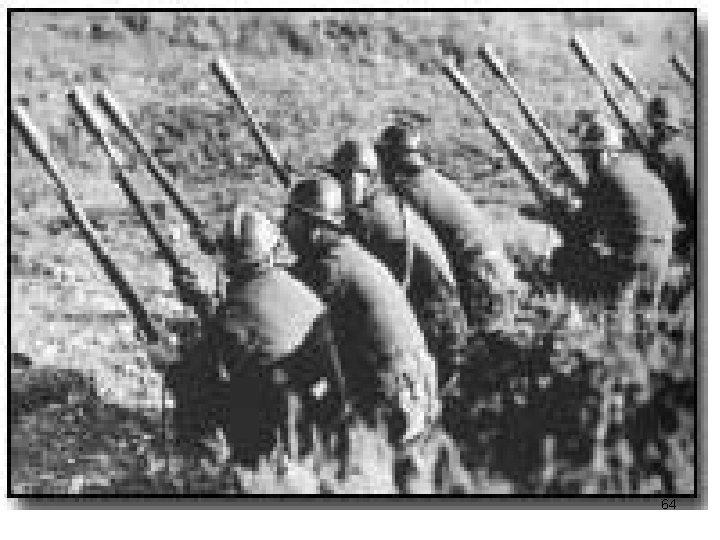
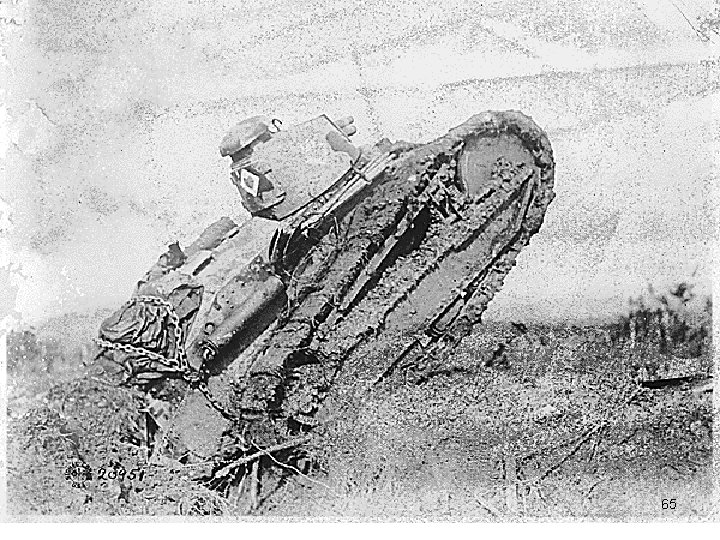
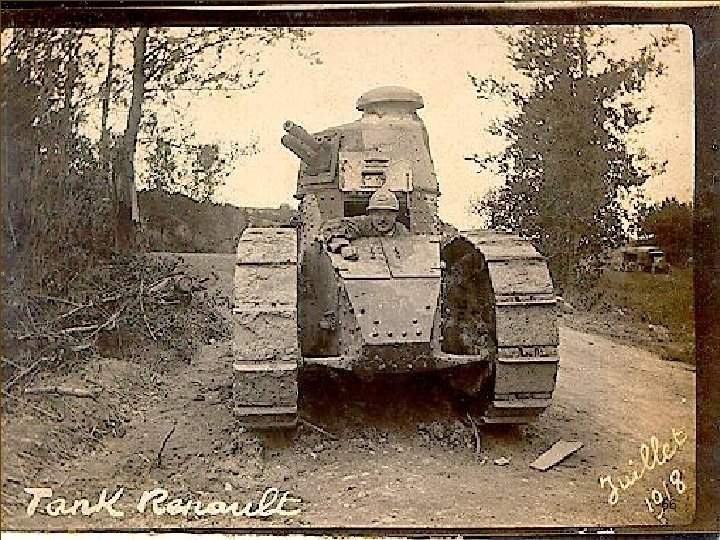
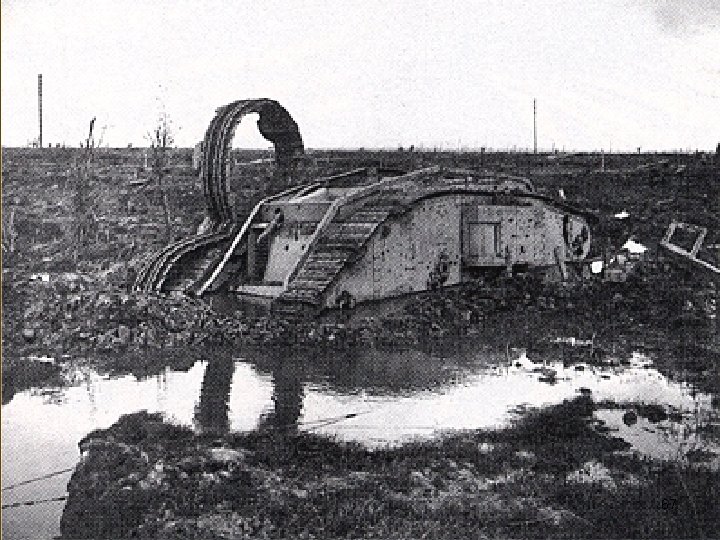
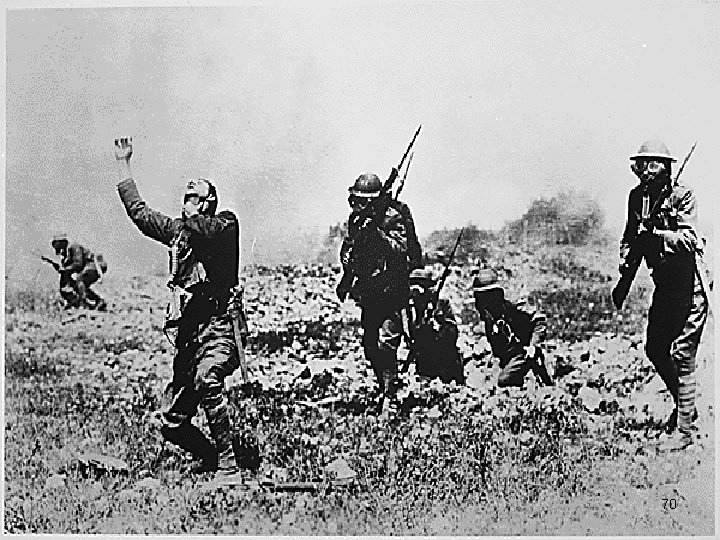
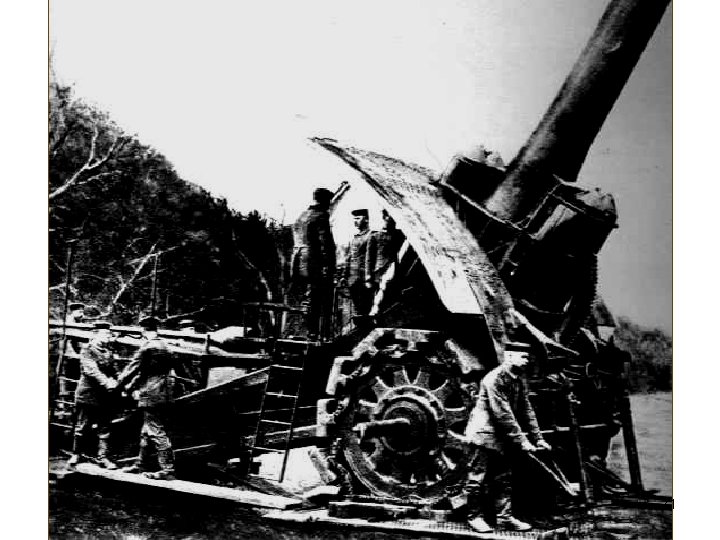
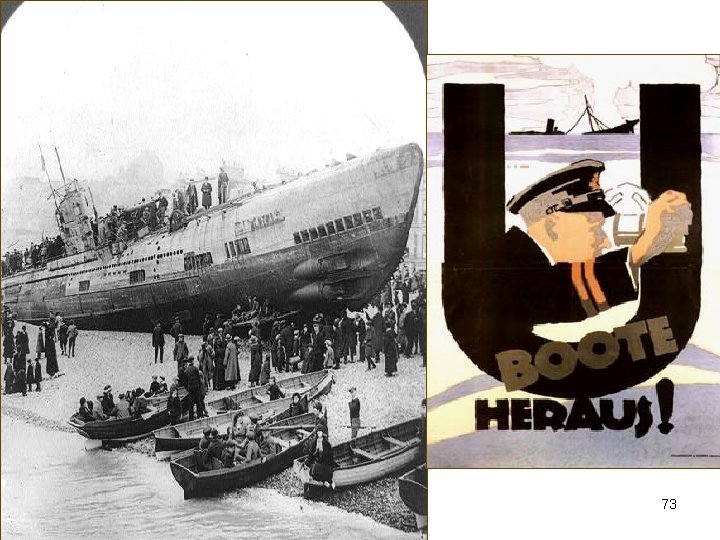
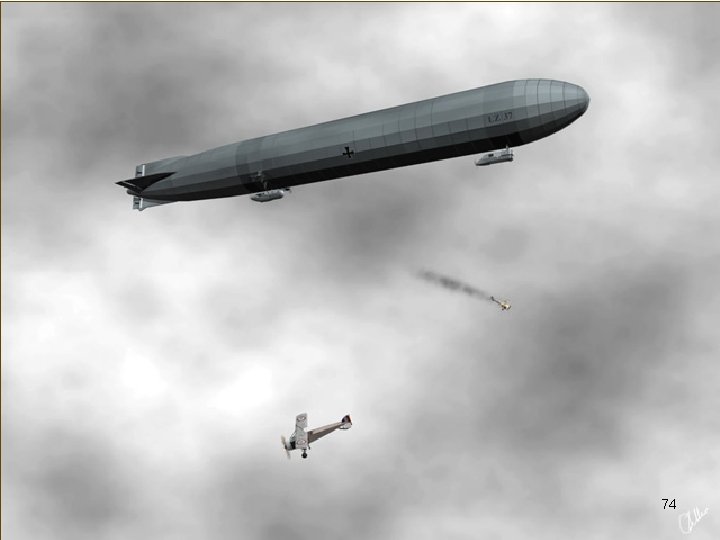
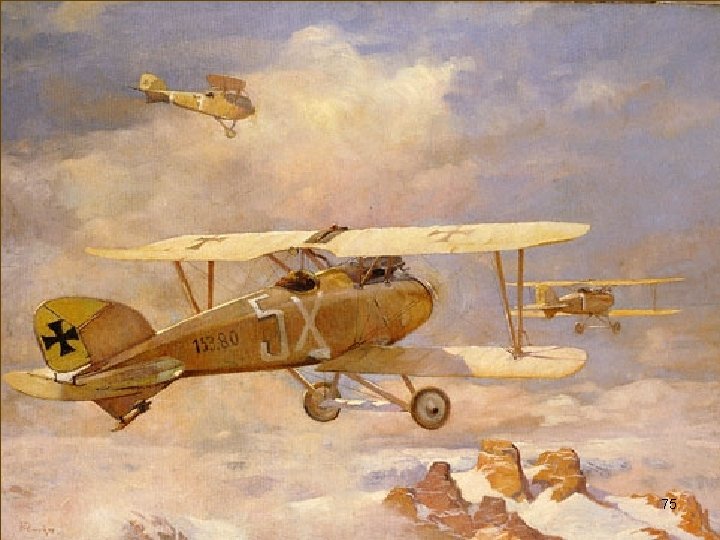
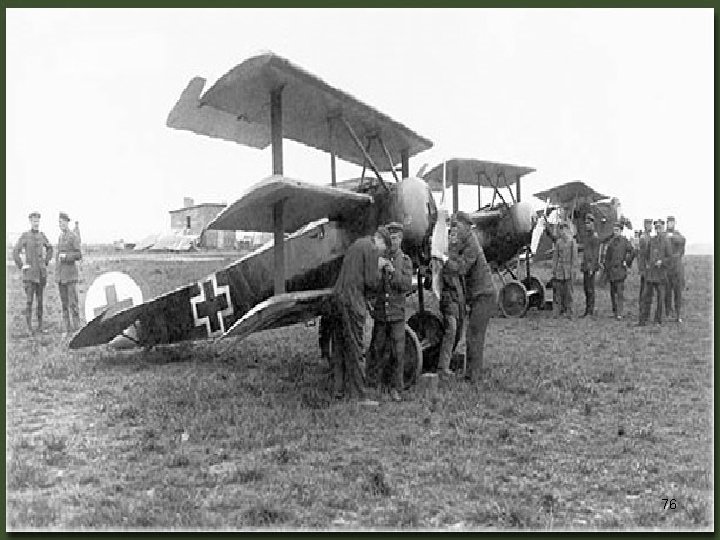
d) New weapons only lead to more deaths 59
60
61
62
63
64
65
66
67
68
69
70
71
72
73
74
75
76
77
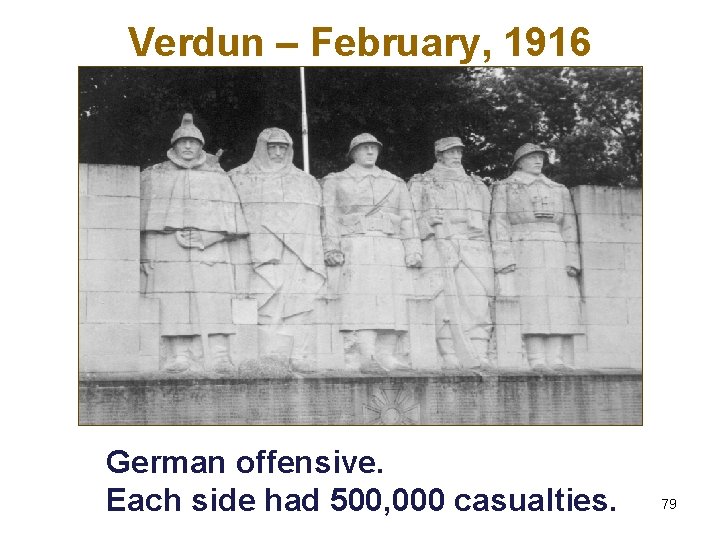
e) Massive losses for both sides at 1916 battles of Verdun & Somme 78
Verdun – February, 1916 German offensive. Each side had 500, 000 casualties. 79
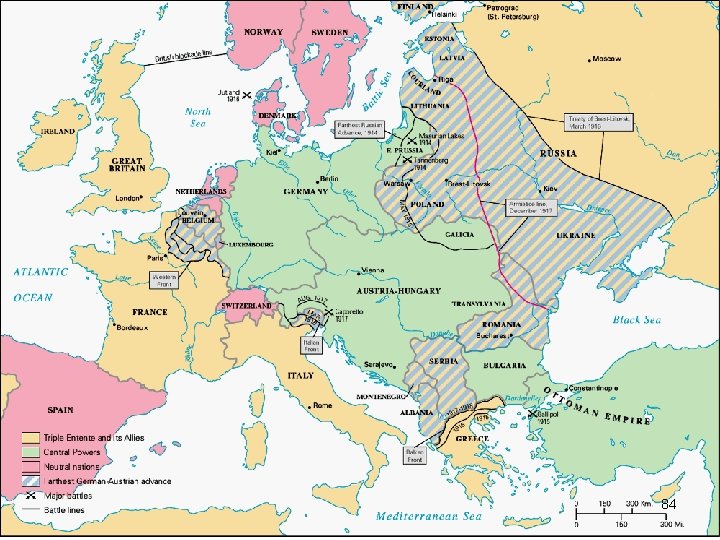
D. The Battle on the Eastern Front 1. Early fighting a) Eastern Front – site of main fighting along the German-Russian border 80
b) Russians push into Austria & Germany, but soon forced to retreat 81
3. Russia Struggles a) Russia’s war effort suffering by 1916 1) Many casualties, few supplies 82
b) Huge size of Russian army keeps it a formidable force 1) Prevents Germany from sending more troops to the western front 83
84
III. A Global Conflict A. Setting the Stage 1. World War I spreads to several continents 2. requires the full resources of many governments 85
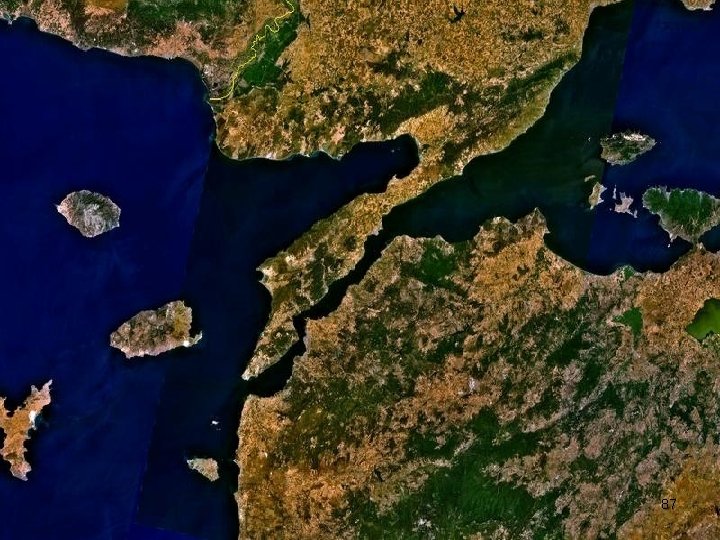
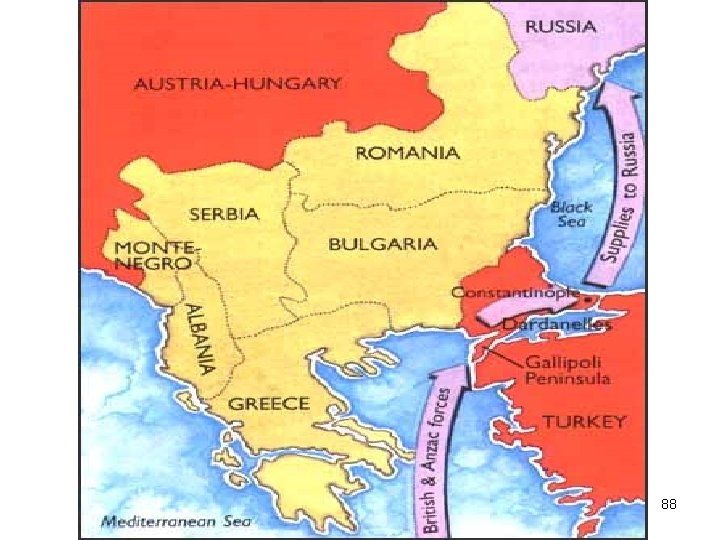
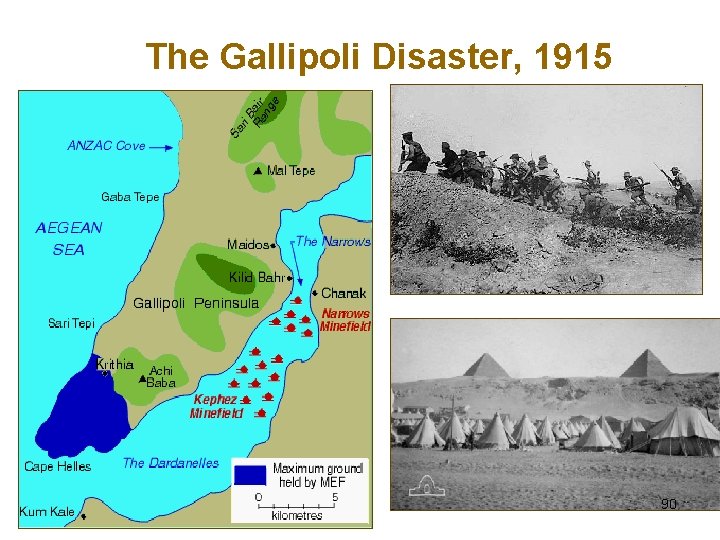
B. War Affects the World 1. The Gallipoli Campaign a) Allies move to capture Ottoman Dardanelles strait in February 1915 1) Straits linked the Mediterranean Sea with the Sea of Marmora 2) Great strategic value 86
87
88
b) Hoped to defeat Ottoman Empire c) Also wanted to open a supply line through region to Russia d) Effort ends in costly Allied defeat 89
The Gallipoli Disaster, 1915 90
91
2. Battles in Africa and Asia a) Allies take control of German holdings in Asia & Africa b) Britain & France use their colonial subjects to help in war effort 92
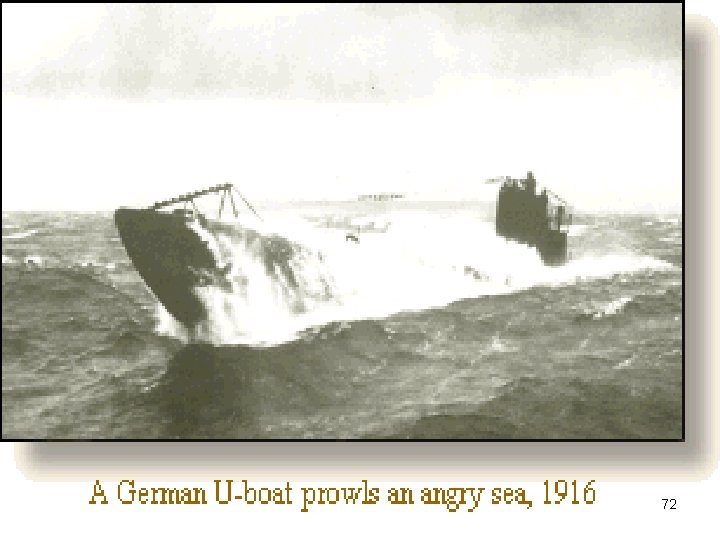
3. American joins the fight a) Germany seeks to control Atlantic Ocean to stop supplies to Britain 93
b) Uses unrestricted submarine warfare 1) ships near Britain sunk without warning 94
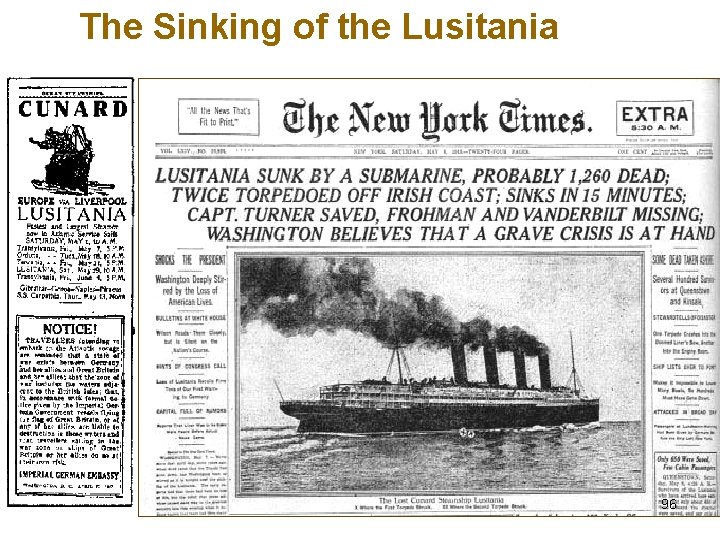
2) Halts policy in 1915, after sinking of Lusitania angers U. S. 95
The Sinking of the Lusitania 96
3) Renews unrestricted policy in 1917, hopes to starve Britain quickly 97
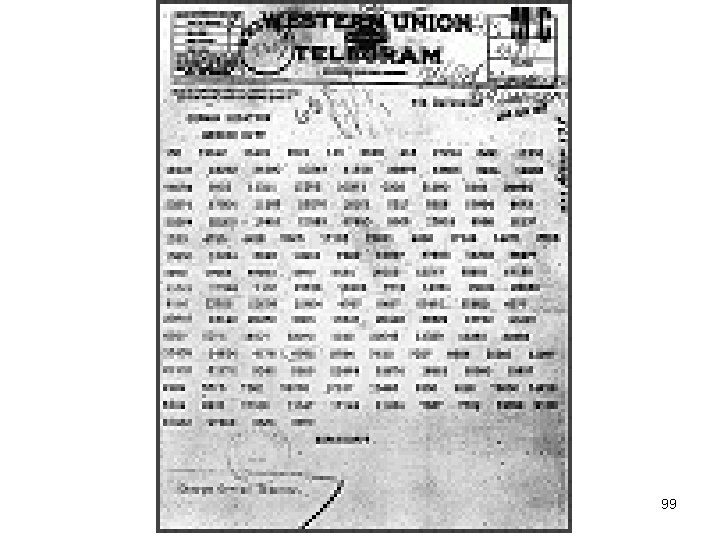
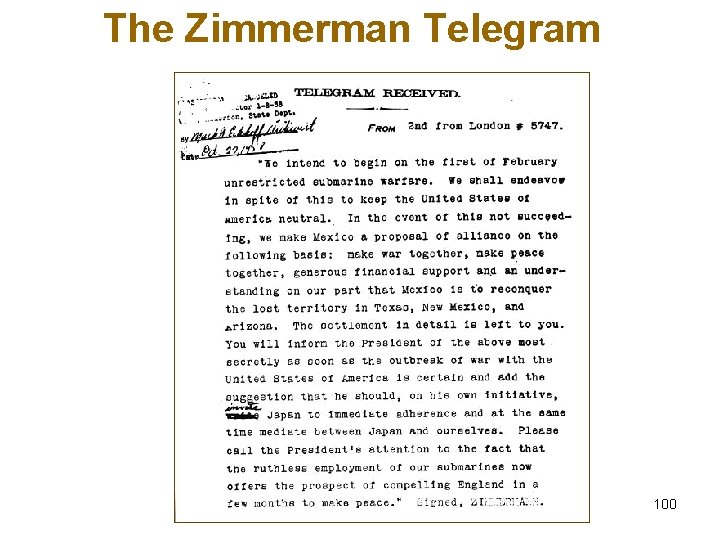
c) Renewal of policy & effort to enlist Mexico angers U. S. 1) Zimmerman note 98
99
The Zimmerman Telegram 100
C. War Affects the Home Front 1. Governments Wage Total War a) Total War – nations devote all resources to war 101
b) Rationing – limiting purchases of war-related goods c) Propaganda – one-sided information to build morale & support for the war 102
103
104
105
106
107
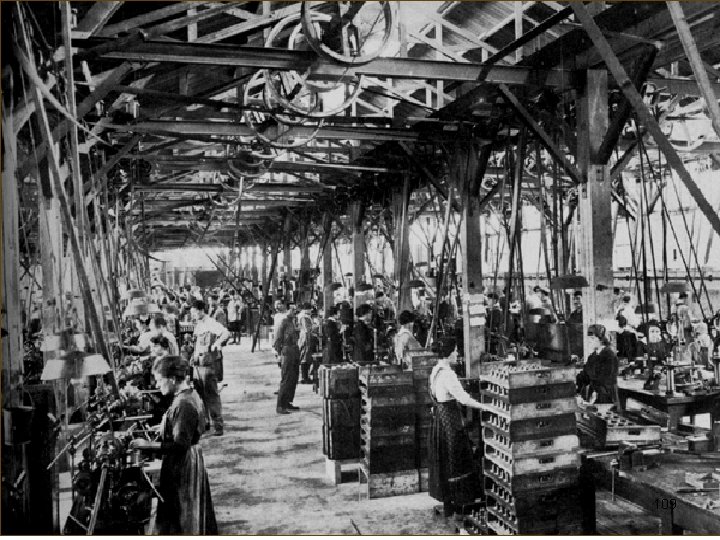
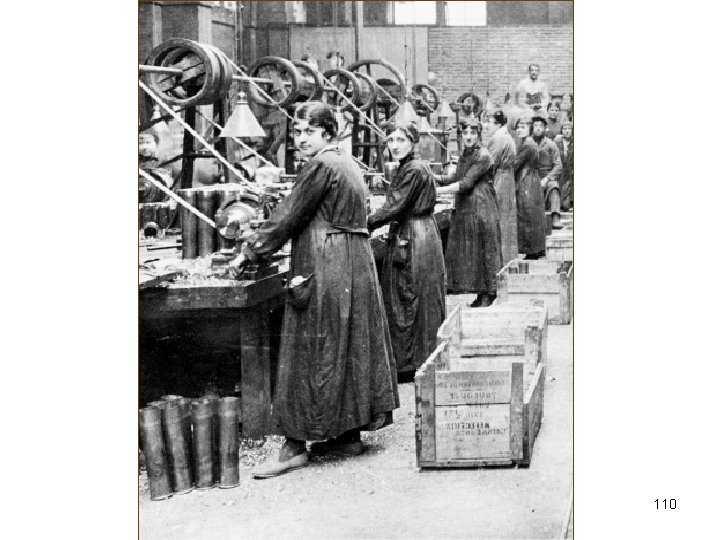
2. Women and the War a) At home, thousands of women fill jobs previously held by men b) Many women also experience the war by working as nurses. 108
109
110
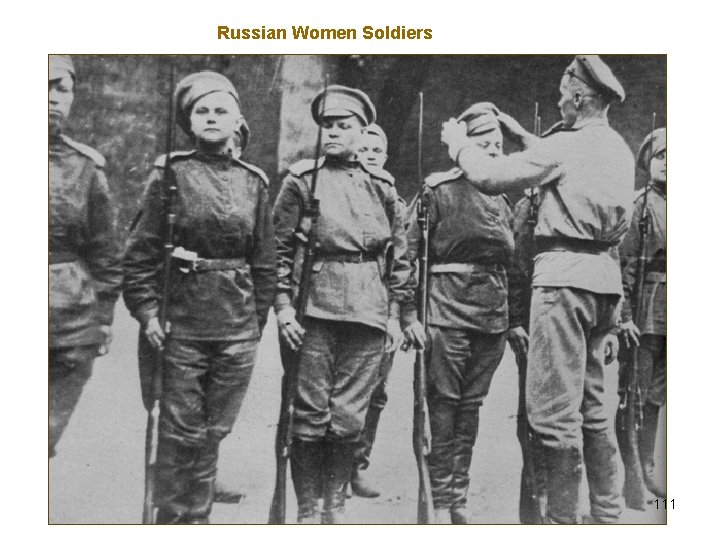
Russian Women Soldiers 111
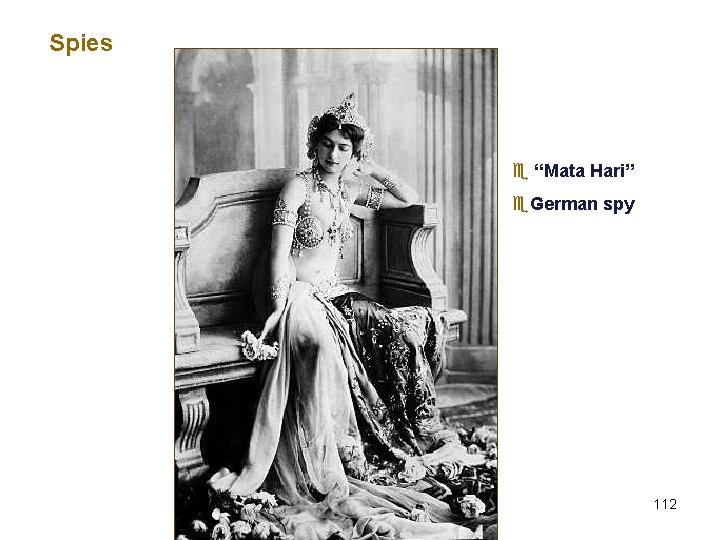
Spies e “Mata Hari” e. German spy 112
D. The Allies Win the War 1. Russia Withdraws a) Civil unrest in Russia forces czar to step down from throne in 1917 b) Communists soon take control of Russia’s government c) Russia signs treaty with Germany in March 1918, pulls out of war 113
2. The Central Powers Collapse a) Russia gone – Germany moves most forces to Western front 114
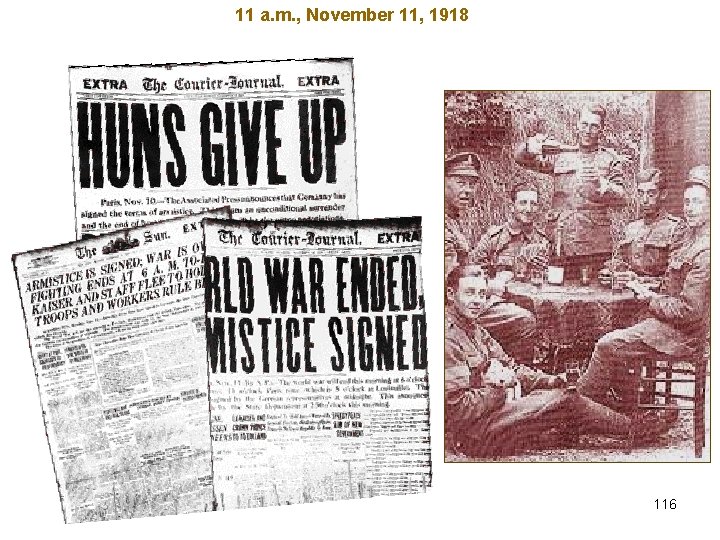
b) Engaged in major fighting; Allies force Germans to retreat c) Allies win war -end of fighting - Armistice – November 11, 1918 115
11 a. m. , November 11, 1918 116
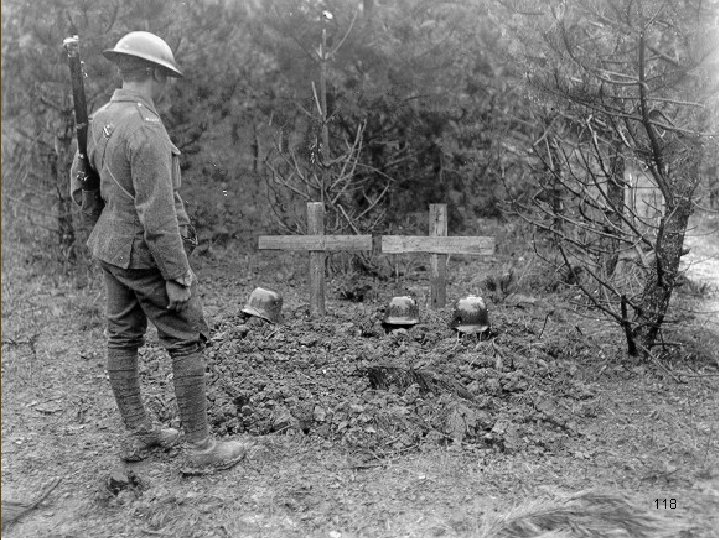
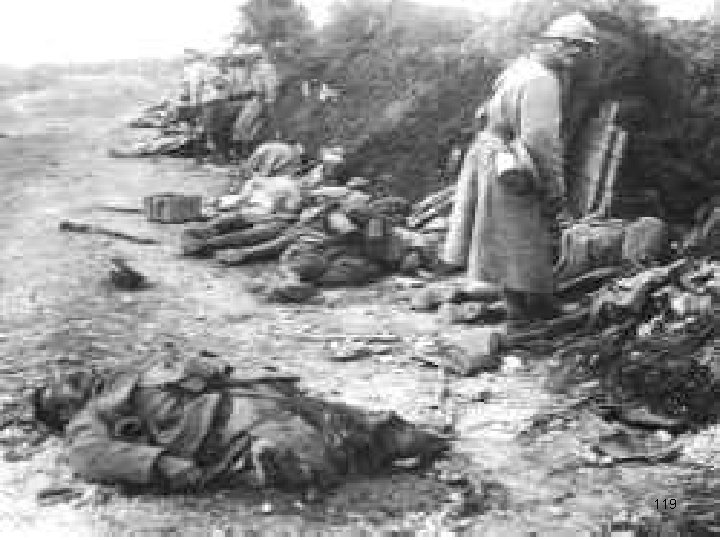
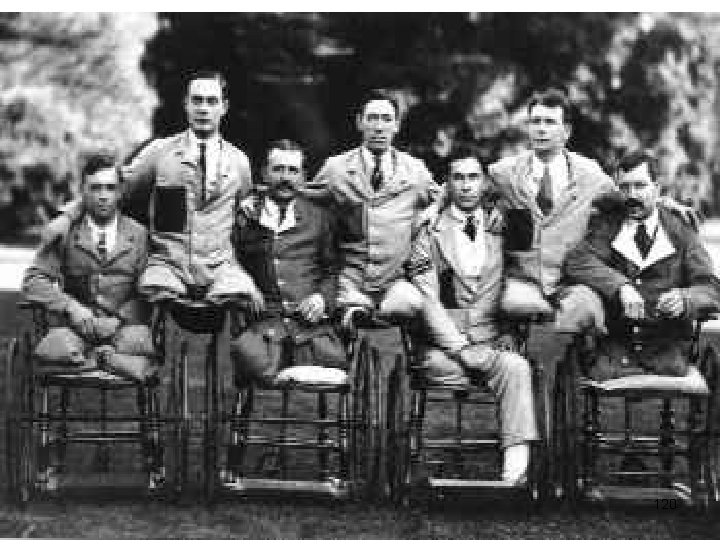
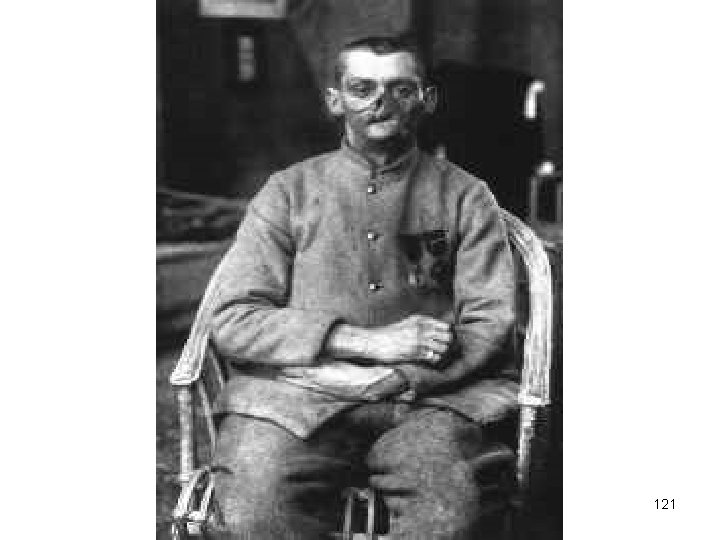
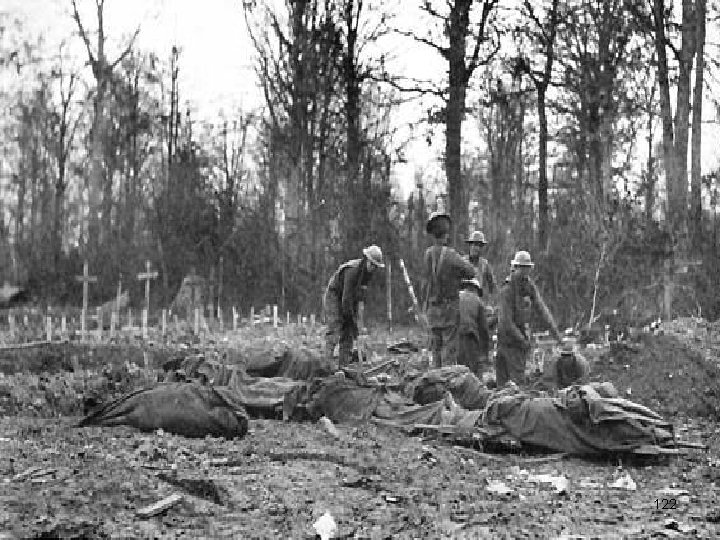
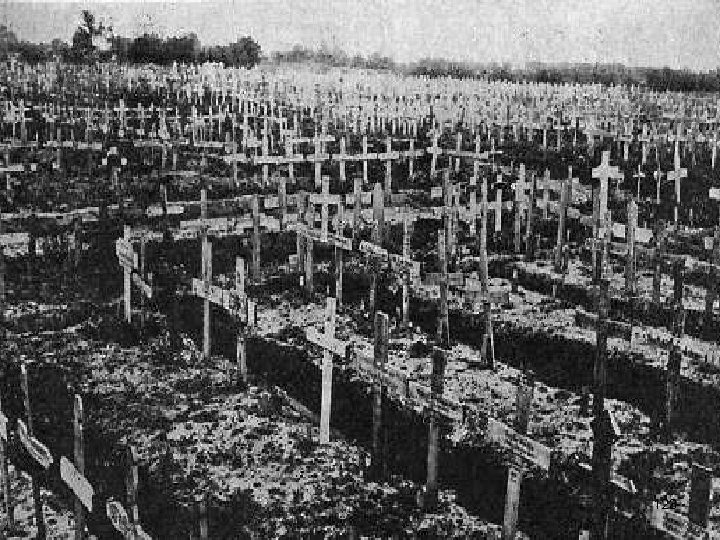
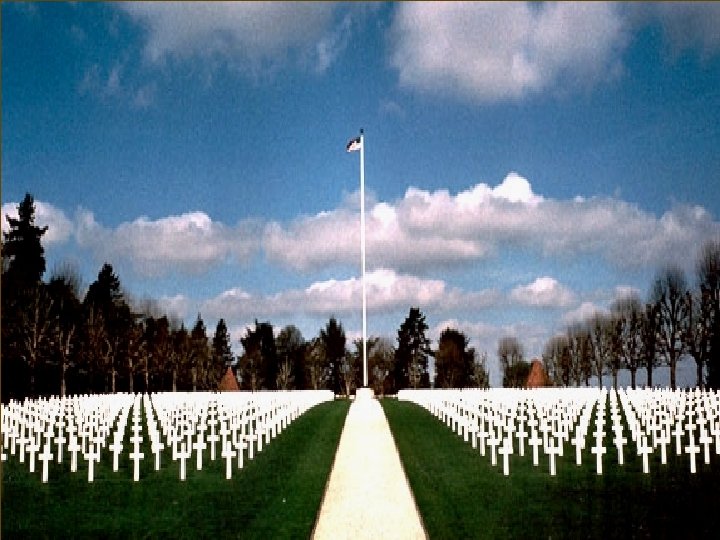
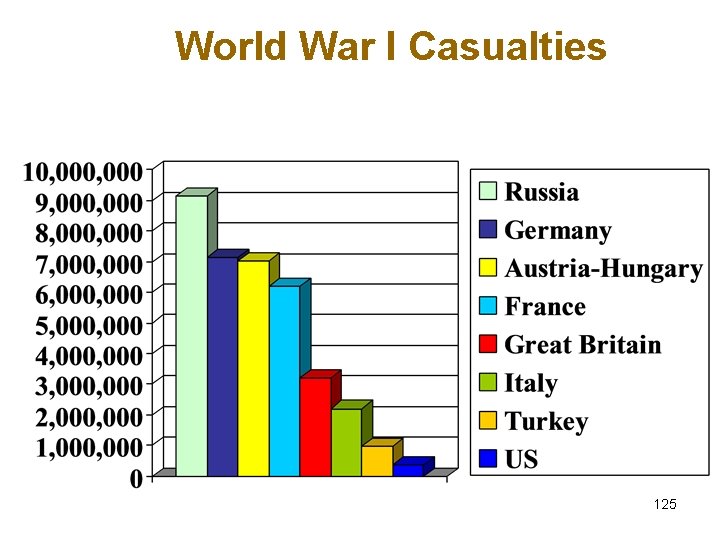
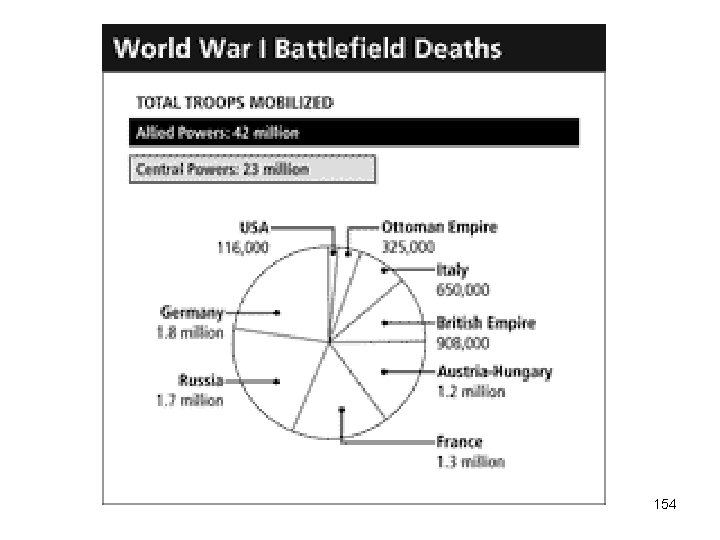
E. The Legacy of the War 1. A High Price a) War takes heavy toll: 8. 5 million soldiers dead, 21 million wounded 117
118
119
120
121
122
123
124
World War I Casualties 125
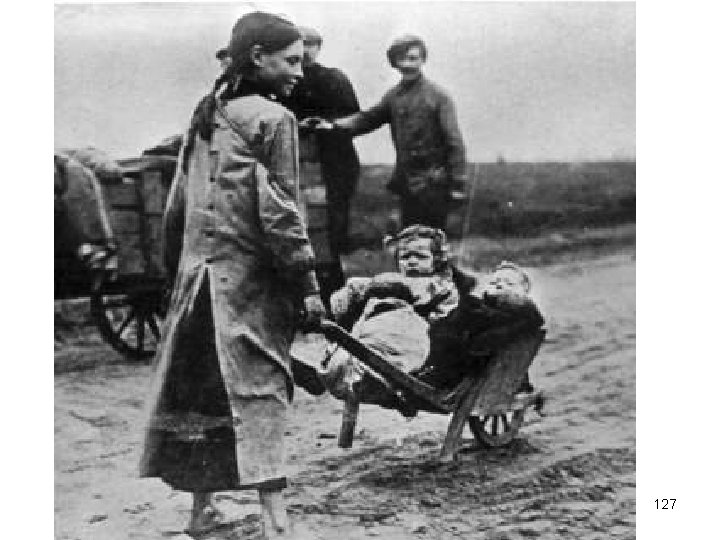
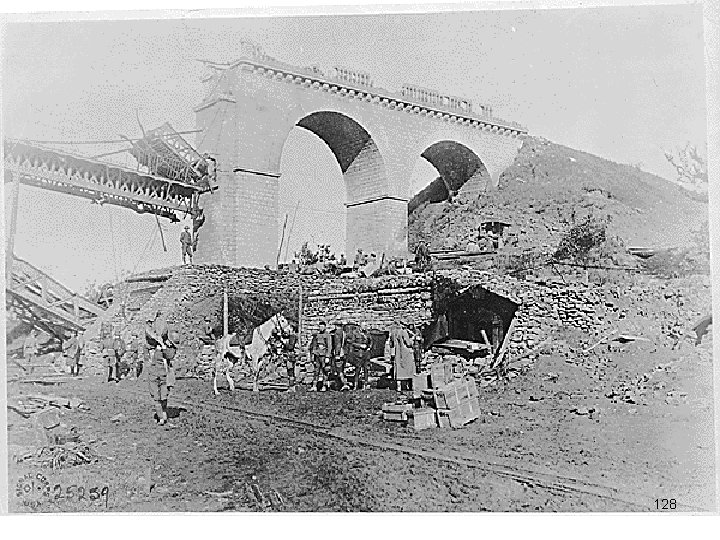
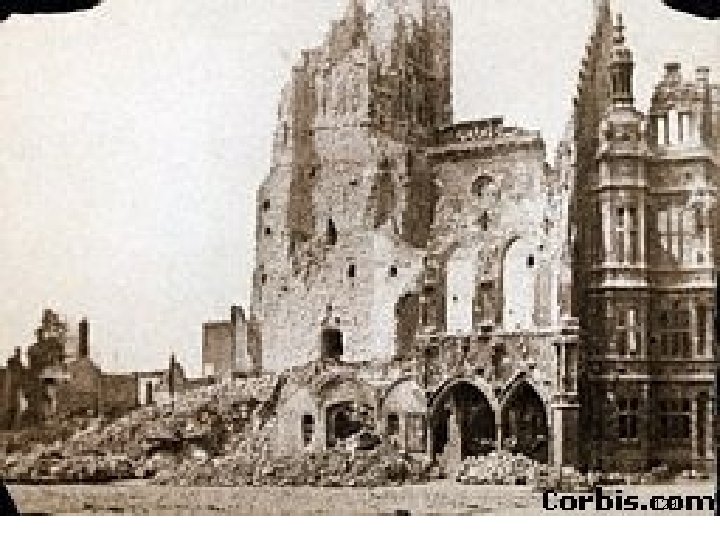
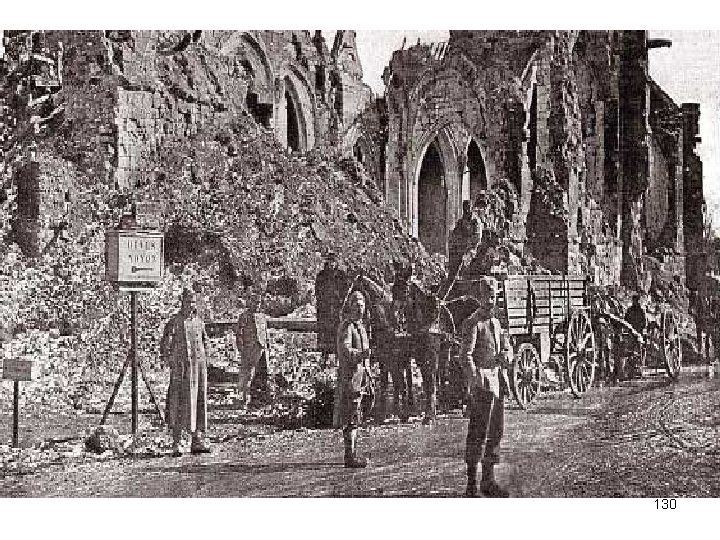
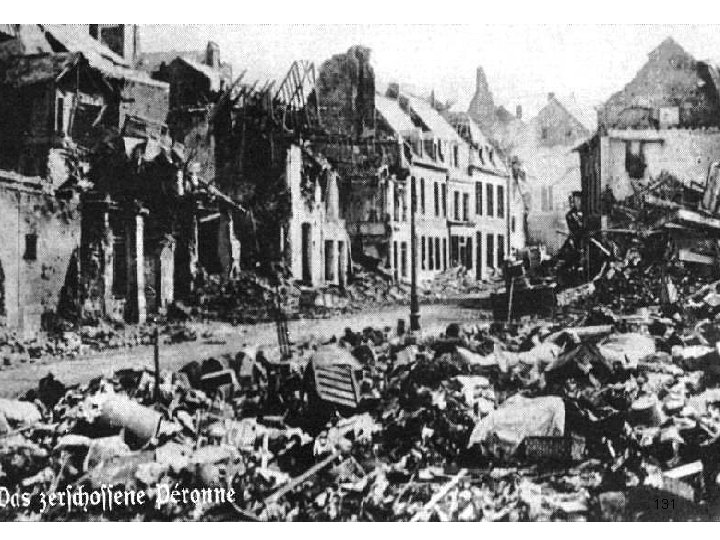
b) War devastates European economies, drained national treasuries c) Many acres of land & homes, villages, towns destroyed 126
127
128
129
130
131
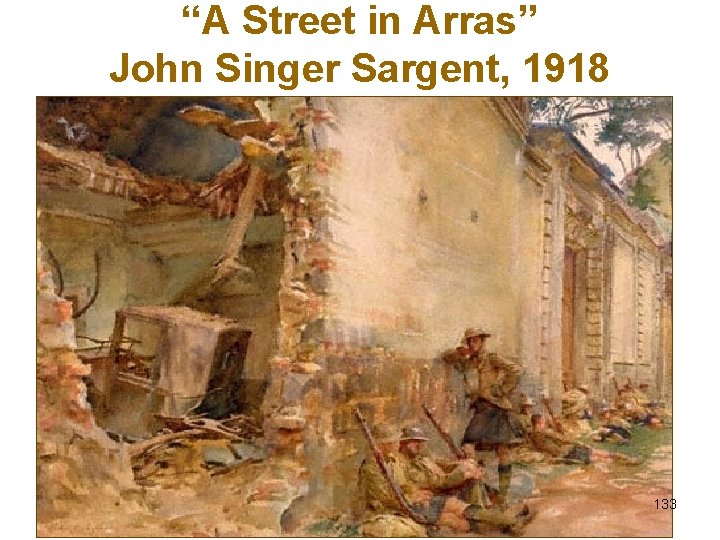
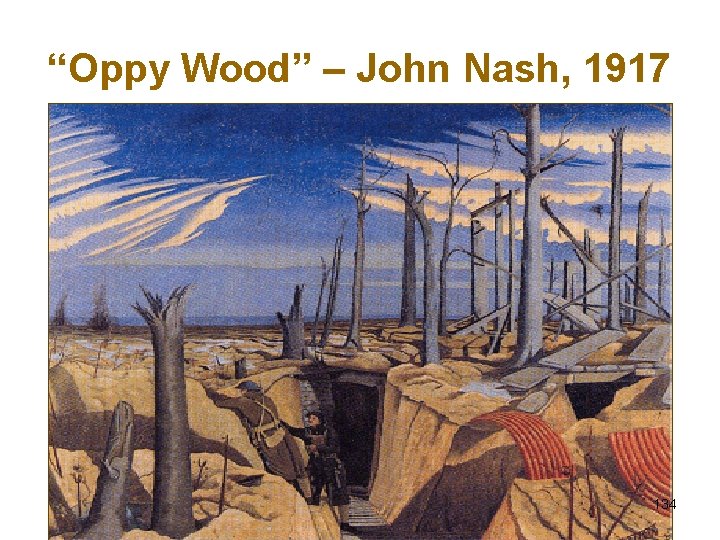
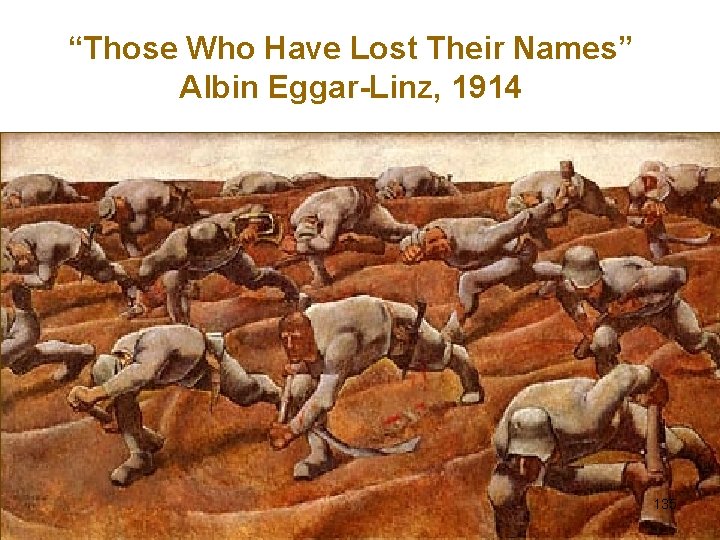
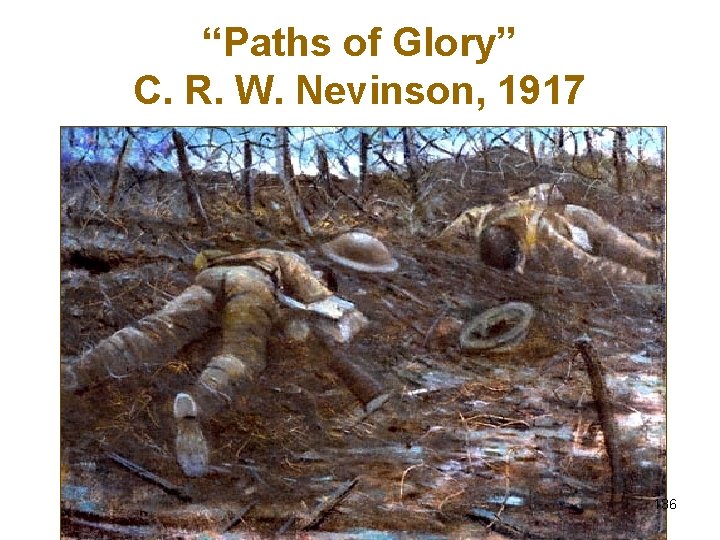
d) Survivors suffered disillusionment & despair; reflected in the arts 132
“A Street in Arras” John Singer Sargent, 1918 133
“Oppy Wood” – John Nash, 1917 134
“Those Who Have Lost Their Names” Albin Eggar-Linz, 1914 135
“Paths of Glory” C. R. W. Nevinson, 1917 136
IV. A Flawed Peace A. Setting the Stage 1. After winning the war, the Allies dictate a harsh peace settlement that leaves many nations feeling betrayed 137
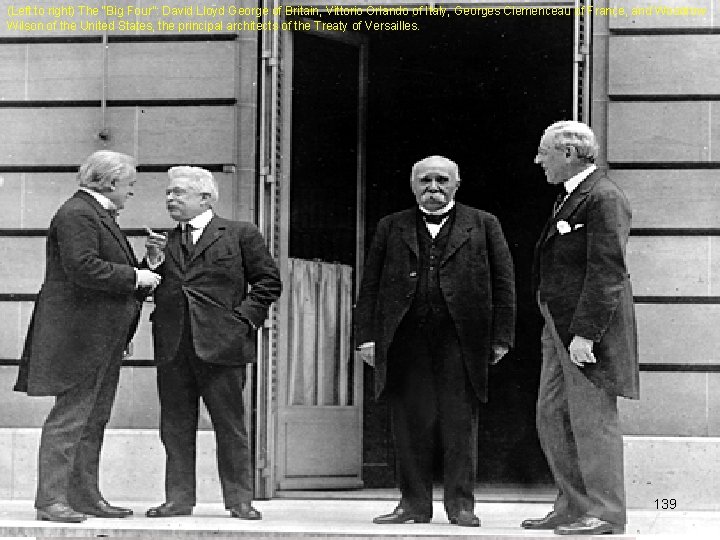
B. The Allies Meet & Debate 1. Key Leaders come together a) Group of leaders know as the Big Four dominate peace talks 1) Woodrow Wilson – US President 2) Georges Clemenceau – French ruler 3. David Lloyd George - Great Britain 4. Vittorio Orlando - Italy 138
(Left to right) The “Big Four”: David Lloyd George of Britain, Vittorio Orlando of Italy, Georges Clemenceau of France, and Woodrow Wilson of the United States, the principal architects of the Treaty of Versailles. 139
2. Wilson’s Plan for Peace a) Wilson proposed Fourteen Points 1) a plan for the postwar world 2) Outline for lasting peace 140
b) Calls for: 1) free trade 2) end to secret alliances 3) military buildups 141
c) Promotes self-determination 1) right of people to govern own nation d) Envisions international peacekeeping body to settle world disputes 142
3. The Versailles Treaty a) Britain & France oppose Wilson’s ideas; 1) Want to punish Germany 143
b) Allies, Germany sign Accord Treaty of Versailles 1919 1) Creates League of nations (a) International organization to keep peace 144
2) Treaty punished Germany 1) accepted full blame for war 2) lost substantial territory 3) severe restriction placed on military operations 4) pay reparations 145
c) League to rule German colonies until deemed ready for independence 146
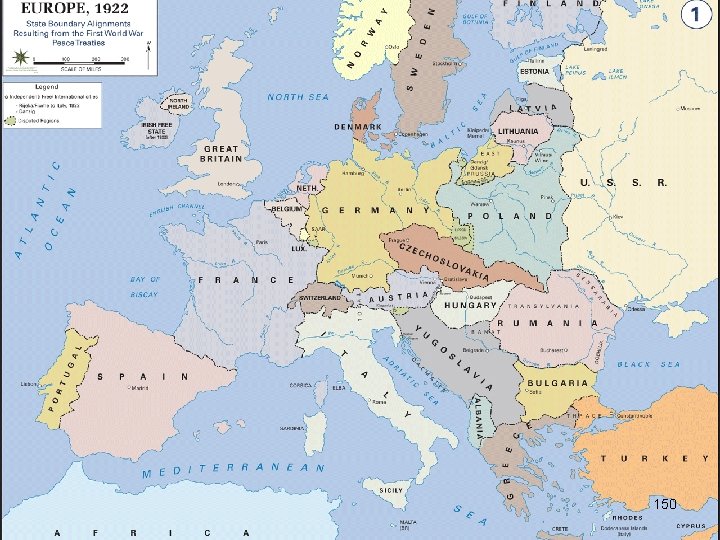
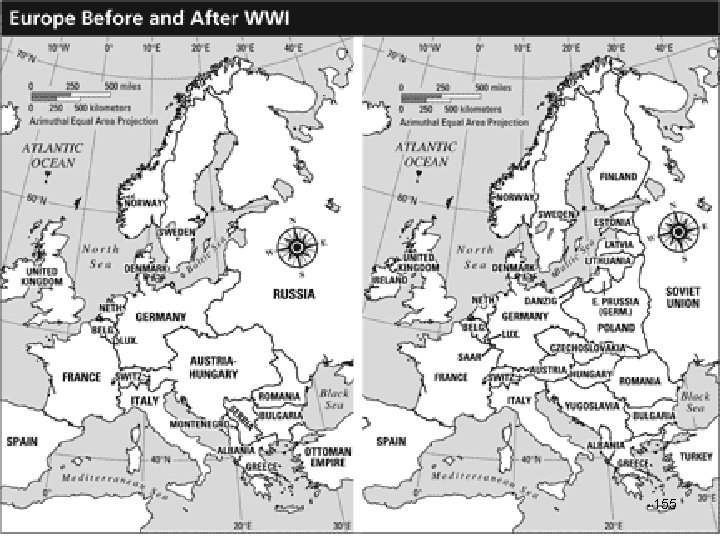
C. A Troubled Treaty 1. The Creation of New Nations a) Versailles treaty, other peace accords, change the look of Europe 147
b) Austria-Hungary, Bulgaria, Ottoman Empire all lose lands c) New countries created in Southeastern Europe; Russia gives up land 148
149
150
2. “A Peace Built on Quicksand” a) Treaty of Versailles creates feelings of bitterness on both sides b) German people feel bitter and betrayed after taking blame for war 151
c) America never signs Treaty of Versailles 1) Many Americans oppose League of Nations and involvement with Europe d) Some former colonies express anger over not winning independence 152
e) Japan & Italy criticize agreement 1) gain less land than they want 153
154
155