
CHAPTER 13 Social Behavior Person perception Attribution processes
CHAPTER 13 Social Behavior

Person perception Attribution processes Interpersonal attraction Attitudes Conformity and obedience Behavior in groups Table of Contents

Effects of physical appearance Cognitive/social schemas – Slide 4 Stereotypes Prejudice and discrimination Subjectivity in person perception Illusory correlation Evolutionary perspectives Ingroup - outgroup Table of Contents
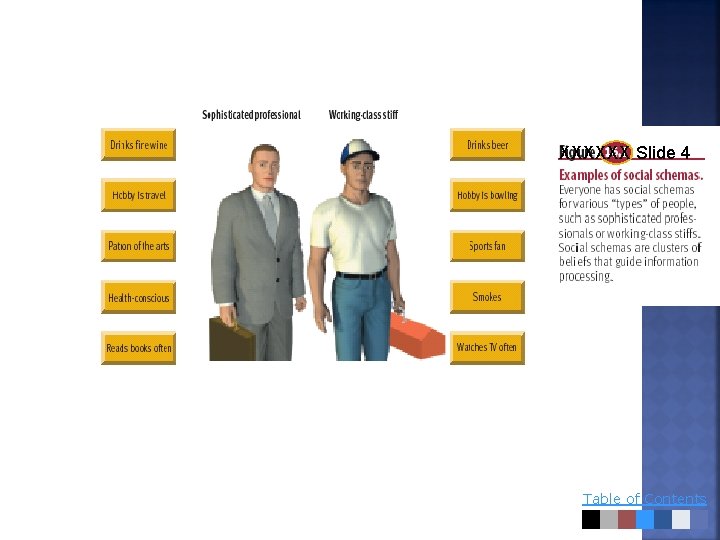
XXXXXX Slide 4 Table of Contents

Attributions Internal vs. External Kelley’s covariation model Attributions in success and failure – Figure 16. 1 Biases in attributions Fundamental attribution error - Figure 16. 2 Defensive attribution Self-serving bias – credit self for success, blame situation for failure Cultural influences Individualism – collectivism Hokotede’s rankings - Figure 16. 3 Table of Contents
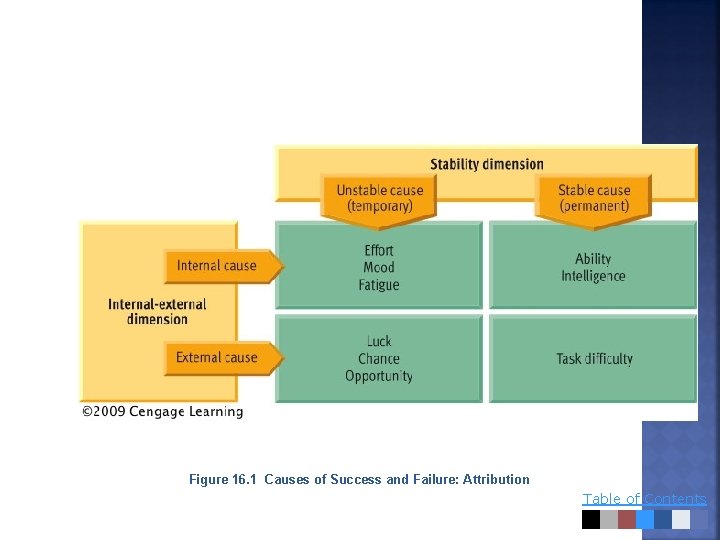
Figure 16. 1 Causes of Success and Failure: Attribution Table of Contents
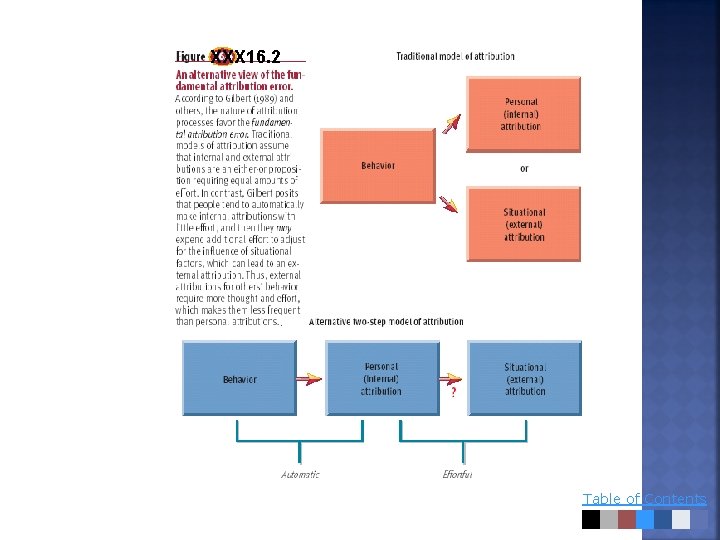
XXX 16. 2 Table of Contents
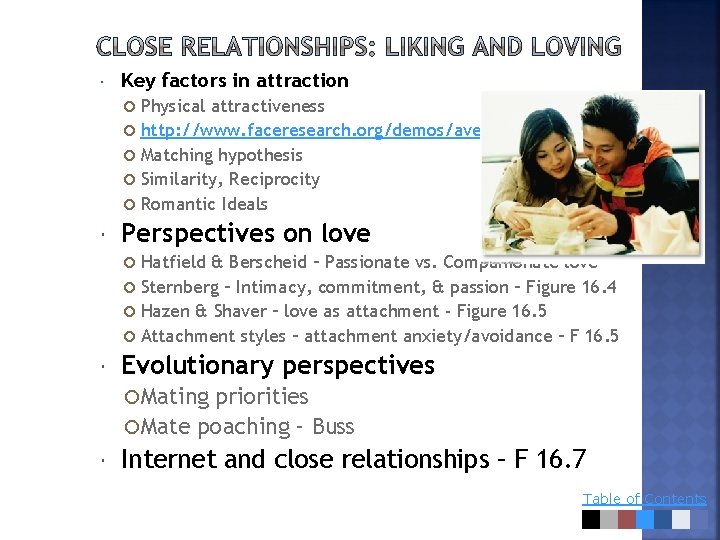
Key factors in attraction Physical attractiveness http: //www. faceresearch. org/demos/average Matching hypothesis Similarity, Reciprocity Romantic Ideals Perspectives on love Hatfield & Berscheid – Passionate vs. Companionate love Sternberg – Intimacy, commitment, & passion – Figure 16. 4 Hazen & Shaver – love as attachment - Figure 16. 5 Attachment styles – attachment anxiety/avoidance – F 16. 5 Evolutionary perspectives Mating priorities Mate poaching – Buss Internet and close relationships – F 16. 7 Table of Contents
Facial Averaging and Physical Attractiveness Instructions and Background This is a little demonstration in which you generate several examples of average faces from the several that are given at this web address: http: //www. faceresearch. org/demos/average 1. Click on any four female or male faces, and form your impression of the attractiveness of the composite (average) face. 2. Press "reset. " Now click on any ten female or male faces, and form your impressions now. 3. Do it one more time; this time using a very large number of faces to make your composite. 4. You should observe increasing attractiveness the more faces are used to form your composite face. 5. I hope you had fun with this. Table of Contents
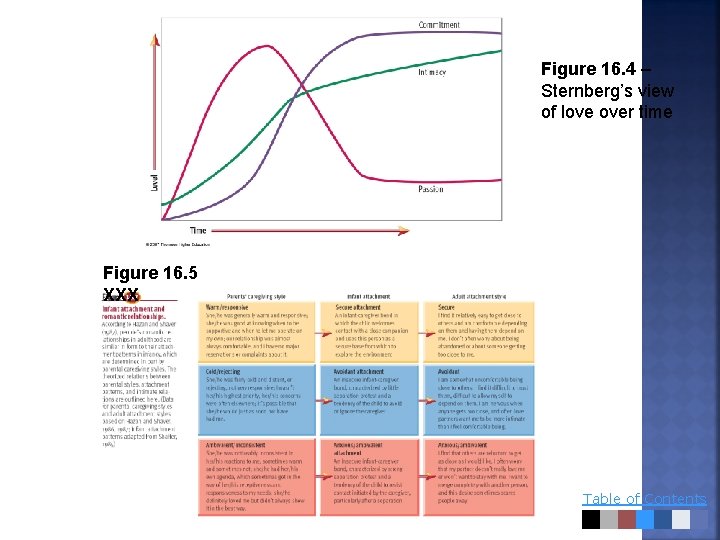
Figure 16. 4 – Sternberg’s view of love over time Figure 16. 5 XXX Table of Contents
3 components cognitive, affective, and behavioral – Figure 16. 8 Factors in changing attitudes persuasion source, message, channel, and receiver – Figure 16. 9 Theories of attitude change Learning theory Classical conditioning and advertising – Figure 16. 10 Dissonance theory – Festinger & Carlsmith (1959) – Figure 16. 11 Self-perception theory – Figure 16. 12 Elaboration likelihood model – Figure 16. 13 Table of Contents
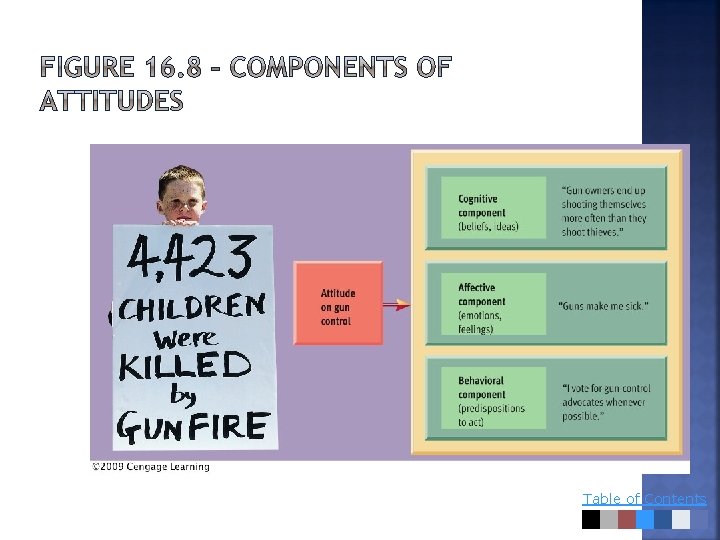
Table of Contents
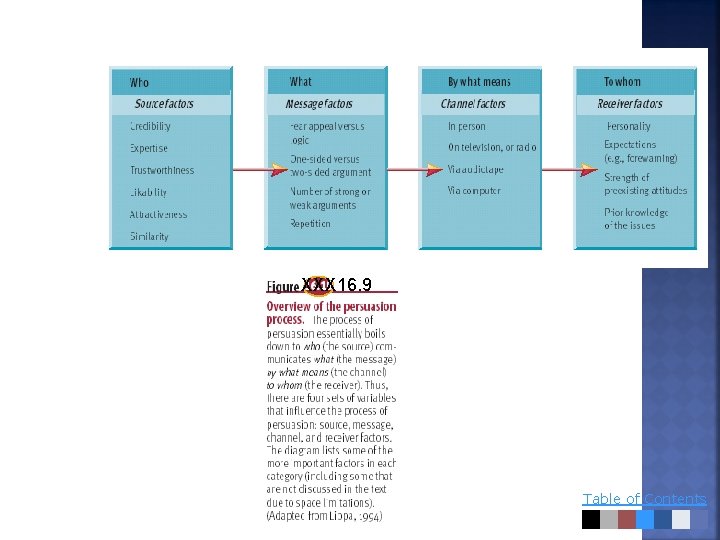
XXX 16. 9 Table of Contents
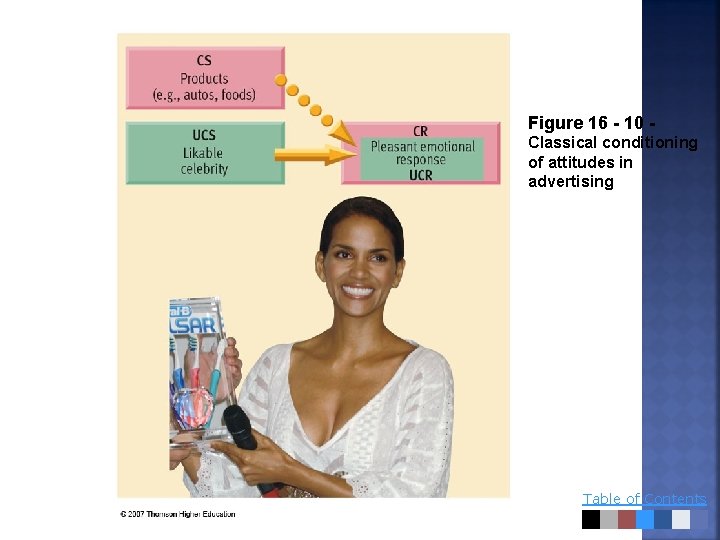
Figure 16 - 10 Classical conditioning of attitudes in advertising Table of Contents
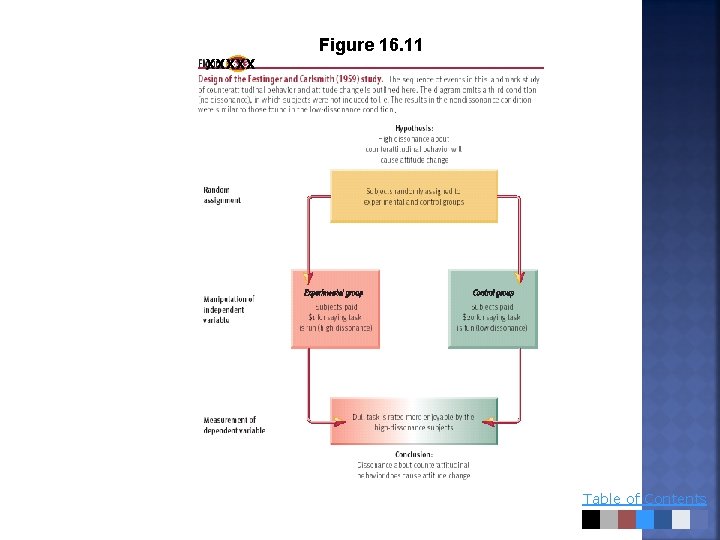
xxxxx Figure 16. 11 Table of Contents
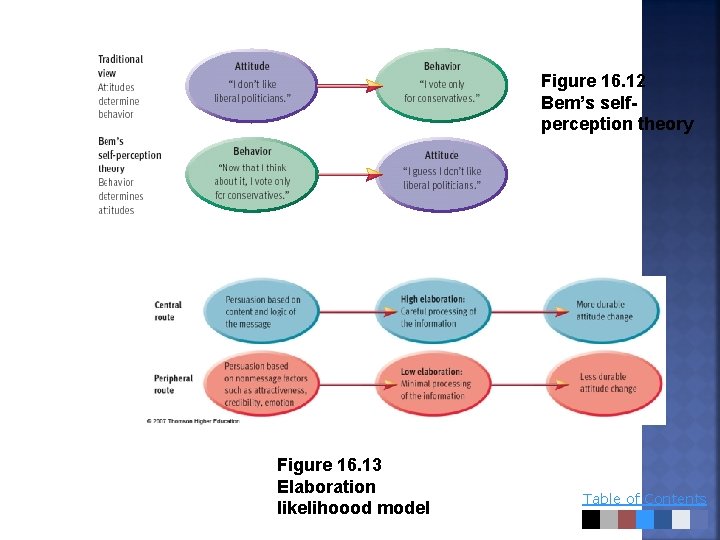
Figure 16. 12 Bem’s selfperception theory Figure 16. 13 Elaboration likelihoood model Table of Contents
Conformity – Solomon Asch (1950 s) Group norm behavior Classic experiment - Figure 16. 14 Group size – increased conformity until 4 in incorrect group then level, Figure 16. 15 Group unanimity Compliance Conforming to requested behavior Foot-in-door Door-in-the-face Table of Contents
Obedience – Stanley Milgram (1960 s) Controversial “I landmark experiment – Figure 16. 16 65% gave highest shock level Many variations of basic experiment was just following orders” presence of a dissenter Table of Contents
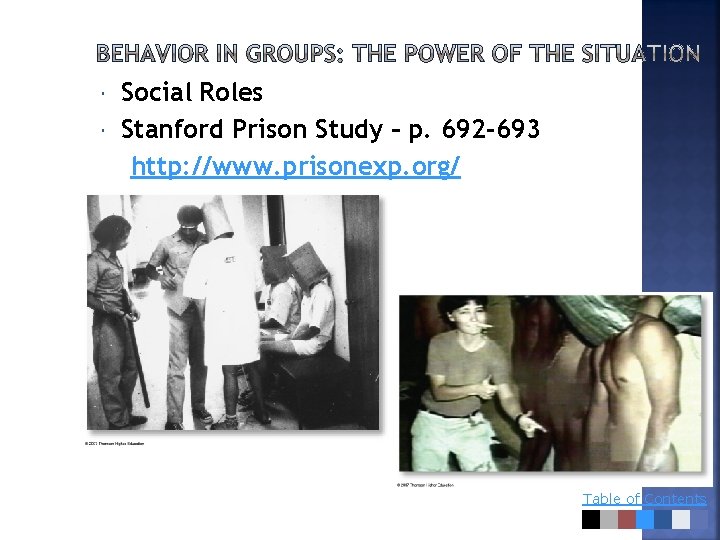
Social Roles Stanford Prison Study – p. 692 -693 http: //www. prisonexp. org/ Table of Contents
The bystander effect - Darley and Latane (1968) Diffusion of responsibility Group productivity and social loafing – Figure 16. 17 Decision making in groups Group Polarization - Figure 16. 18 Groupthink Bay of Pigs NASA Shuttle disaster Table of Contents
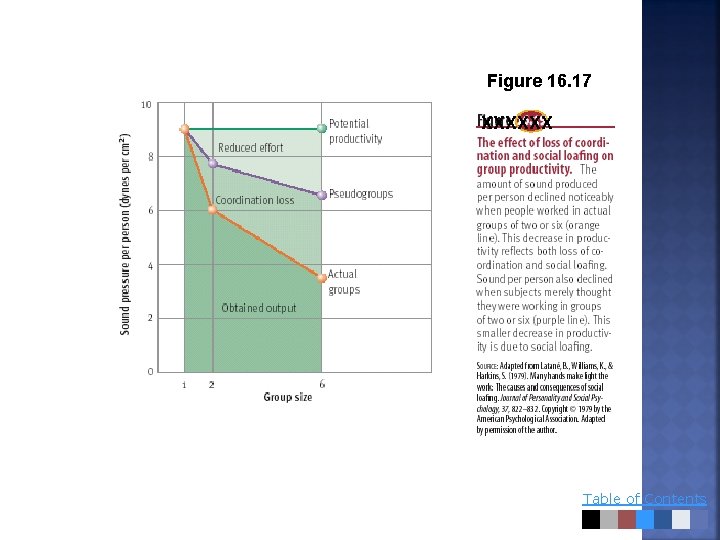
Figure 16. 17 XXXXXX Table of Contents
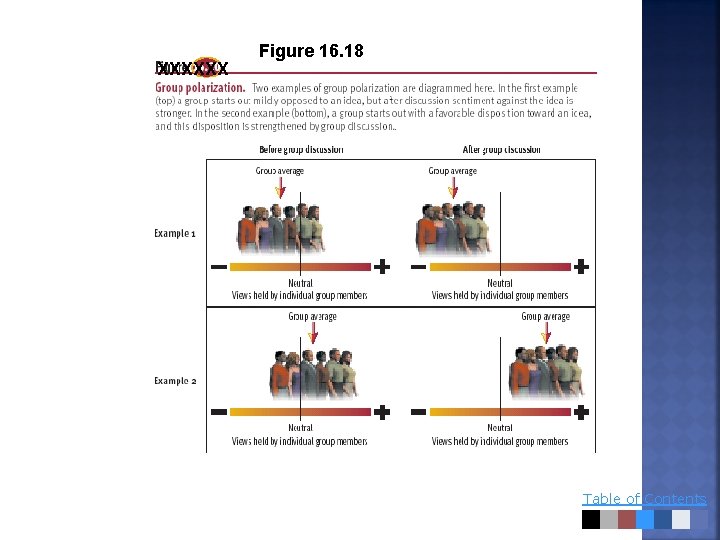
XXXXXX Figure 16. 18 Table of Contents
Prejudice as an attitude – Figure 16. 19 Prejudice and discrimination – Figure 16. 20 Bias attribution of success and failure – Figure 16. 21 Group competition – Sherif et al. (1961) study – field experiment Ingroups and outgroups Threats to social identity – Figure 16. 22 Table of Contents
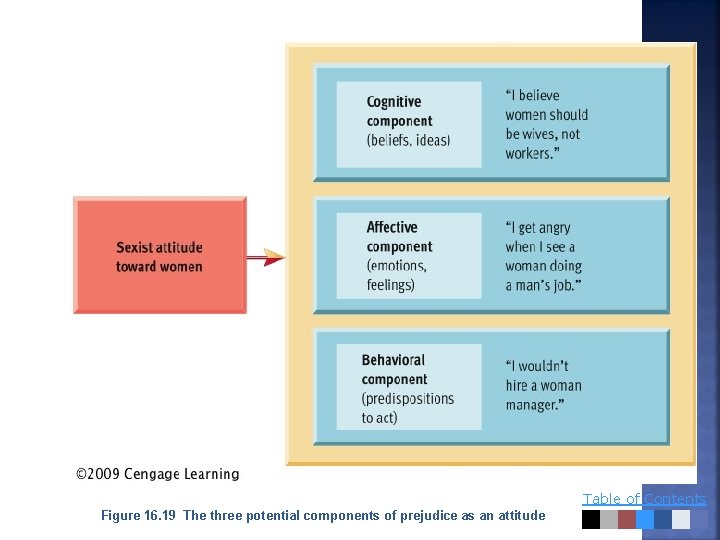
Table of Contents Figure 16. 19 The three potential components of prejudice as an attitude
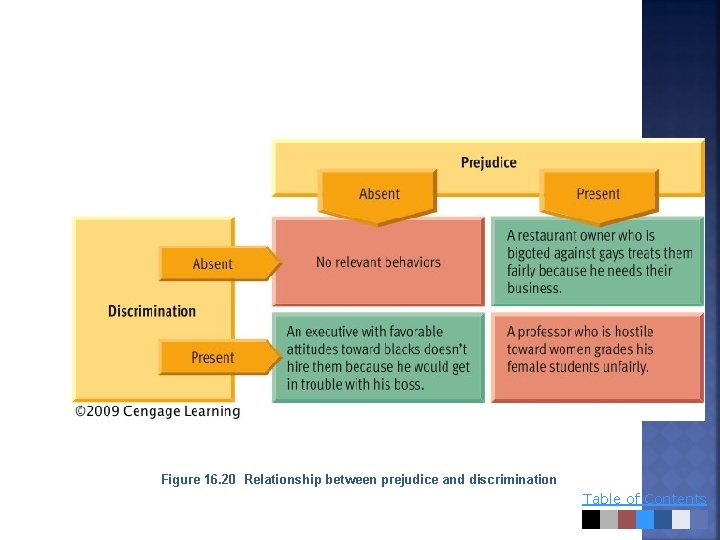
Figure 16. 20 Relationship between prejudice and discrimination Table of Contents
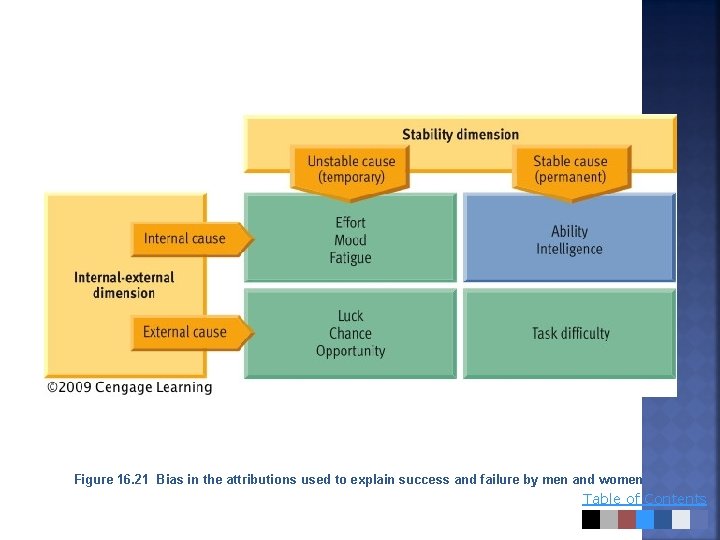
Figure 16. 21 Bias in the attributions used to explain success and failure by men and women Table of Contents
- Slides: 26