
Chapter 13 Psychological Disorders Abnormal Behavior The medical
Chapter 13: Psychological Disorders
Abnormal Behavior • The medical model • What is abnormal behavior? – Deviant – Dysfuntional/Maladaptive – Distressing

Psychodiagnosis: The Classification of Disorders • American Psychiatric Association • Diagnostic and Statistical Manual of Mental Disorders – 4 th ed. rev. (DSM – IV-TR)
Psychological Disorders • Not uncommon – 26% in a given year, 46% in a lifetime. • Cultural – What is accepted in one culture, may not be in another • Not Dangerous – Most people who suffer from a disorder are not dangerous.

Five Axes • Axis I – Clinical Syndromes • Axis II – Personality Disorders or Mental Retardation • Axis III – General Medical Conditions • Axis IV – Psychosocial and Environmental Problems • Axis V – Global Assessment of Functioning
Important Terms • Diagnosis – Identification of a disorder • Prognosis – Indication of the outcome of a disorder • Etiology – Apparent cause or developmental history of a disorder.
Anxiety Disorders • Generalized anxiety disorder – “free-floating anxiety” • Phobic disorder – Specific focus of fear • Panic disorder and agoraphobia • Obsessive compulsive disorder – Obsessions – Compulsions • Posttraumatic Stress Disorder
Etiology of Anxiety Disorders • Biological factors – Genetic predisposition – GABA circuits in the brain • Conditioning and learning – Acquired through classical conditioning – Maintained through operant conditioning • Cognitive factors – Judgments of perceived threat • Stress/Adverse experiences—a precipitator
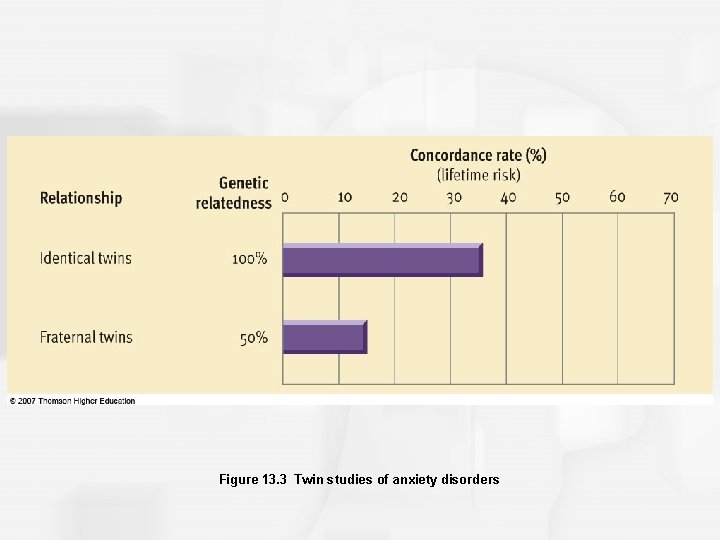
Figure 13. 3 Twin studies of anxiety disorders
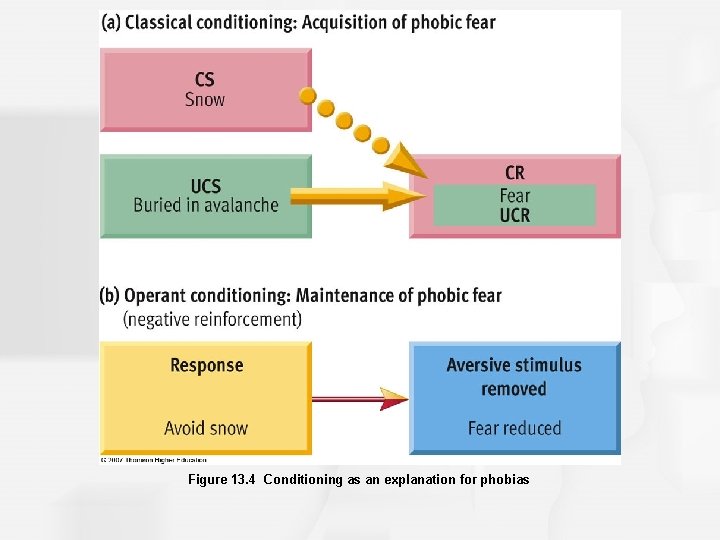
Figure 13. 4 Conditioning as an explanation for phobias
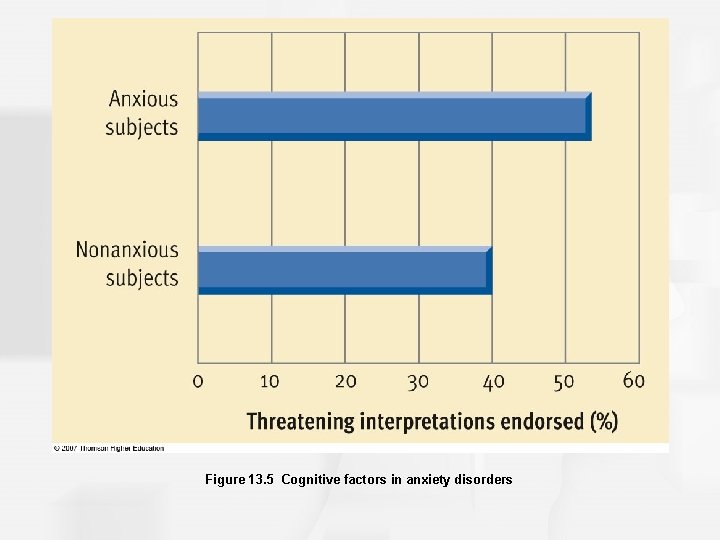
Figure 13. 5 Cognitive factors in anxiety disorders
Somatoform Disorders • Somatization Disorder • Conversion Disorder • Hypochondriasis • Etiology of somatoform disorders – Cognitive factors – Personality factors – The sick role
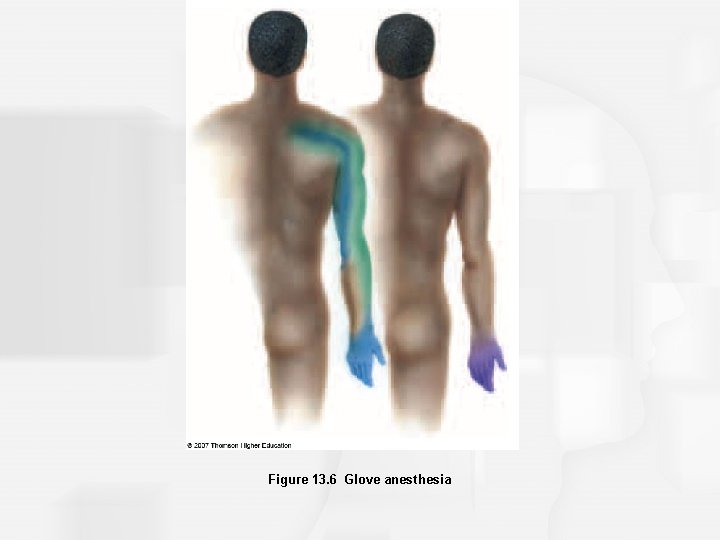
Figure 13. 6 Glove anesthesia
Dissociative Disorders • Dissociative amnesia and fugue • Dissociative identity disorder – Etiology • severe emotional trauma during childhood – Controversy • Media creation?
Mood Disorders • Major depressive disorder – Dysthymia • Bipolar disorder – Cyclothymia • Etiology – Genetic vulnerability – Neurochemical factors – Cognitive factors – Interpersonal roots – Precipitating stress
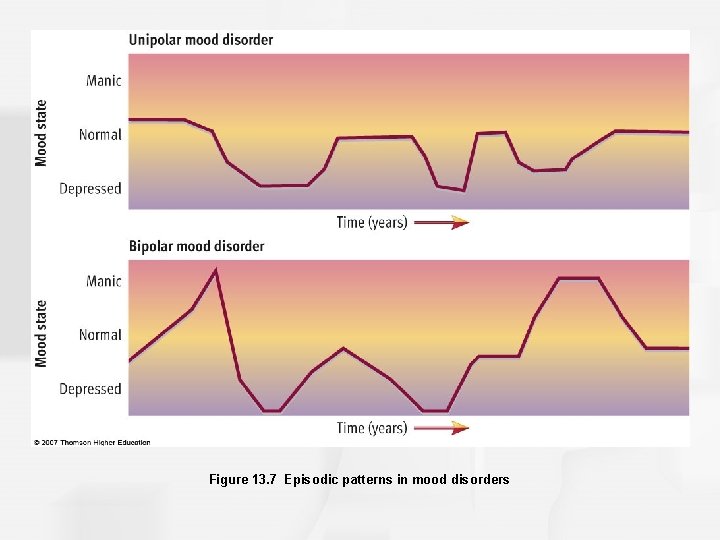
Figure 13. 7 Episodic patterns in mood disorders
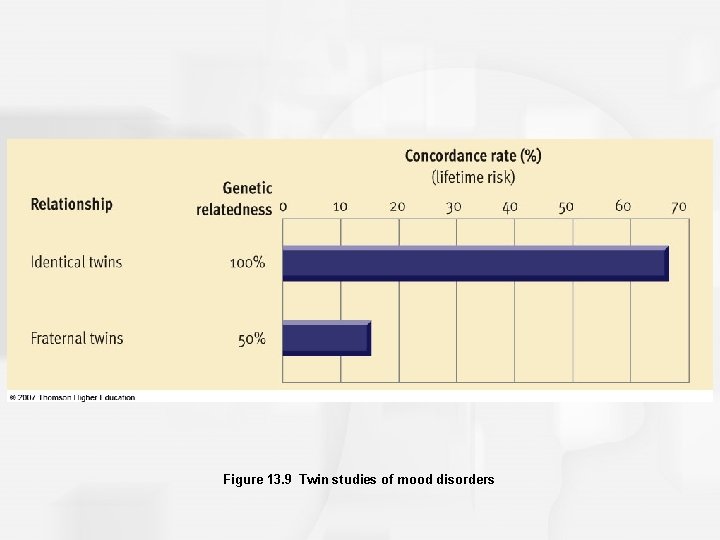
Figure 13. 9 Twin studies of mood disorders
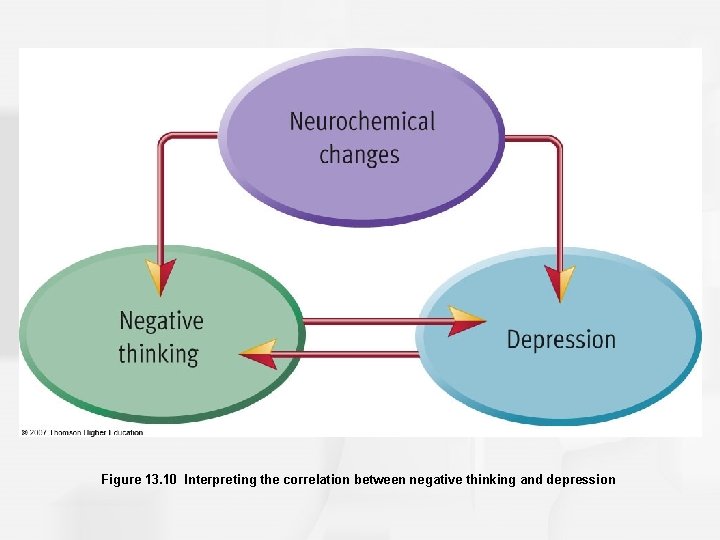
Figure 13. 10 Interpreting the correlation between negative thinking and depression
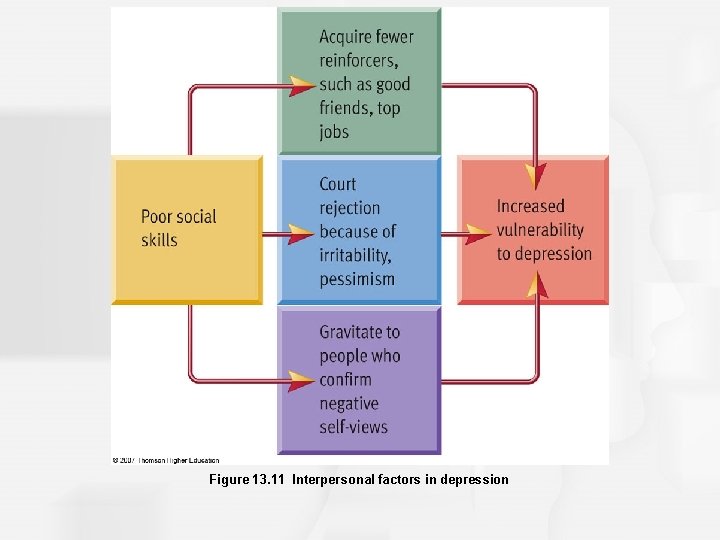
Figure 13. 11 Interpersonal factors in depression
Schizophrenia • General symptoms – Delusions and irrational thought – Deterioration of adaptive behavior – Distorted perception – Disturbed emotion
Subtyping of Schizophrenia • Four subtypes – Paranoid type – Catatonic type – Disorganized type – Undifferentiated type • New model for classification – Positive vs. negative symptoms
Etiology of Schizophrenia • Genetic vulnerability • Neurochemical factors • Structural abnormalities of the brain • The neurodevelopmental hypothesis • Expressed emotion • Precipitating stress
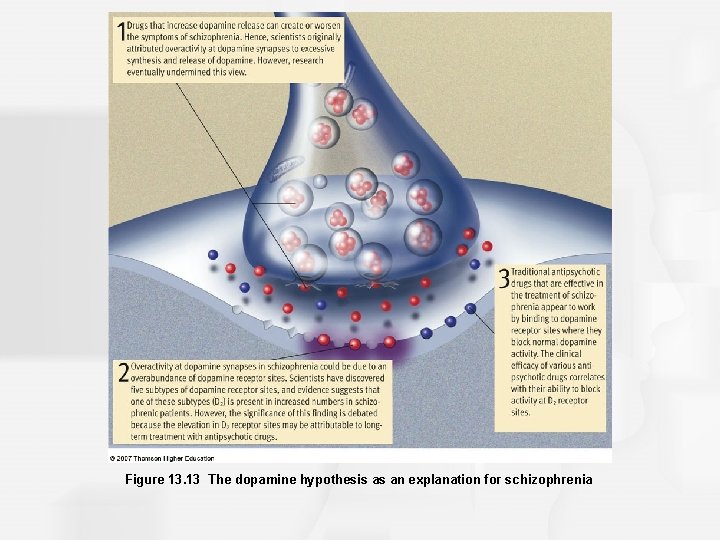
Figure 13. 13 The dopamine hypothesis as an explanation for schizophrenia
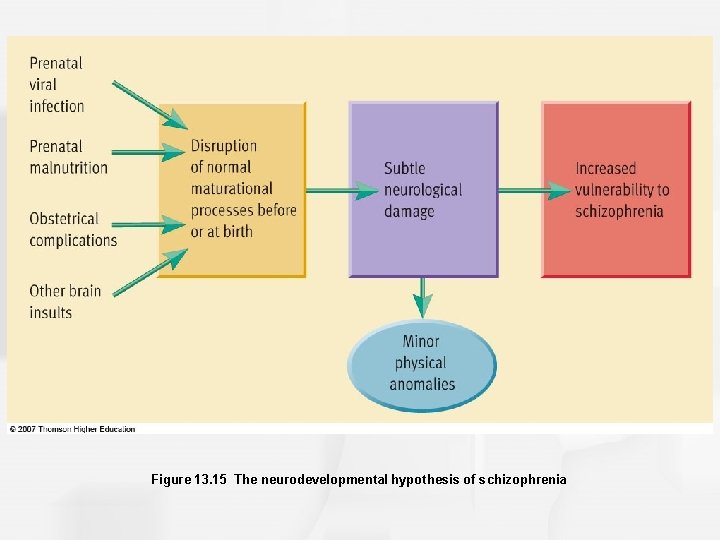
Figure 13. 15 The neurodevelopmental hypothesis of schizophrenia
- Slides: 24