
Chapter 13 Exploring the Oceans Objectives 1 List

Chapter 13 Exploring the Oceans…

Objectives: 1. List the major divisions of the global ocean. 2. Identify the properties of ocean water. 3. Describe the interactions between the ocean and the atmosphere (water cycle).

Divisions of the Global Ocean 1. Pacific Ocean – largest AND deepest 2. Atlantic Ocean 3. Indian Ocean 4. Southern Ocean 5. Arctic Ocean – smallest **Beaker Models

How Oceans Formed E Activity: How Oceans Formed About 4. 5 billion years ago, Earth was a very different place. There were no oceans. The volcanic gases began to form Earth’s atmosphere. Meanwhile, Earth was cooling. Earth cooled enough for water vapor to condense. This water began to fall as rain. The rain filled the deeper levels of Earth’s surface, and the first oceans began to form.
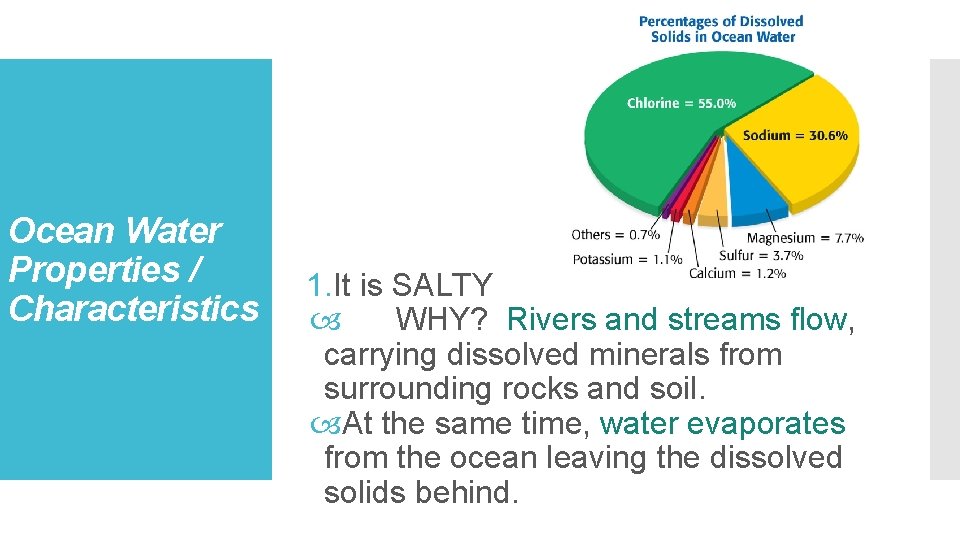
Ocean Water Properties / Characteristics 1. It is SALTY WHY? Rivers and streams flow, carrying dissolved minerals from surrounding rocks and soil. At the same time, water evaporates from the ocean leaving the dissolved solids behind.
2. Has a high SALINITY – a measure of the amount of dissolved salts or solids in a liquid. Ocean Water Properties / Characteristics 3. The Ocean CLIMATE affects salinity hotter/drier coastal water has a higher evaporation rate, thus higher salinity cooler/humid coastal water has a lower evaporation rate, thus lower salinity (FLORIDA vs MAINE)
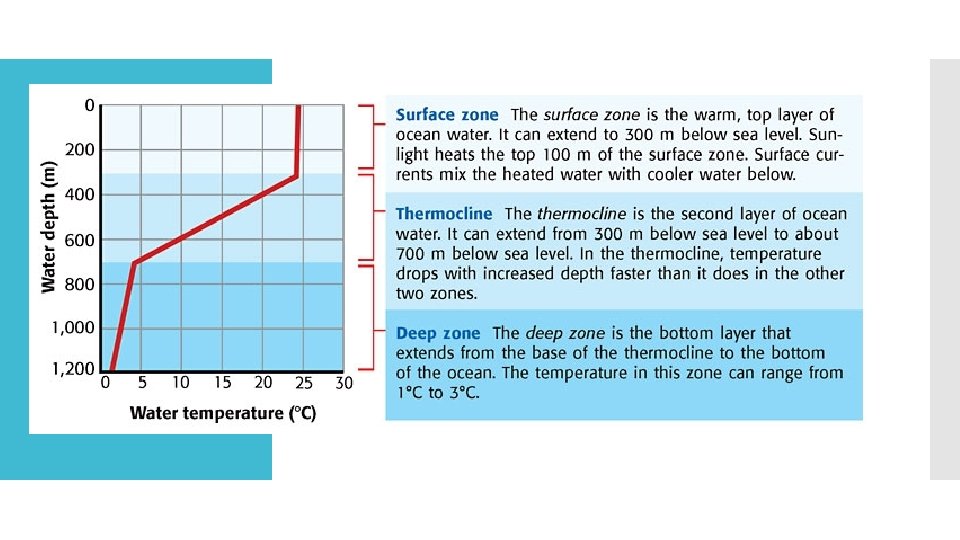
4 Ocean Water Properties / Characteristics . The Water MOVEMENT affects salinity – 1. faster moving water develops low salinity areas (ex. Mississippi enters into the Gulf) 2. slower moving water develops high salinity areas (ex. Mediterranean Sea) 5. TEMPERATURE of ocean water decreases as DEPTH increases E Activity: Factors that Affect Ocean Salinity
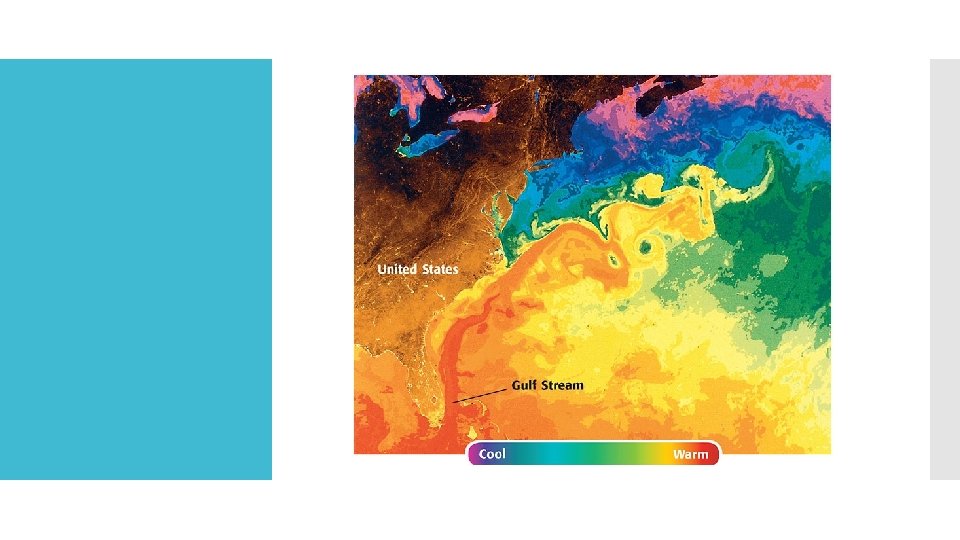
Ocean is a Global Thermostat The ocean absorbs and holds energy from sunlight. This regulates atmospheric temperatures. If the ocean did not release thermal energy so slowly, the air temperature on land would vary greatly (over 200˚ F to -200˚F)
In Summary: The global ocean is divided by the continents into five main oceans: ___________________________. The five oceans as we know them today formed within the last _____years. Salts have been added to the ocean for billions of years. _______ is a measure of the amount of dissolved salts in a given weight or mass of liquid. The three temperature zones of ocean water are the surface zone, thermocline, and the _______. The _________is the continuous movement of water from the ocean to the atmosphere to the land back to the ocean. The ocean plays the largest role in the water cycle. The ocean stabilizes Earth’s weather conditions by absorbing and holding ________ energy. Why is the ocean salty? Because fish don’t like pepper!
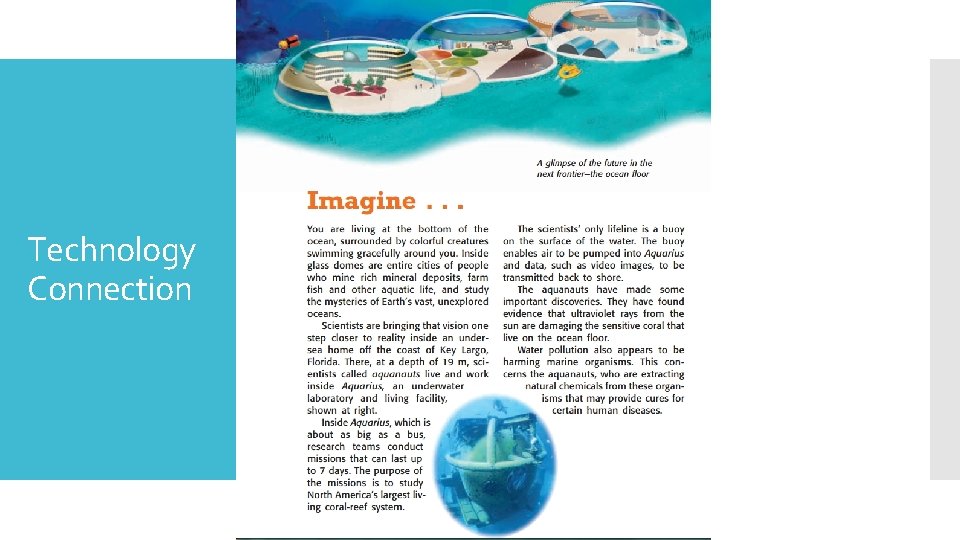
Technology Connection

Review: Use the eactivities to explain the following statements. Explain how Earth’s first oceans formed. Between which two steps of the water cycle does the ocean fit? Making Inferences Describe how the ocean plays a role in stabilizing Earth’s weather conditions. Identifying Relationships List one factor that affects salinity in the ocean and one factor that affects ocean temperatures. Explain how each factor affects salinity or temperature. Brainpop Oceans
- Slides: 13