
Chapter 13 Critical Thinking Reasoning Learning Objectives After
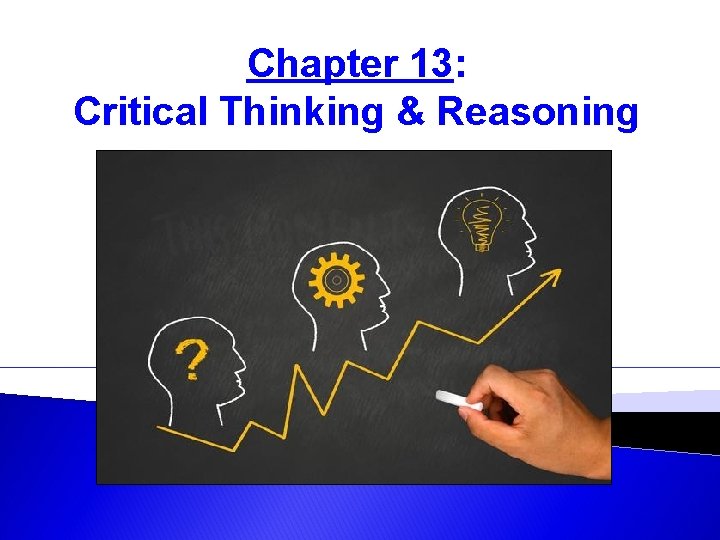
Chapter 13: Critical Thinking & Reasoning
Learning Objectives After reading your chapter, you will be able to: 1. 2. 3. 4. 5. 6. Understand explain the importance of critical thinking Identify the core skills associated with critical thinking Demonstrate the difference between deductive and inductive reasoning Construct a logically sound and well-reasoned argument Avoid the various fallacies that can arise through the misuse of logic Apply chapter concepts in final questions and activities 2
Introduction: 1. Critical Thinking Defined 2. Critical Traits & Skills 3. The Value of Critical Thinking 3
Logic & Argumentation: 1. Defining Arguments 2. Defining Deduction 3. Defining Induction 4
Understanding Fallacies: 1. Formal Fallacies 2. Informal Fallacies 5

Formal Fallacies: 1. Bad Reasons Fallacy 2. Masked Man Fallacy 3. Fallacy of Quantitative Logic 6
Informal Fallacies: 1. 2. 3. 4. Sweeping Generalization Ad Hominem Ambiguity/Equivocation Fallacies of Appeal • • Appeal to Authority Appeal to Emotion Appeal to Ignorance Appeal to Pity 5. Begging the Question 7
Informal Fallacies: 6. Black and White Fallacy 7. Fallacy of Composition 8. Fallacy of Division 9. Non causa, pro causa Fallacy 10. Red Herring Fallacy 11. Slippery Slope Fallacy 12. Strawman Fallacy 13. False/Weak Analogy 8
- Slides: 8