
Chapter 13 Achieving Energy Sustainability Energy from the
Chapter 13 Achieving Energy Sustainability
Energy from the Moon • Tidal energy • “Moon power” • • • Roosevelt Island • First commercial tidal energy plant in US (RITE) • Why is RITE good for environment? • Moving to 3 rd development phase of RITE • Downside
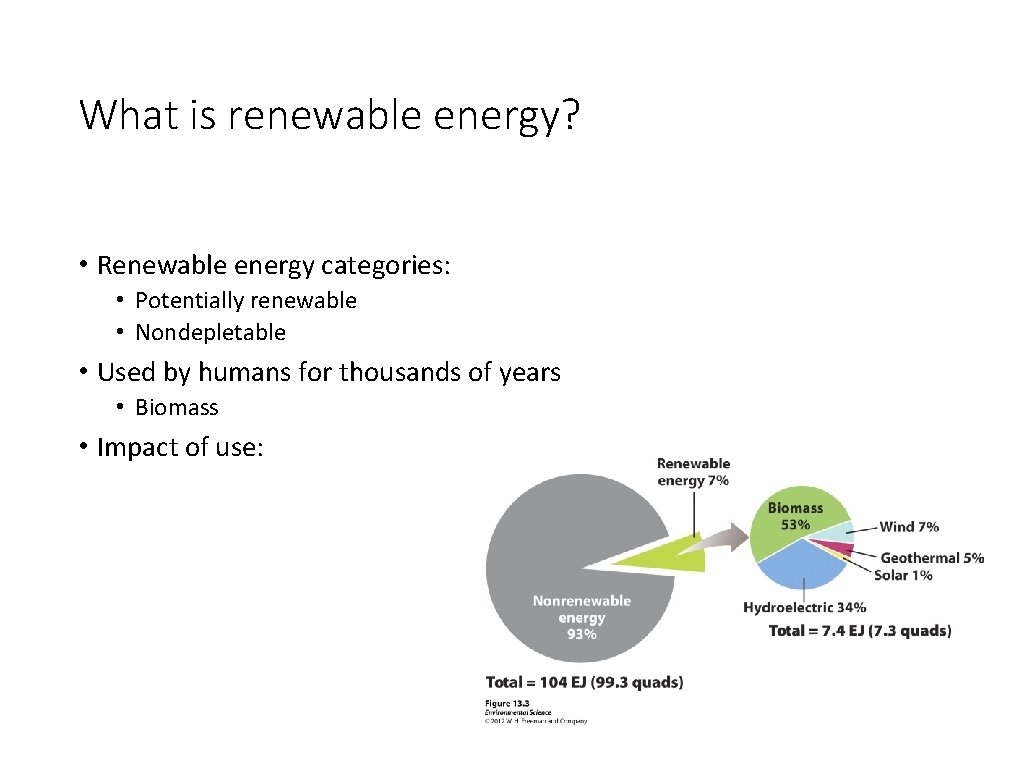
What is renewable energy? • Renewable energy categories: • Potentially renewable • Nondepletable • Used by humans for thousands of years • Biomass • Impact of use:
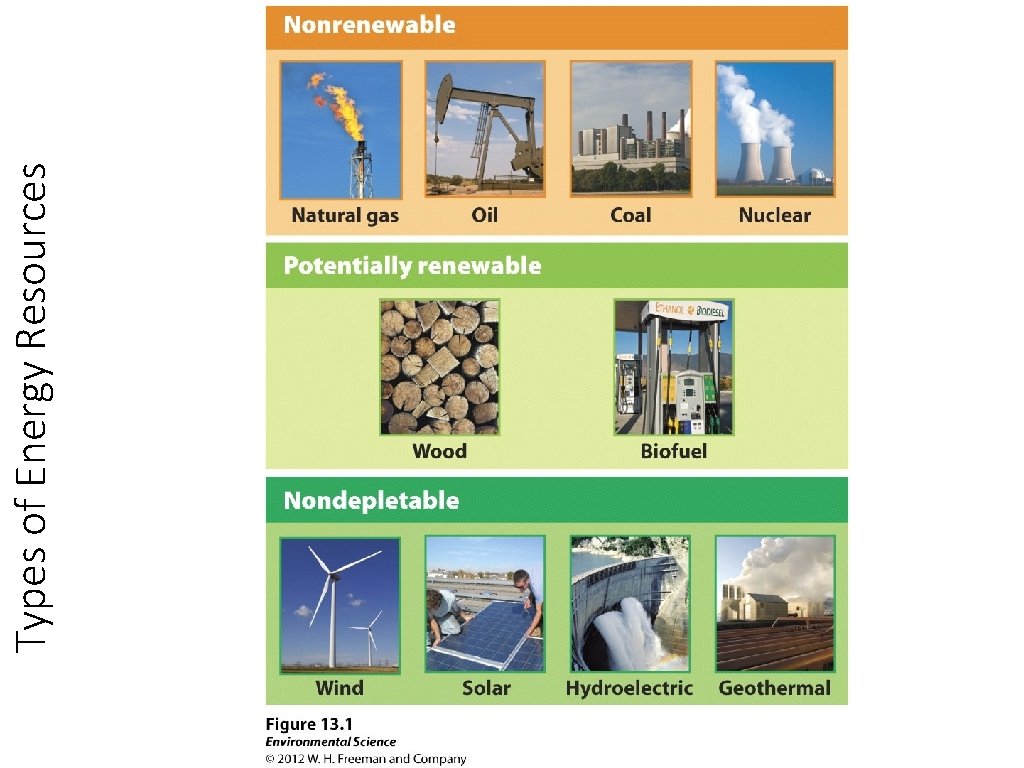
Types of Energy Resources
How can we use less energy? • Must improve both: • Energy conservation- finding ways to use less energy. • Small scale examples • Large scale examples • Tiered rate system • Energy efficiency- getting the same result from using a smaller amount of energy • Examples:

How to use less energy
Benefits of Energy Conservation and Efficiency • Especially important during peak demand • Peak demand • How to reduce use during peak demand? • • Remember ~2/3 of energy is lost as heat in a typical nuclear or fossil fuel power plant
Sustainable Design • Improving the efficiency of the buildings we live and work in • Includes: • •
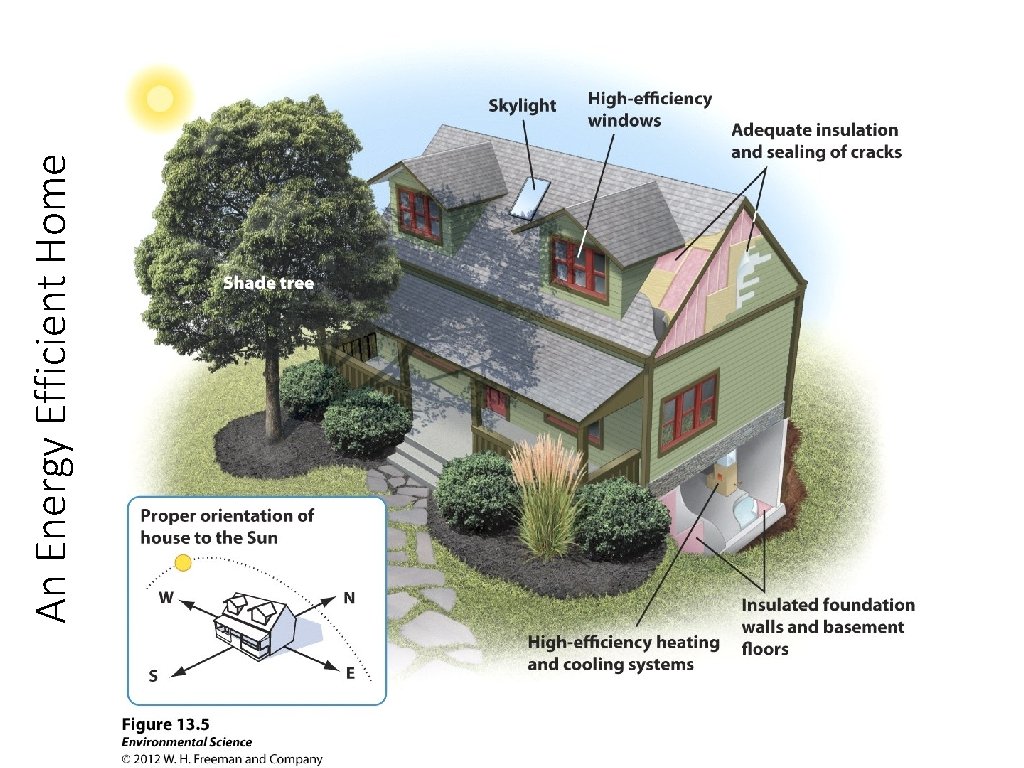
An Energy Efficient Home
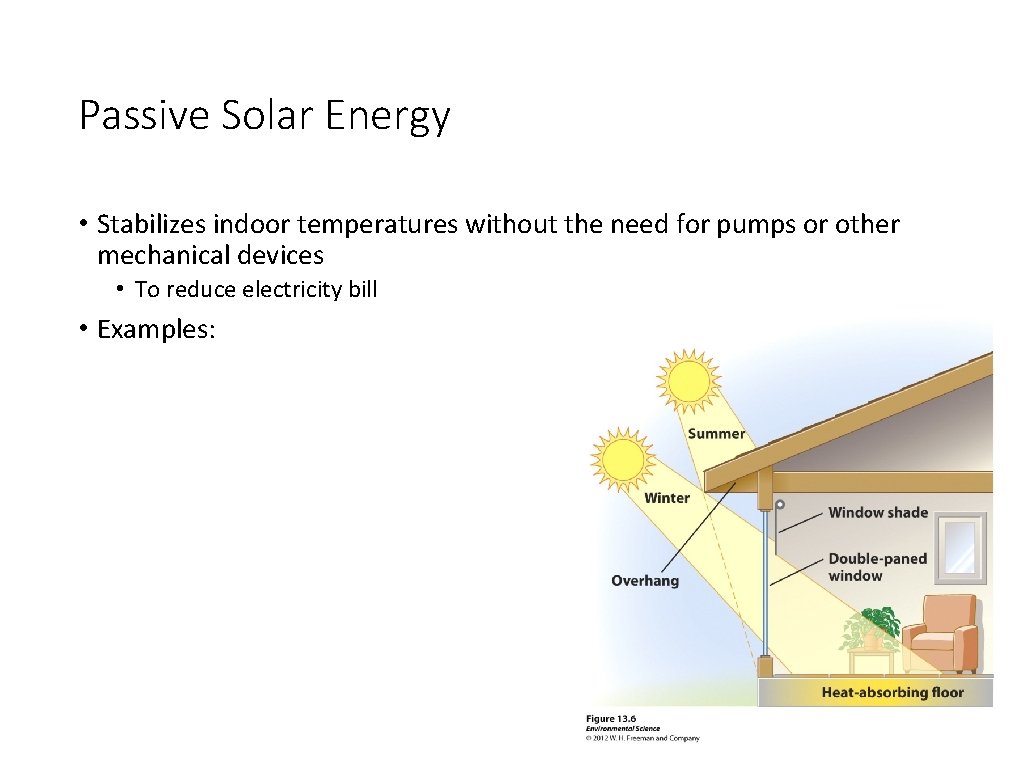
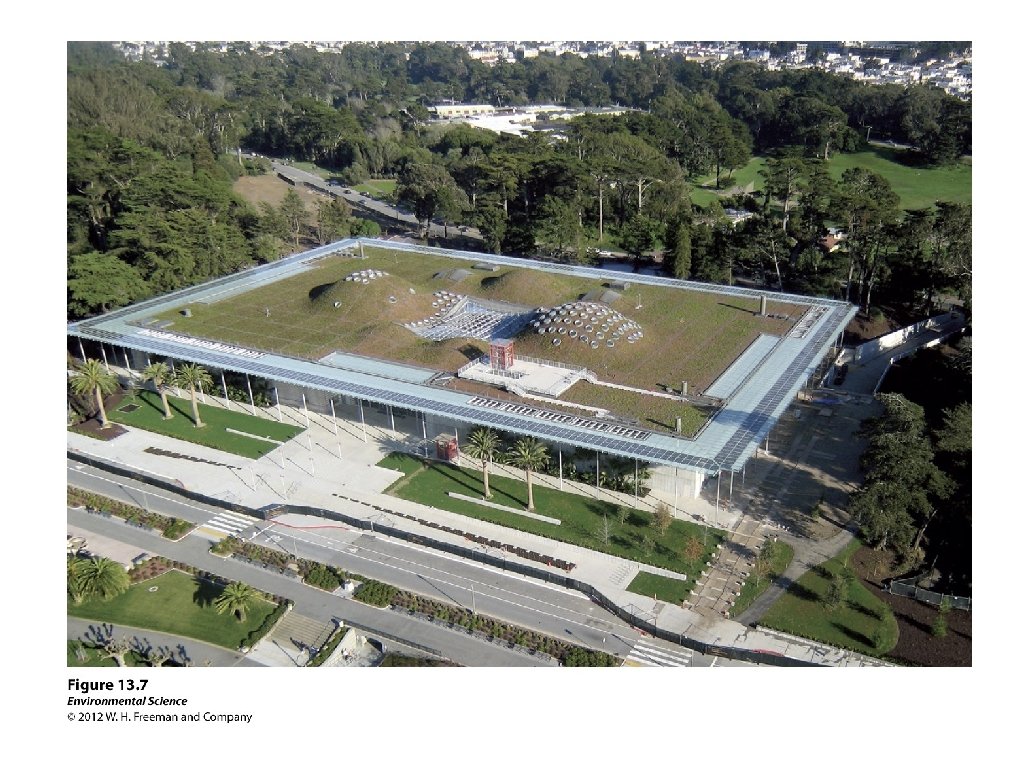
Passive Solar Energy • Stabilizes indoor temperatures without the need for pumps or other mechanical devices • To reduce electricity bill • Examples:
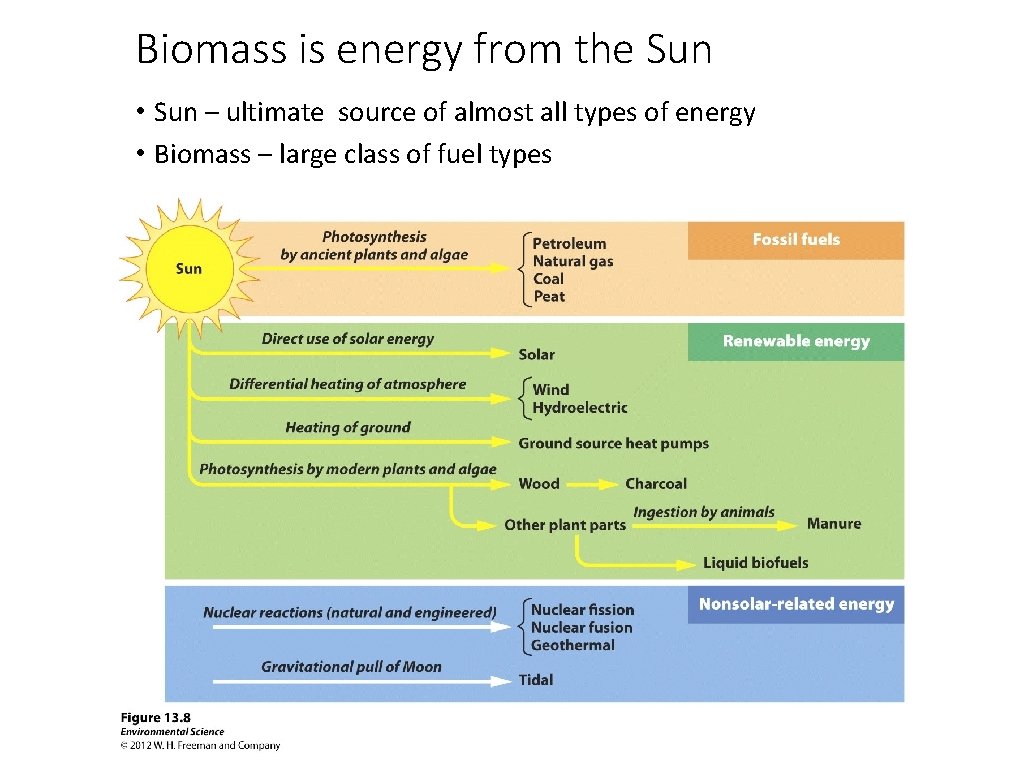
Biomass is energy from the Sun • Sun – ultimate source of almost all types of energy • Biomass – large class of fuel types
Modern Carbon vs. Fossil Carbon • Why is burning biomass such as wood is better then burning coal? • Fossil carbon – carbon in fossil fuels • Modern carbon – carbon in biomass • IN THEORY - Carbon neutral
Solid Biomass • Wood, Charcoal and Manure • Wood: • Problems: • Benefits to tree removal: • Charcoal: • How to Make Charcoal • Benefits • Animal manure: • Benefits: • Downsides
Biofuels (liquid) • Ethanol and Biodiesel – used as substitutes for gasoline and diesel fuel • Ethanol – an alcohol • Disadvantages • Alternatives • Biodiesel – substitute for regular petroleum diesel • In US – policy markers are pushing for production of biofuels as way to reduce dependence on foreign oil • 2007 • 2009
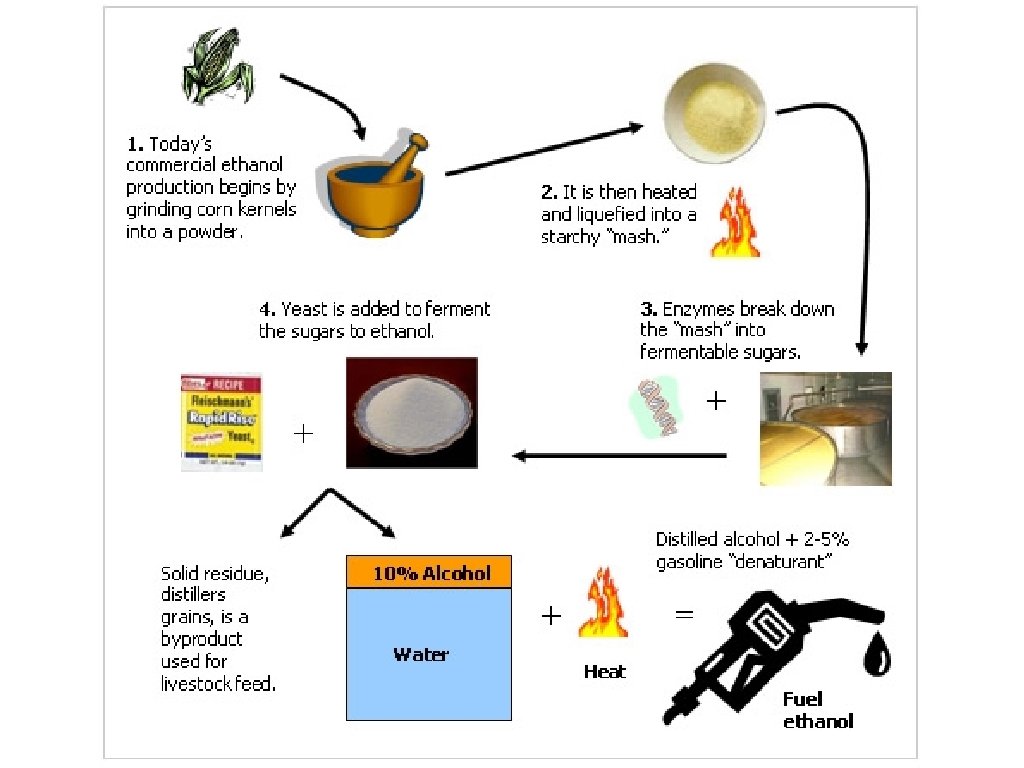
Biofuel Use • • Gasohol – fuel that is 10% ethanol, 90% gasoline Flex Fuel Vehicles – can run on gasoline or E-85 B-20 – mixture of 80% petroleum diesel and 20% biodiesel SVO – straight vegetable oil
The kinetic energy of water can generate electricity • Hydroelectricity- electricity generated by the kinetic energy of moving water • Second most common form of renewable energy in the world • China
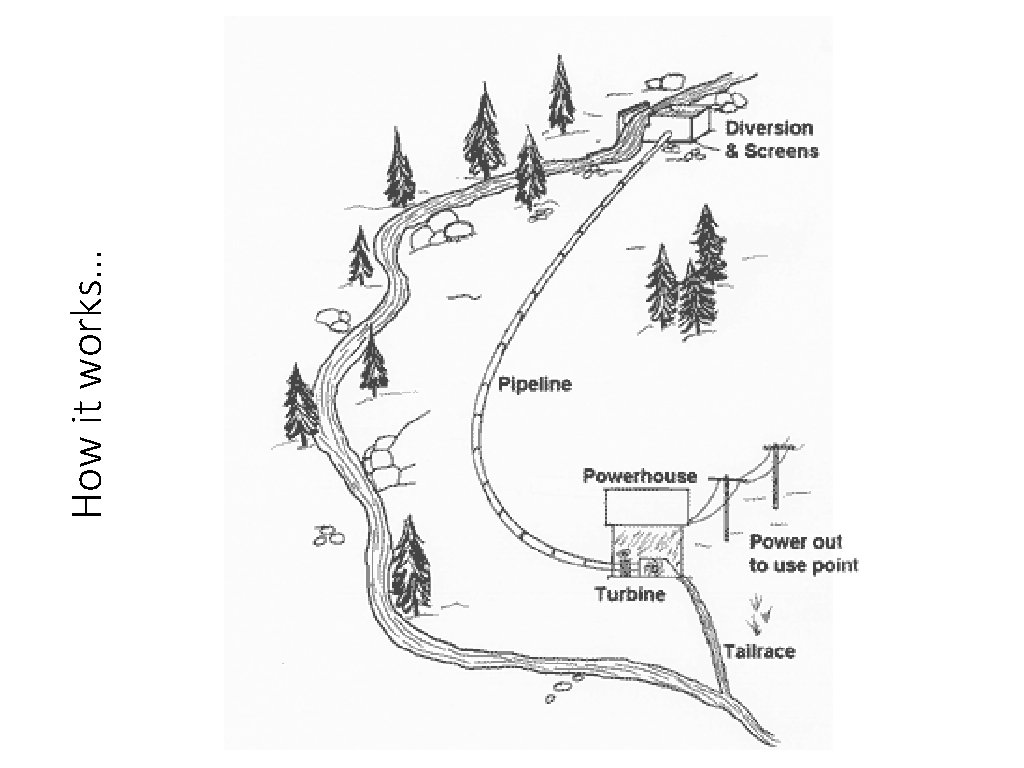
How it works…
Is Hydroelectricity Sustainable? • Expensive to build • Benefits: • Downsides: • •
The Sun’s energy can be captured directly • Passive Solar Heating – capturing the energy of sunlight without the use of mechanical devices • Active solar energy- capturing the energy of sunlight with the use of a pump or photovoltaic cell and generating electricity
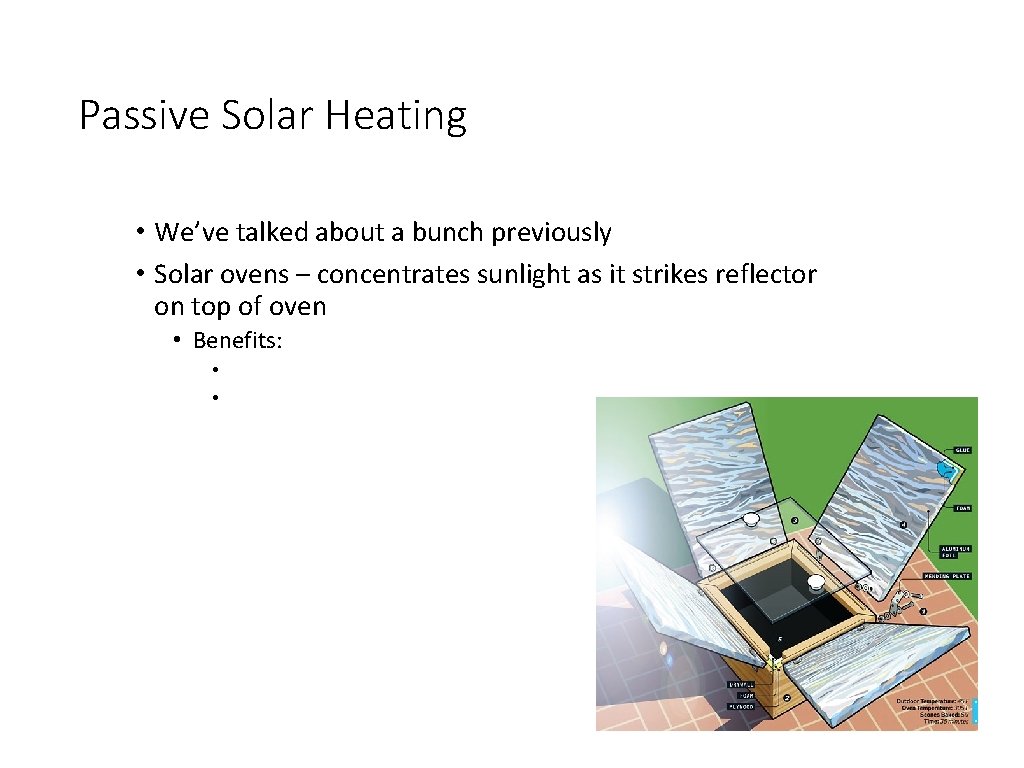
Passive Solar Heating • We’ve talked about a bunch previously • Solar ovens – concentrates sunlight as it strikes reflector on top of oven • Benefits: • •
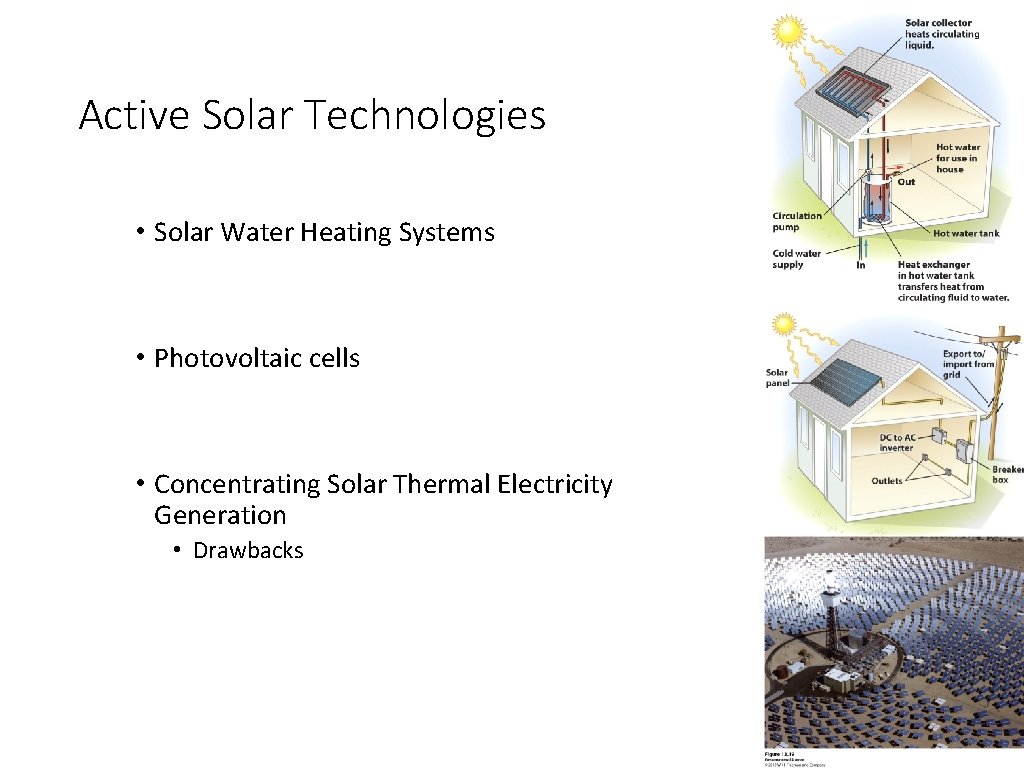
Active Solar Technologies • Solar Water Heating Systems • Photovoltaic cells • Concentrating Solar Thermal Electricity Generation • Drawbacks
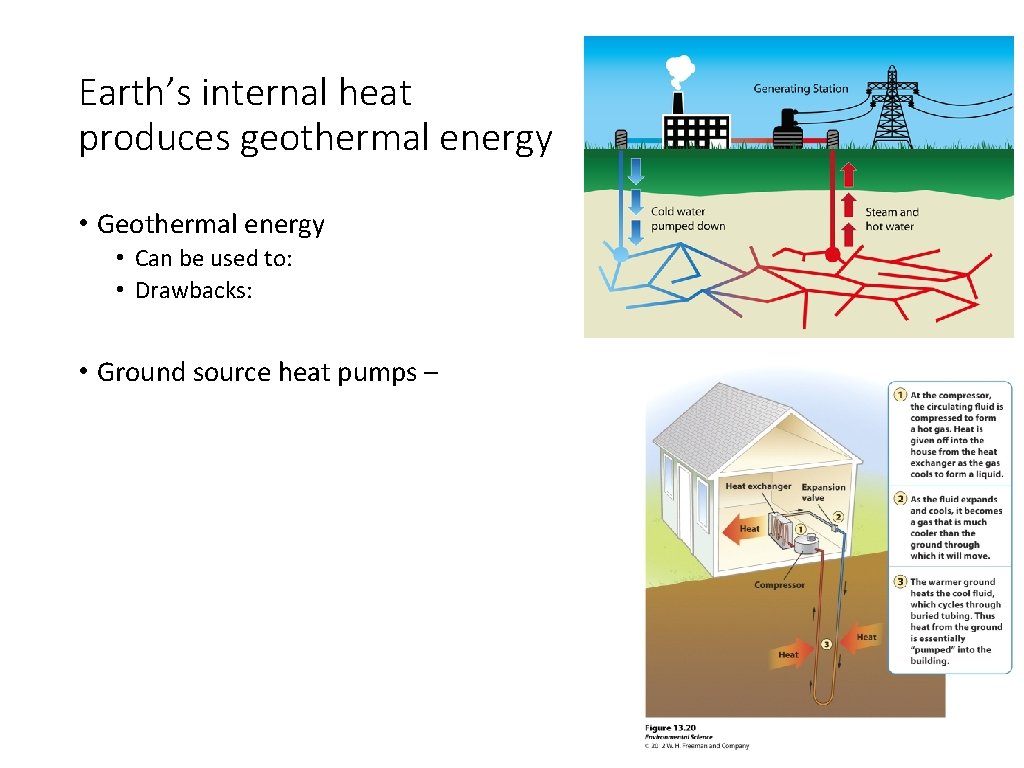
Earth’s internal heat produces geothermal energy • Geothermal energy • Can be used to: • Drawbacks: • Ground source heat pumps –
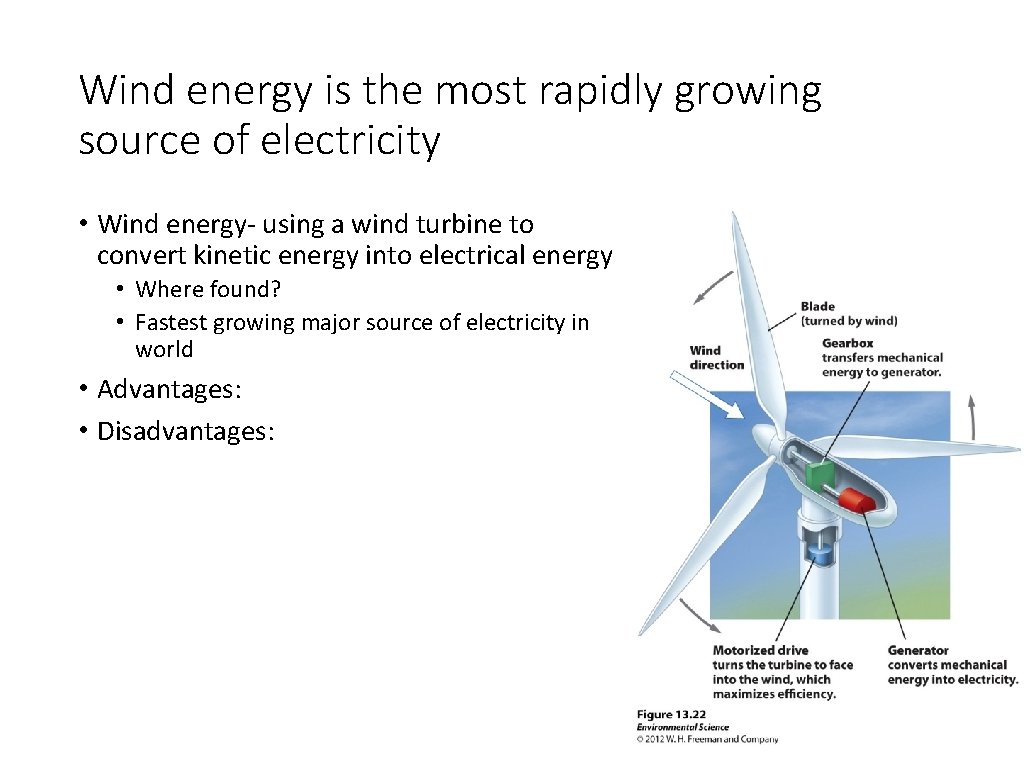
Wind energy is the most rapidly growing source of electricity • Wind energy- using a wind turbine to convert kinetic energy into electrical energy • Where found? • Fastest growing major source of electricity in world • Advantages: • Disadvantages:
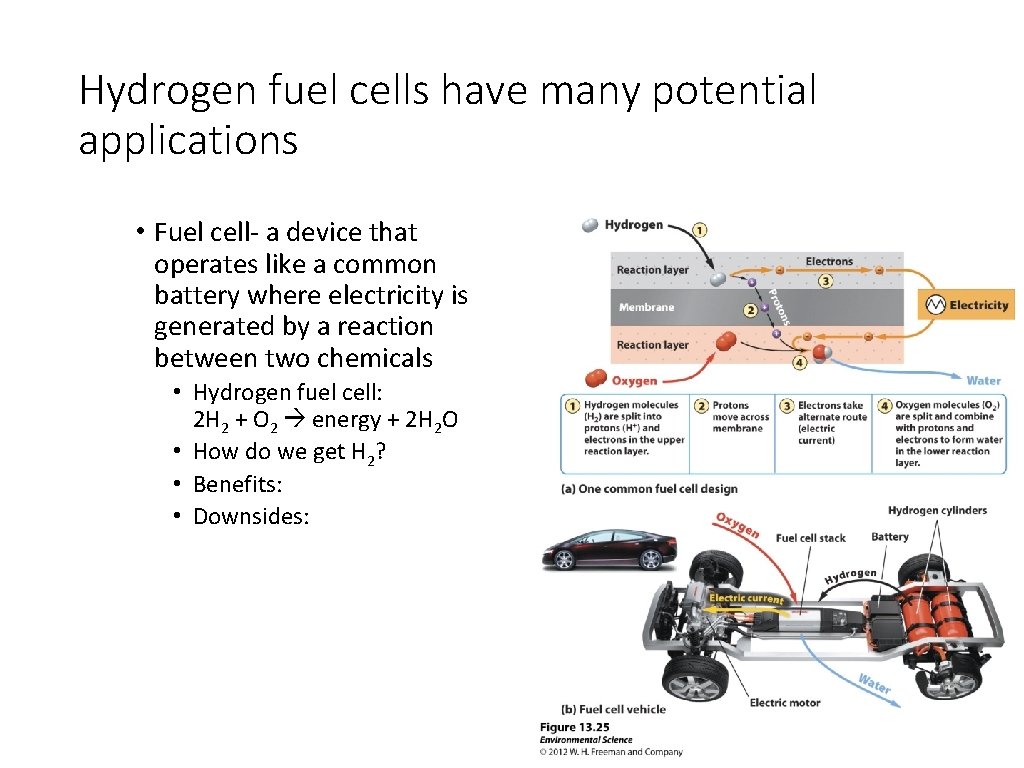
Hydrogen fuel cells have many potential applications • Fuel cell- a device that operates like a common battery where electricity is generated by a reaction between two chemicals • Hydrogen fuel cell: 2 H 2 + O 2 energy + 2 H 2 O • How do we get H 2? • Benefits: • Downsides:
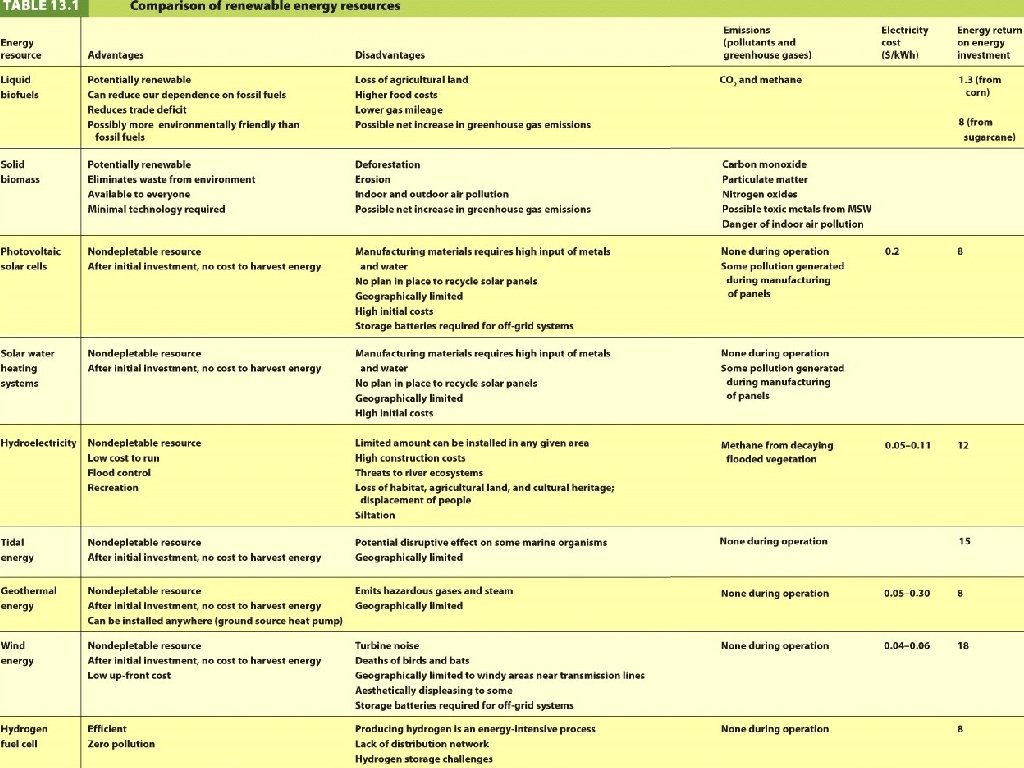
How do we plan our energy future? • Challenge of renewable energy strategy? • Improving the electrical grid • Addressing energy cost and storage
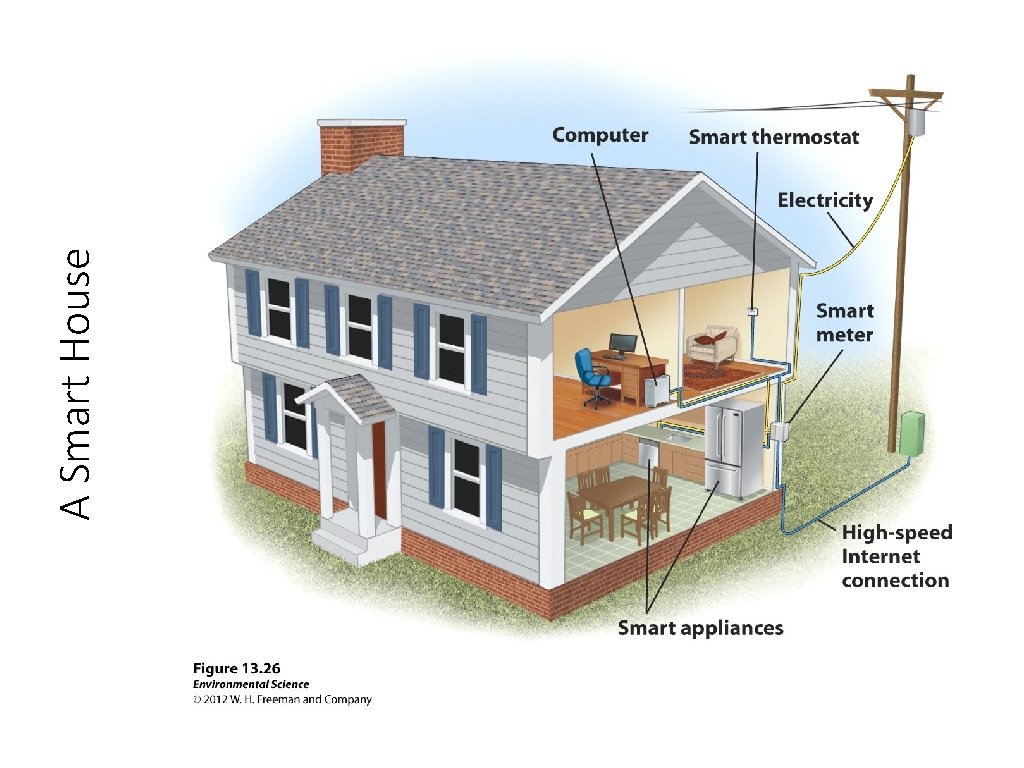
A Smart House
- Slides: 29