
Chapter 12 The Conservative Order and the Challenges

- Slides: 28
Chapter 12 “The Conservative Order and the Challenges of Reform” AP EUROPEAN HISTORY MR. RICK PURRINGTON MARSHALL HIGH SCHOOL
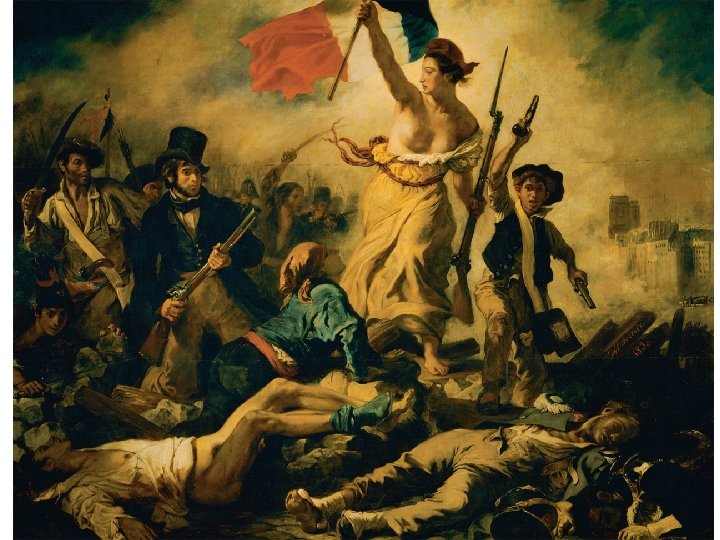
persons from different social classes and occupations joining the revolution led by the figure of Liberty. Eugène Delacroix (1798– 1863), Liberty Leading the People, 1830. Oil on canvas, 260 × 325 cm—RF 129. Musée du Louvre, Paris, France/Scala/Art Resource, NY
I. 19 th Century Political Movements A. Liberal Political Goals: 1. Put Enlightenment ideas into practice 2. Legal equality 3. Religious toleration 4. Freedom of the press 5. Written constitutions B. Nationalism 1. extreme patriotism, sense of duty for nation or ethnicity 2. people are brought together by common bonds of language, culture, geography, politics, and history 3. ‘us vs. them’ mentality results 4. Ex of Nationalism: South during U. S. Civil War Confederates
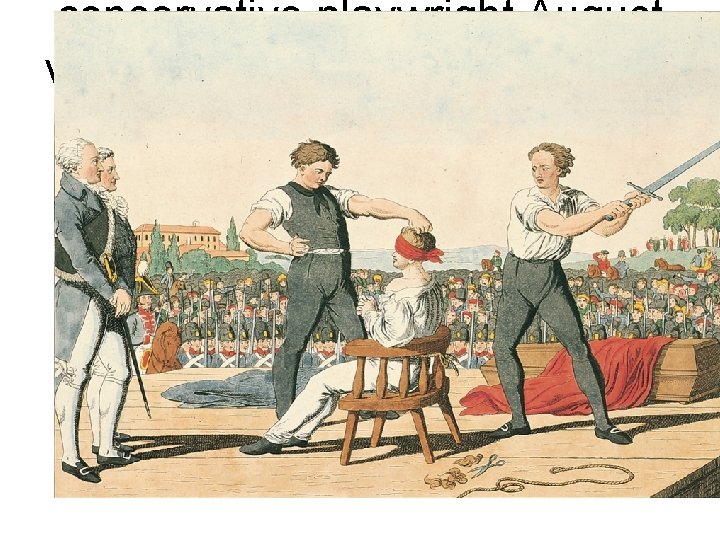
C. Conservative Political Goals: 1. maintain rule by legitimate monarchies, powerful aristocracies, and established churches 2. prevent political unrest, maintaining international peace 3. written constitutions unnecessary 4. disliked Enlightenment 5. Metternich of Au – desired “peace and quiet” - Feared spread of liberalism and nationalism 6. 1819 - The Carlsbad Decrees - rooted out rebellious ideas w/censorship and press controls in Au and southern G - Burschenschaften – G student nationalists - Karl Sand, murdered conservative author and is executed by Au authorities - Sand becomes a martyr for nationalism
conservative playwright August von Kotzebue the previous year. In the eyes of many young German nationalists, Sand was a political martyr. Bildarchiv Preussischer Kulturbesitz/Art Resource, NY
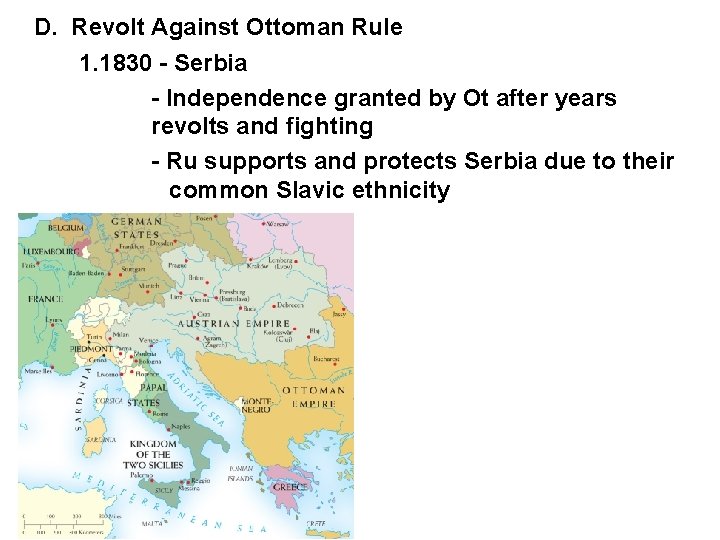
D. Revolt Against Ottoman Rule 1. 1830 - Serbia - Independence granted by Ot after years revolts and fighting - Ru supports and protects Serbia due to their common Slavic ethnicity
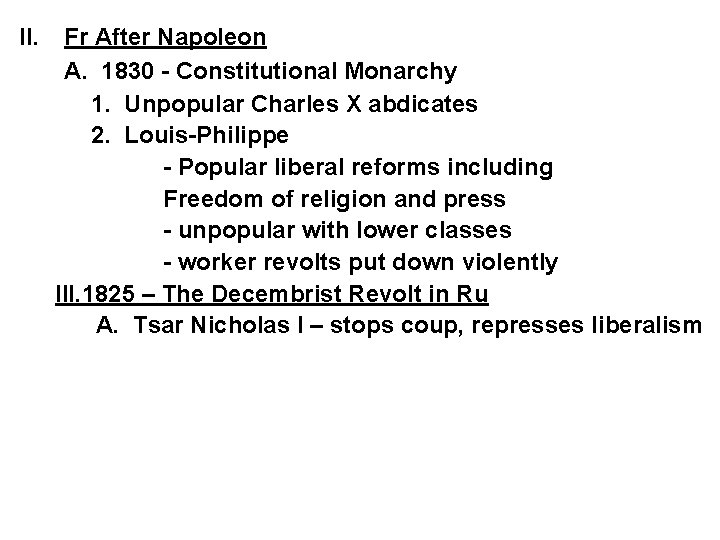
II. Fr After Napoleon A. 1830 - Constitutional Monarchy 1. Unpopular Charles X abdicates 2. Louis-Philippe - Popular liberal reforms including Freedom of religion and press - unpopular with lower classes - worker revolts put down violently III. 1825 – The Decembrist Revolt in Ru A. Tsar Nicholas I – stops coup, represses liberalism
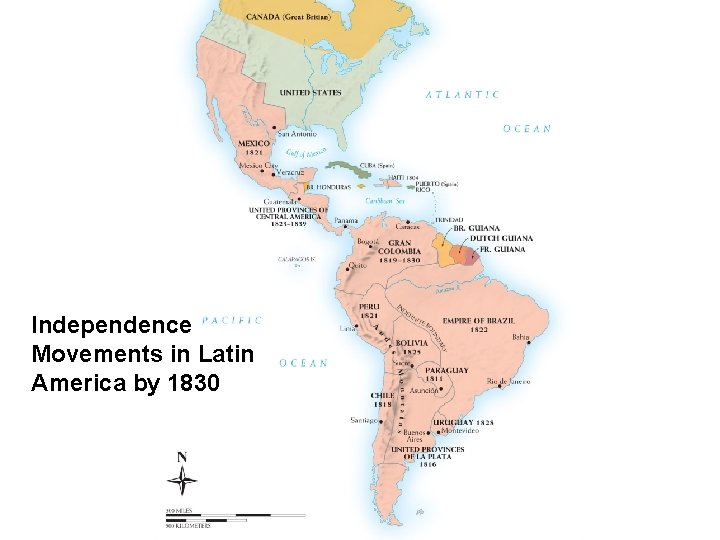
ecame Argentina. Independence Movements in Latin America by 1830
Chapter 13 “Economic Advances and Social Unrest” AP EUROPEAN HISTORY MR. RICK PURRINGTON MARSHALL HIGH SCHOOL
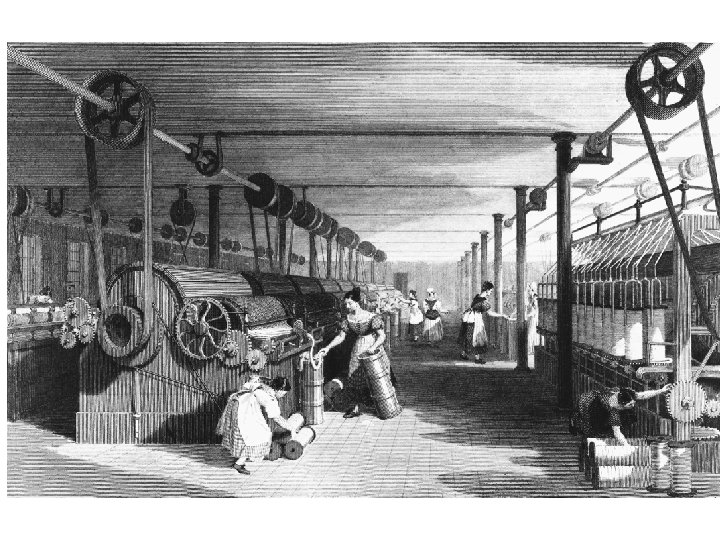
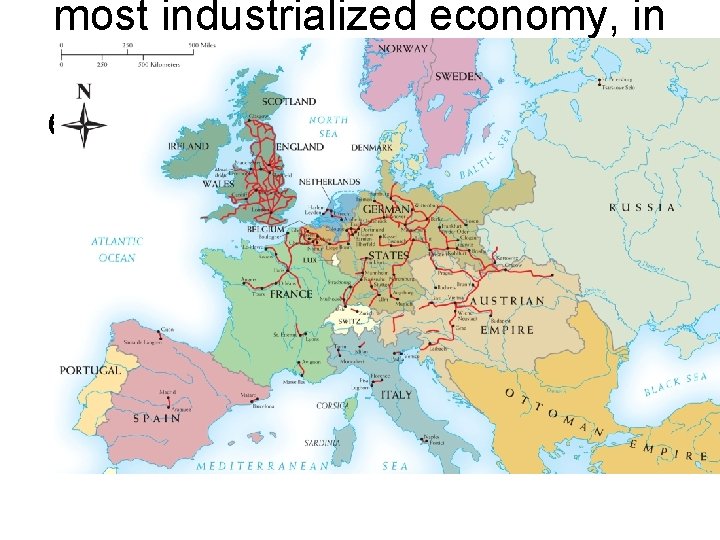
most industrialized economy, in Europe, but rail lines were expanding rapidly in France, the German states, and Austria. Southern and eastern Europe had few railways, and the Ottoman Empire had none.
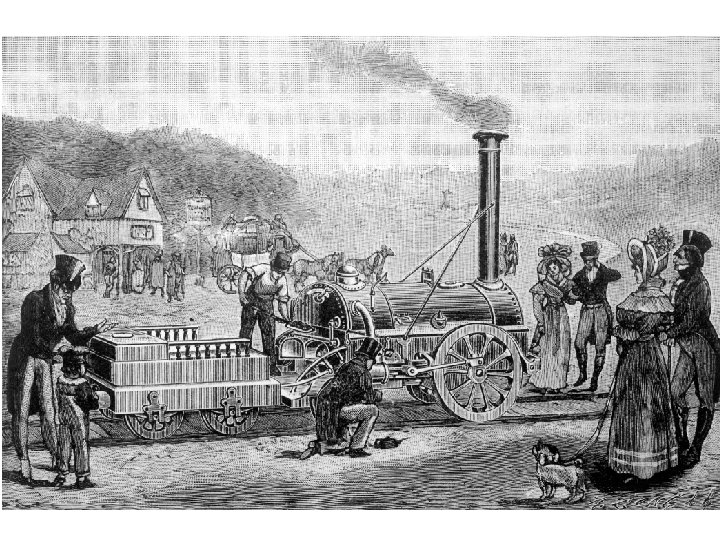
Image Works/Mary Evans Picture Library Ltd.
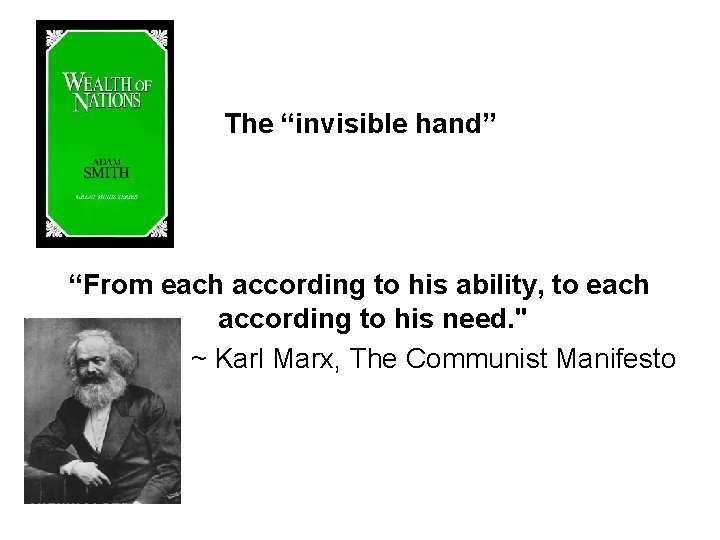
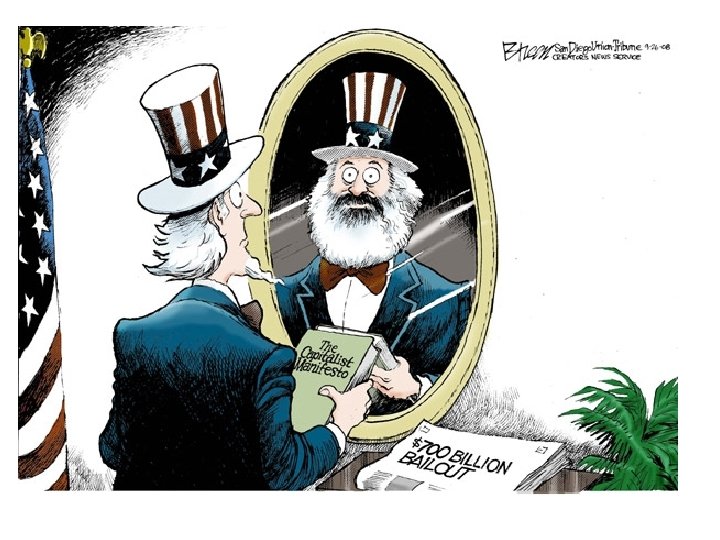
The “invisible hand” “From each according to his ability, to each according to his need. " ~ Karl Marx, The Communist Manifesto
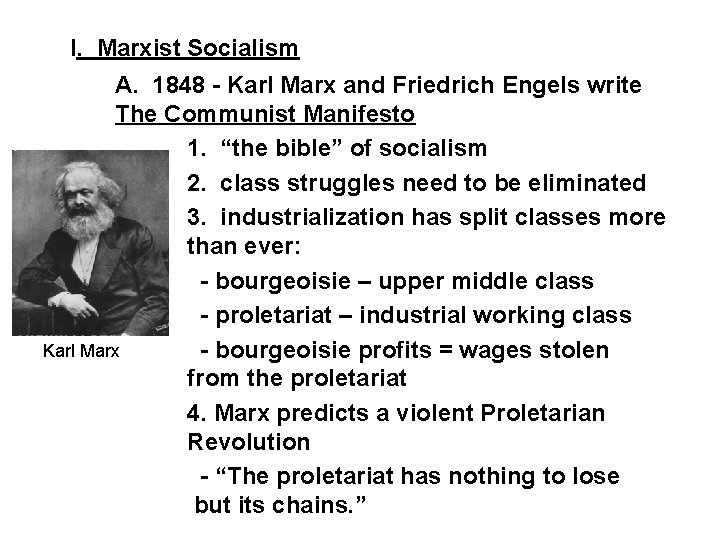
I. Marxist Socialism A. 1848 - Karl Marx and Friedrich Engels write The Communist Manifesto 1. “the bible” of socialism 2. class struggles need to be eliminated 3. industrialization has split classes more than ever: - bourgeoisie – upper middle class - proletariat – industrial working class Karl Marx - bourgeoisie profits = wages stolen from the proletariat 4. Marx predicts a violent Proletarian Revolution - “The proletariat has nothing to lose but its chains. ”
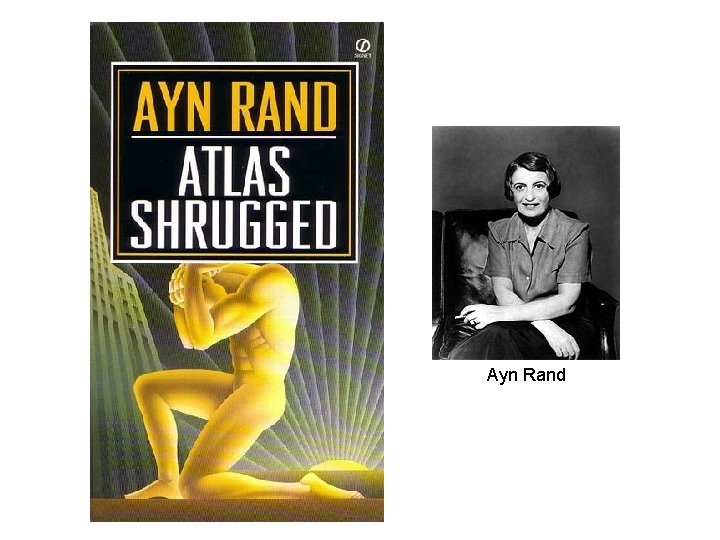
Ayn Rand
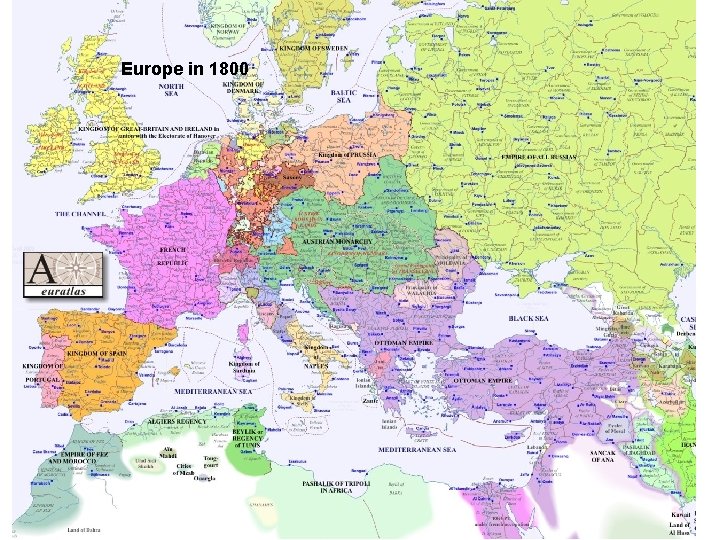
Europe in 1800
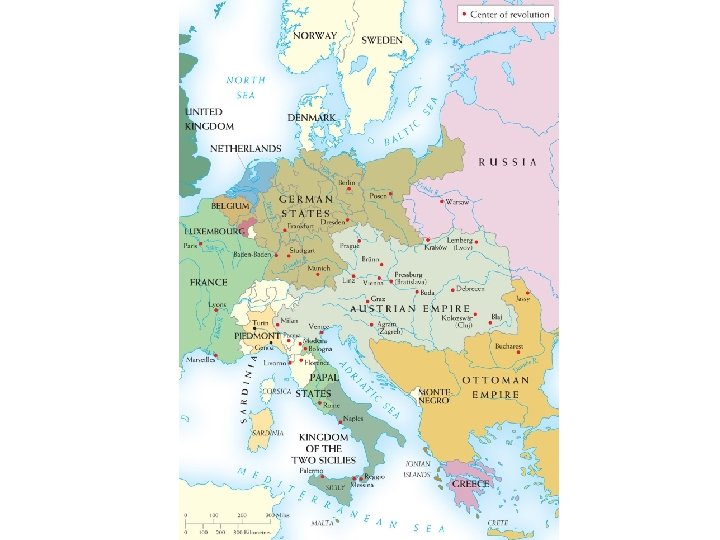
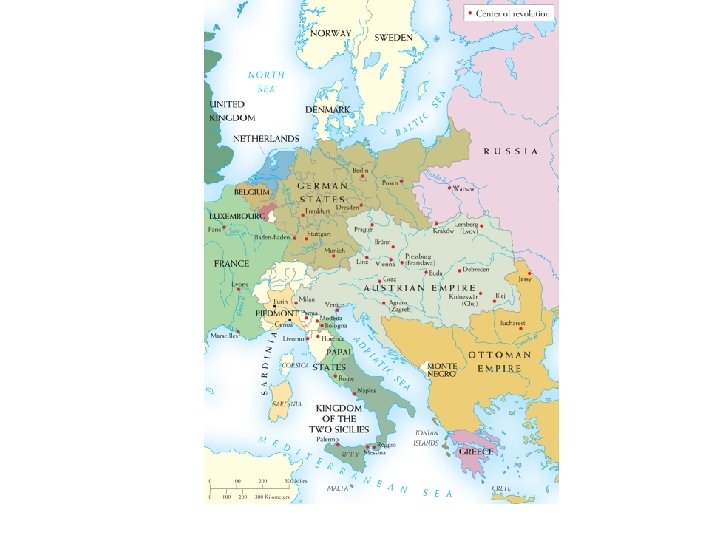
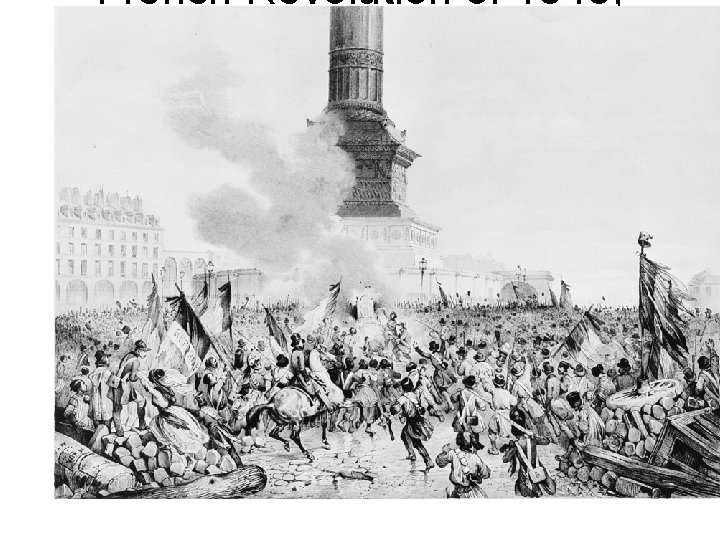
IV. The Revolutions of 1848 A. Series of liberal and nationalistic revolutions in: 1. Fr, Au, Italy, G 2. Reasons: IDEAS and DISCONTENT - increased literacy, food shortages, unemployment, poor working conditions
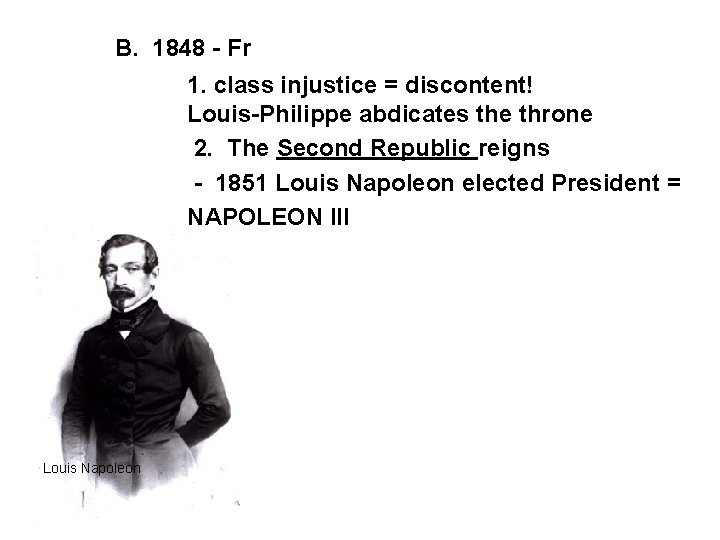
B. 1848 - Fr 1. class injustice = discontent! Louis-Philippe abdicates the throne 2. The Second Republic reigns - 1851 Louis Napoleon elected President = NAPOLEON III Louis Napoleon
French Revolution of 1848, crowds in Paris burned the throne of Louis Philippe. Bildarchiv Preussischer Kulturbesitz/Art Resource, NY
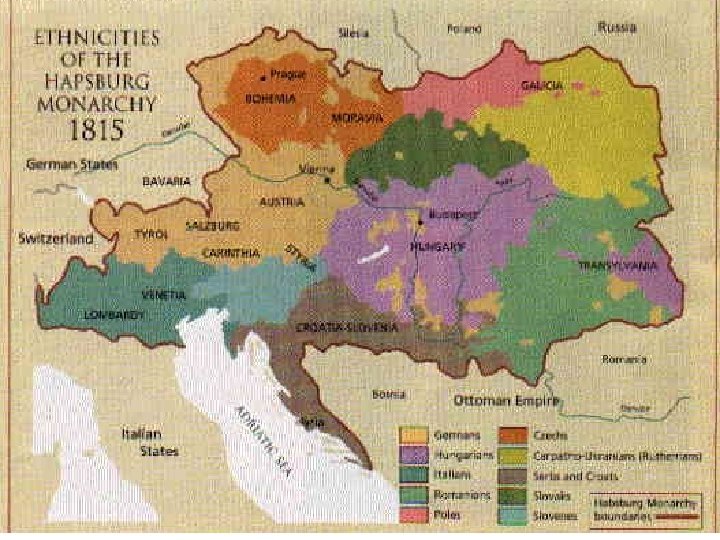
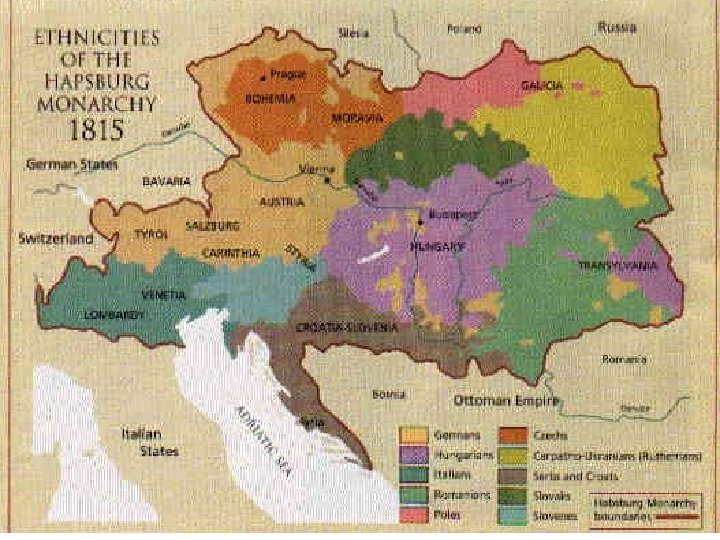
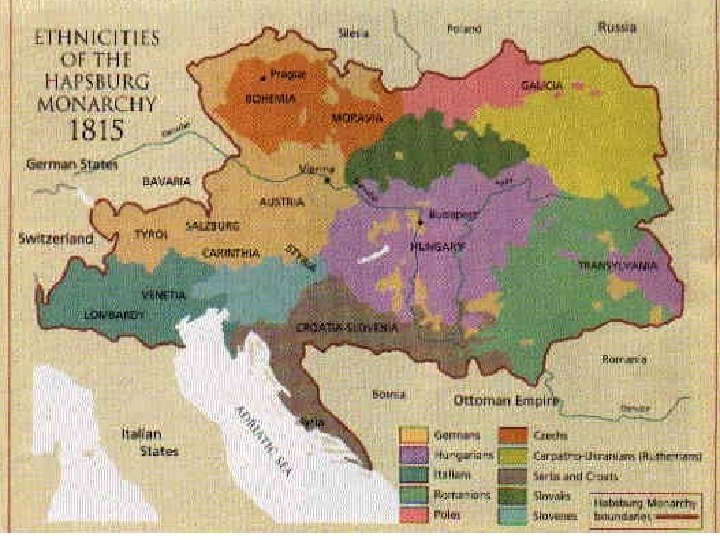
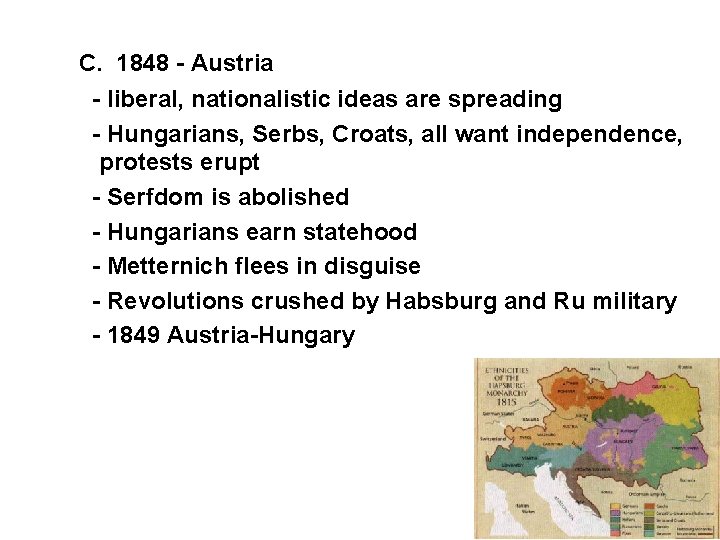
C. 1848 - Austria - liberal, nationalistic ideas are spreading - Hungarians, Serbs, Croats, all want independence, protests erupt - Serfdom is abolished - Hungarians earn statehood - Metternich flees in disguise - Revolutions crushed by Habsburg and Ru military - 1849 Austria-Hungary
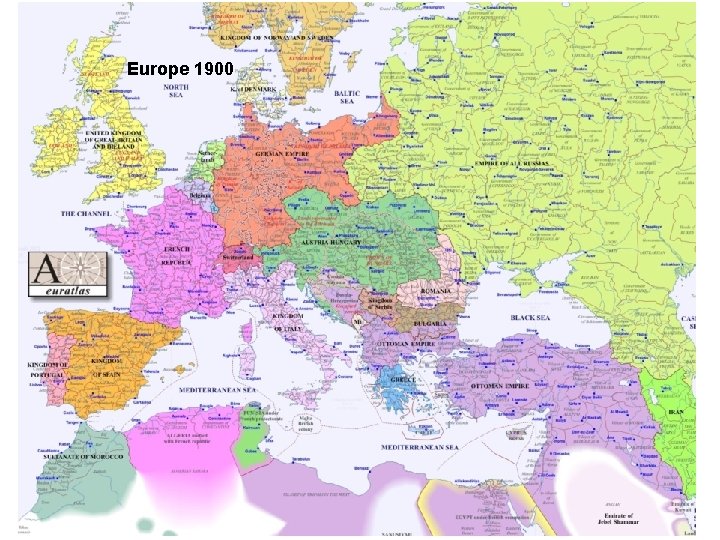
Europe 1900