
Chapter 12 Personality Theory Research and Assessment Defining
- Slides: 27
Chapter 12: Personality: Theory, Research, and Assessment
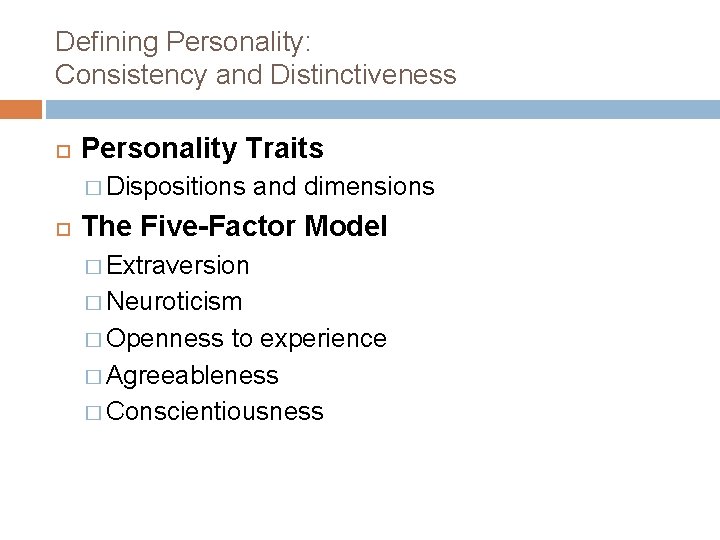
Defining Personality: Consistency and Distinctiveness Personality Traits � Dispositions and dimensions The Five-Factor Model � Extraversion � Neuroticism � Openness to experience � Agreeableness � Conscientiousness
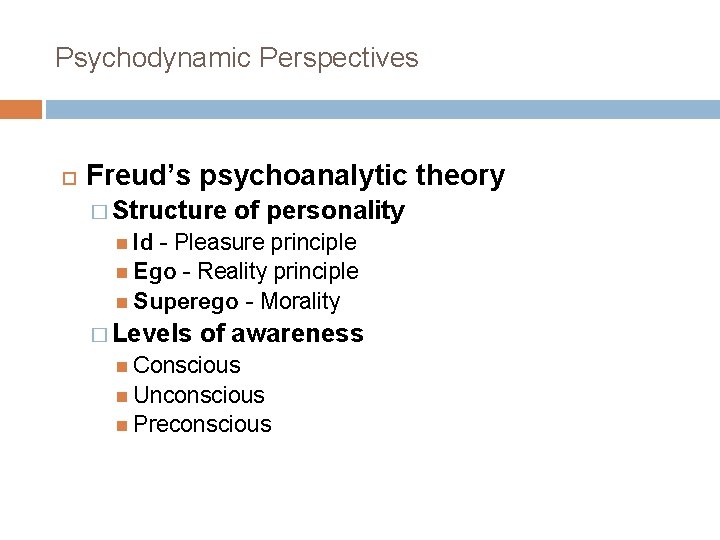
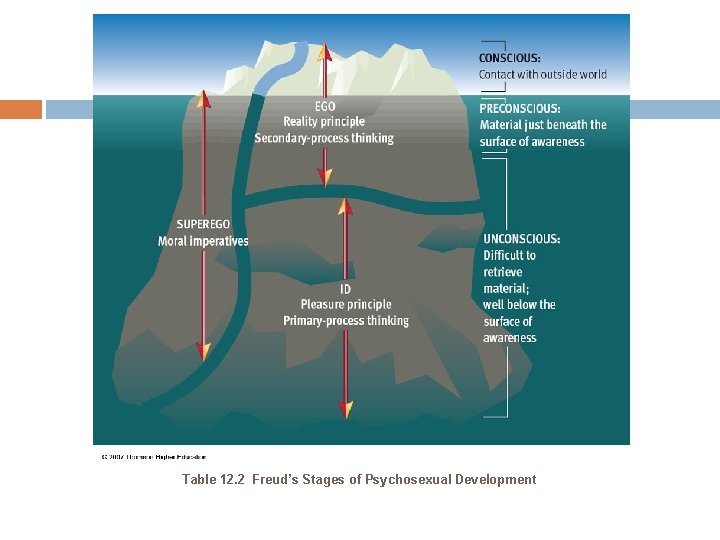
Psychodynamic Perspectives Freud’s psychoanalytic theory � Structure of personality Id - Pleasure principle Ego - Reality principle Superego - Morality � Levels of awareness Conscious Unconscious Preconscious
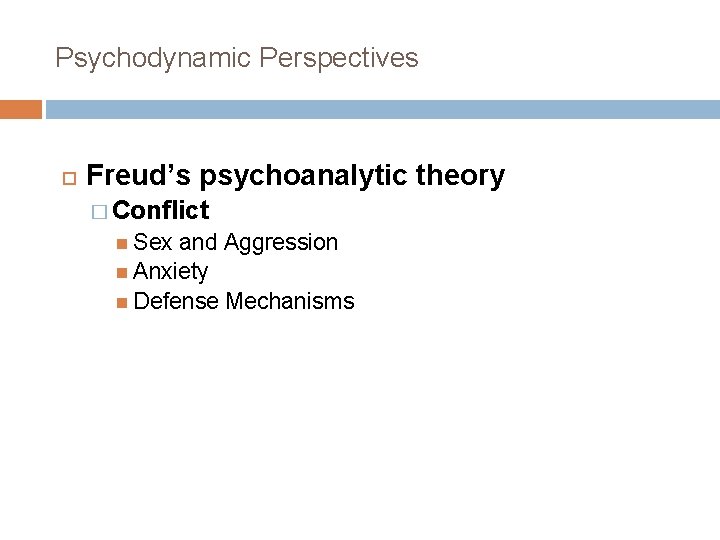
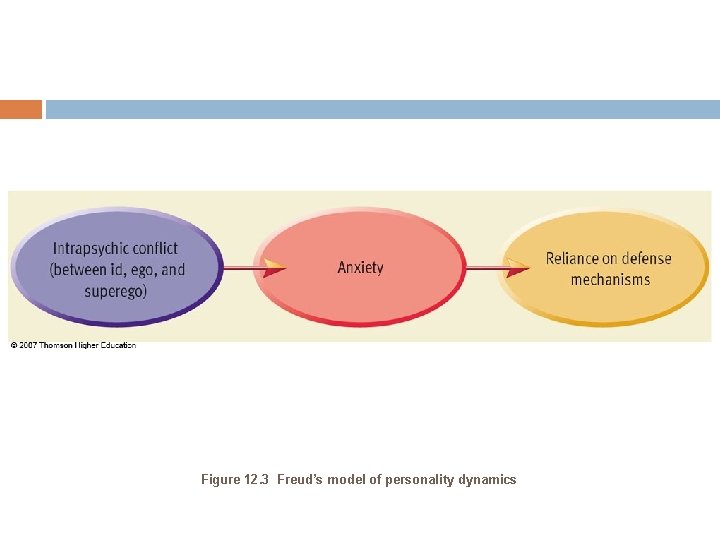
Psychodynamic Perspectives Freud’s psychoanalytic theory � Conflict Sex and Aggression Anxiety Defense Mechanisms
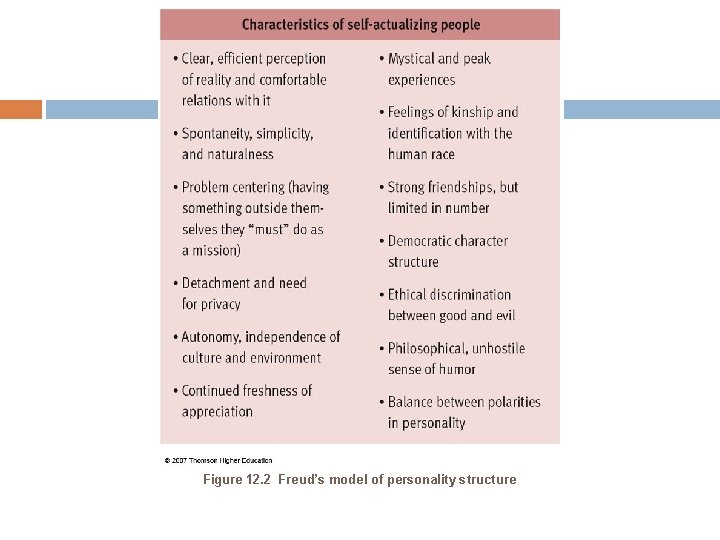
Figure 12. 2 Freud’s model of personality structure
Figure 12. 3 Freud’s model of personality dynamics
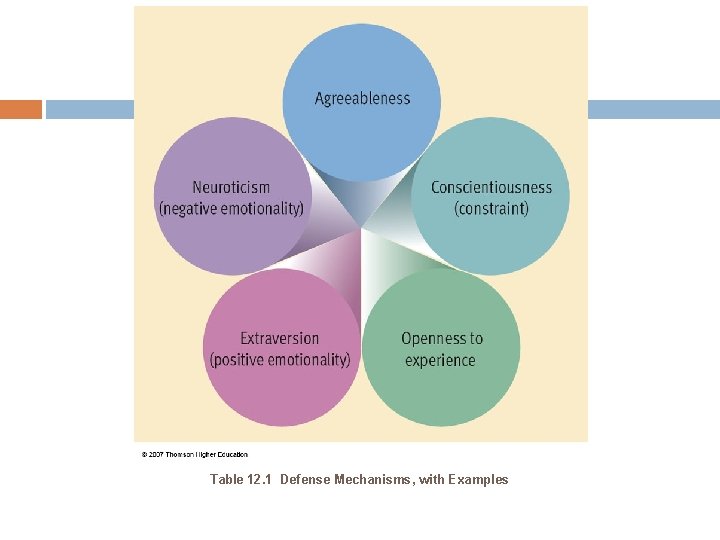
Table 12. 1 Defense Mechanisms, with Examples
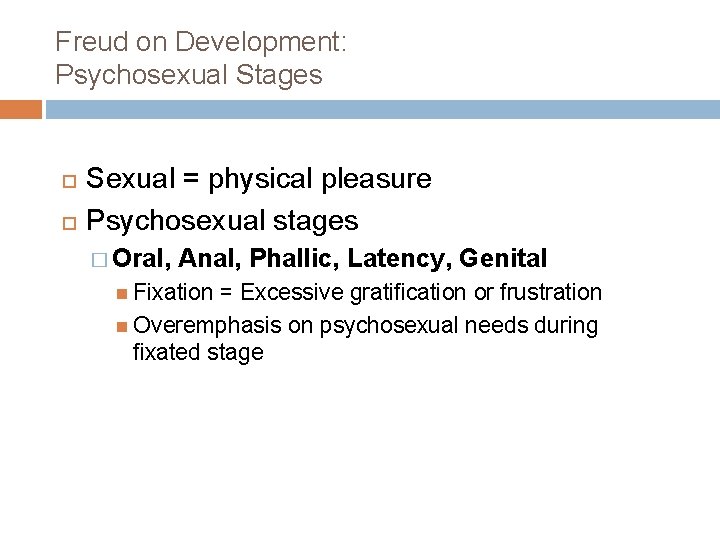
Freud on Development: Psychosexual Stages Sexual = physical pleasure Psychosexual stages � Oral, Anal, Phallic, Latency, Genital Fixation = Excessive gratification or frustration Overemphasis on psychosexual needs during fixated stage
Table 12. 2 Freud’s Stages of Psychosexual Development
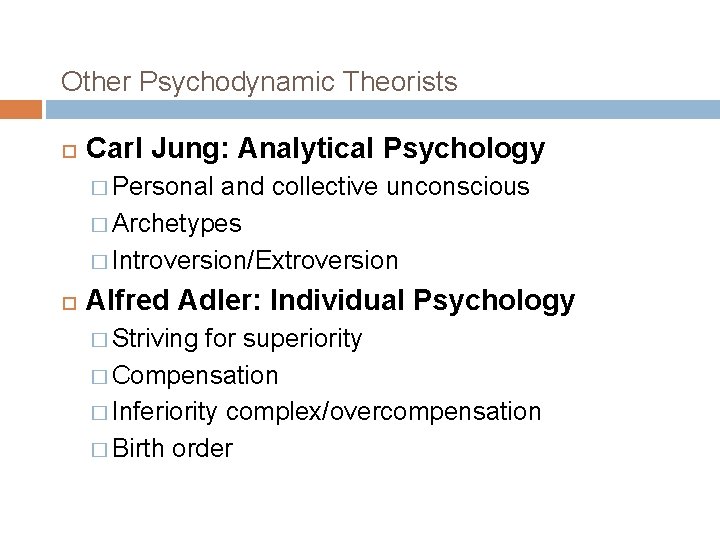
Other Psychodynamic Theorists Carl Jung: Analytical Psychology � Personal and collective unconscious � Archetypes � Introversion/Extroversion Alfred Adler: Individual Psychology � Striving for superiority � Compensation � Inferiority complex/overcompensation � Birth order
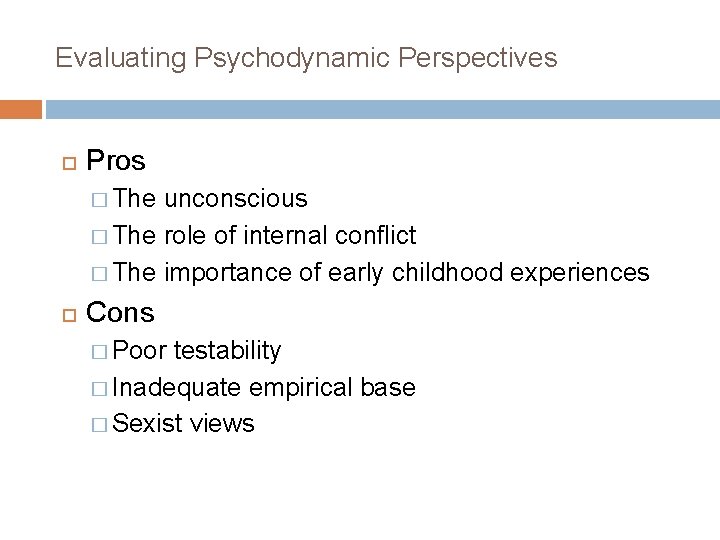
Evaluating Psychodynamic Perspectives Pros � The unconscious � The role of internal conflict � The importance of early childhood experiences Cons � Poor testability � Inadequate empirical base � Sexist views
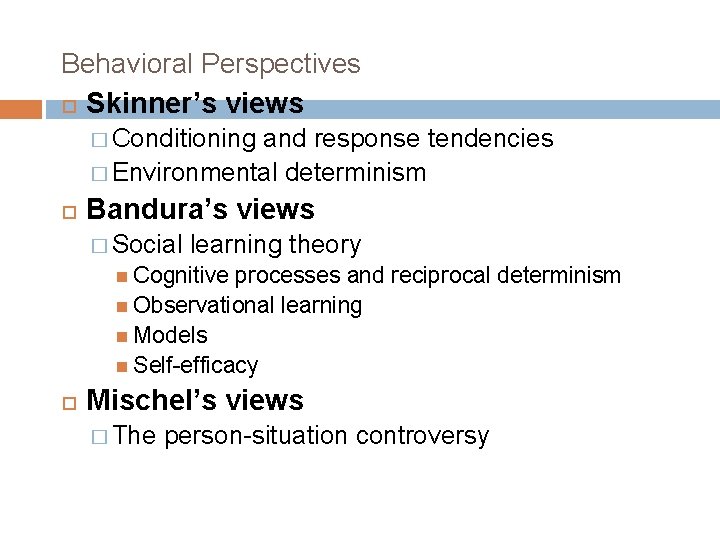
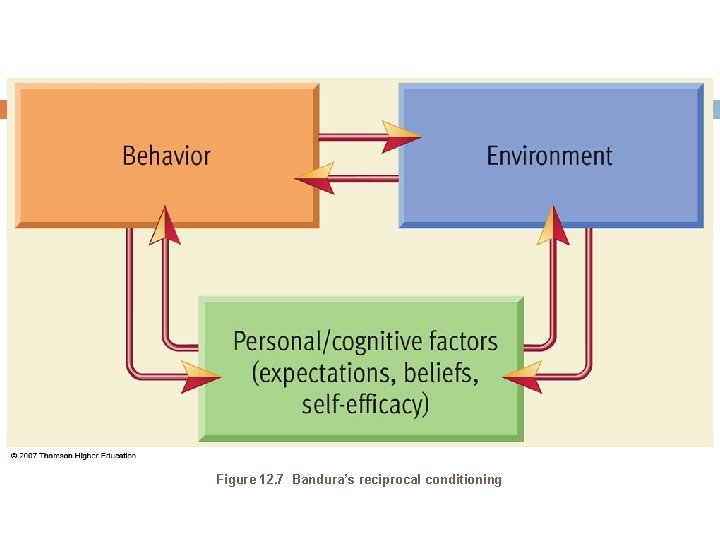
Behavioral Perspectives Skinner’s views � Conditioning and response tendencies � Environmental determinism Bandura’s views � Social learning theory Cognitive processes and reciprocal determinism Observational learning Models Self-efficacy Mischel’s views � The person-situation controversy
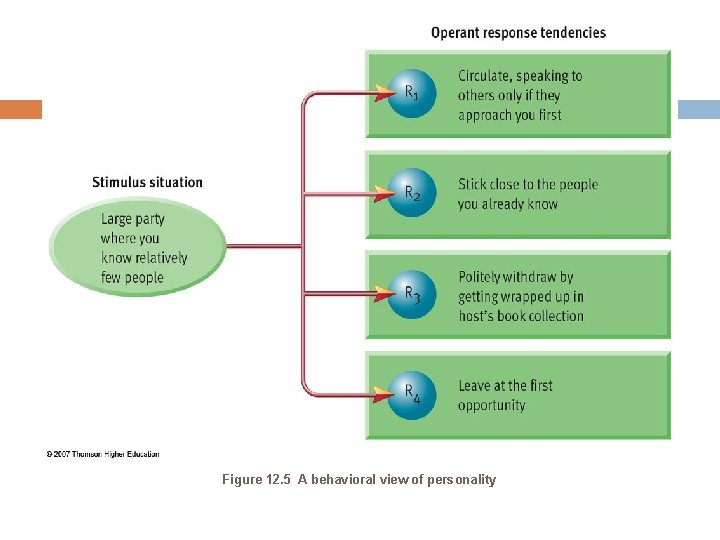
Figure 12. 5 A behavioral view of personality
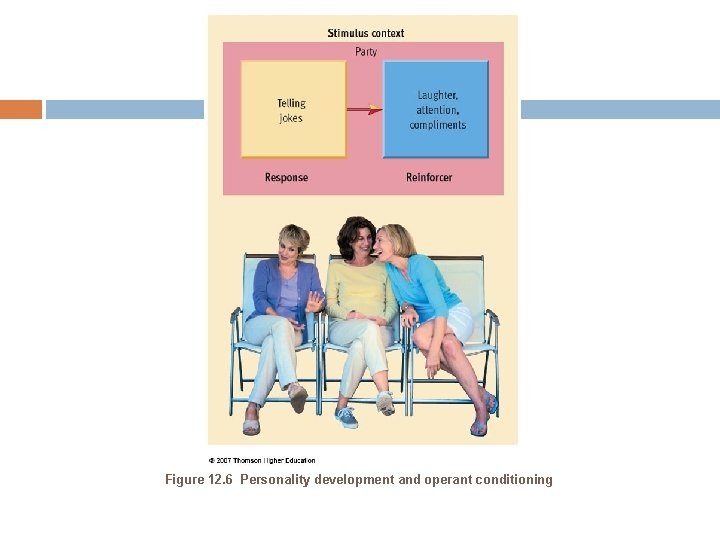
Figure 12. 6 Personality development and operant conditioning
Figure 12. 7 Bandura’s reciprocal conditioning
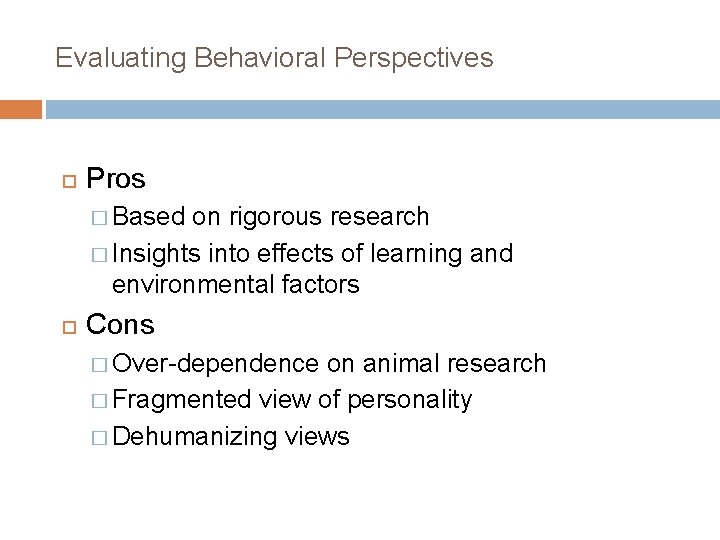
Evaluating Behavioral Perspectives Pros � Based on rigorous research � Insights into effects of learning and environmental factors Cons � Over-dependence on animal research � Fragmented view of personality � Dehumanizing views
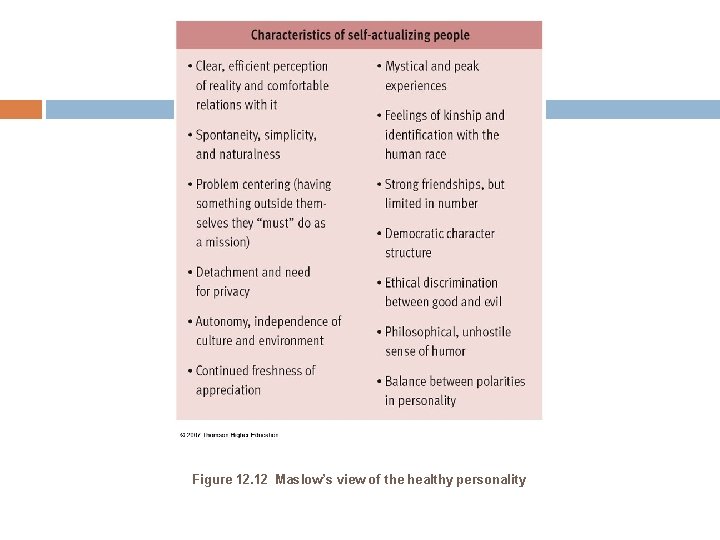
Humanistic Perspectives Carl Rogers � Person Centered Theory Self-concept Conditional/unconditional positive regard Incongruence and anxiety Abraham Maslow � Self-actualization theory � Hierarchy of needs The healthy personality
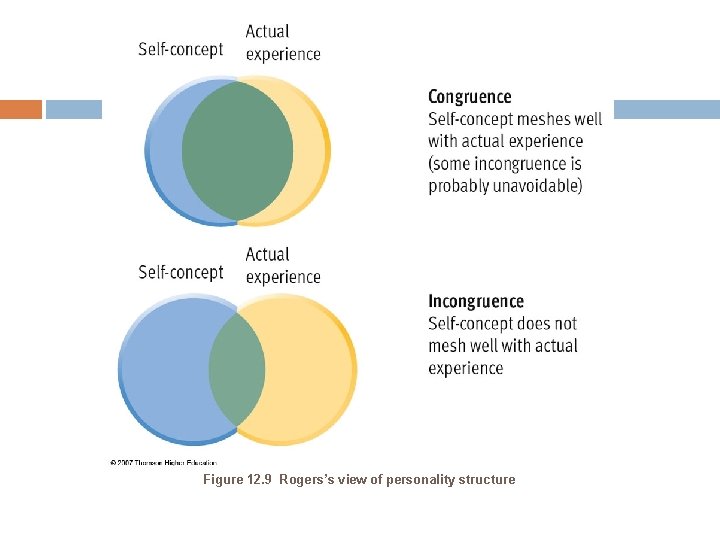
Figure 12. 9 Rogers’s view of personality structure
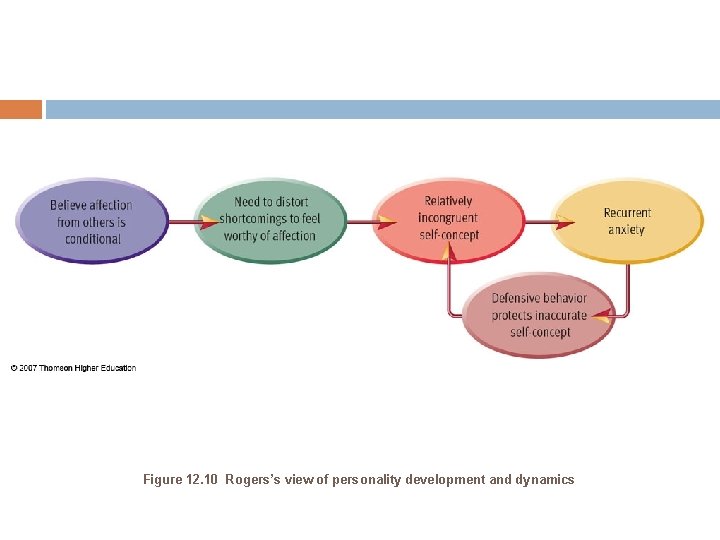
Figure 12. 10 Rogers’s view of personality development and dynamics
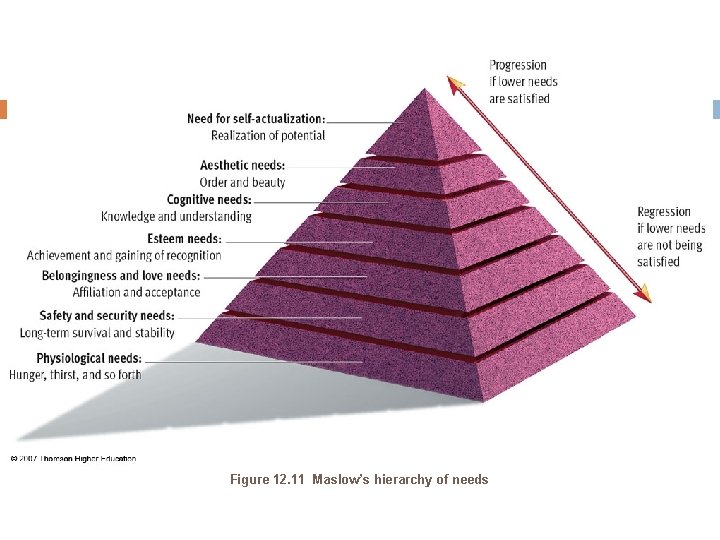
Figure 12. 11 Maslow’s hierarchy of needs
Figure 12. 12 Maslow’s view of the healthy personality
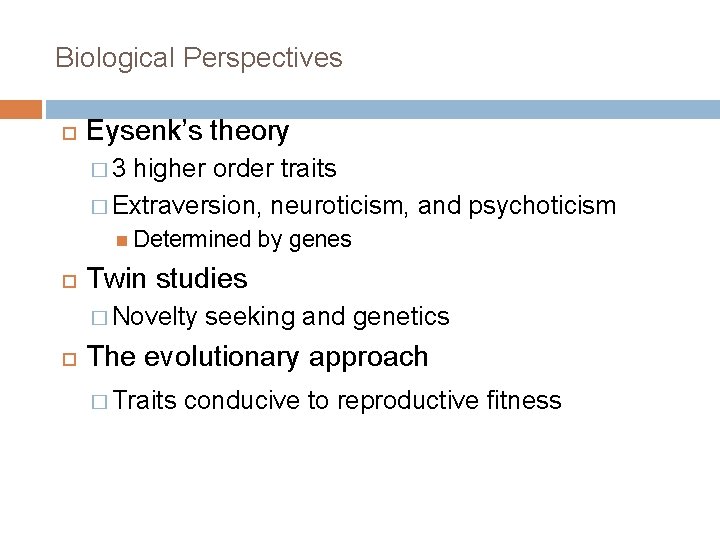
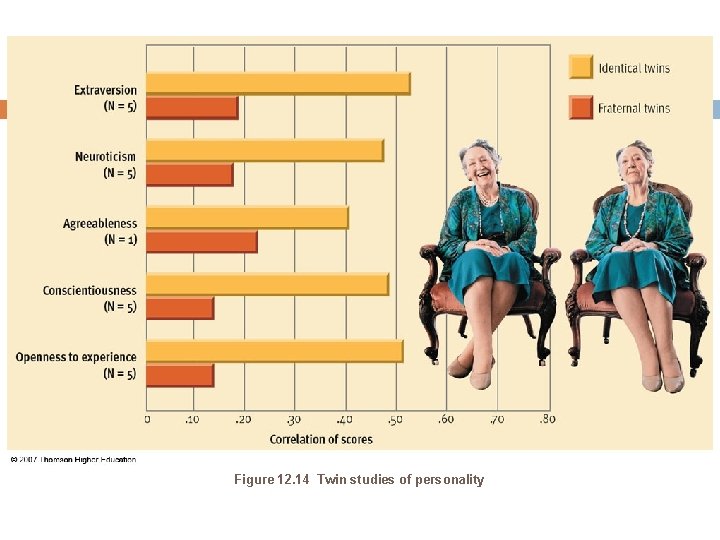
Biological Perspectives Eysenk’s theory � 3 higher order traits � Extraversion, neuroticism, and psychoticism Determined Twin studies � Novelty by genes seeking and genetics The evolutionary approach � Traits conducive to reproductive fitness
Figure 12. 14 Twin studies of personality
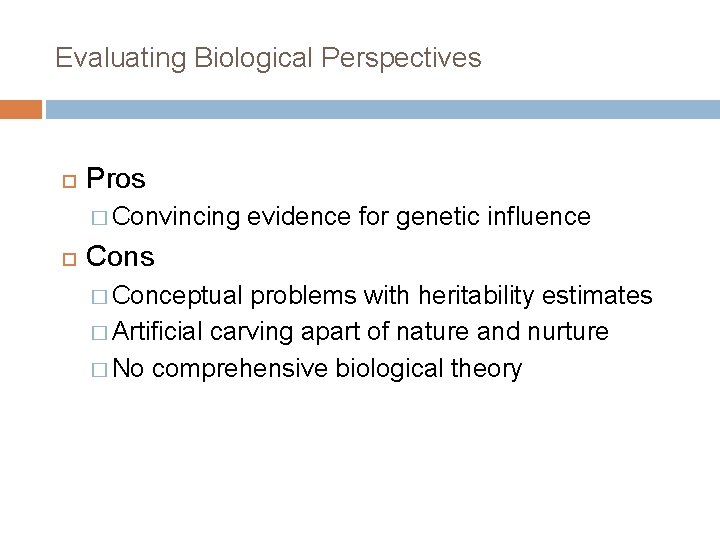
Evaluating Biological Perspectives Pros � Convincing evidence for genetic influence Cons � Conceptual problems with heritability estimates � Artificial carving apart of nature and nurture � No comprehensive biological theory
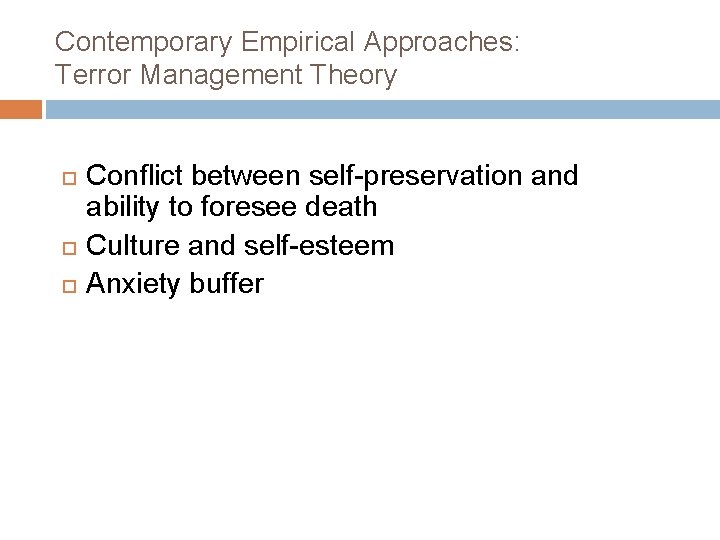
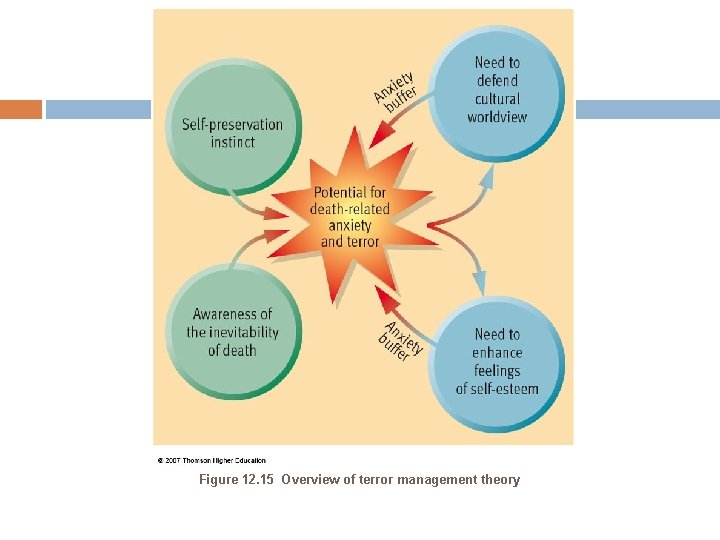
Contemporary Empirical Approaches: Terror Management Theory Conflict between self-preservation and ability to foresee death Culture and self-esteem Anxiety buffer
Figure 12. 15 Overview of terror management theory
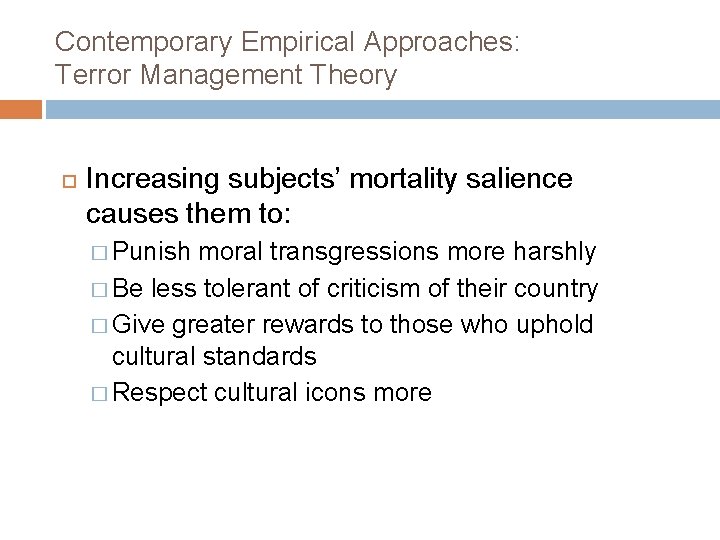
Contemporary Empirical Approaches: Terror Management Theory Increasing subjects’ mortality salience causes them to: � Punish moral transgressions more harshly � Be less tolerant of criticism of their country � Give greater rewards to those who uphold cultural standards � Respect cultural icons more