
Chapter 12 Farming and the Environment How Agriculture
- Slides: 27
Chapter 12: Farming and the Environment
How Agriculture Changes the Environment • Agriculture one of our greatest triumphs and sources of environmental damage. • Major environmental problems – Soil erosion – Sediment transport and deposition downstream – On-site pollution from overuse and secondary effects of fertilizers and pesticides – Off-site pollution of other ecosystems, of soil, water and air
How Agriculture Changes the Environment • Major environmental problems cont. – Deforestation – Desertification – Degradation of aquifers – Salinization – Accumulation of toxic organic compounds – Loss of biodiversity
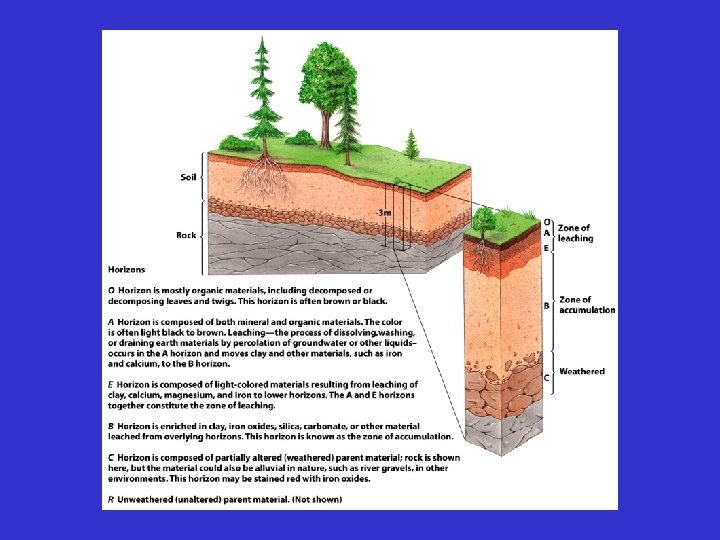
The Plow Puzzle • Nothing in nature like the plow – Big difference between soils of an unplowed forest and soils of previously forested land that has been plowed and used for agriculture • Soil difference noted in Marsh’s book (Man and Nature in 1864). • The more altered the soil the great the amount of material must be added each year – Fertilizers, pesticides, water
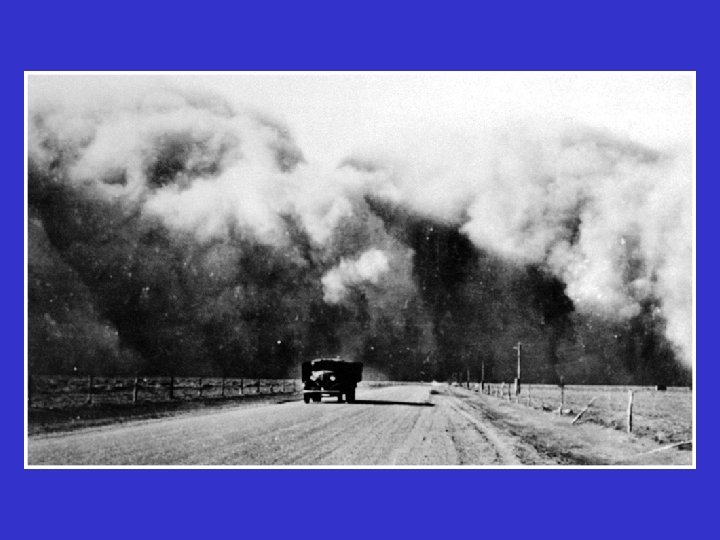
Our Eroding Soil • When land cleared of its natural vegetation, the soil begins to lose its fertility – Physical erosion • Became a national issue in the US in the 1930 s – Intense plowing + drought – Loosened soil blow away
Our Eroding Soil • The land that became the Dust Bowl had been prairie – Deep rooted grasses that held soil in place – After plowing soil exposed to elements • When original vegetation is cleared soil changes – Crops harvested and removed, less organic matter returning to soil – Soil exposed to sunlight which speeds rate of decomposition
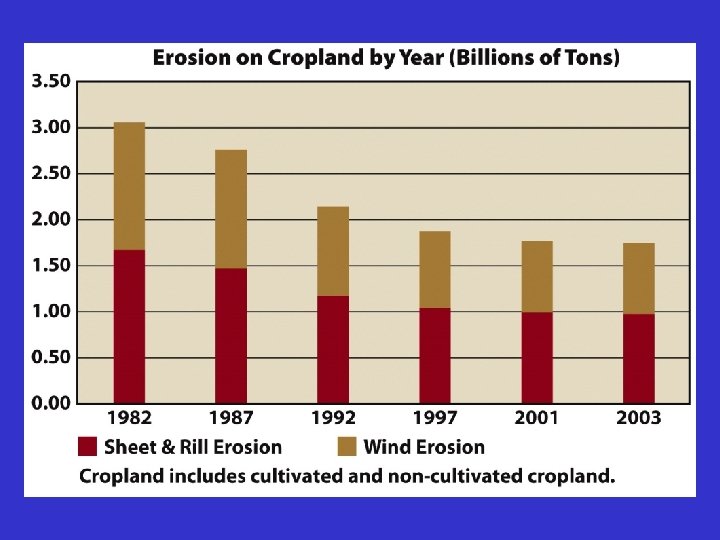
Our Eroding Soil • Traditionally decline in soil fertility combated using organic fertilizers – Animal manure • In the 20 th century crop production increased – Chemical or artificial fertilizers add nitrogen and phosphorous to the soil • Since WWII mechanized farming has seriously damaged land – > 1 billion hectares – In US 1/3 of topsoil has been lost
Where Eroded Soil Goes • A lot of it travels down streams and rivers – Deposited at their mouths – Fill in water ways – Damage fisheries and coral reefs • Sedimentation has chemical effects – Enrichment of waters, eutrophication – Transport of toxic chemical pesticides
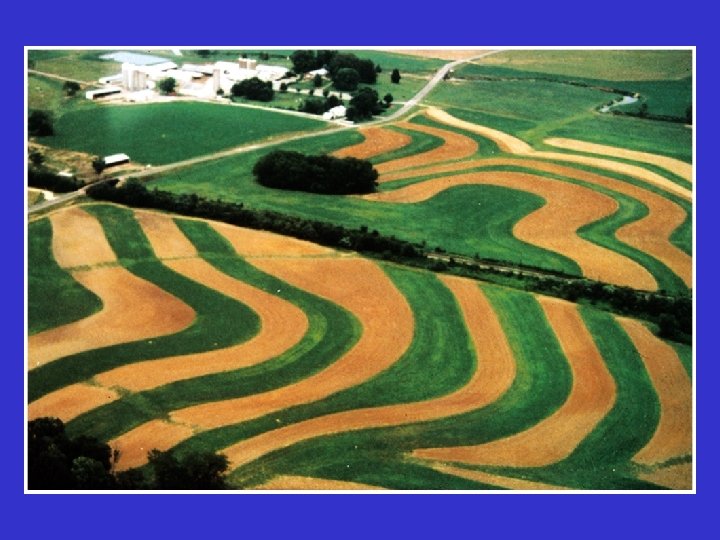
Making Soils Sustainable • Soil forms continuously – But very slowly – 1 mm of soil formation takes 10 -40 years • To be truly sustainable soil lost should equal amount of new soil produced. One way to sustain soil is: • Contour Plowing: Land is plowed perpendicular to the slopes and as horizontally as possible. – One of the most effective ways to reduce soil erosion – Also uses less fuel and time
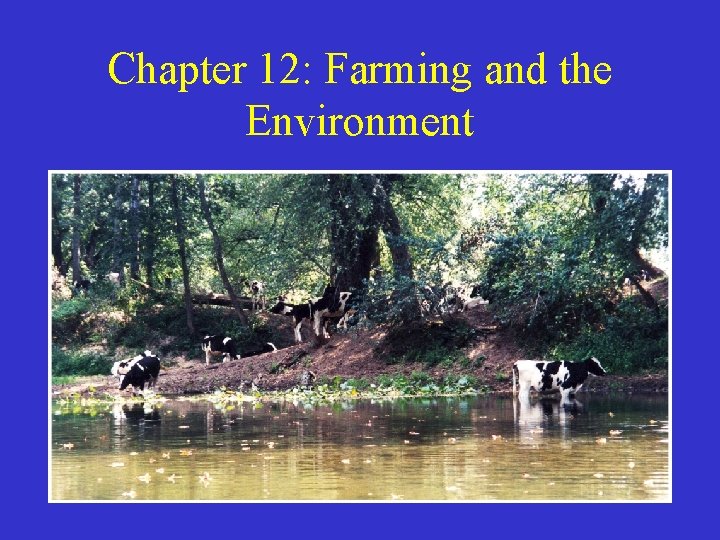
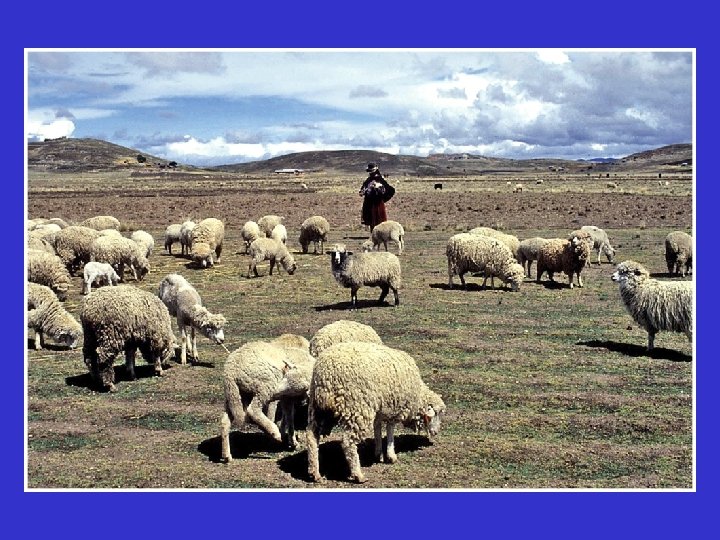
Grazing on Rangelands • Almost half of the Earth's land area is used as rangeland – 30% of Earth’s land area is arid rangeland • Arid rangeland easily damaged especially in time of drought • Streams and rivers also damage – Trampling banks and fecal matter
Carrying Capacity of Grazing Lands • Carrying capacity– the maximum number of species per unit area that can persist w/o decreasing the ability of that population or its ecosystem to maintain that density in the future. • When the carrying capacity is exceeded, the land is overgrazed.
Carrying Capacity of Grazing Lands • Overgrazing – Slows the growth of vegetation – Reduces the diversity of plant species – Leads to dominance by plant species that are relatively undesirable to the cattle – Fastens loss of soil by erosion – Subject the land to further damage from trampling
Desertification • Deserts occur naturally where there is too little water for substantial plant growth. – The warmer the climate the greater the rainfall needed to convert an area from desert to nondesert – The crucial factor is available water in the soil for plant use – Factors that destroy the ability of a soil to store water can create a desert
Desertification • Earth has five natural warm desert regions – Primarily between 15 o and 30 o north and south of the equator • Based on climate 1/3 of Earth’s land area should be desert – 43% of land is desert – Addition area due to human activities
Desertification • Desertification – the deterioration of land in arid, semiarid, and dry sub humid areas due to changes in climate and human activities. • Serious problem that affects 1/6 of world population (1 billion people)
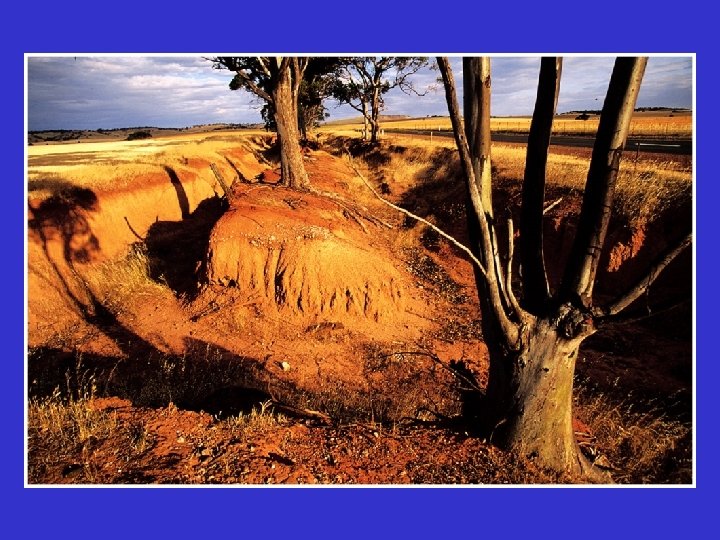
What Causes Deserts • The leading cause of desertification are bad farming practices. – Failure to use contour plowing – To much farming – Overgrazing – Conversion of rangelands to croplands in marginal areas – Poor forestry practices
What Causes Deserts • Desert like areas can be created anywhere by poisoning of the soil – World wide chemicals account for 12% of soil degradation – Irrigation in arid lands can cause salts to build up to toxic levels
Preventing Desertification • First step is detection of symptoms – Lowering of water table – Increase in the salt content of soil – Reduced surface water – Increased soil erosion – Loss of native vegetation • Achieved by monitoring
Preventing Desertification • Next step – Proper methods of soil conservation, forest management and irrigation • Good soil conservation includes – Use of wind breaks – Reforestation