
Chapter 11 Slavery and the Old South The





- Slides: 21
Chapter 11 Slavery and the Old South The American People, 6 th ed.
I. Building a Diverse Cotton Kingdom
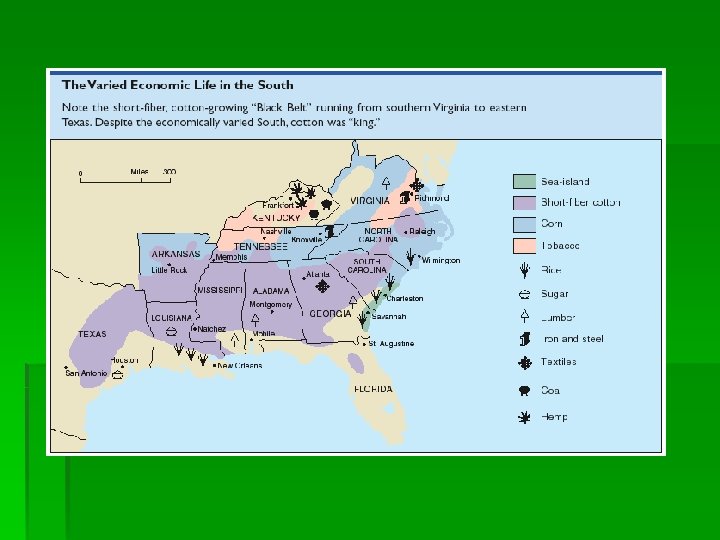
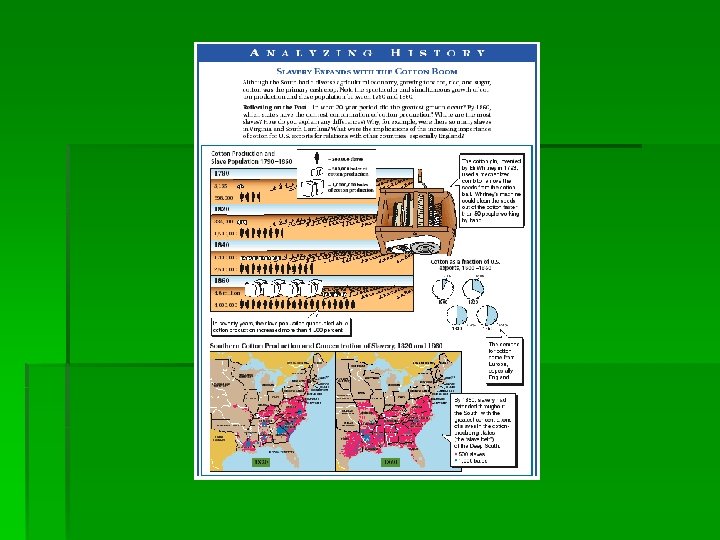
The Expansion of Slavery in a Global Economy § In 1860 the American South, if independent, would have been one of the wealthiest countries in the world based on the revenue of the cotton trade. § Cotton cultivation and its expansion depended on technological development, land, labor, demand, and a global system of trade.
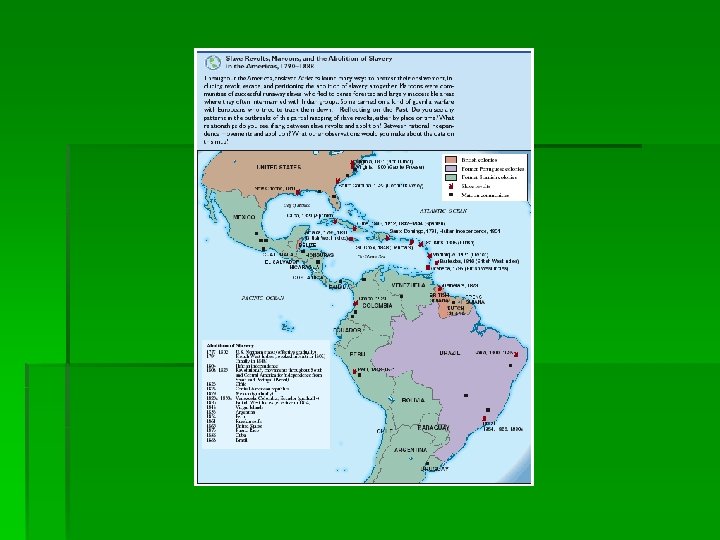
Slavery in Latin America § Europeans depended on African slavery in their New World colonies. § African slaves were imported to replace the indigenous populations that were eradicated by disease. § Sugar production was the cash crop for the Latin American holdings of the European powers.
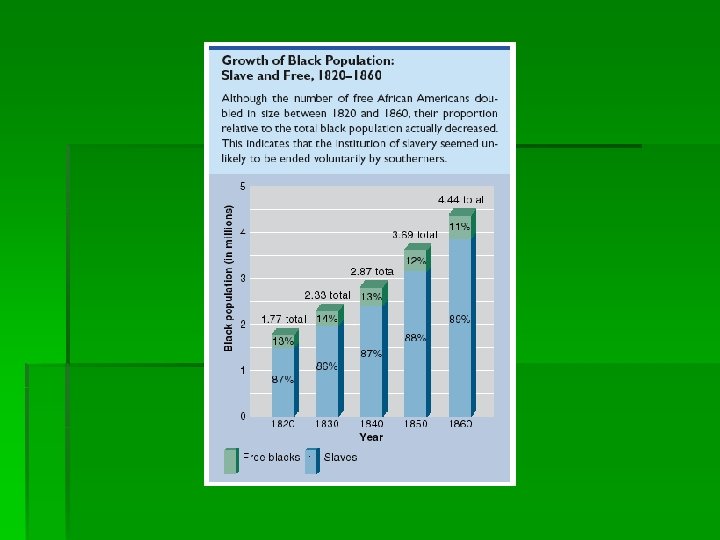
White and Black Migrations in the South § Between 1830 and 1860, southerners began to migrate in a southwest direction to fill up the fertile land increase cotton production for the mills of England. § The center of cotton production gradually shifted from South Carolina to Mississippi. § An estimated 1 million slaves were transported westward by this white migration.
Paternalism and Honor in the Planter Class § Most Southern males adhered to a longstanding tradition of medieval chivalry and aversion to industrialization. § The Southern planters developed a paternalistic attitude towards his slaves; a kindly father-and-child relationship. § An intensely masculine code of honor placed the virtue of women on a pedestal. § The smallest insult could lead to pistol duels.
Yeoman Farmers § Most slaveholders (70 percent) belonged to the mid-level yeoman farmer class. § A Yeoman farmer might have owned as many as ten slaves, but usually work alongside them. § 75 percent of all southerners held no slaves at all.
Justifying Slavery § Biblical Justification: ancient curse upon Ham, a child of Noah and other references § Historical Justification: all great civilizations participated in slavery § Legal Justification: the U. S. Constitution refused to address slavery directly § Scientific Justification: multiple theories regarding inferiority of the black race § Sociological Justification: the black race as societal “children” that needed paternalistic guidance
Daily Toil § Slaves were expected to work an average of 14 hours per day during warm weather and 10 hours in the winter. § Work gangs of 20 to 25 slaves labored under the whip of a “slave driver. ” § The task system allowed slaves to finish a designated task each day at their own pace. § A normal slave was expected to pick 130 to 150 pounds of cotton a day.
Slave Law and the Family § The legal status of slaves in the South was never fully resolved, leading to a wide range of laws governing the treatment of African Americans. § Marriages between slaves were often arranged for optimal genetic reproduction. § Slave families were often separated.
Black Christianity § Christian worship was an integral part of life in the slave quarters. § Black Christianity often included aspects of Islamic and African religions. § Black religious gatherings were usually forbidden unless a white overseer was present. § For the white planters, religion became a type of social control.
The Enduring Family § Family relationships were central to the lives of most slaves. § Slaves could draw love, protection, support, knowledge, and cultural identity from these extended families. § Slaves often performed extra work to provide extra food and clothing for their families.
Forms of Black Protest § Daily acts of resistance might include breaking of tools, burning houses or crops, stealing food, self mutilation or simple work slowdowns. § Females might fake sickness or menstrual cramps. § The ultimate forms were murder or running away.