
Chapter 10 The Endocrine System MECHANISMS OF HORMONE
- Slides: 20
Chapter 10 The Endocrine System
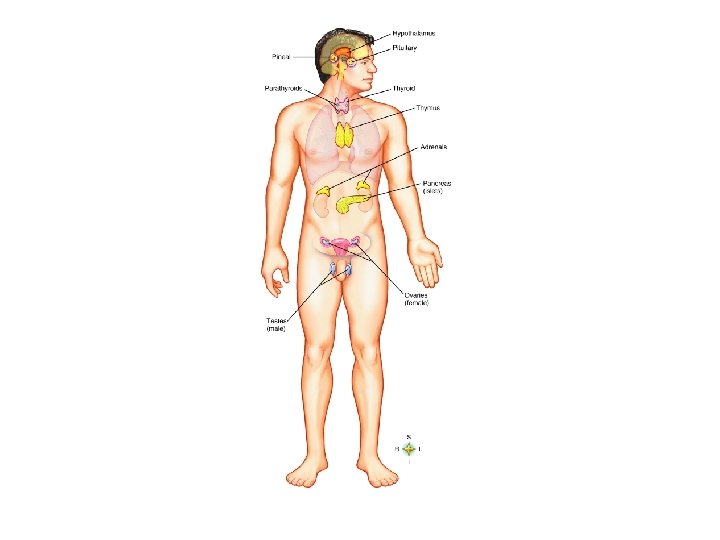
MECHANISMS OF HORMONE ACTION • Endocrine glands secrete chemicals (hormones) into the blood (Figure 101) • Hormones perform general functions of communication and control but a slower, longer-lasting type of control than that provided by nerve impulses • Cells acted on by hormones are called target cells; organs containing target cells are target organs
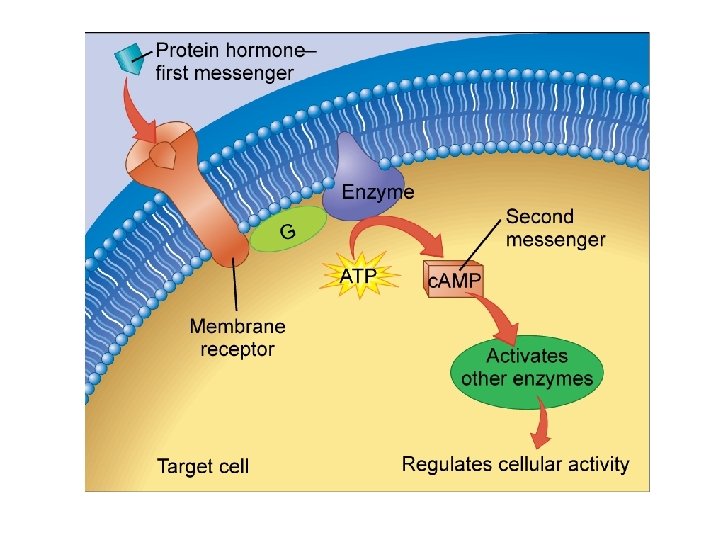
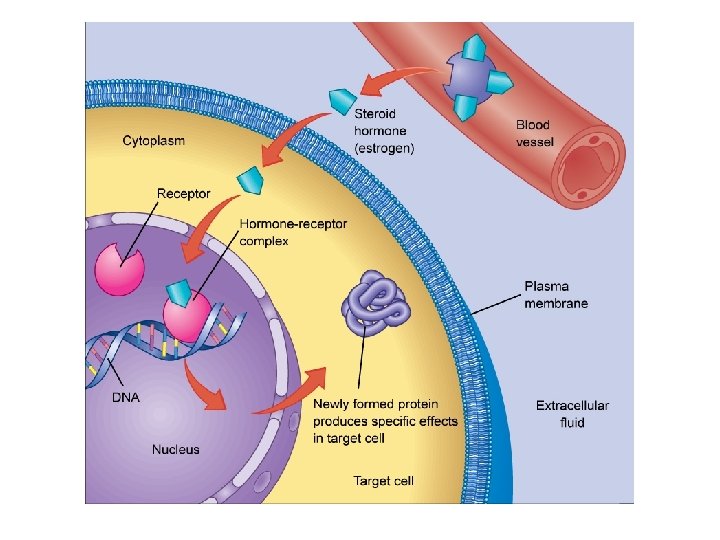
MECHANISMS OF HORMONE ACTION • Nonsteroid hormones (first messengers) bind to receptors on the target cell membrane, triggering second messengers to affect the cell’s activities (Figure 10 -2) • Steroid hormones bind to receptors within the target cell nucleus and influence cell activity by acting on DNA (Figure 10 -3)
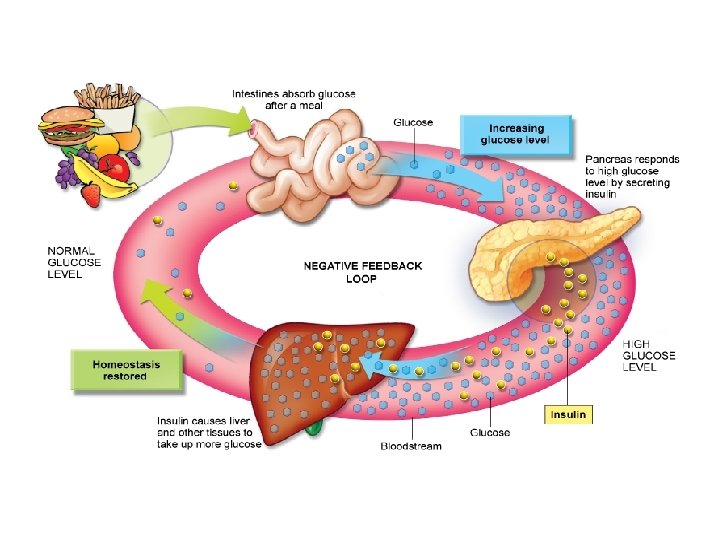
REGULATION OF HORMONE SECRETION • Hormone secretion is controlled by homeostatic feedback • Negative feedback—mechanisms that reverse the direction of a change in a physiological system (Figure 104) • Positive feedback—(uncommon) mechanisms that amplify physiological changes
PROSTAGLANDINS • Prostaglandins (PGs) are powerful substances found in a wide variety of body tissues • PGs are often produced in a tissue and diffuse only a short distance to act on cells in that tissue • Several classes of PGs include prostaglandin A (PGA), prostaglandin E (PGE), and prostaglandin F (PGF) • PGs influence many body functions, including respiration, blood pressure, gastrointestinal secretions, and reproduction
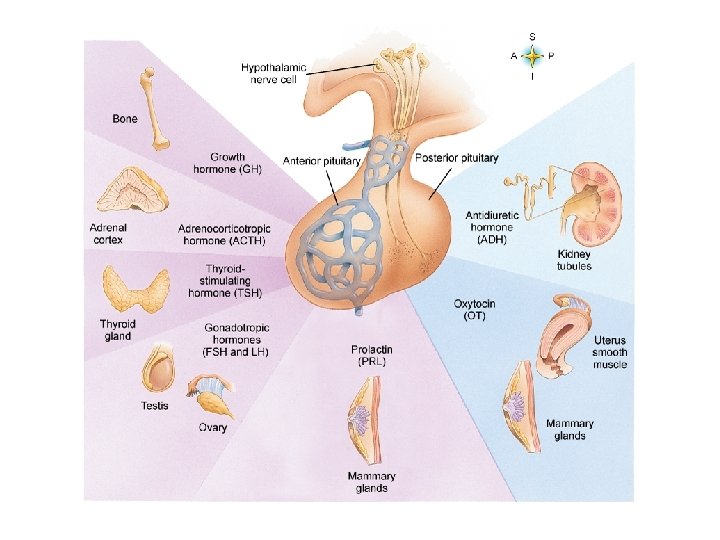
PITUITARY GLAND (FIGURE 10 -5) • Anterior pituitary gland (adenohypophysis) – Names of major hormones • • • Thyroid-stimulating hormone (TSH) Adrenocorticotropic hormone (ACTH) Follicle-stimulating hormone (FSH) Luteinizing hormone (LH) Growth hormone (GH) Prolactin (lactogenic hormone)
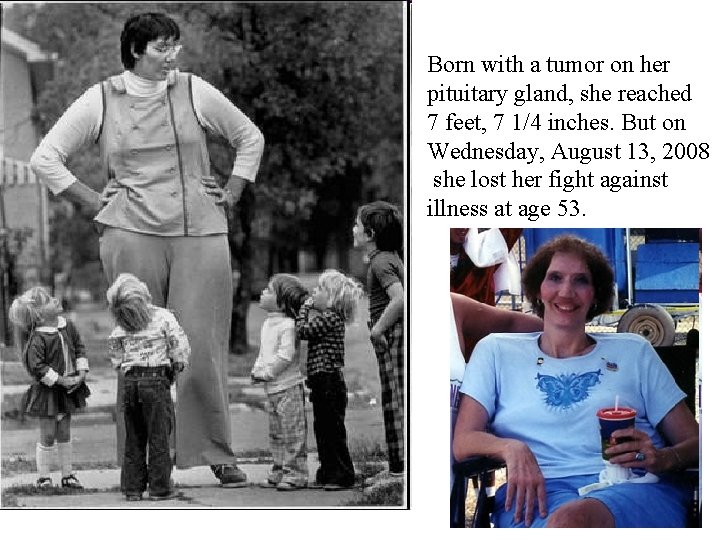
Born with a tumor on her pituitary gland, she reached 7 feet, 7 1/4 inches. But on Wednesday, August 13, 2008 she lost her fight against illness at age 53.
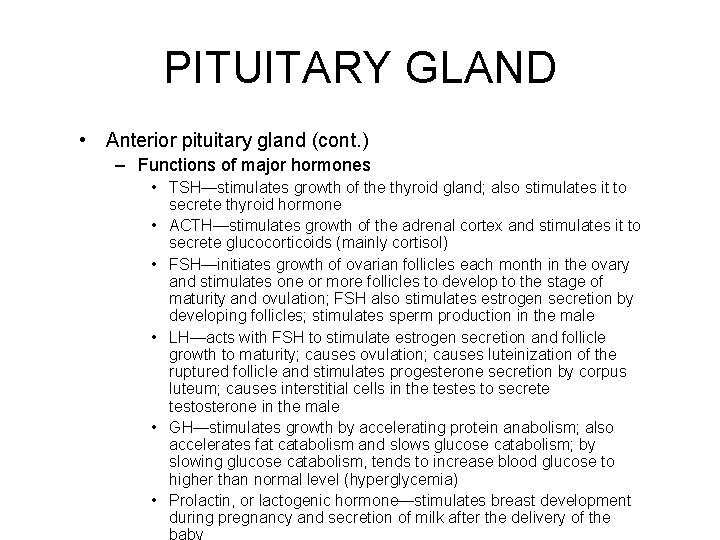
PITUITARY GLAND • Anterior pituitary gland (cont. ) – Functions of major hormones • TSH—stimulates growth of the thyroid gland; also stimulates it to secrete thyroid hormone • ACTH—stimulates growth of the adrenal cortex and stimulates it to secrete glucocorticoids (mainly cortisol) • FSH—initiates growth of ovarian follicles each month in the ovary and stimulates one or more follicles to develop to the stage of maturity and ovulation; FSH also stimulates estrogen secretion by developing follicles; stimulates sperm production in the male • LH—acts with FSH to stimulate estrogen secretion and follicle growth to maturity; causes ovulation; causes luteinization of the ruptured follicle and stimulates progesterone secretion by corpus luteum; causes interstitial cells in the testes to secrete testosterone in the male • GH—stimulates growth by accelerating protein anabolism; also accelerates fat catabolism and slows glucose catabolism; by slowing glucose catabolism, tends to increase blood glucose to higher than normal level (hyperglycemia) • Prolactin, or lactogenic hormone—stimulates breast development during pregnancy and secretion of milk after the delivery of the
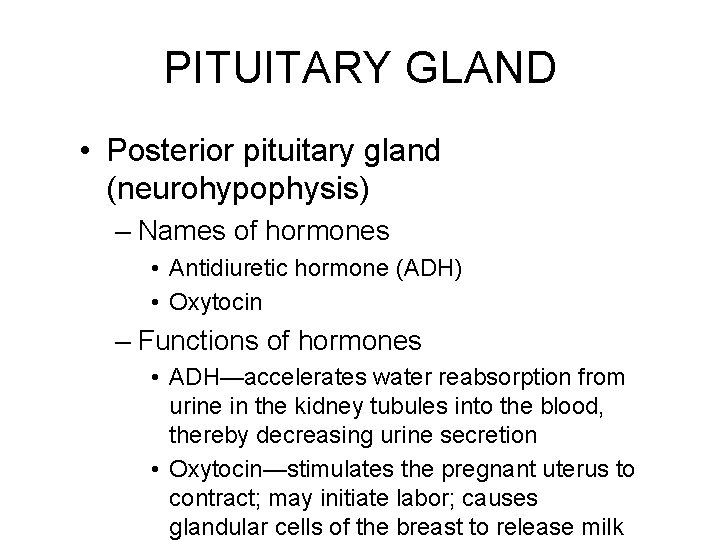
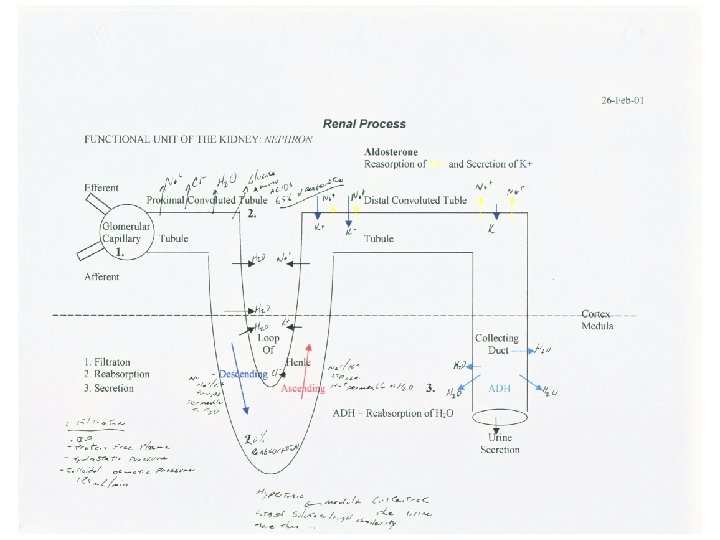
PITUITARY GLAND • Posterior pituitary gland (neurohypophysis) – Names of hormones • Antidiuretic hormone (ADH) • Oxytocin – Functions of hormones • ADH—accelerates water reabsorption from urine in the kidney tubules into the blood, thereby decreasing urine secretion • Oxytocin—stimulates the pregnant uterus to contract; may initiate labor; causes glandular cells of the breast to release milk
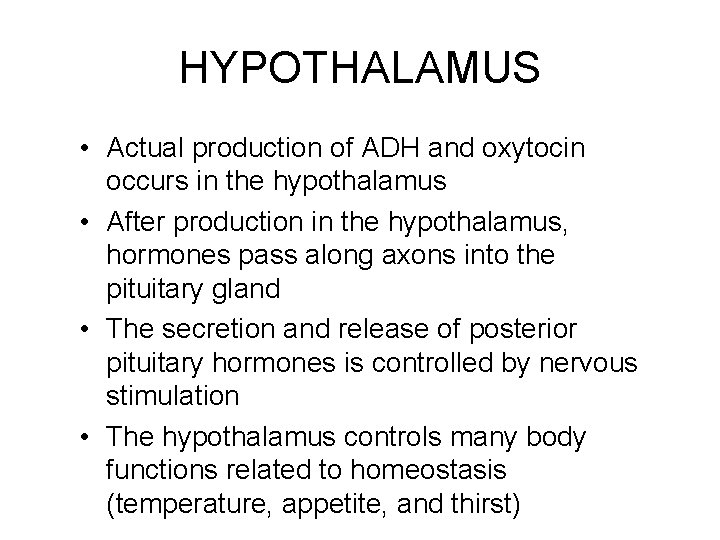
HYPOTHALAMUS • Actual production of ADH and oxytocin occurs in the hypothalamus • After production in the hypothalamus, hormones pass along axons into the pituitary gland • The secretion and release of posterior pituitary hormones is controlled by nervous stimulation • The hypothalamus controls many body functions related to homeostasis (temperature, appetite, and thirst)
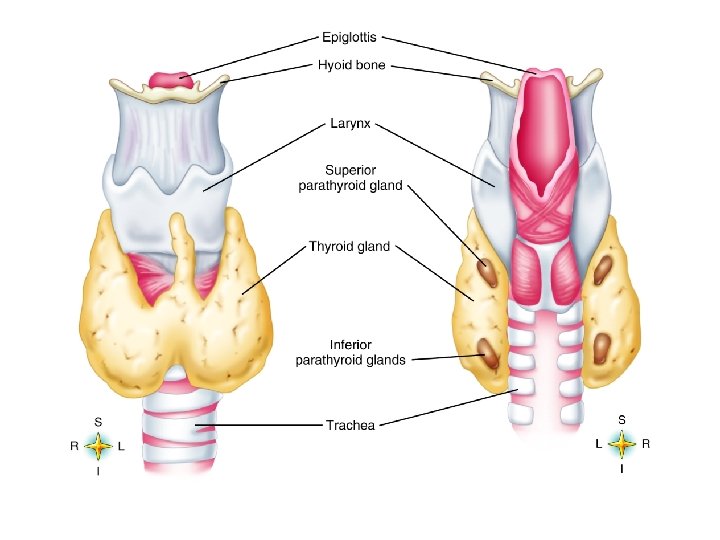
THYROID GLAND (FIGURE 10 -6) • Names of hormones – Thyroid hormones—thyroxine (T 4) and triiodothyronine (T 3) – Calcitonin • Functions of hormones – Thyroid hormones—accelerate catabolism (increase the body’s metabolic rate) – Calcitonin—decreases the blood calcium concentration by inhibiting breakdown of bone, which would release calcium into
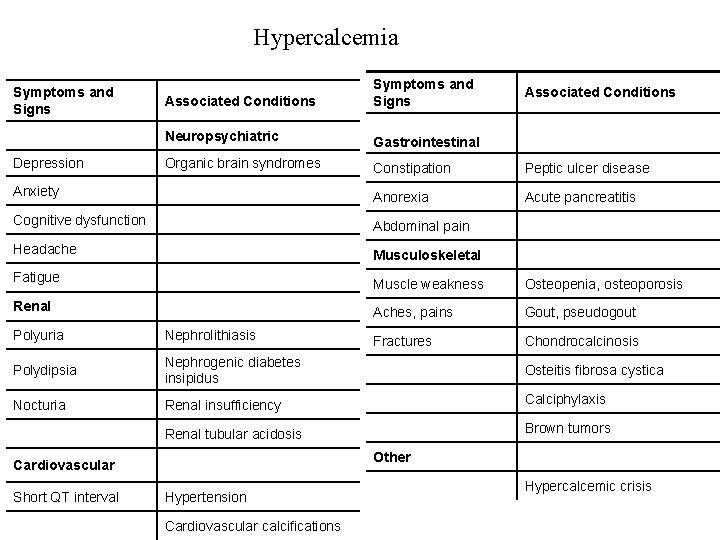
Hypercalcemia Associated Conditions Symptoms and Signs Neuropsychiatric Gastrointestinal Organic brain syndromes Constipation Peptic ulcer disease Anxiety Anorexia Acute pancreatitis Cognitive dysfunction Abdominal pain Headache Musculoskeletal Fatigue Muscle weakness Osteopenia, osteoporosis Renal Aches, pains Gout, pseudogout Fractures Chondrocalcinosis Symptoms and Signs Depression Associated Conditions Polyuria Nephrolithiasis Polydipsia Nephrogenic diabetes insipidus Osteitis fibrosa cystica Nocturia Renal insufficiency Calciphylaxis Renal tubular acidosis Brown tumors Other Cardiovascular Short QT interval Hypertension Cardiovascular calcifications Hypercalcemic crisis
PARATHYROID GLANDS (FIGURE 10 -6) • Name of hormone—parathyroid hormone (PTH) • Function of hormone—increases blood calcium concentration by increasing the breakdown of bone with the release of calcium into the blood