
Chapter 10 Switching DC Power Supplies One of

- Slides: 38
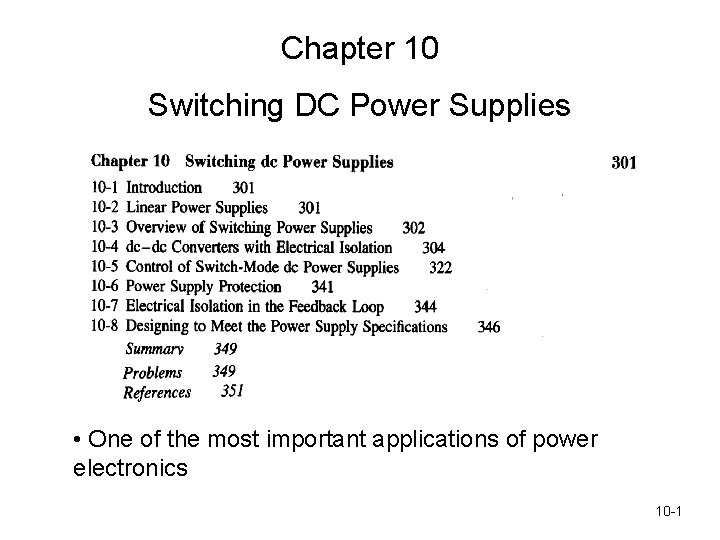
Chapter 10 Switching DC Power Supplies • One of the most important applications of power electronics 10 -1
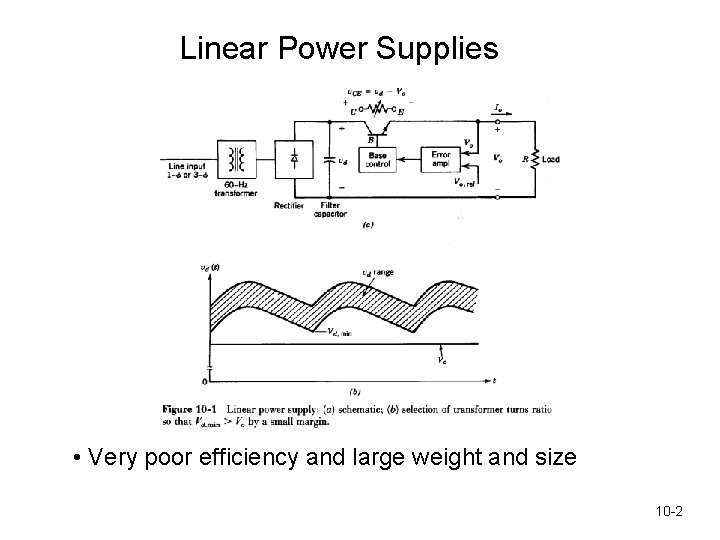
Linear Power Supplies • Very poor efficiency and large weight and size 10 -2
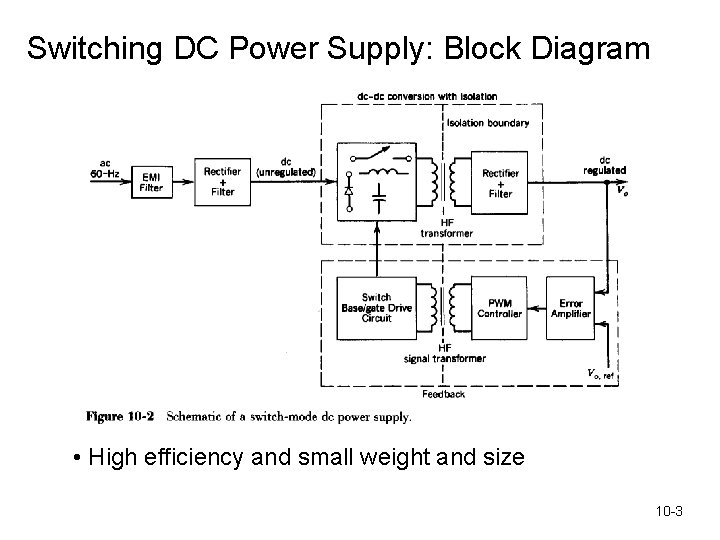
Switching DC Power Supply: Block Diagram • High efficiency and small weight and size 10 -3
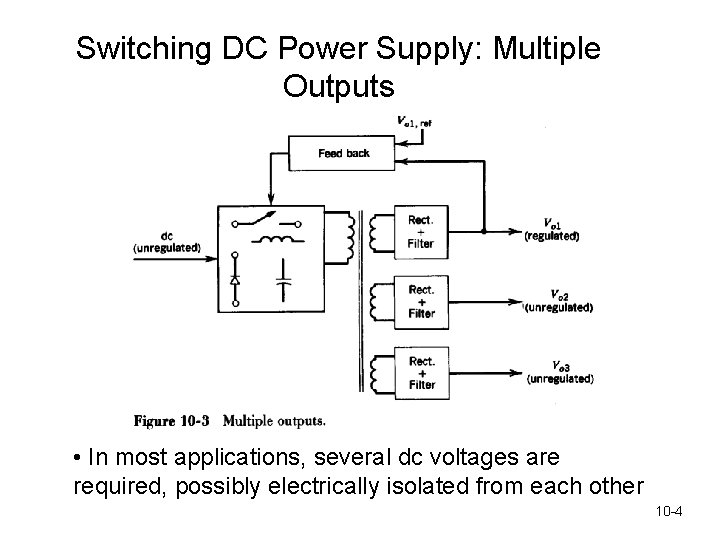
Switching DC Power Supply: Multiple Outputs • In most applications, several dc voltages are required, possibly electrically isolated from each other 10 -4
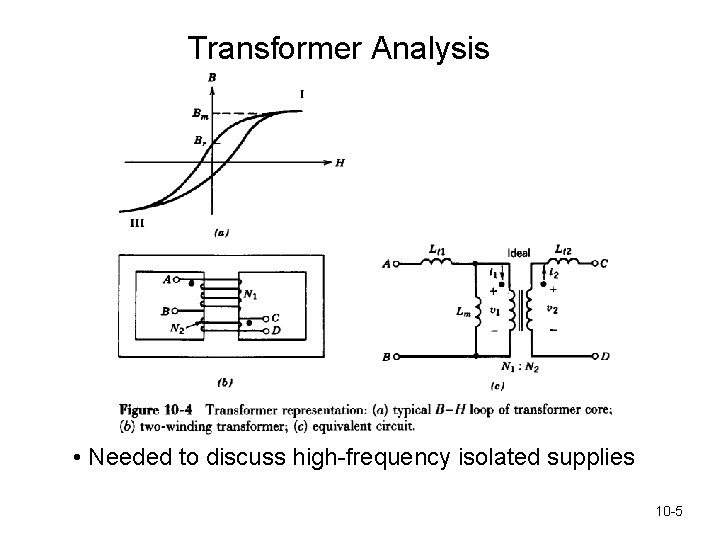
Transformer Analysis • Needed to discuss high-frequency isolated supplies 10 -5
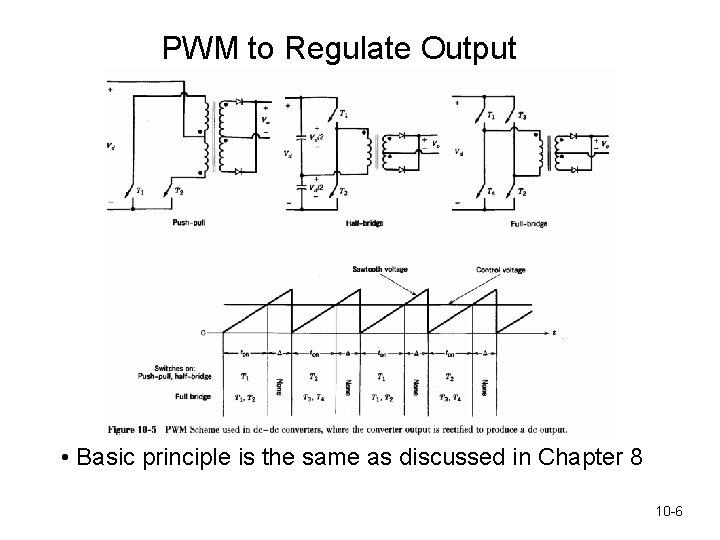
PWM to Regulate Output • Basic principle is the same as discussed in Chapter 8 10 -6
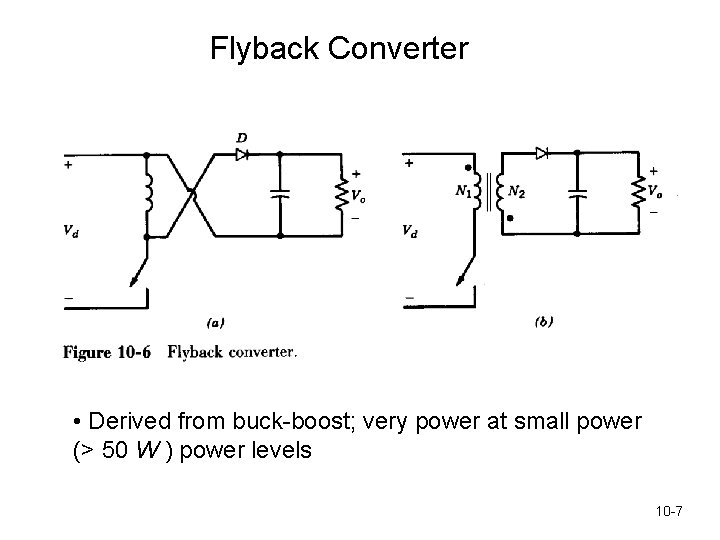
Flyback Converter • Derived from buck-boost; very power at small power (> 50 W ) power levels 10 -7
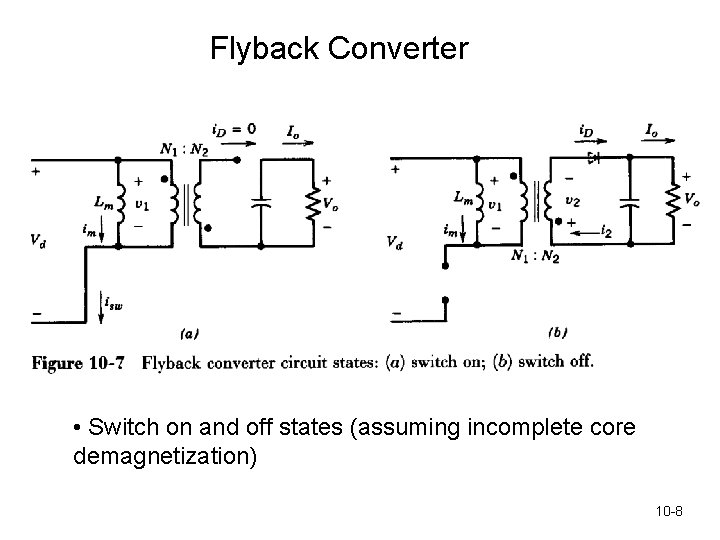
Flyback Converter • Switch on and off states (assuming incomplete core demagnetization) 10 -8
Flyback Converter • Switching waveforms (assuming incomplete core demagnetization) 10 -9
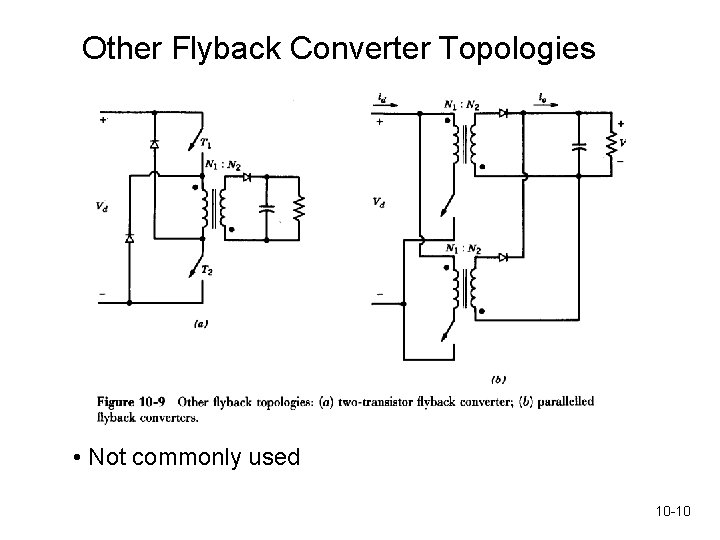
Other Flyback Converter Topologies • Not commonly used 10 -10
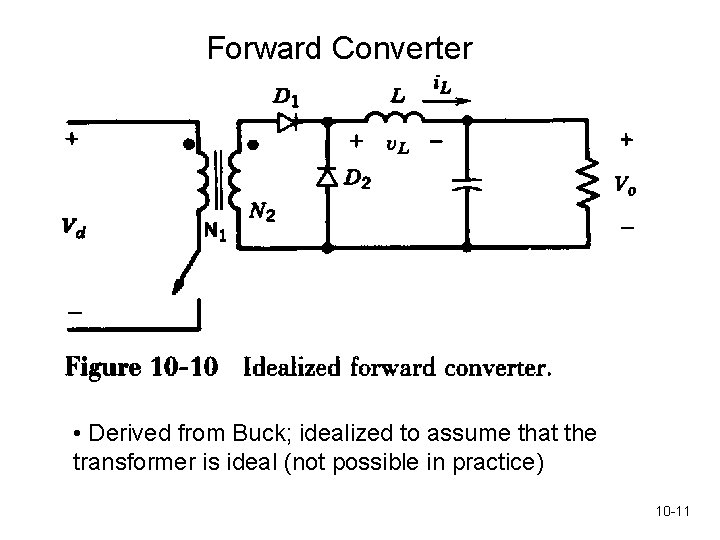
Forward Converter • Derived from Buck; idealized to assume that the transformer is ideal (not possible in practice) 10 -11
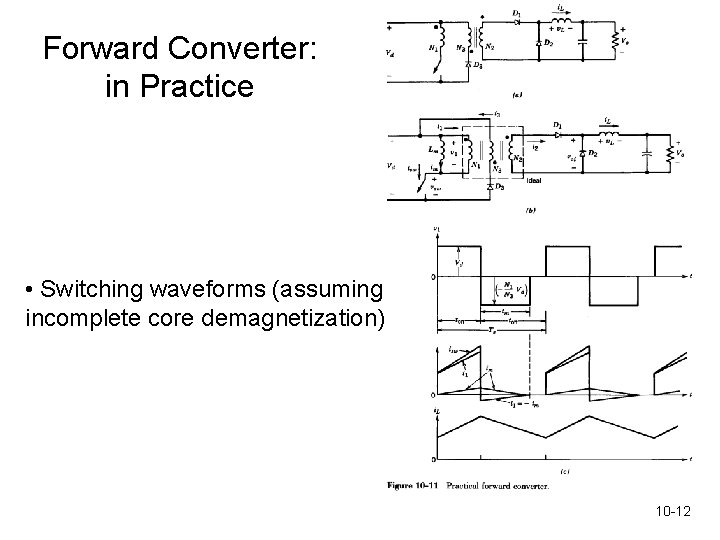
Forward Converter: in Practice • Switching waveforms (assuming incomplete core demagnetization) 10 -12
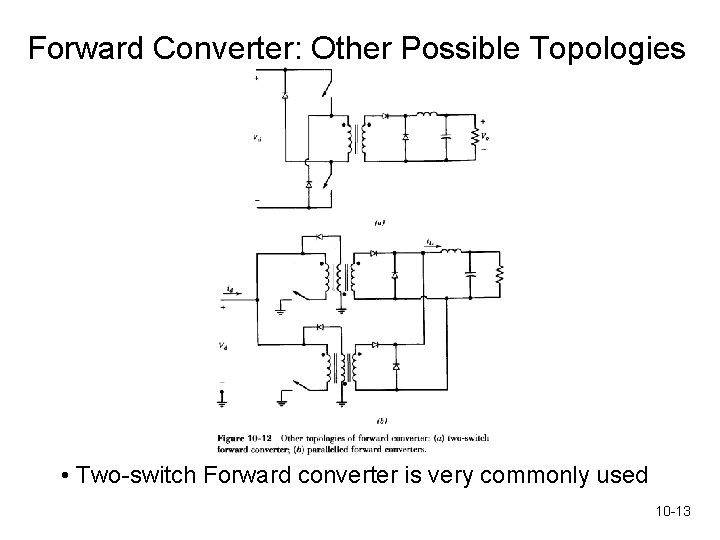
Forward Converter: Other Possible Topologies • Two-switch Forward converter is very commonly used 10 -13
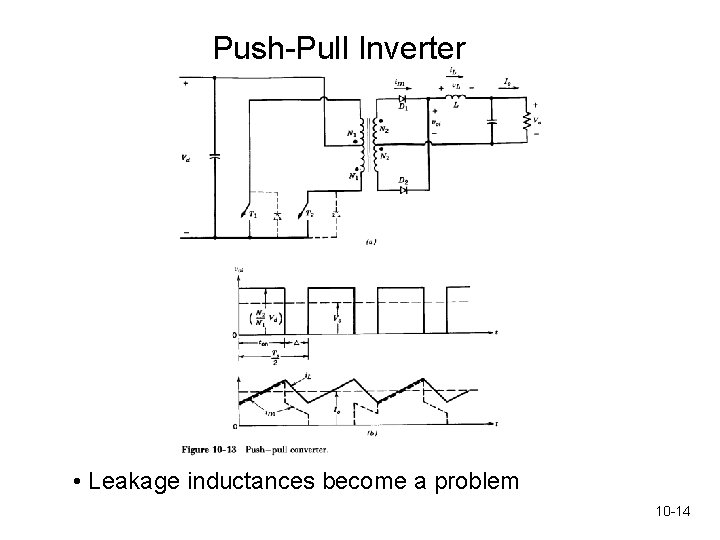
Push-Pull Inverter • Leakage inductances become a problem 10 -14
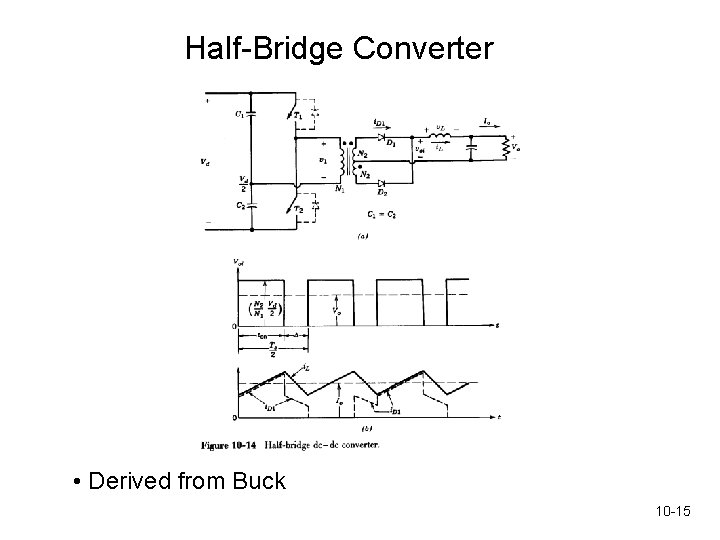
Half-Bridge Converter • Derived from Buck 10 -15
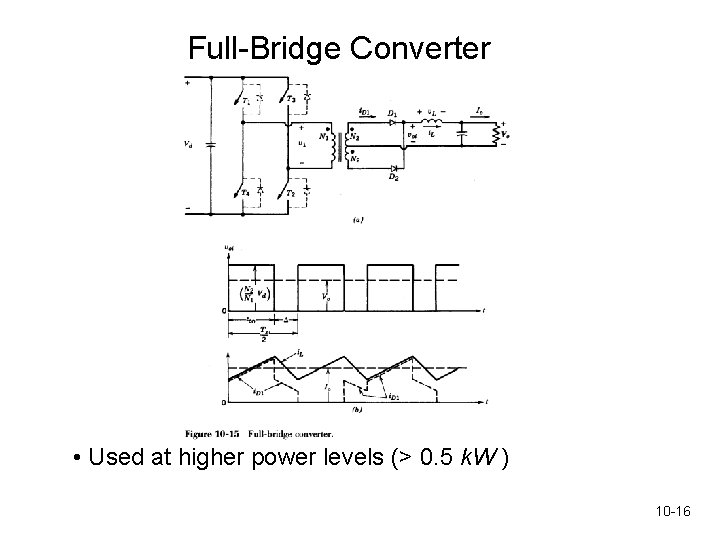
Full-Bridge Converter • Used at higher power levels (> 0. 5 k. W ) 10 -16
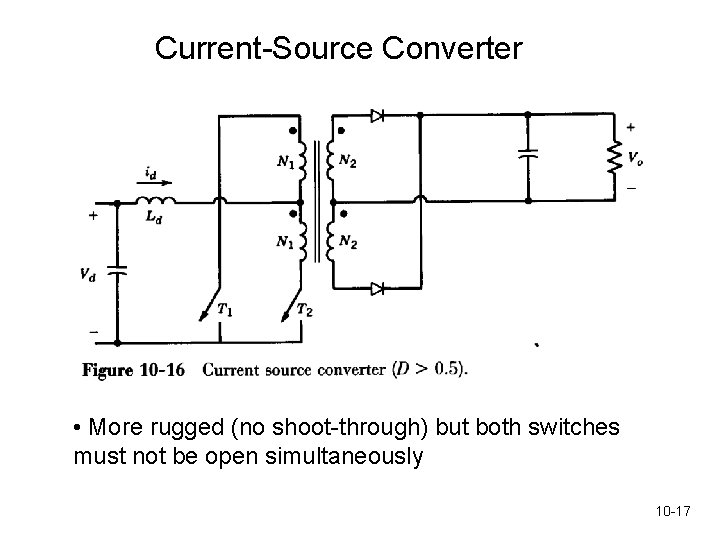
Current-Source Converter • More rugged (no shoot-through) but both switches must not be open simultaneously 10 -17
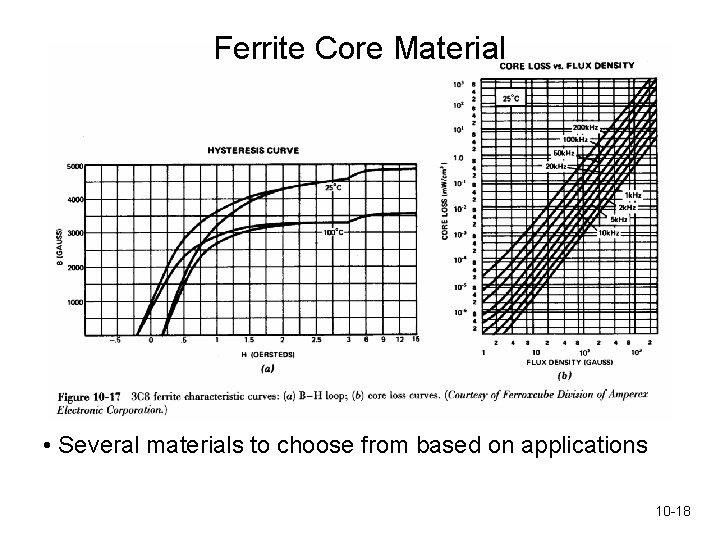
Ferrite Core Material • Several materials to choose from based on applications 10 -18
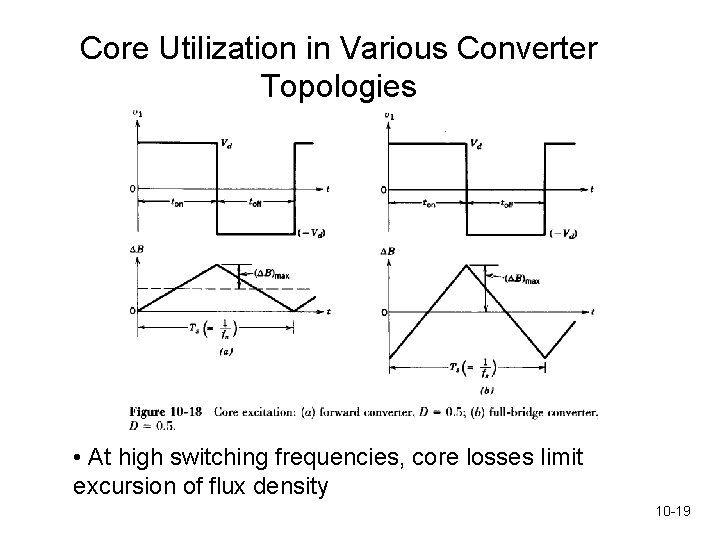
Core Utilization in Various Converter Topologies • At high switching frequencies, core losses limit excursion of flux density 10 -19
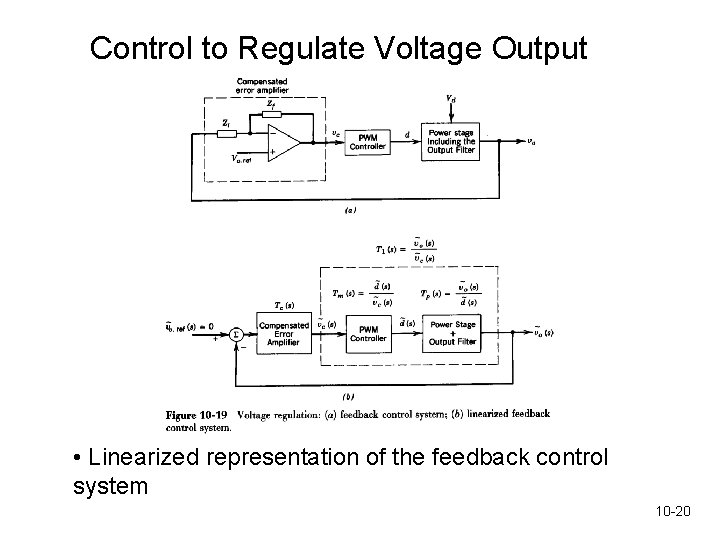
Control to Regulate Voltage Output • Linearized representation of the feedback control system 10 -20
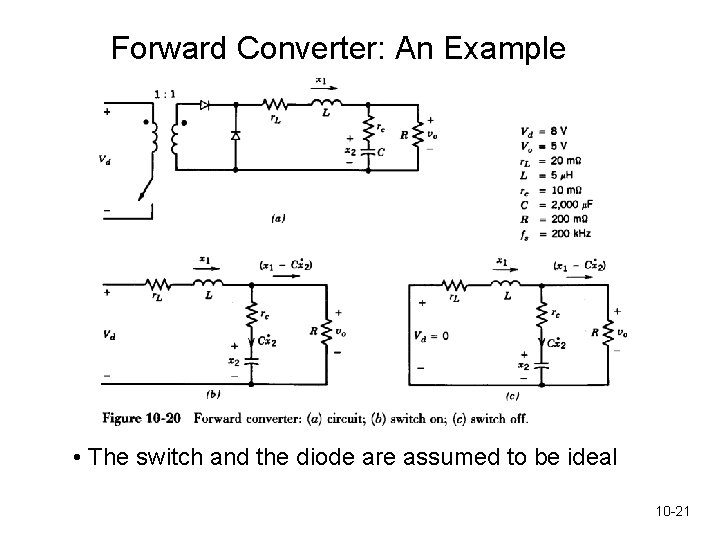
Forward Converter: An Example • The switch and the diode are assumed to be ideal 10 -21
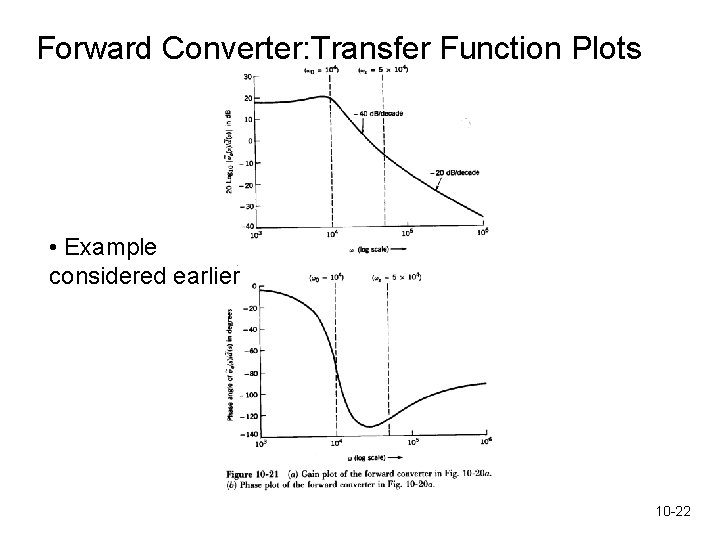
Forward Converter: Transfer Function Plots • Example considered earlier 10 -22
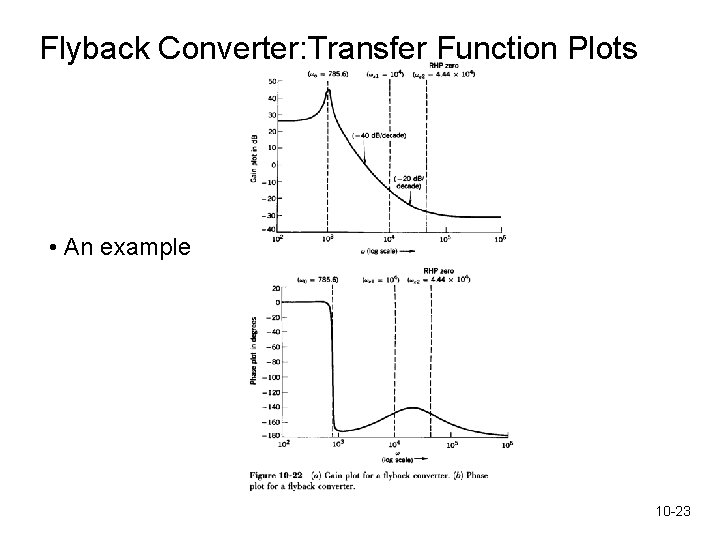
Flyback Converter: Transfer Function Plots • An example 10 -23
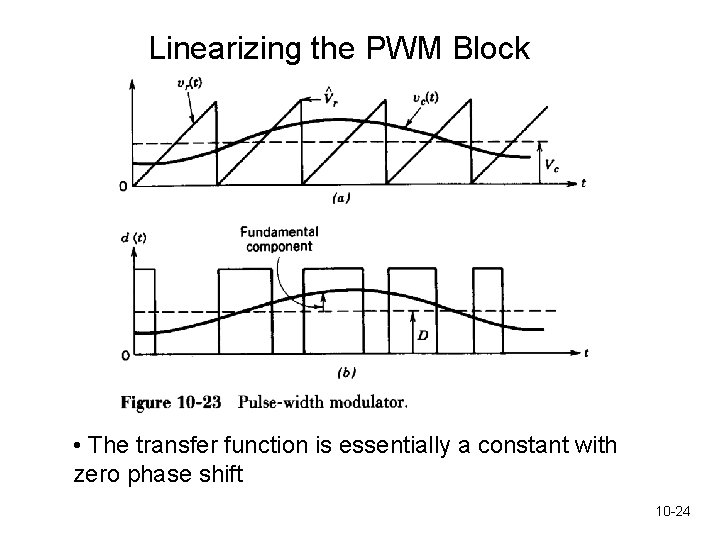
Linearizing the PWM Block • The transfer function is essentially a constant with zero phase shift 10 -24
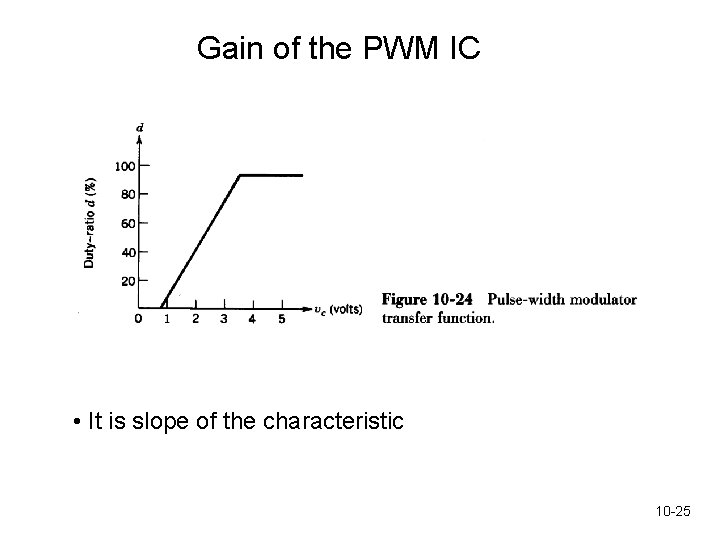
Gain of the PWM IC • It is slope of the characteristic 10 -25
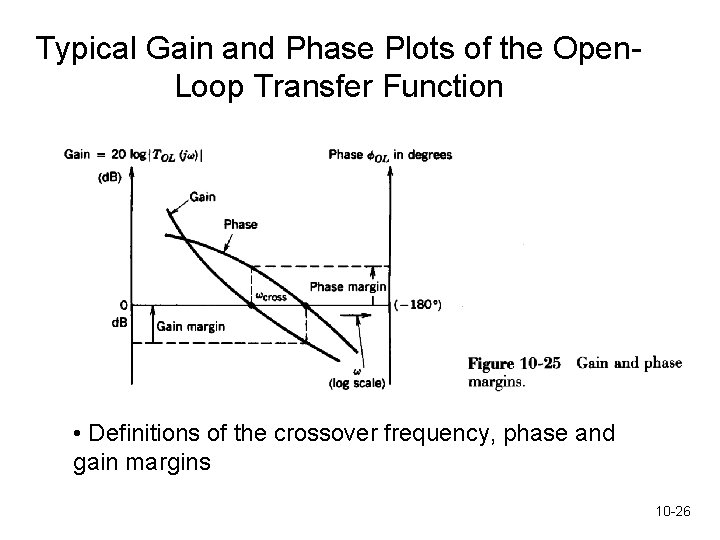
Typical Gain and Phase Plots of the Open. Loop Transfer Function • Definitions of the crossover frequency, phase and gain margins 10 -26
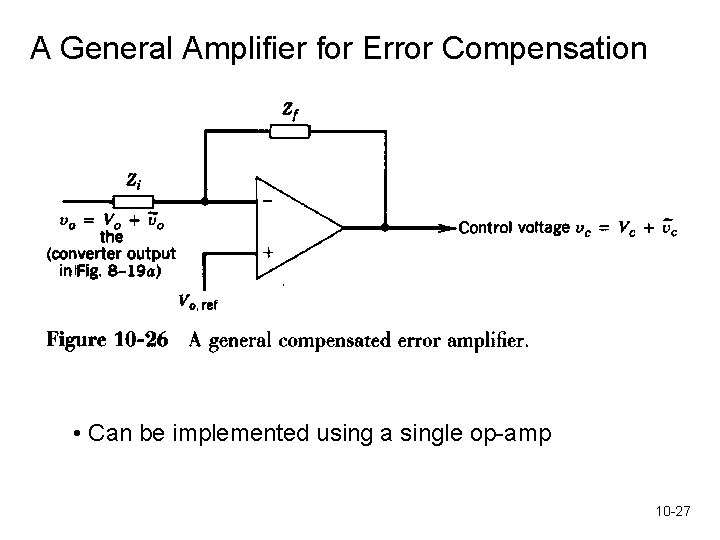
A General Amplifier for Error Compensation • Can be implemented using a single op-amp 10 -27
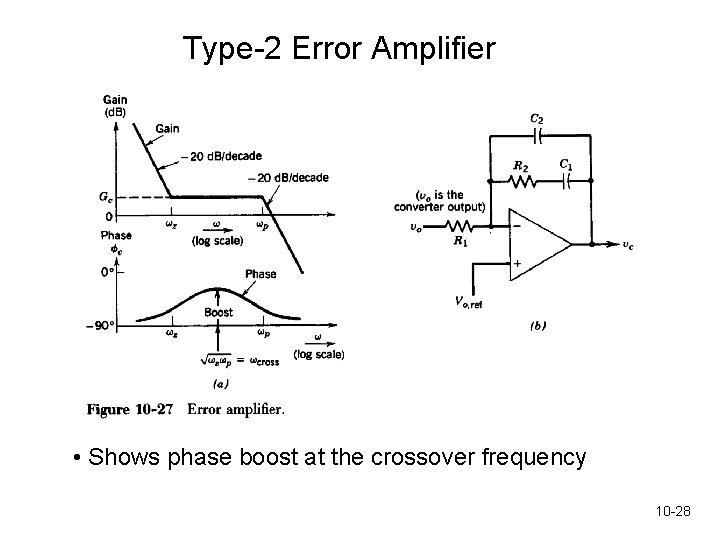
Type-2 Error Amplifier • Shows phase boost at the crossover frequency 10 -28
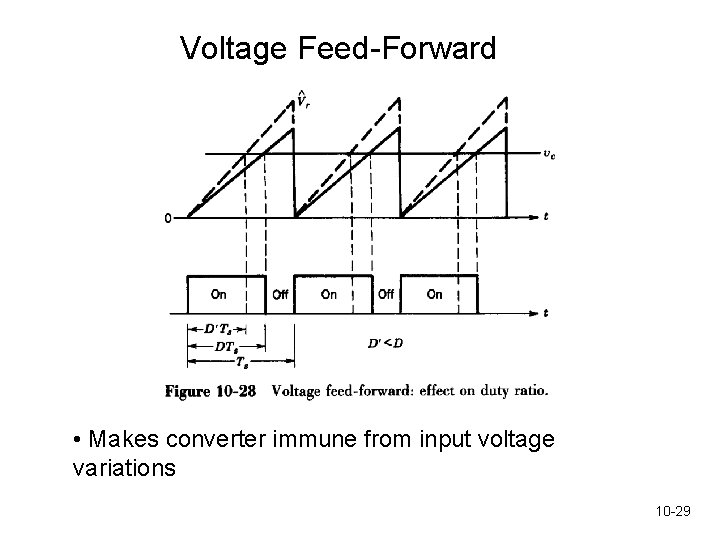
Voltage Feed-Forward • Makes converter immune from input voltage variations 10 -29
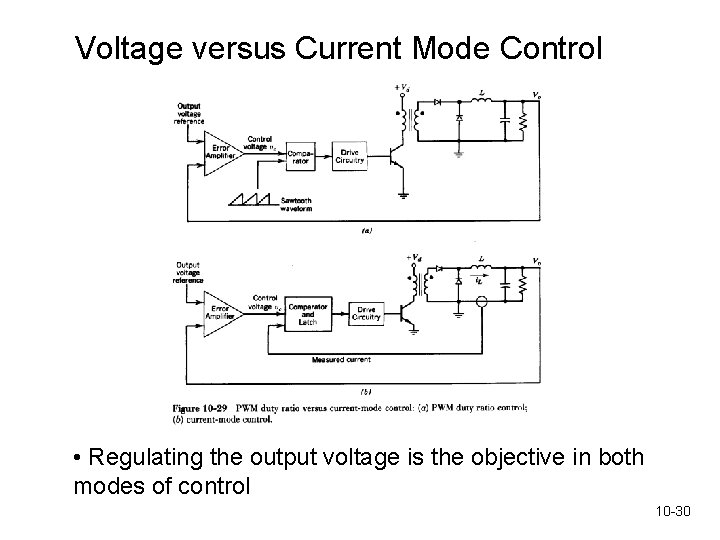
Voltage versus Current Mode Control • Regulating the output voltage is the objective in both modes of control 10 -30
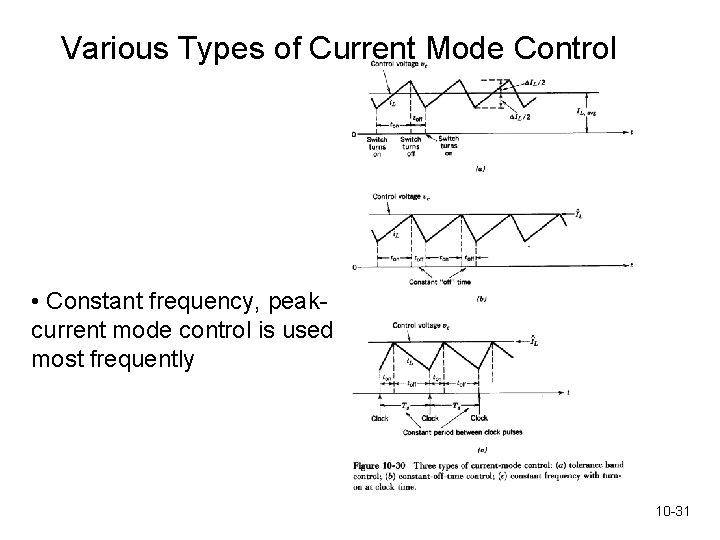
Various Types of Current Mode Control • Constant frequency, peakcurrent mode control is used most frequently 10 -31
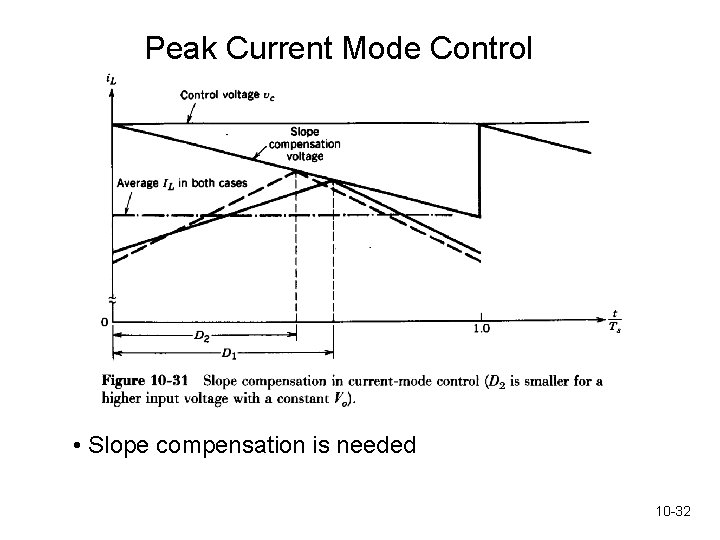
Peak Current Mode Control • Slope compensation is needed 10 -32
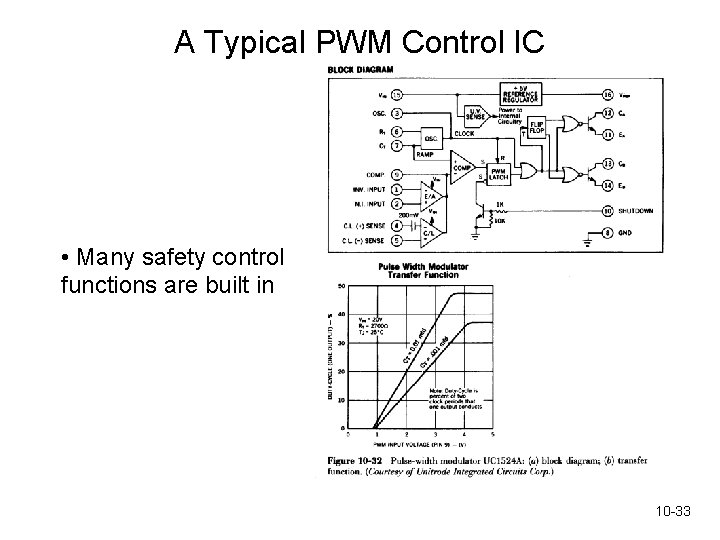
A Typical PWM Control IC • Many safety control functions are built in 10 -33
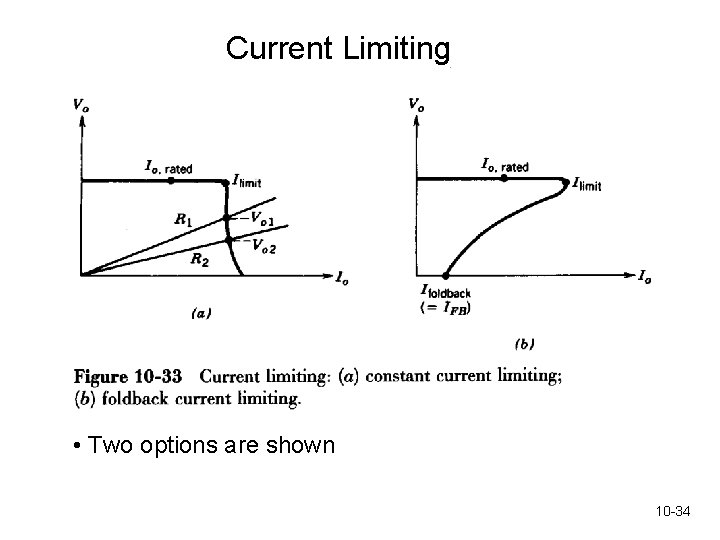
Current Limiting • Two options are shown 10 -34
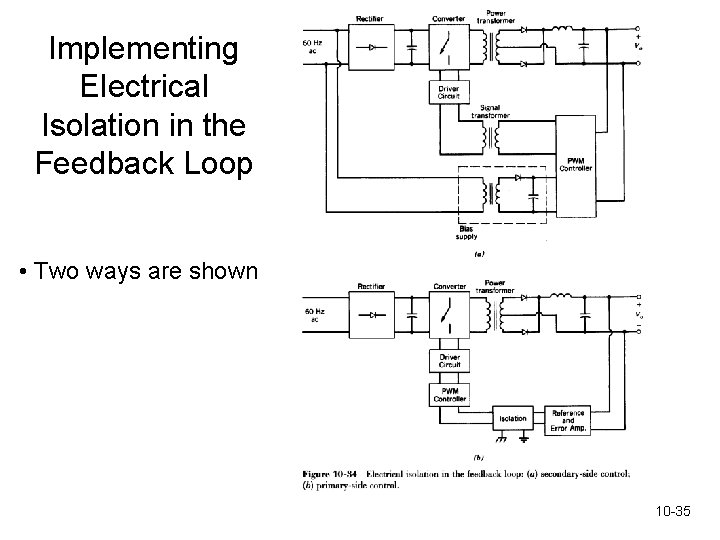
Implementing Electrical Isolation in the Feedback Loop • Two ways are shown 10 -35
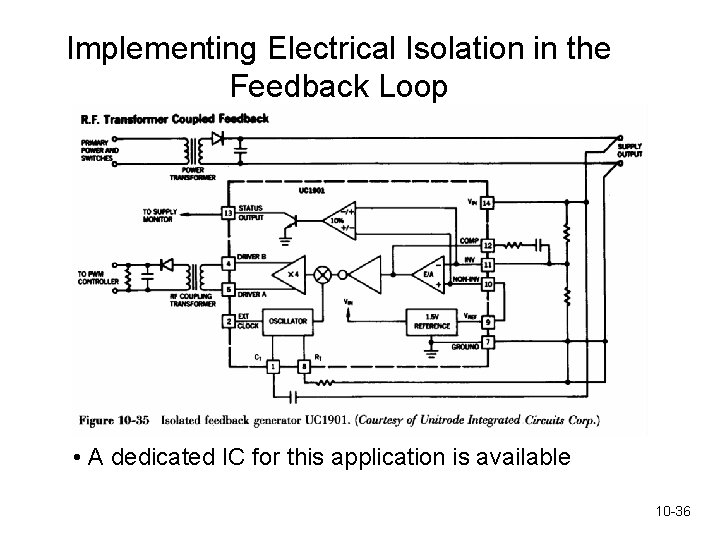
Implementing Electrical Isolation in the Feedback Loop • A dedicated IC for this application is available 10 -36
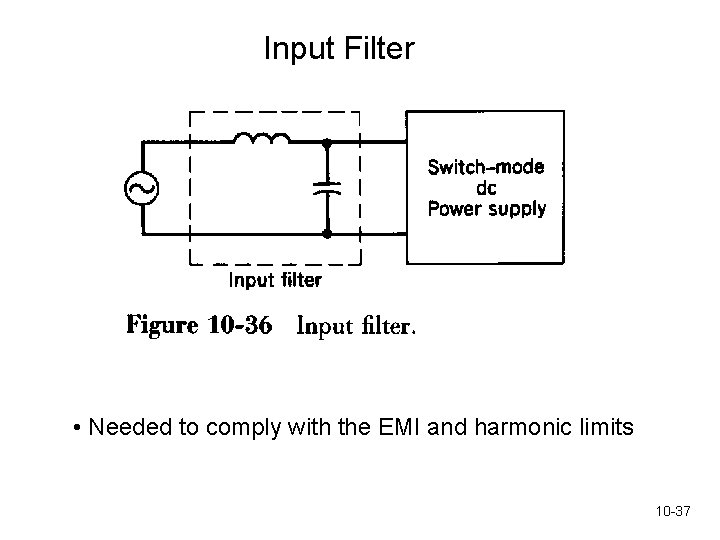
Input Filter • Needed to comply with the EMI and harmonic limits 10 -37
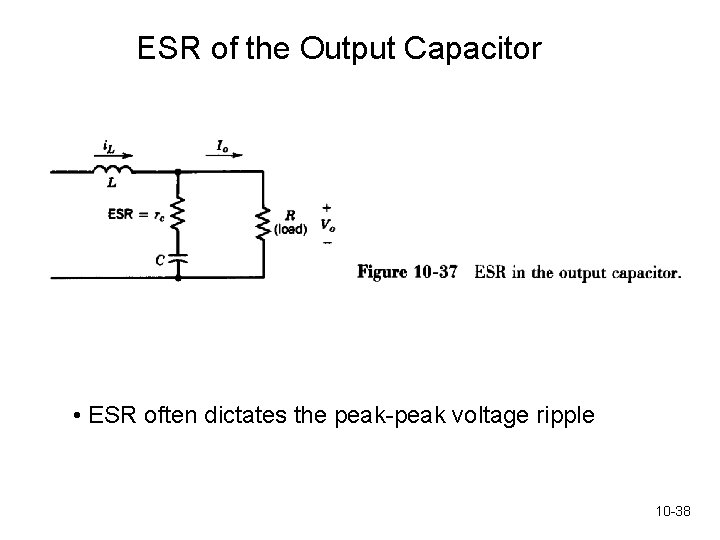
ESR of the Output Capacitor • ESR often dictates the peak-peak voltage ripple 10 -38