
Chapter 10 Slope Processes Landslides and Subsidence Mass
Chapter 10: Slope Processes, Landslides, and Subsidence
Mass wasting n Down slope movement of material
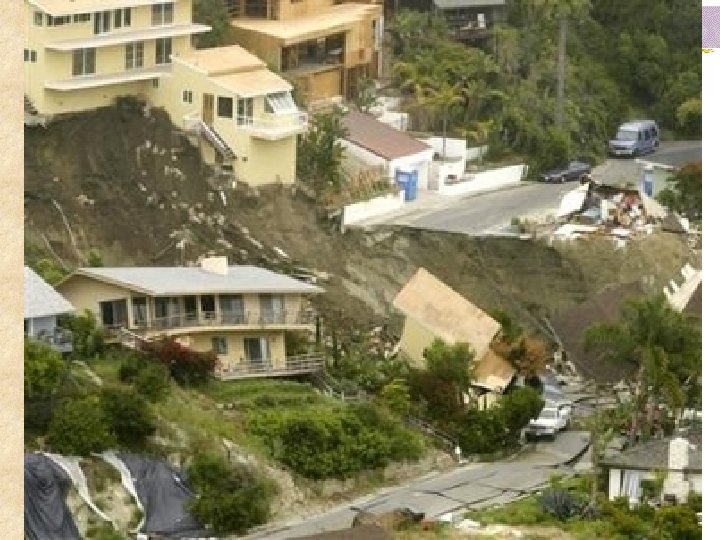
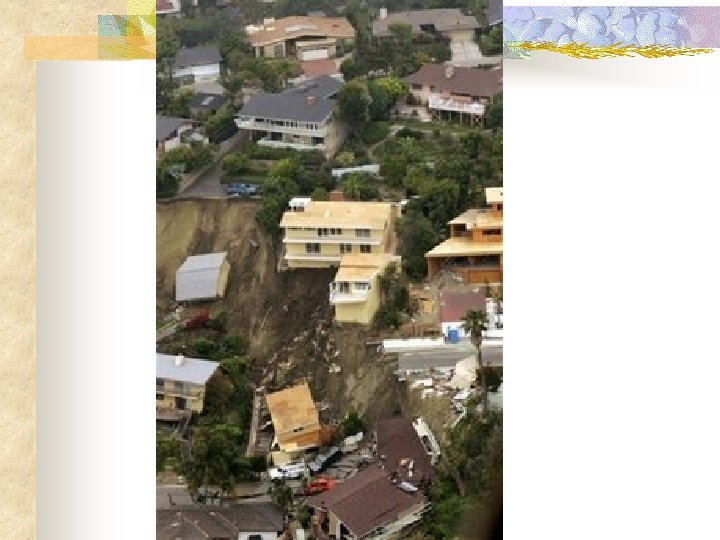
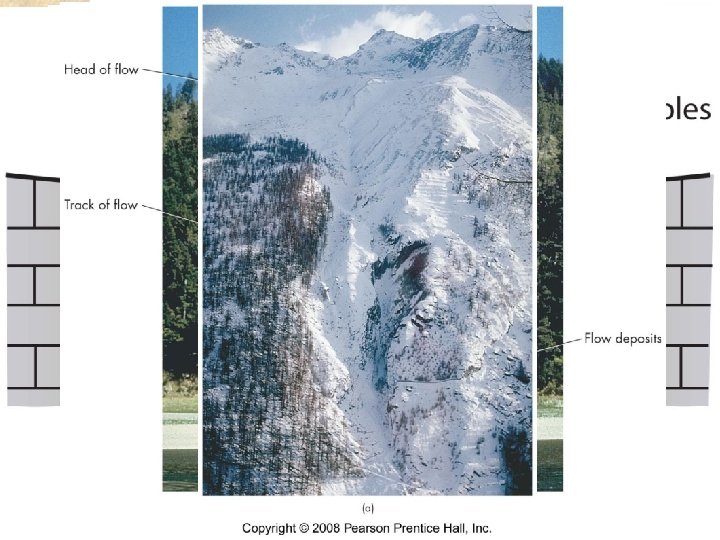
Types of mass movement n slope failures n n n flows - incoherent slides - coherent falls creep subsidence snow avalanche
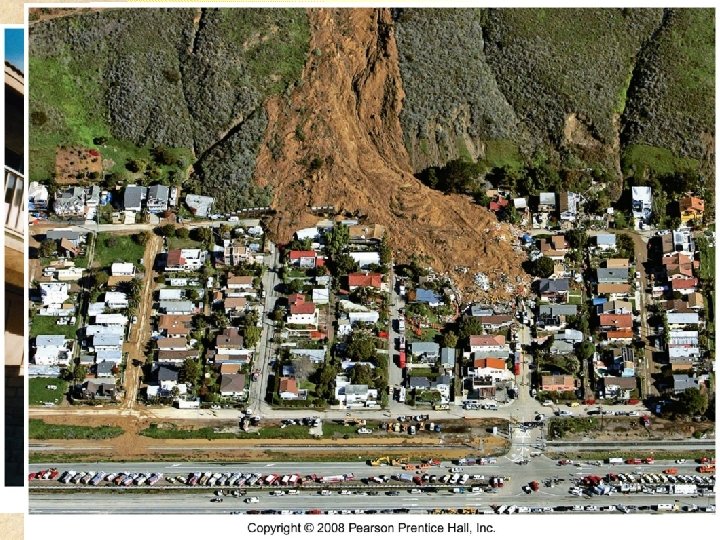
Figure 9. 4 l
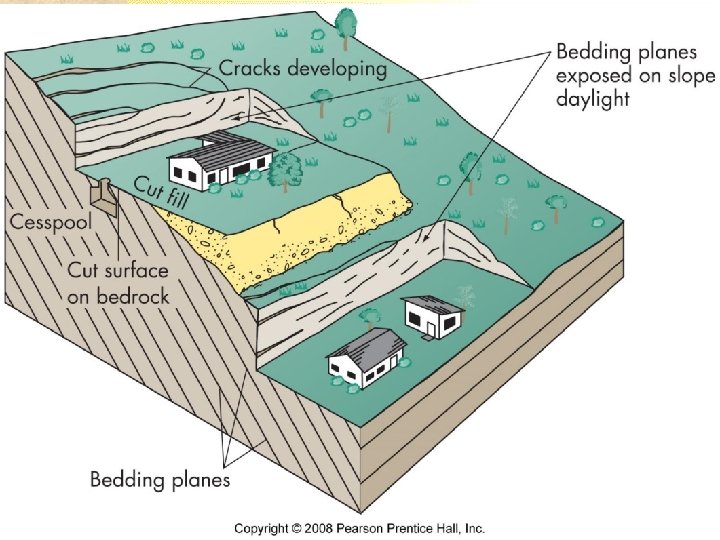
Slope stability factors n n n n Material type Slope angle Climate Vegetation Water Addition or removal of material Time
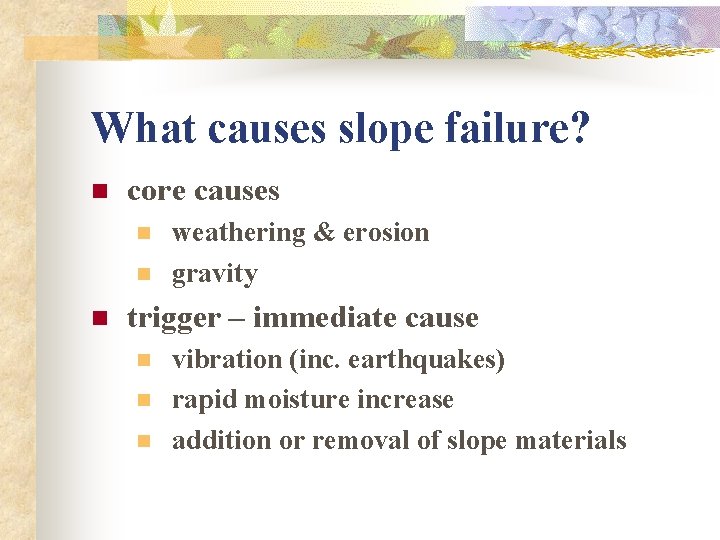
What causes slope failure? n core causes n n n weathering & erosion gravity trigger – immediate cause n n n vibration (inc. earthquakes) rapid moisture increase addition or removal of slope materials
slopes and humans n n humans building in the way enhanced by humans - humans induce long-term changes and triggers n n n timber harvesting urbanization/development humans create unstable situations
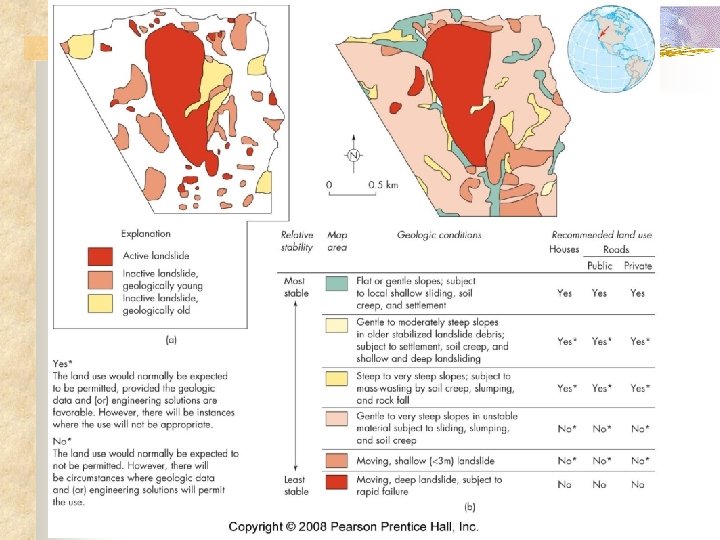
Hazard recognition n slope stability maps landslide inventory slope inspection
Evidence of an unstable slope n n n n n buildings - cracked, stuck doors crooked fences and retaining walls broken underground pipes uneven pavement uneven ground cracks in ground trees - tilted - buttressed rockfalls slump features
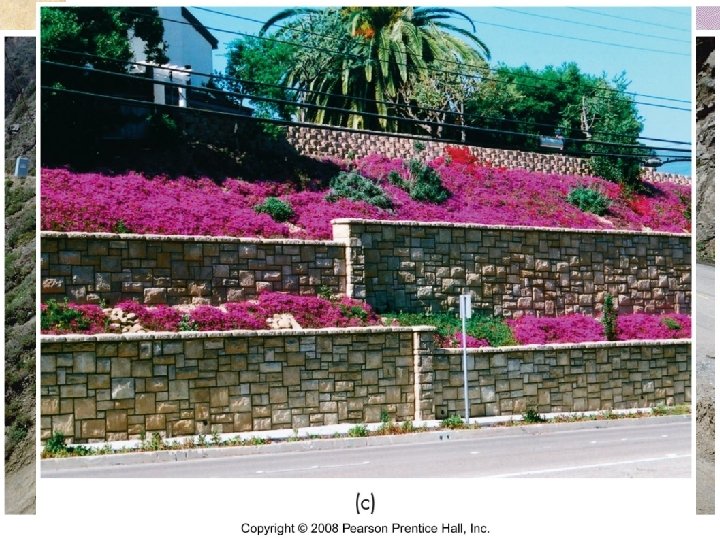
Preventing slope failure n n n careful planning of human activities drainage and dewatering grading and benching retaining walls bolting, netting, spray crete
Response to unstable slopes n Warning systems n n surveillance tilt meters geophones Landslide correction n n stopping active slide removal of water - drainage
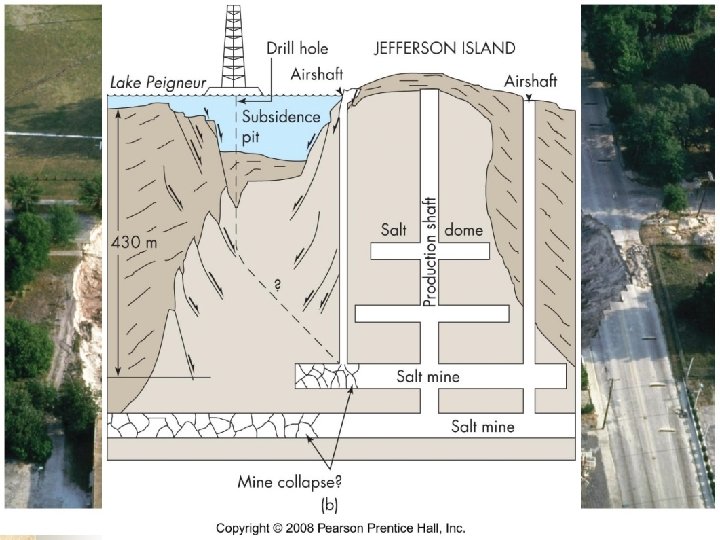
Land subsidence causes n n n withdrawal of fluids mining rock dissolution
Land subsidence risk areas n n n above mines areas of heavy GW withdrawal soluble bedrock
Chapter 19: Radon Gas
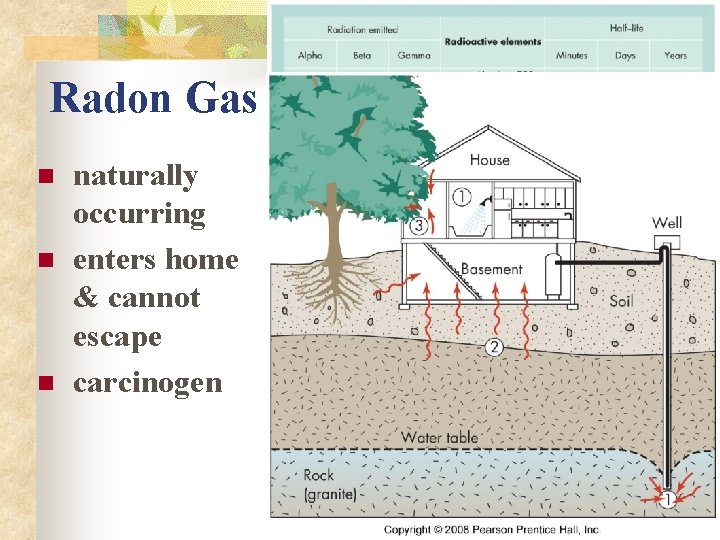
Radon Gas n naturally occurring enters home & cannot escape carcinogen
- Slides: 17