
CHAPTER 10 SITE SPECIFICART Site Specific art is

- Slides: 17
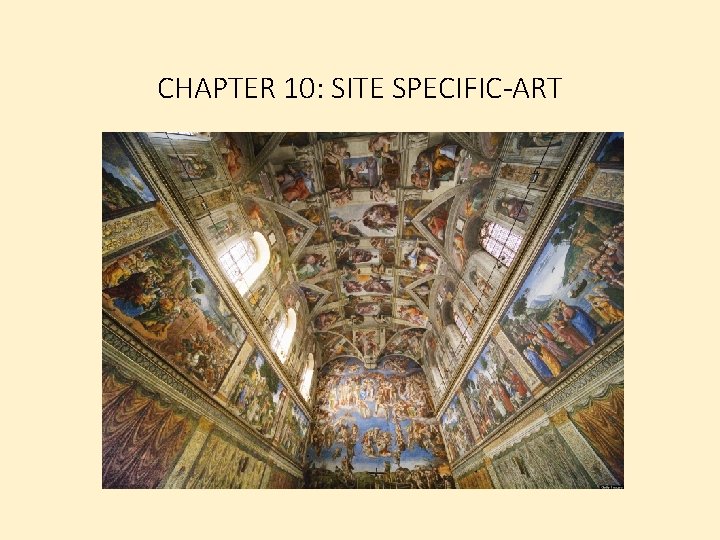
CHAPTER 10: SITE SPECIFIC-ART
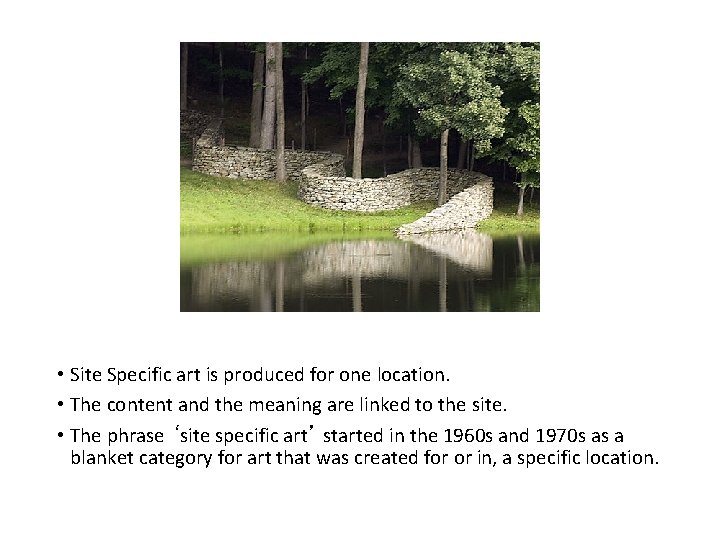
• Site Specific art is produced for one location. • The content and the meaning are linked to the site. • The phrase ‘site specific art’ started in the 1960 s and 1970 s as a blanket category for art that was created for or in, a specific location.
Types of Site-Specific Art • There are many types, goals, and styles of site-specific art including: • • Land environmental art Ephemeral art Public art Monuments
LAND ART created by an artist within natural surroundings
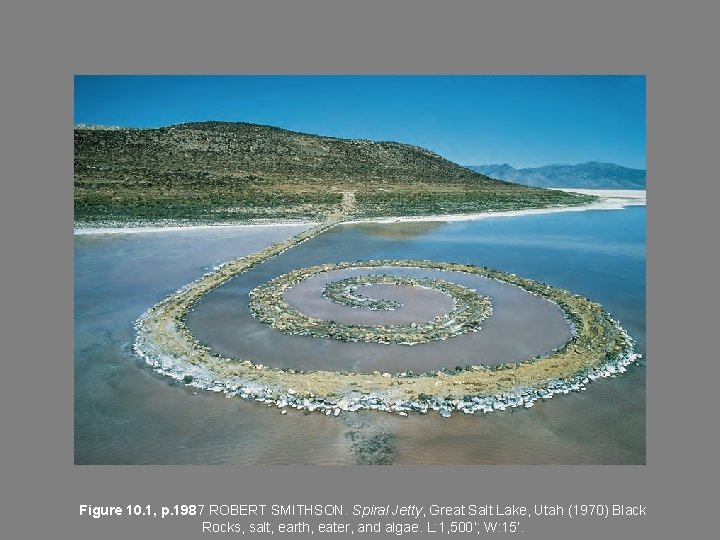
Figure 10. 1, p. 1987 ROBERT SMITHSON. Spiral Jetty, Great Salt Lake, Utah (1970) Black Rocks, salt, earth, eater, and algae. L: 1, 500’; W: 15’.
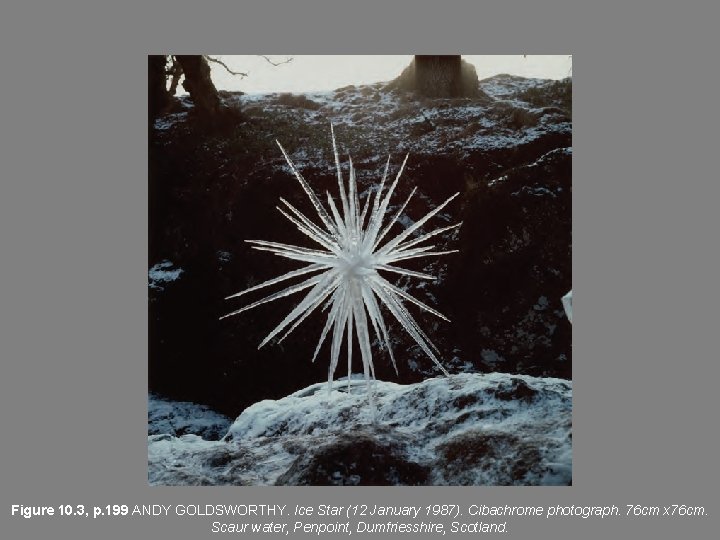
Figure 10. 3, p. 199 ANDY GOLDSWORTHY. Ice Star (12 January 1987). Cibachrome photograph. 76 cm x 76 cm. Scaur water, Penpoint, Dumfriesshire, Scotland.
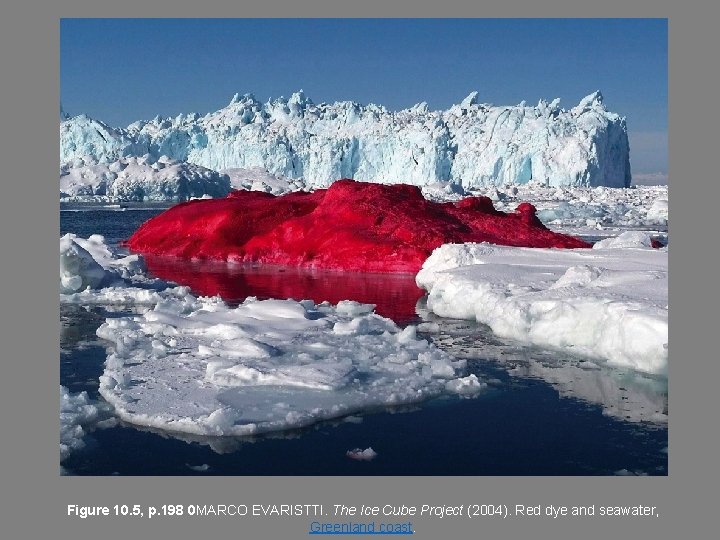
Figure 10. 5, p. 198 0 MARCO EVARISTTI. The Ice Cube Project (2004). Red dye and seawater, Greenland coast.
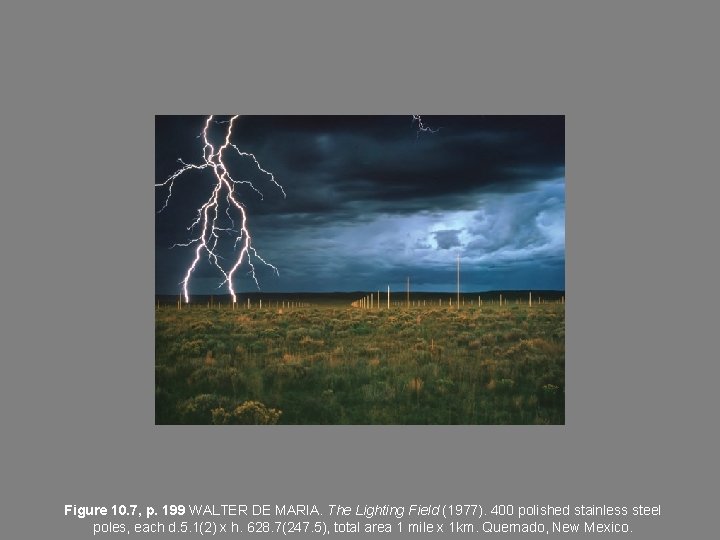
Figure 10. 7, p. 199 WALTER DE MARIA. The Lighting Field (1977). 400 polished stainless steel poles, each d. 5. 1(2) x h. 628. 7(247. 5), total area 1 mile x 1 km. Quernado, New Mexico.
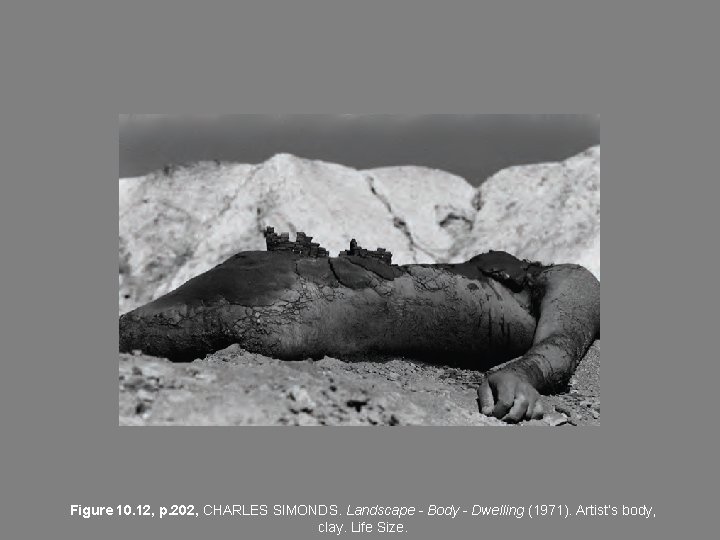
Figure 10. 12, p. 202, CHARLES SIMONDS. Landscape - Body - Dwelling (1971). Artist’s body, clay. Life Size.
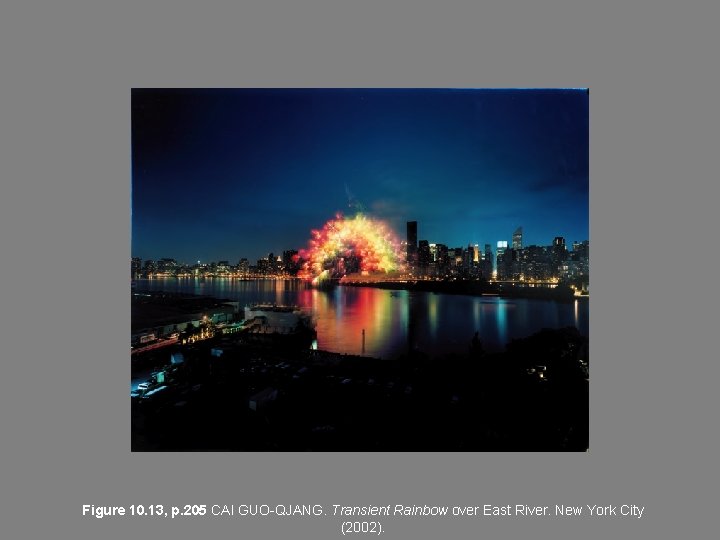
EPHEMERAL ART Works that have temporal immediacy or are built With the recognition that they will disintegrate
Figure 10. 13, p. 205 CAI GUO-QJANG. Transient Rainbow over East River. New York City (2002).
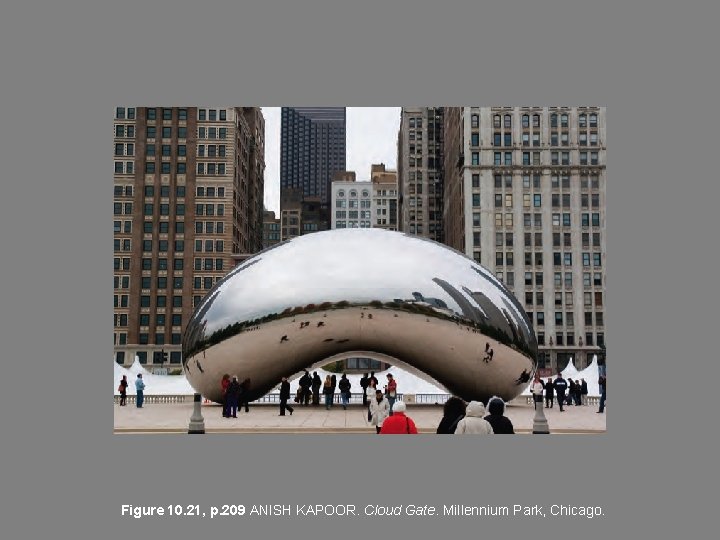
PUBLIC ART Works created for public spaces
Figure 10. 21, p. 209 ANISH KAPOOR. Cloud Gate. Millennium Park, Chicago.
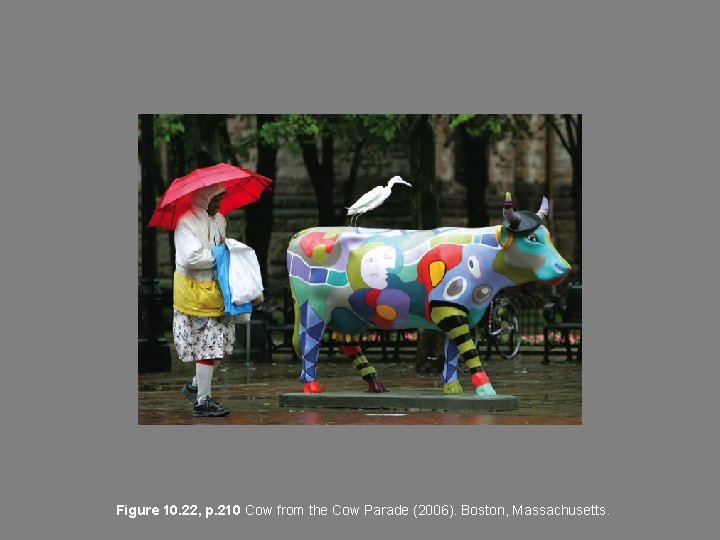
Figure 10. 22, p. 210 Cow from the Cow Parade (2006). Boston, Massachusetts.
MONUMENTS Site-specific public art meant to preserve the memory of a person or place
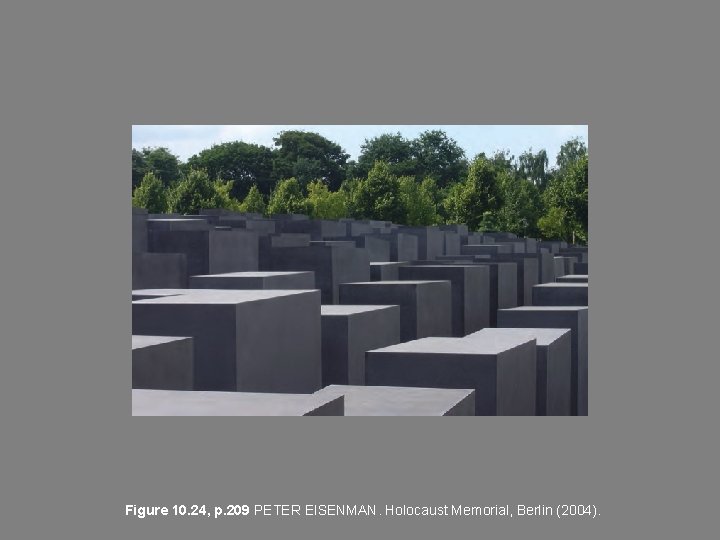
Figure 10. 24, p. 209 PETER EISENMAN. Holocaust Memorial, Berlin (2004).
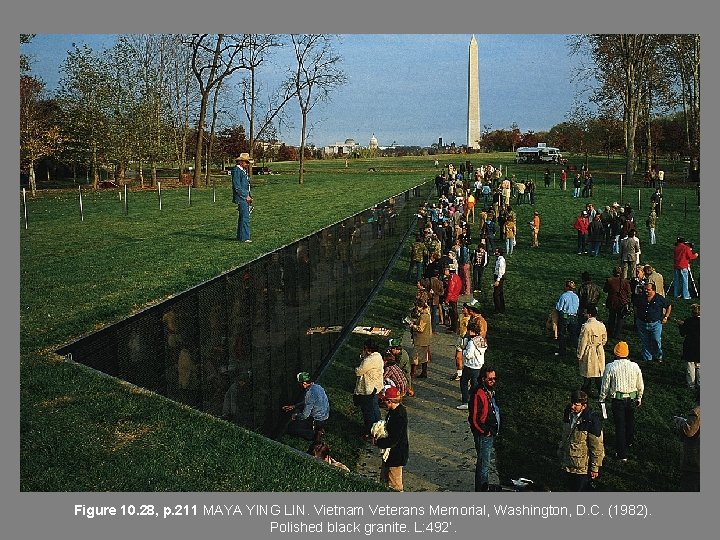
Figure 10. 28, p. 211 MAYA YING LIN. Vietnam Veterans Memorial, Washington, D. C. (1982). Polished black granite. L: 492’.