
Chapter 1 Studying the State of Our Earth
- Slides: 68
Chapter 1 Studying the State of Our Earth
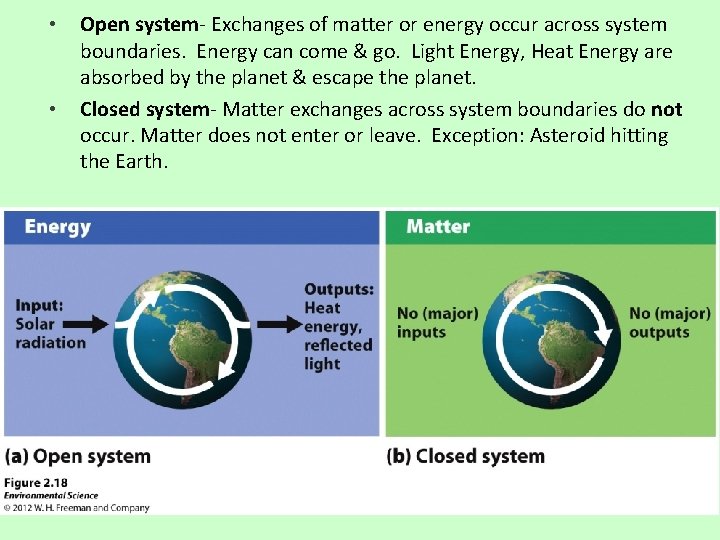
• • Open system- Exchanges of matter or energy occur across system boundaries. Energy can come & go. Light Energy, Heat Energy are absorbed by the planet & escape the planet. Closed system- Matter exchanges across system boundaries do not occur. Matter does not enter or leave. Exception: Asteroid hitting the Earth.
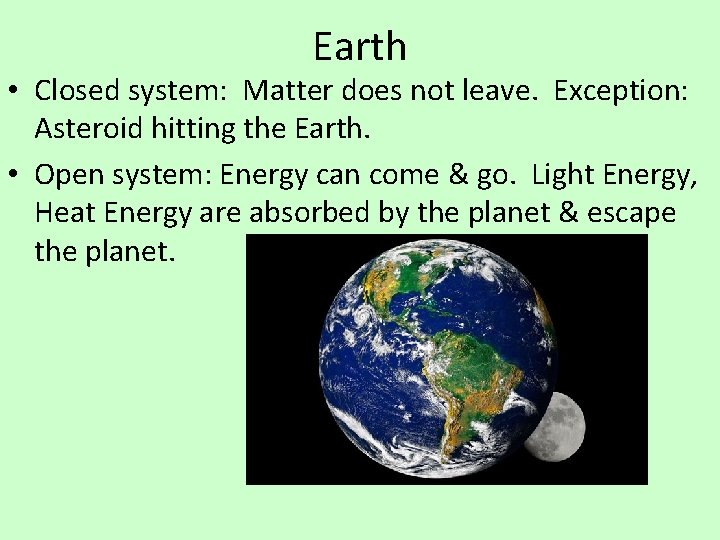
Earth • Closed system: Matter does not leave. Exception: Asteroid hitting the Earth. • Open system: Energy can come & go. Light Energy, Heat Energy are absorbed by the planet & escape the planet.
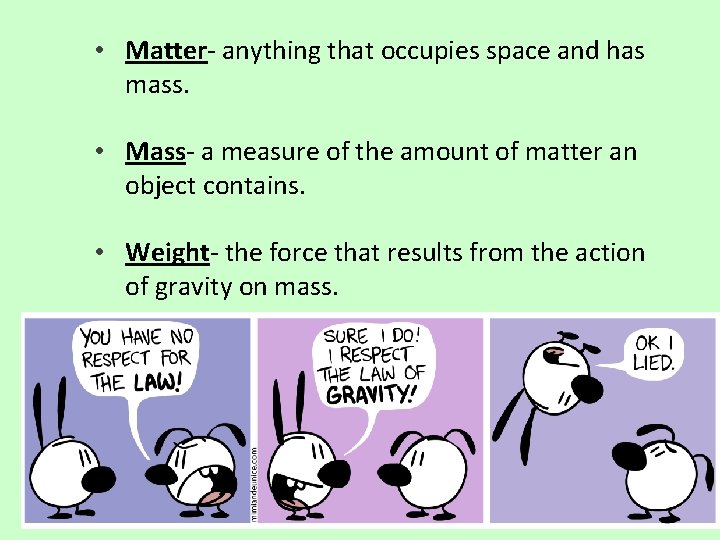
• Matter- anything that occupies space and has mass. • Mass- a measure of the amount of matter an object contains. • Weight- the force that results from the action of gravity on mass.
AP Test! • AP Test is in May 1 st, 2017. . . • The entire year will be working towards you getting a passing score (3 or above) • Everything in this class will help you prepare for the AP Test • What you put into the class, you will get out of it!!!!! • Your quizzes & tests will be formatted like the AP Test – Multiple Choice and Free Response Questions (FRQ) – We will go over how to properly answer a FRQ
Doubling Time / Rule of 7 70/rate = years The amount of time it takes for a given quantity to double in size or value at a constant growth rate
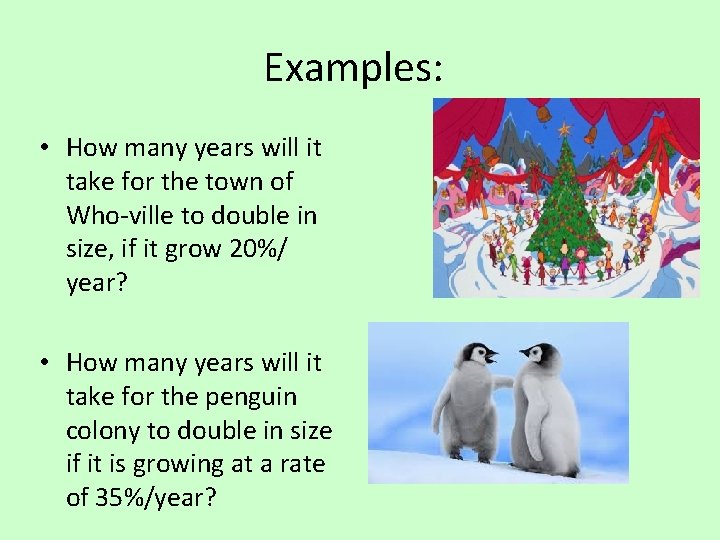
Examples: • How many years will it take for the town of Who-ville to double in size, if it grow 20%/ year? • How many years will it take for the penguin colony to double in size if it is growing at a rate of 35%/year?
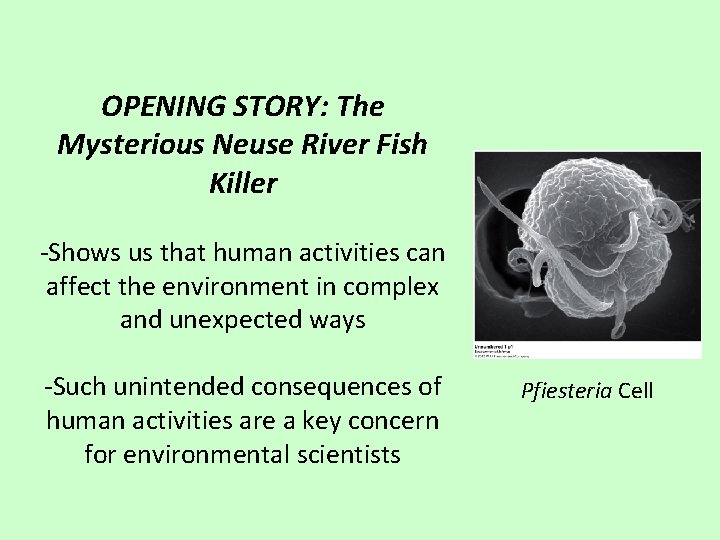
Environmental Science. . Controversial and Related to Humans! Neuse River Fish Killer • 1991 in North Carolina 1 billion fish died. • Pfiesterisa, a free living aquatic organism identified as the cause. • Emits a toxin. • 24 different life stages…usually harmless. • Large influxes of nutrients to blame. • Not proven until 16 yrs later!
OPENING STORY: The Mysterious Neuse River Fish Killer -Shows us that human activities can affect the environment in complex and unexpected ways -Such unintended consequences of human activities are a key concern for environmental scientists Pfiesteria Cell
Our World and How We Influence It Environment: the sum of all the conditions surrounding us that influence life. Environmental Science: field that looks at interactions among human systems and those found in nature. System: any set of interacting components that influence one another.
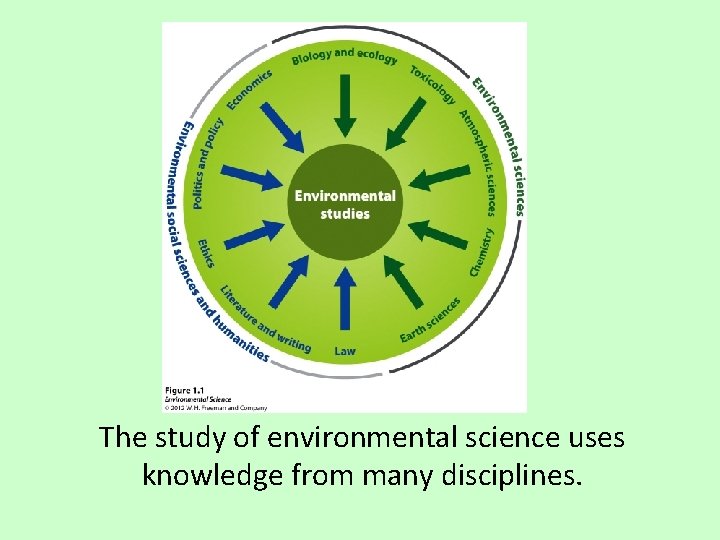
The study of environmental science uses knowledge from many disciplines.
Humans Alter Natural Systems • Environmental Scientist study ecosystems including both the biotic and abiotic factors. Abiotic: Non-living. Biotic: Living. • Humans manipulate the environment more than any other species (2. 5 myo). • We have had the biggest impact the last 10, 00020, 000 yrs.
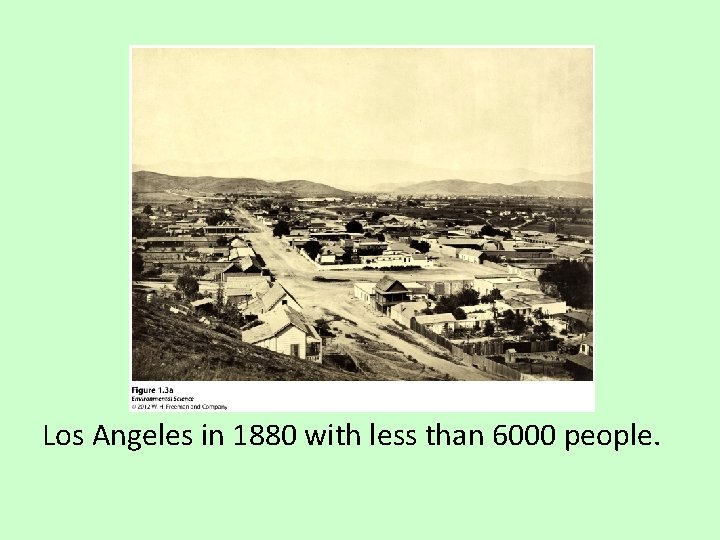
Los Angeles in 1880 with less than 6000 people.
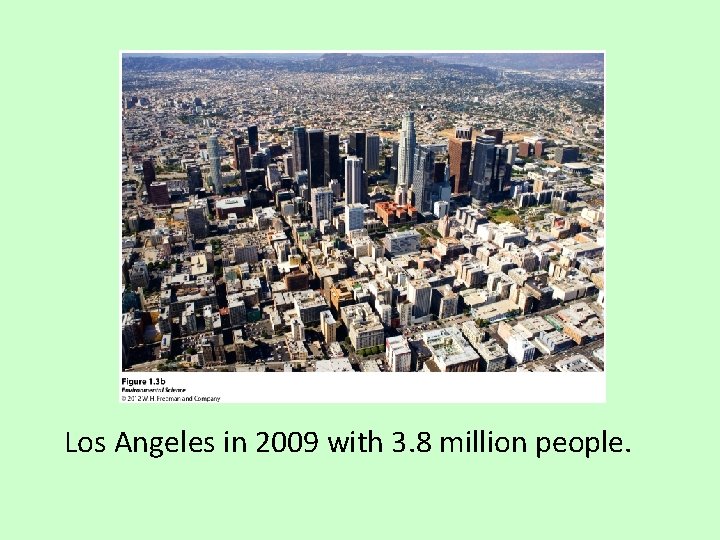
Los Angeles in 2009 with 3. 8 million people.
Monitoring Natural Systems Environmental Indicators: Used to describe the health and quality of natural systems. Help us analyze the health of the planet. Examples: human population, ecological footprint, extinction rate, water quality, habitat loss, etc. Sustainability: Living on Earth in a way that allows us to use its resources without depriving future generations of those resources.
5 Global Scale Environmental Indicators 1. Biodiversity a. Genetic Diversity b. Species Diversity c. Ecosystem Diversity • 2 million species identified. Speciation: making a new species(1 -3 new/yr). Background Extinction Rate: average rate in which a species goes extinct (1 species per million/yr).
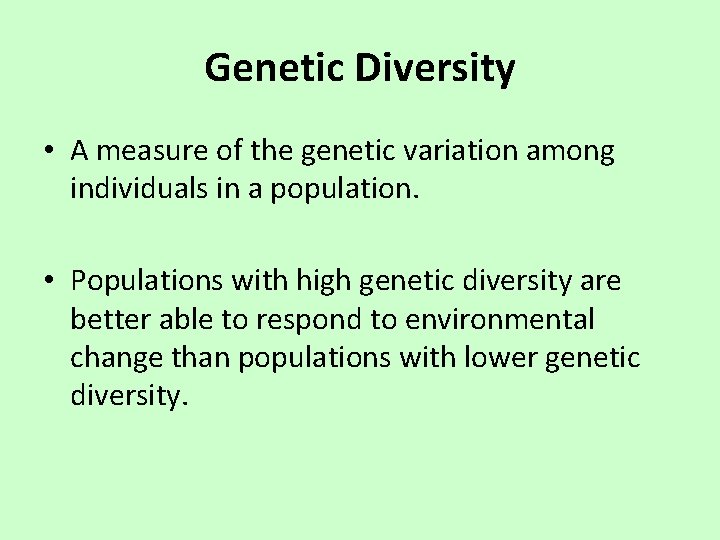
Genetic Diversity • A measure of the genetic variation among individuals in a population. • Populations with high genetic diversity are better able to respond to environmental change than populations with lower genetic diversity.
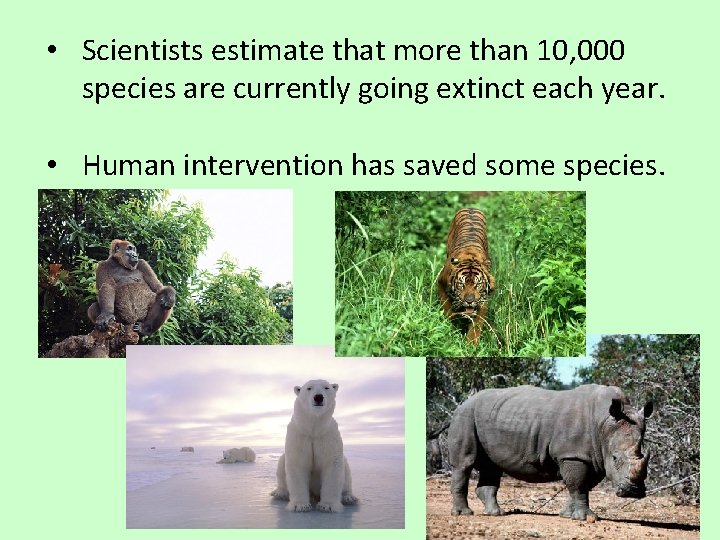
• Scientists estimate that more than 10, 000 species are currently going extinct each year. • Human intervention has saved some species.
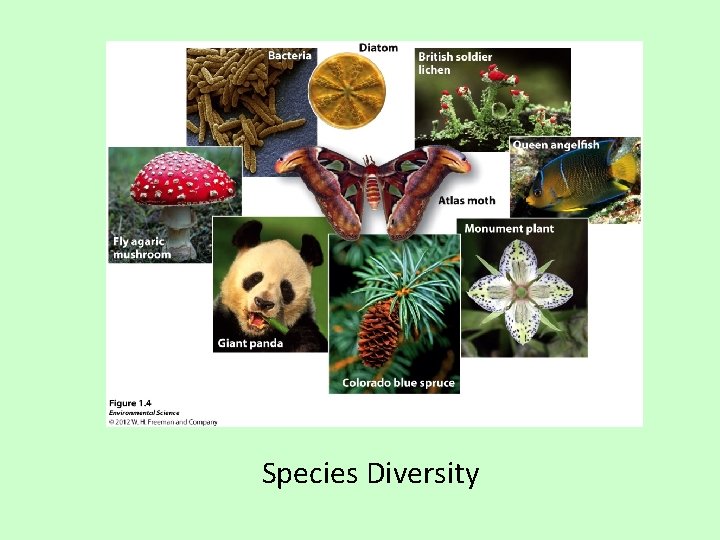
Species Diversity
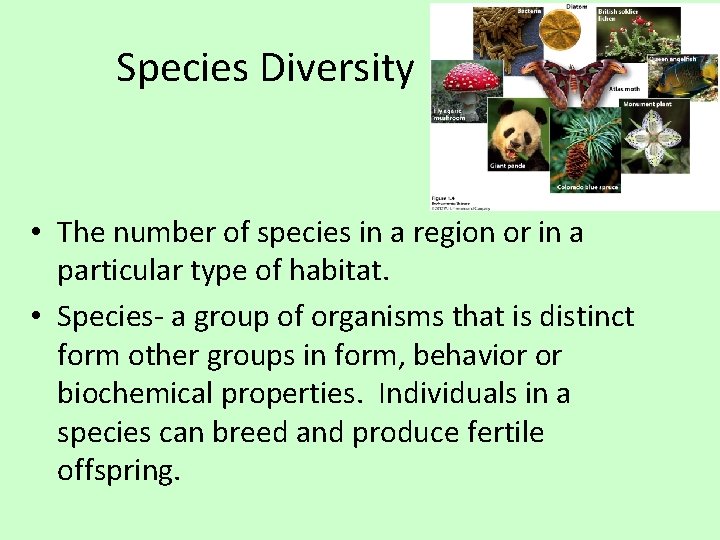
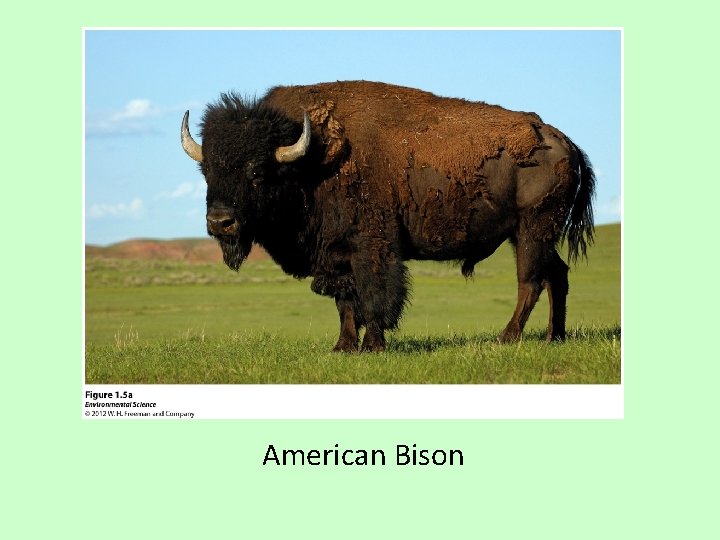
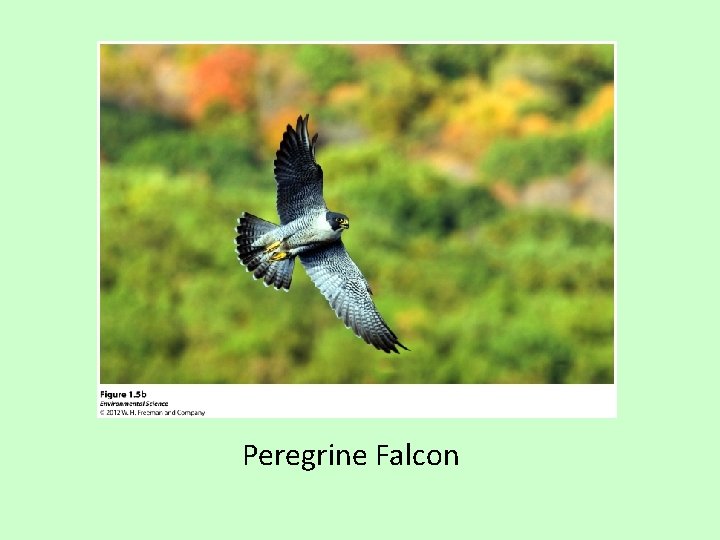
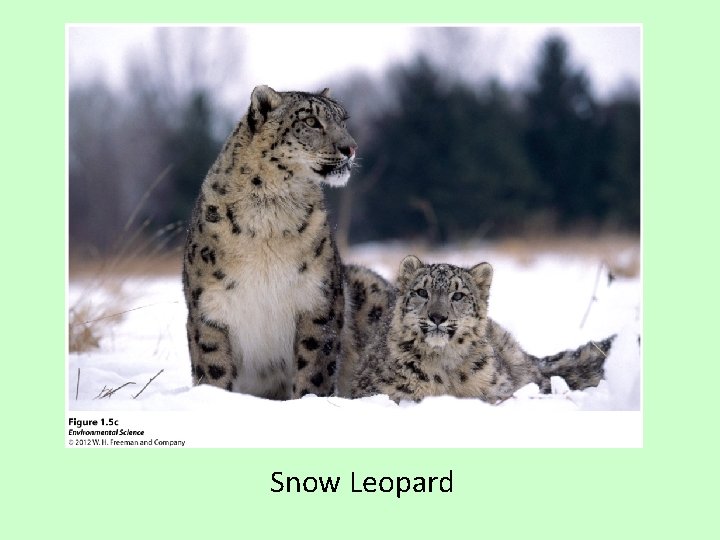
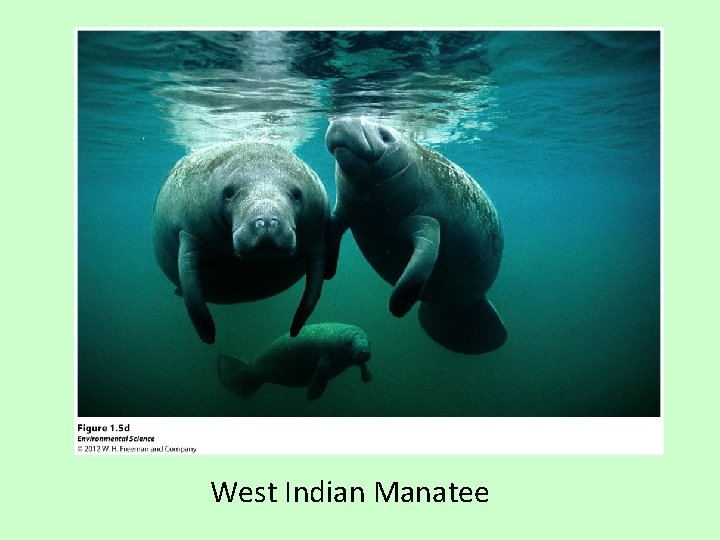
Species Diversity • The number of species in a region or in a particular type of habitat. • Species- a group of organisms that is distinct form other groups in form, behavior or biochemical properties. Individuals in a species can breed and produce fertile offspring.
American Bison
Peregrine Falcon
Snow Leopard
West Indian Manatee
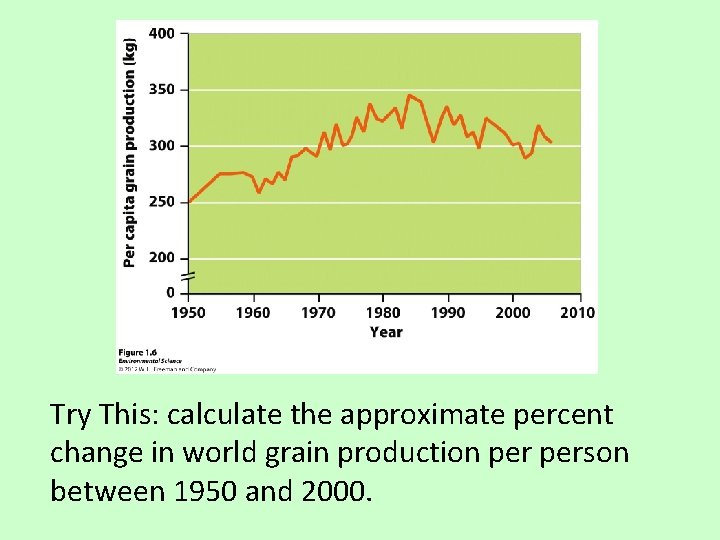
2. Food Production • Ability to grow food and nourish the human population. • Has increased since the 1950 s due to genetic engineering, fertilization, and expanded irrigation. • Worldwide production of grain person, also called per capita has leveled off. • Grain production is not keeping up with population growth.
Try This: calculate the approximate percent change in world grain production person between 1950 and 2000.
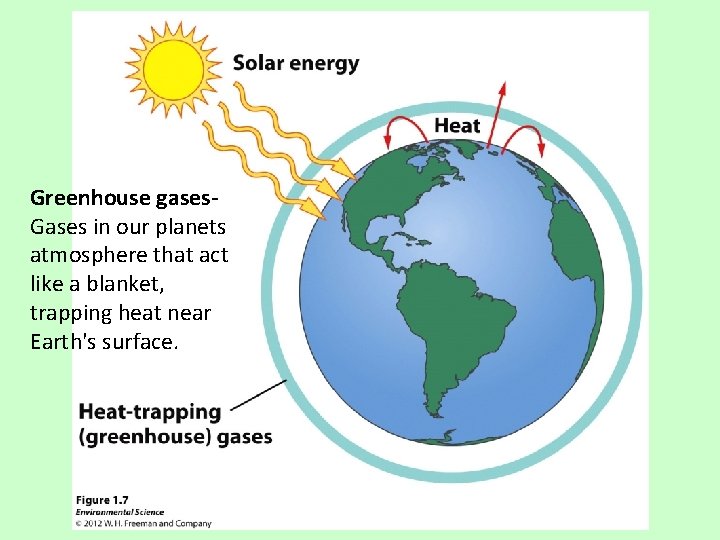
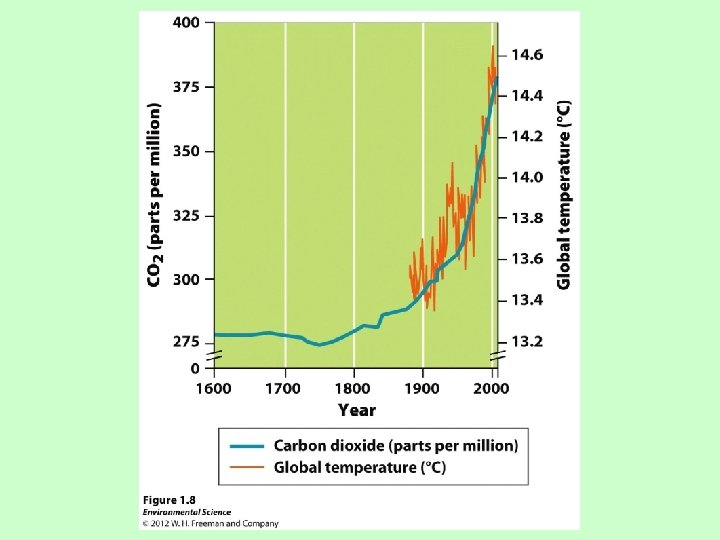
3. Average Global Surface Temps and Carbon Dioxide Concentrations • The greenhouse gas (CO 2) helps to maintain a constant temp on Earth. • Over the last 2 centuries the concentration of CO 2 has increased. • Increase is anthropogenic- derived from human activities.
Greenhouse gases. Gases in our planets atmosphere that act like a blanket, trapping heat near Earth's surface.
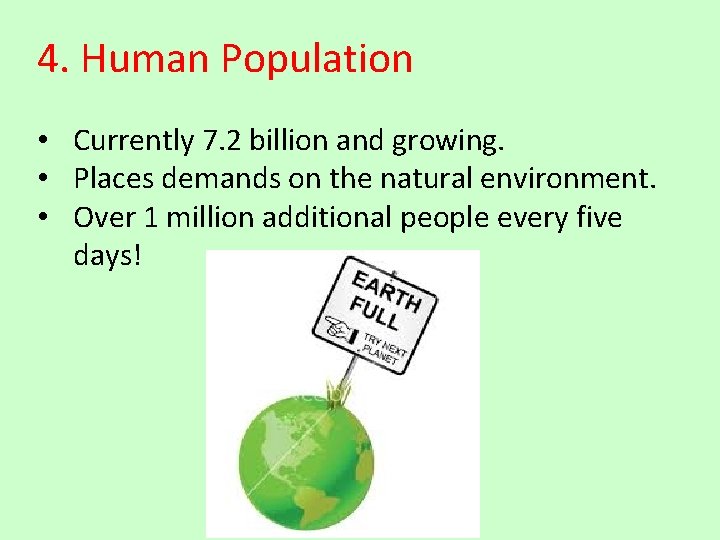
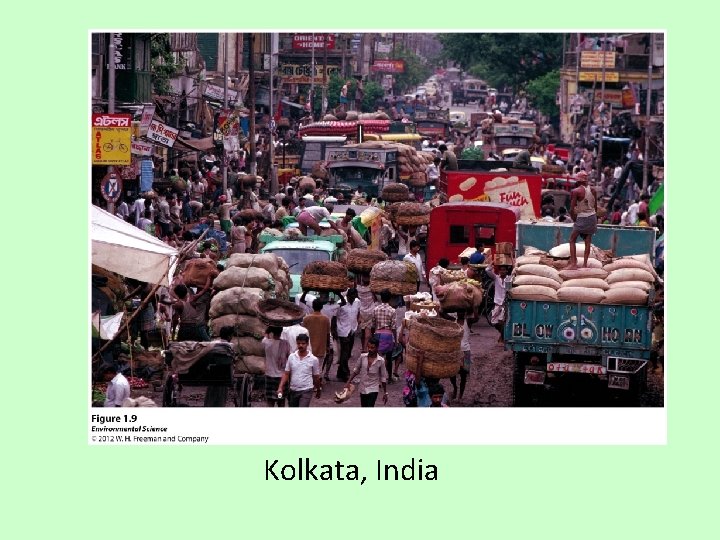
4. Human Population • Currently 7. 2 billion and growing. • Places demands on the natural environment. • Over 1 million additional people every five days!
Kolkata, India
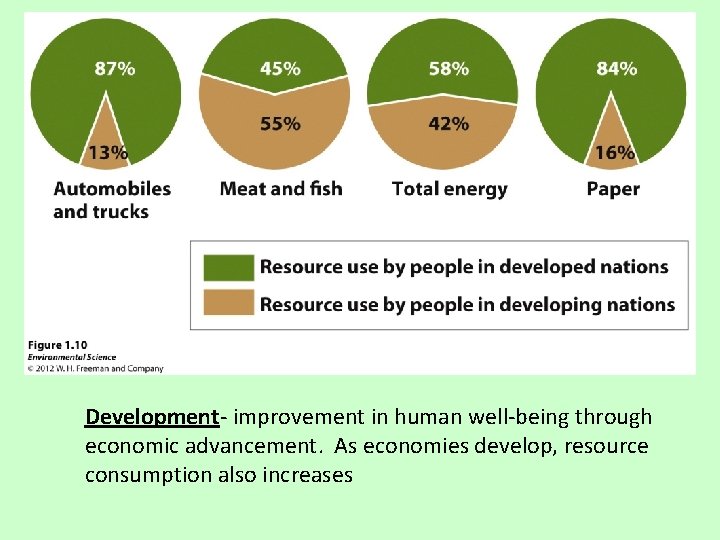
5. Resource Depletion • Resources are becoming depleted. • Extracting resources negatively effect the environment. • Non-renewable resources include coal, oil, and uranium (finite). • Al and Cu are finite but can be recycled. • Consumption is directly related to development. • 20% of the global pop lives in developed nations but uses most of the worlds resources.
Development- improvement in human well-being through economic advancement. As economies develop, resource consumption also increases
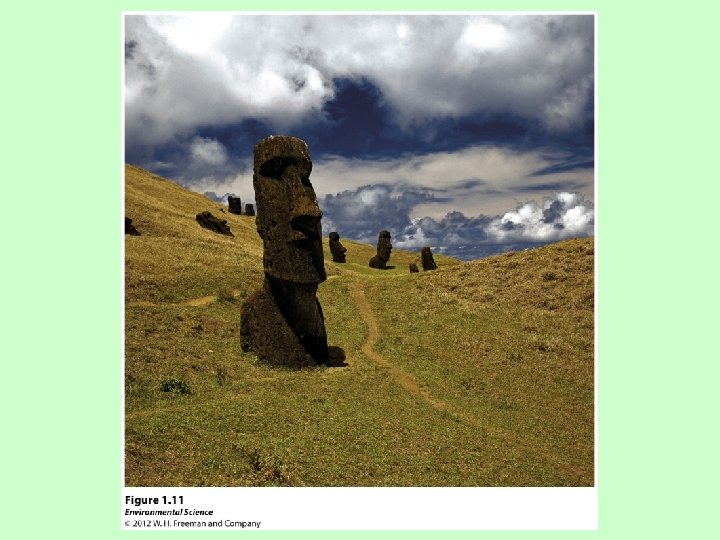
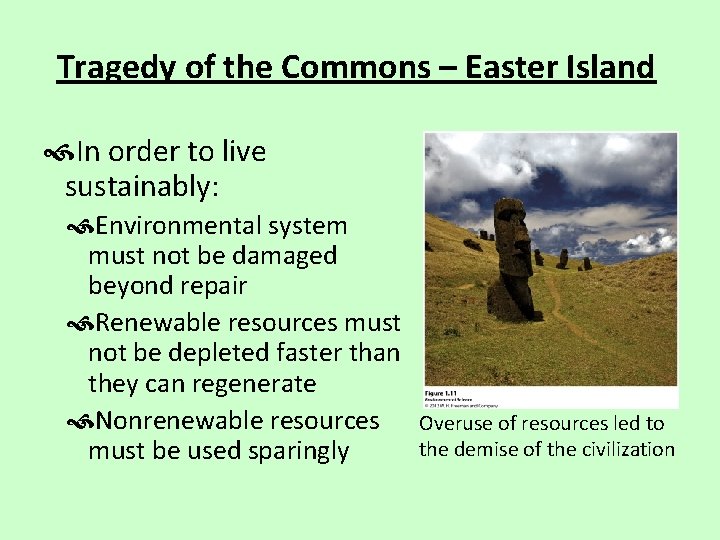
Humans Need Sustainable Practices • Easter Island- lets learn from it!! In order to live sustainably : 1. Environmental systems must not be damaged beyond control. 2. Renewable resources must not be depleted faster than they can regenerate. 3. Nonrenewable resources must be used sparingly.
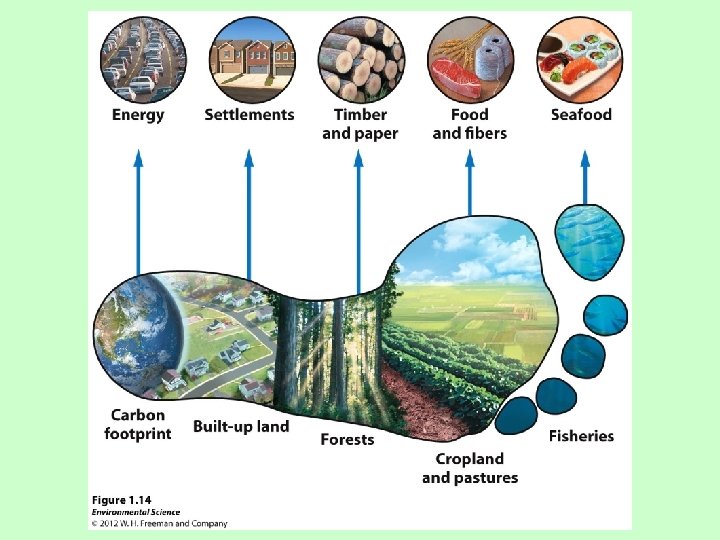
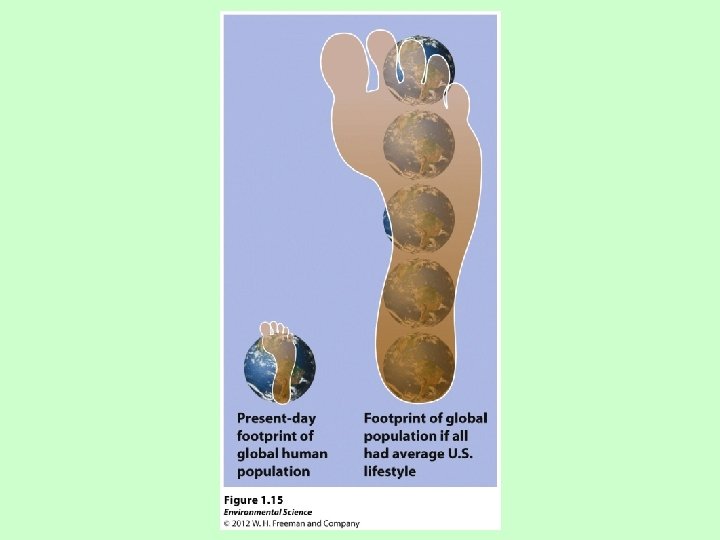
Ecological Footprint Ecological footprint is a measure of how much that a person consumes, expressed in area of land. The total amount of land required to support a person’s lifestyle.
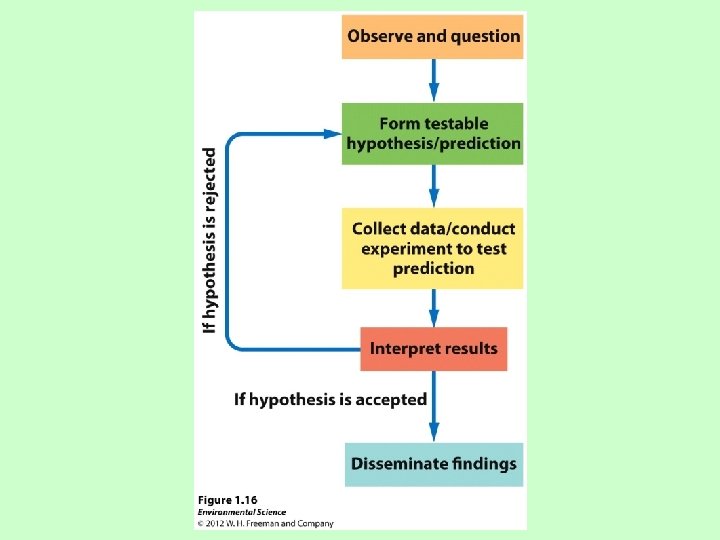
Science as a Process Scientific Method (controlled & natural experiments) 1. 2. 3. 4. 5. Observations and Questions Forming Hypothesis Collecting Data Interpreting Results Disseminate Findings a. Theory: repeatedly tested and accepted. b. Natural Law: no known exceptions, withstood rigorous testing.
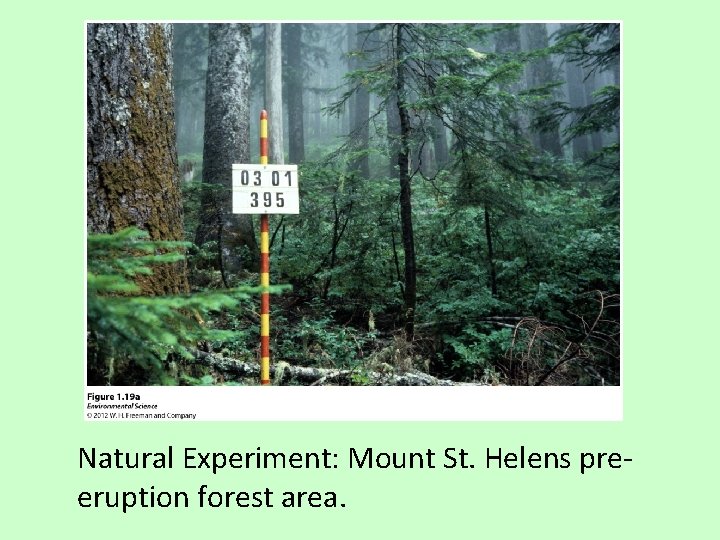
Natural Experiment: Mount St. Helens preeruption forest area.
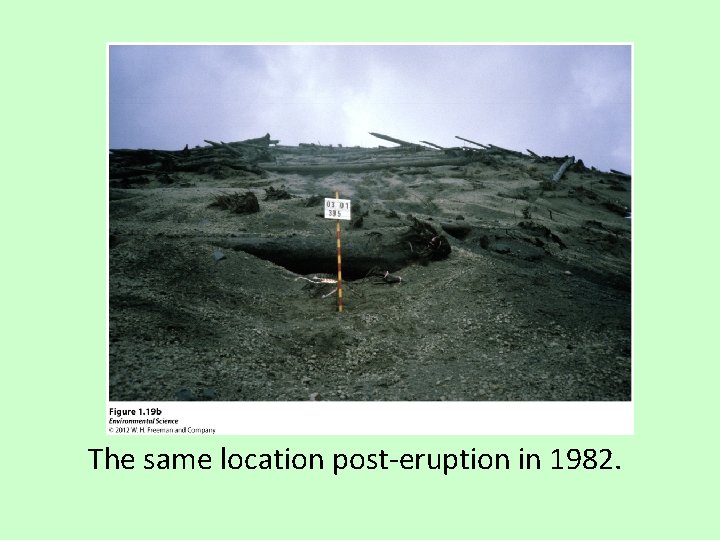
The same location post-eruption in 1982.
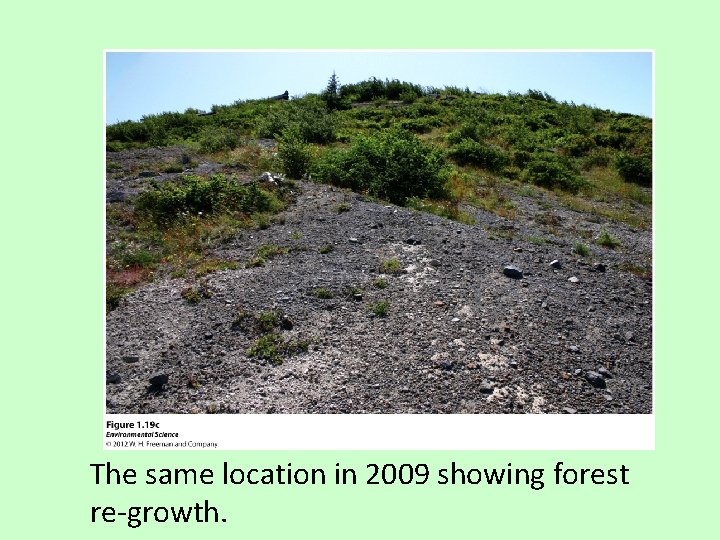
The same location in 2009 showing forest re-growth.
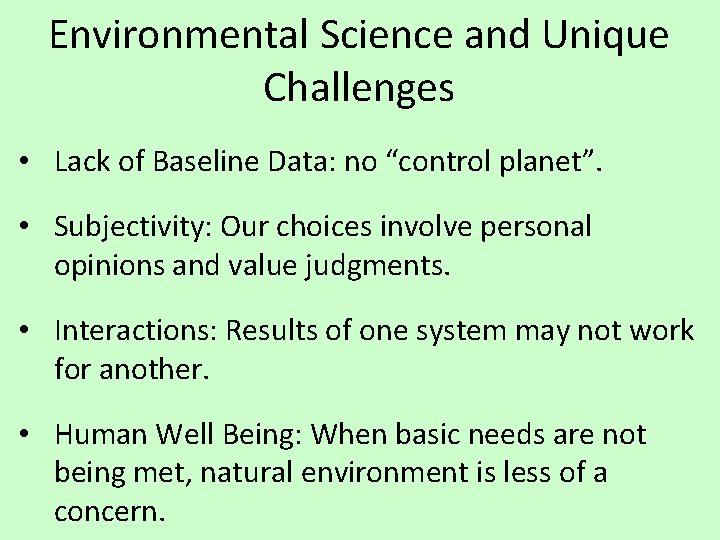
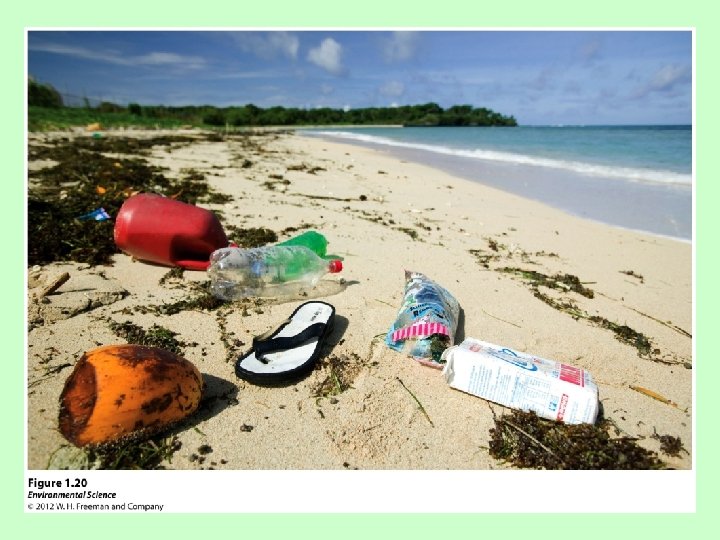
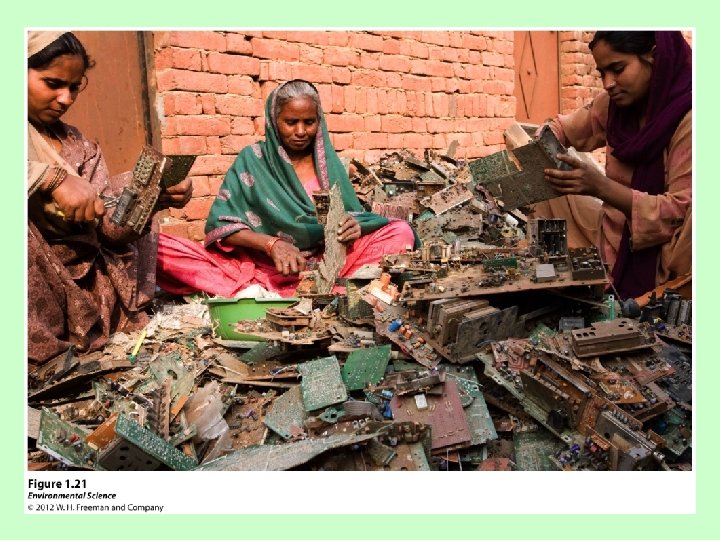
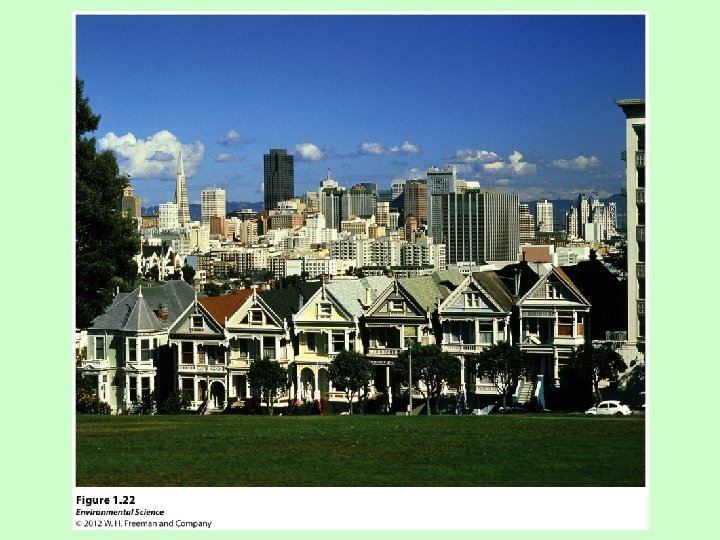
Environmental Science and Unique Challenges • Lack of Baseline Data: no “control planet”. • Subjectivity: Our choices involve personal opinions and value judgments. • Interactions: Results of one system may not work for another. • Human Well Being: When basic needs are not being met, natural environment is less of a concern.
Tragedy of the Commons – Easter Island In order to live sustainably: Environmental system must not be damaged beyond repair Renewable resources must not be depleted faster than they can regenerate Nonrenewable resources must be used sparingly Overuse of resources led to the demise of the civilization
Tragedy of the Commons Garrett Hardin
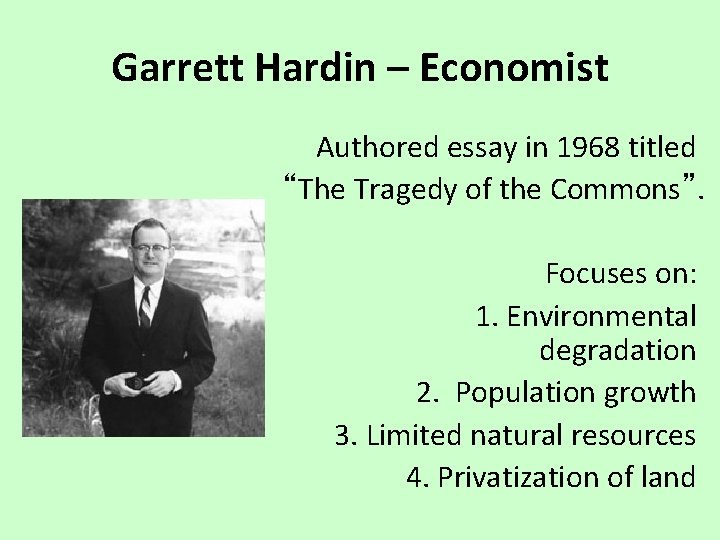
Garrett Hardin – Economist Authored essay in 1968 titled “The Tragedy of the Commons”. Focuses on: 1. Environmental degradation 2. Population growth 3. Limited natural resources 4. Privatization of land
What does commons mean? “Held in common” means the resource is owned by: • No one…or • Owned by a group =all who have access to the resource.
The Tragedy of the Commons • The tendency of a shared, limited resource to become depleted because people act from self-interest for short-term gain • Observed that when many individuals share a common resource without agreement on or regulation of its use, likely to become overused very quickly
What were some of the ramifications of “Tragedy of the Commons” on Easter Island? • Used the Palm trees faster than they could reproduce. • The civilization died out due to loss of resources.
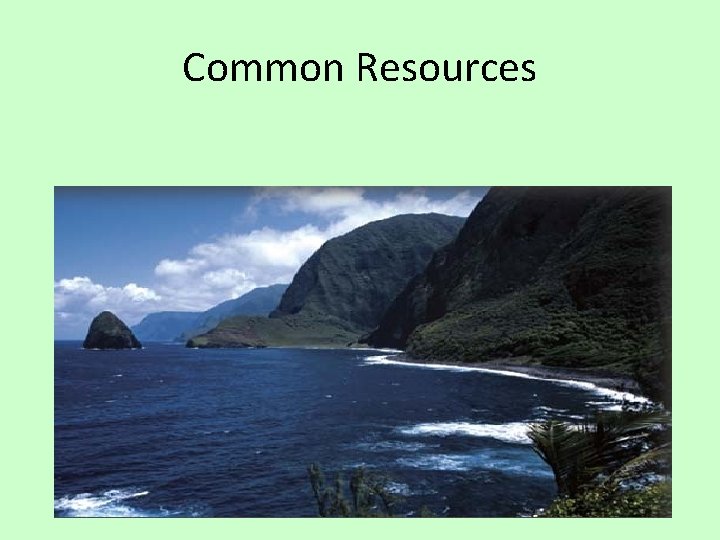
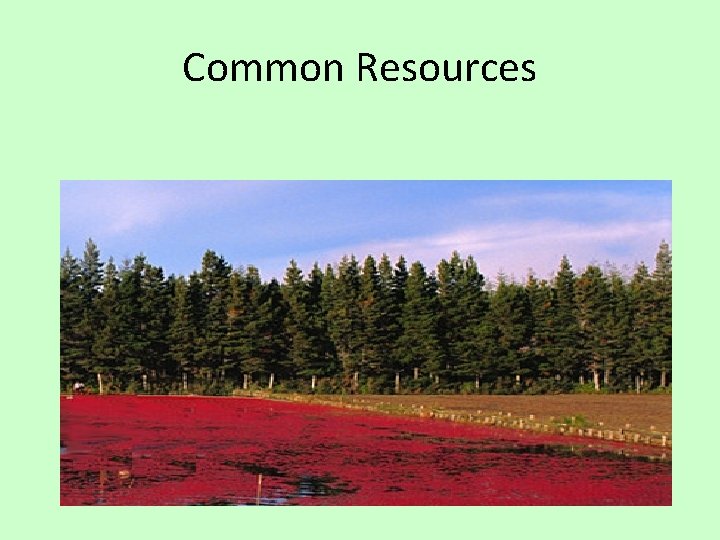
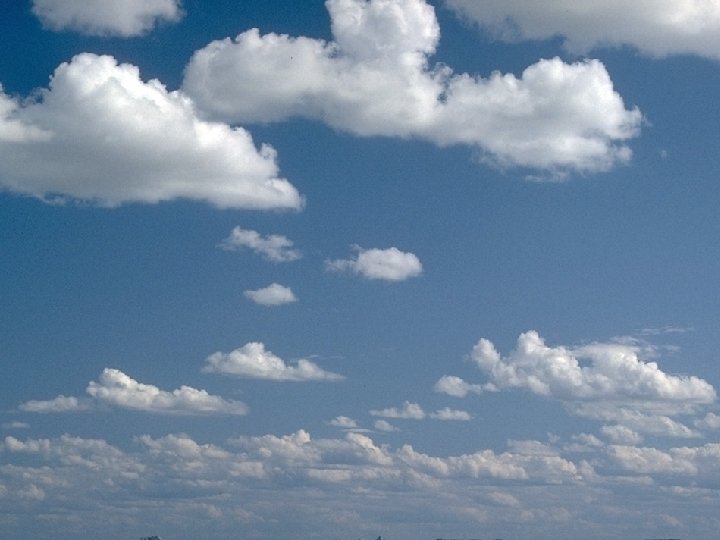
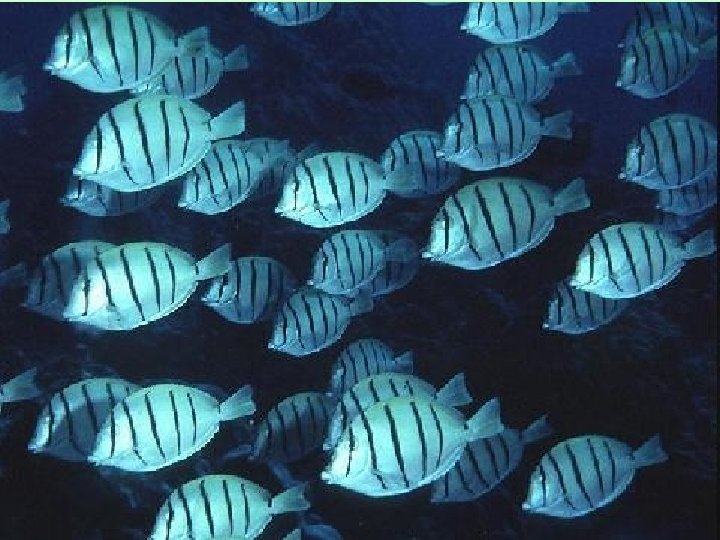
What are common resources? 1. Air! No one owns the air-avail to all 2. Water in oceans & rivers is avail to all. 3. Fish of the sea avail to all.
Common Resources
Common Resources
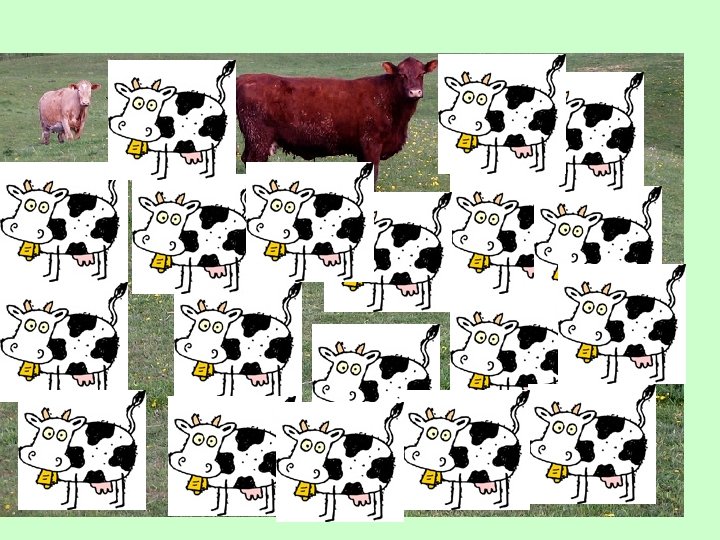
Imagine… l Hardin’s parable involves a pasture "open to all. " l He asks us to imagine the grazing of animals on a common ground. l Individuals are motivated to add to their flocks to increase personal wealth.
Tragedy of the Commons l Every animal added to the total degrades the commons a small amount. l Although the degradation for each additional animal is small, the gain in wealth for the owner is greater.
Tragedy of the Commons • As selfish stewards, each owner adds another to their flock and the pasture. • If all owners follow this pattern the commons will ultimately be destroyed.
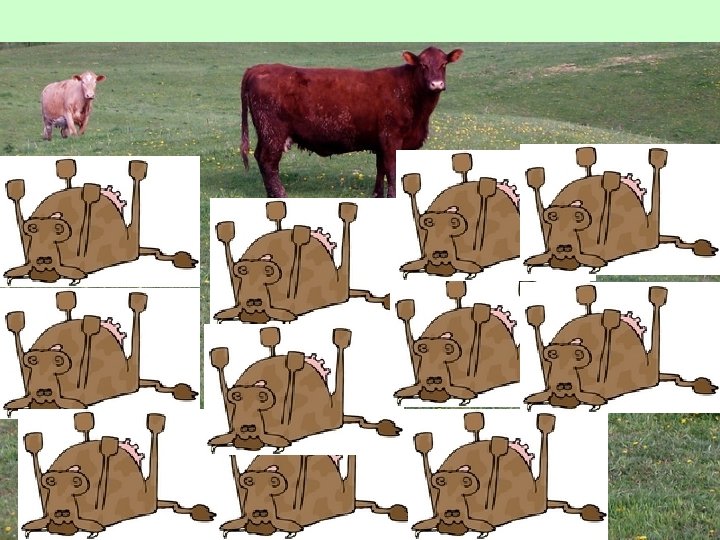
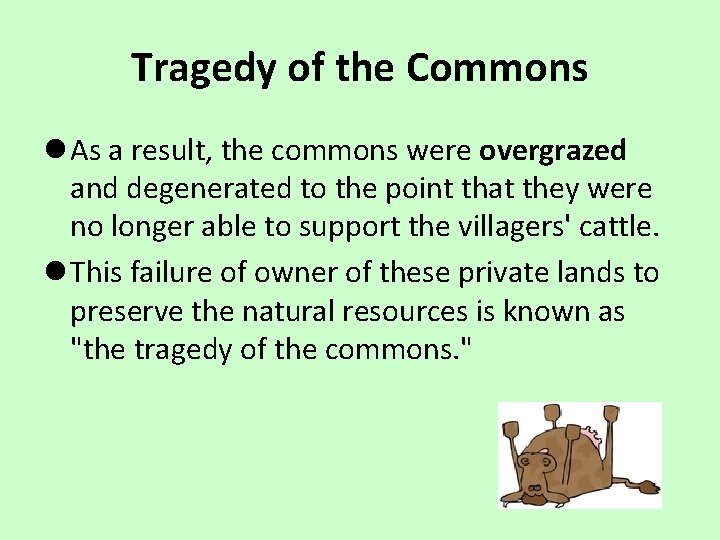
Tragedy of the Commons l As a result, the commons were overgrazed and degenerated to the point that they were no longer able to support the villagers' cattle. l This failure of owner of these private lands to preserve the natural resources is known as "the tragedy of the commons. "
What is the “tragedy”? l “We can avoid tragedy only by altering our values. ” Hardin, 1968 This means we can change the way we live (sustainably) by preserving our natural resources—even in the private sector.
Sustainability… Meeting present needs of today’s populations without compromising the needs of future generations.
Why Should I Care Essay? • We will complete this essay next week. Read the two articles to prepare for the essay.