
Chapter 1 Principles of Animal Behavior 1 Science
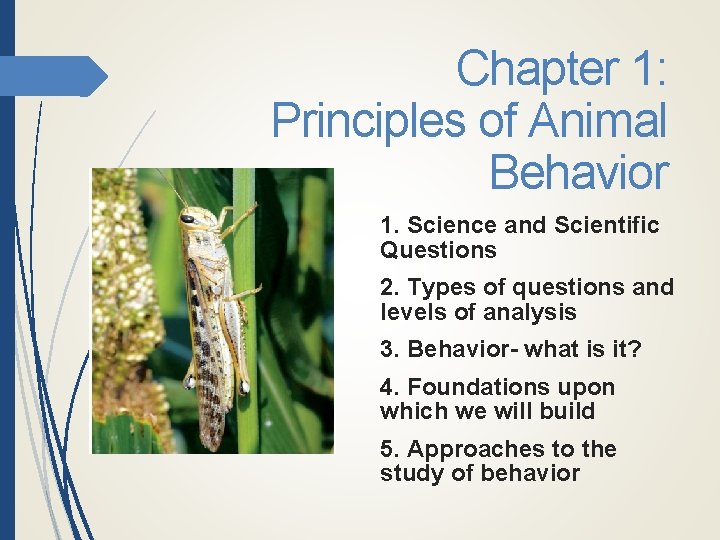
Chapter 1: Principles of Animal Behavior 1. Science and Scientific Questions 2. Types of questions and levels of analysis 3. Behavior- what is it? 4. Foundations upon which we will build 5. Approaches to the study of behavior
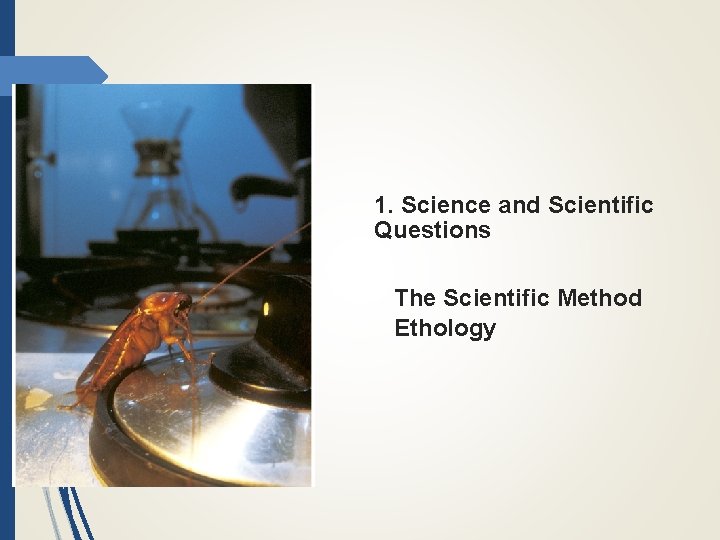
1. Science and Scientific Questions The Scientific Method Ethology

2. Types of questions and levels of analysis
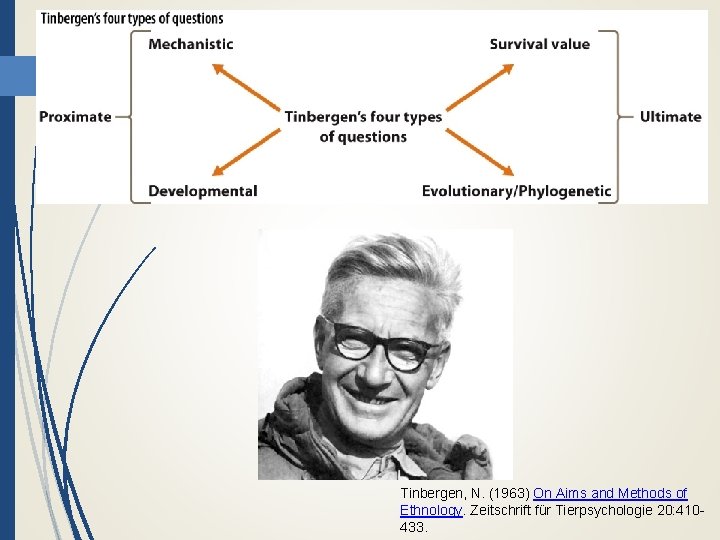
Tinbergen, N. (1963) On Aims and Methods of Ethnology. Zeitschrift für Tierpsychologie 20: 410433.
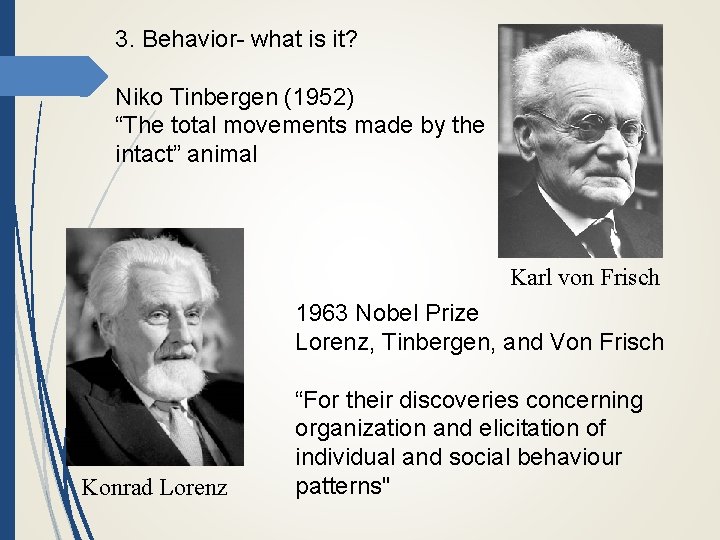
3. Behavior- what is it? Niko Tinbergen (1952) “The total movements made by the intact” animal Karl von Frisch 1963 Nobel Prize Lorenz, Tinbergen, and Von Frisch Konrad Lorenz “For their discoveries concerning organization and elicitation of individual and social behaviour patterns"
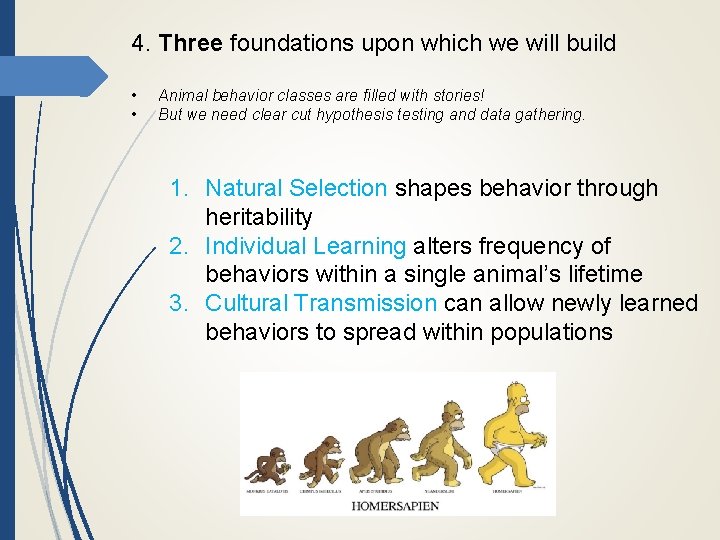
4. Three foundations upon which we will build • • Animal behavior classes are filled with stories! But we need clear cut hypothesis testing and data gathering. 1. Natural Selection shapes behavior through heritability 2. Individual Learning alters frequency of behaviors within a single animal’s lifetime 3. Cultural Transmission can allow newly learned behaviors to spread within populations
In his 1859 book, On Origin of Species, Charles Darwin proposed the mechanism of natural selection to explain how life on earth has changed over geological time and how new species emerge from common ancestors. Darwin proposed natural selection as a mechanism of how populations change through time, or evolve. The five principal components of natural selection are as follows: 1. Organisms produce more offspring than will actually survive to reproduce. 2. Every organism struggles to survive. 3. There is variation within species. 4. Some variations among members of a species allow their bearers to survive and reproduce better than others. 5. Organisms that survive and reproduce pass their traits to their offspring, and the helpful traits gradually appear in more and more of the population.
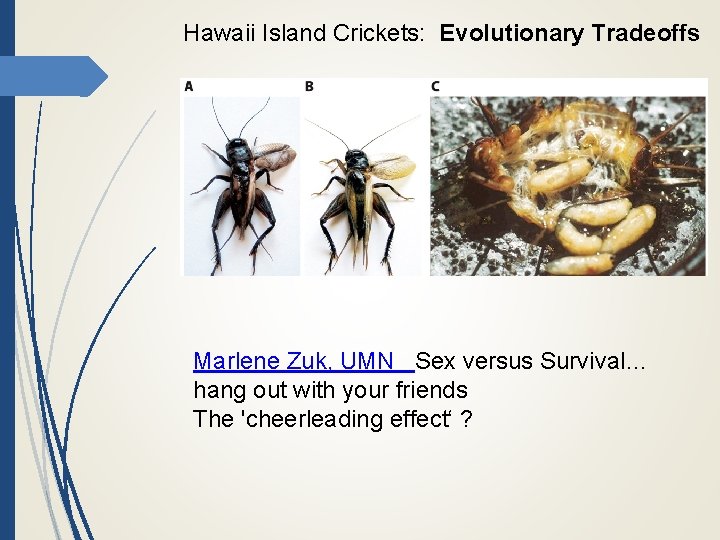
Hawaii Island Crickets: Evolutionary Tradeoffs Marlene Zuk, UMN Sex versus Survival… hang out with your friends The 'cheerleading effect‘ ?
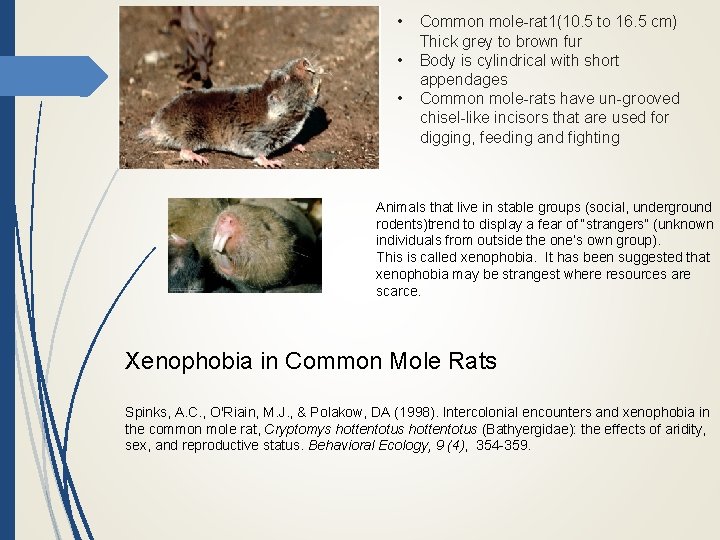
• • • Common mole-rat 1(10. 5 to 16. 5 cm) Thick grey to brown fur Body is cylindrical with short appendages Common mole-rats have un-grooved chisel-like incisors that are used for digging, feeding and fighting Animals that live in stable groups (social, underground rodents)trend to display a fear of “strangers” (unknown individuals from outside the one’s own group). This is called xenophobia. It has been suggested that xenophobia may be strangest where resources are scarce. Xenophobia in Common Mole Rats Spinks, A. C. , O'Riain, M. J. , & Polakow, DA (1998). Intercolonial encounters and xenophobia in the common mole rat, Cryptomys hottentotus (Bathyergidae): the effects of aridity, sex, and reproductive status. Behavioral Ecology, 9 (4), 354 -359.
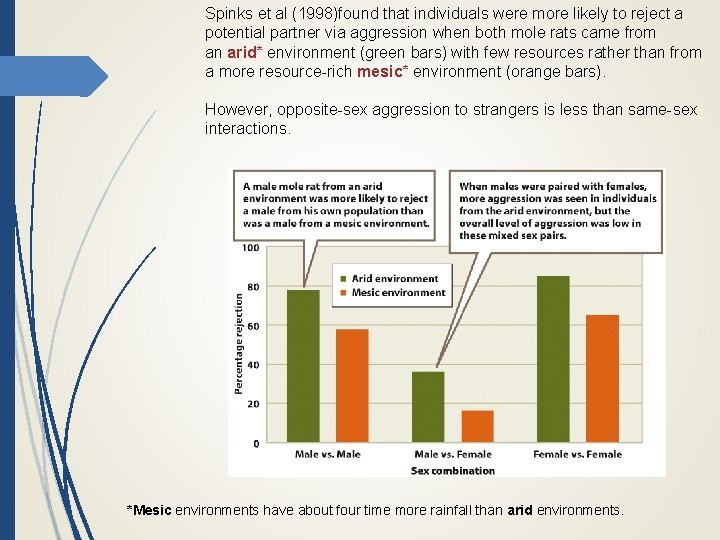
Spinks et al (1998)found that individuals were more likely to reject a potential partner via aggression when both mole rats came from an arid* environment (green bars) with few resources rather than from a more resource-rich mesic* environment (orange bars). However, opposite-sex aggression to strangers is less than same-sex interactions. *Mesic environments have about four time more rainfall than arid environments.

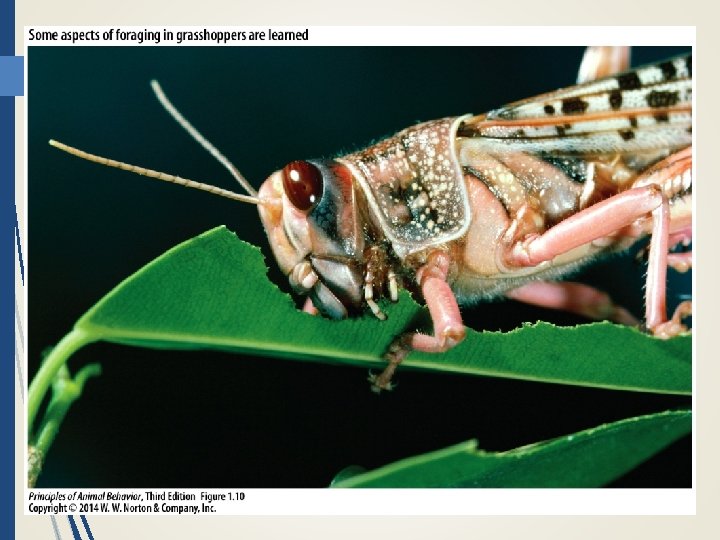
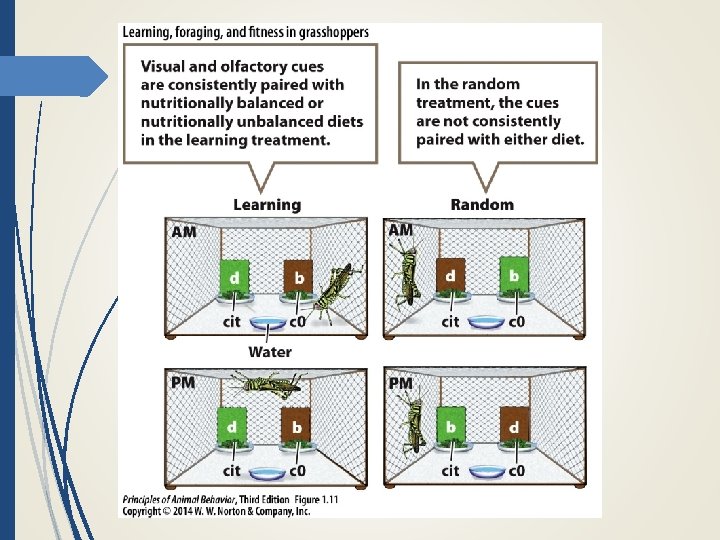
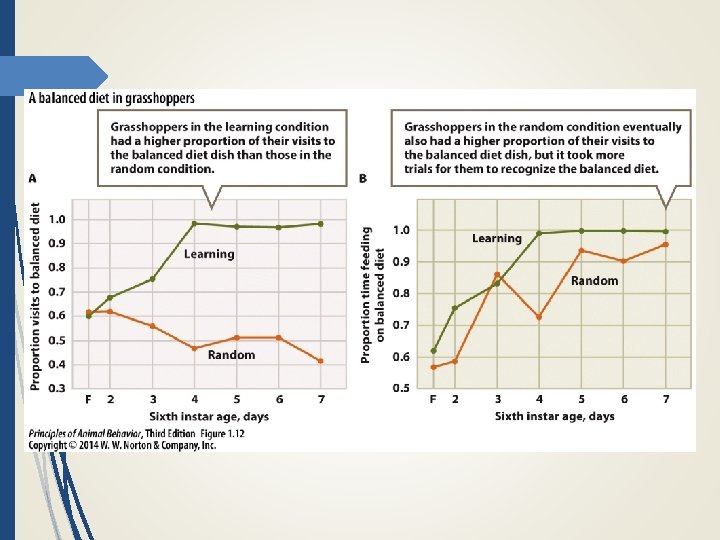
Individual Learning
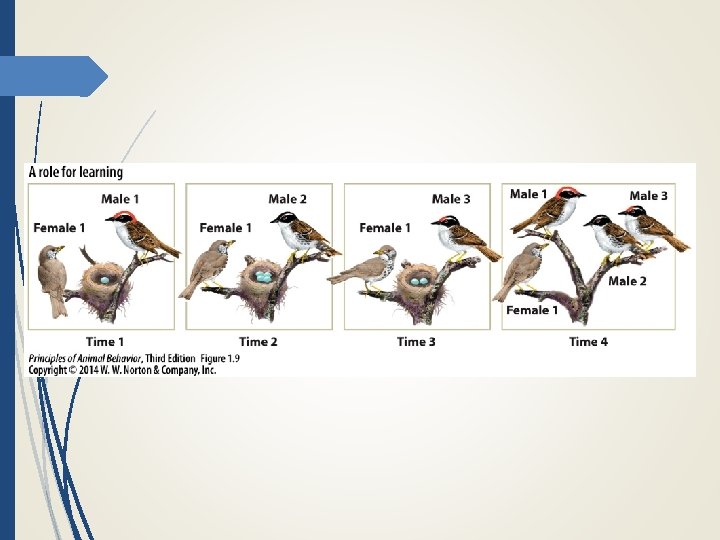
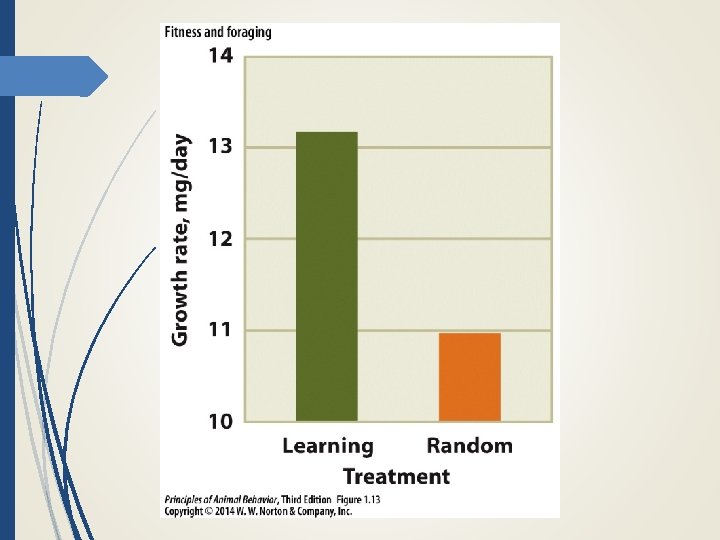

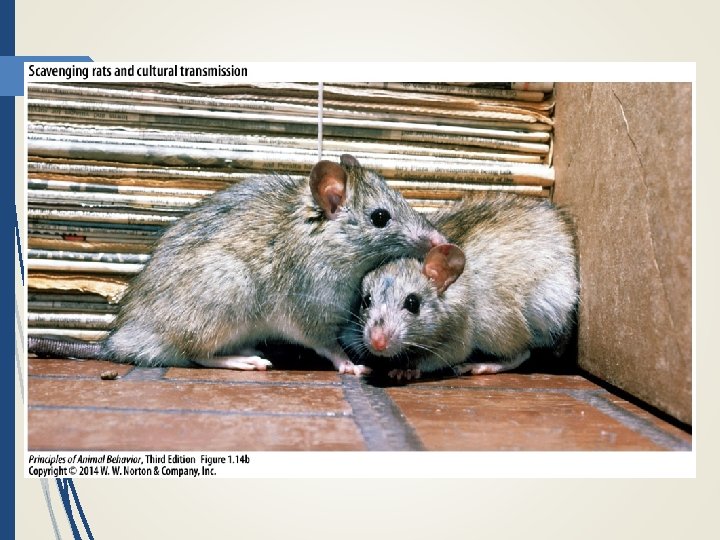
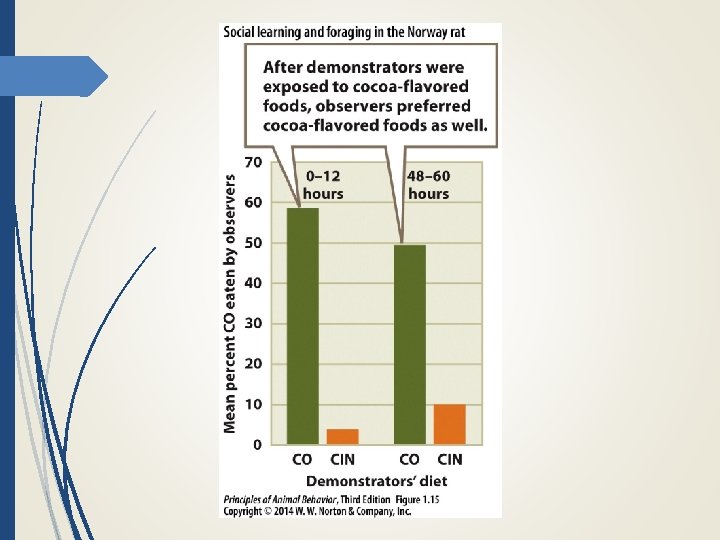
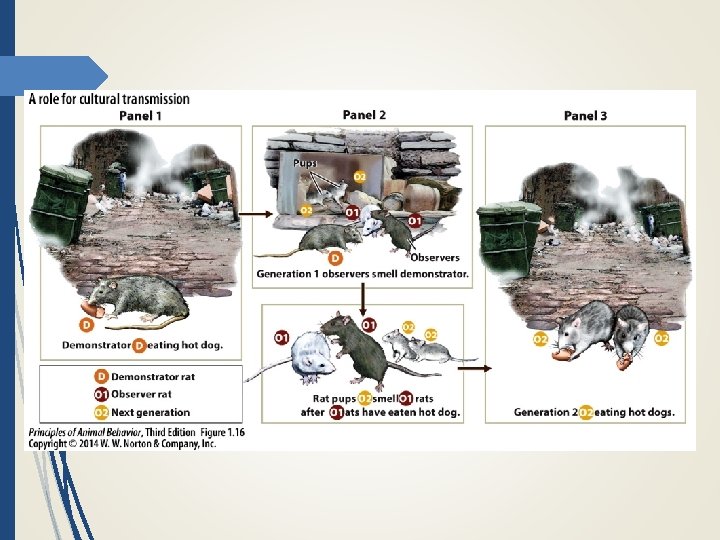
Cultural Transmission

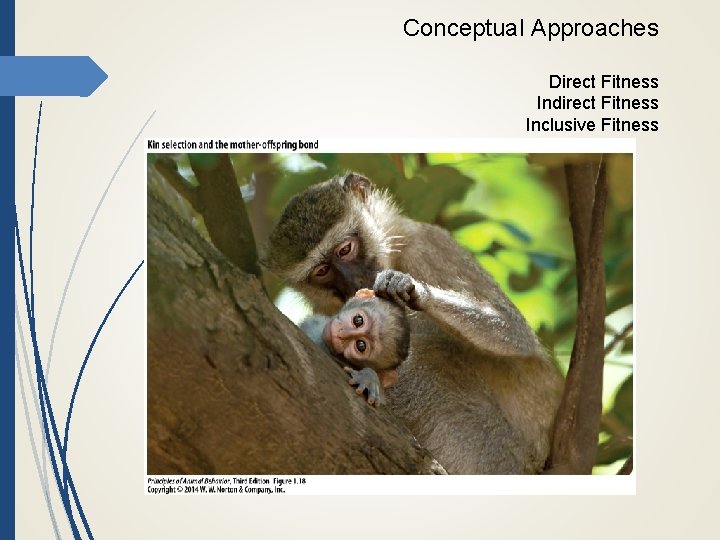
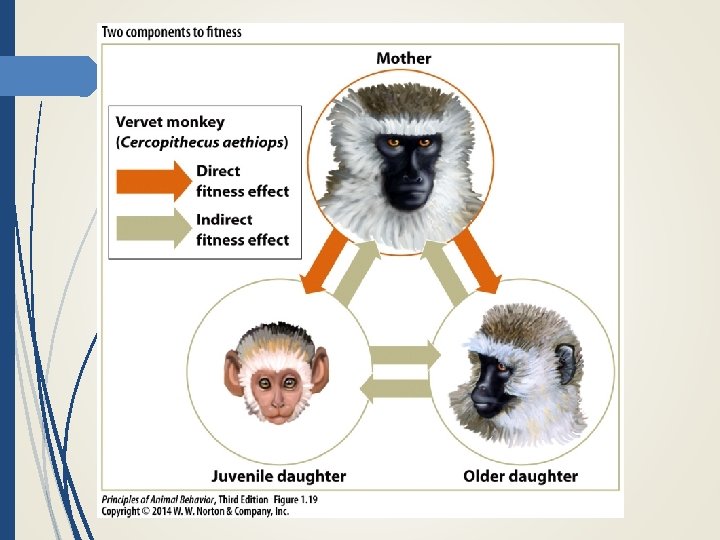
Conceptual Approaches Direct Fitness Indirect Fitness Inclusive Fitness
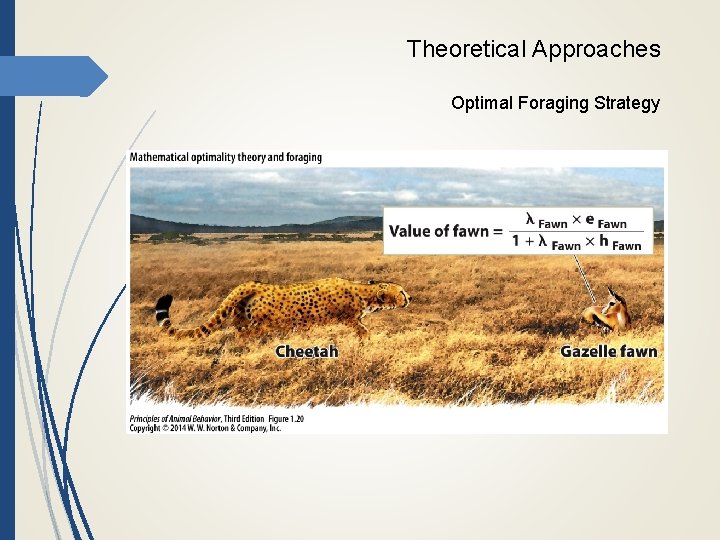
Theoretical Approaches Optimal Foraging Strategy
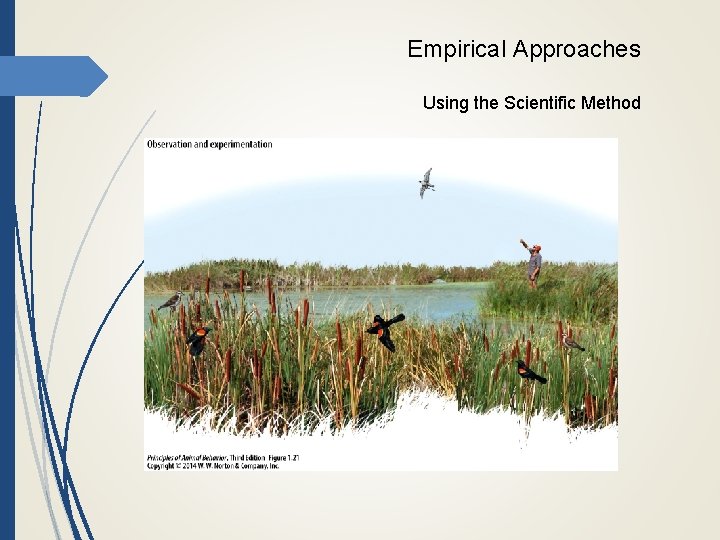
Empirical Approaches Using the Scientific Method

Sociobiology 1975
- Slides: 29