
Chapter 1 Introduction 1 1 Copyright The Mc






- Slides: 26
Chapter 1 Introduction 1. 1 Copyright © The Mc. Graw-Hill Companies, Inc. Permission required for reproduction or display.
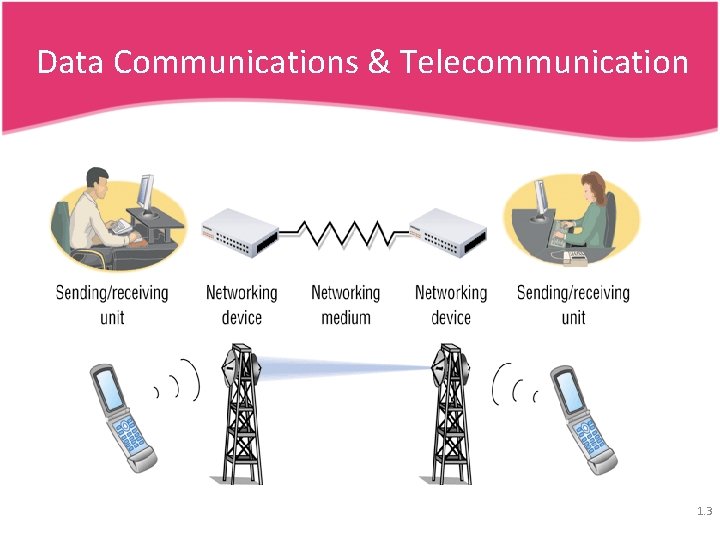
Data Communications & Telecommunication Data: Information presented in whatever form is agreed upon by the parties creating and using it. Telecommunication: (Tele= Far/Remote) Communication at a distance. (Broad) Eg: Telephony, Telegraphy, Television, etc Data communications: Transmission of information in digital form, between two devices via some form of transmission medium. Eg. Voice over Internet protocol (Vo. IP) etc 1. 2
Data Communications & Telecommunication 1. 3
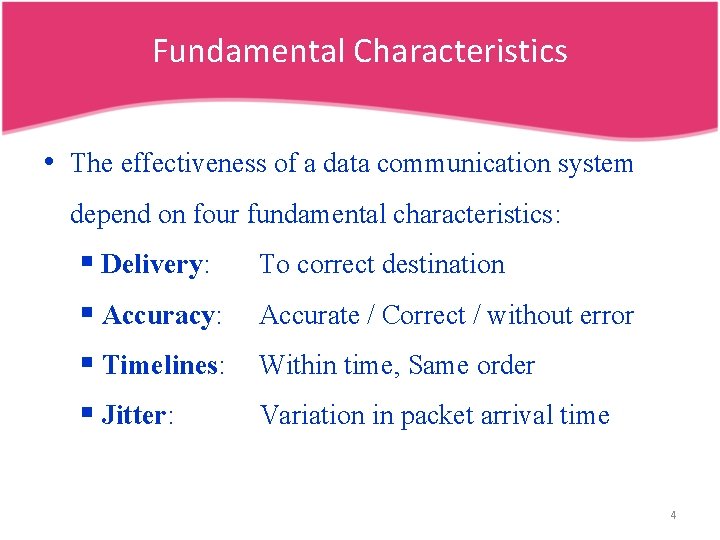
Fundamental Characteristics • The effectiveness of a data communication system depend on four fundamental characteristics: § Delivery: To correct destination § Accuracy: Accurate / Correct / without error § Timelines: Within time, Same order § Jitter: Variation in packet arrival time 4
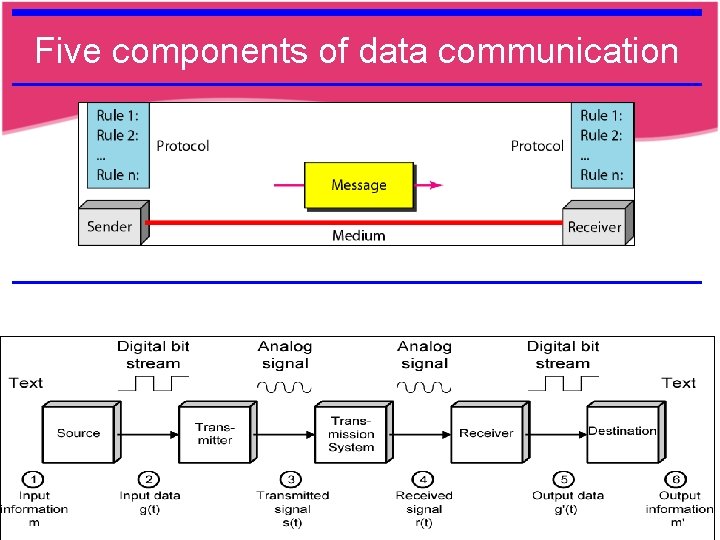
A Communications Model 1. Message § Information to be communicated § Eg: Text, pictures, audio, video, etc 2. Sender § Device that send the data message § Eg: Computer, Telephone set, Video camera, etc 3. Receiver § It receives message § Eg: Computer, Telephone set, etc 4. Transmission Medium § Path by which message travels § Eg: Fiber-optic cables, etc 5. Protocol § Set of agreed rules by communicating devices § Eg: SMTP (Simple Mail Transfer Protocol) 5
Five components of data communication 1. 6
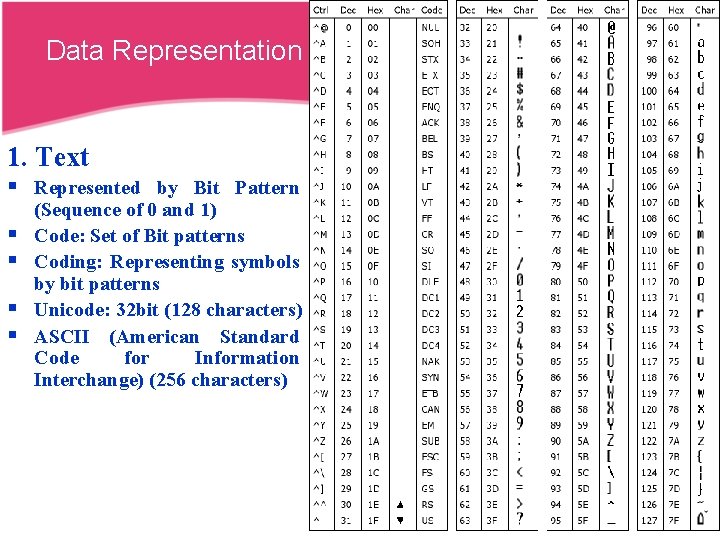
Data Representation 1. Text § Represented by Bit Pattern § § (Sequence of 0 and 1) Code: Set of Bit patterns Coding: Representing symbols by bit patterns Unicode: 32 bit (128 characters) ASCII (American Standard Code for Information Interchange) (256 characters) 7
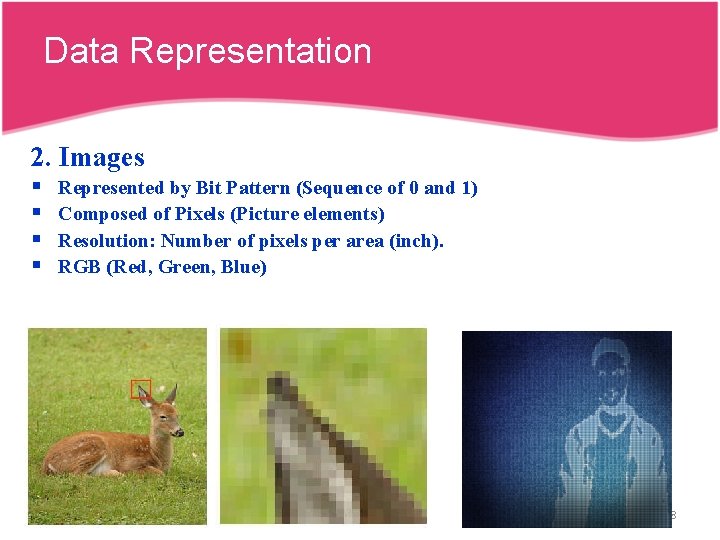
Data Representation 2. Images § § Represented by Bit Pattern (Sequence of 0 and 1) Composed of Pixels (Picture elements) Resolution: Number of pixels per area (inch). RGB (Red, Green, Blue) 8
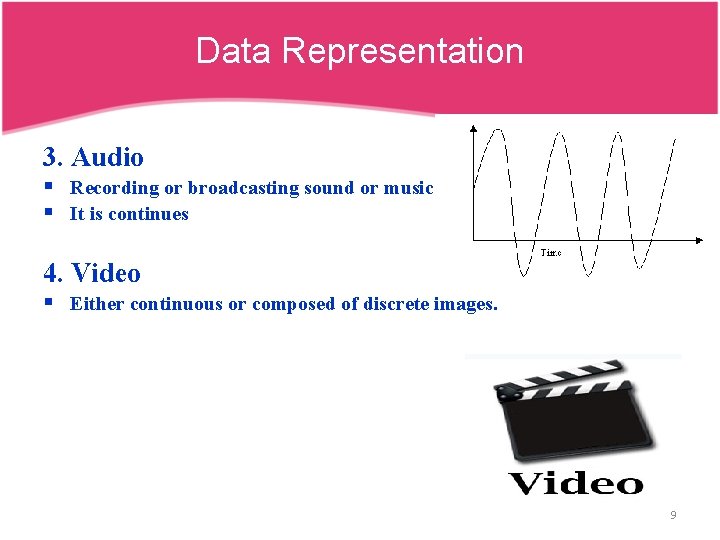
Data Representation 3. Audio § Recording or broadcasting sound or music § It is continues 4. Video § Either continuous or composed of discrete images. 9
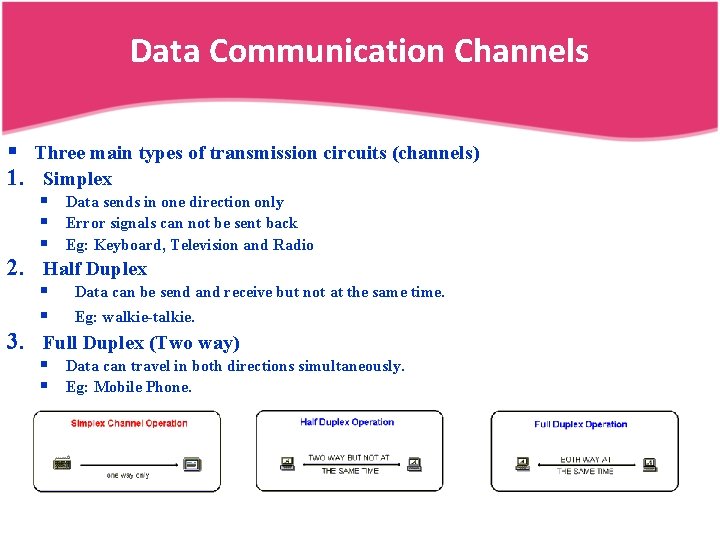
Data Communication Channels § Three main types of transmission circuits (channels) 1. Simplex 2. 3. § Data sends in one direction only § Error signals can not be sent back § Eg: Keyboard, Television and Radio Half Duplex § Data can be send and receive but not at the same time. § Eg: walkie-talkie. Full Duplex (Two way) § Data can travel in both directions simultaneously. § Eg: Mobile Phone.
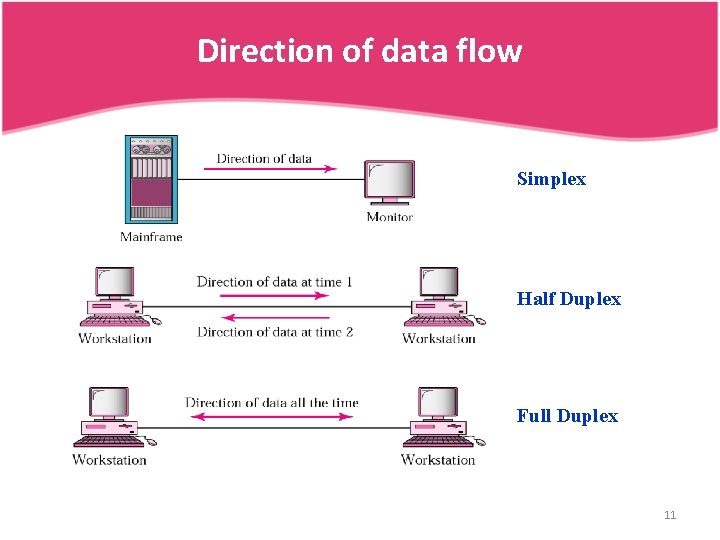
Direction of data flow Simplex Half Duplex Full Duplex 11
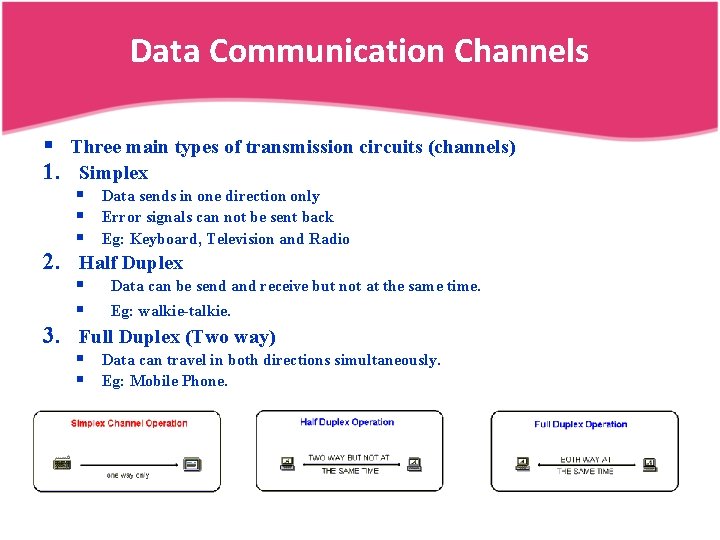
Data Communication Channels § Three main types of transmission circuits (channels) 1. Simplex 2. 3. § Data sends in one direction only § Error signals can not be sent back § Eg: Keyboard, Television and Radio Half Duplex § Data can be send and receive but not at the same time. § Eg: walkie-talkie. Full Duplex (Two way) § Data can travel in both directions simultaneously. § Eg: Mobile Phone.
1 -2 NETWORKS A network is a set of devices (often referred to as nodes) connected by communication links. A node can be a computer, printer, or any other device capable of sending and/or receiving data generated by other nodes on the network. Topics discussed in this section: Distributed Processing Network Criteria Physical Structures Network Models Categories of Networks Interconnection of Networks: Internetwork 1. 13
Figure 1. 3 Types of connections: point-to-point and multipoint 1. 14
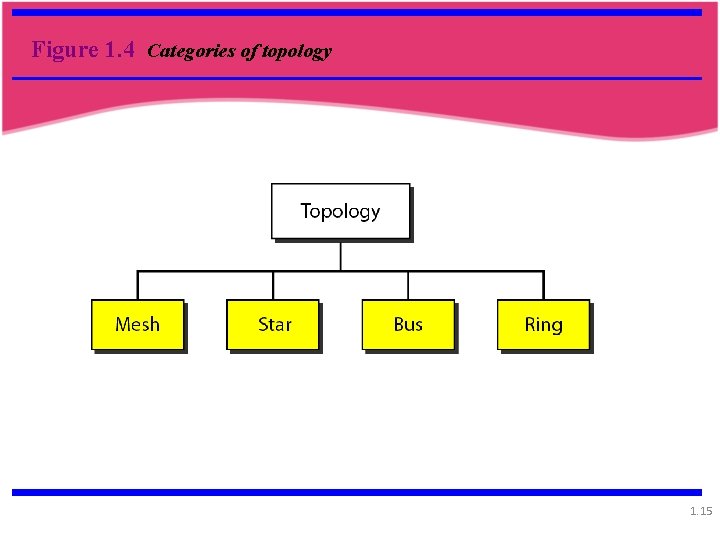
Figure 1. 4 Categories of topology 1. 15
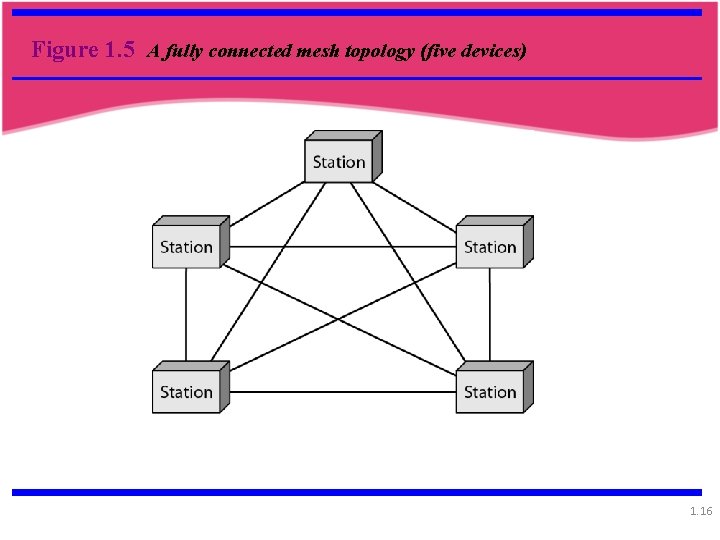
Figure 1. 5 A fully connected mesh topology (five devices) 1. 16
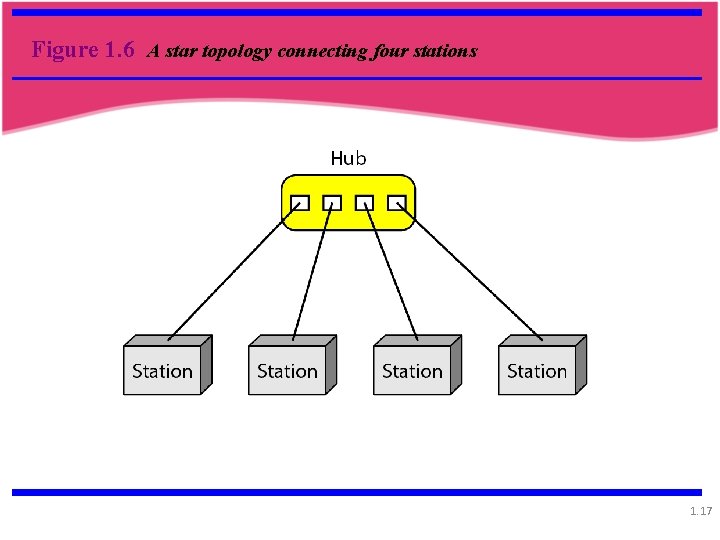
Figure 1. 6 A star topology connecting four stations 1. 17
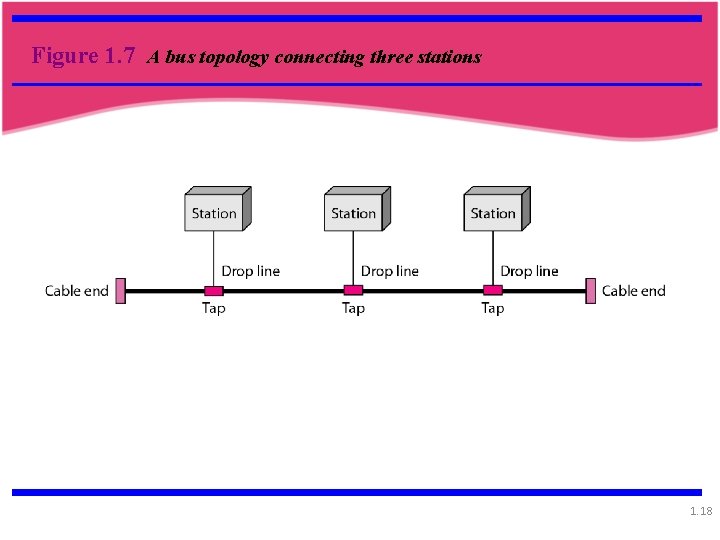
Figure 1. 7 A bus topology connecting three stations 1. 18
Figure 1. 8 A ring topology connecting six stations 1. 19
Figure 1. 9 A hybrid topology: a star backbone with three bus networks 1. 20
Figure 1. 10 An isolated LAN connecting 12 computers to a hub in a closet 1. 21
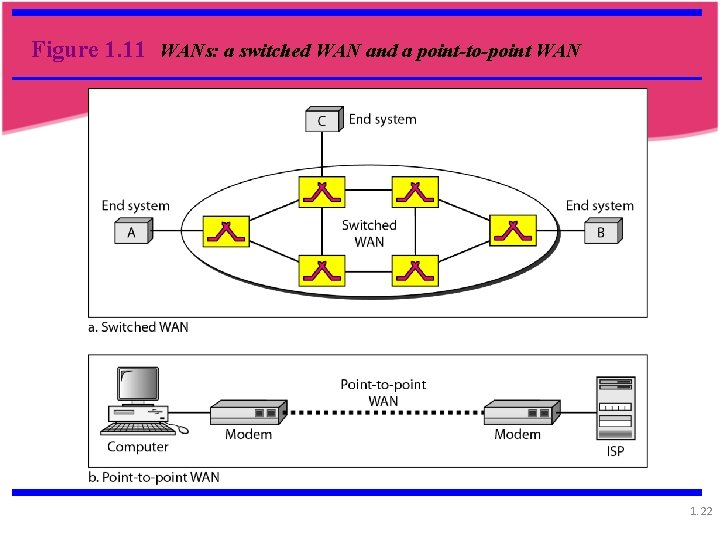
Figure 1. 11 WANs: a switched WAN and a point-to-point WAN 1. 22
Figure 1. 12 A heterogeneous network made of four WANs and two LANs 1. 23
1 -3 THE INTERNET The Internet has revolutionized many aspects of our daily lives. It has affected the way we do business as well as the way we spend our leisure time. The Internet is a communication system that has brought a wealth of information to our fingertips and organized it for our use. Topics discussed in this section: A Brief History The Internet Today (ISPs) 1. 24
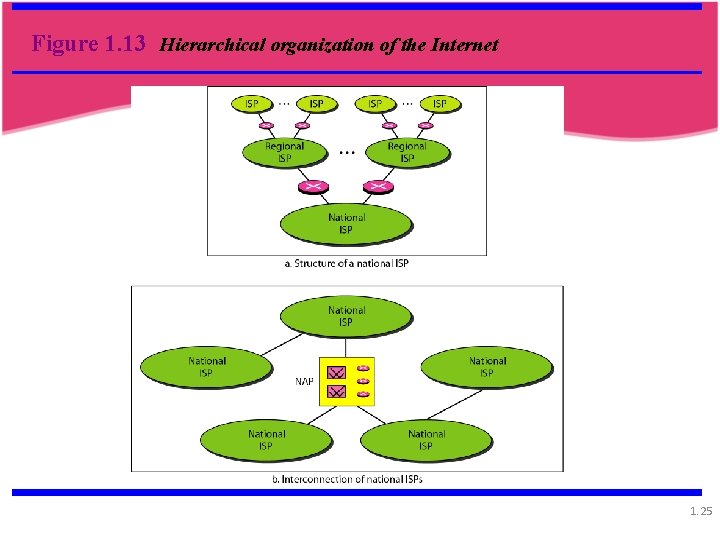
Figure 1. 13 Hierarchical organization of the Internet 1. 25
1 -4 PROTOCOLS AND STANDARDS In this section, we define two widely used terms: protocols and standards. First, we define protocol, which is synonymous with rule. Then we discuss standards, which are agreed-upon rules. Topics discussed in this section: Protocols Standards Organizations Internet Standards 1. 26