
Chapter 1 Introducing Sociology Learning Objectives for Chapter
Chapter 1 Introducing Sociology
Learning Objectives for Chapter 1 • By the end of this session you will be able to: • Define sociology • Identify the social relations that surround you, permeate • • you, and influence your behavior Describe how sociological research seeks to improve people’s lives and test ideas using scientific methods Summarize the four main schools of sociological theory Distinguish the four main methods of collecting sociological data Explain how sociology can help us deal with the many challenges that society faces today.
Chapter Outline • Introduction • The Sociological Perspective • Sociological Theories and Theorists • Conducting Research • The Main Methods of Sociological Research • How Sociology Helps Us Deal with Today’s Challenges
Sociology • The systematic study of human behavior in social context.
Four Sociological Explanations • Functionalism • Conflict Theory • Symbolic Interactionism • Feminism
C. Wright Mills • Wrote that the sociologist’s main task is to identify and explain the connection between people’s personal troubles and the social structures in which they are embedded. • Coined the term “sociological imagination”

The Four Levels of Social Structure
Origins of the Sociological Imagination 1. The Scientific Revolution suggested that a science of society is possible. 2. The Democratic Revolution suggested people can intervene to improve society. 3. The Industrial Revolution presented social thinkers with social problems in need of a solution.
Founders of Sociology • Durkheim • Parsons and Merton • Marx • Weber • Du. Bois • Mead • Martineau and Addams
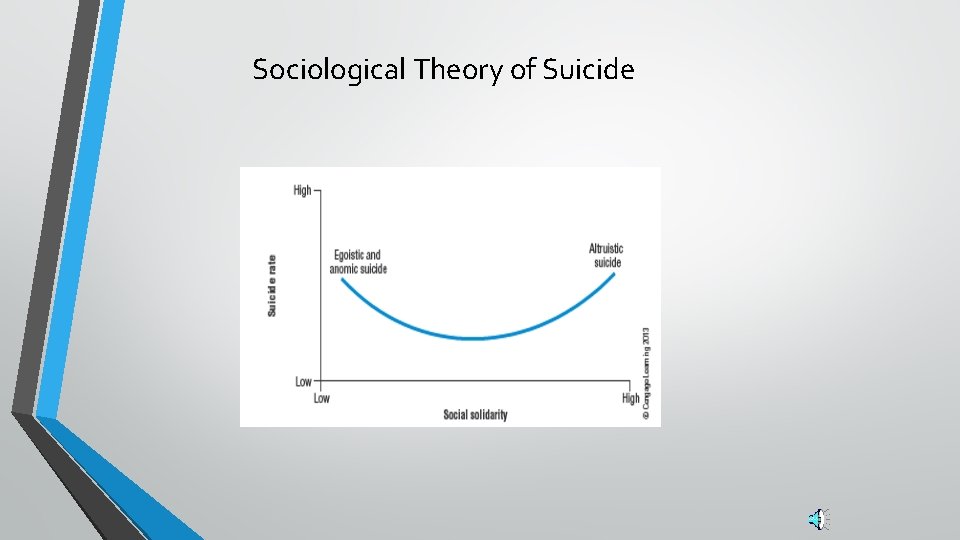
Sociological Theory of Suicide
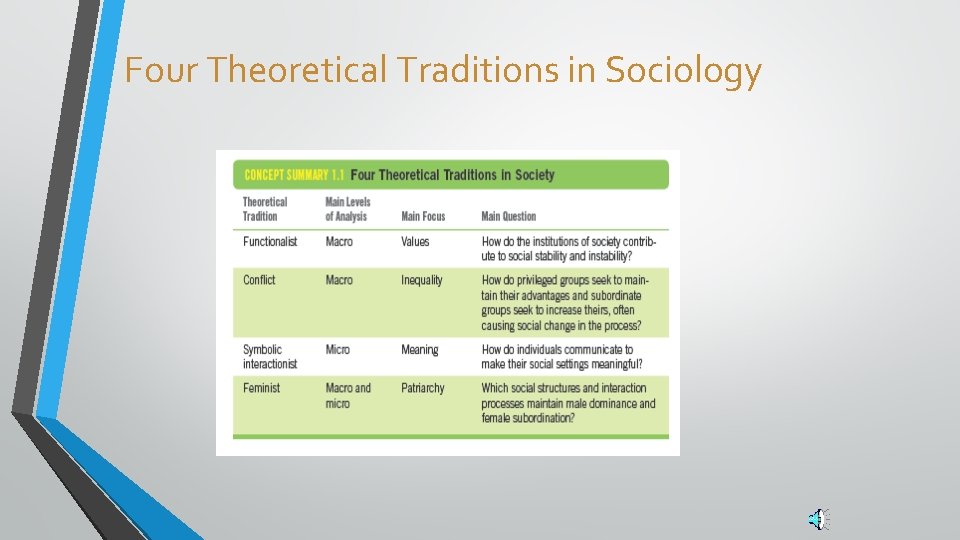
Four Theoretical Traditions in Sociology
Research • The process of carefully observing reality to assess the validity of a theory.

Research Cycle
Ethical Considerations • Researchers must respect their subjects’ rights to: • • Safety Privacy Confidentiality Informed consent
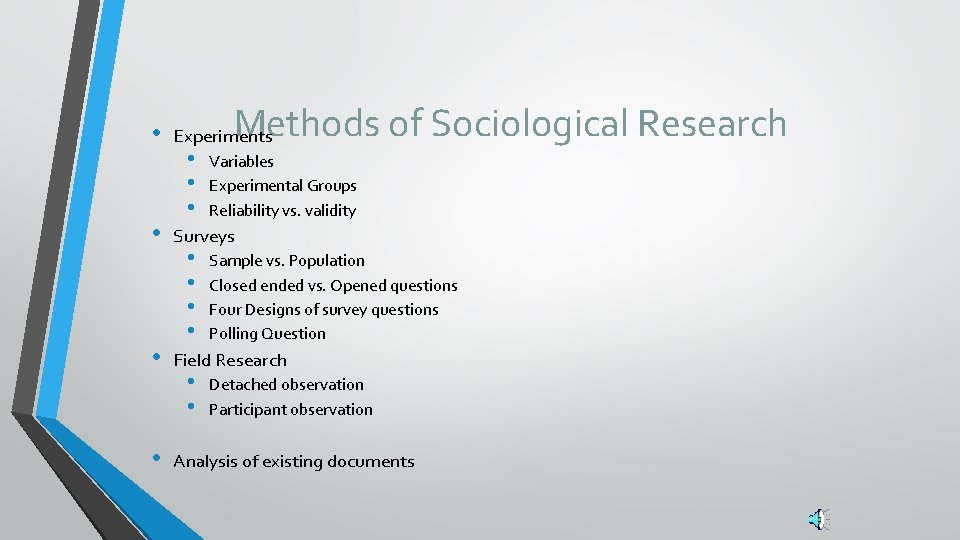
• • Methods of Sociological Research Experiments • • • Variables Experimental Groups Reliability vs. validity Surveys • • Sample vs. Population Closed ended vs. Opened questions Four Designs of survey questions Polling Question Field Research • • Detached observation Participant observation Analysis of existing documents
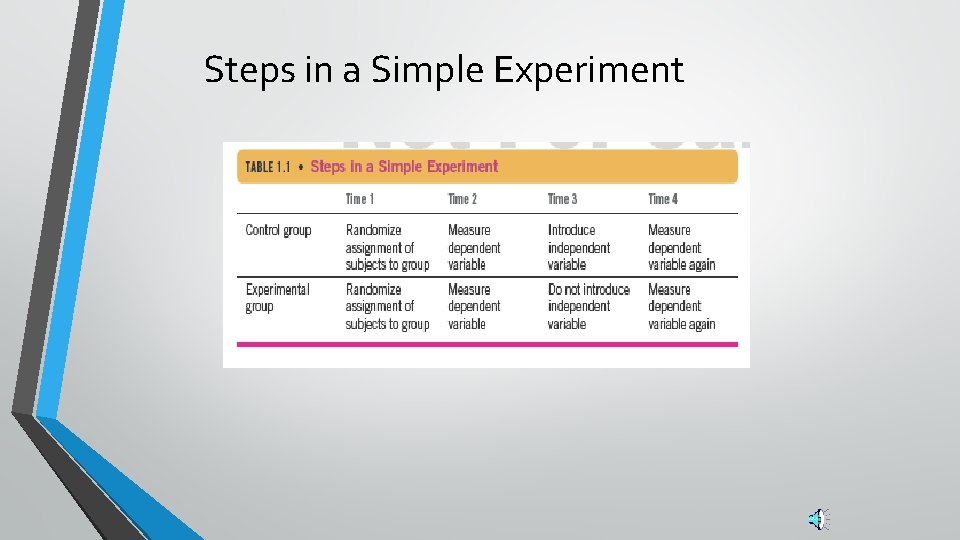
Steps in a Simple Experiment
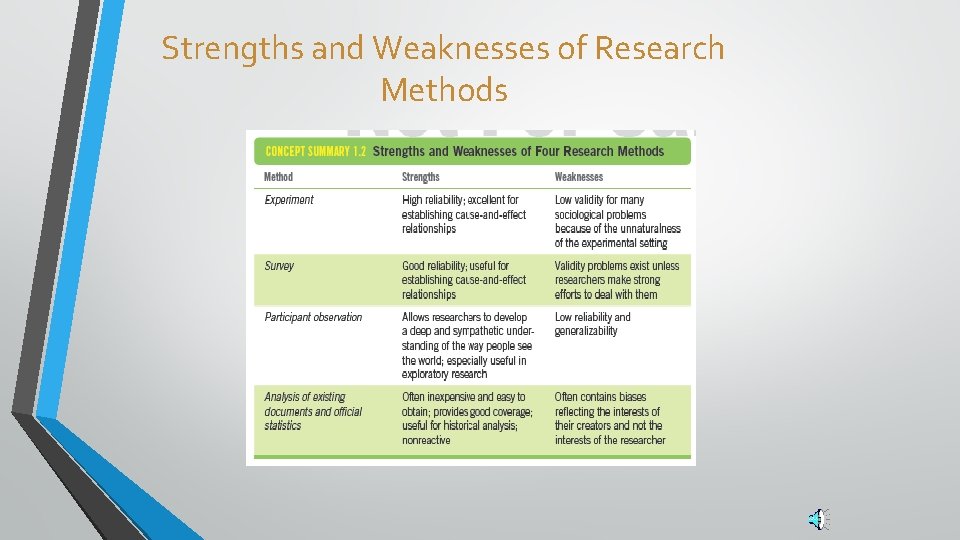
Strengths and Weaknesses of Research Methods
Postindustrial Revolution • The technology-driven shift from manufacturing to service industries and the consequences of that shift for virtually all human activities.
Globalization • The process by which formerly separate economies, states, and cultures are being tied together and people are becoming increasingly aware of their growing interdependence.
- Slides: 19