
Chapter 1 Biology Exploring Life Power Point Lectures
Chapter 1 Biology: Exploring Life Power. Point Lectures for Campbell Biology: Concepts & Connections, Seventh Edition Reece, Taylor, Simon, and Dickey © 2012 Pearson Education, Inc. Lecture by Edward J. Zalisko
Figure 1. 0_1 Chapter 1: Big Ideas Themes in the Study of Biology The Process of Science Evolution, the Core Theme of Biology and Everyday Life
THEMES IN THE STUDY OF BIOLOGY © 2012 Pearson Education, Inc.
1. 1 All forms of life share common properties § Biology is the scientific study of life. § Properties of life include 1. Order—the highly ordered structure of life, 2. Reproduction—the ability of organisms to reproduce their own kind, 3. Growth and development—consistent growth and development controlled by inherited DNA, 4. Energy processing—the use of chemical energy to power an organism’s activities and chemical reactions, © 2012 Pearson Education, Inc.
1. 1 All forms of life share common properties 5. Response to the environment—an ability to respond to environmental stimuli, 6. Regulation—an ability to control an organism’s internal environment within limits that sustain life, and 7. Evolutionary adaptation—adaptations evolve over many generations as individuals with traits best suited to their environments have greater reproductive success and pass their traits to offspring. Video: Sea Horses © 2012 Pearson Education, Inc.
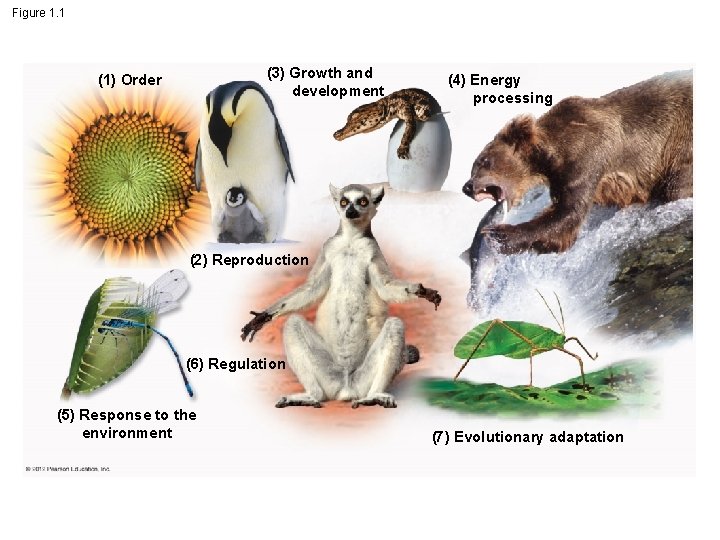
Figure 1. 1 (3) Growth and development (1) Order (4) Energy processing (2) Reproduction (6) Regulation (5) Response to the environment (7) Evolutionary adaptation
1. 2 In life’s hierarchy of organization, new properties emerge at each level § Biological organization unfolds as follows: – Biosphere—all of the environments on Earth that support life, – Ecosystem—all the organisms living in a particular area and the physical components with which the organisms interact, – Community—the entire array of organisms living in a particular ecosystem, – Population—all the individuals of a species living in a specific area, © 2012 Pearson Education, Inc.
1. 2 In life’s hierarchy of organization, new properties emerge at each level – Organism—an individual living thing, – Organ system—several organs that cooperate in a specific function, – Organ—a structure that is composed of tissues and that provides a specific function for the organism, – Tissues—a group of similar cells that perform a specific function, – Cells—the fundamental unit of life, © 2012 Pearson Education, Inc.
1. 2 In life’s hierarchy of organization, new properties emerge at each level – Organelle—a membrane-bound structure that performs a specific function in a cell, and – Molecule—a cluster of small chemical units called atoms held together by chemical bonds. © 2012 Pearson Education, Inc.
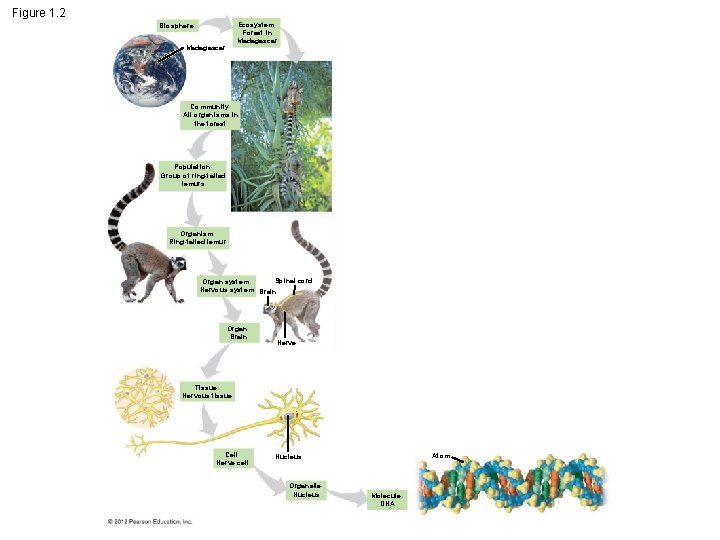
Figure 1. 2 Ecosystem: Forest in Madagascar Biosphere Madagascar Community: All organisms in the forest Population: Group of ring-tailed lemurs Organism: Ring-tailed lemur Spinal cord Organ system: Nervous system Brain Organ: Brain Nerve Tissue: Nervous tissue Cell: Nerve cell Atom Nucleus Organelle: Nucleus Molecule: DNA
1. 3 Cells are the structural and functional units of life § There are two basic types of cells. 1. Prokaryotic cells – were the first to evolve, – are simpler, and – are usually smaller than eukaryotic cells. 2. Eukaryotic cells – contain membrane-enclosed organelles, including a nucleus containing DNA, and – are found in plants, animals, and fungi. © 2012 Pearson Education, Inc.
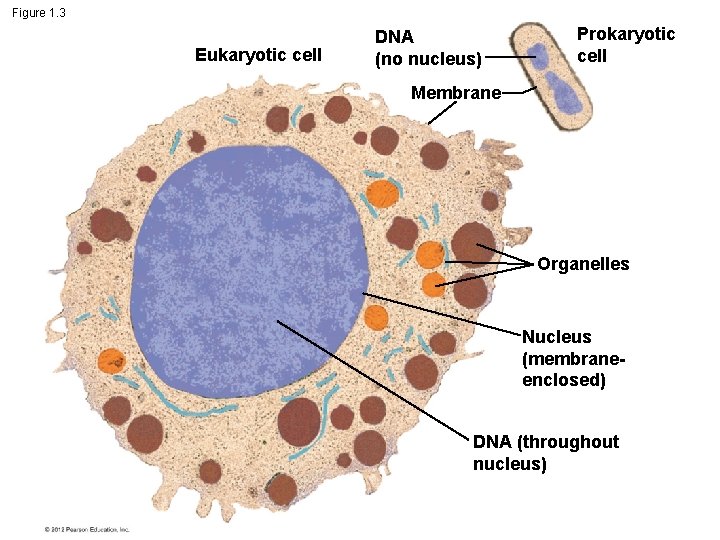
Figure 1. 3 Eukaryotic cell DNA (no nucleus) Prokaryotic cell Membrane Organelles Nucleus (membraneenclosed) DNA (throughout nucleus)
EVOLUTION, THE CORE THEME OF BIOLOGY © 2012 Pearson Education, Inc.
THE PROCESS OF SCIENCE © 2012 Pearson Education, Inc.
1. 8 Scientific inquiry is used to ask and answer questions about nature § The word science is derived from a Latin verb meaning “to know. ” Science is a way of knowing. § Scientists – use inductive reasoning to draw general conclusions from many observations and – deductive reasoning to come up with ways to test a hypothesis, a proposed explanation for a set of observations. The logic flows from general premises to the specific results we should expect if the premises are true. © 2012 Pearson Education, Inc.
1. 8 Scientific inquiry is used to ask and answer questions about nature § How is a theory different from a hypothesis? A scientific theory is – much broader in scope than a hypothesis, – usually general enough to generate many new, specific hypotheses, which can then be tested, and – supported by a large and usually growing body of evidence. © 2012 Pearson Education, Inc.
1. 9 Scientists form and test hypotheses and share their results § We solve everyday problems by using hypotheses. – A common example would be the reasoning we use to answer the question, “Why doesn’t a flashlight work? ” – Using deductive reasoning we realize that the problem is either (1) the bulb or (2) the batteries. – Further, a hypothesis must be – testable and – falsifiable. – In this example, two hypotheses are tested. © 2012 Pearson Education, Inc.
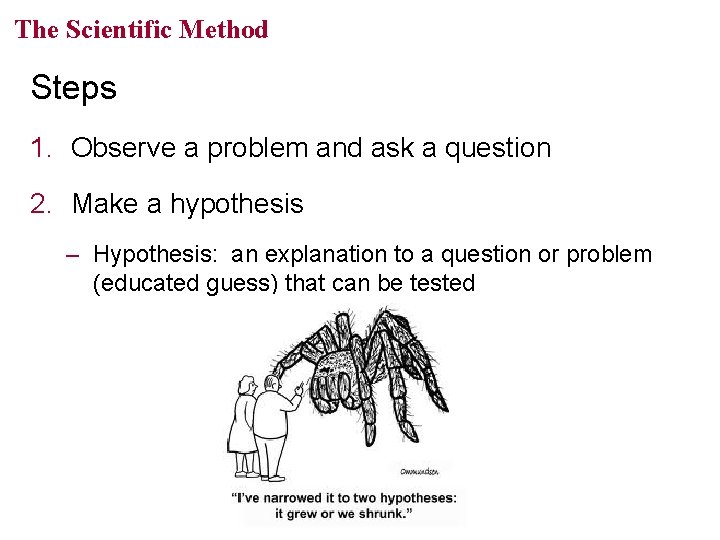
The Scientific Method Steps 1. Observe a problem and ask a question 2. Make a hypothesis – Hypothesis: an explanation to a question or problem (educated guess) that can be tested
3. Conduct an experiment to collect data – Experiment: an investigation that tests a hypothesis – Experiments can involve – A control group: the part of the experiment that receives no experimental treatment – An experimental group: The part of the experiment that receives experimental treatment – In experiments, only one condition is changed at a time, all other conditions must remain the same (controlled variables) – an independent variable: the condition that is tested – a dependent variable: the condition that changes due to the independent variable and is measured 4. Data: information obtained from an investigation (measurements, observations, etc. ) – The data is analyzed in order to make conclusions
5. Publish data and conclusions in scientific journals for other scientists to read 6. Form a theory – Theory: a hypothesis that is supported by a large body of evidence 7. Develop new hypotheses based on theory 8. Revise theory as new experiments are done
Different kinds of data § Quantitative data: numbers from measurements, counting, etc. – In biology, we use the metric system to make measurements – meter: length – gram: mass – liter: volume – second: time – degree Celsius: temperature § Qualitative data: written description from observations §
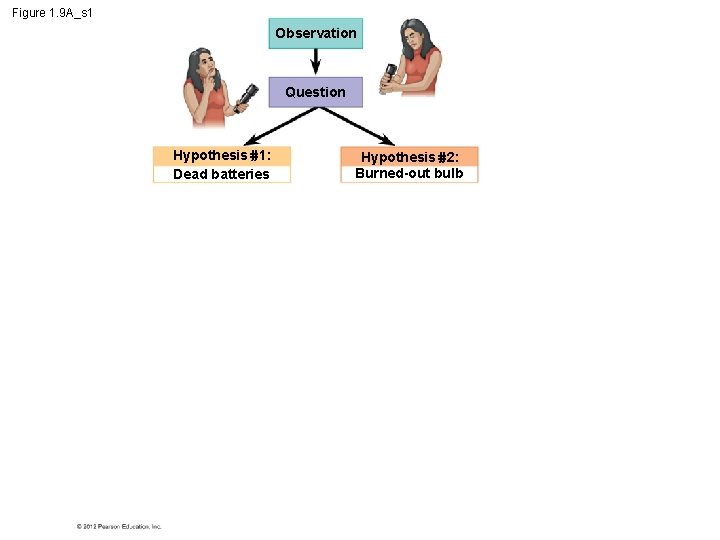
Figure 1. 9 A_s 1 Observation Question Hypothesis 1: Dead batteries Hypothesis 2: Burned-out bulb
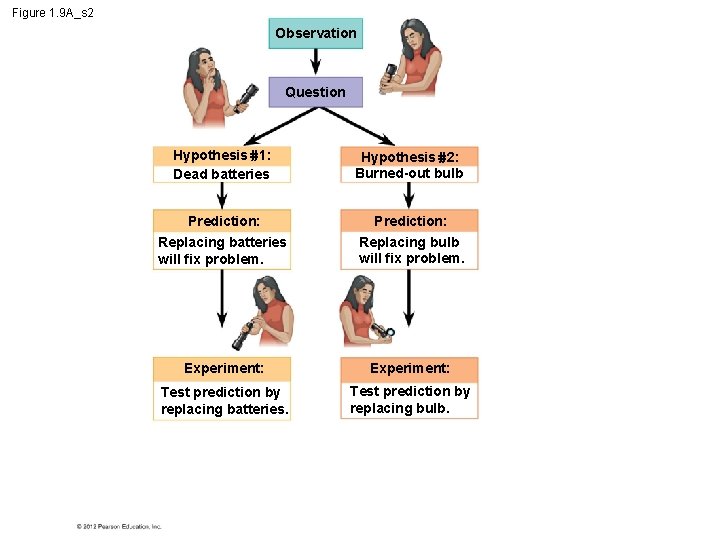
Figure 1. 9 A_s 2 Observation Question Hypothesis 1: Dead batteries Hypothesis 2: Burned-out bulb Prediction: Replacing batteries will fix problem. Prediction: Replacing bulb will fix problem. Experiment: Test prediction by replacing batteries. Test prediction by replacing bulb.
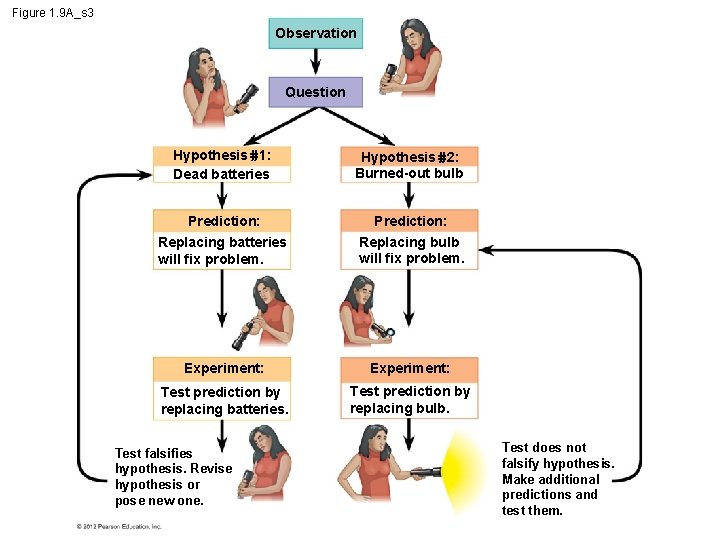
Figure 1. 9 A_s 3 Observation Question Hypothesis 1: Dead batteries Hypothesis 2: Burned-out bulb Prediction: Replacing batteries will fix problem. Prediction: Replacing bulb will fix problem. Experiment: Test prediction by replacing batteries. Test prediction by replacing bulb. Test falsifies hypothesis. Revise hypothesis or pose new one. Test does not falsify hypothesis. Make additional predictions and test them.
1. 9 Scientists form and test hypotheses and share their results § An actual research project demonstrates the process of science. § Scientists began with a set of observations and generalizations that – poisonous animals are brightly colored and – imposters resemble poisonous species but are actually harmless. § They then tested the hypothesis that mimics benefit because predators confuse them with the harmful species. © 2012 Pearson Education, Inc.
1. 9 Scientists form and test hypotheses and share their results § The scientists conducted a controlled experiment, comparing – an experimental group consisting of artificial king snakes and – a control group consisting of artificial brown snakes. – The groups differed only by one factor, the coloration of the artificial snakes. – The data fit the key prediction of the mimicry hypothesis. © 2012 Pearson Education, Inc.
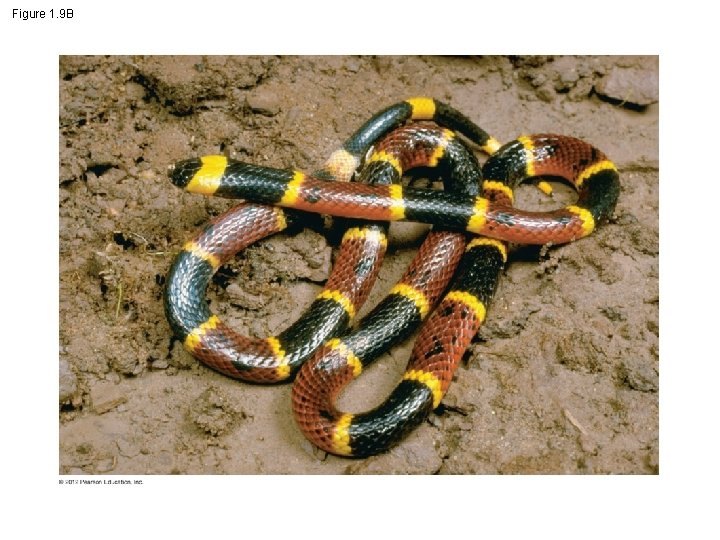
Figure 1. 9 B
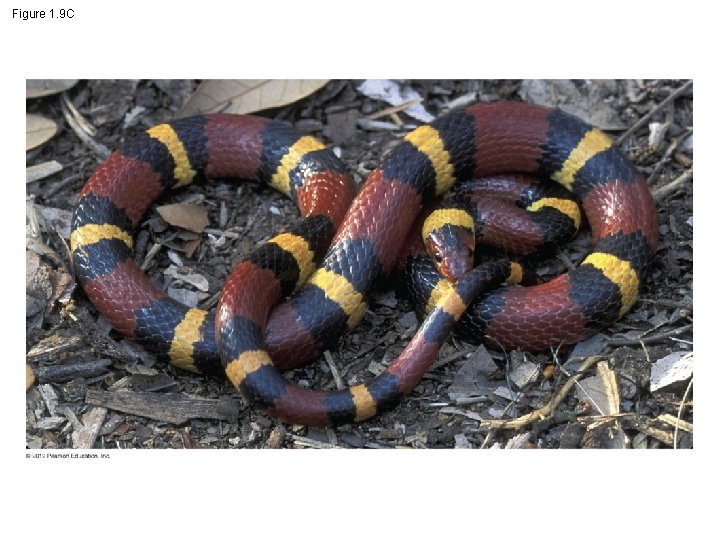
Figure 1. 9 C
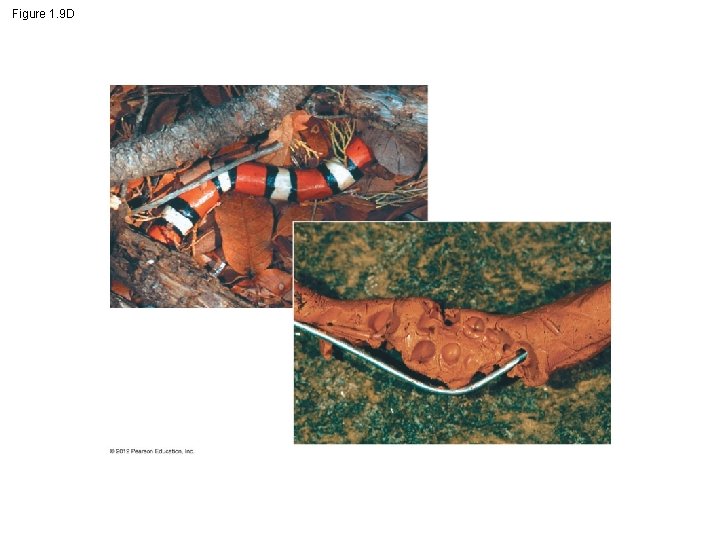
Figure 1. 9 D
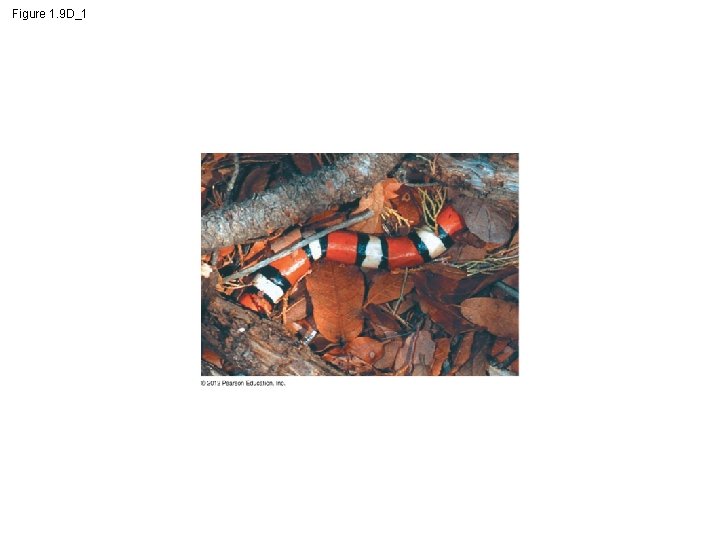
Figure 1. 9 D_1
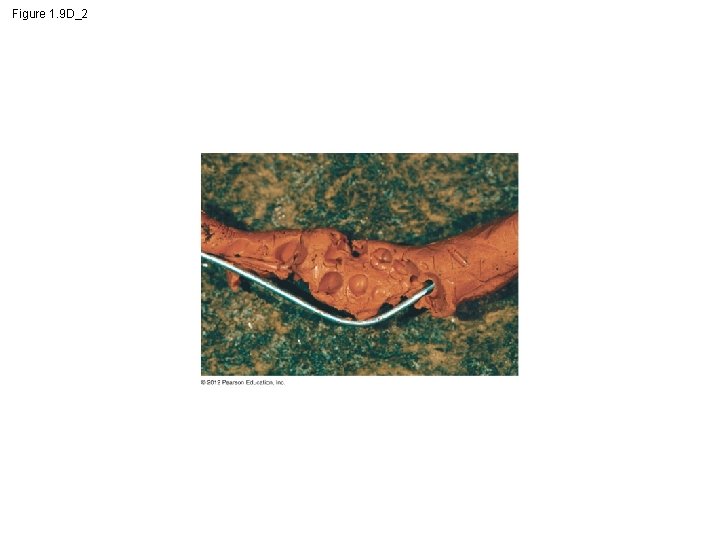
Figure 1. 9 D_2
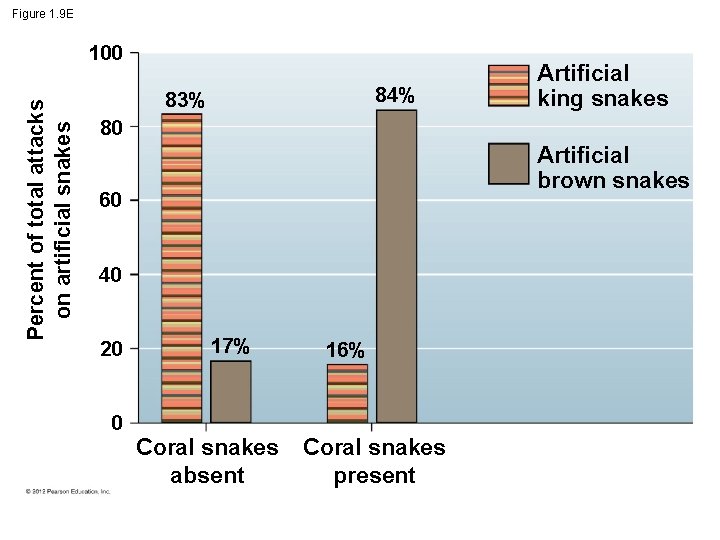
Figure 1. 9 E Percent of total attacks on artificial snakes 100 84% 83% Artificial king snakes 80 Artificial brown snakes 60 40 20 0 17% Coral snakes absent 16% Coral snakes present
1. 9 Scientists form and test hypotheses and share their results § Science is a social activity with most scientists working in teams. § Scientists share information in many ways. § Science seeks natural causes for natural phenomena. – The scope of science is limited to the study of structures and processes that we can directly observe and measure. – Hypotheses about supernatural forces or explanations are outside the bounds of science, because they generate hypotheses that cannot be tested by science. © 2012 Pearson Education, Inc.
BIOLOGY AND EVERYDAY LIFE © 2012 Pearson Education, Inc.
1. 10 CONNECTION: Biology, technology, and society are connected in important ways § Many issues facing society are related to biology. Most involve our expanding technology. § The basic goals of science and technology differ. – The goal of science is to understand natural phenomena. – The goal of technology is to apply scientific knowledge for some specific purpose. © 2012 Pearson Education, Inc.
1. 10 CONNECTION: Biology, technology, and society are connected in important ways § Although their goals differ, science and technology are interdependent. – Technological advances stem from scientific research. – Research benefits from new technologies. © 2012 Pearson Education, Inc.
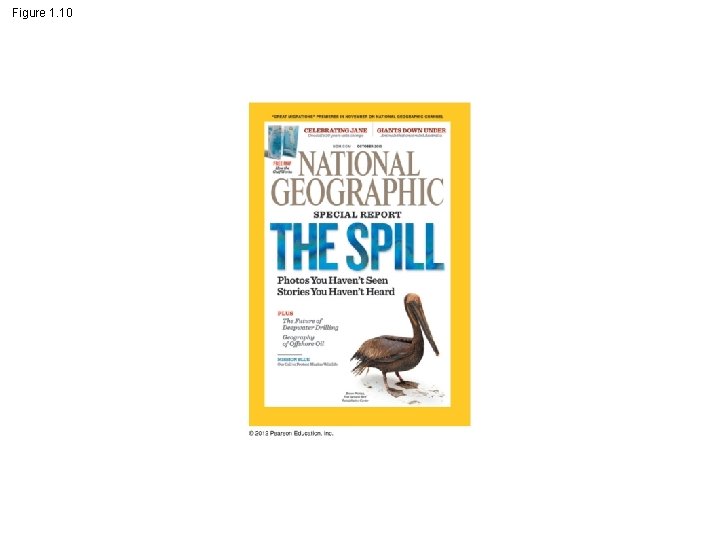
Figure 1. 10
1. 11 EVOLUTION CONNECTION: Evolution is connected to our everyday lives § Evolution is a core theme of biology. § Evolutionary theory is useful in – medicine, – agriculture, – forensics, and – conservation. © 2012 Pearson Education, Inc.
1. 11 EVOLUTION CONNECTION: Evolution is connected to our everyday lives § Human-caused environmental changes are powerful selective forces that affect the evolution of many species, including – antibiotic-resistant bacteria, – pesticide-resistant pests, – endangered species, and – increasing rates of extinction. © 2012 Pearson Education, Inc.
You should now be able to 1. Describe seven properties common to all life. 2. Describe the levels of biological organization from molecules to the biosphere, noting the interrelationships between levels. 3. Define the concept of emergent properties and describe an example of it. 4. Explain why cells are a special level in biological organization. Compare prokaryotic and eukaryotic cells. 5. Compare the dynamics of nutrients and energy in an ecosystem. © 2012 Pearson Education, Inc.
You should now be able to 6. Explain how DNA encodes a cell’s information. 7. Compare three domains of life. 8. Describe the process and products of natural selection. Explain why individuals cannot evolve. 9. Distinguish between quantitative and qualitative data. 10. Compare the definitions and use of inductive and deductive reasoning in scientific investigations. 11. Distinguish between a scientific theory and a hypothesis. © 2012 Pearson Education, Inc.
You should now be able to 12. Distinguish between the scientific definition and common use of the word theory. 13. Describe the structure of a controlled experiment and give an example. 14. Compare the goals of science and technology. Explain why an understanding of science is essential to our lives. 15. Explain how evolution impacts the lives of all humans. © 2012 Pearson Education, Inc.
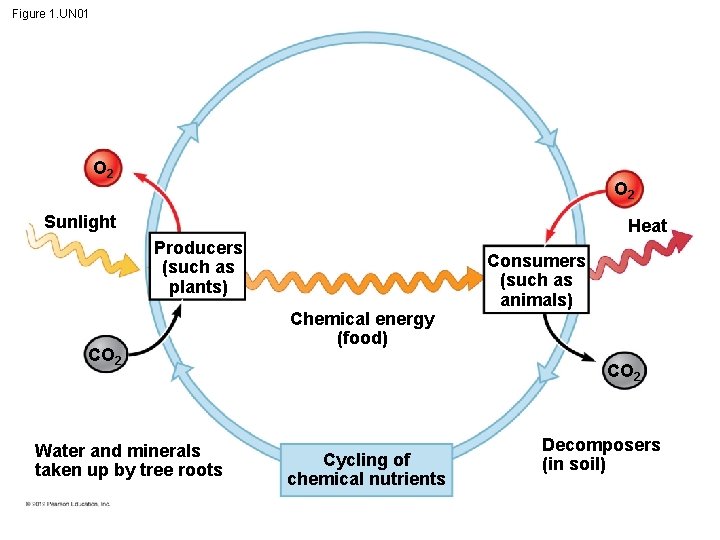
Figure 1. UN 01 O 2 Sunlight Heat Producers (such as plants) CO 2 Water and minerals taken up by tree roots Chemical energy (food) Consumers (such as animals) CO 2 Cycling of chemical nutrients Decomposers (in soil)
Figure 1. UN 02
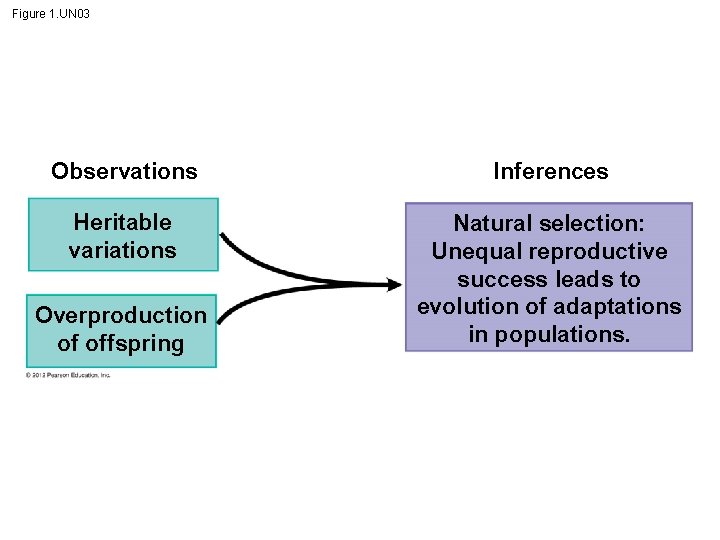
Figure 1. UN 03 Observations Inferences Heritable variations Natural selection: Unequal reproductive success leads to evolution of adaptations in populations. Overproduction of offspring
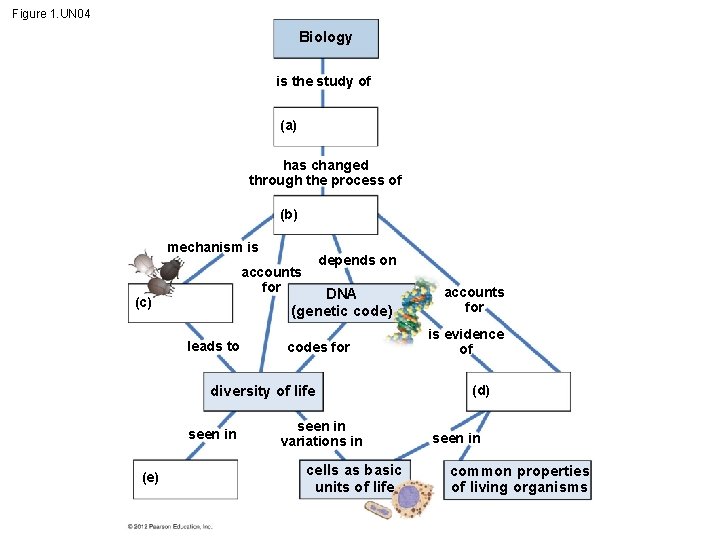
Figure 1. UN 04 Biology is the study of (a) has changed through the process of (b) mechanism is depends on accounts for DNA (genetic code) (c) leads to codes for diversity of life seen in (e) seen in variations in cells as basic units of life accounts for is evidence of (d) seen in common properties of living organisms
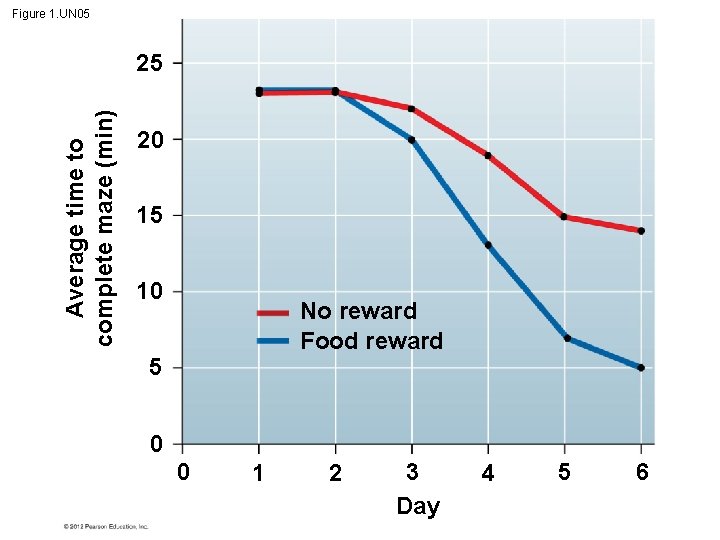
Figure 1. UN 05 Average time to complete maze (min) 25 20 15 10 No reward Food reward 5 0 0 1 2 3 Day 4 5 6
- Slides: 47